




Best Virtual Staging Furniture Styles to Make Buyers Crave Your Homes

Share:
Table of Contents
- 1. Why choosing the right virtual staging furniture styles matters
- 2. Top 5 trending virtual staging furniture styles in 2026
- • 2.1. The sleek and sophisticated: Modern virtual staging style
- • 2.2. The warm and cozy: Farmhouse virtual staging
- • 2.3. The less is more: Minimalist virtual staging
- • 2.4. The timeless class: Transitional / Traditional style
- • 2.5. The bold and edgy: Industrial style
- • Quick reference: Matching style to property type
- 3. How to choose the right style for your target demographics
- 4. Pro-tips for implementing virtual staging furniture styles
- 5. Conclusion
Leaving a property vacant is a costly mistake in today’s competitive real estate market. Buyers don’t just purchase empty walls; they want a lifestyle. While virtual staging offers an affordable, high-impact solution to showcase a home's true potential, picking the wrong look can easily alienate your target audience. To captivate buyers and maximize your listing's ROI, mastering popular virtual staging furniture styles is essential. From the sleek appeal of the modern style to the rustic charm of a farmhouse or the serenity of minimalism, the right aesthetic turns cold spaces into irresistible homes.
1. Why choosing the right virtual staging furniture styles matters
Real estate marketing is deeply rooted in psychology. When buyers browse online listings, they rarely judge a house based on square footage alone; they are searching for an emotional connection. An empty room feels cold, sterile, and deceptively small, making it incredibly difficult for the average viewer to gauge scale or spatial flow. By strategically selecting the right virtual staging furniture styles, you tell a compelling visual story. You transform a blank canvas into an aspirational lifestyle, helping prospects instantly picture where their family will gather, where they will work, and how they will unwind.
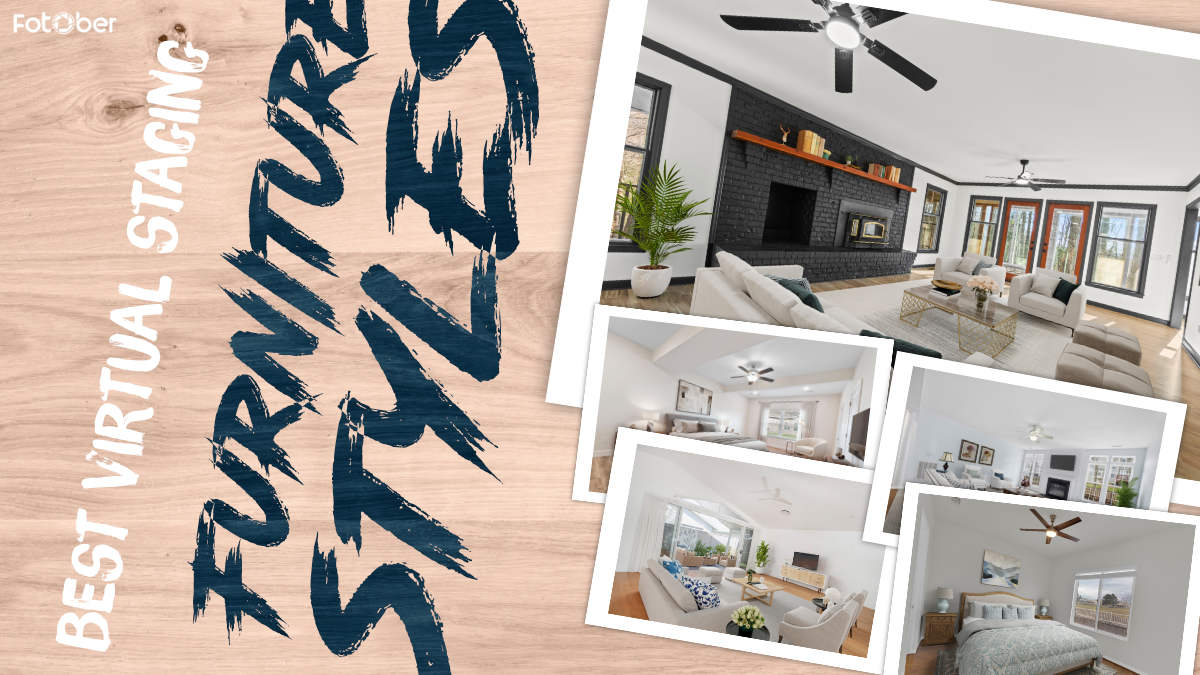
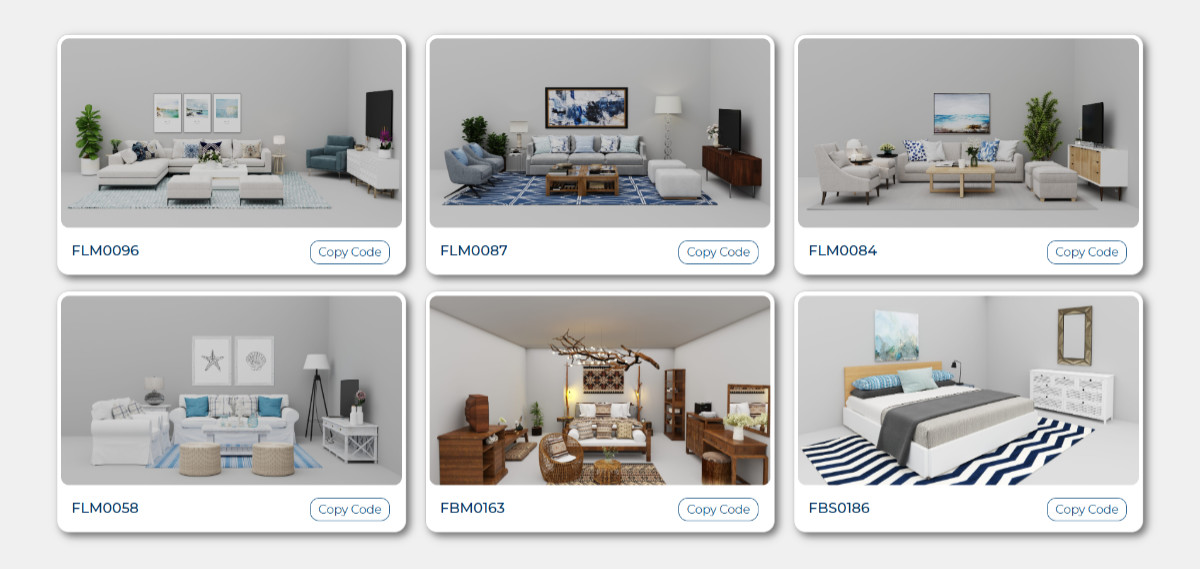 A furniture style can make or break a virtual staging photo.
Beyond emotional psychology, choosing the perfect aesthetic directly accelerates your sales cycle and maximizes your marketing ROI. Digital real estate platforms are incredibly crowded, meaning your primary listing photo has less than two seconds to capture a buyer's attention. According to data from the National Association of Realtors (NAR), 82% of buyer's agents state that staging makes it significantly easier for clients to visualize a property as their future home. Aligning your digital decor with local buyer preferences boosts online click-through rates (CTR) and can reduce days on market (DOM) by up to 70%, delivering a massive financial return at a fraction of the cost of physical staging.
However, successful digital staging requires a careful balance between architecture and interior design; it is never a one-size-fits-all solution. Forcing ultra-modern, low-profile furniture into a historic Victorian home creates a jarring visual disconnect that immediately breaks a buyer's immersion. The virtual elements must honor the physical "bones" of the property. Whether you are matching a sleek downtown loft with a modern virtual staging style or a suburban property with cozy farmhouse elements, creating harmony between the architectural shell and the digital furniture builds immediate trust and drives higher offers.
2. Top 5 trending virtual staging furniture styles in 2026
The landscape of digital real estate marketing has evolved dramatically. Buyers are no longer captivated by cookie-cutter, catalog-perfect rooms that look like they belong in a corporate brochure. In 2026, the trend has decisively shifted toward authenticity, tactile warmth, and subtle storytelling. Modern buyers look for "curated calm", spaces that feel lived-in, intentional, and rich in texture rather than sterile or artificial. To successfully bridge the imagination gap, real estate professionals must utilize advanced virtual staging furniture styles that reflect how people actually want to live today.
By understanding the distinct visual languages of the top five staging aesthetics dominating the market, you can transform empty listings into high-value, emotionally resonant properties that sell at a premium.
2.1. The sleek and sophisticated: Modern virtual staging style
The modern virtual staging style remains a powerhouse for a reason, but its execution has matured significantly. The cold, high-contrast aesthetics of previous years, dominated by stark whites, icy grays, and reflective chrome, have been replaced by a much softer, more organic approach. Today's modern digital staging embraces an "anti-gloss" philosophy, prioritizing matte textures, soft plaster effects, and unpolished surfaces that absorb light rather than scattering it. This creates an immediate sense of visual depth and sophisticated comfort in online photos.
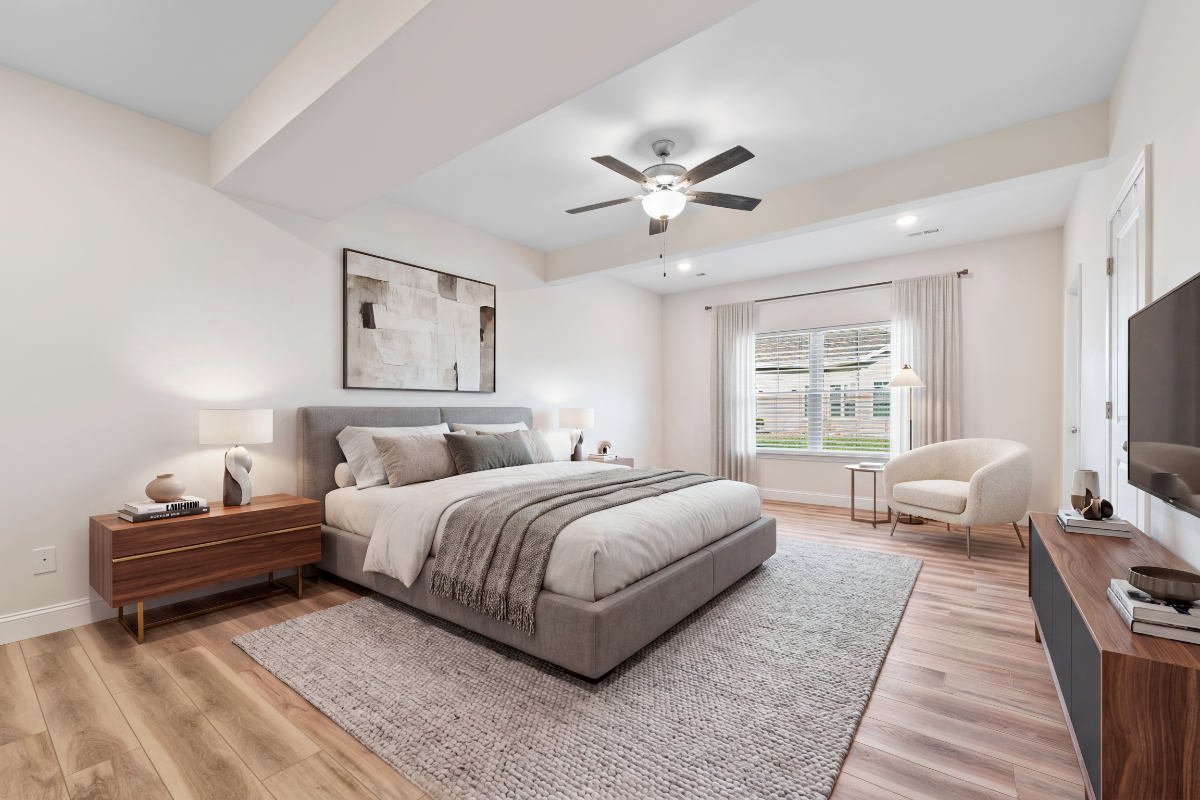 Modern style has been the go-to choice for interior designers in recent years.
Another major shift within this style is the rise of the "curves that comfort" trend. Instead of rigid, sharp-angled sofas and blocky coffee tables, advanced virtual staging for real estate renders sculptural furniture with rounded silhouettes, curved conversational sofas, and arched floor lamps. Bouclé fabrics, performance linen, and light-toned timbers like ash or bleached oak are layered over a warm neutral base of taupe, cream, and greige.
- Best suited for: High-rise condominiums, urban townhomes, new construction developments, and properties with expansive floor-to-ceiling windows.
- Target audience: Young professionals, urbanites, and tech workers who demand a lifestyle that feels forward-thinking, quietly intelligent, and seamlessly organized.
2.2. The warm and cozy: Farmhouse virtual staging
Far from fading away, farmhouse virtual staging has reinvented itself into what designers call "Modern Heritage." This style successfully sheds the over-decorated, cliché "live-laugh-love" country tropes of the past decade. Instead, it embraces a refined, upscale aesthetic that blends rustic architectural character with contemporary lifestyle elements. The focus is entirely on tactile materiality, sustainability, and emotional permanence.
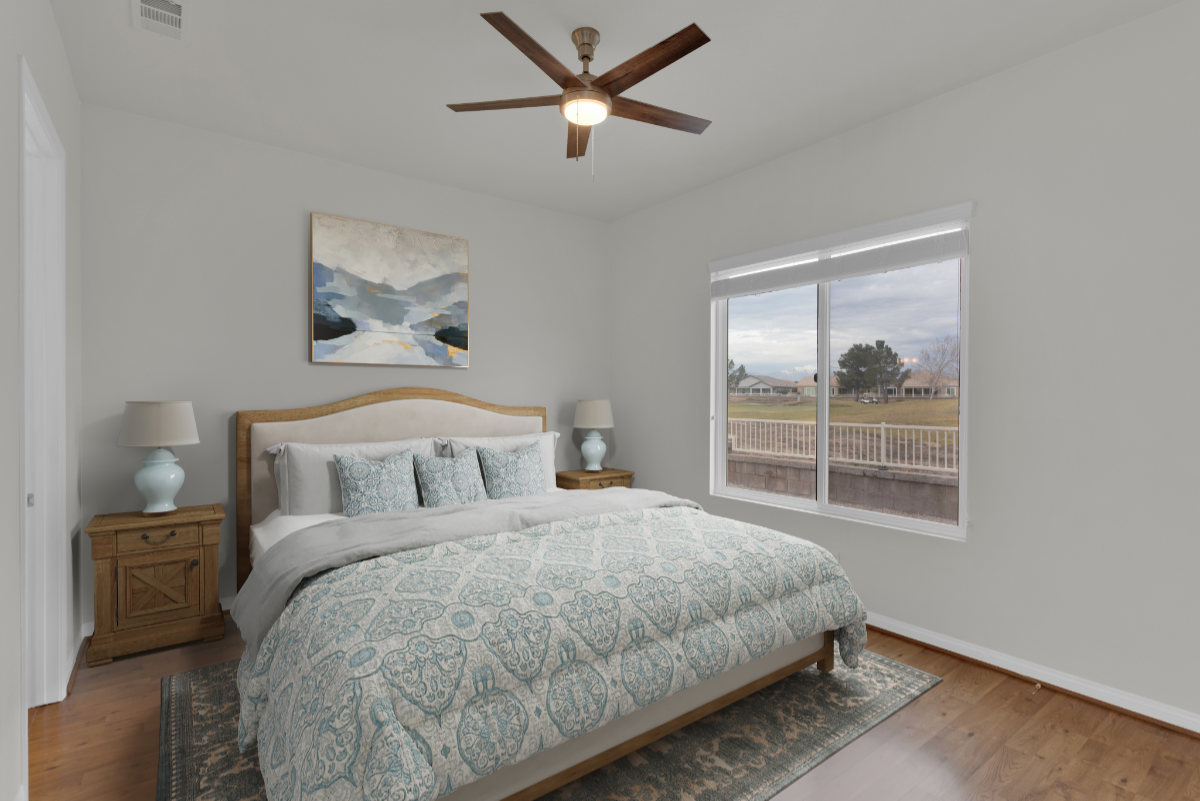 More buyers are seeking the warmth and character of decorated furniture, which leads to the popularity of the farmhouse style.
When staging a digital farmhouse interior, the color palette centers around deep, grounding earth tones. Warm white and rich cream walls are accented by espresso wood tones, muddy terracottas, and soft forest greens. The furniture selection features a deliberate mix of wood stains, such as pairing a reclaimed oak dining table with matte black Windsor chairs, to create a "collected over time" look rather than a matching showroom bundle. Essential digital assets include slipcovered linen sofas, oil-rubbed bronze hardware, exposed structural beams, and biophilic accents like oversized trailing ivy or potted olive trees to bring the outdoors in.
- Best suited for: Suburban family homes, historic properties, country estates, and houses featuring prominent stone fireplaces or expansive wrap-around porches.
- Target audience: Growing families and multi-generational buyers seeking comfort, durability, a sense of community, and an inviting space to host large gatherings.
2.3. The less is more: Minimalist virtual staging
In 2026, minimalist virtual staging is no longer defined by what is missing from a room, but rather by the deliberate value of what remains. The goal of modern digital minimalism is spatial clarity and layout optimization, ensuring that the property's natural architectural bones, such as high ceilings, crown moldings, or massive windows, are highlighted rather than hidden behind heavy furniture.
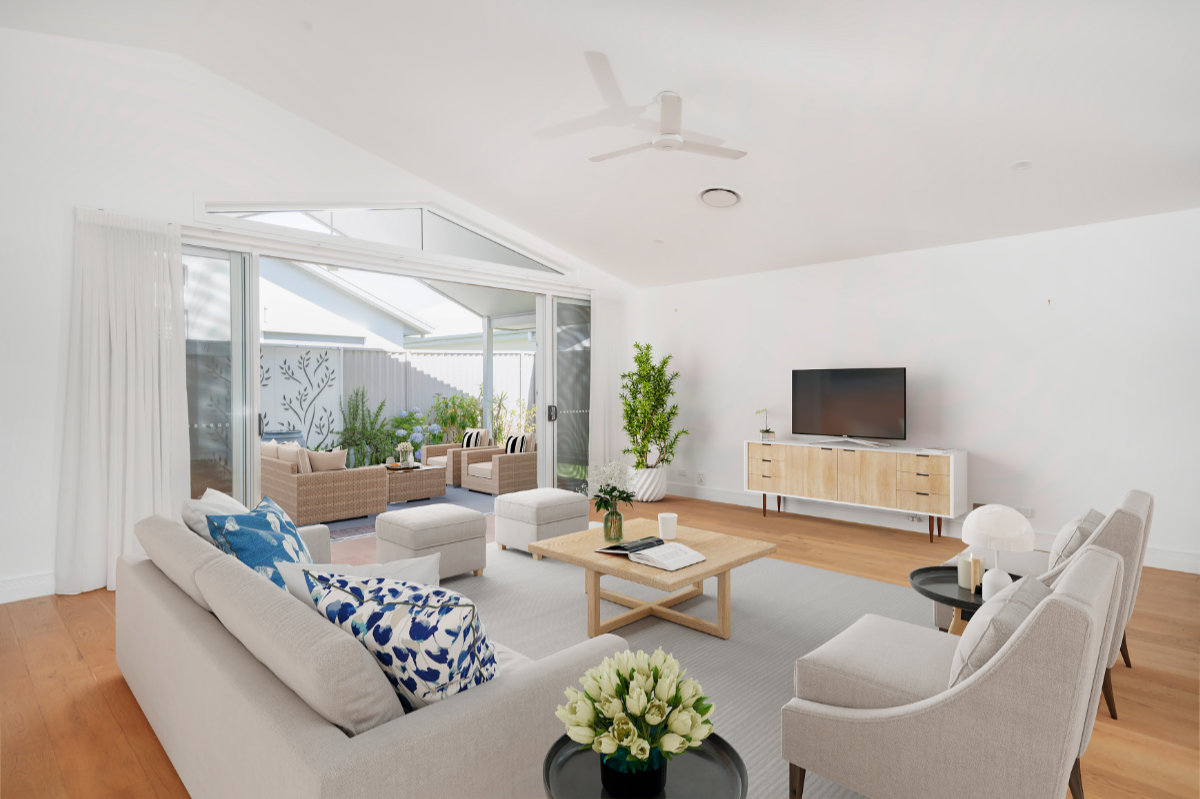 Minimalism is still being favored by many buyers, with some embellishments to make the style less “cold” and sterile.
This approach uses a "warm minimalism" framework. Instead of a sterile room with a lone leather bench, virtual designers use highly textured, organic elements to create richness without creating physical clutter. Think hand-thrown ceramic vases, textured lime-wash wall finishes, and low-profile platform beds dressed in heavily layered organic linen. Storage solutions are virtually staged as hidden or flush with the walls to emphasize clean lines. Rather than staging a massive matching furniture set, a minimalist layout focuses on a single, high-quality statement piece, like an iconic lounge chair or a solid walnut dining table, paired with perfectly open walkways that show off a seamless spatial flow.
- Best suited for: Micro-apartments, studio spaces, compact urban dwellings, or high-end luxury real estate where the raw materials of the home (like premium marble or exotic hardwoods) are the main selling points.
- Target audience: Minimalist purists, lifestyle-conscious Millennials, and Gen Z buyers who value sustainable, clutter-free environments and high spatial efficiency.
2.4. The timeless class: Transitional / Traditional style
The Transitional style represents the ultimate golden mean of interior design, gracefully balancing traditional architectural heritage with contemporary lines. It avoids the rigid coldness of ultra-modern aesthetics while steering clear of the stuffiness often associated with old-school traditional decor. It is a highly strategic style for luxury real estate because it presents a universally appealing, upscale atmosphere.
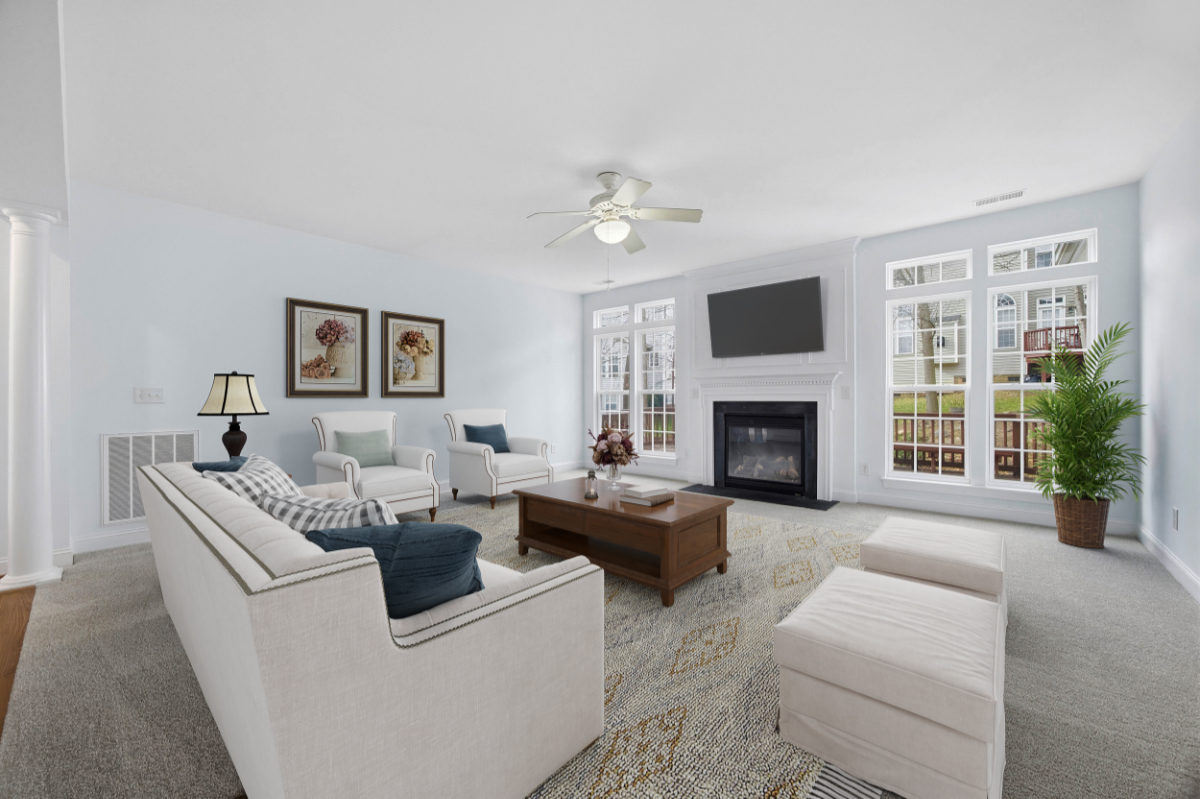 The transitional style is commonly found in more luxury properties for its timeless elegance.
Virtually staging a transitional space involves layering classic silhouettes with fresh, updated color palettes. Think plush, deep-seated English roll-arm sofas upholstered in crisp white performance fabrics, paired with mid-tone walnut coffee tables and tailored wool area rugs. Instead of sticking strictly to neutrals, this style thrives on sophisticated "color drenching" or deep jewel-toned accents. Rich navy, dusty emerald, and deep burgundy are introduced through digitally staged velvet accent pillows, drapery, or library built-ins. Brushed brass, matte gold, and aged bronze light fixtures replace high-shine chrome, adding an understated layer of quiet luxury.
- Best suited for: Mid-to-high-end luxury estates, traditional brick colonials, older suburban homes undergoing modern updates, and formal dining or living rooms.
- Target audience: Affluent buyers, corporate executives, and established families who prioritize timeless elegance, premium craftsmanship, and formal yet comfortable living spaces.
2.5. The bold and edgy: Industrial style
The Industrial style continues to capture the imagination of buyers who crave a raw, artistic, and deeply authentic lifestyle. In 2026, industrial virtual staging moves away from the aggressive, overly dark "steampunk" iterations of the past. Instead, it balances heavy, structural elements with softer, more comfortable textiles to ensure the home still feels profoundly welcoming and livable.
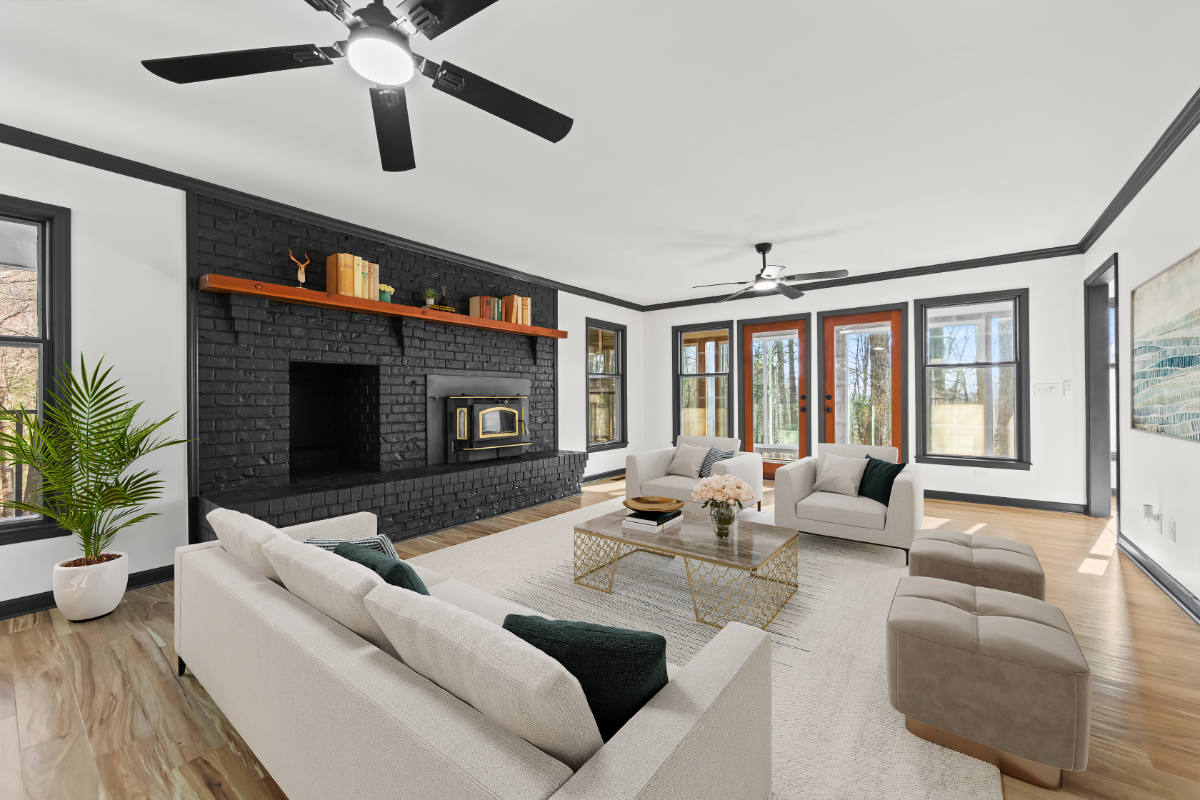 For buyers who don’t want to go safe and boring with their home designs, the Industrial style is an excellent choice.
The core of this style relies on showcasing raw building materials. Virtual staging software is used to accent existing architectural features or digitally add realistic textures like exposed red brick feature walls, distressed concrete floors, and raw steel ceiling beams. To counteract the coldness of these industrial backbones, designers insert deeply comfortable, oversized furniture. A classic, aged caramel leather Chesterfield sofa serves as the perfect anchor, paired with reclaimed wood tables, matte black iron display shelving, and vintage-inspired Edison bulb track lighting. Textiles like thick woven wool rugs and heavy canvas throws are layered in to soften the acoustics and visuals of the space.
- Best suited for: Converted warehouses, downtown loft spaces, live-work artist studios, and contemporary properties with open-concept architectural layouts.
- Target audience: Creatives, entrepreneurs, design enthusiasts, and single professionals who want a home that makes a bold, artistic statement and accommodates a flexible lifestyle.
Quick reference: Matching style to property type
To help you quickly determine which of these trending virtual staging furniture styles fits your next listing, consult this strategic breakdown:
|
Virtual staging style |
Core vibes & textures |
Target demographics |
Best property types |
|
Modern |
Sleek, curved shapes, matte finishes, organic neutrals |
Young professionals, urbanites |
High-rise condos, Townhomes |
|
Farmhouse |
Cozy, mixed wood tones, earth colors, modern heritage |
Families, multi-generational buyers |
Suburban houses, country homes |
|
Minimalist |
Spacious, warm textures, high spatial clarity, no clutter |
Millennials, Gen Z, tech workers |
Studio apartments, Luxury spaces |
|
Transitional |
Elegant, plush seating, rich jewel accents, quiet luxury |
High-net-worth individuals, families |
Traditional estates, luxury homes |
|
Industrial |
Raw, exposed brick/metal, aged leather, bold contrast |
Creatives, tech entrepreneurs |
Lofts, converted warehouses |
3. How to choose the right style for your target demographics
Selecting the perfect virtual staging style isn't an exercise in personal interior design; it is a calculated marketing strategy. To extract the highest possible value from your listing, you must explicitly align the visual narrative of the home with the socioeconomic data and lifestyle aspirations of your target buyer profile.
- Analyze the neighborhood: Look beyond the property walls to evaluate the surrounding community. If your listing sits in a trendy, walkable urban core or a converted downtown district, an edgy industrial look or a sleek modern virtual staging style will match the energy of the area. Conversely, a property located in a quiet, top-tier suburban school district demands an aesthetic rooted in stability, warmth, and family life, making farmhouse virtual staging or timeless transitional layouts the superior choice.
- Define the buyer persona: Identify exactly who is writing the check. Are you marketing to busy tech professionals or young minimalist purists? A minimalist virtual staging setup will emphasize zero-clutter spatial efficiency and low-maintenance luxury. Are you selling to affluent, multi-generational families? Focus on plush seating, rich textures, and formal dining setups that signal prestige and comfort.
- Avoid over-personalization: The ultimate goal of digital staging is to appeal to the highest common denominator within your target demographic. Avoid eccentric or highly niche decor choices that might alienate a segment of your audience. Keep the virtual environments aspirational yet neutral, ensuring that the digital furniture serves to highlight, rather than distract from, the home’s natural architectural assets and spatial flow.
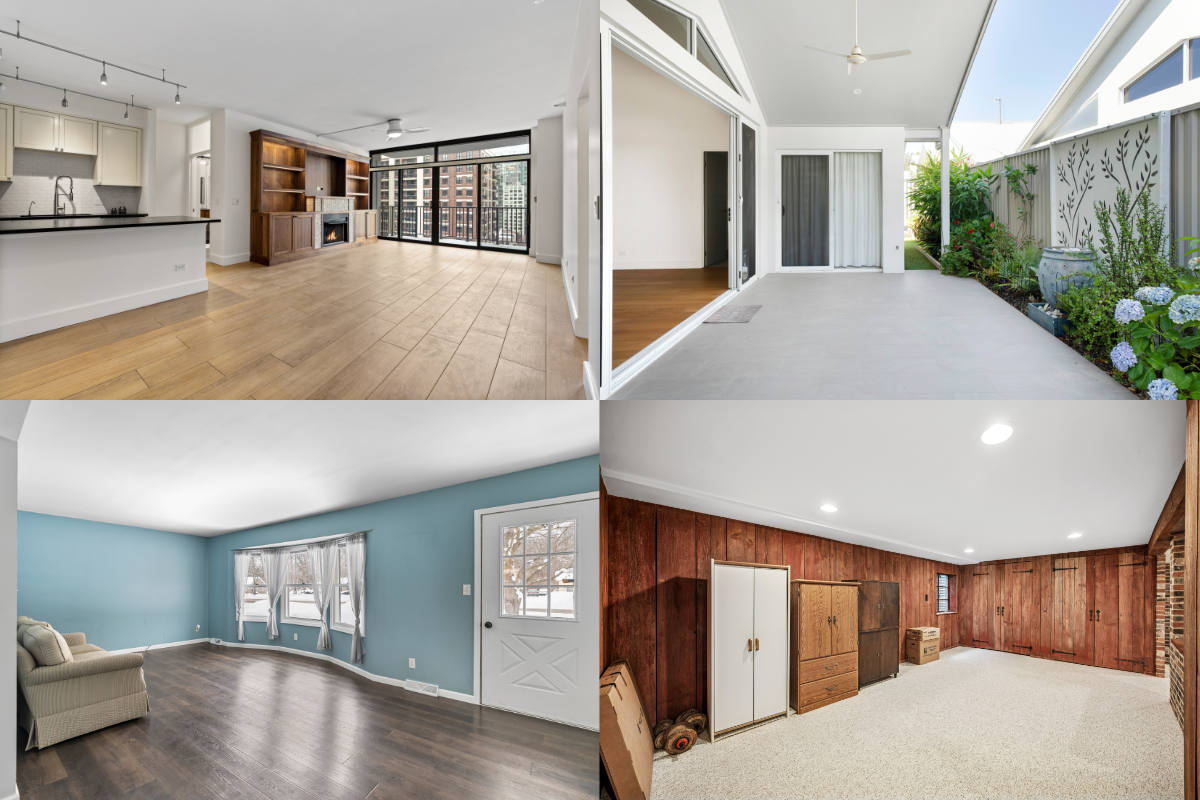 The optimal virtual staging furniture styles may vary based on the specific features of a property.
4. Pro-tips for implementing virtual staging furniture styles
Executing a flawless digital transformation requires strict attention to detail. To ensure your selected virtual staging furniture styles look breathtakingly authentic rather than artificial, keep these three professional guardrails in mind:
- Maintain realistic scale: Never force an oversized luxury sectional into a compact living area just to make a grand statement. Digital furniture must accurately mirror the physical square footage, keeping natural traffic flows open so buyers are not shocked during the in-person tour.
- Master lighting and shadows: The secret to believable digital staging lies entirely in the physics of light. Ensure your assets match the exact light sources, angles, and color temperatures of the original photograph. Without realistic shadows, even premium furniture will appear to be awkwardly floating mid-air.
- Prioritize transparency: Always place a clear, subtle "virtually staged" watermark on your listing images. Honesty builds immediate buyer trust and manages expectations perfectly before they step through the front door.
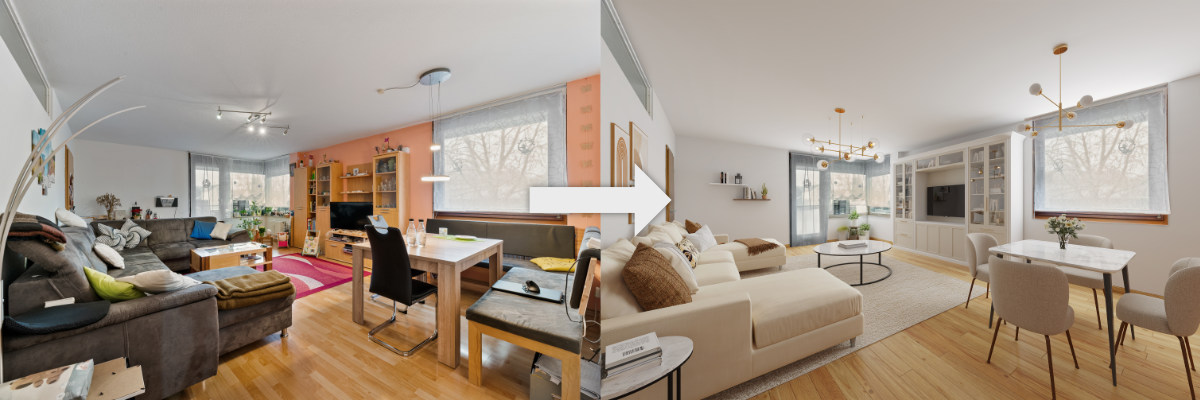 Putting furniture into an image is just the first step. Making the image feel cohesive and aesthetically pleasing is the denominator of quality.
5. Conclusion
In the competitive digital landscape of modern real estate marketing, selecting the right virtual staging furniture styles is your ultimate weapon for capturing buyer attention. Whether your property demands the polished elegance of a modern virtual staging style, the cozy familiarity of farmhouse virtual staging, or the intentional clarity of minimalist virtual staging, the right visual choice transforms cold architectural shells into high-converting emotional experiences.
Don't leave equity on the table with blank listings. Ready to elevate your properties, boost your online click-through rates, and secure higher offers? Contact us today to bring your vacant spaces to life! Follow us on social media to stay updated with trending architectural styles for residential homes.
- Facebook: fotobermedia.co
- YouTube: Fotober
- TikTok: @fotober
- Instagram: fotober_media.
Related posts

Cincinnati Housing Market 2026: What Should Buyers & Sellers Expect?
October 20, 2026
Modern Luxe Interior Design: Elements, Style Guide and How to Stage It
October 10, 2026
Minimalist Interior Design: Characteristics, Style Guide, and Staging
October 8, 2026
Coastal Interior Design: Style Definition & Staging Guide
September 30, 2026
