




What Makes the Best Virtual Staging for Real Estate Listings in 2026


Share:
Table of Contents
- 1. How is the best virtual staging for real estate looking now?
- 2. The core pillars of best photorealistic virtual staging for real estate
- 3. Curating the best virtual staging furniture for real estate: Design over density
- 4. Bridging the gap: 3D architectural rendering for listings
- 5. How to identify and choose the best virtual staging services
- 6. Conclusion
Many agents have turned to digital furnishing to make vacant homes more attractive to online viewers. However, cheap automated AI tools have flooded the industry with subpar visuals: floating sofas, skewed perspectives, and mismatching lighting that do more harm than good to your luxury properties. To captivate buyers and protect brand reputation, we need a premium approach, based on realism rather than quick digital shortcuts. This analysis explores the core aspects that define the best virtual staging for real estate in our opinion, revealing how masterful compositing transforms empty spaces into compelling, high-converting lifestyle narratives.
1. How is the best virtual staging for real estate looking now?
The landscape of property presentation has undergone a massive paradigm shift. For decades, physical home staging stood as the undisputed gold standard for preparing premium listings. While effective, it was a notoriously cumbersome and expensive process, requiring thousands of dollars in monthly rental fees, heavy logistics, and weeks of coordination to move physical furniture into a property. If a listing lingered on the market, these recurring costs heavily drained marketing budgets. The advent of digital technology completely disrupted this model, shifting the industry toward fluid, scalable, and highly efficient digital asset creation.
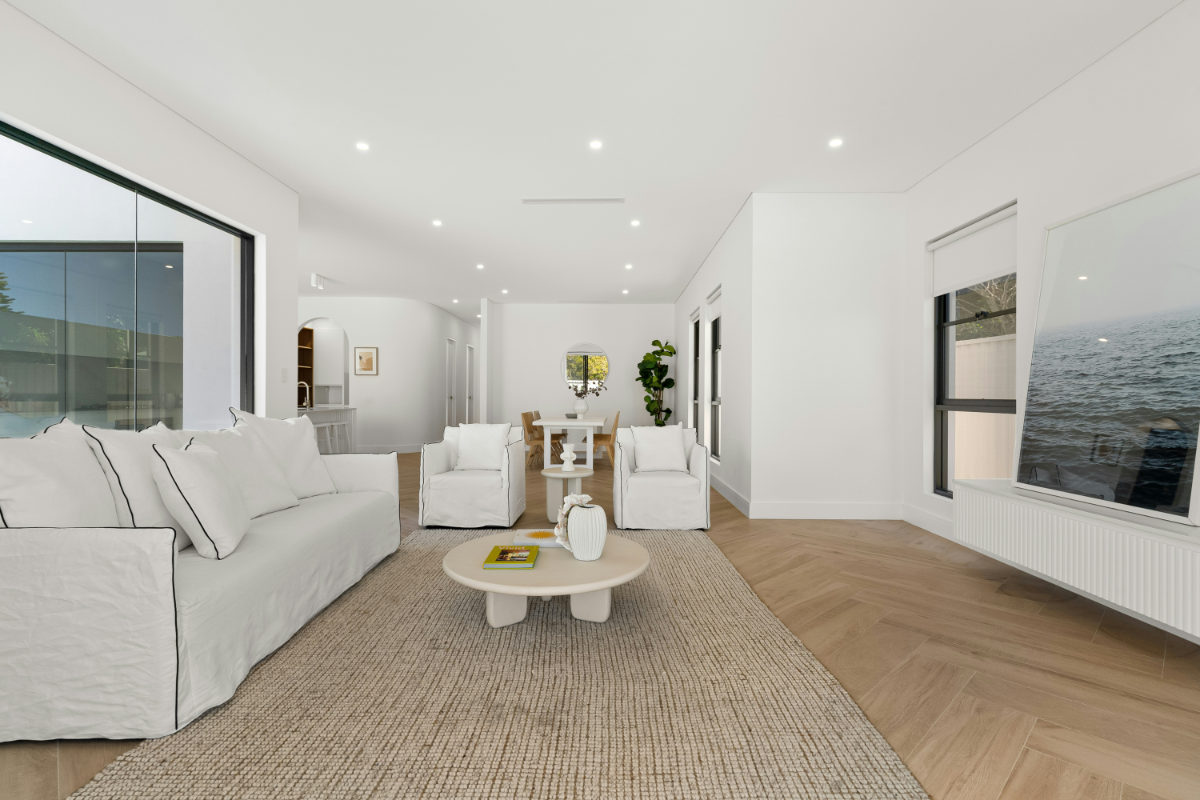 Virtual staging has evolved from the most rudimentary kind of furniture placement on a static photo.
However, as the technology became more accessible, a sharp divide emerged between basic digital asset placement and true high-end real estate visual marketing. At the luxury tier, virtual staging is never merely about dropping a generic 3D sofa into a room just to demonstrate functionality. Instead, it operates as an elite form of lifestyle storytelling. It requires an architectural understanding of space to curate an environment that speaks directly to the aspirational desires of high-net-worth buyers. Whether designing for a sleek penthouse or a sprawling coastal villa, the visual assets must evoke an immediate emotional connection and an unmistakable sense of prestige.
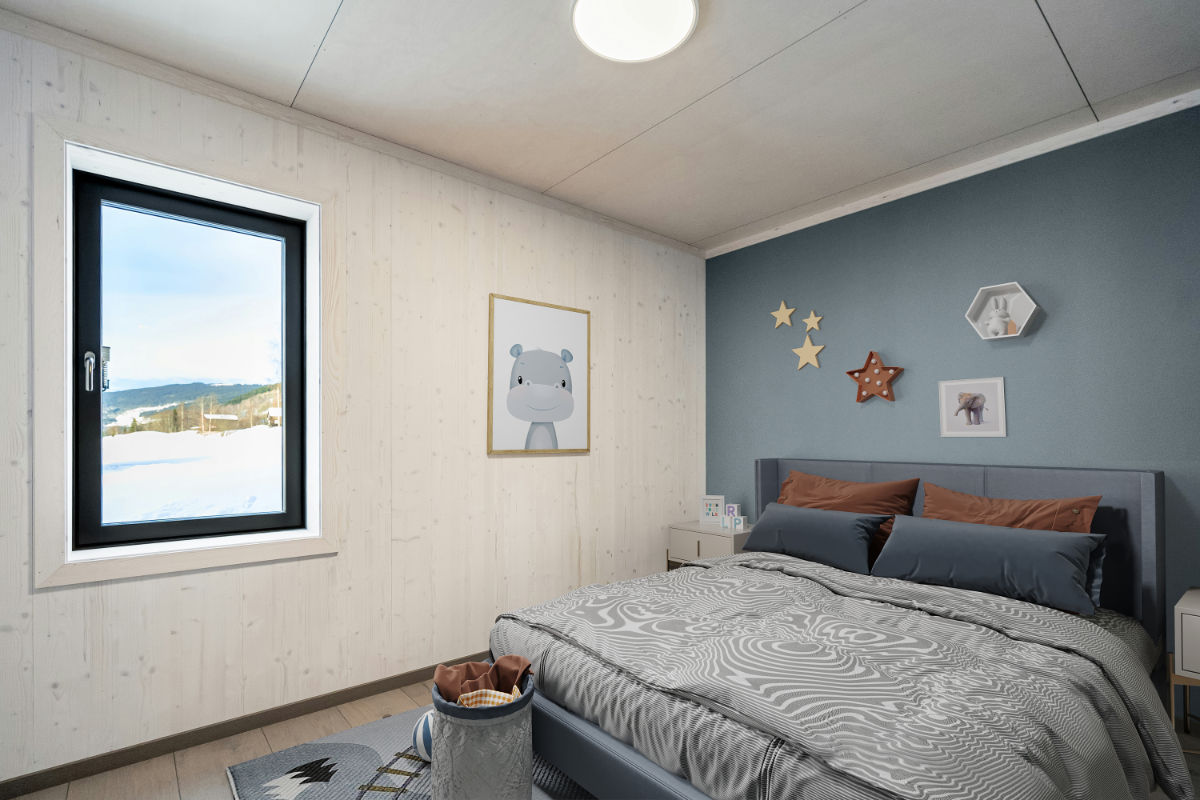 Current virtual staging creates a sophisticated architectural composition that is almost indistinguishable from an actual photo or home rendering.
In this competitive luxury bracket, the margin for error is nonexistent. Affluent buyers possess highly discerning eyes; they can instantly spot low-grade rendering artifacts, unnatural textures, or improper scale. When a multi-million-dollar property is paired with subpar digital visuals, it does more than just fail to attract buyers; it actively damages the listing broker’s professional credibility and degrades the asset's perceived market value. Ultimately, the evolution of visual marketing has proven that premium virtual execution is no longer just a cost-saving alternative to traditional staging; it is a critical tool for protecting and elevating property valuation in a digital world.
2. The core pillars of best photorealistic virtual staging for real estate
Achieving a hyper-realistic finish requires far more than just dropping high-resolution 3D models into an empty room; it demands an intricate mastery of visual physics and spatial harmony. To separate standard digital overlays from true photorealistic virtual staging, premier digital artists rely on three indispensable technical pillars.
2.1. Perfect lighting, shadows, and ambient occlusion
Lighting is the foundational element that either seamlessly marries a digital asset to a photograph or completely shatters the illusion. In a professionally staged image, every piece of virtual staging furniture must react dynamically to the pre-existing light sources of the original shot. If a vacant room features expansive floor-to-ceiling windows on the left, the digital sofas, accent tables, and decor must exhibit a matching directional light falloff, casting soft, mathematically accurate shadows toward the right.
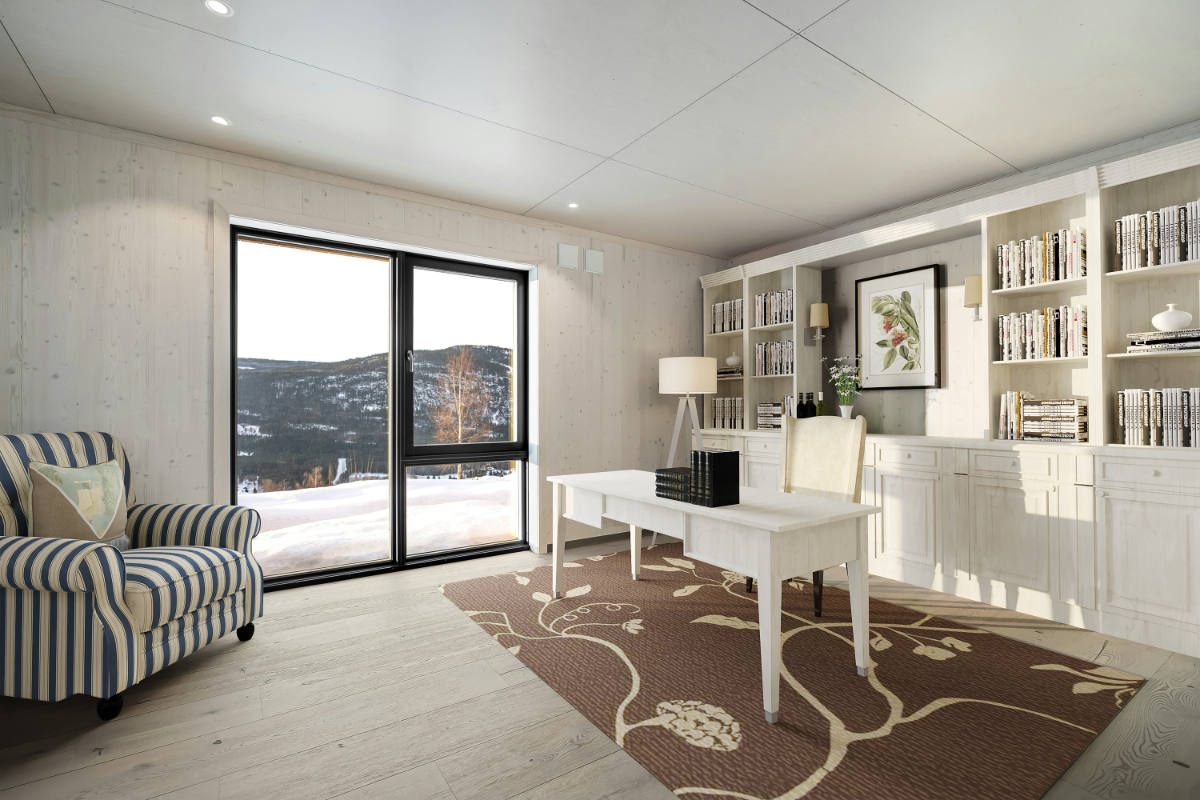 Lighting effects can sell the realism needed from the best virtual staging for real estate.
Equally critical is a rendering technique known as Ambient Occlusion (AO). In the physical world, ambient light struggles to penetrate tight crevices, creating distinct, subtle dark zones where objects make contact with one another. Without advanced AO mapping, digital furniture appears to float eerily above the hardwood or carpet, detached from reality. High-end virtual staging precisely calculates these micro-shadows directly beneath the legs of chairs, the base of heavy cabinets, and the undersides of cushions. This precise anchoring convinces the human eye that the items were physically present when the camera shutter clicked.
2.2. Flawless perspective and scale
The human brain is remarkably adept at sensing spatial inconsistencies, even if the viewer cannot immediately name the technical error. This is why mastering perspective and architectural scale is non-negotiable for premium listings. Real estate photography relies heavily on specialized wide-angle lenses to capture the fullness of an interior. Consequently, any digital elements introduced afterward must be mapped to match the exact focal length, height, and tilt of the original camera setup. If the grid alignment is off by even a fraction of a degree, the entire room feels distorted and unnatural.
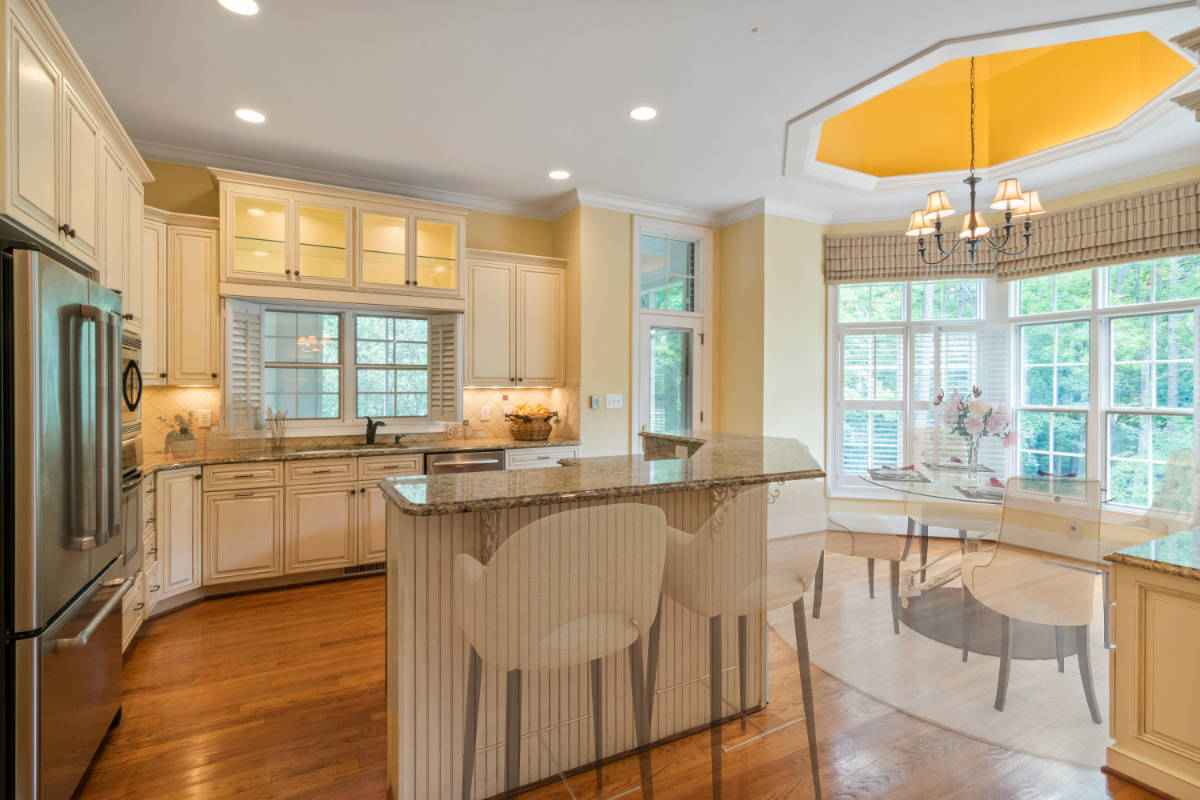 Tricky shot angles and composition can hinder a virtual staging job if the editor doesn’t pay attention to perspective and scale.
Furthermore, the physical scale of the chosen furniture must remain strictly accurate to the room's actual dimensions. Placing an artificially downsized sofa to make a living room appear larger is a deceptive practice that inevitably backfires during in-person property tours. Premium staging utilizes precise spatial calculations to ensure a queen- or king-sized bed looks exactly as it would in reality relative to the surrounding walls, windows, and doorways. This absolute spatial honesty maintains buyer trust while perfectly showcasing the property's true layout potential.
2.3. High-fidelity textures and material realism
The final differentiator of luxury visual assets lies in the microscopic details of material simulation. Flat, plastic-looking surfaces are a dead giveaway of cheap, automated software. In contrast, elite-level visual marketing utilizes high-fidelity, PBR (Physically Based Rendering) textures that accurately mimic how real-world materials absorb, reflect, and refract light.
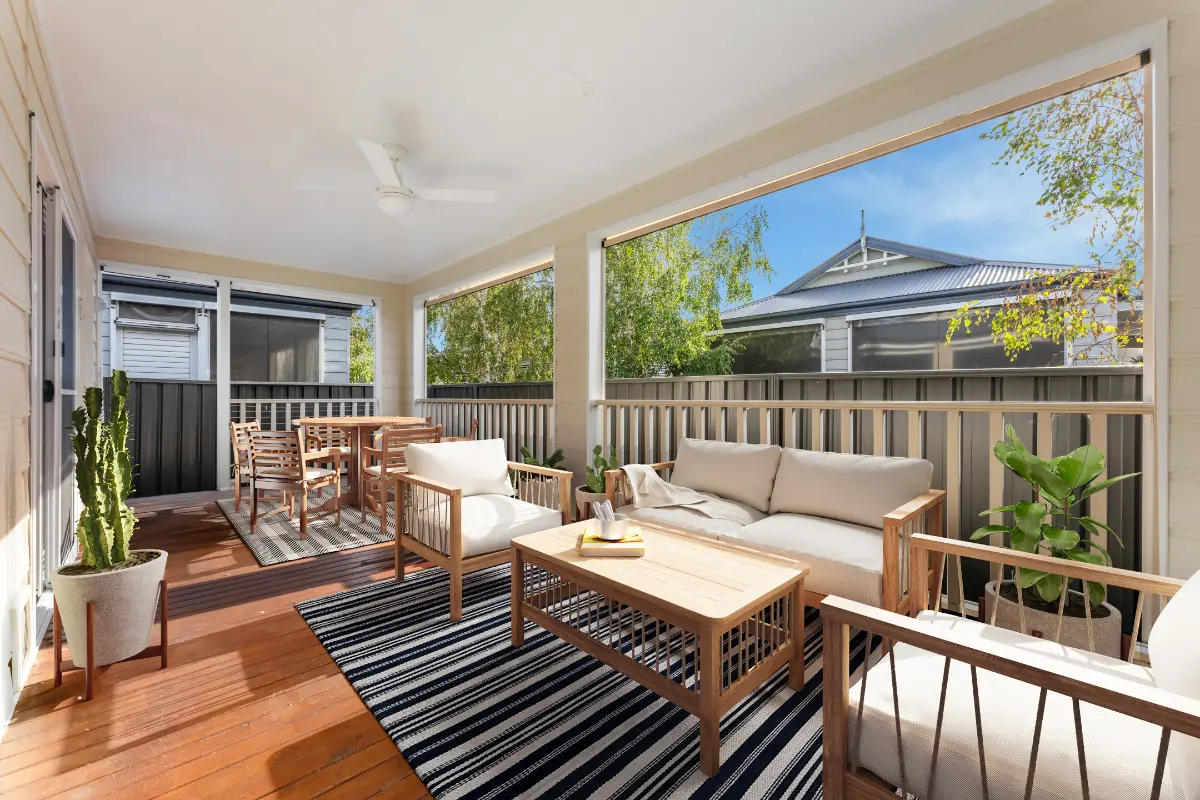 The texture of virtually staged objects should exhibit that organic feel to blend in seamlessly with the base photo.
When viewing a high-end listing, a prospective buyer should practically feel the texture through the screen. This means the subtle, matte grain of a white oak dining table must catch the light entirely differently than the polished, reflective surface of a nearby marble countertop. Fabric elements, such as velvet accent chairs, linen drapery, or premium leather ottomans, must feature organic folds, slight natural imperfections, and appropriate fluffiness. Even the metallic sheen of a brass light fixture requires a calculated balance of reflectivity and surface roughness. By capturing these nuanced tactile qualities, photorealistic virtual staging transcends basic computer graphics, delivering an authentic, immersive experience that resonates with affluent clientele.
3. Curating the best virtual staging furniture for real estate: Design over density
When it comes to furnishing a premium listing digitally, less is frequently more. A common trap in budget digital staging is "density inflation", the tendency to overcrowd a room with assets simply because the virtual home staging software allows it. In high-end real estate, overcrowding a digital canvas smothers the architectural flow and shrinks the perceived square footage. Elite staging requires strict editorial restraint; it prioritizes curated design over sheer volume to highlight a property’s native assets.
Rather than relying on generic, automated library templates that blindly drop repetitive arrangements into every listing, the best virtual staging for real estate treats each room as a bespoke interior design project. Every piece of virtual staging furniture is selected with careful intention, ensuring its scale, color palette, and structural silhouette honor the property’s architectural DNA.
Crucially, this curation process must align with targeted buyer demographics and regional design sensibilities. The staging for a sleek, high-rise luxury condo in New York City demands a completely different visual vocabulary than a sprawling waterfront villa in Florida or an estate in California. An urban penthouse benefits from minimalist, low-profile contemporary sofas and clean-lined geometric accents that emphasize structural sophistication and city views. Meanwhile, a sun-drenched coastal estate requires airy, organic textures, light linens, and warm wood tones that amplify a seamless indoor-outdoor luxury lifestyle.
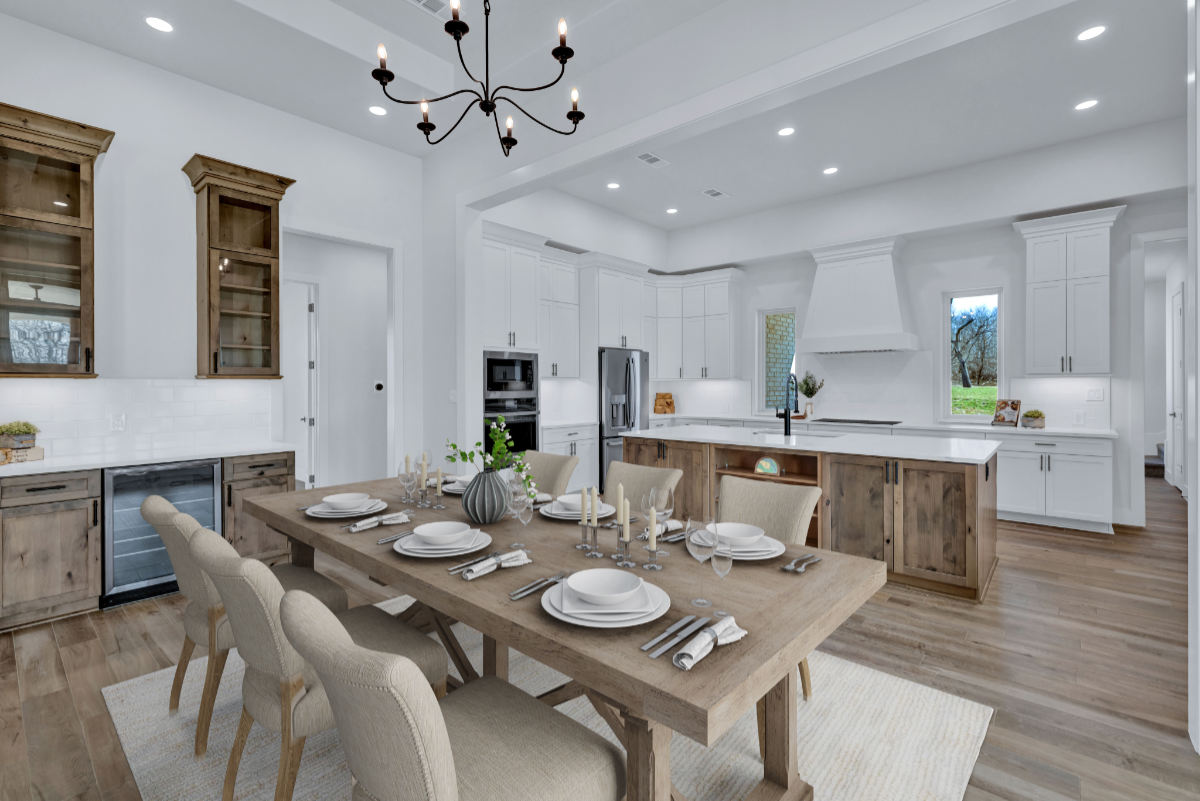 Most virtual staging companies can stuff your rooms with as much furniture as you want; however, that doesn’t always look particularly neat.
Furthermore, sophisticated curation often involves strategic subtraction before addition. In properties that are currently occupied but cluttered with outdated decor, premium visual marketing utilizes advanced object removal alongside virtual renovation. By digitally stripping away heavy, dated drapery or bulky, mismatched furniture, editors create a clean slate. They can then introduce curated, ultra-luxury digital furnishings that instantly modernize the home. This thoughtful approach transforms standard photo editing into a powerful marketing tool, guiding prospective buyers to see not just a physical structure but their own aspirational future lifestyle.
4. Bridging the gap: 3D architectural rendering for listings
While virtual staging works wonders on existing photography of vacant or outdated properties, high-end real estate visual marketing frequently demands solutions for spaces that do not yet exist in the physical world. This is where the seamless synergy between digital staging methodologies and advanced 3D architectural rendering for listings becomes an absolute game-changer for developers, builders, and elite brokers looking to capture market attention early.
For pre-construction projects, raw land developments, or properties requiring down-to-the-studs structural renovations, standard photography is impractical. Attempting to market a multi-million-dollar luxury development using flat 2D blueprints or black-and-white site plans completely fails to inspire today's discerning buyers. High-fidelity 3D architectural rendering bridges this cognitive gap by generating hyper-realistic, fully furnished interior and exterior visualizations before a single brick is laid. It translates cold, technical engineering data into an immersive lifestyle narrative. Prospective buyers can virtually step inside a sunlit culinary kitchen, admire the rich grain of uninstalled custom cabinetry, and appreciate the exact scale of a grand living room. This level of visualization removes all ambiguity, turning abstract architectural drafts into tangible desires.
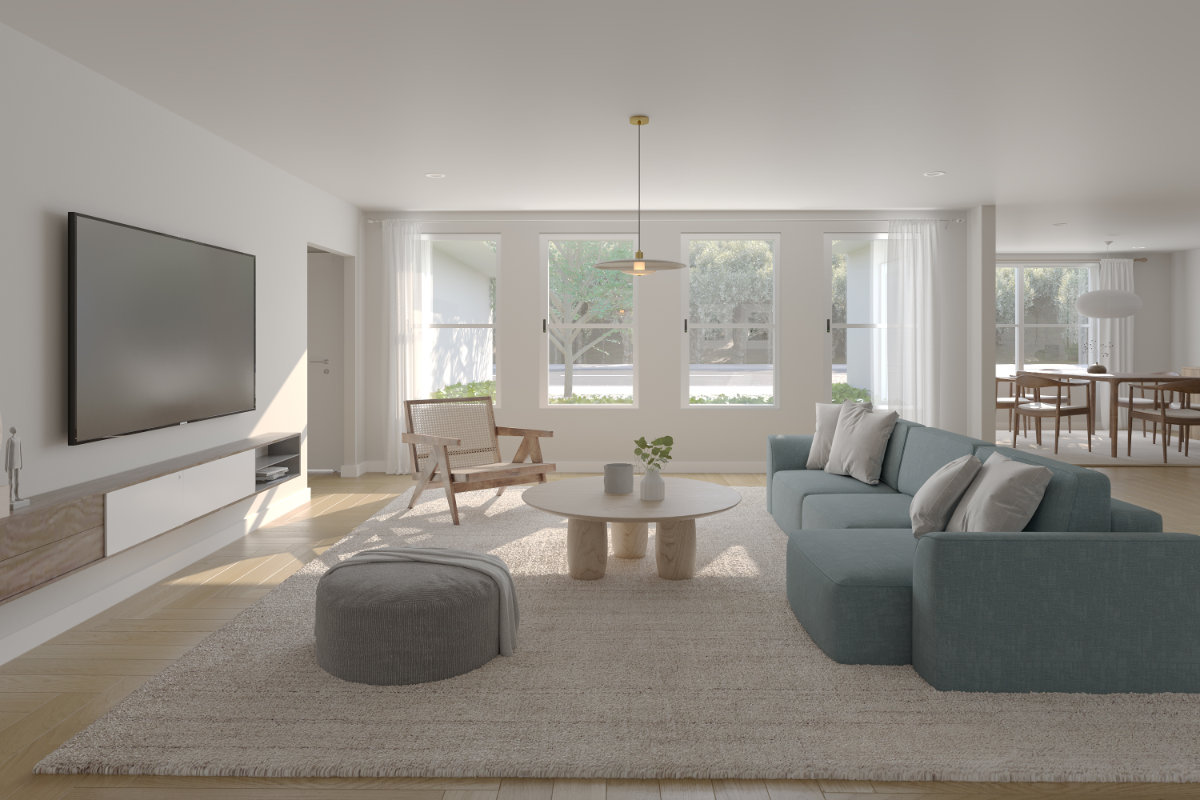 3D rendering is the next step to achieving premium virtual staging.
The financial and strategic impact of deploying these high-end rendering assets is profound, yielding a substantial return on investment (ROI). In the luxury real estate sector, securing pre-sales is vital for project capitalization and mitigating market risk. By integrating premium 3D renderings into digital listings, high-impact social media campaigns, and glossy marketing brochures, agents can generate intense buyer urgency and secure non-refundable deposits during the earliest phases of development. Buyers are no longer asked to take a blind leap of faith on a chaotic construction zone; instead, they are presented with a flawless, pixel-perfect preview of their future home. Ultimately, bridging virtual staging expertise with architectural rendering ensures that unbuilt properties command the same premium authority and emotional buy-in as pristine, turnkey listings.
5. How to identify and choose the best virtual staging services
With the market flooded by automated platforms, identifying a partner that genuinely delivers the best virtual staging for real estate requires a careful look beneath the surface. Navigating this selection successfully comes down to evaluating three critical operational standards:
- The "human-in-the-loop" advantage: While pure AI tools promise instant, low-cost results, they frequently miss spatial nuances, resulting in warped perspectives and floating assets. For premium properties, the gold standard relies on a hybrid approach. The best services utilize cutting-edge 3D engine software but place it in the hands of professional designers and editors who possess an artistic eye for architectural photography and high-end interior trends.
- Rigorous quality control (QC): A premier staging studio enforces a multi-tiered review process. Before an asset is delivered, human QA inspectors verify pixel-perfect layer placement, true-to-life light bounces, and exact asset scaling. This guarantees the image looks flawless, maintaining absolute listing credibility.
- Structured turnaround and revisions: In a fast-moving real estate market, speed is essential, but it should never compromise quality. Top-tier providers offer an optimal balance, typically a 24-to-48-hour delivery window, coupled with a flexible, hassle-free revision policy that allows agents to fine-tune furniture placement, color palettes, or decor styles.
5.1. Pricing structures
Understanding pricing models helps real estate professionals make cost-effective decisions. The cost of virtual staging typically ranges from $24 to $99 per image, with variations based on service level and provider. Consider not just the base price, but also bulk discounts, revision policies, and any additional fees for rush orders or special requests.
Some providers offer subscription models or credit packages, while others maintain pay-per-image pricing. Compare the total cost against your expected monthly staging needs to determine the most economical option for your business. Remember that the cheapest option isn't always the most cost-effective if it requires multiple revisions or doesn't meet quality standards.
5.2. Customization options
Flexibility in design choices significantly impacts the effectiveness of virtual staging. The best virtual home staging software should offer multiple furniture styles and the ability to match specific design preferences. The best providers maintain updated furniture libraries that reflect current market trends and buyer preferences.
Consider whether the service allows for specific furniture requests or style matching. Some providers offer the ability to choose from their furniture library, while others rely on their designers' expertise to select appropriate pieces. The level of customization should match your needs for different property types and target markets.
Also, by prioritizing a service provider that pairs technical automation with meticulous human oversight and strict QC standards, real estate professionals can confidently acquire visual assets that comply with the MLS photo size requirements, stand out on listing platforms, elevate property valuation, and protect their brand reputation.
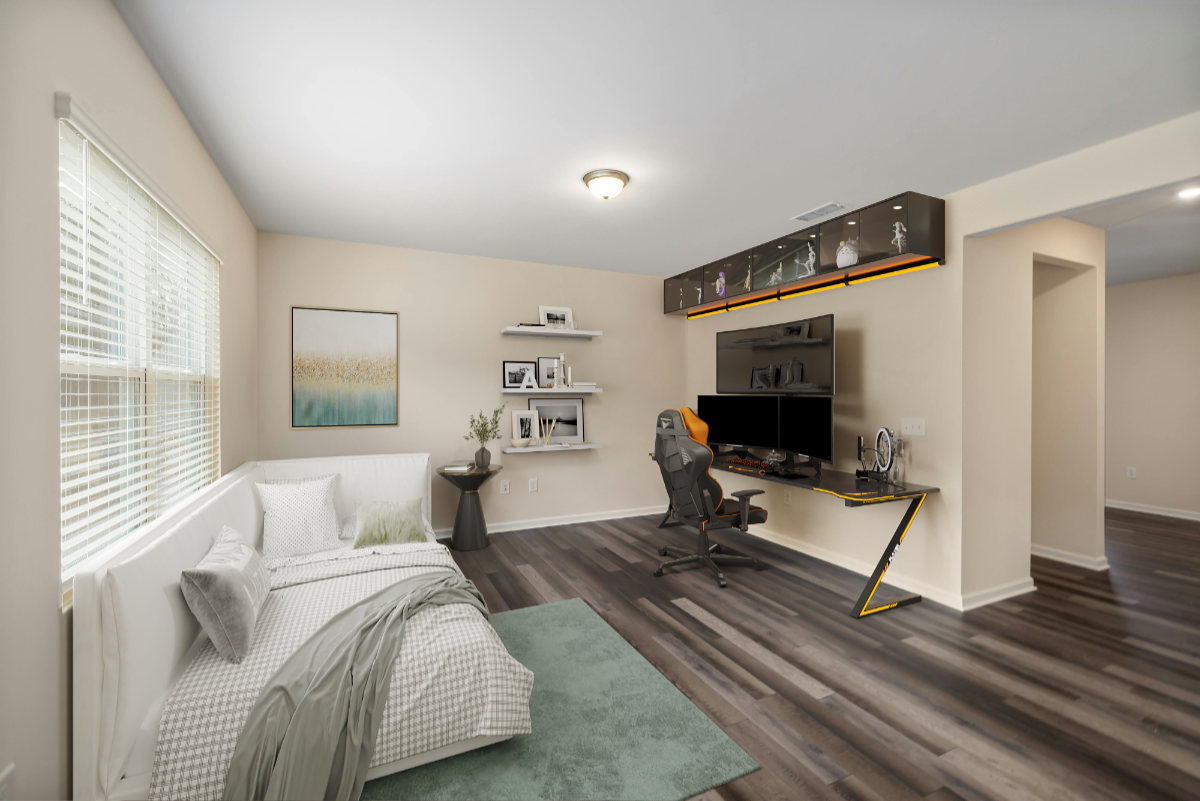 The best virtual staging for real estate you need should cater to your specific requirements.
5.3. Turn-around time and revision policies
Fast turnaround times keep your listings moving quickly in competitive markets. Standard delivery times range from 24-48 hours, with some services offering expedited options. Check the provider's revision policy, including how many rounds of changes are included and the timeframe for requesting modifications.
A clear revision process ensures you can fine-tune staged images to meet your exact needs. Look for providers offering specific timeframes for revision requests and transparent policies about what changes are included in the base price.
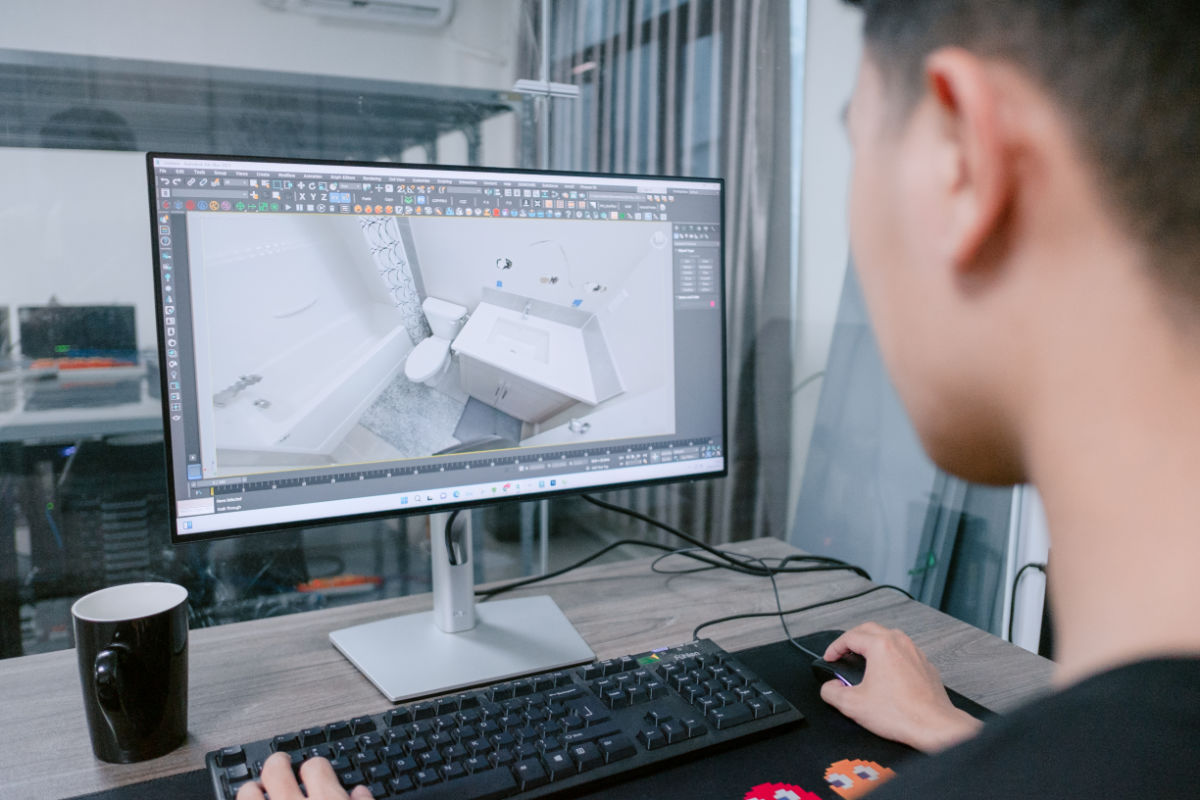 Most virtual staging providers deliver the final image in 48 hours.
5.4. Additional services
A comprehensive virtual staging provider should offer complementary services that enhance property marketing. Look for providers that can handle various editing needs beyond basic staging, such as virtual renovations, item removal, or day-to-dusk conversions. These additional capabilities can streamline your workflow by keeping all visual editing tasks with one reliable provider.
Having access to multiple services from one provider often results in better project consistency and potential cost savings through bundle deals. Consider whether the provider offers floor plan creation, 360-degree tours, or architectural renderings that might benefit your future marketing needs.
5.5. Customer support availability and responsiveness
Quality customer support ensures smooth project completion and quick resolution of any issues. Evaluate providers based on their communication channels, support hours, and response times. The best services offer multiple ways to reach their team, whether through email, phone, or chat support.
Consider the provider's working hours and time zone compatibility with your business needs. Look for services that offer dedicated project managers or consistent points of contact who understand your preferences and requirements. Clear communication channels and responsive support can significantly impact your ability to meet listing deadlines and client expectations.
6. Conclusion
In the high-stakes world of modern real estate, visual assets are no longer just supporting elements; they are the ultimate gatekeepers of buyer interest. As the industry moves away from budget AI shortcuts and cumbersome physical logistics, investing in photorealistic virtual staging has proven to be a vital, value-driving strategy rather than an operational expense. By flawlessly executing the core pillars of lighting, scale, and curated design, real estate professionals can transform ordinary listings into striking lifestyle narratives that command premium pricing.
Do not let an empty space or uninspired imagery hold your listings back from their true market potential. Elevate your portfolio and capture the attention of affluent buyers with the best virtual staging for real estate available. Contact our team of expert digital artists today to discover how our premium, pixel-perfect visual solutions can accelerate your sales and redefine your property marketing strategy.
Follow us on social media to stay updated with the latest architectural visualization services to upgrade your listings to the next level.
- Facebook: fotobermedia.co
- YouTube: Fotober
- TikTok: @fotober
- Instagram: fotober_media.
Related posts

Cincinnati Housing Market 2026: What Should Buyers & Sellers Expect?
October 20, 2026

Modern Luxe Interior Design: Elements, Style Guide and How to Stage It
October 10, 2026

Minimalist Interior Design: Characteristics, Style Guide, and Staging
October 8, 2026

Coastal Interior Design: Style Definition & Staging Guide
September 30, 2026
