




What Drives Mortgage Rates? Explain The Forces Behind 2026's Numbers


Share:
Table of Contents
- 1. Key takeaways
- 2. What drives mortgage rates? The 10-year Treasury, inflation, and the bond market
- 3. Does the Fed set mortgage rates? The Fed and the bond-market spread
- 4. How are mortgage rates determined, and what 2026’s rates mean for buyers and sellers
- 5. How Fotober helps sellers compete in any rate environment
- 6. Frequently asked questions about what drives mortgage rates
What drives mortgage rates is one of the most important questions in real estate because borrowing costs directly shape buyer affordability, monthly payments, home sales, and seller leverage. When the 30-year fixed mortgage rate climbed to around 7.4% in late 2026, its highest level since 2023, buyers, sellers, and investors all faced the same concern: why are rates this high, and what could move them next? The answer is more closely tied to inflation, Treasury yields, and the bond market than to any single Federal Reserve decision.
This guide explains what drives mortgage rates in clear, practical terms, including the role of the 10-year Treasury yield, inflation, economic growth, investor expectations, and Federal Reserve policy. It also looks at what elevated 2026 rates mean for affordability, housing demand, and selling conditions, giving buyers, sellers, and real estate professionals a clearer framework for understanding where mortgage costs may go next.
1. Key takeaways
- The biggest factor in what drives mortgage rates is the bond market, specifically the 10-year Treasury yield, not the Federal Reserve directly.
- In late 2026, the 30-year fixed rate sat around 7.4% while the 10-year Treasury topped 5%, the highest levels in years.
- Inflation, economic growth, and investor expectations push Treasury yields and mortgage rates up or down.
- The Fed sets the federal funds rate and shapes expectations, but it does not directly set the mortgage rates buyers are paying.
- High rates cool demand and lengthen selling times, which makes strong listing presentation more important than ever.
2. What drives mortgage rates? The 10-year Treasury, inflation, and the bond market
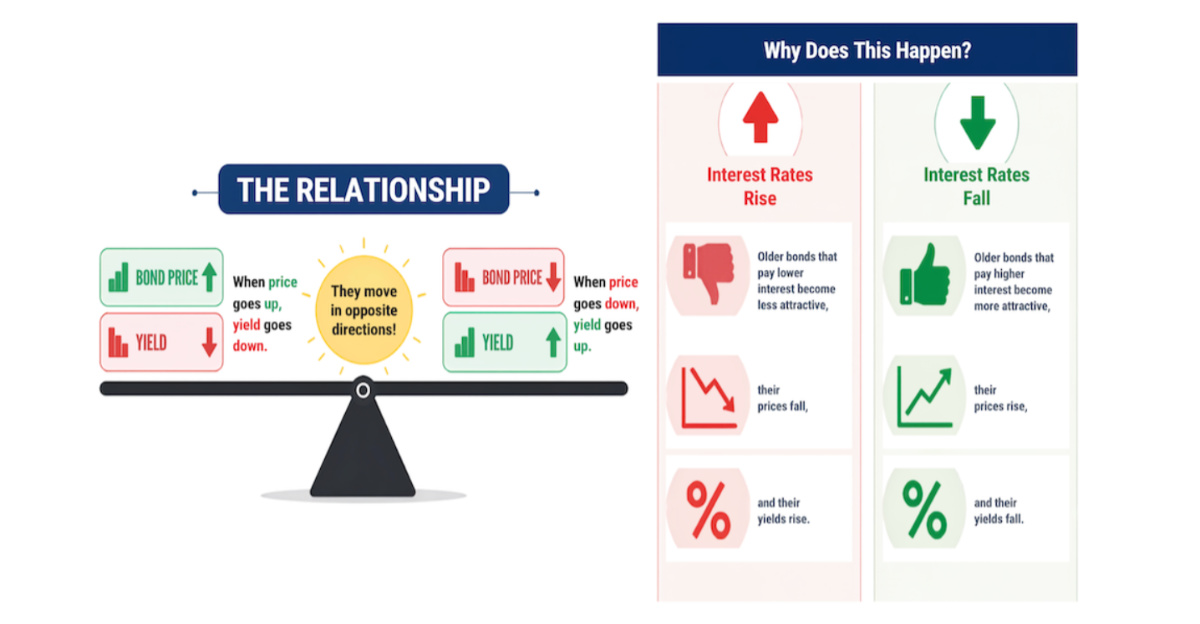
The short answer to what drives mortgage rates is this: they are set by the bond market, not by any single authority. A 30-year fixed mortgage rate tracks the yield on the 10-year U.S. Treasury note plus a spread, because lenders bundle mortgages into mortgage-backed securities (MBS) that compete with Treasuries for investors' money. When Treasury yields rise, mortgage rates rise with them, usually within days; when yields fall, rates ease.
That relationship explains the 2026 numbers. With the 10-year Treasury yield climbing past 5%, it closed around 5.31% in early October 2026; the average 30-year mortgage rate pushed to roughly 7.4%, the highest since 2023. The gap between the two, typically around two percentage points, is the spread investors demand for the extra risk of mortgage bonds. So when people ask what mortgage rates are based on day to day, the honest answer is: watch the 10-year Treasury, because the mortgage rate essentially rides on top of it. The tight link between mortgage rates and 10-year Treasury yields is the foundation of everything else.
If the bond market sets the price, then what affects mortgage rates is really whatever moves Treasury yields, above all, the 10-year Treasury itself and the inflation behind it. Understanding these two is 80% of understanding the whole topic.
2.1. The 10-year Treasury yield
The 10-year Treasury note is the benchmark for 30-year mortgages, and the Federal Reserve Bank of St. Louis explains in its research on what determines mortgage rates that it serves this role because its effective duration is close to that of a typical mortgage; most borrowers move or refinance long before 30 years are up. Investors worldwide treat Treasuries as the safe baseline, so when global demand for them falls and yields rise, mortgage rates follow almost immediately. In 2026, surging yields have been the direct cause of higher mortgage rates.
2.2. Inflation and the economy
Behind Treasury yields sits inflation, the deepest force among the things that drive mortgage rates. Inflation erodes the value of the fixed payments a bond returns, so when inflation runs hot or is expected to, investors demand higher yields to compensate, and mortgage rates climb. A strong economy with robust hiring and spending tends to push rates up for the same reason, while a weakening economy usually pulls them down as investors seek the safety of bonds. Even energy costs play a part: rising oil and fuel prices are inflationary, which is why they often nudge rates higher. In short, the macroeconomy drives Treasury yields, and Treasury yields drive mortgage rates.

3. Does the Fed set mortgage rates? The Fed and the bond-market spread
One of the most common misunderstandings about what drives mortgage rates is the idea that the Federal Reserve sets them directly. It does not. The Fed sets the federal funds rate, the overnight rate banks charge one another for short-term borrowing, while mortgage rates are longer-term borrowing costs shaped primarily by the bond market. Understanding this Fed rate vs mortgage rate distinction explains why mortgage rates can rise after a Fed cut, fall before a policy change, or move in a different direction altogether. We explore that relationship further in how Fed rate cuts affect home buyers.
The reason is that financial markets price expectations before the Fed actually acts. Investors continuously assess inflation, economic growth, employment, fiscal conditions, and the likely path of monetary policy. By the time the Federal Open Market Committee changes the federal funds rate, mortgage markets may already have adjusted weeks or months earlier. That is why asking what mortgage rates are based on requires looking beyond a single Fed announcement.
3.1. The Fed’s real role
The Federal Reserve still has a major influence on what affects mortgage rates, but that influence is indirect. Fed policy changes expectations for inflation and future economic growth, which in turn affect longer-term Treasury yields. When investors expect inflation to remain elevated or believe monetary policy will stay restrictive, long-term yields usually remain higher. When inflation cools and markets expect easier policy, those yields can decline even before the Fed officially cuts rates.
This relationship is especially important when comparing mortgage rates and 10-year Treasury yields. The 10-year Treasury is widely used as a benchmark for long-term borrowing because the typical life of a mortgage often falls well short of its stated 30-year term as borrowers move, refinance, or repay early. Mortgage rates therefore tend to move broadly in the same direction as the 10-year Treasury, although the two rates are never identical.
In practical terms, the Fed influences the broader financial environment, while investors in Treasury and mortgage markets determine the price of long-term credit. That is why the Fed rate vs mortgage rate relationship is better understood as a transmission mechanism than a direct one-to-one link.
3.2. Mortgage-backed securities and the spread
The final piece of what drives mortgage rates is the spread between mortgage rates and Treasury yields. Most U.S. mortgages are ultimately packaged into mortgage-backed securities, or MBS, which investors compare with relatively low-risk Treasury bonds. Because mortgages carry risks that Treasuries do not, particularly prepayment and refinancing risk, investors demand additional yield to hold them.
Research from the Federal Reserve Bank of Dallas on what drives mortgage rates finds that roughly 70% of the variation in the mortgage-Treasury spread can be explained by three factors: the level of 10-year interest rates, the slope of the yield curve, and interest-rate volatility. When volatility rises, investors demand more compensation for uncertainty around refinancing and prepayments, causing the spread to widen.
That helps explain why mortgage rates and 10-year Treasury yields can sometimes move differently in the short run. Even if Treasury yields remain relatively stable, a wider MBS spread can push mortgage rates higher. For buyers and sellers trying to understand what mortgage rates are based on, the clearest answer is therefore a combination of Treasury yields, inflation expectations, Fed policy, economic conditions, and the risk premium investors require to hold mortgage-backed securities.
4. How are mortgage rates determined, and what 2026’s rates mean for buyers and sellers
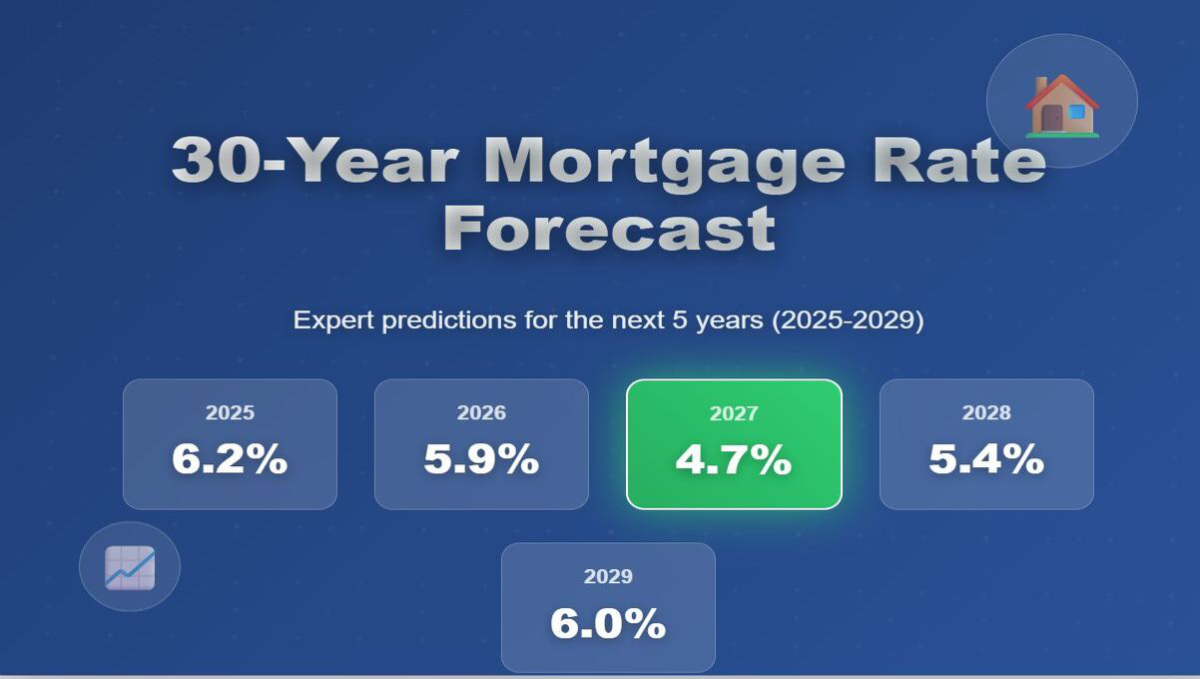
Understanding what drives mortgage rates starts with the bond market rather than with any single Federal Reserve decision. In simple terms, mortgage lenders typically price long-term home loans by looking first at benchmark Treasury yields, especially the 10-year Treasury, and then adding a spread that reflects the additional risks associated with mortgage-backed securities. Inflation expectations, economic growth, investor demand, interest-rate volatility, and expectations for future Fed policy all influence those inputs before a borrower ever receives a quote.
The Federal Reserve still matters, but the relationship is indirect. The federal funds rate mortgage connection works mainly through market expectations: when the Fed signals that monetary policy may remain restrictive because inflation is still elevated, investors may demand higher yields on longer-term bonds. Conversely, if inflation cools and markets anticipate future rate cuts, Treasury yields and mortgage rates can decline before the Fed changes the federal funds rate itself. That is why mortgage rates do not move point-for-point with Fed decisions. Lenders then add the mortgage-backed securities spread to compensate investors for risks that Treasury bonds do not carry, particularly refinancing and prepayment risk. The final mortgage quote also depends on the individual borrower. Credit score, loan-to-value ratio, down payment, loan type, discount points, property type, and lender pricing can all affect the rate a buyer actually receives. In other words, what drives mortgage rates at the national level determines the general market range, while borrower-specific factors determine where an individual loan falls within that range.
For buyers in 2026, elevated borrowing costs have a direct impact on affordability. A higher mortgage rate increases the monthly principal-and-interest payment even when the purchase price remains unchanged, which effectively reduces how much home a household can qualify for. Some buyers respond by lowering their price range, increasing their down payment, considering adjustable-rate or builder-financed options, or postponing a purchase altogether. That reduction in purchasing power also affects sellers. When fewer buyers can comfortably finance a home, listings may take longer to sell and purchasers gain more leverage to negotiate price reductions, repairs, closing-cost credits, or mortgage-rate buydowns. Those conditions are already visible in markets such as those covered in our San Antonio housing market forecast and in the affordability differences explored in the Dallas vs. Los Angeles housing market.
For sellers, the practical lesson is that interest rates are outside their control, but pricing and presentation are not. In a high-rate environment, buyers tend to be more selective because every dollar of purchase price translates into a larger monthly payment. Professional photography, video, staging, accurate pricing, and strong property preparation therefore become more important in helping a listing compete for a smaller pool of qualified buyers.
Ultimately, understanding what drives mortgage rates helps both sides make better decisions. Buyers can focus on affordability rather than trying to predict every Fed meeting, while sellers can adjust to the reality that expensive financing raises the standard for which homes earn attention and move successfully through the market.
5. How Fotober helps sellers compete in any rate environment
Understanding what drives mortgage rates helps explain why some housing markets become more competitive for sellers when borrowing costs rise. Higher rates increase monthly payments, reduce buyer purchasing power, and often shrink the pool of households actively shopping for a home. Sellers cannot control Treasury yields, inflation expectations, or the federal funds rate mortgage relationship, but they can control how effectively their property is presented once buyers begin comparing listings.

That is where strong visual marketing becomes especially valuable. Fotober’s real estate photo editing helps turn raw property images into polished, market-ready photography through HDR blending, exposure balancing, color correction, window pulls, perspective correction, and sky enhancement. The goal is not to make a property look unrealistic, but to present its space, light, finishes, and architectural details clearly enough to compete for attention in a more selective market. This matters because the same forces that explain what affects mortgage rates also influence buyer behavior. When financing becomes more expensive, buyers tend to compare properties more carefully because the financial commitment attached to each purchase is larger. They may spend more time evaluating condition, layout, value, and presentation before booking a showing. In that environment, dark interiors, inconsistent colors, distorted vertical lines, or poorly balanced windows can make a listing feel weaker than comparable properties even when the home itself is competitive.
6. Frequently asked questions about what drives mortgage rates
What drives mortgage rates the most?
The single biggest factor is the 10-year U.S. Treasury yield, which 30-year mortgage rates track plus a spread. That yield is driven by inflation, economic growth, and investor expectations, so those macro forces are ultimately what drive mortgage rates up or down.
Does the Fed set mortgage rates?
Not directly. The Federal Reserve sets the short-term federal funds rate, while mortgage rates are long-term and set by the bond market. The Fed influences rates indirectly by shaping expectations for inflation and growth, which is why mortgage rates can move opposite to Fed actions.
Why are mortgage rates so high in 2026?
Rates around 7.4% for a 30-year fixed are high because the 10-year Treasury yield topped 5%, driven by persistent inflation concerns, a resilient economy, elevated rate volatility, and expectations that the Fed will keep policy tight.
How are mortgage rates determined for an individual borrower?
The market sets the base rate (the 10-year Treasury plus the MBS spread), then lenders adjust for your credit score, down payment, loan type, and property. So two borrowers can get different rates on the same day based on their financial profile.
7. Conclusion
No one can predict mortgage rates with certainty, and future moves will depend on inflation, Treasury yields, economic growth, and Federal Reserve policy. If inflation continues to ease and bond yields move lower, mortgage rates could follow; if price pressures remain persistent, borrowing costs may stay elevated. For buyers and sellers, the 10-year Treasury remains one of the clearest market signals to watch.
Ultimately, understanding what drives mortgage rates means looking beyond the Fed alone. The 10-year Treasury yield, inflation expectations, economic conditions, and the spread investors demand on mortgage-backed securities all work together to determine where rates settle. Whatever happens next, higher borrowing costs make buyers more selective, which raises the importance of realistic pricing and strong listing presentation.
For sellers and real estate professionals, Fotober can help strengthen that presentation with professional photo editing, video editing, and virtual staging. If you are marketing a property in today’s rate environment, you can place an order or start a free trial to see how polished post-production can help your listing compete.
Connect with Fotober
- Facebook: fotobermedia.co
- YouTube Channel: Fotober
- TikTok Channel: @fotober
- Instagram: fotober_media
- Email support: [email protected]
- Hotline: +84 942 110 297
Related posts

Dallas vs. Los Angeles Housing Market: Comparing Prices & Supply
October 29, 2026

Orlando Population Growth in 2026: Trends & Housing Demand
October 26, 2026

Cincinnati Housing Market 2026: What Should Buyers & Sellers Expect?
October 20, 2026

Modern Luxe Interior Design: Elements, Style Guide and How to Stage It
October 10, 2026
