




Why You Must Have 3D Exterior Rendering For Your Project in 2026

Share:
Table of Contents
- 1. The art and science of 3D exterior rendering
- 2. Why architectural firms need high-end 3D exterior design rendering
- 3. The professional toolkit: Top 3D exterior rendering software in the industry
- 4. Scope and versatility: Project types transformed by 3D exterior rendering
- 5. The golden ratio of real estate visuals: Why post-production is crucial for 3D exterior rendering
- 6. Why outsourcing your 3D rendering & editing is a strategic business move
- 7. Fotober: The ultimate creative partner for realtors, photographers, and videographers
- 8. Elevating the craft: Step-by-step of the Fotober 3D exterior rendering workflow
- 9. Conclusion
In the worlds of architecture, real estate development, and high-end visual production, we don’t just sell spaces; we sell stories, emotions, and futures. Think back to the last time you stood before an iconic piece of architecture at golden hour. The way the warm light plays off the brushed concrete, the long shadows stretching across a manicured lawn, the subtle reflections of the twilight sky in the expansive glass curtain walls; it’s mesmerizing. As photographers and filmmakers, we spend our lives chasing this perfect synergy of light, shadow, and geometry. As architects, you spend years conceptualizing it. As real estate professionals, you rely on this magic to close multi-million dollar deals.
But what happens when the building does not exist yet? How do you capture the soul of a structure that is still confined to blueprint lines and CAD files? The answer lies in 3D exterior rendering. Today, the transition from draft to digital masterpiece is no longer a luxury; it is an absolute necessity. In this comprehensive guide, we will explore the depths of 3D architectural exterior rendering, dissect the industry’s leading exterior rendering software, and reveal why outsourcing this highly technical art form to specialized partners like Fotober is the smartest business decision you can make.
1. The art and science of 3D exterior rendering
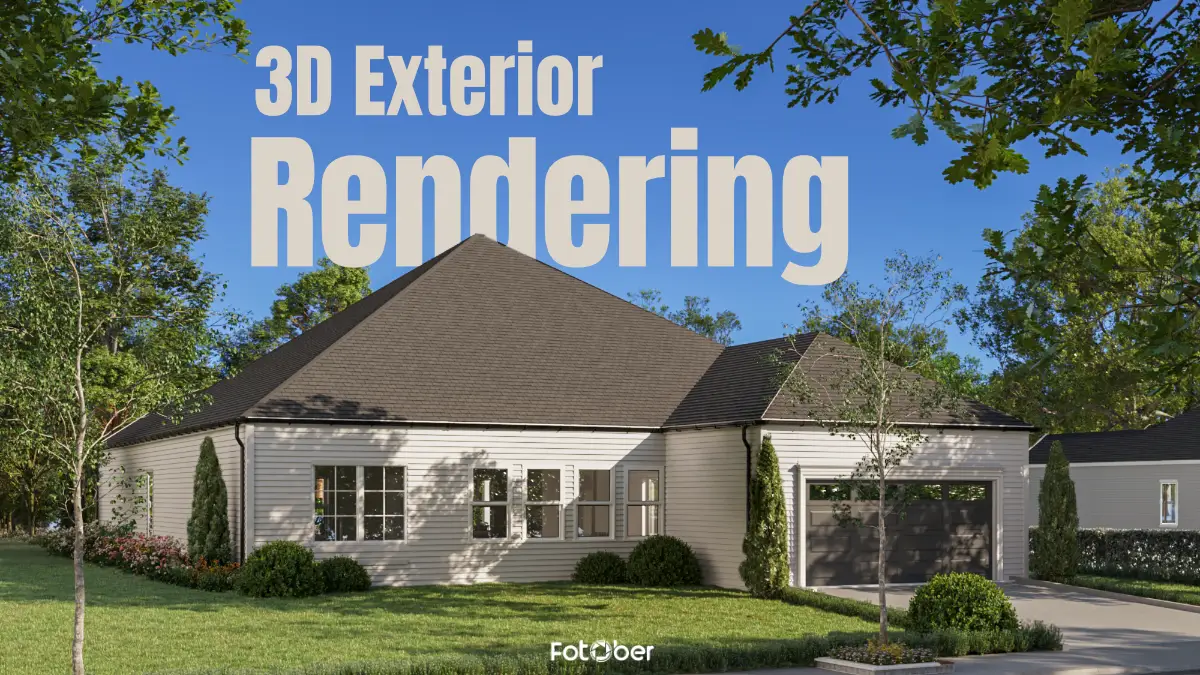
3D exterior rendering is one type of rendering that translates architectural blueprints into photorealistic, atmospheric images of a building’s outside design.
[Blueprint / CAD File] ➔ [3D Modeling] ➔ [Texturing & Lighting] ➔ [Rendering Engine] ➔ [Post-Processing (Fotober)] ➔ [Photorealistic Masterpiece]
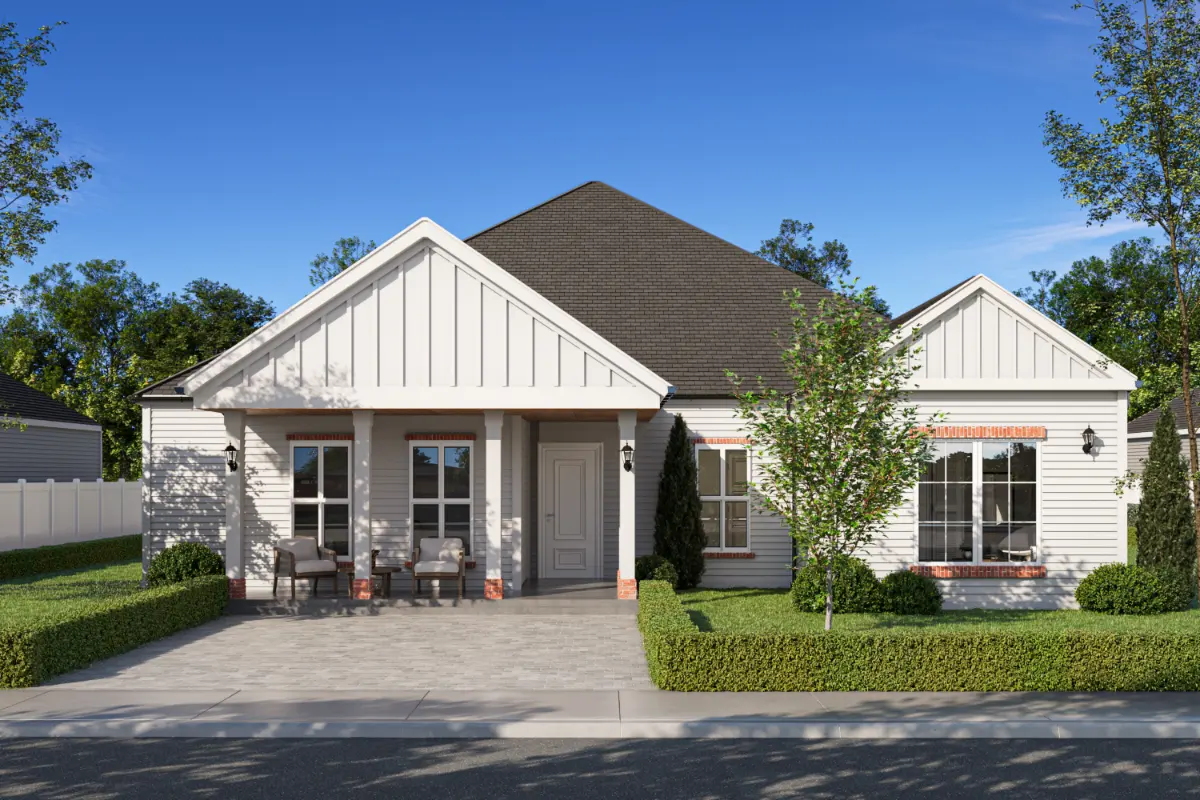 Exterior rendering is the visualization of the scenery outside a property.
To create a rendering that truly resonates, one must think like both a master builder and a director of photography. It is not enough to simply extrude walls in a digital space. You must understand how materials interact with natural elements. How does rain slick onto a slate driveway? How does a low-angled winter sun refract through double-glazed low-E glass?
When we craft architectural exterior 3D renderings, we are manipulating three core pillars:
The physics of light: Utilizing global illumination models to mimic the real-world behavior of light particles. This includes direct sunlight, ambient sky glow, and artificial exterior lighting.
Material authenticity (PBR textures): Physically Based Rendering (PBR) materials ensure that wood grain has the correct roughness, metals have the precise reflectivity, and masonry has the tactile depth that fools the human eye into believing it is real.
The environment (Entourage): A building does not exist in a vacuum. True photorealism requires context: swaying trees, atmospheric haze, passing clouds, realistic human figures, and the subtle imperfections of a lived-in neighborhood.
For professionals, achieving this level of realism is what separates a sterile, amateurish CAD draft from a breathtaking piece of visual art that wins international design competitions and secures off-plan sales.
2. Why architectural firms need high-end 3D exterior design rendering
For modern architectural practices, the drafting table has evolved. Today, 3D exterior design rendering serves as the bridge between creative vision and client comprehension.
2.1. Bridging the communication gap
Clients, investors, and local planning committees rarely have the spatial intelligence to read 2D floor plans and elevations and visualize the finished structure. They cannot feel the volume of a cantilevered terrace or appreciate the shadow play of a louver system from a flat drawing. A high-end 3D exterior rendering translates complex design language into a universal visual dialect.
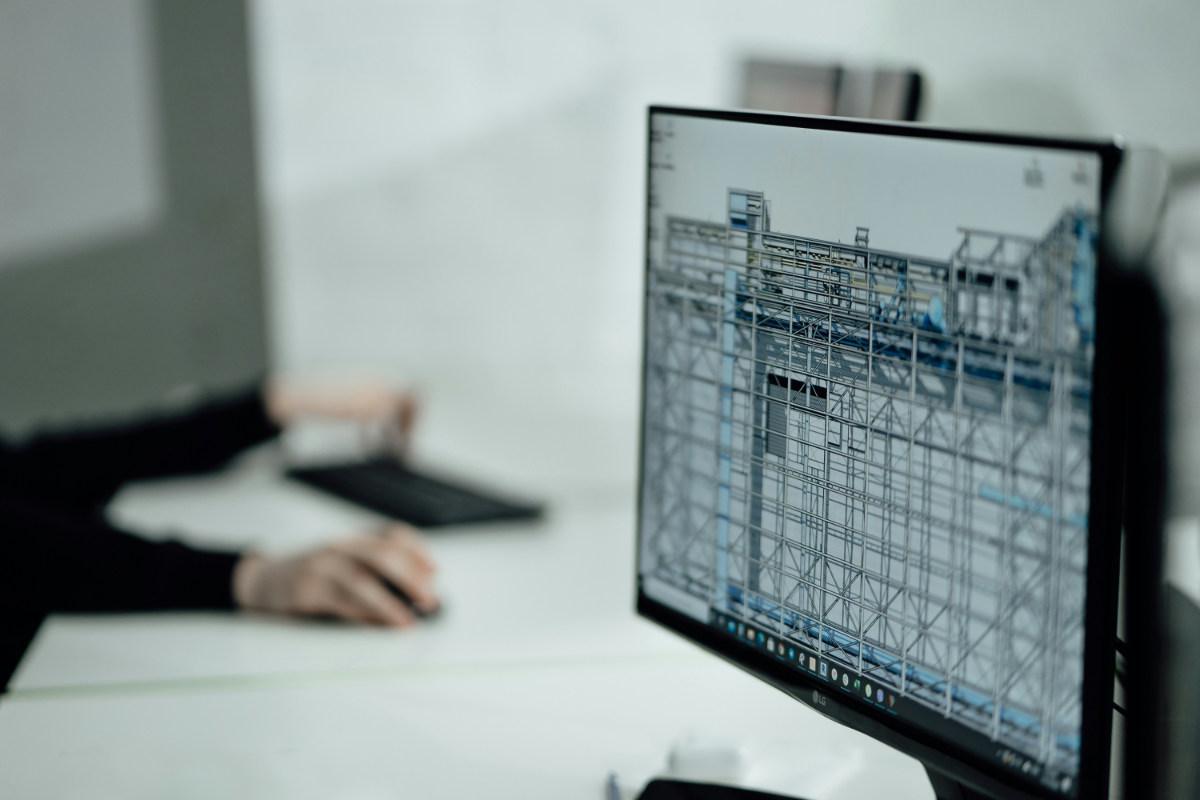 A crystal-clear rendering can save your clients from having to imagine the potential from the blueprints.
2.2. Accelerating the approval process
Time is the greatest enemy of any architectural project. Waiting for municipal planning approvals or zoning board clearances can delay projects by months. Presenting highly detailed, contextually accurate 3D renders that show exactly how the proposed building will fit into the existing streetscape can dramatically speed up municipal greenlighting. It demonstrates environmental compliance, aesthetic harmony, and design integrity in a single glance.
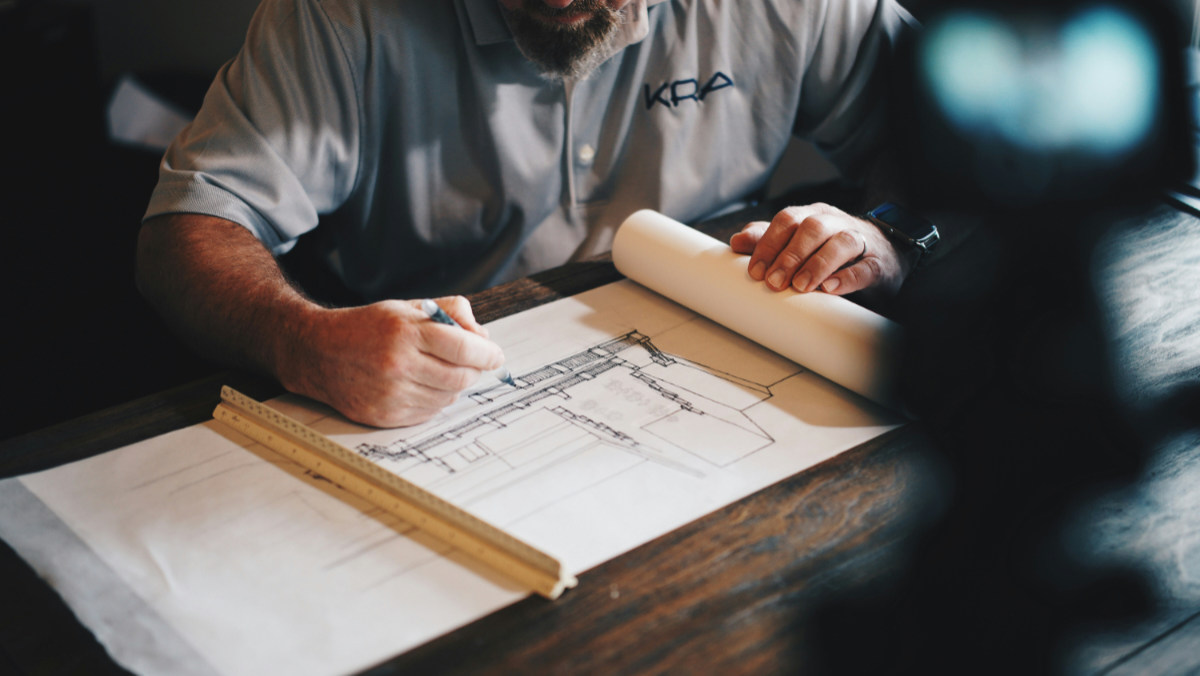 A rendering version can showcase the project with conceivable proportions and relation to the existing scenery.
2.3. Winning high-stakes pitches
When competing for commercial commissions or luxury residential developments, your presentation needs to stand out. Utilizing top-tier 3D exterior design rendering for architectural firms allows you to showcase your design under various scenarios:
- A crisp, professional morning view for corporate stakeholders.
- A warm, inviting twilight view showing interior lights glowing through the glass, highlighting the building's lifestyle appeal.
- A dramatic rainy-day render to showcase the building's resilience and moody aesthetic.
By presenting a complete visual narrative, you don't just show a building; you present a landmark.
3. The professional toolkit: Top 3D exterior rendering software in the industry
To achieve cinematic quality, digital artists rely on a suite of sophisticated tools. Each piece of exterior rendering software has its own strengths, rendering engines, and learning curves. Let’s break down the industry standards that power today's most stunning visuals:
|
Software |
Best used for |
Key strengths |
Best pairings |
|
V-Ray |
Photorealism, High-end ArchViz |
Unmatched light accuracy, vast material libraries, industry standard |
3ds Max, SketchUp, Rhino |
|
Corona Renderer |
Artist-friendly workflow |
Beautiful out-of-the-box lighting, interactive rendering, cost-effective |
3ds Max, Cinema 4D |
|
Lumion |
Real-time rendering, speed |
Massive entourage library (trees, people, cars), fast video animation |
Revit, SketchUp |
|
Twinmotion |
Immersive VR, real-time |
Powered by Unreal Engine, excellent user interface, great for walkthroughs |
Archicad, Vectorworks |
|
Unreal Engine 5 |
Next-gen realism & interactivity |
Lumen global illumination, Nanite geometry, cinematic quality in real-time |
Custom pipelines |
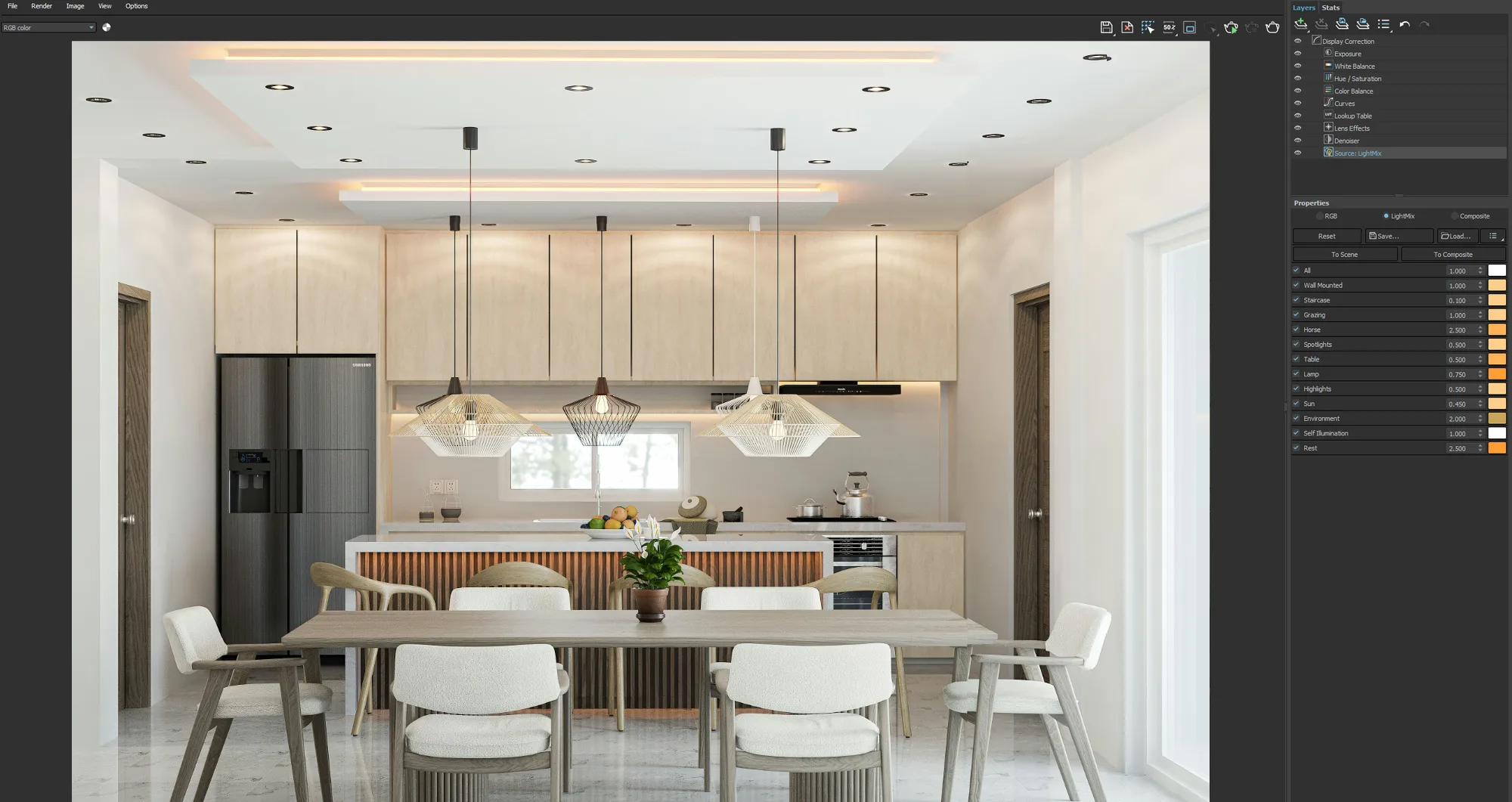
3.1. V-Ray: The gold standard of photorealism
For over two decades, V-Ray has been the undisputed king of architectural visualization. It utilizes biased and unbiased rendering algorithms to calculate light with extreme physical accuracy. For high-end architectural exterior 3D renderings, V-Ray’s ability to handle complex scattering of light (such as subsurface scattering in stone or leaf foliage) makes it the go-to choice for premium studios.
3.2. Corona Renderer: The artist’s choice
Corona has taken the industry by storm due to its simplicity and stunning light handling. It removes the tedious technical tweaking of yesteryear, allowing artists to focus on composition, color theory, and mood. Its interactive light mixing feature allows you to change the time of day and light intensities during or after the rendering process without re-rendering.
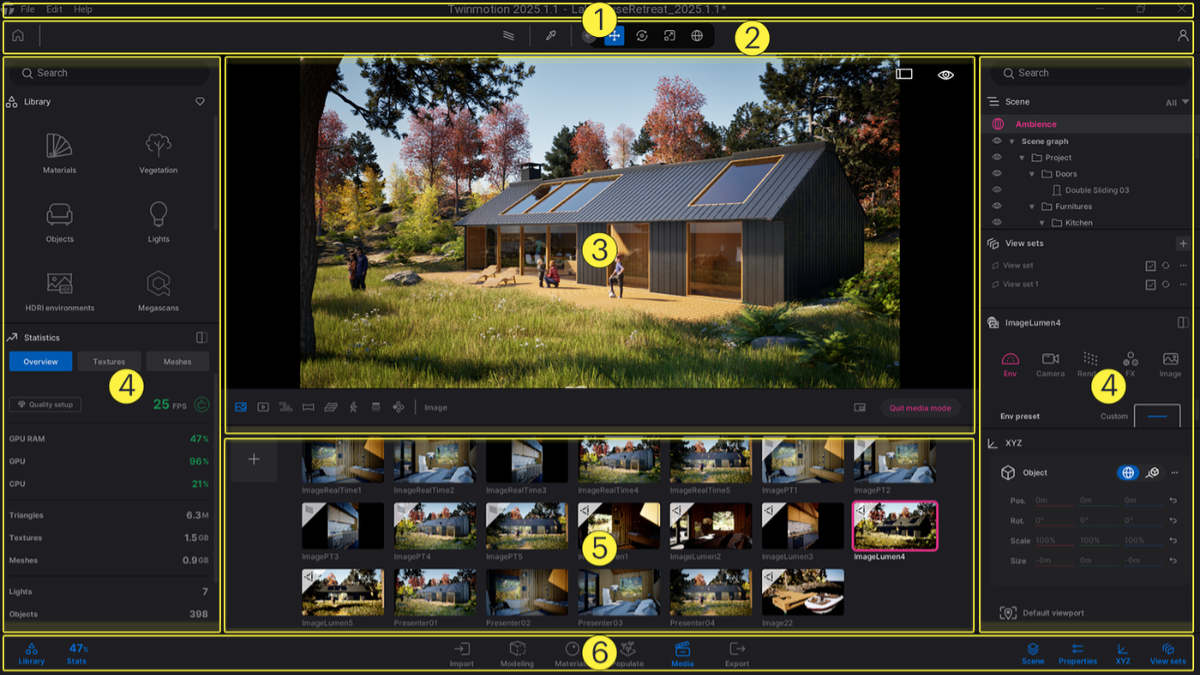
3.3. Lumion & Twinmotion: The speed demons
For firms that need rapid iterations, real-time engines like Lumion and Twinmotion are invaluable. They allow you to walk through your 3D exterior rendering model in real-time, placing trees that sway in the wind and digital people who walk across the frame. While historically they lagged in photorealism compared to V-Ray, recent updates utilizing ray-tracing technology have closed the gap significantly.
4. Scope and versatility: Project types transformed by 3D exterior rendering
No two architectural projects are identical, and each property type requires a distinct visual strategy to capture its true value. Whether you are pitching a boutique residential villa or seeking approval for a multi-acre commercial development, high-end 3D architectural exterior rendering adapts seamlessly to communicate scale, function, and emotion.
Here are the key project categories where 3D rendering for architectural firms and developers yields the highest return on investment:
4.1. Luxury residential estates & housing developments
In residential real estate, purchasing decisions are driven by emotion and aspirational lifestyle. Visualizing custom single-family homes, luxury villas, and master-planned townhouse communities requires meticulous attention to detail.
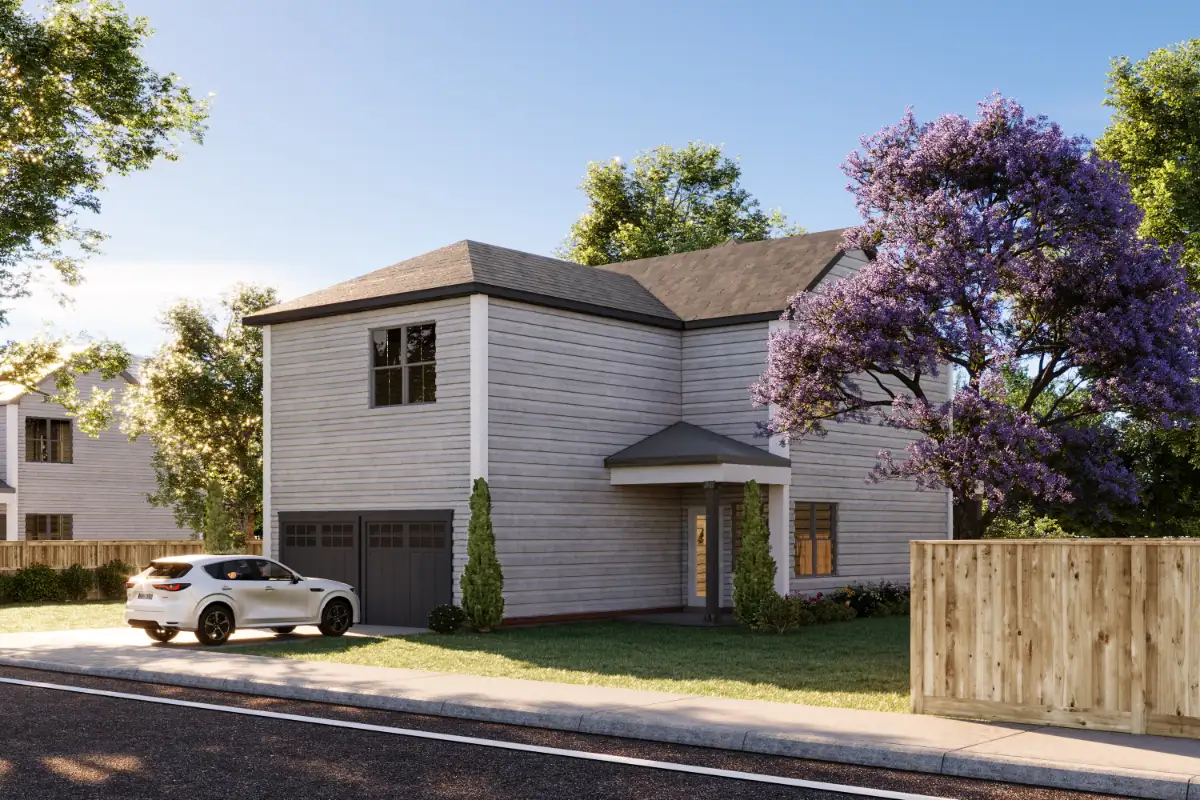 Residential properties are among the most mainstream types of exterior rendering.
- Key visual elements: Natural material textures (timber cladding, natural stone, textured concrete), manicured outdoor landscaping, infinity pools, and warm interior glow bleeding through expansive glass windows.
- Primary goal: Elevating off-plan sales marketing, securing buyer deposits, and helping custom home builders present accurate material visions to homeowners.
4.2. High-rise commercial & mixed-use complexes
Commercial architecture, such as corporate office towers, urban shopping centers, and mixed-use developments, demands a focus on structural elegance, urban integration, and investor confidence.
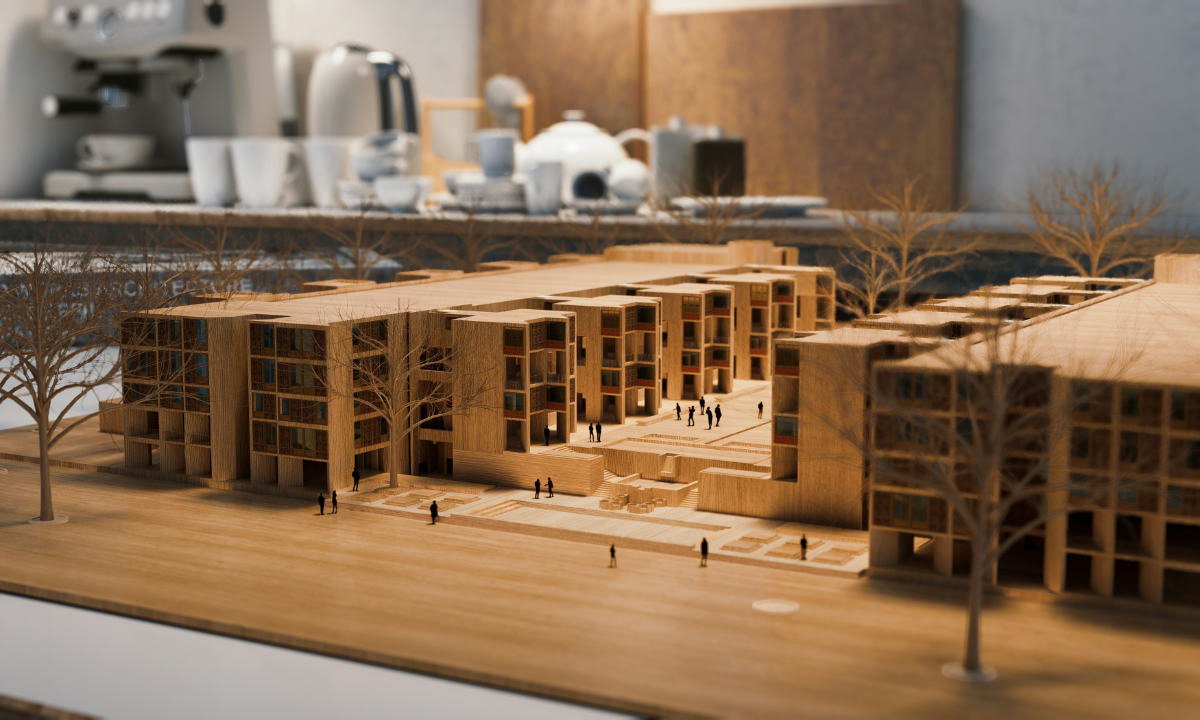 High-rise and tower projects also need 3D exterior rendering.
- Key visual elements: Accurate glass curtain wall reflections, dynamic street-level pedestrian movement, exterior facade lighting, and corporate branding placement.
- Primary goal: Winning high-stakes investor pitches, attracting commercial anchor tenants, and presenting contextual streetscape impact to municipal planning boards.
4.3. Hospitality, resorts & lifestyle destinations
From luxury beachfront resorts and eco-lodges to boutique hotels and golf clubhouses, hospitality projects sell an experience before a single brick is laid.
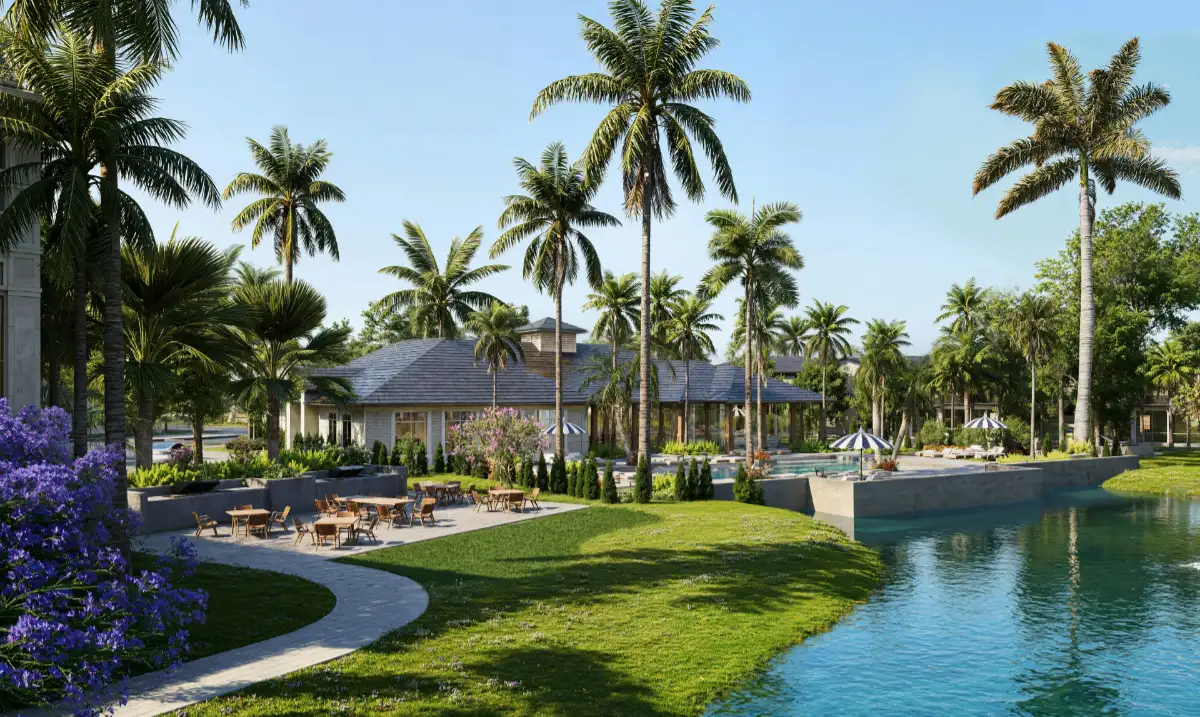 Large-scale exterior rendering is made for luxury projects like resorts or clubhouses.
- Key visual elements: Atmospheric lighting (golden hour and twilight), ambient water caustics in swimming pools, lush tropical or mountain foliage, and vibrant outdoor lounge environments.
- Primary goal: Securing hotel management contracts, generating early pre-opening press buzz, and funding luxury hospitality ventures.
4.4. Institutional, civic & cultural landmarks
Universities, museums, hospitals, and civic centers carry strict functional requirements and public oversight. Presenting architectural exterior 3D renderings for these projects bridges the gap between technical design and public approval.
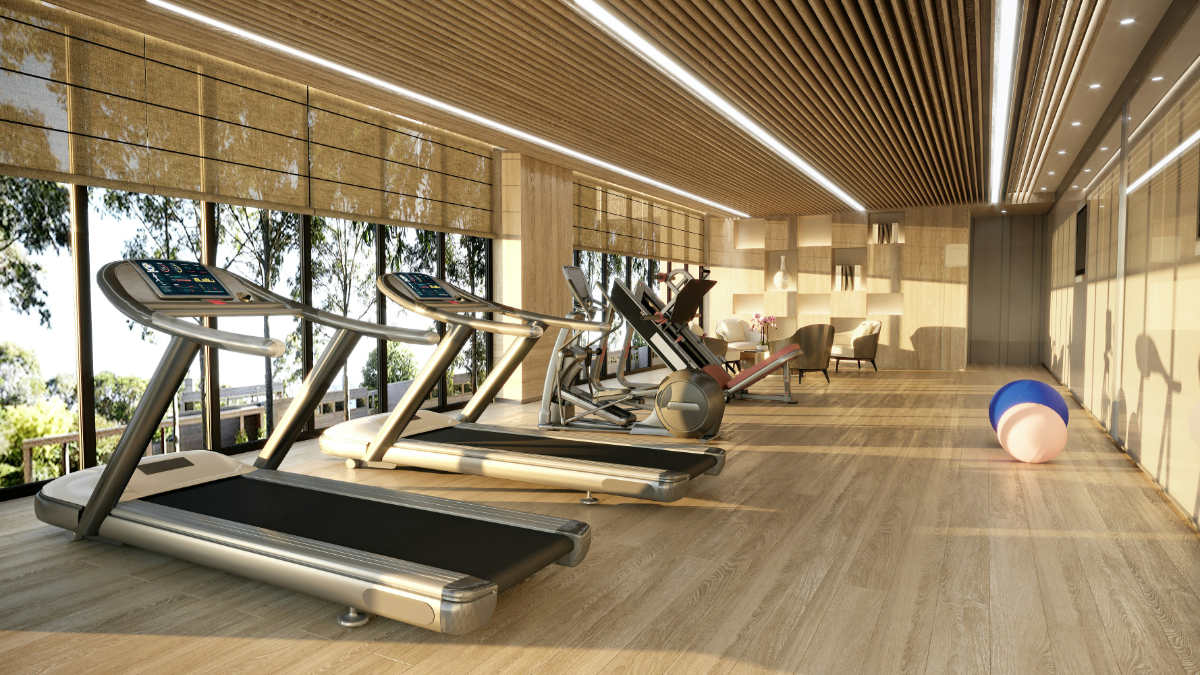 Renderings for special-purpose buildings can showcase the ability to meet the precise technical requirements for approval.
- Key visual elements: Pedestrian accessibility, public plazas, environmental sustainability features (green roofs, solar arrays), and visual harmony with surrounding civic infrastructure.
- Primary goal: Winning public design competitions, securing government grants, and building community support during public consultation phases.
4.5. Industrial, logistics & tech parks
Industrial facilities and distribution hubs require visual clarity regarding logistics efficiency, scale, and operational flow rather than purely decorative aesthetics.
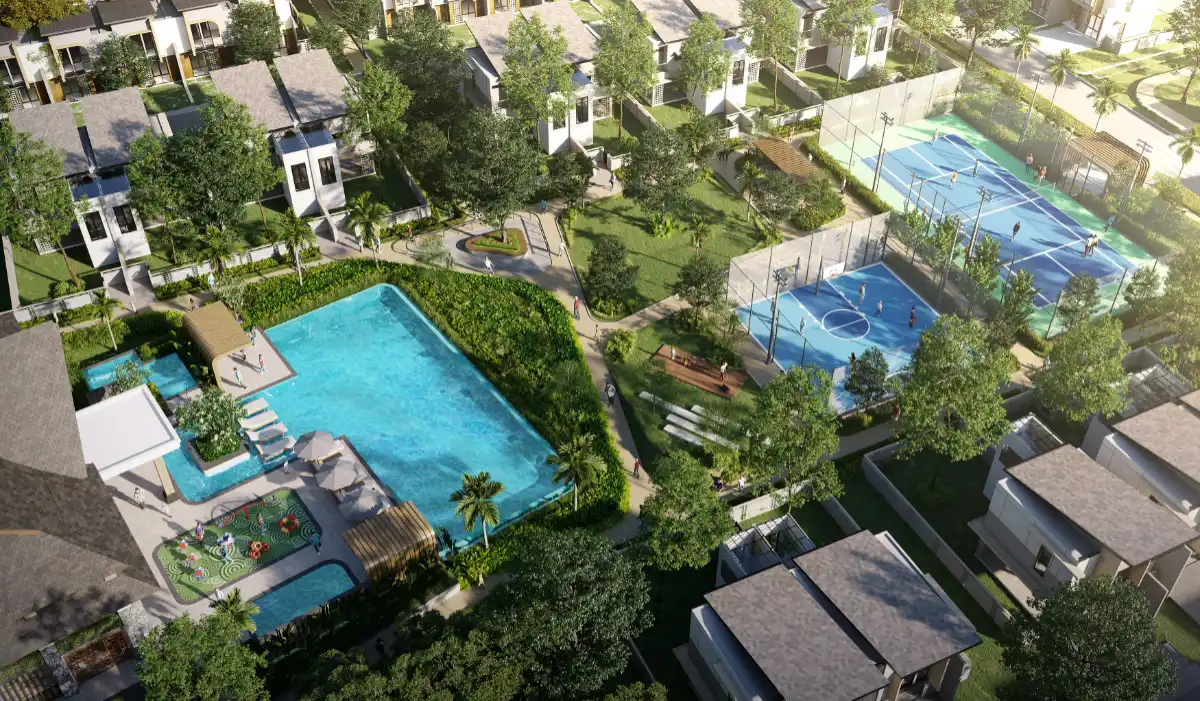 Master plan renderings serve as a life-like version of blueprints.
- Key visual elements: Aerial master-plan perspectives, heavy vehicle access pathways, loading dock geometry, and clear site boundaries.
- Primary goal: Facilitating B2B leasing agreements, presenting master plans to corporate logistics clients, and obtaining environmental permits.
5. The golden ratio of real estate visuals: Why post-production is crucial for 3D exterior rendering
If you talk to any world-class architectural photographer, they will tell you that a great photo is only half-built in the camera; the other half is crafted in post-production. The same rule applies to 3D rendering.
Even the most advanced exterior rendering software can produce images that feel slightly "sterile" or "uncanny." Computers are too perfect. They draw straight lines without micro-warps, paint textures without dust, and render light without atmospheric scattering.
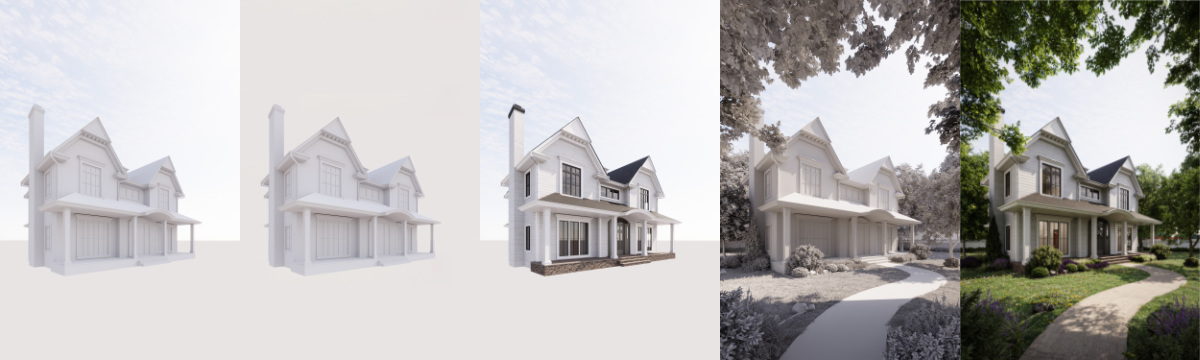 Post-production is an integral process of architectural rendering to create the best final image possible.
This is where the transition from a raw digital render to an evocative piece of visual art happens. High-end editing and post-production introduce:
- Atmospheric depth (Z-depth): Creating subtle fog, dust motes in sunbeams, and realistic sky gradients that mimic real-world camera lenses.
- Color grading & matching: Aligning the color temperature of the building with the background sky and surrounding environment to ensure cohesive visual harmony.
- Human element integration (2D entourage): Carefully compositing real, high-resolution photographs of people, pets, and moving vehicles into the render. This avoids the plastic look of 3D-modeled people and injects genuine life into the scene.
- Lens imperfections: Adding subtle vignettes, chromatic aberration, and lens flares that convince the viewer's brain that this image was captured by a physical camera with glass lenses, not calculated by an algorithm.
Without meticulous post-production, 3D exterior rendering remains just a digital model. With it, it becomes a photograph of a building that hasn’t been built yet.
6. Why outsourcing your 3D rendering & editing is a strategic business move
As creative professionals, whether you are a photographer running a busy real estate media agency, a videographer producing luxury lifestyle reels, or an architect managing multiple active build sites, your time is your most valuable asset.
Yet, high-quality 3D architectural exterior rendering is a massive resource sink. Here is why trying to do everything in-house can bottleneck your business growth:
6.1. The hardware bottleneck
Rendering photorealistic, high-resolution exterior scenes requires immense computational power. It demands top-tier GPUs, high-core-count CPUs, and massive amounts of RAM. To render an 8K image or a 4K walkthrough animation in-house, even with the best PCs or laptops for rendering, your workstations will be locked up for hours, if not days. This halts your team's productivity and spikes your utility bills.
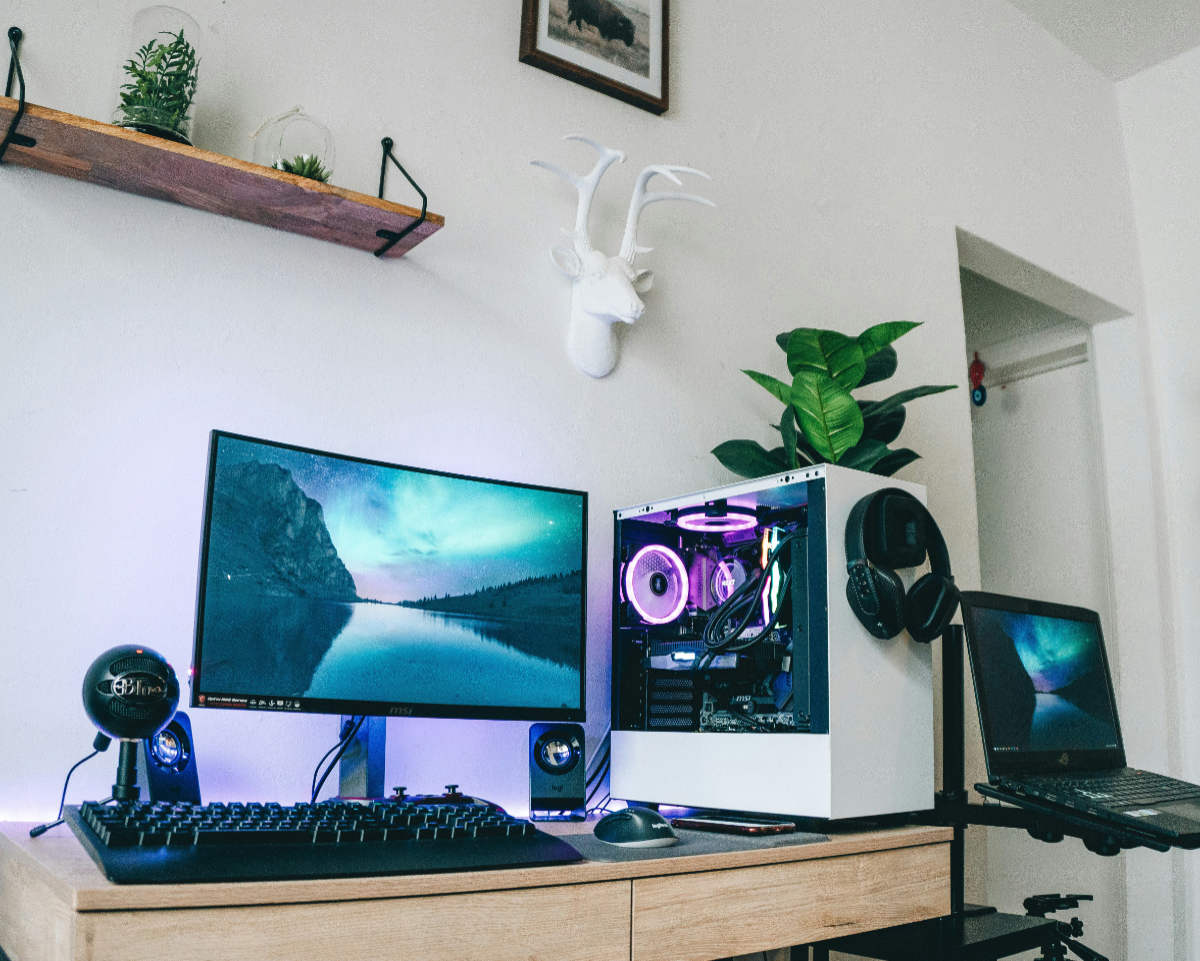 Investing in high-end PC hardware is just unaffordable in this economy.
6.2. The learning curve and talent cost
Mastering software like 3ds Max, V-Ray, and Photoshop post-production takes years of dedicated practice. Hiring full-time, in-house 3D artists is highly expensive, requiring competitive salaries, benefits, software licenses, and ongoing training.
6.3. The scalability nightmare
Real estate and architecture are seasonal and project-dependent. Some months you might have ten developments launching simultaneously; other months, only one. Maintaining a fixed in-house team means you are either paying for idle time during slow seasons or turning down lucrative contracts during peak seasons due to capacity constraints.
|
In-house bottlenecks |
Outsourcing with Fotober |
|
Expensive hardware + high software licenses + staff overhead -> Limited output & high risk |
Zero capital overhead + on-demand scaling + 24/7 production -> Unlimited output + high ROI |
By outsourcing your rendering and post-production needs, you convert a high fixed cost into a flexible variable cost, allowing your core team to focus on what they do best: designing, shooting, and closing deals.
7. Fotober: The ultimate creative partner for realtors, photographers, and videographers
At Fotober, we understand the unique visual vocabulary of real estate, architecture, and professional imaging. We don't just edit photos and process raw renders; we act as an extension of your creative studio. Here is how Fotober empowers different industry professionals to scale their businesses, increase their margins, and deliver breathtaking results:
7.1. For real estate photographers and videographers
Your clients, the realtors and developers, expect world-class visuals. But your genius is behind the camera lens, capturing the local light and directing the flow of a property shoot. Spending your nights hunched over a monitor color-correcting, doing sky replacements, or trying to piece together a 3D site plan is a waste of your artistic talent.
- Elevate your service portfolio: By partnering with Fotober, you can confidently offer high-end 3D exterior rendering and virtual staging services to your clients without having to learn 3D software yourself. You capture the raw inputs or provide the CAD files, and we deliver the polished, portfolio-ready assets.
- Consistent quality, blazing-fast delivery: We operate round-the-clock. While you sleep after a long day on-site, our global team of digital artists is processing your files. You wake up to flawless, color-graded, beautifully retouched images ready for client delivery.
7.2. For realtors and property developers
In the luxury real estate market, pre-selling properties is the key to managing cash flow and reducing development risk. If you are selling a lifestyle, your marketing collateral must reflect that luxury.
- Emotional connection over technical drafts: We transform raw architectural plans into warm, aspirational scenes. We add glowing interiors, luxury vehicles in the driveway, and manicured landscaping that matches your target demographic's wildest dreams.
- Virtual renovation and decluttering: Got a listing that looks dated or is currently under construction? Fotober can digitally renovate the exterior, updating paint colors, adding modern wood cladding, replacing old windows, and landscaping, showing potential buyers the true potential of the property.
7.3. For architectural firms
Your designs deserve to be showcase pieces. Our team works hand-in-hand with your design specifications, ensuring that every material callout, window mullion detail, and lighting fixture is rendered precisely as you intended.
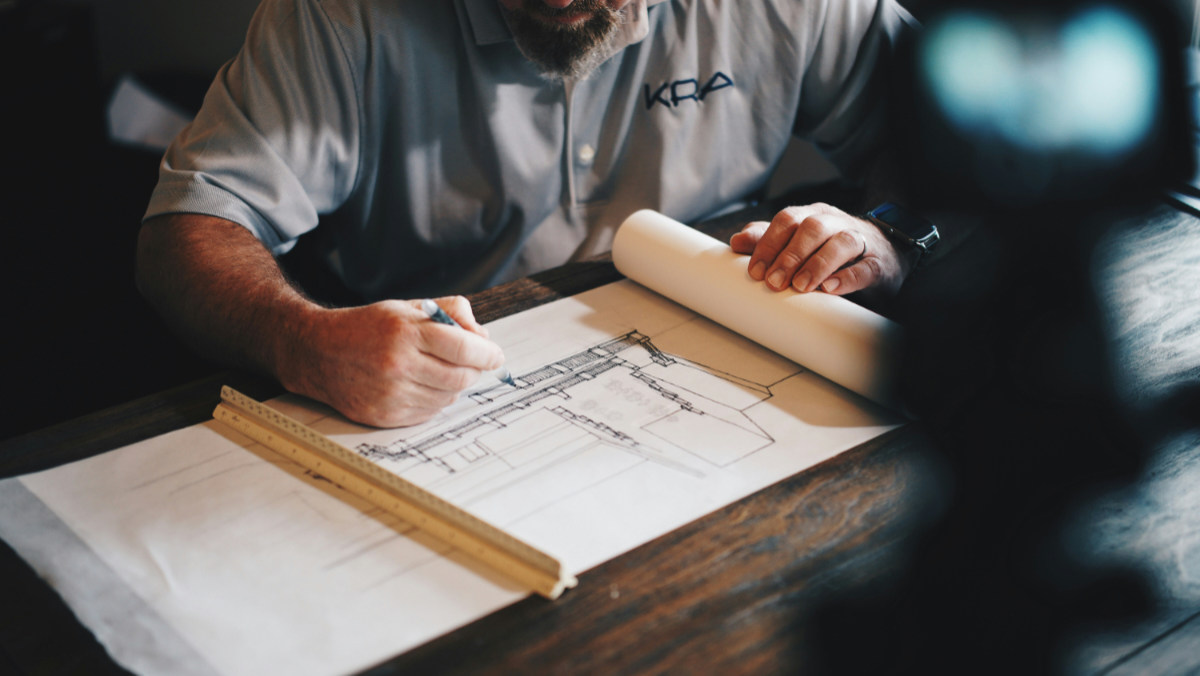 Architectural companies should have the best rendering to showcase their premium design.
- Photorealistic integration: We can seamlessly blend your 3D digital model into real drone photography of the actual building site, showing clients exactly how their future building will interact with the real-world horizon and neighboring properties.
- Uncompromising detail: From the correct texture of raw board-formed concrete to the subtle distortion of reflection on double-paned glass, we respect the integrity of your architectural vision.
8. Elevating the craft: Step-by-step of the Fotober 3D exterior rendering workflow
Working with an outsourcing partner should be smooth, transparent, and collaborative. Here is a look behind the curtain at how Fotober transforms your raw concepts into world-class architectural exterior 3D renderings.
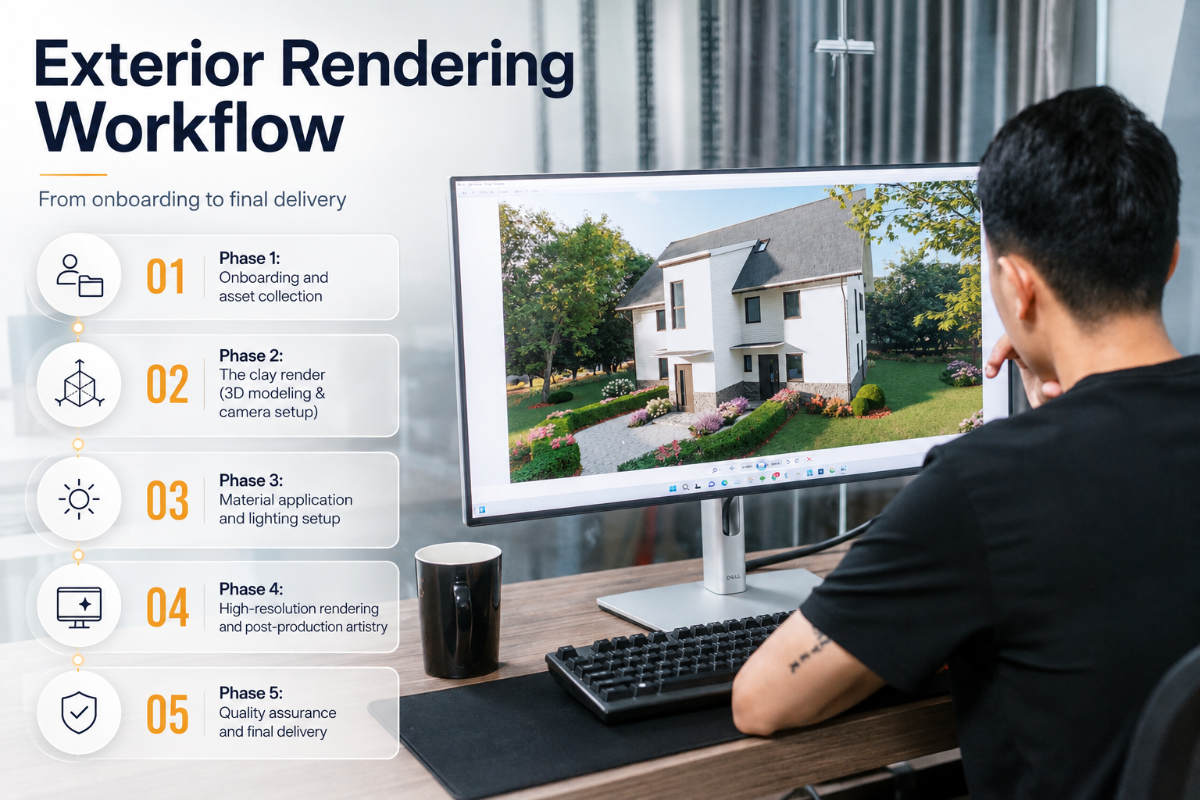 Workflow with Fotober.
Phase 1: Onboarding and asset collection
We begin with your raw assets. These can be hand-drawn sketches, PDF blueprints, CAD files (DWG/DXF), or fully realized 3D models (Sketchup, Revit, Archicad). You provide us with a detailed brief specifying materials, color palettes, landscaping preferences, and the overall mood (e.g., "warm autumn twilight with wet streets").
Phase 2: The clay render (3D modeling & camera setup)
Our artists build or import the geometry of your structure. We then present you with "clay" or "gray-mesh" renders. This stage is dedicated solely to composition, camera angles, and spatial volume. You choose the exact perspectives that tell the most compelling story of the building.
Phase 3: Material application and lighting setup
Once the camera angles are locked in, we apply high-resolution PBR textures to every surface. We set up the digital sun, sky, and artificial lighting arrays. We send you mid-resolution drafts showcasing how the materials interact with the chosen lighting setup.
Phase 4: High-resolution rendering and post-production artistry
With your feedback implemented, we run the final high-resolution render. This raw output is then handed over to our master Photoshop editors. They hand-paint ambient lighting, composite realistic skies and people, perform color grading, and add the cinematic camera effects that bring the image to life.
Phase 5: Quality assurance and final delivery
Every render passes through a rigorous QA process supervised by senior art directors who check for alignment, material accuracy, and overall visual balance. The final, high-resolution masterwork is delivered to you in your preferred formats, ready to stun your clients and dominate the market.
9. Conclusion
In the modern real estate and design landscape, visual presentation is not merely a marketing tool; it is the very foundation of trust, credibility, and brand value. Whether you are an architect pushing the boundaries of spatial design, a photographer looking to scale your media empire, or a developer striving to sell a vision before the first spade hits the dirt, high-quality 3D exterior rendering is your golden ticket.
Do not let hardware constraints, software complexities, or labor shortages limit your creative output. Leverage the power of a dedicated, highly skilled, and responsive production partner. Let Fotober handle the heavy lifting of rendering and post-production, giving you the freedom to focus on your core craft, grow your business, and inspire your clients.
Are you ready to transform your architectural concepts into breathtaking visual realities? Contact Fotober today, and let’s co-create the future of your next big project.
Also follow us on social media to stay updated with the latest architectural visualization services to showcase your construction in the best light.
- Facebook: fotobermedia.co
- YouTube: Fotober
- TikTok: @fotober
- Instagram: fotober_media.
Related posts

Cincinnati Housing Market 2026: Prices, Trends, and What It Means for Buyers, Sellers, and Investors
October 20, 2026

Modern Luxe Interior Design: Elements, Style Guide and How to Stage It
October 10, 2026

Minimalist Interior Design: Characteristics, Style Guide, and Staging
October 8, 2026

Coastal Interior Design: Style Definition & Staging Guide
September 30, 2026
