




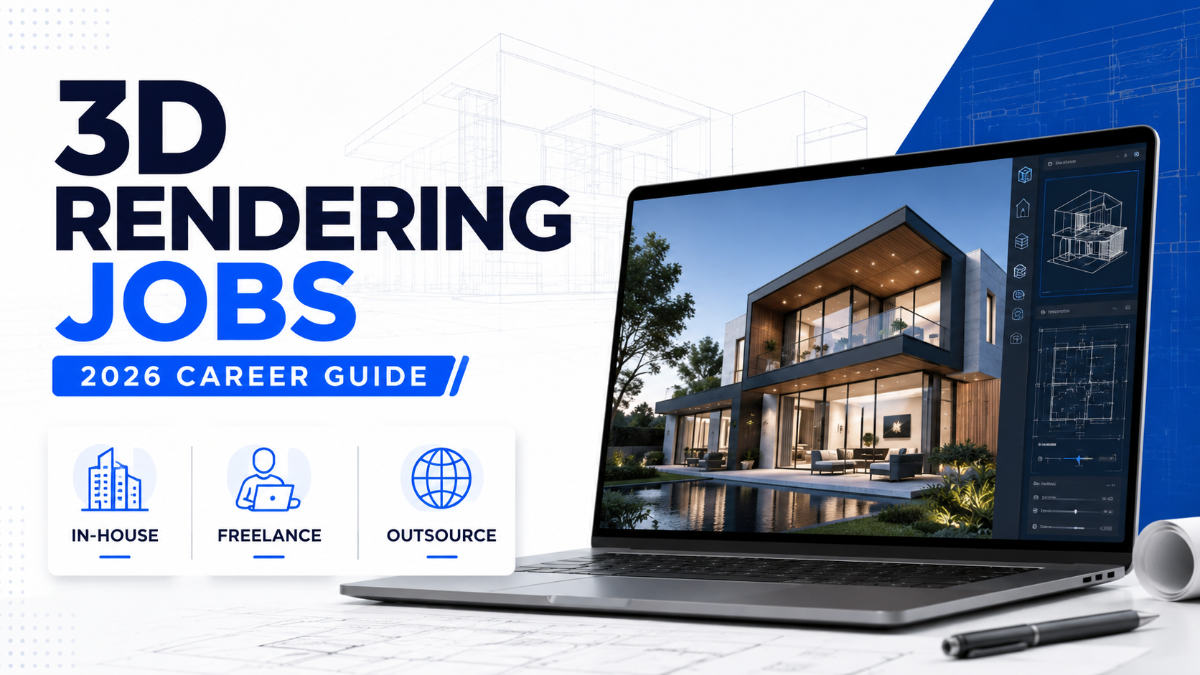
Architectural 3D Rendering Jobs in 2026: Finding Work & Earning More
Share:
Table of Contents
- 1. Key takeaways
- 2. The 2026 market: demand, income, and remote opportunities for architectural 3D rendering jobs
- 3. Where to find architectural 3D rendering jobs
- 4. Skills, tools, and 2026 trends in architectural 3D rendering jobs to master
- 5. Career outlook and how Fotober fits in
- 6. Frequently asked questions about architectural 3D rendering jobs
If you love turning blueprints into photorealistic images, there has rarely been a better time to pursue it. Demand for architectural 3D rendering jobs is climbing while skilled artists stay in short supply, which means stronger pay, more remote flexibility, and a clear path to build a career. This guide is written for you, the aspiring or working visualization artist, covering where to find work, what you can earn, and the skills, tools, and trends that will keep you employable in 2026 and beyond.
Rendering now sits at the center of how real estate and construction sell: developers pre-sell communities with it, architects pitch clients with it, and agents market new construction with it. That demand flows straight into hiring, from full-time studio roles to a thriving freelance market. Whether you want a salaried position, contract work, or to build your own client base, the opportunities are real, if you know where to look and what to master. Let's map the market, the money, the job sources, and the exact skill set that gets you hired.
1. Key takeaways
- Architectural 3D rendering jobs are in high demand and short supply, giving skilled artists strong leverage on pay and remote work in 2026.
- You can find work on general job boards, ArchViz-specific sites, freelance platforms, and by pitching studios and outsourcing companies directly.
- Income ranges widely from entry-level salaries to six figures for senior artists, plus flexible freelance rates and the career ladder runs from junior artist to art director or studio owner.
- The must-have toolkit includes a render engine (V-Ray, Corona, Lumion, D5, or Unreal), a modeling app, and Photoshop; the biggest 2026 trends are AI tools and real-time engines.
2. The 2026 market: demand, income, and remote opportunities for architectural 3D rendering jobs
The market for architectural 3D rendering jobs in 2026 favors the artist because demand keeps outpacing the supply of skilled talent. Visualization now touches nearly every real estate transaction, pre-sale marketing, architectural pitches, interior design, and advertising, so studios, agencies, developers, and outsourcing firms are all competing for renderers. The U.S. Bureau of Labor Statistics tracks related roles under special-effects artists and animators, a category projected to keep growing, and specialized architectural visualization talent is even scarcer than those broad numbers imply.

That scarcity translates into high income. Entry-level architectural 3D rendering jobs commonly start in the $50,000–$70,000 range in the US, mid-level artists earn more, and senior visualizers and art directors often reach six figures, with hardware and software typically provided by the employer. Freelancers price per project or per image and can out-earn salaried peers once established. Demand is fueled by construction activity: with new residential buildings making up a large share of the market per the Census Bureau and builders tracked by the National Association of Home Builders marketing much of it before completion, the appetite for renders and renderers is relentless.
Geography matters less than it used to. Rendering is highly remote-friendly, so 3D architectural rendering jobs in the USA and 3D architectural rendering jobs in Canada increasingly hire internationally rather than locally, and a growing share of artists work as contractors. That means an artist in a small town can work for a studio in a major metro or clients worldwide without relocating. The flip side is that you're competing in a global talent pool, which makes a standout portfolio and the right skills more important than ever.
3. Where to find architectural 3D rendering jobs
Finding architectural 3D rendering jobs in 2026 means fishing in several ponds at once, because roles are scattered across general, specialized, and freelance channels. The most successful artists don't rely on a single site; they combine job boards, portfolio platforms, and direct outreach. Here's where to look.

- General job boards. LinkedIn, Indeed, and Glassdoor list full-time and contract visualization roles at architecture firms, developers, and studios. Set alerts for "architectural visualization," "3D rendering artist," and "archviz," not just the exact phrase, to catch every posting.
- ArchViz and CG-specific sites. Industry platforms and communities, ArtStation Jobs, CGarchitect's job board, and Behance, post specialized roles and are where studios actively recruit. These surface the highest concentration of relevant openings.
- Freelance platforms. For 3D architectural rendering freelance jobs, Upwork, Fiverr, and Freelancer host a steady stream of per-project work, and they're an excellent way to build a client base and reviews early in your career.
- Studios and outsourcing companies. Many of these roles never hit public boards; visualization studios and outsourcing firms hire directly and take on freelancers. Pitching them with your portfolio is one of the most effective and least crowded routes to steady work.
- Networking and your portfolio. A strong ArtStation or personal portfolio, plus presence in archviz communities and on social media, brings work to you. In this field, your reel and images are your résumé.
Cast wide and apply consistently. Because so many 3D architectural rendering jobs in the USA and 3D architectural rendering jobs in Canada are remote, you can pursue openings across both countries from anywhere, dramatically expanding your options.
4. Skills, tools, and 2026 trends in architectural 3D rendering jobs to master
Landing architectural rendering jobs comes down to a portfolio backed by the right skills and software, plus awareness of where the field is heading. Employers hire on demonstrated ability, so building these while producing portfolio pieces is the fastest path in. Here's what to focus on.
4.1. Core skills
The foundation is 3D modeling, materials and texturing, lighting, and camera composition - the craft of making a space look real and inviting. Beyond the technical, employers prize an eye for realism, the ability to read architectural drawings, post-production skills in Photoshop, and communication to interpret a client's brief. Speed and consistency matter too, since studios work to deadlines; the artists who get repeat work are the ones who deliver believable images reliably.
4.2. Essential tools and software
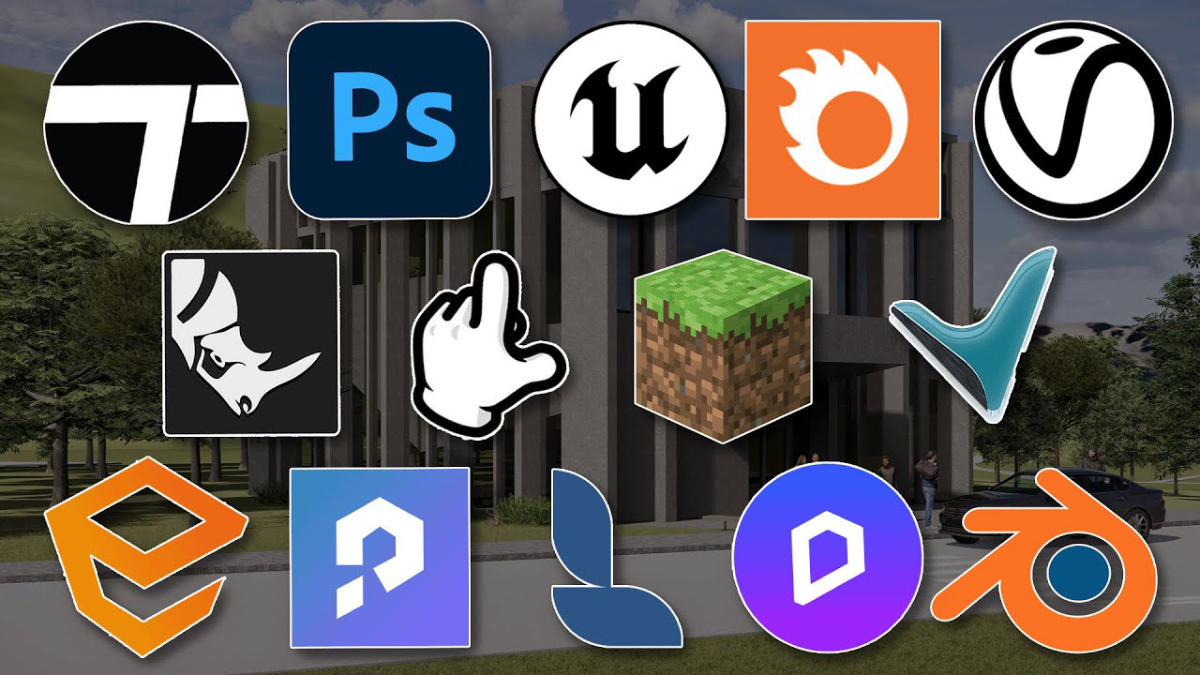
Master at least one modeling app and one rendering software, then broaden from there. Common modeling tools include 3ds Max, SketchUp, Rhino, and Blender, while the leading render engines are V-Ray, Corona, Lumion, Enscape, D5 Render, and increasingly Unreal Engine for real-time work. Photoshop is near-universal for post-production. You don't need every tool, but fluency in a popular stack, for example 3ds Max plus V-Ray plus Photoshop, or Blender plus a real-time engine, makes you employable for most architectural 3D rendering jobs.
4.3. Trends shaping the profession in 2026
Two forces are reshaping the field, and adapting to them is how you stay competitive. First, AI is entering the pipeline: tools that generate or enhance images quickly. Rather than a threat, treat AI as a skill: artists who use it to speed up drafts and iterations while providing the judgment, accuracy, and art direction AI can't will be more valuable, not less. Second, real-time engines like Unreal, D5, and Lumion are moving archviz from static stills toward interactive walkthroughs, VR, and animation, so learning a real-time workflow opens more doors. Remote, global competition is the third trend, a reason to specialize (luxury interiors, exteriors, or animation) and let a distinctive style set you apart.
5. Career outlook and how Fotober fits in
The career path in architectural 3D rendering jobs is clear and rewarding: you can start as a junior artist, grow into a mid-level and then senior visualizer, move up to art director or lead, and for the entrepreneurial, build a freelance business or your own studio. Because the demand is durable and remote work is standard, the field offers unusual flexibility to shape a career on your terms, whether that's a stable salaried role or a global freelance client base.
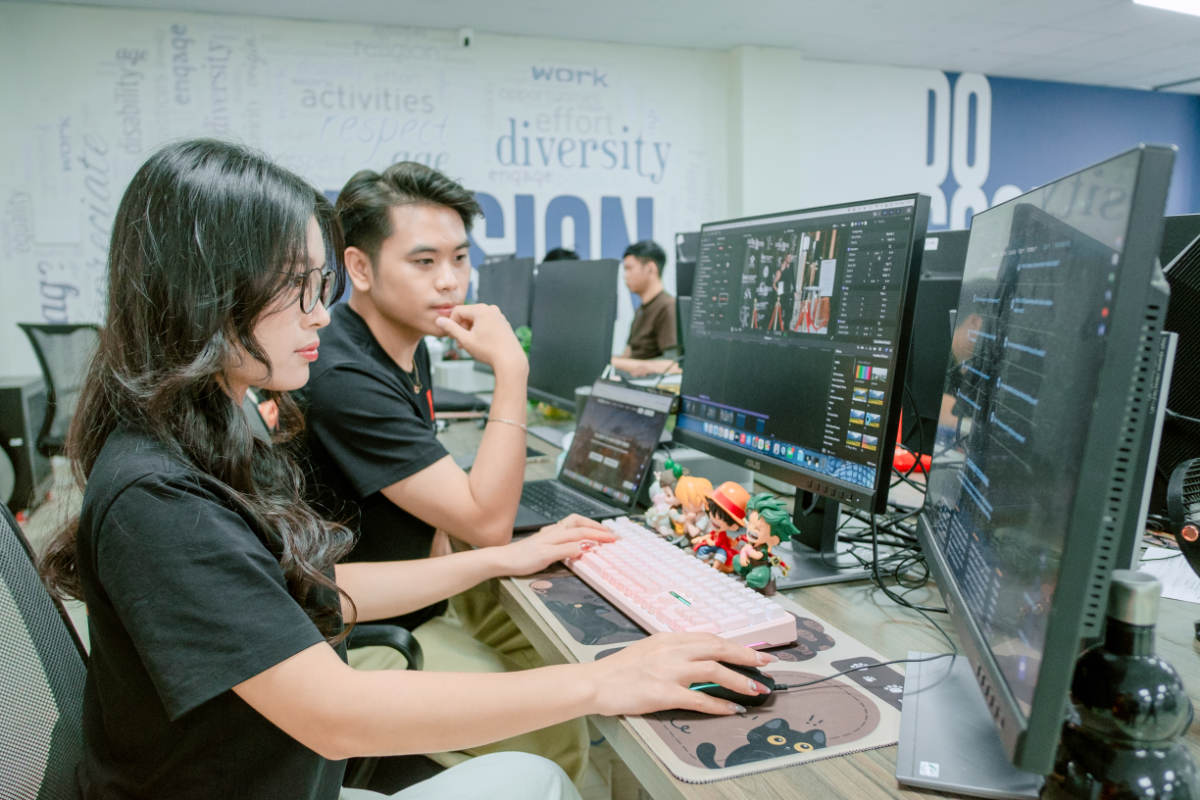
One of the biggest and most stable sources of that work is the visualization-outsourcing sector. Studios like Fotober produce renderings at scale for developers, architects, and agencies, which makes the outsourcing industry a major and growing employer of archviz talent and a strong place to gain volume, mentorship, and a steady pipeline of projects early in a career. Fotober delivers the full range of 3D rendering services and covers the different types of 3D rendering an artist would work on day-to-day. If you're an artist or studio interested in collaborating, reach out at [email protected] or the hotline below, and if you're a firm that would rather outsource rendering than hire, you can place an order or start a free trial instead.
6. Frequently asked questions about architectural 3D rendering jobs
Are architectural 3D rendering jobs in demand in 2026?
Yes. Demand for visualization keeps growing across real estate and construction while skilled artists remain scarce, which gives renderers strong leverage on pay and remote flexibility. Both salaried and freelance opportunities are plentiful for artists with a solid portfolio.
How much do architectural 3D rendering jobs pay?
Entry-level roles in the US commonly start around $50,000–$70,000, mid-level artists earn more, and senior visualizers and art directors often reach six figures. Freelancers price per project or image and can earn more once established with a client base.
What software do I need for architectural rendering jobs?
At minimum, one modeling app (3ds Max, SketchUp, Rhino, or Blender), one render engine (V-Ray, Corona, Lumion, D5, Enscape, or Unreal), and Photoshop for post-production. Fluency in one popular stack matters more than dabbling in all of them.
Where can I find freelance 3D rendering work?
For 3D architectural rendering freelance jobs, start with Upwork, Fiverr, and Freelancer to build reviews, then pitch visualization studios and outsourcing companies directly. A strong ArtStation or personal portfolio also attracts inbound work over time.
Will AI replace architectural rendering jobs?
It's changing them, not eliminating them. AI speeds up drafts and repetitive tasks, but clients still need accurate architecture, realistic materials, strong composition, and human art direction. Artists who learn to use AI as a tool will stay in demand.
Connect with Fotober
- Facebook: fotobermedia.co
- YouTube Channel: Fotober
- TikTok Channel: @fotober
- Instagram: fotober_media
- Email support: [email protected]
- Hotline: +84 942 110 297
Related posts

Minimalist Interior Design: Characteristics, Style Guide, and Staging
October 8, 2026

Coastal Interior Design: Style Definition & Staging Guide
September 30, 2026

Contemporary Interior Design: Key Elements and How to Stage This Style
September 30, 2026

Scandinavian Interior Design: Key Elements, Style Guide, and Staging
September 30, 2026
