




Denver metro area real estate market: House trends, prices & forecast for 2026


Share:
Table of Contents
The Denver metro area real estate market is entering 2026 with rising inventory, slower buyer activity, and more stable home prices compared to the aggressive pandemic years. Buyers now have more negotiating power and greater flexibility when comparing homes, while sellers face stronger competition as more listings enter the market. At the same time, mortgage rates and affordability concerns continue reshaping buyer behavior, making pricing strategy, property condition, and listing presentation more important than ever across the Denver housing market.
1. Why the Denver metro area real estate market is changing in 2026
The Denver metro area real estate market is shifting because the conditions that fueled the housing frenzy between 2020 and 2022 are no longer dominating buyer decisions. Historically low mortgage rates previously pushed buyers into highly competitive situations where speed mattered more than careful planning. In 2026, however, affordability concerns and higher inventory are slowing the pace of the market and encouraging buyers to make more calculated decisions.
This shift does not mean demand for housing in Denver has disappeared. The metro area still benefits from population growth, lifestyle appeal, and a strong local economy that continues supporting long-term housing demand. However, buyers are now paying much closer attention to monthly payments, financing terms, insurance costs, and long-term affordability before entering the market.
As a result, the housing environment feels calmer and more balanced than it did several years ago. Homes are still selling throughout the region, but buyers are becoming increasingly selective and less willing to overlook pricing issues or weak presentation. This adjustment is creating one of the biggest transitions the local housing market has experienced in recent years.
1.1. Inventory reaches its highest level in years
One of the biggest trends shaping the denver metro area real estate market in 2026 is the increase in available inventory. During the pandemic years, housing supply dropped to extremely low levels, which created fierce competition between buyers across many Denver neighborhoods. Homes often received multiple offers within days, and buyers frequently waived inspections or offered far above asking price.
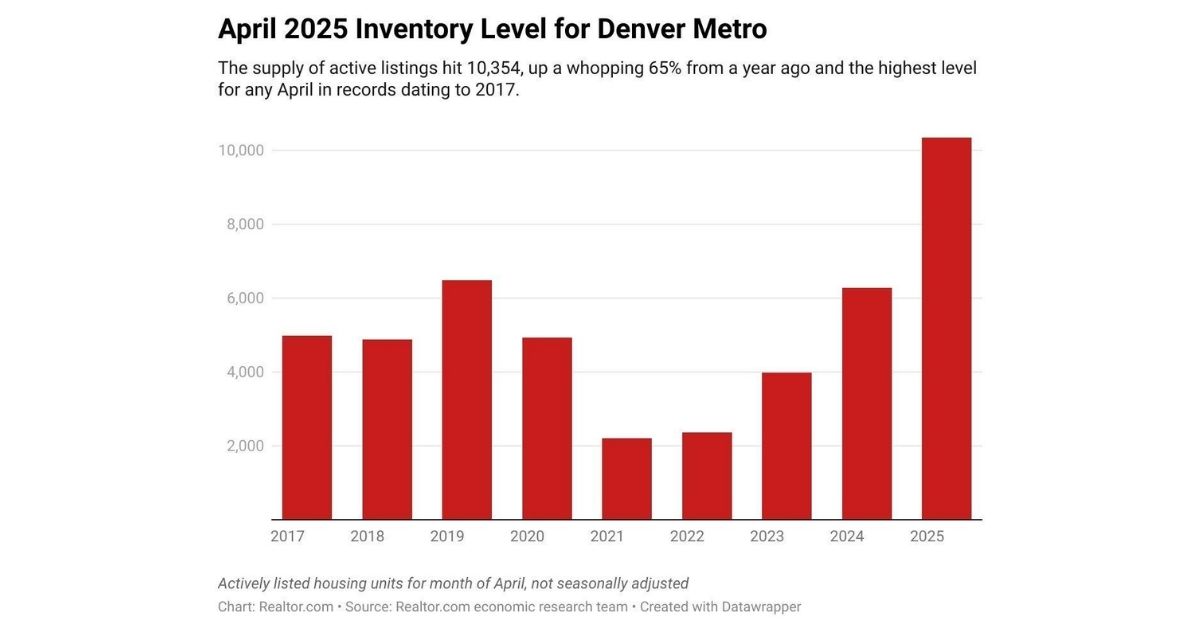
Inventory Level for Denver Metro
That environment is gradually fading as more homeowners place their properties on the market. Rising inventory levels are giving buyers more choices than they have had in years, especially in suburban communities where new residential developments continue expanding. This increase in supply is helping the market move toward a more balanced structure.
For buyers, higher inventory creates a completely different experience compared to the intense competition of previous years. Buyers now have more time to compare properties, negotiate repairs, and evaluate affordability before making offers. While competition still exists for desirable homes, the overall market feels far less emotional and far more strategic. Inventory has increased because more homeowners are listing properties while buyers are moving more cautiously due to affordability concerns and mortgage rates. Higher inventory is also changing how sellers compete with one another. During the housing boom, nearly any listing could attract immediate attention because buyers had limited options available. In 2026, however, outdated, overpriced, or poorly marketed homes are much more likely to stay active longer.
This increased competition is especially noticeable in neighborhoods where buyers can compare multiple similar homes at the same price point. Sellers must now focus more heavily on realistic pricing, property conditions, and professional presentation to attract attention. The days of automatically receiving multiple offers within hours are becoming less common. Another major factor is buyer psychology. When buyers see more homes available, they feel less pressure to rush into decisions out of fear of missing out. This creates a healthier environment overall because buyers can evaluate long-term value rather than acting emotionally under extreme pressure.
1.2. Home prices remain relatively flat
Despite rising inventory, home prices across the denver metro area real estate market have remained surprisingly stable. Many buyers expected large price declines once mortgage rates increased and sales activity slowed, but that has not happened on a broad scale. Instead, the market is experiencing stabilization rather than collapse.
Median home prices across many Denver neighborhoods are slightly down year over year, but the declines remain modest compared to the massive appreciation seen over the last decade. This distinction is important because stable pricing reflects a healthier market adjustment rather than structural weakness. Many homeowners who purchased years ago still maintain strong equity positions.
The stability of pricing also shows that demand for housing in Denver continues to exist. Population growth, employment opportunities, and long-term lifestyle appeal continue supporting home values even as affordability pressures reduce transaction volume. Buyers may be more selective today, but many still view Denver as a strong long-term market. Home prices remain relatively stable because long-term demand continues supporting housing values despite slower sales activity and higher inventory levels.
Different segments of the market are also performing differently. Move-in-ready homes with updated interiors and strong curb appeal continue attracting attention relatively quickly, while outdated homes often remain active longer unless sellers adjust pricing. Luxury homes in desirable suburban areas also continue performing better than many buyers expected.
This pricing stability creates both opportunities and challenges. Buyers now have more negotiating leverage compared to the pandemic years, but affordability remains difficult because prices are still much higher than they were before 2020. Sellers, meanwhile, must recognize that buyers are no longer willing to pay any price simply to secure a home quickly.
Another reason prices remain stable is that many homeowners are not under serious financial pressure to sell. Unlike the 2008 housing crisis, most current homeowners have fixed mortgage rates and strong equity positions. As a result, the local housing market is slowing down rather than entering widespread distress.
1.3. Mortgage rates are reshaping demand
Mortgage rates continue influencing nearly every part of the denver metro area real estate market in 2026. Even small changes in interest rates significantly affect monthly payments in higher-priced housing markets like Denver. Because of this, affordability calculations now play a much larger role in buyer behavior.

Mortgage rates influences real estate market
During the pandemic housing boom, low mortgage rates helped buyers justify higher home prices because monthly payments remained manageable. In 2026, however, buyers are becoming far more payment-conscious. Instead of focusing only on winning bidding wars, many buyers now carefully evaluate long-term affordability before entering the market.
This shift is changing how buyers search for homes. Some buyers are targeting smaller properties or suburban areas with lower price points, while others are waiting for additional mortgage rate improvements before making purchases. At the same time, gradual rate stabilization is bringing some hesitant buyers back into the market. Mortgage rates are reshaping demand by making buyers more cautious, budget-focused, and selective about long-term affordability.
The psychological impact of mortgage rates is just as important as the financial impact. Buyers no longer feel the same urgency that dominated previous years because rising inventory gives them more flexibility. Instead of rushing into offers immediately, buyers now compare financing options, taxes, insurance costs, and long-term ownership expenses more carefully.
For sellers, this means pricing strategy and marketing quality are becoming increasingly important. Buyers paying higher monthly costs expect stronger value, cleaner presentation, and better property conditions before committing to purchases. This is one reason listing presentation is becoming a critical factor throughout the Denver housing market.
2. Why listing presentation affects sales performance in Denver
Listing presentation is becoming one of the most important competitive factors in Denver’s housing market. During the peak seller-market years, homes often sold quickly regardless of marketing quality because buyer demand heavily exceeded supply. In 2026, however, buyers are comparing listings more carefully and making slower, more deliberate decisions.
Higher inventory means buyers can easily compare multiple homes within the same neighborhood, price range, or property type. This creates stronger competition between sellers and increases the importance of first impressions. Listings with weak visuals, poor lighting, cluttered interiors, or incomplete marketing materials often struggle to generate strong engagement.

Listing presentation
As market conditions become more balanced, sellers and agents are realizing that professional marketing is no longer optional for competitive listings. High-quality visuals now directly influence online engagement, showing activity, and buyer perception.
2.1. Buyers compare listings more carefully than before
Most homebuyers begin their search online, which means the first showing often happens through listing photos and videos rather than in person. In a market with rising inventory, buyers can compare dozens of listings within minutes. This behavior makes visual presentation one of the strongest factors influencing click-through rates and showing requests.
When inventory was limited, buyers often tolerated weak listing photos because choices were scarce. In 2026, however, buyers have more flexibility and higher expectations. Poor lighting, distorted images, cluttered rooms, or missing floor plans can immediately reduce interest before buyers even schedule tours. Buyers are comparing listings more carefully because higher inventory levels give them more options and reduce the urgency to make rushed decisions.
The increase in buyer selectiveness is changing how homes compete online. Two similar homes may have nearly identical pricing and square footage, but the listing with stronger photography and better presentation usually receives more engagement. This difference can directly affect how quickly homes sell and how much negotiating leverage sellers maintain.
Presentation quality also shapes emotional perception. Buyers often decide whether a home feels modern, spacious, or well-maintained based on visuals alone. In slower markets, emotional connection becomes even more important because buyers spend more time comparing alternatives.
2.2. Professional visuals help listings stand out
Professional real estate visuals are becoming essential marketing tools across Denver. High-quality photography creates cleaner, brighter, and more balanced representations of properties while improving online engagement. Strong visuals also help listings appear more premium and trustworthy compared to poorly photographed competitors.
Fotober- Master in real estate visual services
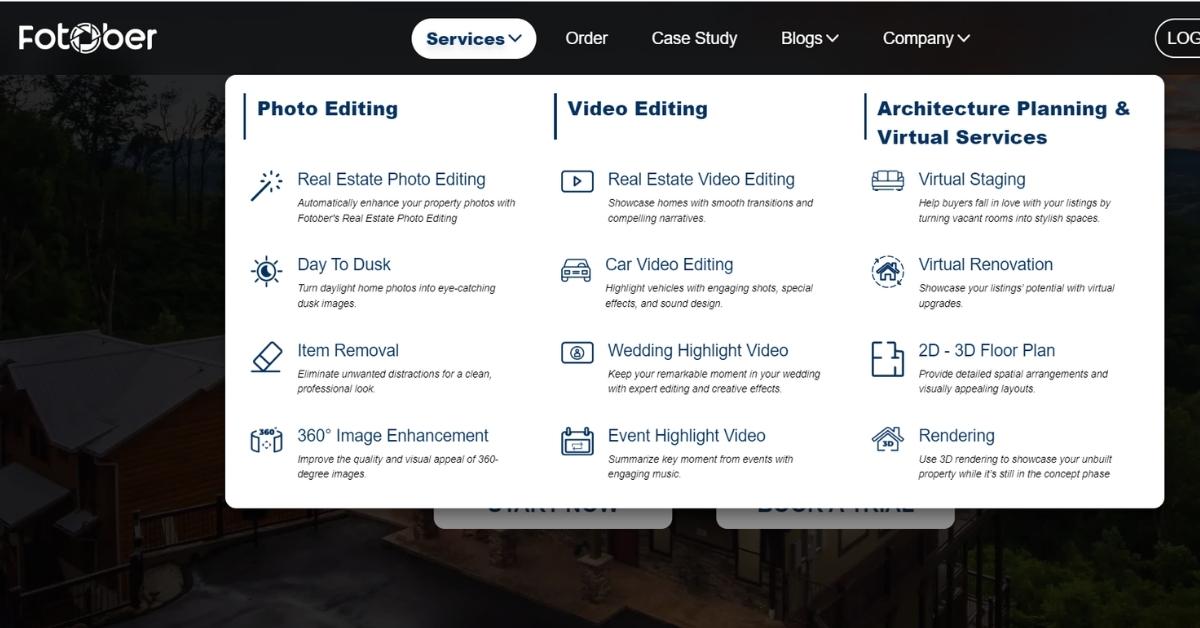
Cinematic video tours are especially valuable for luxury listings and relocation buyers. Video communicates flow, atmosphere, and lifestyle more effectively than static photos alone. Buyers relocating from other states often rely heavily on visual marketing before scheduling in-person tours. For higher-end properties, many agents are now investing in professional real estate video editing services to create stronger emotional impact and improve online engagement.
Floor plans, virtual staging, twilight editing, and item removal are also becoming increasingly important. Floor plans help buyers understand layout functionality, while virtual staging helps empty spaces feel more practical and emotionally engaging. Twilight editing improves curb appeal and creates a stronger emotional impact for exterior photography. Professional visuals help homes stand out by improving online engagement, emotional appeal, and buyer perception.
Virtual staging is especially useful in slower markets because buyers now compare listings much more carefully. Empty or poorly furnished rooms can feel cold and difficult to interpret, while staged visuals help buyers imagine how spaces could function in real life. This psychological effect often increases showing activity and buyer interest.
Drone photography and cinematic walkthrough videos are also becoming more common throughout the metro area. Properties with mountain views, outdoor amenities, large lots, or desirable neighborhood surroundings benefit heavily from aerial and cinematic visuals that communicate lifestyle appeal beyond the structure itself.
2.3. More Denver agents are investing in presentation
As competition increases, more Denver agents are investing heavily in presentation and media quality. Many agents now recognize that professional marketing can directly affect sales performance, especially in neighborhoods where buyers have abundant options.
Better visuals often improve engagement metrics such as saves, clicks, and showing requests. Listings that generate stronger engagement early typically gain more visibility across real estate platforms, which can further increase buyer activity. This creates a competitive advantage for sellers who prioritize professional marketing.
Professional media also helps justify asking prices in a slower market. Buyers paying high monthly mortgage costs expect listings to feel polished and premium. When homes appear professionally marketed, buyers are more likely to associate the property with higher value and better maintenance. More Denver agents are investing in presentation because professional marketing improves engagement, strengthens pricing perception, and helps listings compete in a slower housing market.
Another reason agents are investing more heavily in visuals is because market conditions no longer guarantee fast sales. During the pandemic years, many homes sold rapidly regardless of marketing quality. In 2026, however, listings that fail to stand out visually may remain active significantly longer than better-presented competitors.
3. Which Denver suburbs are growing fastest in 2026?
Several suburban areas continue outperforming other parts of the local housing market as buyers search for more space, stronger long-term value, and better affordability. While central Denver remains attractive, many buyers are increasingly moving toward suburban communities that offer newer developments, quieter neighborhoods, and more family-oriented lifestyles. This trend is expected to continue throughout 2026 as affordability and lifestyle flexibility become larger priorities.

Several suburban areas
Aurora remains one of the fastest-growing areas for first-time buyers. Compared to many neighborhoods closer to downtown Denver, Aurora still offers relatively more affordable housing options while maintaining strong access to employment centers and transportation routes. Ongoing residential development is also adding more inventory, giving buyers additional opportunities in a market that previously suffered from limited supply.
Littleton and Centennial continue attracting families looking for stability, schools, and long-term livability. Buyers are increasingly prioritizing suburban environments with larger homes, parks, and quieter communities rather than focusing entirely on proximity to downtown areas. Even as the broader market slows, these family-oriented suburbs continue maintaining relatively steady demand because housing decisions are often tied closely to schools and lifestyle needs.
Highlands Ranch remains one of the stronger-performing suburban luxury markets in the region. Higher-end buyers continue searching for move-in-ready homes with upgraded interiors, outdoor amenities, and strong community appeal. Although luxury buyers are becoming more selective in 2026, demand for well-maintained homes in desirable suburban neighborhoods remains healthy, especially when listings are professionally presented and realistically priced.
4. Denver metro area real estate market forecast for 2026
The Denver metro area real estate market forecast for 2026 points toward a more balanced and competitive environment compared to the extreme conditions seen during the pandemic years. Rising inventory, slower buyer activity, and stabilizing mortgage rates are gradually reshaping the market into one where strategy matters more than urgency. While the market is no longer experiencing explosive appreciation, most signs also suggest that a major housing crash remains unlikely across the Denver metro area.

The housing market trend in 2026
The housing market in 2026 is expected to remain relatively stable, with better opportunities for buyers, slower price growth, and stronger competition among sellers.
Home prices are expected to stabilize
- Median home prices are likely to remain relatively flat throughout 2026
- Most forecasts suggest slower appreciation instead of major declines
- Long-term demand continues supporting housing values across the metro area
Buyers may find better opportunities this year
- Higher inventory gives buyers more options and stronger negotiation power
- Fewer bidding wars compared to the pandemic years
- Buyers now have more time to evaluate affordability and compare listings
Sellers should prepare for a more competitive market
- Overpriced homes may stay active longer
- Presentation quality matters more as inventory increases
- Professional photography, real estate video tours, and floor plans can improve buyer engagement
Although conditions are becoming more balanced, the market remains active due to population growth, suburban expansion, and continued long-term housing demand. Buyers are becoming more selective and financially cautious, while sellers must rely more heavily on realistic pricing and strong marketing strategies to stay competitive. As the market continues stabilizing throughout 2026, both buyers and sellers will likely benefit from a less chaotic and more predictable housing environment.
- Facebook: fotobermedia.co
- YouTube Channel: Fotober
- TikTok Channel: @fotober
- Instagram: fotober_media
- Email support: [email protected]
- Hotline: +84 942 110 297
Related posts

Minimalist Interior Design: Characteristics, Style Guide, and Staging
October 8, 2026

Coastal Interior Design: Style Definition & Staging Guide
September 30, 2026

Contemporary Interior Design: Key Elements and How to Stage This Style
September 30, 2026

Scandinavian Interior Design: Key Elements, Style Guide, and Staging
September 30, 2026
