




How Geographical Characteristics of Rhode Island Shape Home Architecture
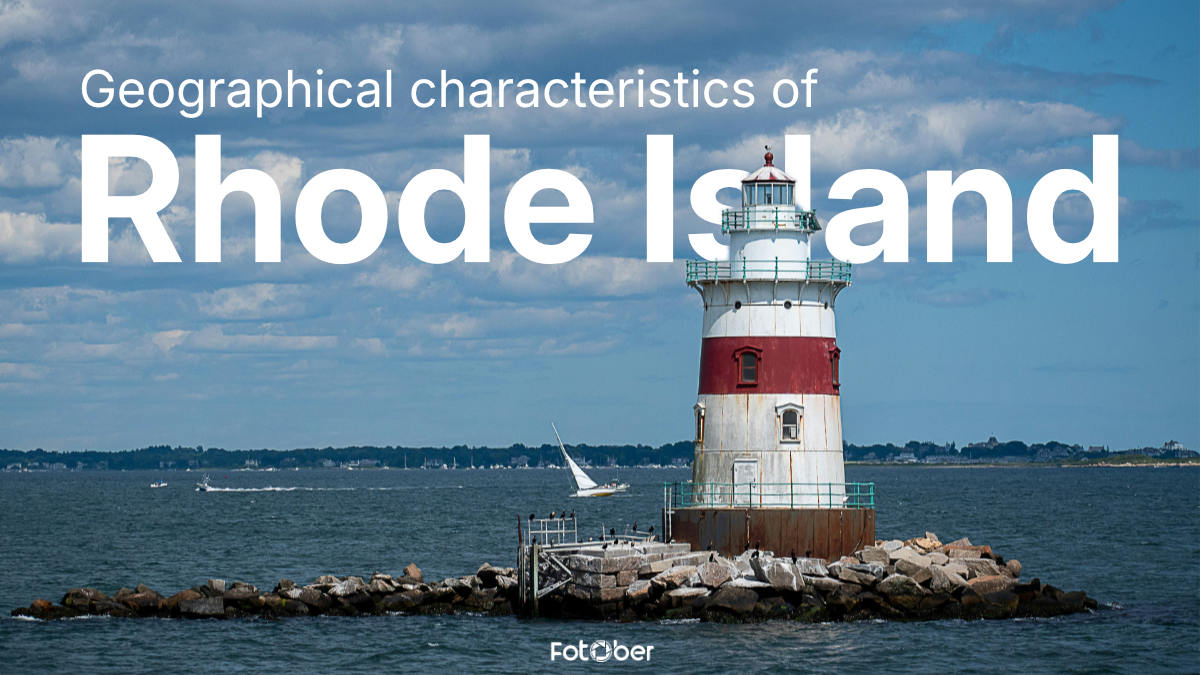

Share:
Table of Contents
- 1. Core geographical characteristics of Rhode Island: A brief overview
- 2. The coastal lowlands: Premium Rhode Island waterfront homes and shingle-style architecture
- 3. Architectural and geographical characteristics of Rhode Island: The western Rocky Hills
- 4. Climate drivers behind Rhode Island terrain and architecture: Nor’easters, coastal flooding, and salt air
- 5. Historic preservation vs. modern luxury real estate
- 6. Conclusion
Rhode Island, famously dubbed the "Ocean State," spanning a mere 1,214 square miles, is the smallest state in the United States. Yet, its physical layout boasts an astonishing level of environmental and structural diversity. From the deeply indented, saltwater channels of Narragansett Bay to the heavily forested, glaciated hills of its western interior, physical geography dictates exactly how structures are built. Furthermore, severe land scarcity combined with highly coveted ocean vistas has transformed the local property market into one of the most exclusive real estate landscapes in the nation. Understanding these geographical characteristics of Rhode Island is essential for grasping the true value and character of Rhode Island's built environment.
1. Core geographical characteristics of Rhode Island: A brief overview
To fully comprehend the intersection of design and property value in the Ocean State, one must first analyze the foundational geographical characteristics of Rhode Island. Situated in the northeastern corner of the United States, the state's position within the larger New England topography establishes a highly dynamic physical layout. Despite its modest size, Rhode Island is structurally divided into two primary physiographic regions: the rolling Coastal Lowlands to the south and east, and the rugged Eastern New England Upland dominating the western interior.
The defining center of the lowlands is the Narragansett Bay terrain. This massive, glacially carved estuary slices deep into the mainland, creating a fractured shoreline packed with unique islands, coves, and peninsulas. While this immense water system provides unparalleled maritime access and scenic vistas, it also dramatically limits the physical landmass available for traditional horizontal construction. This brings us to the most significant geographical factor affecting local property development: severe land scarcity.
 Rhode Island’s geography poses many challenges for property builders.
With a tiny overall geographic footprint, Rhode Island boasts one of the highest population densities in the nation, meaning that buildable acreage is a finite luxury. This lack of raw space operates as the primary economic engine for the local real estate market, aggressively driving up price-per-square-foot metrics. Developers and architects cannot simply build outwards; instead, they must work within rigid spatial boundaries. As a result, this lack of land heavily influences municipal zoning laws, property lines, and architectural footprints. Residential projects are routinely forced to maximize tight parcels, prompting custom home designs that favor vertical structural frames, clever multi-level floor plans, and spatial efficiency. In short, the natural boundaries of Rhode Island's terrain ensure that land remains a premium asset, forcing local architecture to adapt directly to the soil's contours.
2. The coastal lowlands: Premium Rhode Island waterfront homes and shingle-style architecture
The first among Rhode Island's physiographic regions, the Coastal Lowlands, which encompass the Narragansett Basin and the state’s expansive southern shoreline, serve as the ultimate playground for premium real estate. In this region, the flat terrain, jagged peninsulas, and immediate proximity to the Atlantic Ocean create a highly competitive property market. Here, the unique geographical characteristics of Rhode Island do not merely serve as a scenic backdrop; they actively dictate structural aesthetics, building material choices, and land valuation.
2.1. Maximizing ocean views: Architectural layouts
The level, sweeping geography of the Narragansett Basin offers uninterrupted lines of sight across the water, heavily influencing how coastal real estate in Rhode Island is structurally organized. To capture highly lucrative ocean vistas, residential layouts are explicitly engineered for panoramic visibility. Architects frequently position primary living spaces on upper levels, incorporating expansive floor-to-ceiling windows, deep multi-level decks, and signature wrap-around porches. These design features seamlessly blend indoor and outdoor environments, allowing homeowners to fully experience the marine landscape while maximizing natural daylighting.
 Residential properties in Narragansett are typically built with horizontal views in mind.
2.2. The iconic Shingle-style architecture
The moisture-laden, corrosive maritime environment of the lowlands directly gave rise to the state’s most celebrated architectural movement: Shingle-style homes. In immediate coastal zones, traditional exterior paint quickly cracks and peels under the relentless assault of salt air, high humidity, and intense wind. To combat these destructive environmental pressures, late 19th-century builders in the Newport luxury market pioneered the use of unpainted, rough-sawn cedar shingles. The result has become one of the rare examples of native American architectural styles and popular types of houses in New England.
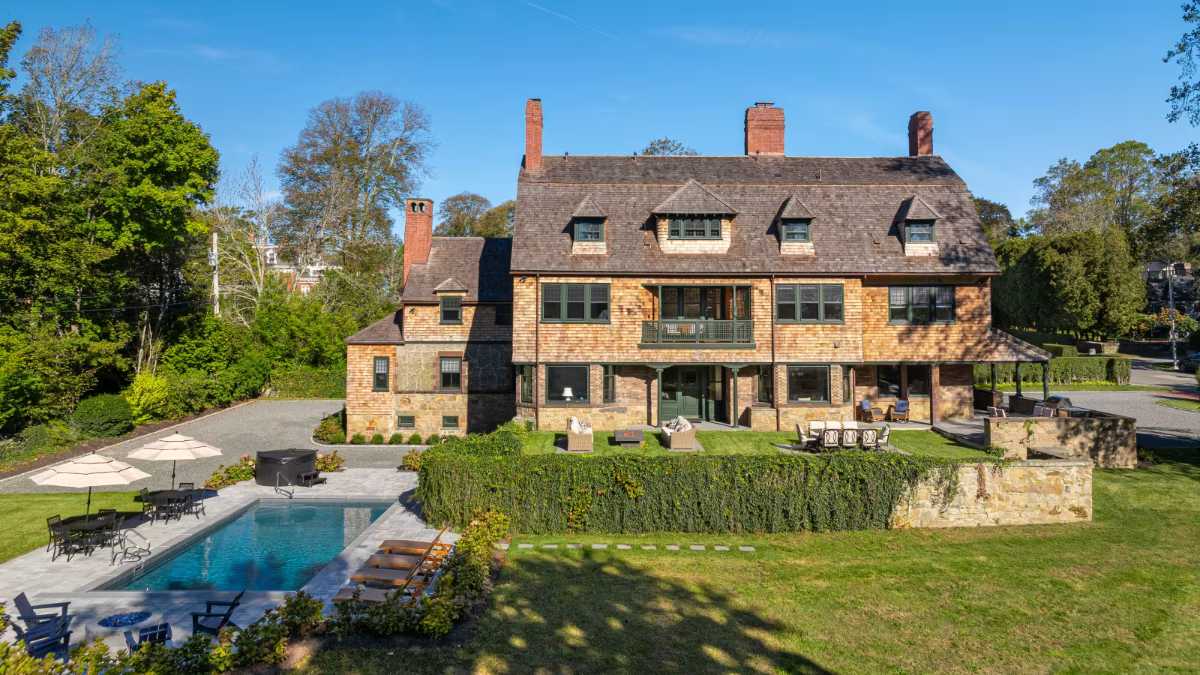 Shingle houses in Rhode Island have graceful historic appeal.
When exposed to the salty coastal atmosphere, these cedar shingles naturally oxidize over time, weathering into a beautiful, uniform silver-gray patina that seamlessly mirrors the New England shoreline. Beyond its historic aesthetic appeal, this material choice is highly functional; cedar wood possesses natural oils that resist rot, warping, and insect infestation without requiring frequent, costly chemical treatments.
2.3. Real estate premium and coastal setback requirements
Because buildable Rhode Island waterfront homes are exceptionally scarce along the fractured coastline, properties in towns like Newport, Narragansett, and Watch Hill command massive financial premiums. However, investing in these high-value zones requires tackling complex geographical constraints.
 Rhode Island waterfront properties fit into the premium range for the exquisite ocean views and strict building compliance in the area.
To protect properties from rapid coastal erosion and severe storm surges, local authorities enforce strict coastal setbacks. These legally mandated buffer zones dictate exactly how far a structure must be set back from dunes, coastal bluffs, or high-water marks. As a result, developers cannot simply build right up to the water's edge. They must skillfully maximize smaller, heavily regulated building envelopes, making clever spatial engineering and custom architectural footprints absolute necessities for premium coastal living.
3. Architectural and geographical characteristics of Rhode Island: The western Rocky Hills
Moving inland toward the northwestern portion of the Rhode Island physiographic regions shifts the focus from maritime luxury to the rugged landscape of the Eastern New England Upland. This interior region, stretching through towns like Foster and Glocester, features steep, rolling hills and a dense forest canopy. The defining geomorphic trait here is a stubborn rocky terrain heavily littered with glacial boulders left behind by retreating ice sheets. Because the ground is highly uneven and broken, it presents a unique set of challenges and opportunities for woodland residential design and real estate development.
The primary geographical obstacle in the western hills is the erratic topography and the abundance of subsurface rock. Unlike the straightforward sand and gravel excavations found in the coastal lowlands, builders here must routinely contend with shallow bedrock and sharp slopes. This directly influences foundation engineering. To avoid massive, costly blasting operations, architects frequently design homes with stepped foundations or pier foundations that gracefully anchor the structure into the natural hillside.
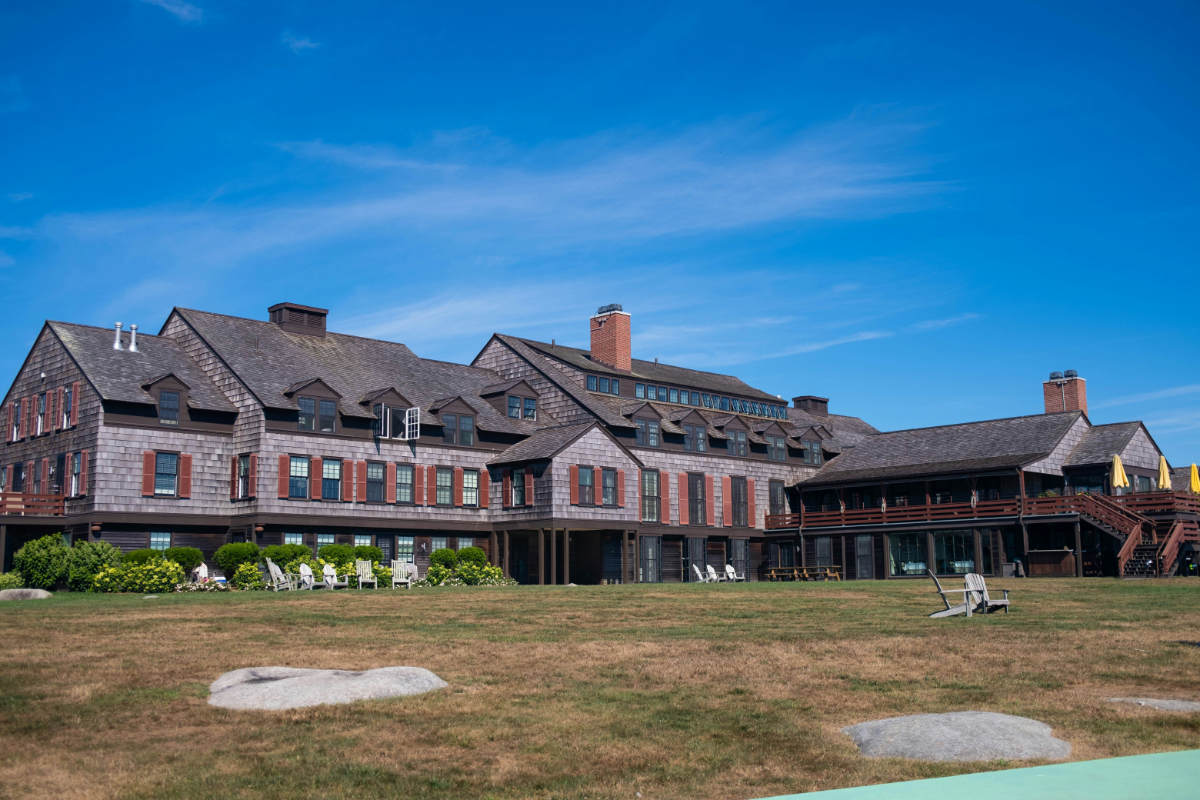 Properties in the Rocky Hills region of Rhode Island usually feature more innovative foundation structures.
Architecturally, residential properties in this region reject the sleek, shingled coastal look in favor of an organic aesthetic that blends seamlessly into the wilderness. Timber-frame architecture and rustic barn-style homes dominate the landscape, utilizing heavy wooden posts and expansive glass gables to frame views of the surrounding forest. To tie the homes directly to the land, builders heavily incorporate local fieldstone, cleared directly from the building site, into massive central fireplaces, exterior facades, and rustic retaining walls.
From a real estate marketing perspective, Rhode Island terrain and architecture in the western Rocky Hills offer a stark alternative to the hyper-dense, high-cost coastal zones. In this market, the premium is placed on acreage and seclusion rather than water access. Because land is more readily available away from the coast, properties feature much larger lot sizes at a significantly lower price per square foot. This makes the western interior an attractive haven for buyers seeking private estates, custom-built family compounds, or peaceful vacation cabins immersed in nature.
4. Climate drivers behind Rhode Island terrain and architecture: Nor’easters, coastal flooding, and salt air
While the physical terrain sets the stage, Rhode Island’s volatile maritime climate acts as the ultimate stress test for local real estate. The state's geographical exposure to the open Atlantic Ocean subjects residential properties to intense weather patterns, ranging from corrosive, high-humidity salt air to brutal winter storms. Consequently, weatherproofing is never an afterthought in the Ocean State; it is a core element of architectural engineering.
4.1. Engineering against coastal flood zones (FEMA Regulations)
The low-lying nature of the coastal lowlands makes highly populated coastal areas like Warwick, Westerly, and South Kingstown exceptionally vulnerable to tidal surges and flooding. To protect high-value coastal real estate in Rhode Island, builders for these high-risk sectors must strictly adhere to rigid FEMA flood zone regulations.
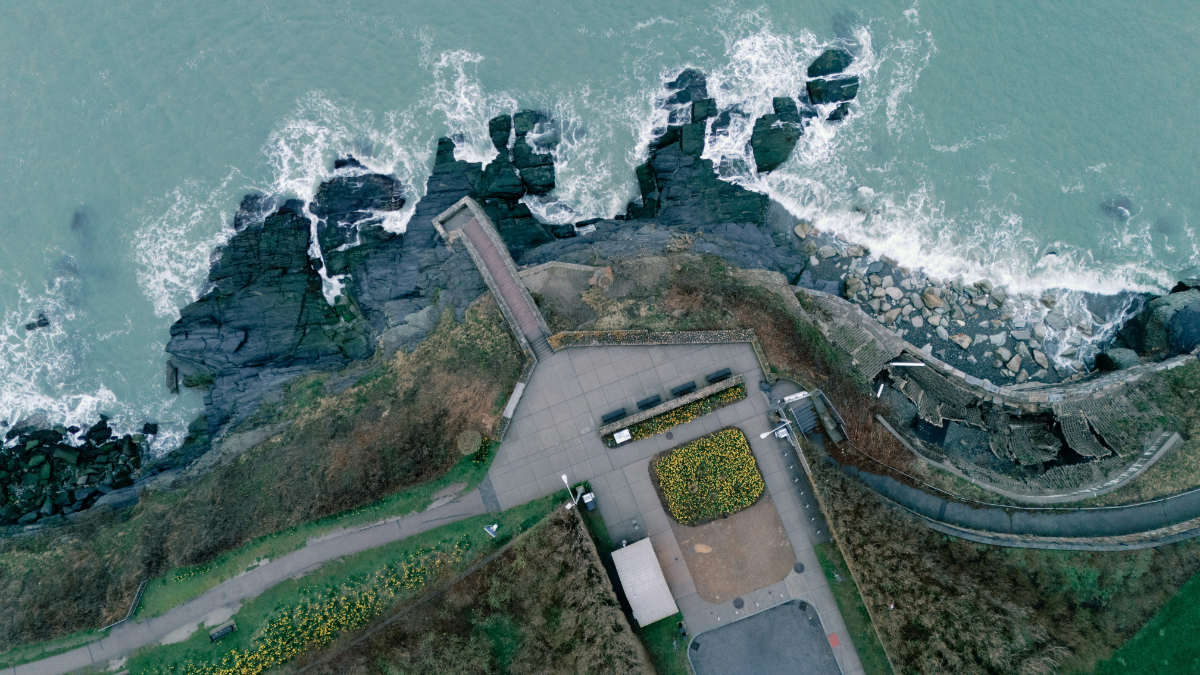 Seaside flooding is a constant threat to waterfront properties in Rhode Island.
Modern Rhode Island waterfront homes' construction heavily relies on elevated foundations, raising the primary living spaces well above the projected base flood elevation. Builders anchor homes onto heavy wood or concrete pilings, leaving the ground level completely open or enclosed only by specialized breakaway walls. This engineering approach ensures that when a massive storm surge rolls inland, the raging water flows harmlessly beneath the home rather than battering its structural core. While this specialized foundation work increases initial construction costs, it remains an absolute necessity for securing property insurance and safeguarding long-term real estate value.
4.2. Weatherproofing for Nor'easters and high winds
Further complicating the local building landscape are Nor’easters, powerful coastal storms that hit New England with a combination of heavy, wet snow and hurricane-force winds. To survive these regular winter onslaughts, specific Nor'easter construction principles dictate heavy structural reinforcement.
 Steeply pitched, gabled roofs and exterior reinforcements are specialized weatherproofing measures for Rhode Island’s buildings.
Homes are designed with steeply pitched, gabled roofs to allow heavy snow to slide off easily, preventing catastrophic roof collapses. Additionally, the exterior envelope must be entirely fortified. Architects routinely mandate the installation of impact-resistant windows and heavy-duty structural ties to withstand airborne debris and intense wind pressures blowing off the ocean. Furthermore, because the pervasive salt air rapidly rusts standard building hardware, builders exclusively utilize premium, storm-resistant building materials, such as marine-grade stainless steel fasteners, specialized flashes, and composite trims. By engineering homes specifically to counter these relentless climate drivers, Rhode Island’s architecture ensures that premium properties remain safe, durable, and highly marketable investments.
5. Historic preservation vs. modern luxury real estate
Rhode Island's deep historical geography has created a unique tension between preserving the past and accommodating the demands of modern luxury real estate. Coastal towns like Newport, Bristol, and Providence feature remarkably well-preserved colonial and Gilded Age architecture, deeply tied to their historic seafaring harbors. Because premium coastal land is inherently scarce, modern developers face a major obstacle: strict historic zoning regulations.
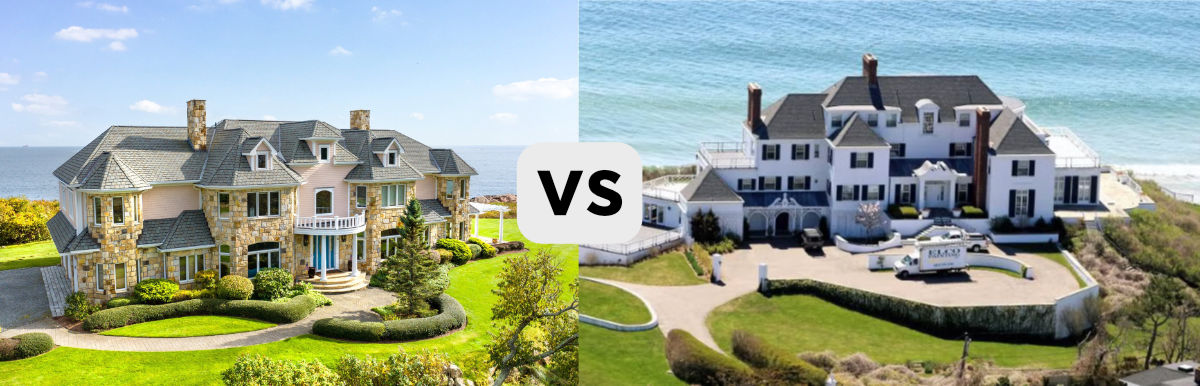 The architectural landscape in Rhode Island is closely regulated to prevent outrageous scenic alterations.
Local historic district commissions closely monitor architectural modifications to protect the state's cultural landscape. This means high-net-worth buyers cannot simply demolish classic structures to build ultra-modern glass cubes. Instead, architects must master the art of adaptive reuse, seamlessly blending contemporary luxury amenities, such as energy-efficient smart home systems and hidden weather-proofing, behind strictly preserved historic facades. This delicate balance ensures that Rhode Island's high-end property market remains uniquely charming, driving long-term value through historical prestige rather than generic modernism.
6. Conclusion
In conclusion, the unique geographical characteristics of Rhode Island serve as the absolute foundation for both its iconic architectural identity and high-stakes real estate dynamics. From the premium, salt-sprayed waterfront estates of Narragansett Bay to the secluded, boulder-strewn timber frames of the western hills, the natural environment commands targeted design adaptations. For investors, developers, and homeowners alike, navigating these distinct terrain constraints and coastal climate realities is the ultimate key to long-term property viability. Ultimately, this seamless fusion of natural boundaries and brilliant structural engineering ensures that the Ocean State's property market remains exceptionally valuable.
Follow us on social media to gain more useful insights and in-depth analysis on the US real estate market and architecture!
- Facebook: fotobermedia.co
- YouTube: Fotober
- TikTok: @fotober
- Instagram: fotober_media.
Related posts

Modern Luxe Interior Design: Elements, Style Guide and How to Stage It
October 10, 2026

Minimalist Interior Design: Characteristics, Style Guide, and Staging
October 8, 2026

Coastal Interior Design: Style Definition & Staging Guide
September 30, 2026

Contemporary Interior Design: Key Elements and How to Stage This Style
September 30, 2026
