




How Real Estate Video Tours Empower Modern Agents to Maximize Sales
Share:
Table of Contents
- 1. What is a real estate video tour?
- 2. The power of video tours: Impact on realtors and buyers
- 3. Popular types of real estate video tours
- 4. Who needs real estate video tours?
- 5. Common challenges in producing real estate video tours
- 6. Why professional editing is critical for real estate video tours
- 7. In-house vs. outsourcing real estate video editing for realtors and videographers
- 8. Elevate your real estate video tours with Fotober
- 9. Future trends in real estate video tours
- 10. Conclusion
Modern homebuyers no longer rely solely on static photos; they expect immersive visual experiences before setting foot inside a property. As a result, real estate video tours have rapidly emerged as the ultimate standard for property visualization, transforming how listings are marketed and sold in today’s digital-first market. Beyond captivating prospective buyers, high-quality video tours empower realtors to win exclusive listings and close deals faster. In this post, we will break down why video tours are essential, explore key video formats, examine common production challenges, and show how optimizing your editing workflow can seamlessly scale your business.
1. What is a real estate video tour?
A real estate video tour is a dynamic, high-definition visual walkthrough engineered to guide prospective buyers through a property seamlessly. Unlike static photography that isolates individual rooms, a video tour combines smooth camera movement, strategic pacing, and cinematic storytelling to reveal the true spatial layout, architectural flow, and atmosphere of a home.
It is important to distinguish a video tour from other popular real estate media formats. While 3D virtual tours (such as Matterport scans) allow users to manually click through an interactive digital layout, a video tour offers an effortless, curated viewing experience driven by narrative motion. Similarly, while aerial drone footage captures macro-level neighborhood context and property boundaries, an interior walkthrough focuses on human-scale living spaces, interior finishes, and daily lifestyle appeal.
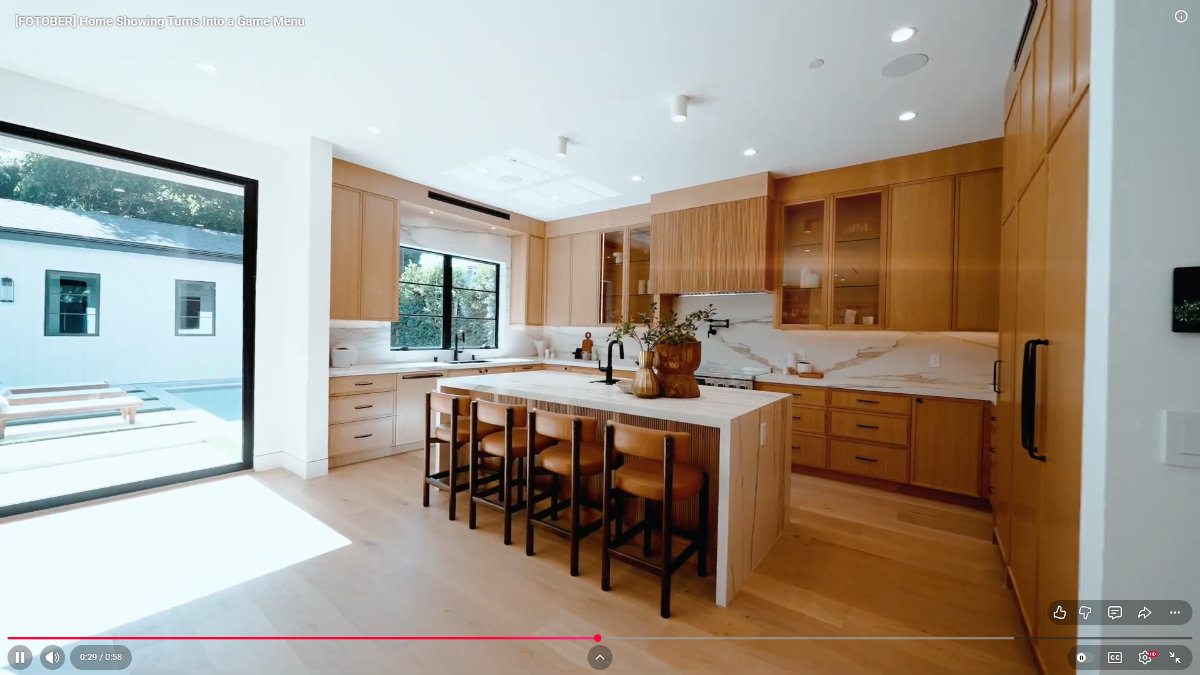
To be effective, a professional video tour relies on several key elements: fluid gimbal stabilization, wide-angle lens framing, balanced exposure, professional color grading, and royalty-free background music matched to the property's aesthetic. When combined, these components transform a physical structure into a compelling visual narrative that captures attention across MLS listings and social channels.
2. The power of video tours: Impact on realtors and buyers
Video content has evolved from a novel marketing tactic into an essential engine for real estate sales. By bridging the gap between digital listings and physical walkthroughs, real estate video tours deliver measurable benefits for both home shoppers and real estate professionals.
2.1. Transforming the buyer experience
Modern home buyers demand transparency and convenience during their property search. Video tours reshape their decision-making process in several key ways:
- Accurate spatial understanding: While wide-angle photography can sometimes distort room dimensions, a smooth video tour provides an authentic sense of scale, layout, and architectural flow. Buyers can immediately gauge how rooms connect and whether the space aligns with their lifestyle.
- Unmatched convenience for remote shoppers: Out-of-state buyers, relocating families, and busy professionals can tour properties 24/7 without commuting. This allows shoppers to filter out unsuitable options early and focus their energy on high-intent listings.
- Deeper emotional resonance: Motion video paired with natural lighting and ambient audio creates an immersive narrative experience. This helps buyers envision themselves living in the space, building a genuine emotional connection before attending an in-person showing.
2.2. Accelerating growth for realtors
For real estate agents and brokers, video tours serve as high-ROI assets that drive online exposure and establish market authority:
- Algorithmic advantage & higher engagement: Major real estate portals (such as Zillow and Realtor.com) and social media platforms heavily favor video content. Listings featuring video tours consistently attract higher click-through rates, more social shares, and longer dwell times.
- Reduced days on market (DOM): Video tours act as an automated pre-qualification tool. Prospects who schedule an in-person tour after watching a video walkthrough are already well-informed and highly interested, leading to faster offer submissions and shorter sales cycles.
- Competitive edge in listing presentations: Sellers want to partner with agents who employ premium marketing strategies. Showcasing a robust portfolio of cinematic video tours helps realtors win competitive listing appointments, secure exclusive representation, and justify full-service commissions.
3. Popular types of real estate video tours
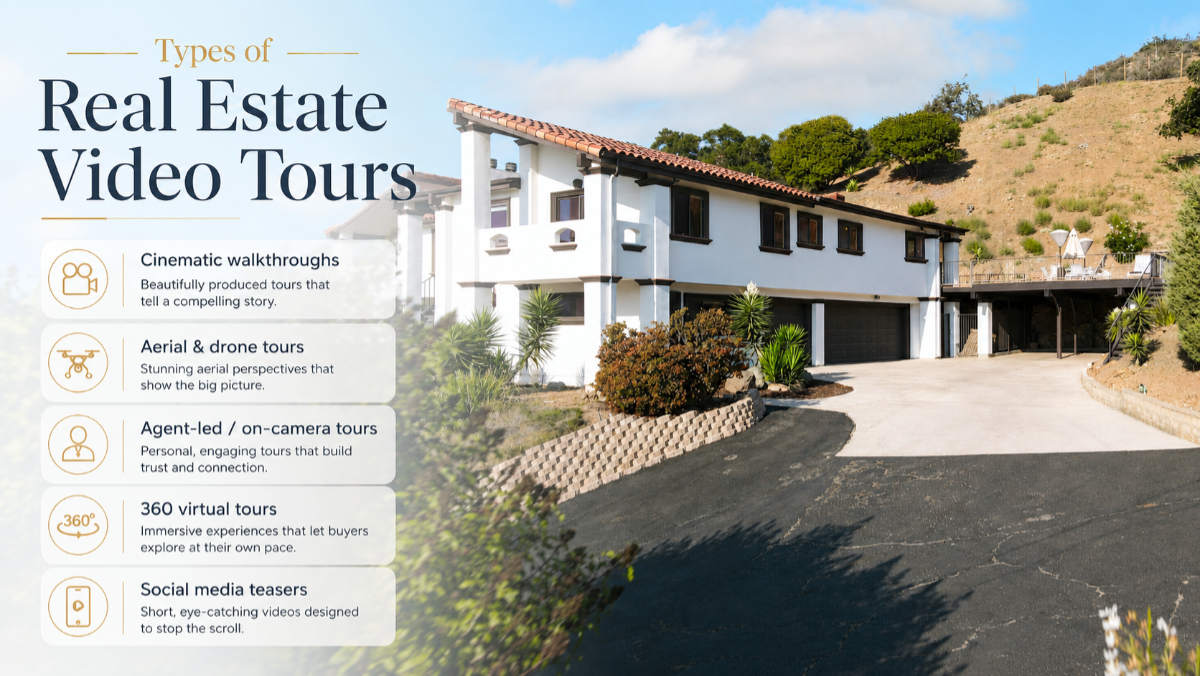
Different properties require different visual strategies. To maximize reach and appeal to specific buyer demographics, realtors and videographers utilize several distinct formats of real estate video tours:
- Cinematic walkthroughs: Designed to deliver a smooth, high-end viewing experience, cinematic walkthroughs rely on fluid video stabilization and wide-angle lenses. The camera moves seamlessly through the interior at eye level, capturing room transitions, architectural details, and natural lighting. This format excels at establishing an emotional connection to lifestyle, making it the industry standard for luxury residential listings.
- Aerial & drone tours: Highlighting macro-level features, drone video offers crucial geographic context that ground footage cannot provide. Aerial tours showcase lot boundaries, custom landscaping, roofline condition, and proximity to nearby amenities like waterfronts, parks, or golf courses. They are indispensable for acreage, commercial developments, and luxury suburban estates.
- Agent-led / on-camera tours: In this format, the real estate agent acts as a host, walking viewers through the home while detailing key selling points. Combining video production with personality, agent-led tours build instant trust and authenticity. They allow realtors to highlight subtle home upgrades while simultaneously positioning themselves as knowledgeable local experts.
- 360 virtual tours & interactive 3D walkthroughs: Utilizing specialized 360-degree cameras or spatial scanning technology (such as Matterport), interactive tours create a full "digital twin" of the property. This self-guided format empowers buyers to control their movement room-by-room, rotate views 360 degrees, inspect floor plans, and measure exact room dimensions. It provides unmatched spatial transparency for out-of-state and international buyers.
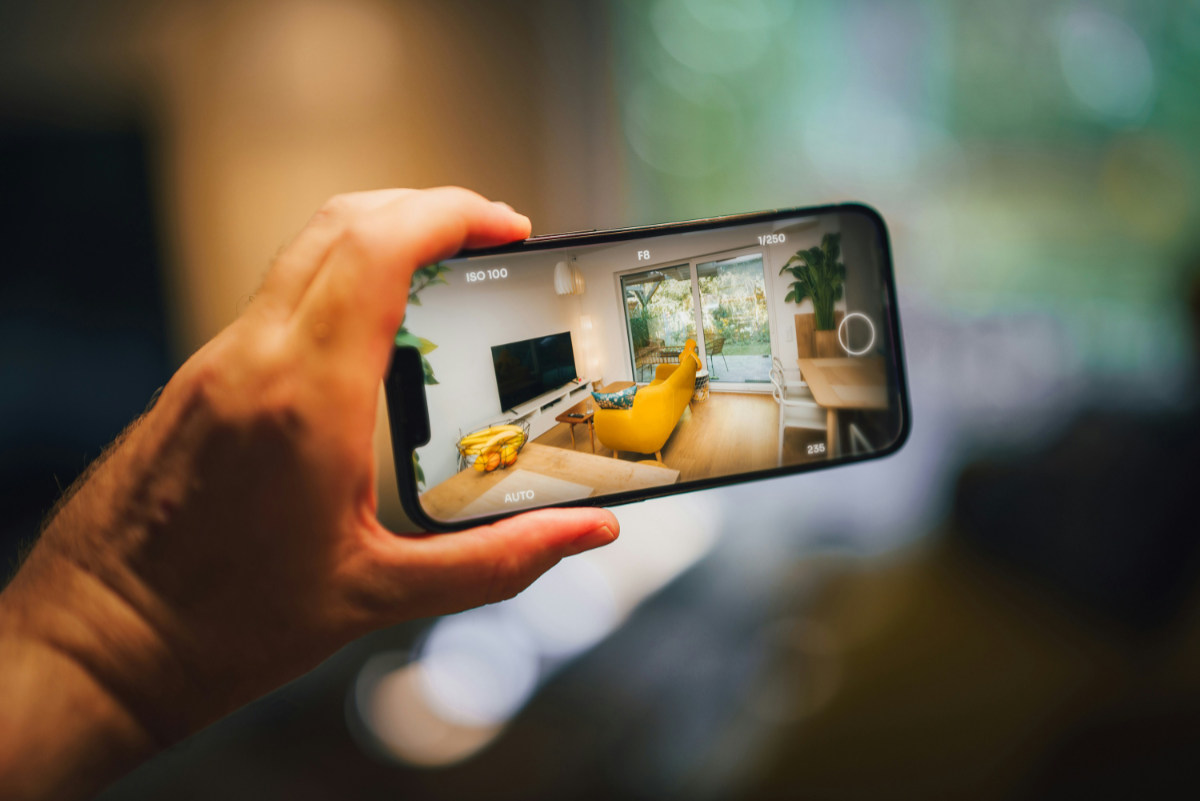
- Social media teasers: Built for mobile-first platforms like Instagram Reels, TikTok, and YouTube Shorts, social media teasers are vertical (9:16), 15-to-30-second clips. Featuring trending audio, energetic pacing, and strategic visual hooks, these bite-sized videos capture attention quickly in crowded social feeds and drive prospective buyers to the full property listing.
4. Who needs real estate video tours?
Real estate video tours are no longer exclusive to multi-million-dollar mansions; they have become an essential marketing asset across the entire property ecosystem.
- Real estate agents & brokers: Professionals looking to differentiate their brand, win competitive listing presentations, and engage tech-savvy buyers with immersive digital collateral.
- Real estate photographers & media creators: Visual media providers aiming to expand their service offerings, boost average order value (AOV), and deliver complete marketing packages to busy agent clients.
- Luxury home sellers & FSBOs: Property owners wanting to highlight custom architectural features, high-end finishes, and expansive floor plans to command top-dollar offers from relocating buyers.
- Property managers & hospitality brands: Leasing managers and hosts marketing multi-family apartment complexes, short-term rentals, or vacation homes to increase occupancy and pre-lease units efficiently.
- Commercial real estate developers: Firms showcasing large-scale office spaces, retail hubs, or industrial developments to institutional investors and corporate tenants prior to scheduling site visits.
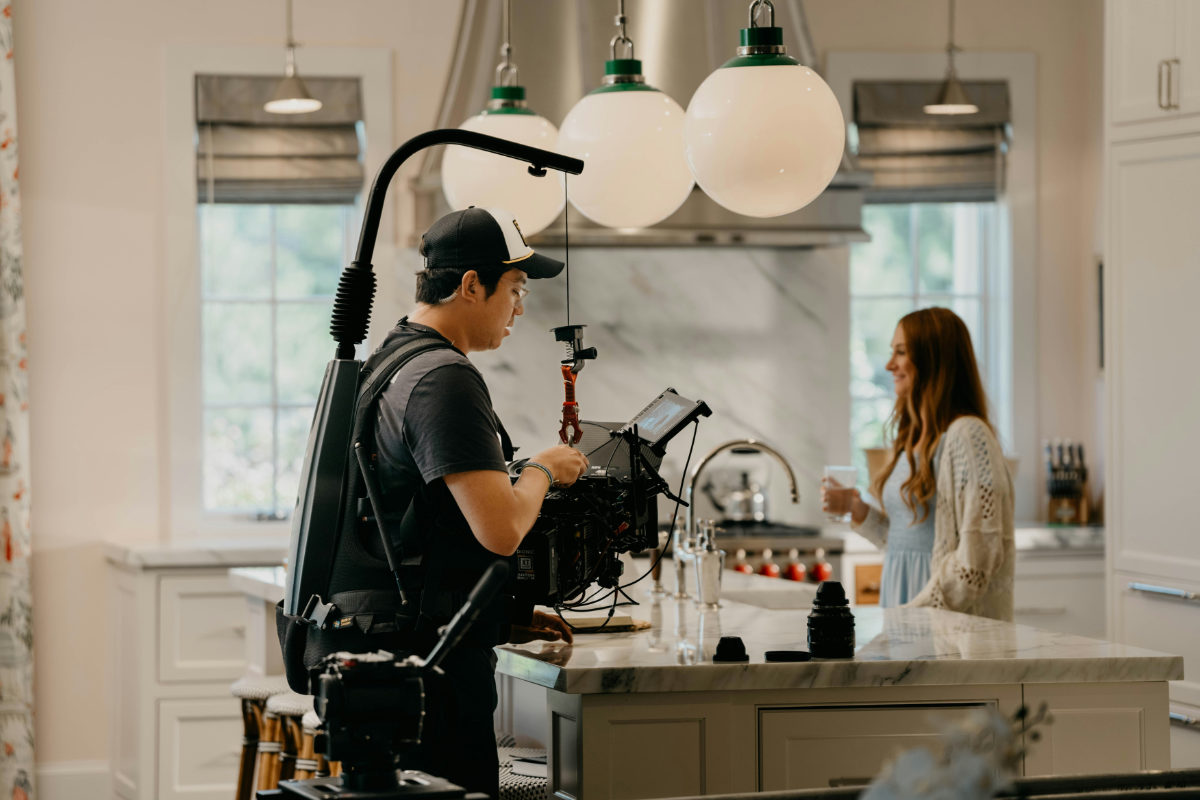
By adopting professional video tours, every stakeholder in the property pipeline can streamline sales cycles, elevate brand authority, and maximize return on marketing investment.
5. Common challenges in producing real estate video tours
Producing a high-quality real estate video tour requires balancing technical precision on set with meticulous post-production work. However, media creators and videographers routinely face significant operational hurdles throughout the process.
5.1. The core video tour production workflow
- Pre-production & preparation: Clear clutter, stage the property, turn on all interior lights, open blinds, and map out a logical walkthrough plan that mimics a natural home tour.
- Filming & on-site shooting: Capture interior and exterior footage using a camera mounted on a smooth gimbal, maintaining an eye-level perspective, steady pacing, and consistent framing.
- Post-production & exporting: Import raw footage to cull unwanted clips, execute color grading, balance window exposures, sync audio tracks, and export optimized files for web and social channels.
5.2. Key operational challenges
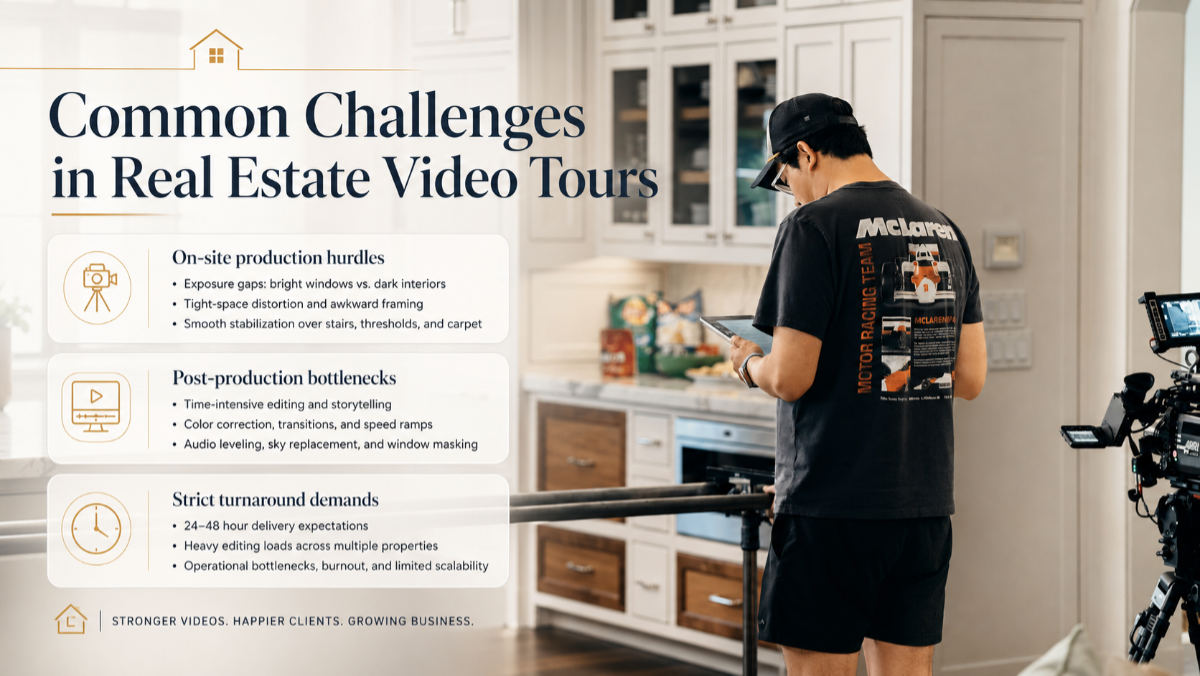
- On-site production hurdles: Navigating extreme lighting variance between bright sunlit windows and dim interior hallways presents major exposure challenges. Furthermore, capturing tight spaces, such as powder rooms or compact closets, often leads to lens distortion or awkward framing. Maintaining ultra-smooth camera stabilization across stairs, door thresholds, or carpeted flooring without introducing micro-jitters also requires immense technical skill.
- Post-production bottlenecks: Converting raw video clips into a cohesive narrative is labor-intensive. Editors must perform color correction to balance mismatched white balances, execute seamless scene transitions with speed ramping, apply audio leveling, and complete complex enhancements such as sky replacement or digital window masking. Doing this manually for every property requires hours of focused editing per project.
- Strict turnaround demands: In real estate marketing, speed directly impacts listing momentum. Agents typically require final high-definition video files within 24 to 48 hours to meet tight MLS publication schedules. For videographers shooting multiple properties a day, managing heavy editing workloads under strict deadlines creates severe operational bottlenecks, leads to burnout, and limits overall business scalability.
6. Why professional editing is critical for real estate video tours
Raw video footage captured on set is merely raw material; it is during post-production that a real estate video tour truly comes to life. Professional editing bridges the gap between unrefined camera clips and a high-converting visual story that compels prospective buyers to take action.
Here is why expert video editing is indispensable for high-end real estate media:
- Advanced color & exposure correction: Shooting interiors often results in mixed color temperatures (warm interior lighting versus cool natural daylight) and blown-out windows. Professional editors utilize precise color grading, window pulling, and exposure blending to deliver vibrant, true-to-life visuals across every frame.
- Geometric fixes & digital enhancements: Wide-angle lenses frequently introduce barrel distortion and tilted vertical lines that make rooms look warped. Editors correct camera geometry, execute seamless sky replacements for overcast shooting days, and digitally clean up minor distractions like power cords, wall scuffs, or mirror reflections.
- Cinematic pacing & audio engineering: A successful video tour relies on continuous rhythm and flow. Expert post-production pairs smooth cross-cuts and subtle speed ramping with royalty-free background music and audio leveling, creating an engaging narrative that guides viewers through the floor plan naturally.
- Custom branding & lead generation: Professional editing incorporates branded lower-thirds, property specifications (address, price, bed/bath count), animated logos, and clear call-to-action overlays. This transforms a basic property walkthrough into a powerful marketing tool for real estate agents.
Ultimately, professional editing transforms raw footage into a polished visual asset that commands attention and elevates brand reputation.
7. In-house vs. outsourcing real estate video editing for realtors and videographers
As real estate media businesses grow, creators face a critical operational crossroads: handle video post-production internally or outsource editing to a dedicated provider. Evaluating the trade-offs between both models is key to maximizing profitability and business agility.
In-house vs. outsourced editing: At a glance
|
Feature / criterion |
In-house video editing |
Outsourced video editing |
|
Cost structure |
High fixed overhead (salaries, hardware, software licenses) |
Predictable, variable pay-per-project pricing |
|
Turnaround time |
48–72+ hours (dependent on internal workload) |
Guaranteed 24-hour express overnight turnaround |
|
Scalability |
Heavily capped by personal or staff working hours |
Unlimited capacity to handle peak season volume spikes |
|
Time investment |
4–6 hours spent per video project |
10–15 minutes spent uploading raw footage |
|
Equipment & tech |
Requires high-spec editing rigs & color-graded monitors |
Zero investment in hardware or software required |
|
Business Impact |
Divided focus between editing and client acquisition |
100% focus on shooting, sales, and growing revenue |
7.1. The friction of in-house editing
Handling post-production of real estate video tours internally offers maximum hands-on control, but it introduces heavy operational constraints:
- High capital & overhead costs: Maintaining an in-house editing workflow requires significant investment in high-performance computer hardware, color-accurate monitors, and recurring software subscriptions.
- Severe time bottlenecks: A single high-end video tour can demand 4 to 6 hours of editing, color grading, and audio syncing, drastically capping the number of listings a videographer can shoot per week.
- Unscalable capacity: During peak real estate seasons, managing both full-day shoots and late-night editing leads to delayed turnarounds, missed agent deadlines, and creator burnout.
7.2. The strategic advantages of outsourcing
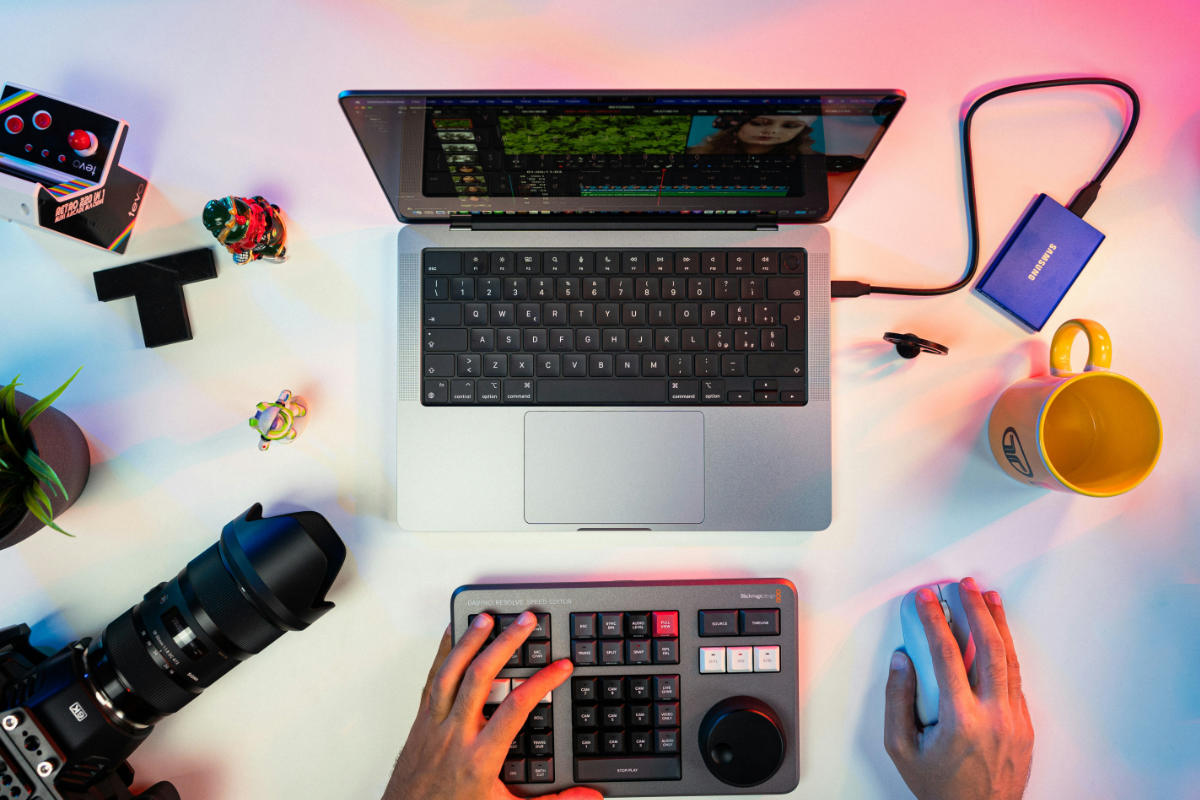
Partnering with a specialized real estate video editing company transforms post-production into a flexible, scalable engine:
- Variable cost efficiency: Convert fixed internal labor costs into a predictable pay-per-project model, allowing you to scale up or down based on seasonal listing volume.
- Overnight 24-hour turnaround: Specialized editing teams leverage time zone differences to edit while you sleep, allowing you to upload raw files in the evening and deliver polished tours by morning.
- Unlocking core business growth: Offloading tedious post-production frees up 20+ hours a week, empowering business owners to focus on client acquisition, shooting more listings, and driving revenue.
8. Elevate your real estate video tours with Fotober
Scaling a real estate media business requires a post-production partner that delivers cinematic quality without slowing down your daily operations. Fotober is a trusted global real estate video editing service provider, empowering photographers, media agencies, and real estate professionals to produce high-impact listing videos effortlessly.
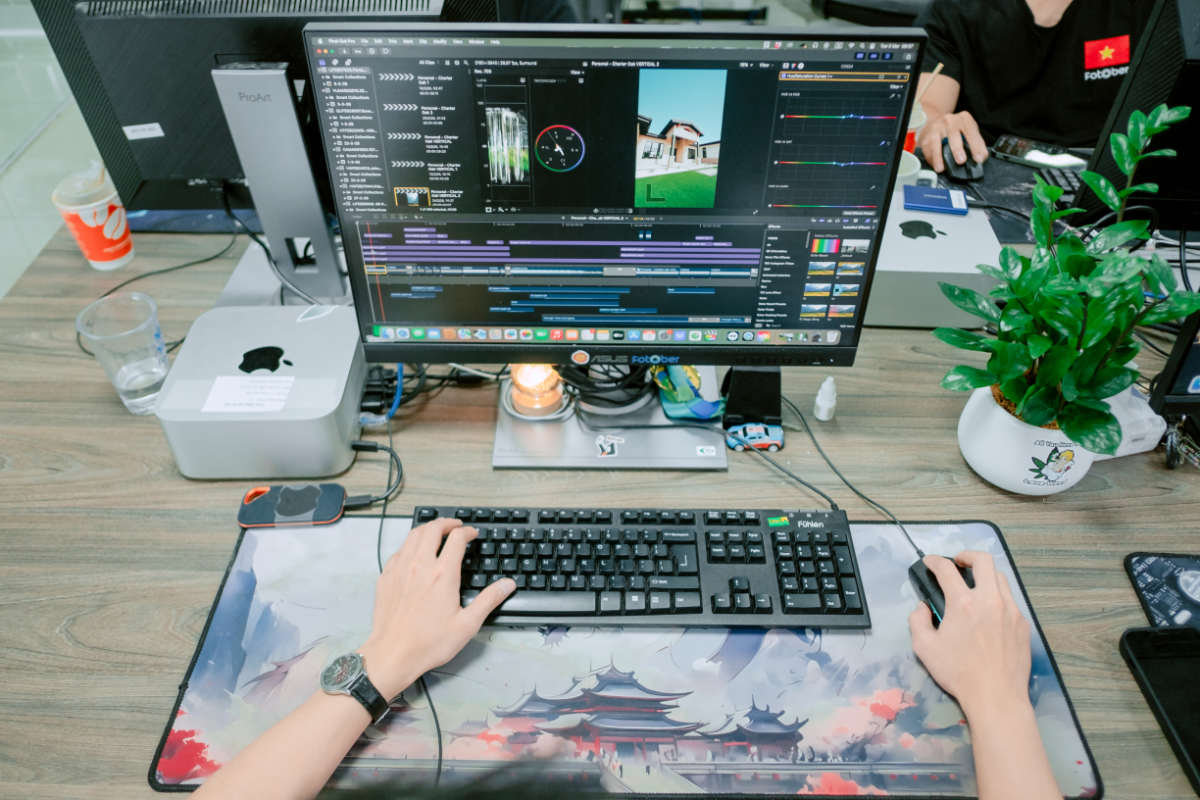
- 24-hour express turnaround: Leveraging streamlined editing workflows and global operational advantages, Fotober delivers fully polished video tours within 24 hours, ensuring your MLS listings always stay on schedule.
- Tailored branding & custom styles: From custom color grading profiles and speed ramping to agent branding, animated lower-thirds, and music selection, our editors adapt seamlessly to your exact visual guidelines.
- Uncompromising technical precision: Every project undergoes rigorous quality control, featuring advanced sky replacement, lens distortion correction, window exposure balancing, and crisp audio engineering.
- Scalable & ROI-focused pricing: Eliminate high internal operational overhead with flexible, pay-per-project pricing designed to maximize your profit margins and accommodate seasonal volume spikes easily.
By partnering with Fotober, you eliminate post-production bottlenecks, reclaim valuable hours to acquire new clients, and elevate your brand reputation with consistently premium real estate media.
9. Future trends in real estate video tours
As property visual tech continues to evolve, real estate video tours are becoming more intelligent, interactive, and emotionally engaging. Incorporating these emerging trends allows real estate agents and media creators to stay ahead of the competition and maximize listing impact:
- Video virtual staging: While static virtual staging is already an industry standard, dynamic virtual staging for motion video is the next major frontier. Advanced post-production can now seamlessly insert photorealistic 3D furniture, art, and decor into raw video walkthroughs of vacant homes, helping prospective buyers visualize a property's true potential in motion.
- AI-powered virtual twilight video: Capturing actual dusk footage requires perfect timing, clear weather, and extra production costs. Next-generation editing utilizes AI algorithms to transform bright daytime video into dramatic, warm-toned twilight tours with realistic outdoor skies and glowing interior lighting fixtures.
- Vertical-first short-form dominance: As mobile viewing dominates property searches on Instagram, TikTok, and YouTube Shorts, video tours are increasingly shot and edited natively in 9:16 vertical formats with fast pacing and high-hook visual editing.
- Interactive smart video overlays: Modern video tours are evolving beyond linear playback. Emerging players integrate interactive elements, such as clickable product hotspots, live floor plan synchronization as the video moves room-to-room, and multi-language AI audio narration.
By adopting these technological advancements early, real estate professionals can deliver richer listing experiences that hold buyer attention and accelerate closing speeds.
10. Conclusion
In today’s fast-paced digital market, real estate video tours are no longer a luxury feature; they are an essential tool for winning listings, engaging buyers, and closing deals faster. However, producing high-converting video content should not come at the expense of your time or operational efficiency. By leveraging strategic outsourcing, photographers and realtors can eliminate post-production bottlenecks, scale property media volume, and deliver consistently cinematic results.
Ready to streamline your workflow and elevate your listing content? Partner with Fotober today to experience fast 24-hour turnarounds, custom branding, and premium editing tailored to your business growth. Contact Fotober now to transform your raw footage!
Find us on social media to catch up with the latest trends in real estate videography and see our best work!
- Facebook: fotobermedia.co
- YouTube: Fotober
- TikTok: @fotober
- Instagram: fotober_media.
Related posts

Modern Luxe Interior Design: Elements, Style Guide and How to Stage It
October 10, 2026

Minimalist Interior Design: Characteristics, Style Guide, and Staging
October 8, 2026

Coastal Interior Design: Style Definition & Staging Guide
September 30, 2026

Contemporary Interior Design: Key Elements and How to Stage This Style
September 30, 2026
