

















Real estate videos are no longer just visual add-ons as they play a direct role in how buyers perceive value, space, and flow within a property. Without proper editing, even high-quality footage can fail to hold attention or communicate a listing’s strengths. In this article, we explore the role of a professional real estate video editing service, the video formats that require specialized editing, and how strategic post-production improves listing performance.
1. What is real estate video editing?
From an editor’s perspective, real estate video editing is mainly about shaping raw visuals into a clear, intentional viewing experience rather than about adding effects or making footage look flashy. In a fast-moving property market, the way a video flows, transitions between spaces, and controls pacing directly affects how buyers perceive value, scale, and livability.
A professional property video editing service focuses on transforming unprocessed footage into a structured visual narrative. This includes correcting inconsistent lighting between rooms, stabilizing movement, refining transitions, balancing sound, and guiding the viewer’s attention toward the property’s strongest features. The goal is simple: help viewers understand the space without confusion or distraction.
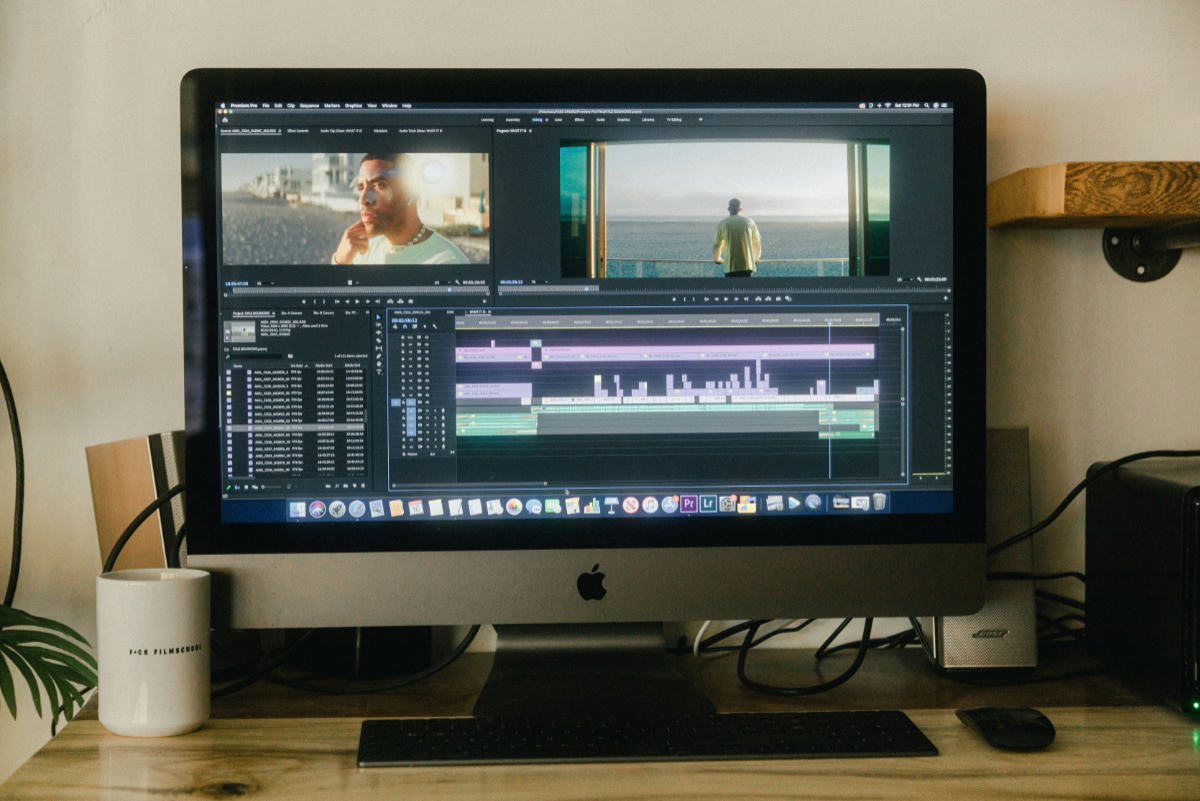 Video editing is an integral process in real estate visual marketing.
Well-edited property videos allow potential buyers to mentally “walk through” a home. Unlike static images, video reveals how rooms connect, how natural light moves through the space, and how the property feels as a whole. When editing is done correctly, viewers stay longer, absorb more information, and are more likely to engage with the listing.
From property walkthroughs and drone video editing for real estate to agent on-camera introductions, deliberate video editing ensures that every frame serves a purpose. Strong editing doesn’t just enhance visuals but also reinforces professionalism, builds trust, and positions the agent or brand as credible in a competitive market. For teams managing high volumes of listings, the choice to outsource video editing for real estate also helps maintain consistency, reduce turnaround time, and scale content production without sacrificing quality.
2. Why video editing is the engine of real estate marketing
As we move through 2026, the "video-first" mentality has transitioned from a trend to an industry mandate. Statistics consistently show that professional video editing is the primary driver of digital engagement and, ultimately, closed deals.
According to recent data from the National Association of Realtors (NAR), approximately 73% of homeowners state they are more likely to list their home with an agent who uses video to market the property. Despite this overwhelming preference, a significant gap remains in the market, as only a small percentage of agents utilize professional real estate video editing services to distinguish their listings. This gap represents a massive opportunity for tech-forward agents to capture market share.
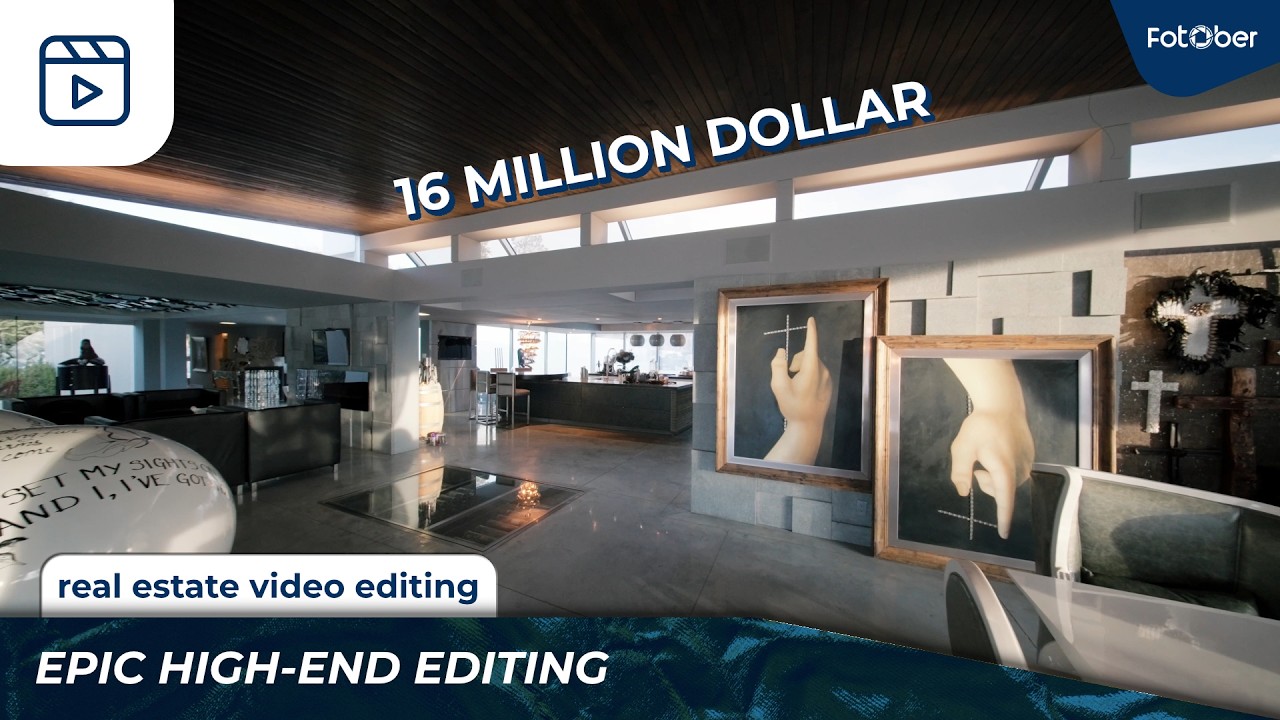
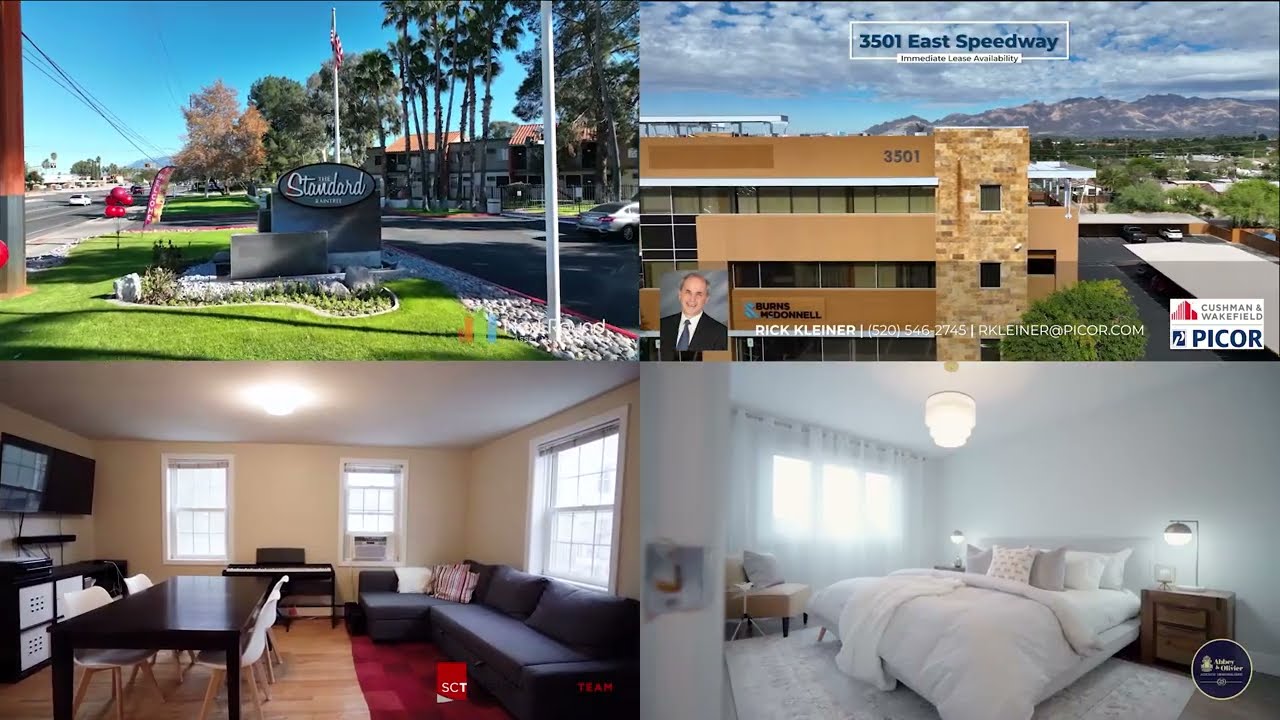
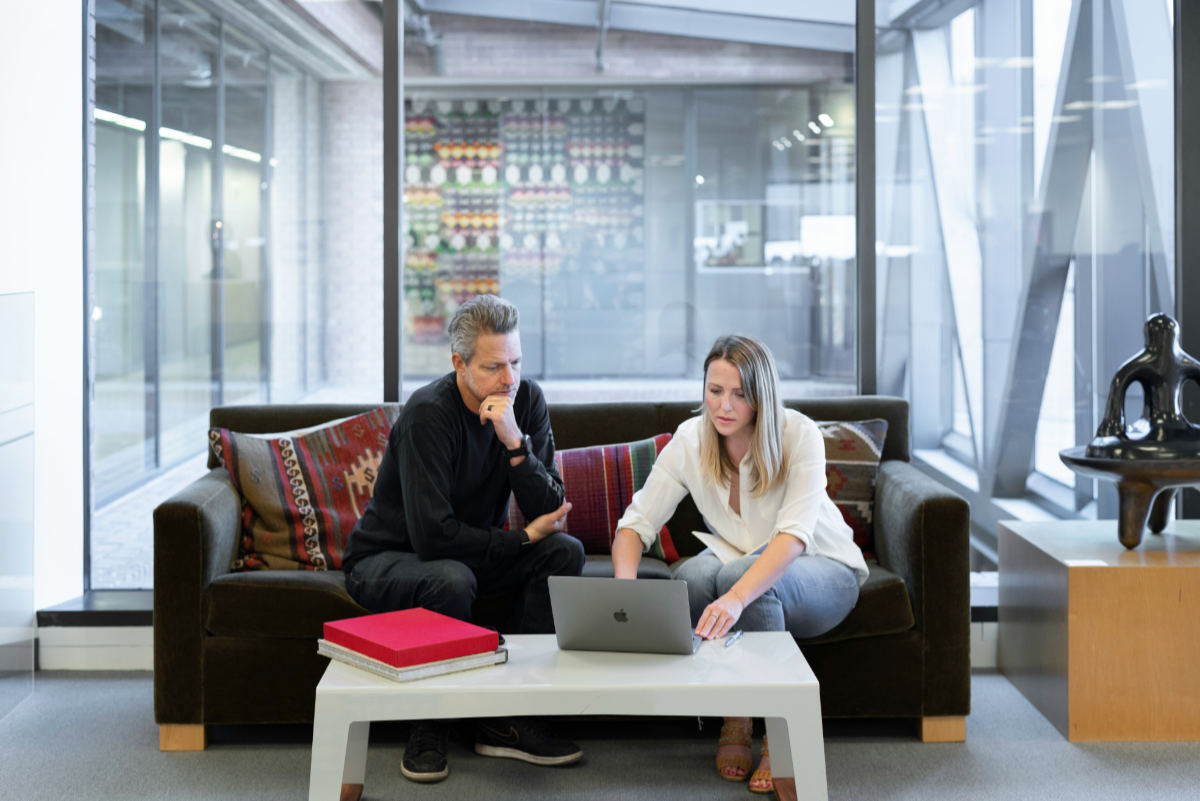 Property videos with high-end finishing are the new standard of real estate marketing.
The impact of video on property portals is equally staggering. Platforms such as Zillow and Redfin have reported that listings featuring a video walkthrough receive significantly more traffic than those without. Specifically, listings with video can garner up to double the amount of "views" and "saves." The reason is algorithmic as much as it is aesthetic; video content keeps users on a listing page for longer durations, which signals to the platform that the content is high-quality, thereby boosting its ranking in search results.
When it comes to lead generation, the metrics are even more compelling. Marketing research across the real estate sector indicates that video content can increase inquiries by as much as 400%. Buyers are no longer satisfied with static images that can be easily manipulated or misleading; they demand the transparency and flow that only a professionally edited video can provide.
Beyond the raw numbers lies the psychology of "emotional ownership." High-end editing utilizes color grading, pacing, and sound design to create a narrative. By removing visual distractions and enhancing natural light, professional editors help potential buyers visualize their future lives within the home. Research into consumer behavior shows that this emotional connection is a key factor in shortening the "days on market" for a property. Furthermore, specialized edits like "virtual twilight", which creates a warm, inviting evening atmosphere through post-production, have been shown to increase click-through rates by over 20%, proving that the right edit can directly influence a buyer's first impression.
3. Common problems in raw footage that real estate video editing services should fix
Even with the highest-end mirrorless cameras and professional drones, raw footage is rarely "market-ready." Capturing architectural spaces presents unique challenges that can result in footage that feels unpolished or distracting to a potential buyer. Understanding these common pitfalls is essential to appreciating how a professional real estate video editor transforms a basic recording into a high-conversion sales tool.
3.1. Exposure imbalance and "blown-out" windows
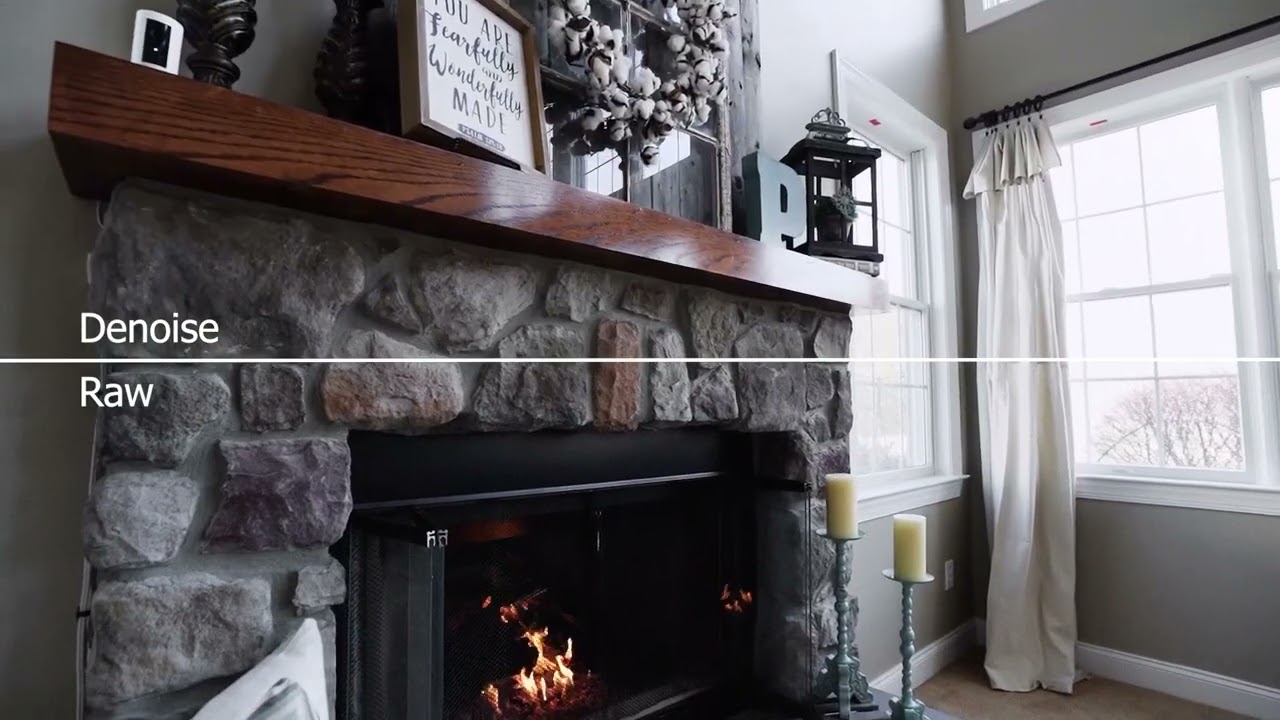
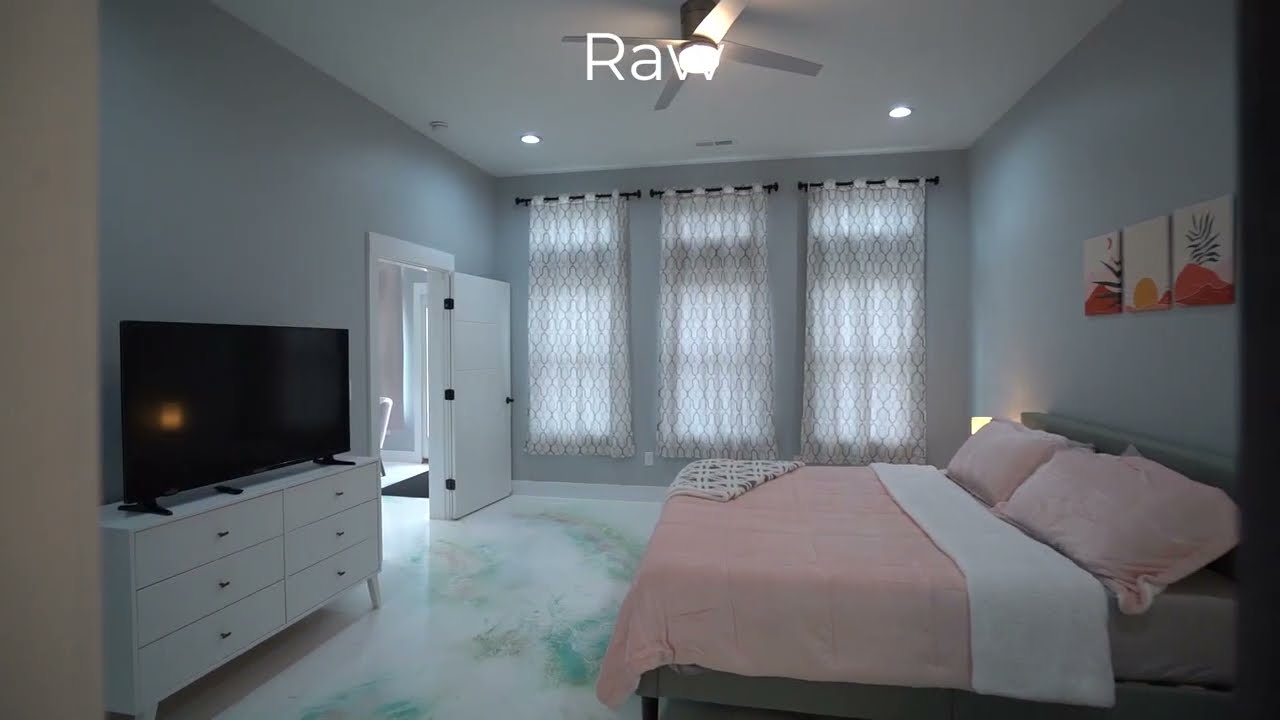
One of the most persistent issues in real estate videography is the massive dynamic range between a home’s interior and the bright light outside. Without expert post-production, raw footage often suffers from "blown-out" windows, where the view outside is a solid white glare, or underexposed interiors that feel dark and uninviting. Professional real estate video editing services use HDR (High Dynamic Range) blending and masking to ensure both the room and the view through the window are perfectly exposed.
 Severely uneven exposure across the frame is a common headache even for experienced shooters and editors.
3.2. Unstable movement and micro-jitters
Even when the videographer is so confident that he knows how to shoot real estate video using gimbals, raw footage often contains subtle "micro-jitters" or "walking bob" movements that break the cinematic immersion. Shaky drone footage caused by wind resistance can also make a property feel less "luxurious." Editors apply advanced software stabilization to smooth out these movements, creating that signature "floating" effect that buyers associate with high-end productions.
3.3. Converging verticals and lens distortion
In architectural photography and video, vertical lines (like door frames and walls) must remain perfectly upright. Raw footage captured with wide-angle lenses often suffers from barrel distortion or "leaning" walls. If left uncorrected, the house can look structurally unsound or unnaturally warped. Professional editors meticulously correct these vertical perspectives to ensure the property looks architecturally accurate.
 Wide-angle lenses commonly used in real estate shootings can suffer from uncorrected barrel distortions.
3.4. Environmental and seasonal clutter
A raw shoot often captures things that don't belong in a marketing piece: grey, gloomy skies, power lines, neighborhood trash cans, or even the reflection of the videographer in a mirror. These distractions pull the buyer’s attention away from the home’s best features. Through advanced post-production, these elements are digitally removed or replaced, ensuring the final video presents a "perfect day" version of the property.
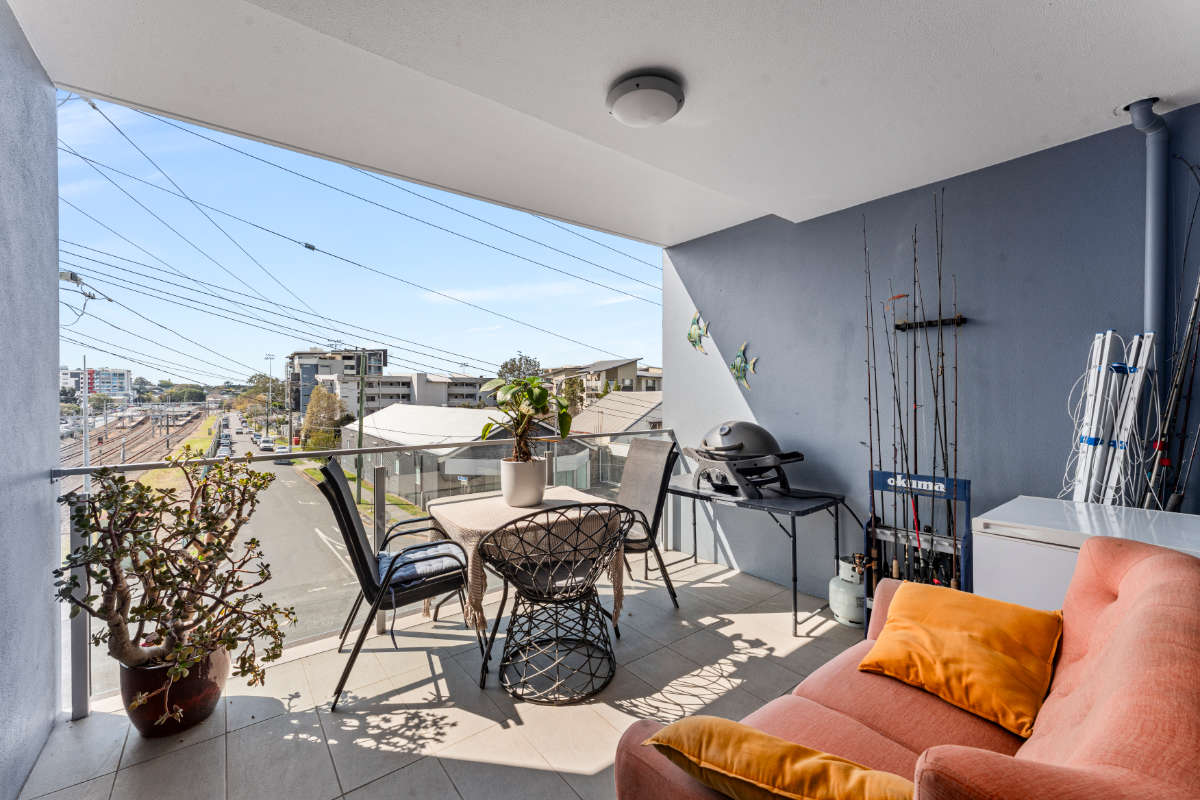 Clumsy-looking space leads to less-than-stellar footage.
4. What does professional real estate video editing include?
To the untrained eye, video editing might seem like the simple assembly of clips. However, professional video editing for real estate is a specialized craft that combines technical precision with artistic storytelling. For a listing to truly resonate with high-intent buyers, several core elements must be meticulously executed during the post-production phase.
4.1. Color correction and cinematic grading
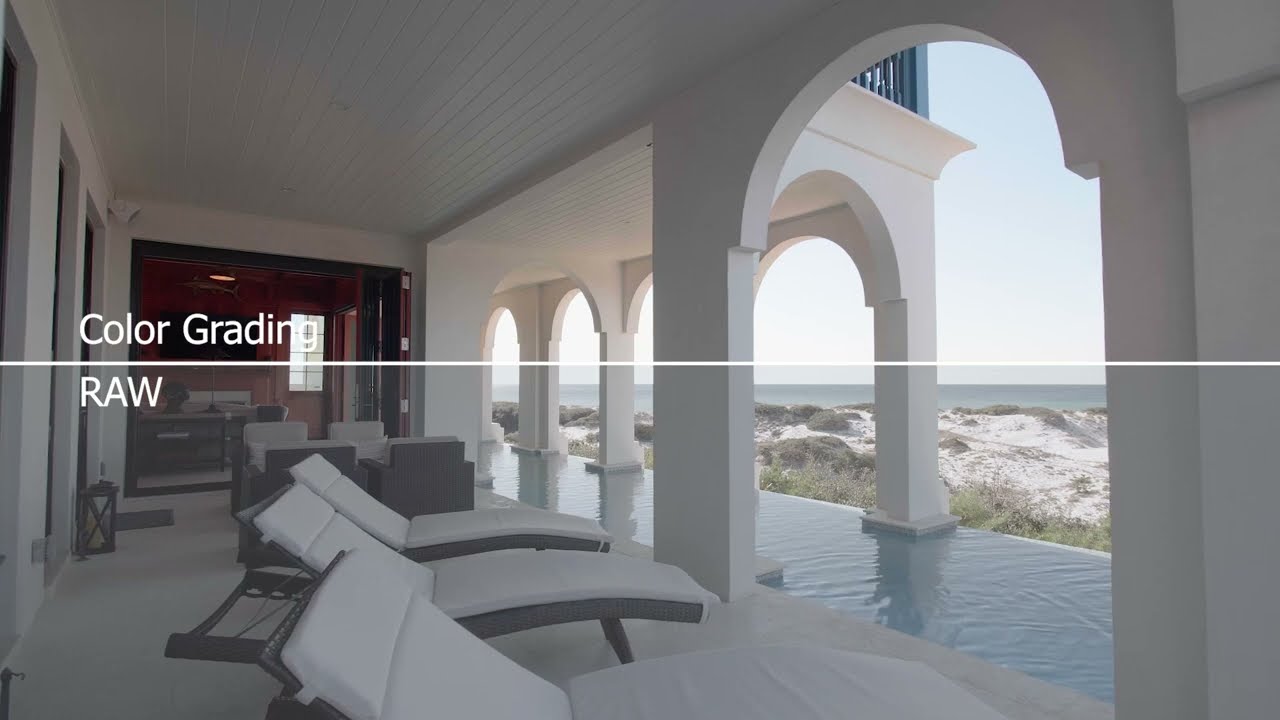
The foundation of any high-end video is visual consistency. Real estate video editing services typically begin with color correction, adjusting exposure, white balance, and contrast to ensure that every room looks natural and inviting. Once the technical base is established, cinematic color grading is applied to evoke a specific mood. Whether it is the airy, bright feel of a coastal villa or the moody, sophisticated tones of a modern penthouse, grading creates the "vibe" that captures a buyer’s imagination.
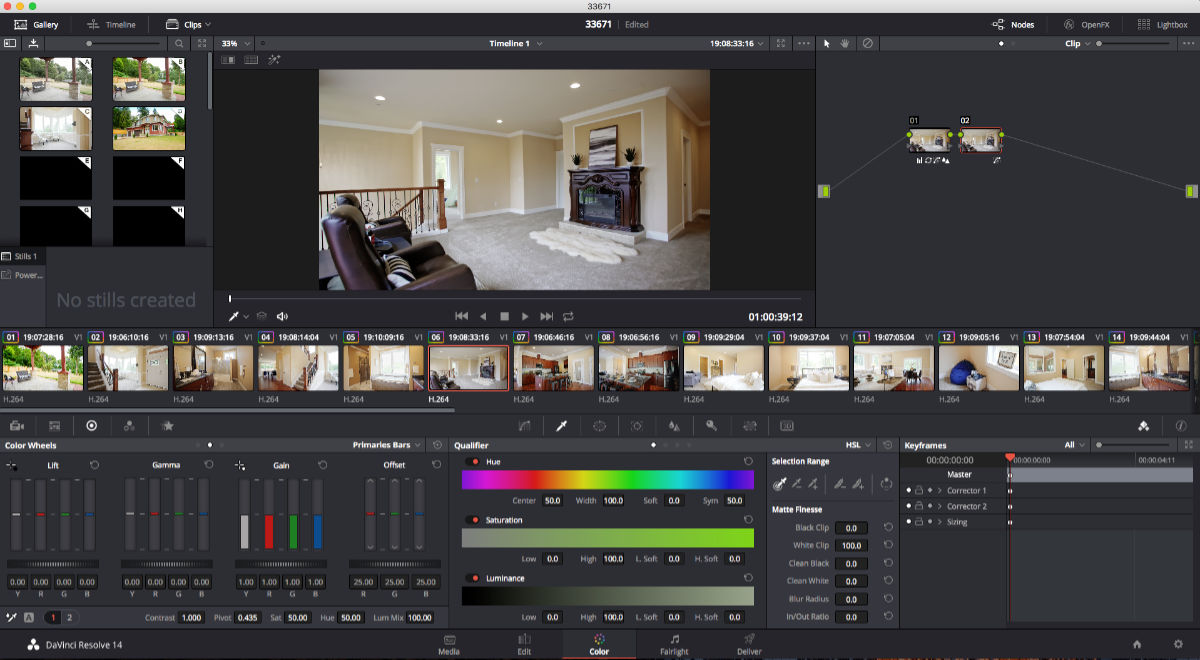 Color grading dictates the final video’s overall aesthetic.
4.2. Sky replacement and virtual twilight
One of the most transformative techniques in the industry is the ability to manipulate the environment. Since photographers cannot always wait for the perfect weather, editors use sky replacement to swap grey, overcast skies for vibrant blue ones. Even more impactful is virtual twilight. By digitally altering a daytime shot to look like it was taken during the "golden hour," editors can create a warm, glowing exterior that significantly increases click-through rates on property portals.
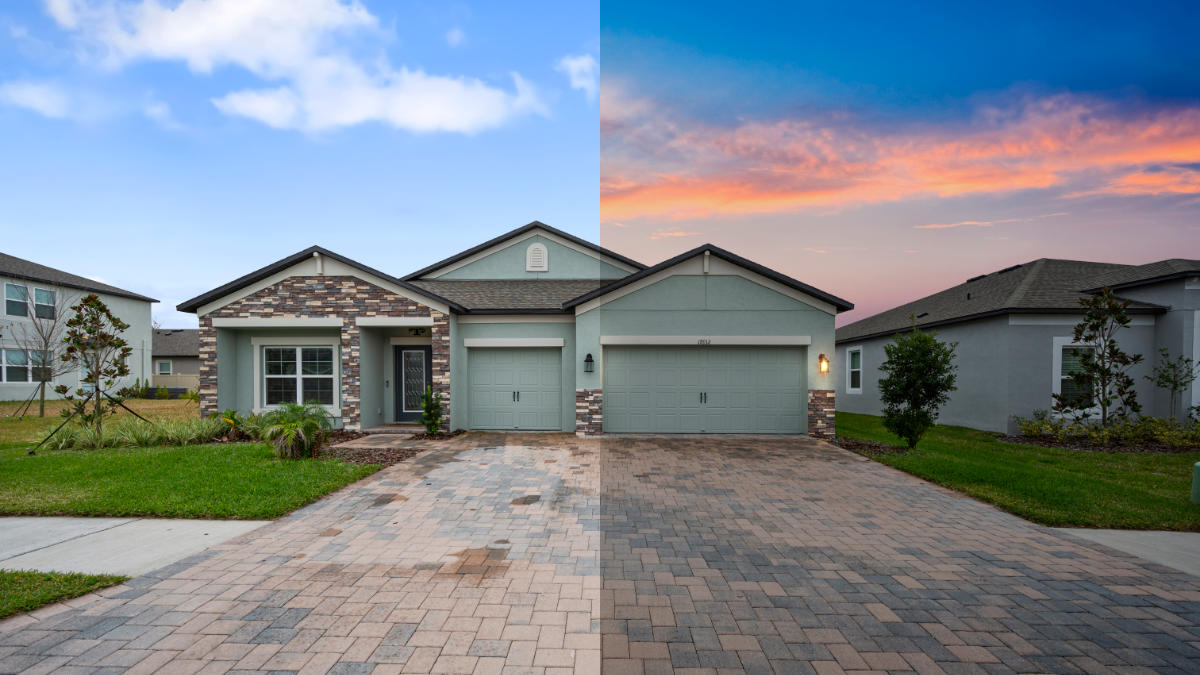 With modern tracking and composition technologies, editors can replace that dull sky in raw footage with something more vivid.
4.3. Strategic object removal
A pristine home is a sellable home. Professional editors use advanced masking and tracking tools to remove distracting elements that clutter a shot, such as power lines, moving cars, or stray interior items like trash cans and pet bowls. This process, often referred to as "digital cleaning," ensures that the viewer’s focus remains entirely on the architecture and flow of the property.
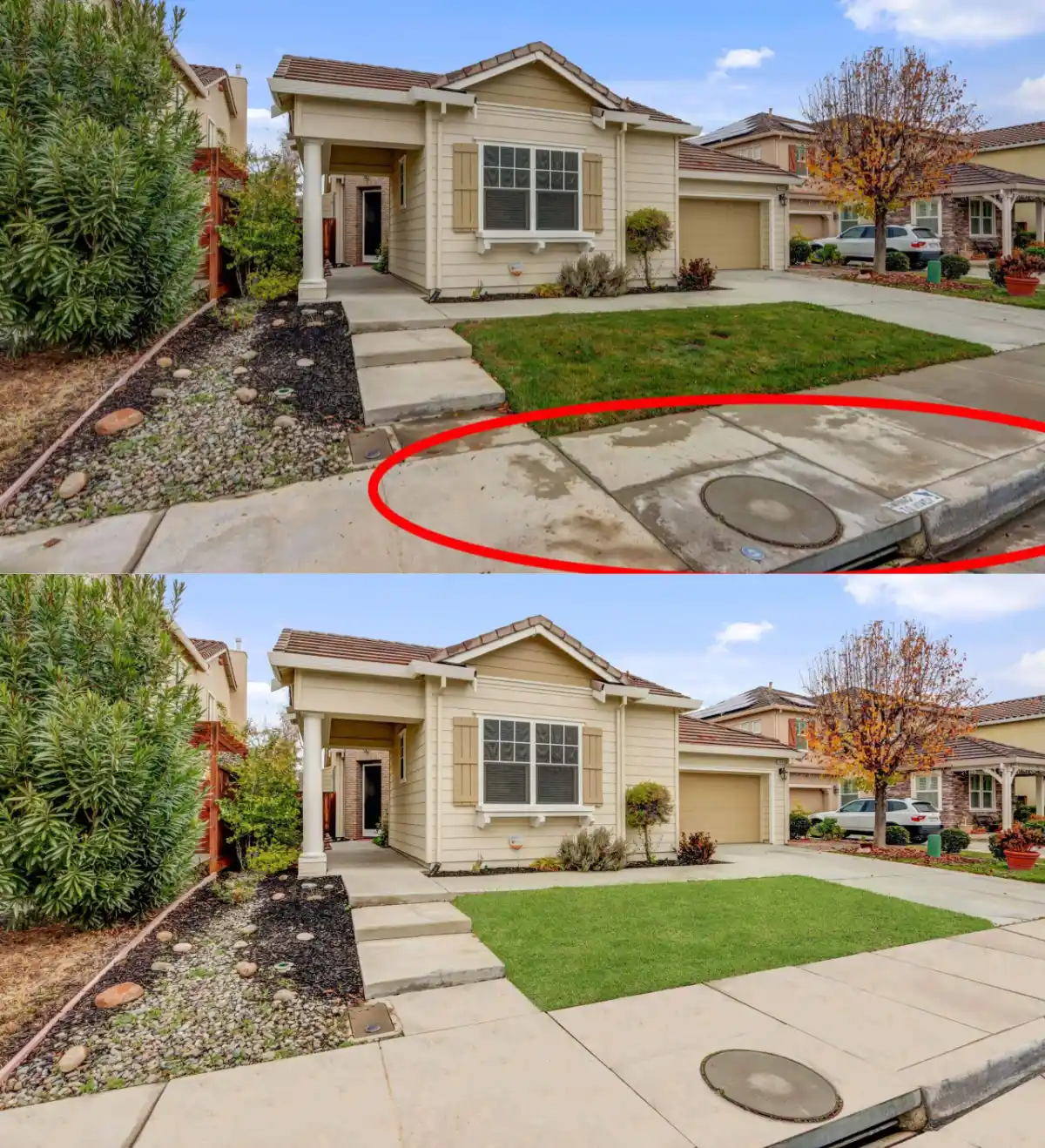 Meticulous distraction cleanup makes the video more appealing and pleasant to the eyes of buyers.
4.4. Sound design for real estate cinematic walkthrough editing
Audio is the "invisible" half of the viewing experience. High-quality real estate video editing involves more than just adding a background track; it requires balancing ambient sounds (like the rustle of trees or a flowing fountain) with licensed, high-energy music that matches the property’s personality.
4.5. Call-to-action (CTA) and branding overlays
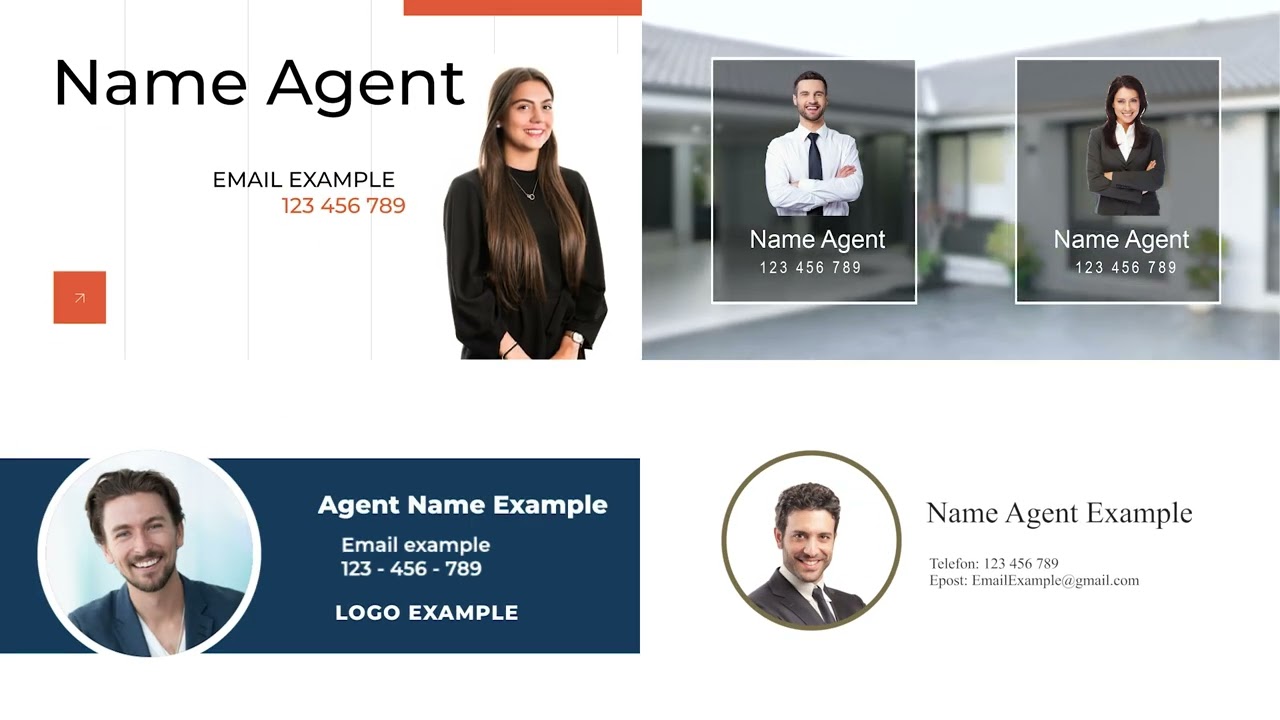
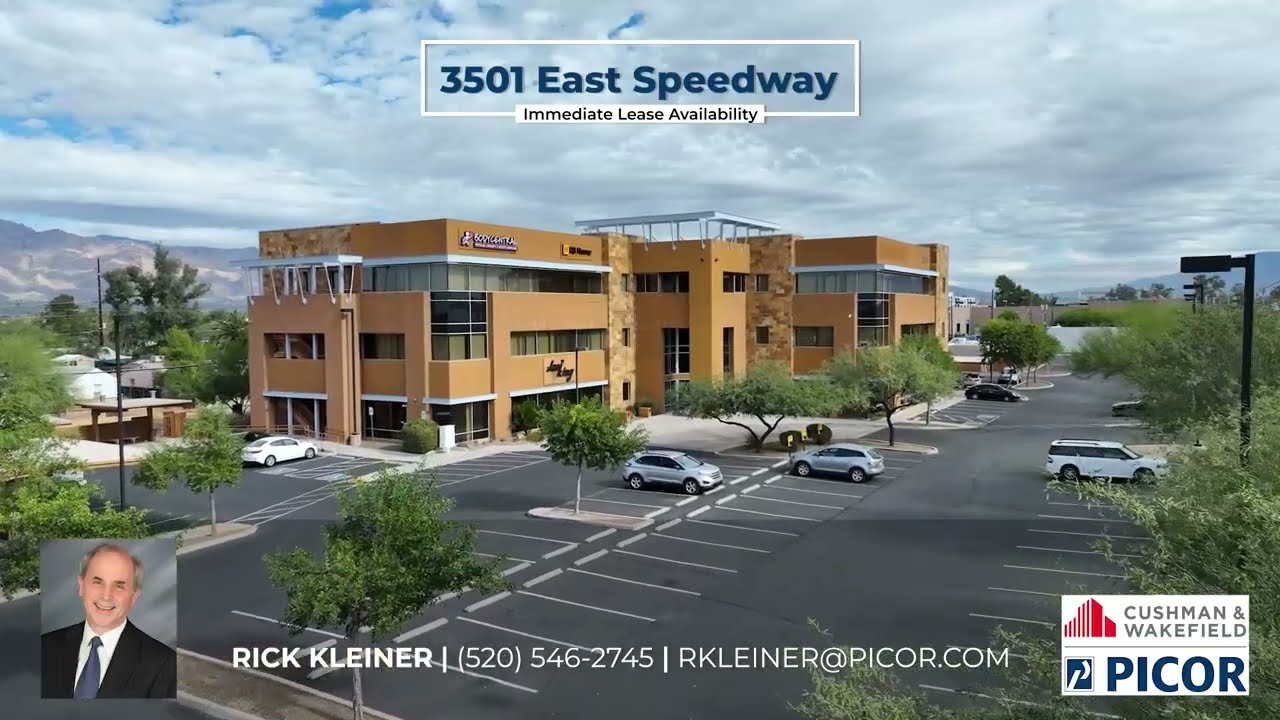
Finally, a professional video serves as a powerful marketing tool. Editors integrate seamless motion graphics, including agent branding, property addresses, and clear CTAs, ensuring that the transition from "viewer" to "lead" is as effortless as possible.
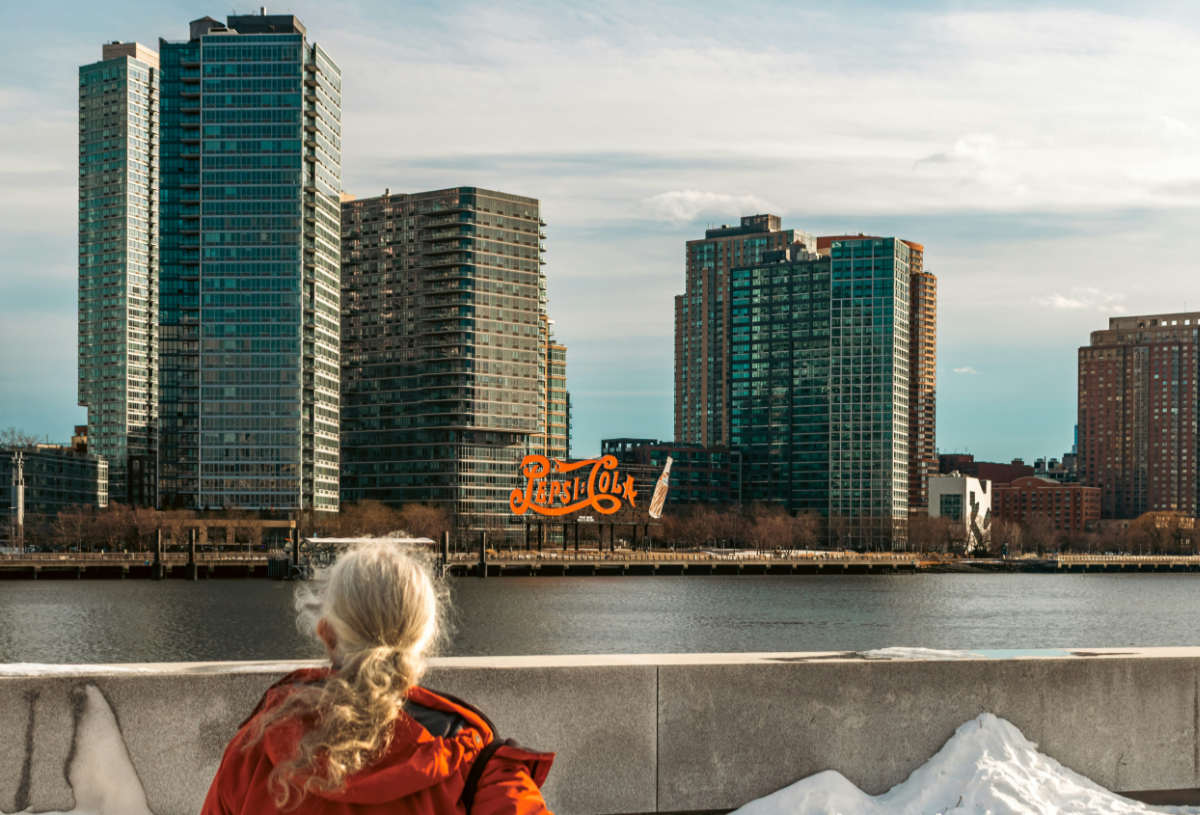 Branding can be seamlessly integrated into real estate videos.
5. Different types of real estate video editing services
The versatility of modern property video editing allows professionals to tailor their digital marketing strategies to specific platforms and property tiers. In 2026, a "one size fits all" approach is no longer effective; instead, top-performing agents utilize a diverse mix of video formats to capture different audience segments and maximize engagement.
5.1. Cinematic walkthrough video
Cinematic walkthroughs remain the gold standard for luxury listings. These 2-3 minute productions focus on narrative storytelling, using smooth transitions and intentional pacing to guide the viewer through the home. By combining wide-angle establishing shots with close-up "lifestyle" details, the goal of real estate cinematic walkthrough editing is to simulate a physical tour, creating a sense of "flow" that helps the buyer understand the layout while building an emotional connection to the space.
For the mobile-first generation, social media edits are indispensable. Designed specifically for platforms like Instagram Reels, TikTok, and YouTube Shorts, these fast-paced, vertical (9:16) videos focus on high-impact visuals. Specialized video editing for social media emphasizes catchy music, quick cuts, and on-screen text to grab attention within the first three seconds, ensuring the listing stands out in a crowded digital feed.
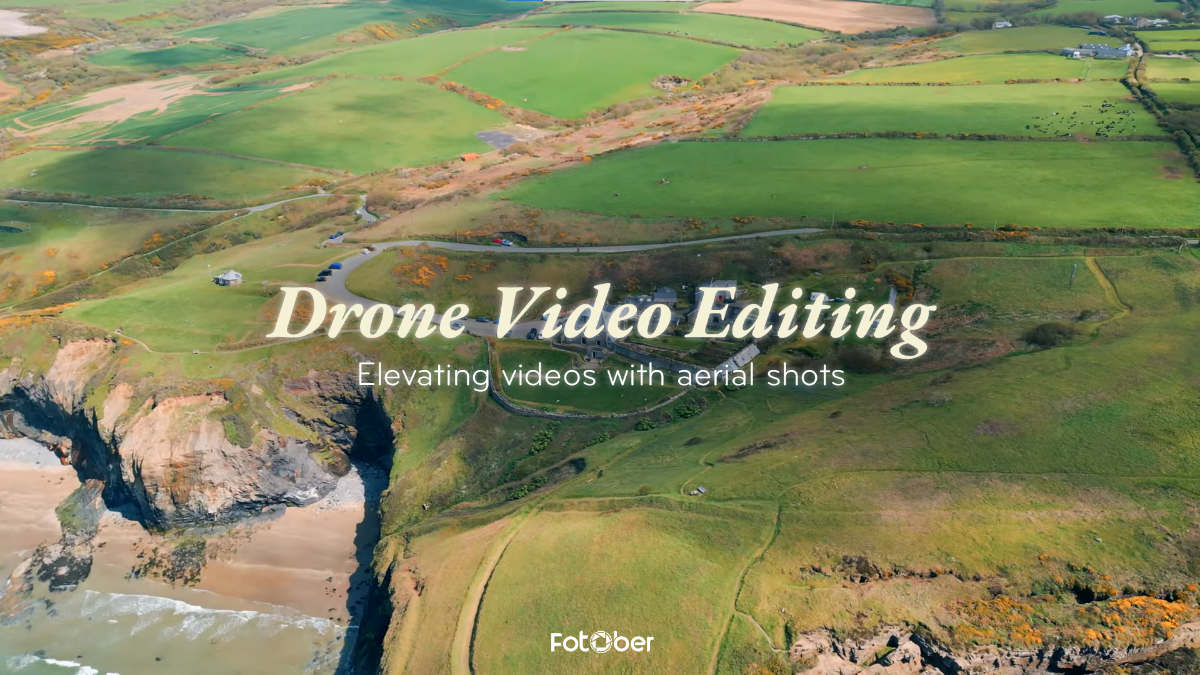
5.2. Drone video editing
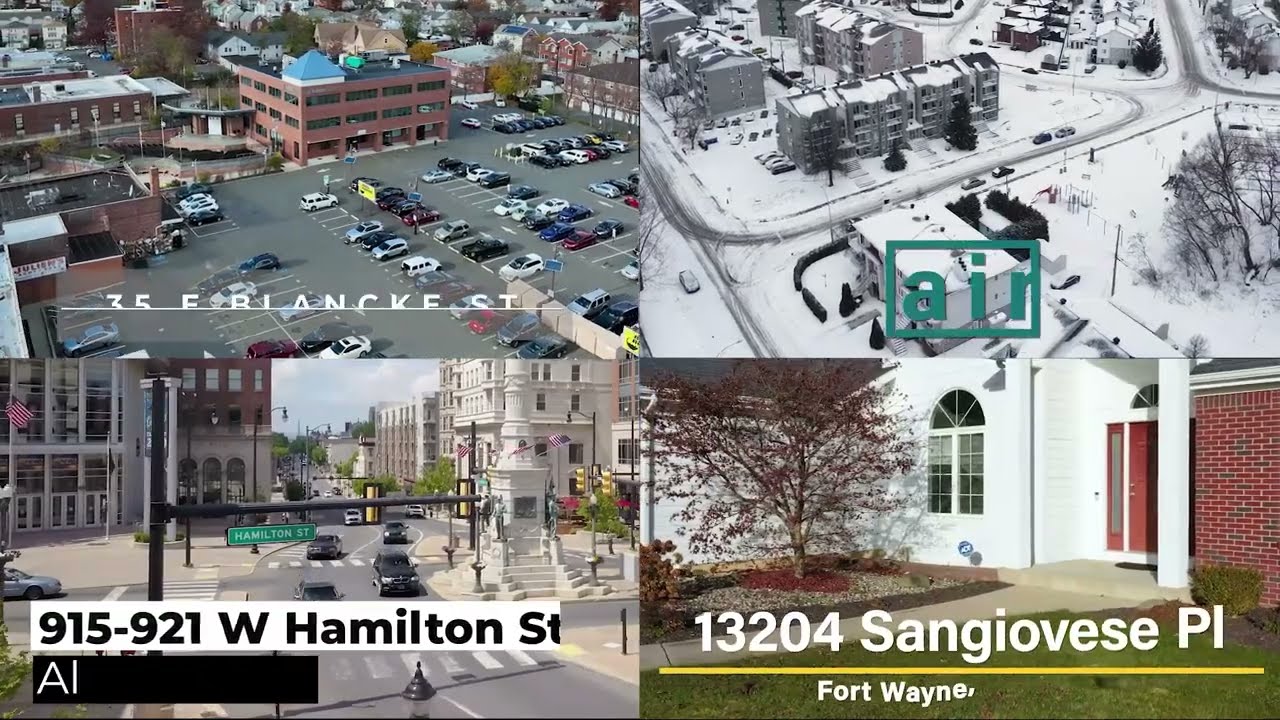
Drone and aerial sequences provide essential geographical context that ground-level visuals cannot match. By capturing a property from the sky, editors can highlight the entire neighborhood, property boundaries, and proximity to local landmarks. Drone video editing for real estate involves advanced stabilization and motion tracking to add informative labels over moving footage, such as "5 minutes to beach" or "top-rated school district."
5.3. Virtual staging integration
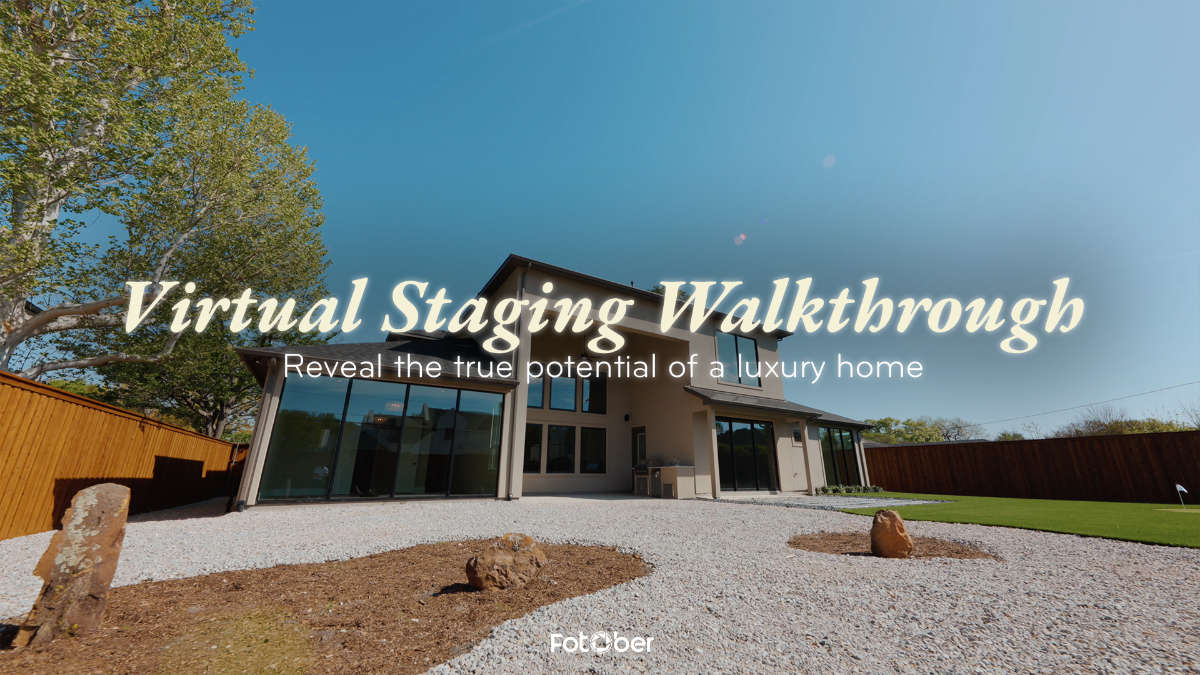
Lastly, virtual staging in video represents the cutting edge of the industry. Unlike static virtual staging, this service involves placing photorealistic 3D-rendered furniture into moving video shots of vacant properties. This allows buyers to see the true potential of an empty space in motion, making the home feel lived-in and inviting without the high cost of physical staging.
6. Why should we outsource video editing for real estate?
For many professionals, the primary barrier to consistent real estate video marketing is the significant time investment required for post-production. High-quality real estate video editing is a labor-intensive process that demands both technical proficiency and a keen artistic eye. By opting for professional real estate video editing services, agents can reclaim their most valuable asset: time. Instead of spending hours navigating complex software timelines, agents can focus on high-impact activities like lead generation and closing deals.
Scalability is another critical advantage of outsourcing. While an individual might manage to edit one or two videos a week, a professional service can handle a high volume of listings, even during peak market seasons, without a drop in quality. This ensures that "coming soon" listings hit the portals on schedule, maintaining the momentum of a marketing campaign.
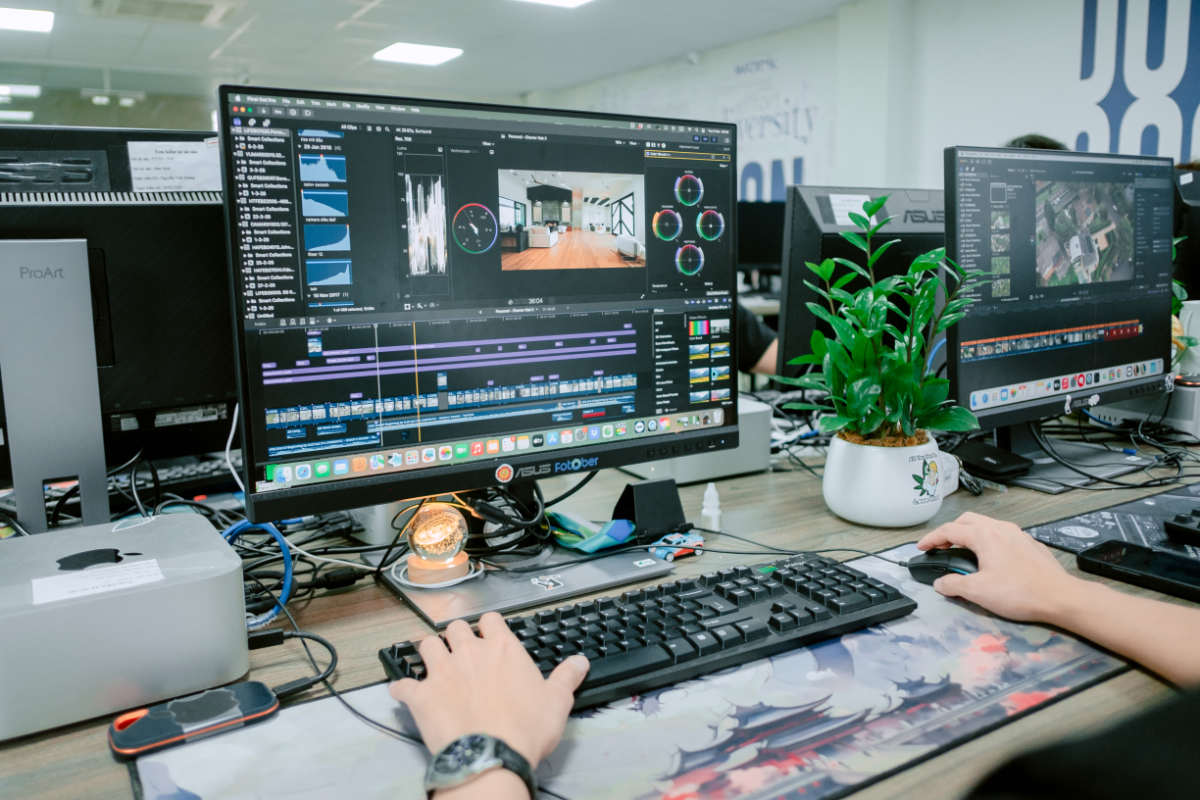 Many filmmakers choose to outsource video editing for real estate to increase efficiency.
Furthermore, professional outsourcing guarantees brand consistency. A dedicated team ensures that every property, regardless of price point, receives the same high standard of color grading, stabilization, and cinematic pacing. This uniformity builds a recognizable and trustworthy brand identity for the agent, signaling to clients that every listing is handled with the highest level of care.
Finally, professional services provide access to cutting-edge technology and specialized skills, such as advanced 3D motion tracking or AI-driven enhancements, without the need for agents to invest in expensive hardware or steep learning curves. Ultimately, outsourcing is a strategic move that maximizes ROI by transforming raw footage into a high-performance sales tool.
7. Choosing the right partner for real estate video editing
Selecting a post-production partner for real estate videos is a strategic business decision that directly impacts your brand’s reputation. To ensure you are making a sound investment, focus on three critical pillars: speed, diversity, and transparency.
In the fast-moving property market, timing is everything. A top-tier partner should offer a guaranteed turnaround time, typically between 24 and 48 hours, allowing your listings to go live while the lead momentum is at its peak. Furthermore, examine their portfolio for diversity. A reliable editor should be equally proficient in producing high-end cinematic walkthroughs as they are with fast-paced social media reels.
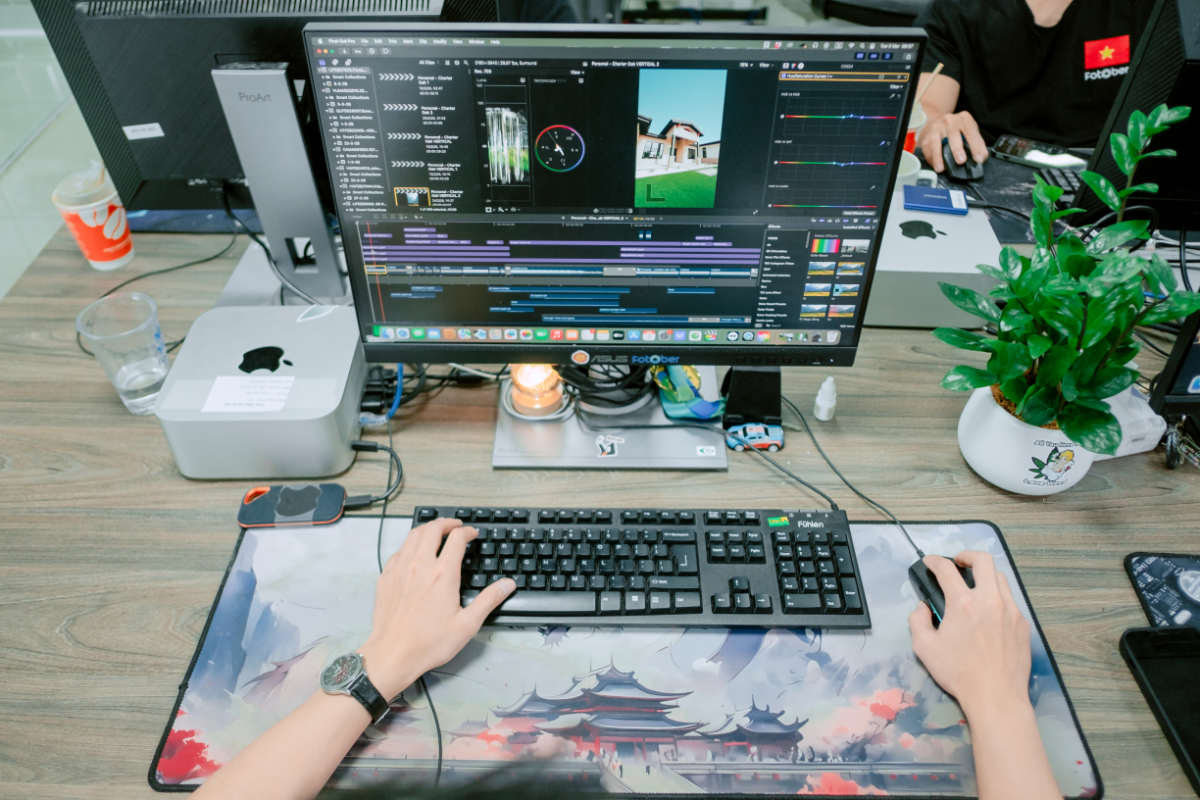 Finding a suitable editing partner requires more than just looking at the sample videos.
Also, prioritize pricing transparency. The best real estate video editing providers offer value-driven, tiered video editing pricing models that allow you to scale your marketing efforts according to the property’s needs without encountering hidden fees. Ultimately, the right partner acts as a seamless extension of your team, consistently delivering quality that elevates your professional standing.
Besides those three pillars, experience within the real estate industry is one indicator you should consider. Editing property videos requires a different mindset than editing general promotional content. An experienced team understands how buyers scan spaces, which angles matter, and how pacing influences perceived value. This kind of insight only comes from working with real estate footage at scale.
Equally important is an understanding of the U.S. market. Platform requirements, buyer expectations, and visual standards vary significantly by region. A reliable video editing vendor for listing platforms should be familiar with MLS guidelines, social media formats, and the presentation styles commonly used by U.S.-based agents and brokerages.
Revision policy is another area where quality providers stand apart. Clear revision terms signal a mature process and a collaborative mindset. Instead of endless back-and-forth, an ideal video editing service for realtors should focus on understanding expectations upfront and refining edits efficiently.
When these factors align, the service serves more than a vendor and becomes an extension of your marketing workflow. This is where Fotober naturally fits. With deep experience in real estate post-production, a strong understanding of U.S. market standards, and a structured editing process, Fotober provides the reliability and visual precision that professionals look for when selecting a long-term, professional real estate video editing service.
8. Fotober: Premium real estate video editing services
In the competitive landscape of property marketing, Fotober has established itself as a global leader in high-end post-production. Specializing in the intersection of technology and storytelling, Fotober provides world-class real estate video editing services that empower agents and media agencies to present listings with unparalleled cinematic quality.
At the heart of the Fotober philosophy is the "quiet operator" approach. This means acting as a seamless, reliable extension of an agent’s team, working tirelessly in the background to ensure that every frame is polished and every deadline is met. Our workflow is designed for the modern professional who demands both speed and precision. By aligning our delivery systems with the fast-paced nature of the real estate market, we ensure that high-quality visual assets are ready exactly when the listing momentum is highest.
Fotober’s expertise extends across a wide spectrum of technical video editing services, specifically tailored for luxury and high-volume markets. Our editors are masters of cinematic walkthroughs, utilizing advanced color grading and stabilized motion to create an immersive experience. For properties that require a "digital cleanup," our team excels in complex object removal and sky replacement, ensuring a pristine presentation regardless of original shooting conditions. Furthermore, we leverage cutting-edge 3D architectural rendering and virtual staging in video to help buyers visualize the full potential of empty or unfinished spaces.
With a deep understanding of regional market nuances, particularly in high-stakes areas like New York City, Florida, California, and Texas, Fotober crafts content that resonates with specific buyer demographics. Every project is handled with a commitment to our standards of focusing on clients’ growth, delivering high-quality visuals with the most efficient speed and affordability. More than just editing video, we apply years of industry experience to ensure that the final product adheres to the highest technical benchmarks of architectural photography and videography. By choosing Fotober, you aren't just hiring an editor; you are partnering with a dedicated team committed to elevating your brand’s digital authority and maximizing the ROI of every listing.
9. Conclusion
In the evolving real estate market of 2026, professional video editing has transitioned from an optional add-on to an essential sales driver. As industry data proves, high-quality video significantly boosts engagement, builds buyer trust, and accelerates the sales cycle. By investing in expert real estate video editing services, agents ensure their listings stand out in an increasingly crowded digital landscape.
Fotober is dedicated to providing the technical precision and cinematic flair necessary to elevate your professional brand. Transform your raw footage into a high-conversion masterpiece today. Contact Fotober to explore our tailored packages and start maximizing your listing's ROI.
Follow us on social media to gain more practical real estate videography tips, updated insights into the property market, and our latest editing projects.
- Facebook: fotobermedia.co
- YouTube: Fotober
- TikTok: @fotober
- Instagram: fotober_media.