




Transform Your Luxury Collection with Expert 3D Jewelry Rendering

Share:
Table of Contents
- 1. Why is 3D rendering of jewelry non-negotiable
- 2. The science of the "sparkle": Achieving a photorealistic jewelry render
- 3. Boosting conversions and trust with 3D rendering jewelry
- 4. The professional workflow: From CAD to final 3D rendering of jewelry
- 5. Specialized rendering for different jewelry categories
- 6. Understanding the investment: Pricing for 3D jewelry rendering
- 7. Overcoming technical challenges in jewelry visualization
- 8. Future trends: AR and virtual try-ons
- Conclusion
First impressions are critical in luxury marketing. Traditionally, macro photography was the gold standard for details, but the digital revolution has brought a more precise approach: 3D jewelry visualization. This technology allows brands to showcase their collections with unparalleled clarity and brilliance. By utilizing a photorealistic jewelry render, designers can capture the intricate play of light within a diamond or the smooth luster of polished gold. Whether for a high-end catalog or an e-commerce store, 3D jewelry rendering has become the definitive tool for turning CAD concepts into market-ready, photorealistic visuals.
1. Why is 3D rendering of jewelry non-negotiable
Traditionally, jewelry marketing was a logistical and financial hurdle. Transporting high-value items requires heavy insurance, specialized security, and expensive macro photographers who spend hours perfecting a single shot. Today, 3D jewelry rendering has completely disrupted this old-school workflow. By shifting to a digital-first approach, brands can eliminate the overhead of physical photoshoots, saving thousands in production costs while achieving a level of perfection that a traditional lens often struggles to capture.
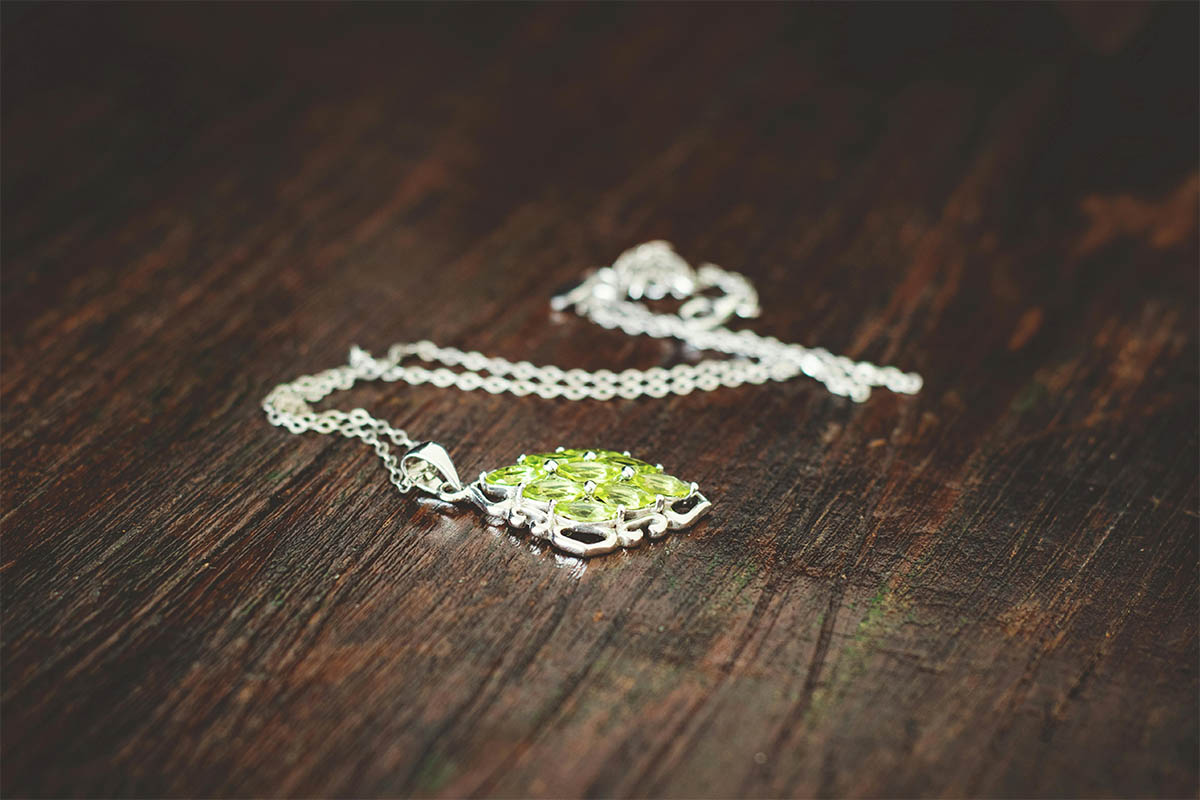 Achieving true deep focus in traditional photography requires complex lighting setups and expensive macro lenses, often to avoid chromatic aberration and blur.
One of the primary drivers behind this shift is the sheer speed and efficiency of jewelry product rendering. In the modern e-commerce landscape, the ability to launch a collection before the physical pieces are even manufactured is a massive competitive advantage. Designers can now showcase their creations on social media or pre-sale pages the moment the CAD file is finalized. This "pre-selling" strategy significantly improves cash flow and allows for data-driven manufacturing, as brands can gauge interest in specific designs before committing to the cost of raw materials and labor.
Furthermore, the level of customization offered by 3D technology is unmatched. With traditional photography, capturing a single ring in three different gold tones and five gemstone variations would require fifteen separate physical samples and fifteen separate photoshoots. In the world of 3D jewelry rendering, these variations are generated digitally from a single master model. This flexibility allows for a highly personalized shopping experience, enabling customers to see their specific "build-your-own" choices in real-time. By removing the physical limitations of the lens, 3D rendering empowers luxury brands to scale their marketing at the speed of thought.
2. The science of the "sparkle": Achieving a photorealistic jewelry render
Achieving a photorealistic jewelry render requires a deep understanding of the laws of physics. Unlike other product categories, jewelry is defined by how it interacts with light, specifically, how it reflects, refracts, and disperses it. To create a digital image that is indistinguishable from a physical photograph, 3D artists must go beyond basic modeling and master the complex science of light behavior.
The magic of refraction and dispersion
The "fire" or "sparkle" seen in a diamond is technically known as light dispersion. When light enters a gemstone, it slows down and bends, a process called refraction. However, different colors of light bend at different angles, causing the white light to split into a rainbow spectrum. In 3D jewelry visualization, artists use advanced algorithms to calculate the "Refractive Index" (RI) of specific stones. For example, a diamond has a high RI of 2.417. By accurately simulating this, the render captures those brilliant flashes of color that occur as the viewer’s perspective shifts, providing that signature luxury glow.
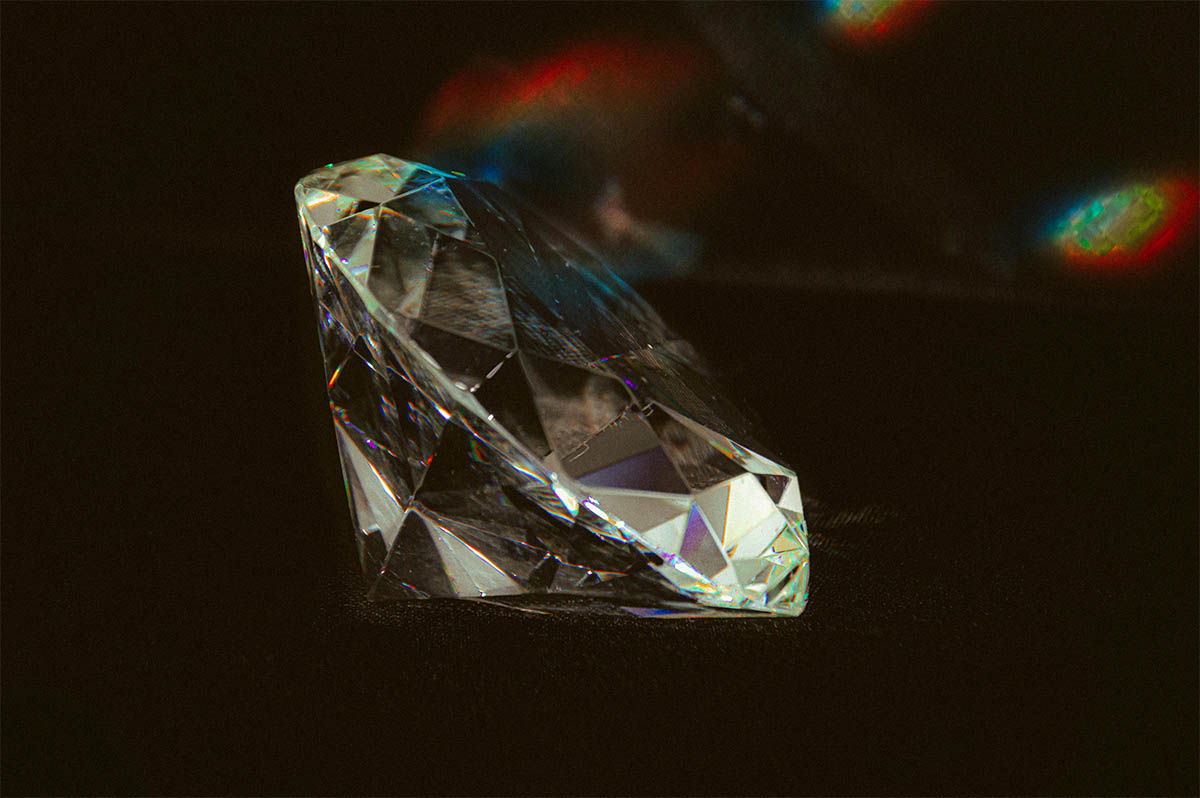 Each type of stone has its own unique refractive index that calls for scientific calculations to convincingly simulate how it appears under light
Material physics and metallic luster
Metals like 18K gold, platinum, and rose gold each have unique "spectral signatures." A common setback in lower-end 3D jewelry rendering is treating gold as simply a yellow-colored material. In reality, the way gold reflects its surroundings is governed by the Fresnel effect, where the reflectivity increases at grazing angles. Professional rendering engines allow artists to fine-tune the "roughness" and "anisotropy" of metallic surfaces. This ensures that polished platinum has a crisp, mirror-like finish, while brushed gold retains a soft, satiny sheen that feels warm and authentic to the touch.
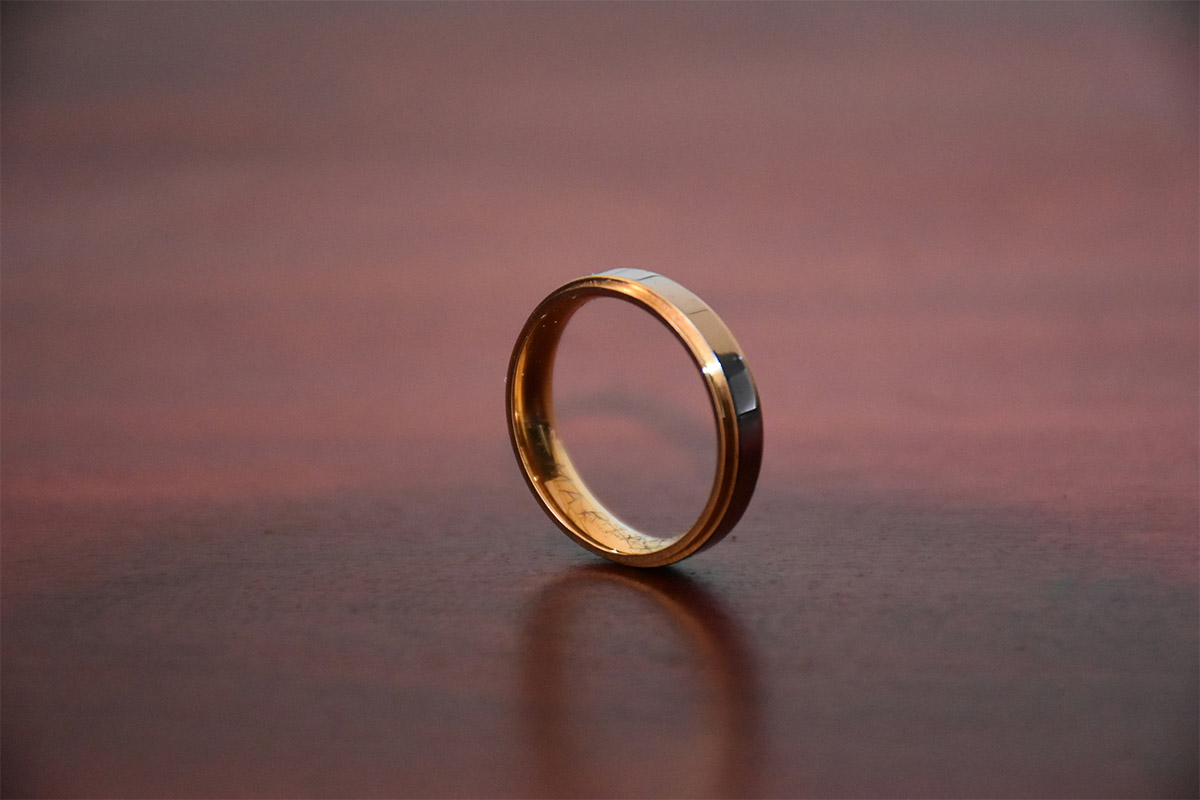 Metallic surfaces can look “fake” without all the subtle textures and interactions with light.
The digital studio: HDRI and caustics
Because metal is essentially a curved mirror, it is only as beautiful as the environment it reflects. To achieve a photorealistic jewelry render, artists use High Dynamic Range Images (HDRI) to create a virtual studio. This provides a 360-degree map of light and shadow, ensuring that every curve of a ring has something interesting to reflect. Furthermore, "caustics" are used to simulate the bright, concentrated patterns of light that a gemstone casts onto the surface it sits upon. Without these subtle light patterns, a render feels "floated" and artificial. By mastering these environmental variables, 3D jewelry visualization transforms a cold digital file into a warm, sparkling masterpiece that commands attention.
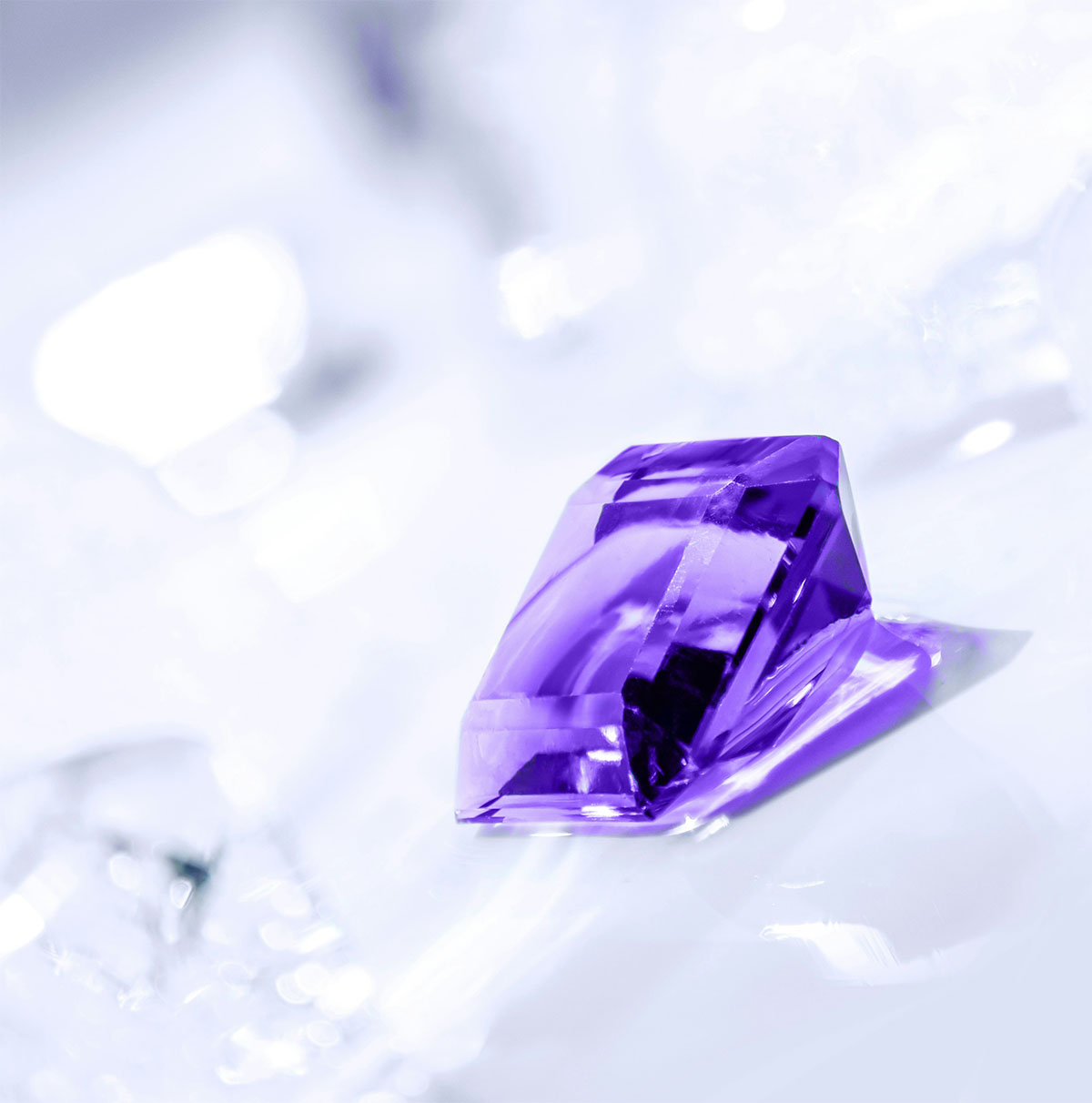 The authenticity of a render doesn’t only come from the item but also from its surroundings
3. Boosting conversions and trust with 3D rendering jewelry
In the digital marketplace, the screen is the only touchpoint between a luxury brand and its customer. In this environment, trust is the primary currency. Because jewelry is a high-investment purchase, consumers are naturally more hesitant to buy online without the ability to touch and feel the product. This is where 3D jewelry visualization serves as a powerful psychological tool, bridging the "physicality gap" and providing the visual proof necessary to convert browsers into confident buyers.
The power of infinite detail and macro-zoom
Traditional photography often struggles with macro-level clarity; the closer you zoom, the more pixelated the image becomes. However, with professional jewelry product rendering, there are no such limitations. High-resolution 3D renders allow customers to zoom in on the most intricate details from the tiny prongs holding a gemstone in place to the delicate hallmarks and custom engravings on the inside of a band. This level of transparency signals to the customer that the brand has nothing to hide, effectively reducing the perceived risk of an online transaction and establishing a foundation of trust.
 The detail level that a 3D render can provide outmatches normal photos, and viewers can basically zoom in to infinity
Interactive engagement and 360-degree views
Static images are often insufficient for conveying the true three-dimensional nature of a piece of jewelry. By utilizing 3D jewelry visualization, brands can implement interactive 360-degree viewers that allow users to rotate the item in any direction. This active engagement keeps potential buyers on the page longer, a metric that search engines like Google reward. Simultaneously, detailed renderings give the customer a comprehensive understanding of the product’s volume and proportions. When a customer can see exactly how a necklace drapes or how light hits the side of a ring, they are much less likely to return the item due to a "mismatch" in expectations.
Visual consistency for brand authority
A professional e-commerce storefront requires a cohesive aesthetic. When using 3D jewelry rendering, every product across your entire catalog is rendered within the same virtual studio. This ensures that every ring, earring, and bracelet features identical lighting, background, and metallic luster. This visual uniformity creates a sense of high-end brand authority that is nearly impossible to achieve with separate, physical photoshoots. It transforms a simple web page into a curated, digital boutique experience that resonates with the sophisticated luxury shopper.
4. The professional workflow: From CAD to final 3D rendering of jewelry
Creating a photorealistic jewelry render is a meticulous journey that blends mathematical precision with artistic flair. The professional workflow for 3D jewelry visualization typically follows five distinct stages to ensure the final image is indistinguishable from reality.
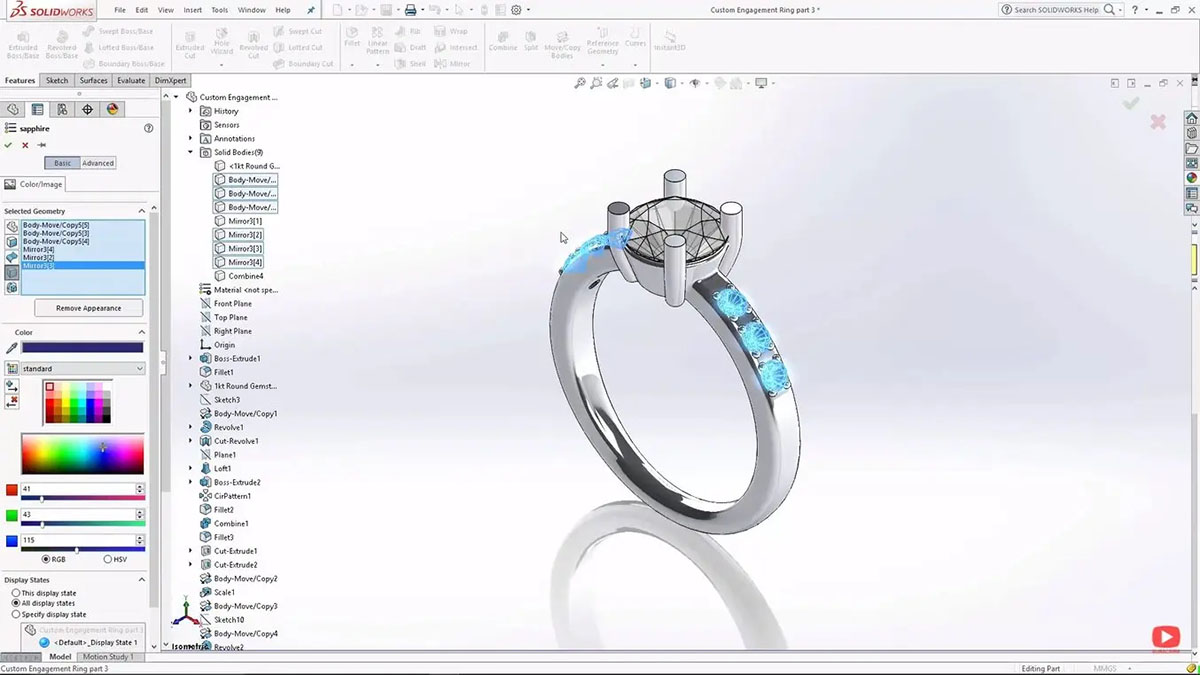 Preparing jewelry rendering in a CAD application
Step 1: Model optimization and CAD preparation: Everything begins with a high-quality CAD file, often exported from specialized software like Rhino, MatrixGold, or JewelCAD. Professional artists must "clean" the geometry, ensuring that curves are perfectly smooth and that high-poly counts are maintained. Even the smallest flaw in the digital mesh will be magnified under a macro lens, so perfection at the base level is non-negotiable.
Step 2: Shader application and material assignment: This is where the object gains its identity. We apply physically-based shaders to define the metallic properties, whether it is the warm glow of 18K gold or the cool reflection of platinum. For gemstones, the refractive index and dispersion values are carefully calibrated to ensure that the light bends and splits correctly, a core requirement for any high-end 3D jewelry rendering project.
Step 3: Lighting design and environmental setup: Lighting is the soul of jewelry. Using a combination of HDRI maps and virtual spotlights, we build a digital studio. A crucial part of this stage is enabling "caustics", the concentrated patterns of light that refract through gems, to create that iconic sparkle on the ground plane.
Step 4: Rendering and computational processing: Using high-performance engines like KeyShot, V-Ray, or Octane, the computer calculates millions of light paths. This stage of jewelry product rendering requires significant processing power to handle the complex reflections and refractions inherent in luxury items.
Step 5: Post-production and color grading: The raw render is never the final product. In the final stage, artists use post-processing software to fine-tune the color balance, enhance the sharpness of the diamond’s "fire," and add subtle "depth of field" effects. This artistic polish ensures the final masterpiece is ready for a luxury billboard or a high-converting e-commerce site.
5. Specialized rendering for different jewelry categories
Each category of luxury goods presents unique challenges that require a tailored approach to 3D jewelry rendering. A "one-size-fits-all" lighting setup rarely works because the way a diamond ring interacts with light is fundamentally different from the way a luxury watch or a gold necklace does.
Bridal and engagement rings: The hero stone
In bridal jewelry, the focus of a photorealistic jewelry render is almost entirely on the center stone. The goal is to maximize the "fire" and clarity of the diamond. Artists must ensure that the facets are perfectly aligned to catch the light, creating those brilliant flashes of color that symbolize romance and commitment. The metalwork is typically kept clean and soft to ensure it doesn't distract from the brilliance of the gem.
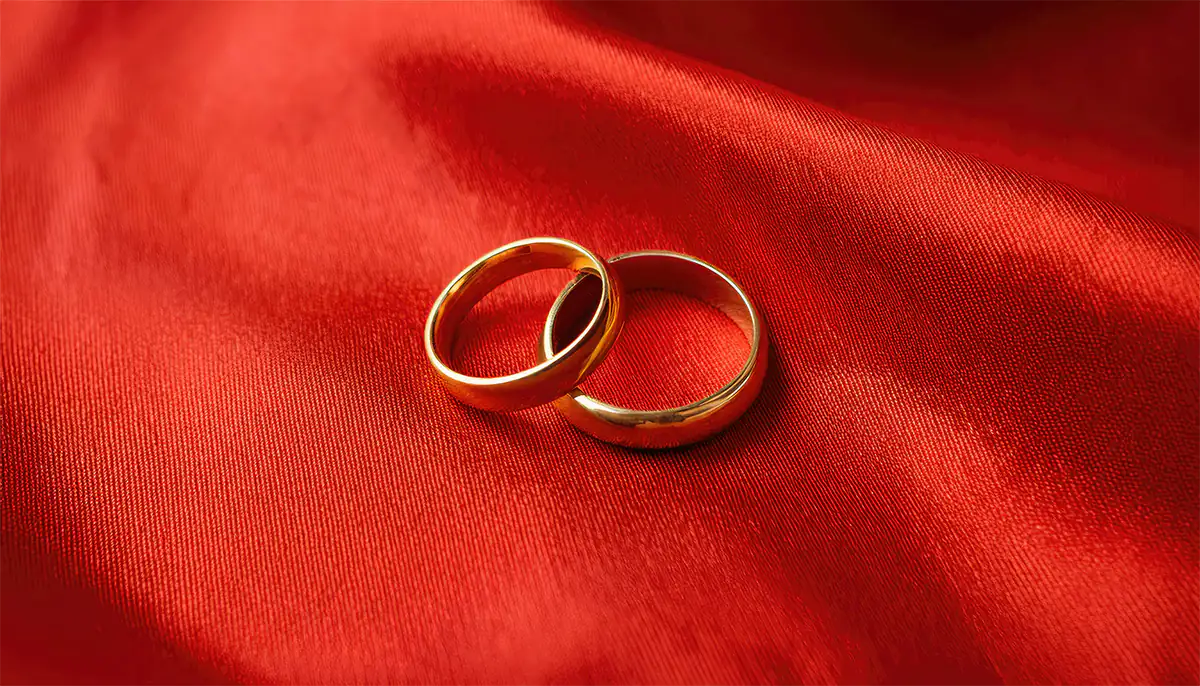 While modeling precise geometry is technical, conveying emotion through lighting and composition requires artistic sensitivity.
Luxury watches: Mechanical precision
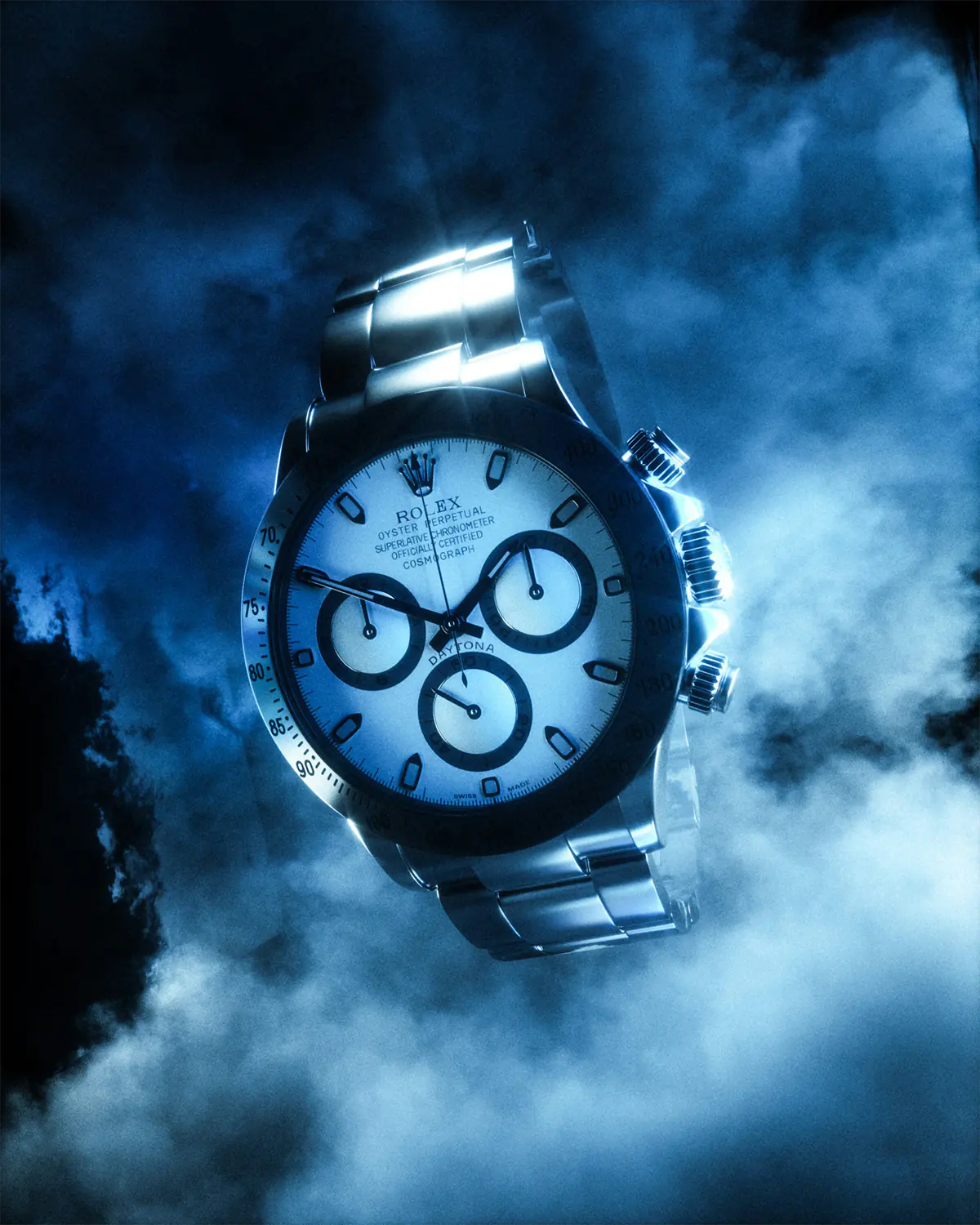
When it comes to timepieces, jewelry product rendering shifts toward showcasing engineering excellence. A luxury watch consists of dozens of materials, brushed steel, polished gold, sapphire crystal, and often leather or rubber straps. The challenge here is managing the reflections on the watch face while ensuring the intricate mechanical details of the dial and hands remain sharp and legible.
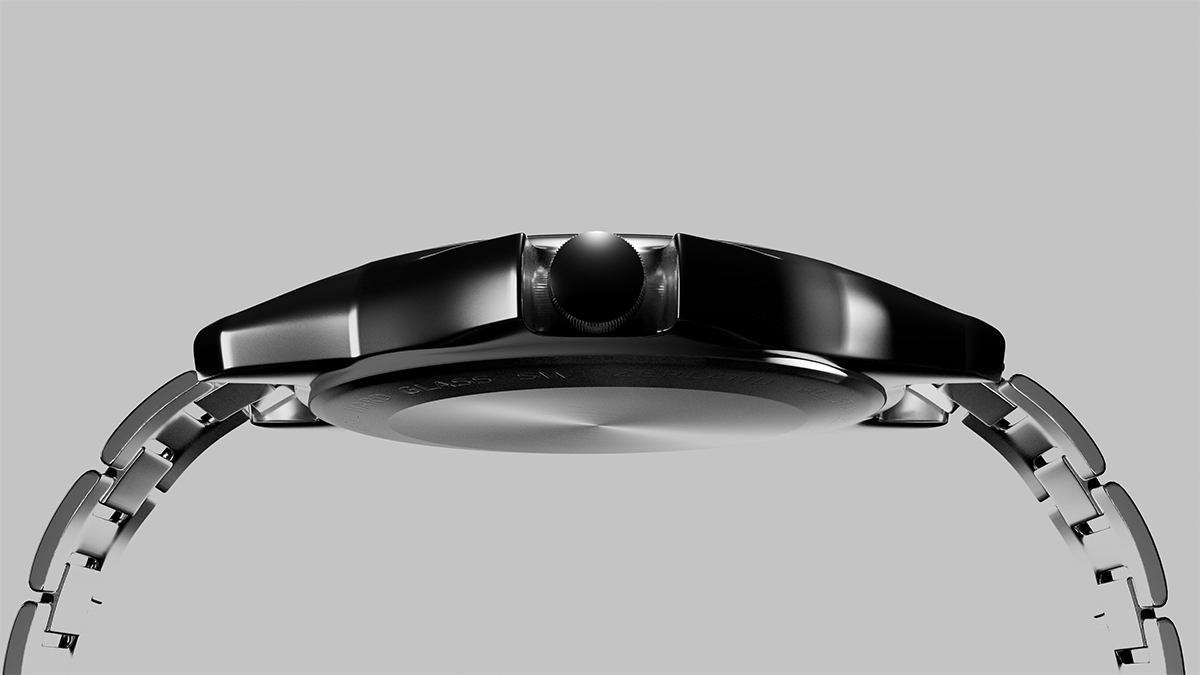 3D renderings of watches should accentuate the mechanical elements
Necklaces and bracelets: Fluidity and physics
Necklaces and bracelets introduce the complexity of "draping." Unlike a static ring, these pieces must appear fluid and natural. Advanced 3D jewelry visualization allows artists to simulate gravity, showing how a pendant hangs or how a tennis bracelet wraps around a wrist. Capturing the way light dances across hundreds of tiny, moving links is a technical feat that, when done correctly, adds a layer of realism that makes the viewer forget they are looking at a digital image.
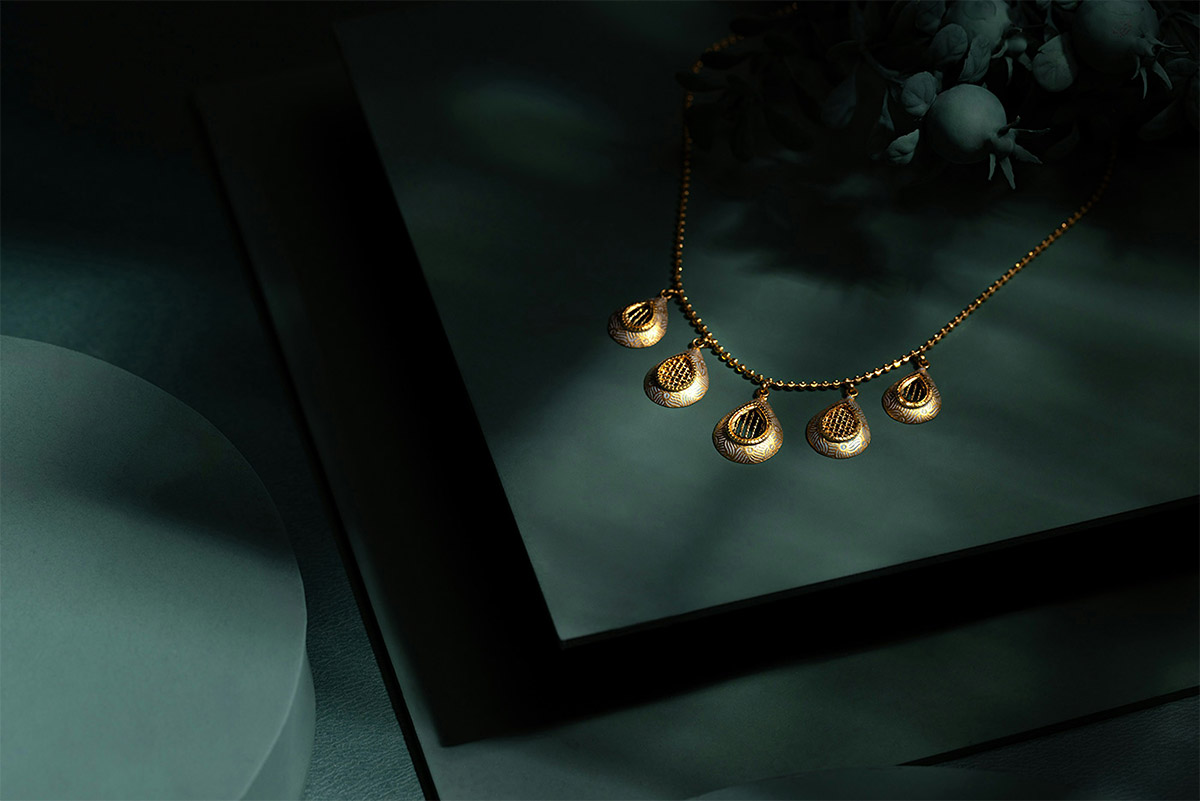 Necklaces and bracelets introduce far more subtle shape variations and light interactions.
6. Understanding the investment: Pricing for 3D jewelry rendering
Understanding the investment required for professional 3D jewelry rendering is essential for any brand planning its marketing budget. Pricing is rarely a one-size-fits-all model; instead, it is a reflection of the technical precision, computational power, and artistic labor involved in creating a photorealistic jewelry render. When evaluating costs for jewelry product rendering, several key variables come into play.
The first factor is the complexity of the design. A minimalist gold wedding band requires significantly less modeling and shading time compared to an intricate high-jewelry piece featuring hundreds of pavé-set diamonds or complex interlocking links. Second, the level of detail and realism influences the price. Achieving a "magazine-quality" visual involves advanced light refraction simulations and extensive post-production, which naturally commands a higher premium than standard e-commerce shots meant for basic cataloging.
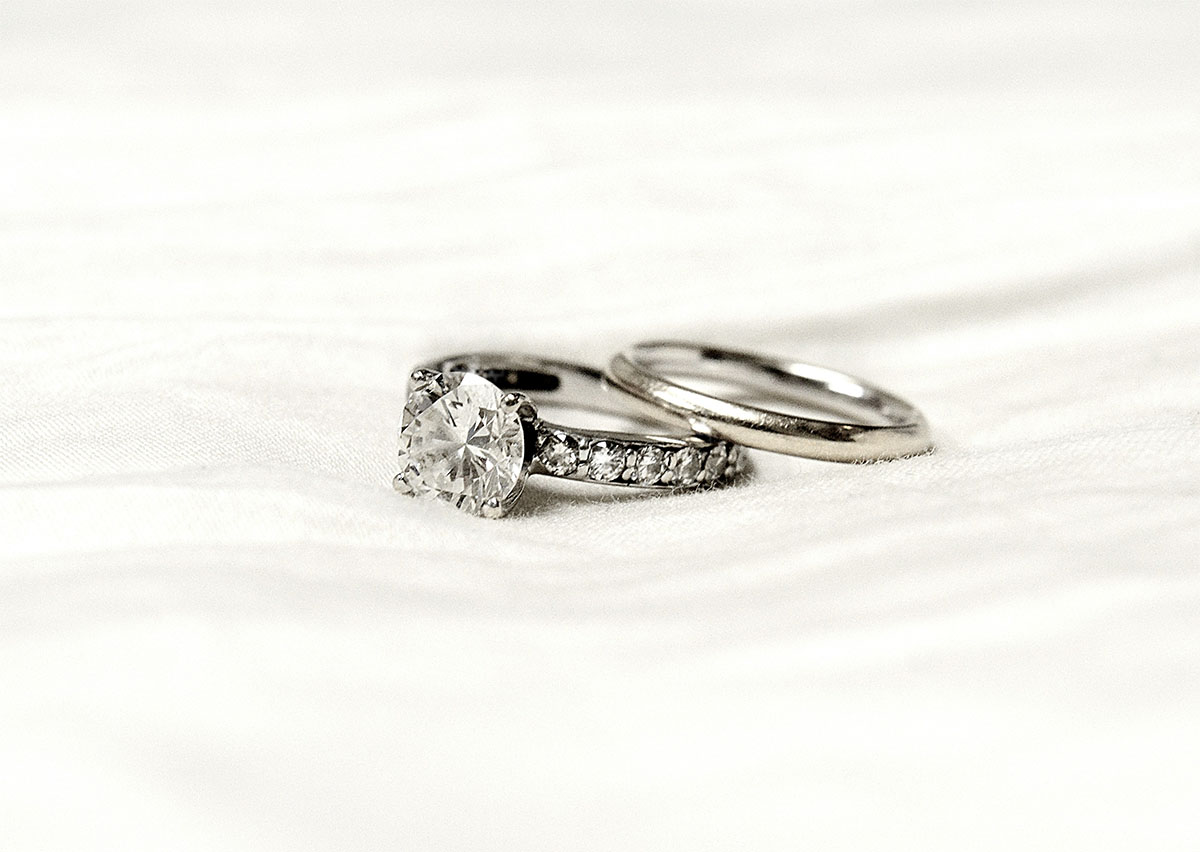 Rendering cost depends heavily on the intricacies of the product
Furthermore, the scale of the project matters. Most professional studios offer tiered 3D rendering pricing or "per-collection" rates. This can significantly lower the cost per image when rendering multiple items under the same virtual lighting setup, as the "digital studio" only needs to be built once. Finally, the type of deliverable plays a major role. While a single high-resolution static shot is the most cost-effective option, immersive 3D jewelry visualization assets, such as 360-degree interactive rotations or 4K cinematic animations, require significantly more computational time and artistic oversight.
Ultimately, professional rendering should be viewed as a high-ROI investment. By replacing traditional photography with 3D assets, brands save on insurance, shipping, and physical studio fees while gaining versatile visuals that drive conversions. For a tailored estimate that fits your specific collection, requesting a bespoke quote is the best path to ensure you receive the highest quality for your budget.
Professional 3D jewelry rendering services typically start from $20 per image for standard e-commerce visuals. High-end photorealistic renders for luxury campaigns generally range from $100 to $800 per image, depending on design complexity, gemstone detailing, and lighting requirements. Interactive 360-degree views and animations are quoted separately based on scope and duration.
7. Overcoming technical challenges in jewelry visualization
Even with the most advanced software, achieving a truly photorealistic jewelry render is fraught with complex technical hurdles. The most common pitfall in 3D jewelry visualization is the "uncanny valley" effect, where the product looks too perfect and, therefore, artificial or "plastic." Real-world metals possess microscopic imperfections: faint grain, subtle surface variations, and soft light dispersion. To overcome this, expert artists must meticulously "age" their digital shaders, adding just enough texture to make the gold or platinum feel tactile and authentic.
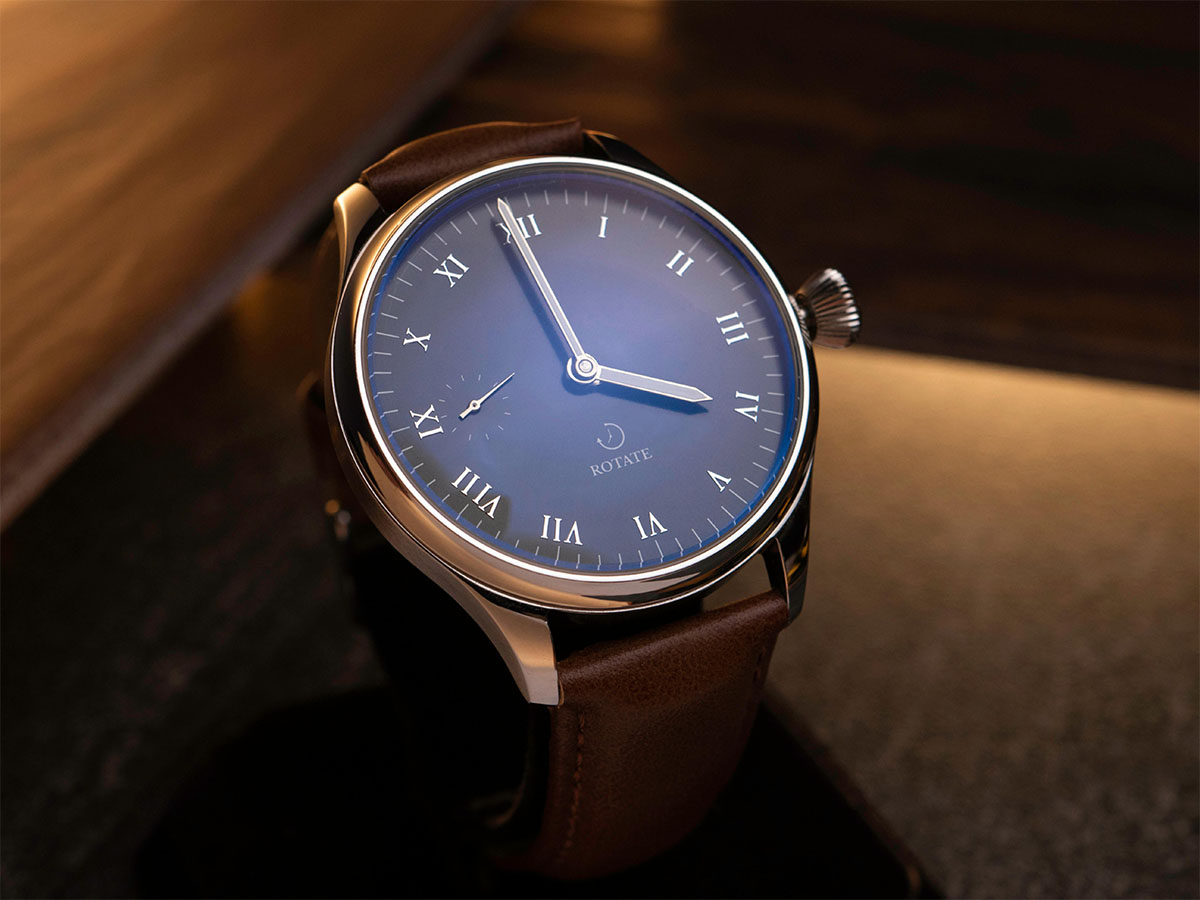 Faithfully recreating items with all of their tiny imperfections is the ultimate goal of 3D rendering
Another significant challenge in jewelry product rendering is simulating reflections. Because jewelry is essentially a series of curved mirrors, it can easily pick up unwanted "dead spots" from a poorly designed digital environment. Solving this requires a custom-built HDRI studio where every angle is optimized to provide a beautiful source of light for the metal to reflect. Finally, capturing micro-details such as hallmarks, engravings, and the structural precision of tiny prongs is essential. In high-end 3D jewelry rendering, every edge must be modeled with extreme density to ensure that even under a 10x macro-zoom, the image remains razor-sharp. Overcoming these obstacles is what transforms a simple CAD file into a compelling luxury asset.
8. Future trends: AR and virtual try-ons
The future of retail is intrinsically linked to 3D jewelry visualization, particularly through Augmented Reality (AR) and virtual try-ons. As consumers increasingly shop via mobile devices, the demand for interactive experiences has skyrocketed. High-quality jewelry product rendering serves as the foundation for these AR applications, allowing customers to "wear" a ring or watch virtually through their smartphone camera. These photorealistic models respond to movement and lighting in real-time, providing a bridge between digital browsing and physical ownership. By integrating these trends, brands offer a personalized, immersive shopping journey that drives engagement and significantly reduces purchase hesitation.
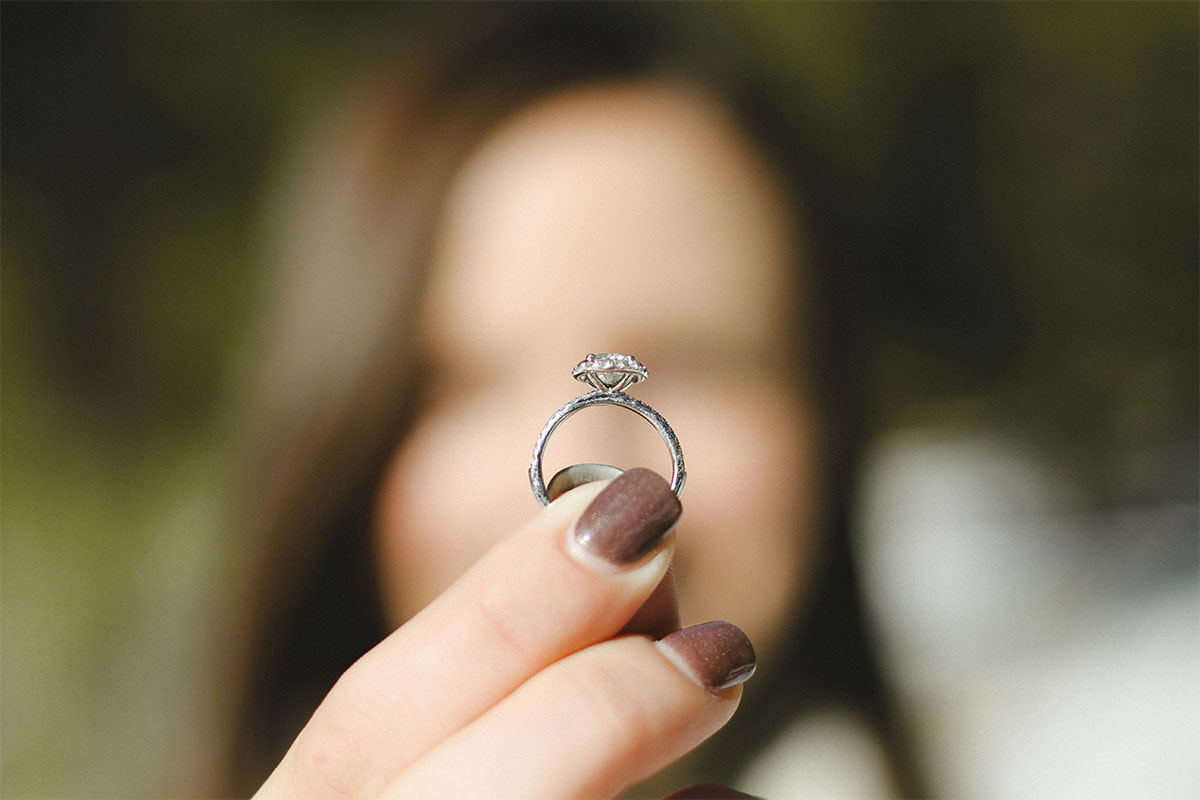 With the help of 3D rendering, jewelry try-ons in the future can take place in a virtual environment
Conclusion
In the competitive luxury market, high-quality visuals are the key to capturing consumer attention. Investing in 3D jewelry rendering is no longer just an option; it is a vital strategy for brands that want to showcase brilliance and build trust. From the precision of 3D jewelry visualization to the emotional impact of a photorealistic jewelry render, digital excellence is the new standard.
Ready to elevate your collection and outshine the competition? Don’t let your designs stay hidden in CAD files. Let’s discuss how to create high-impact visuals for your next launch, and discover how our premium product rendering can transform your brand’s future.
Follow us on social media to get more useful tips and in-depth analysis on 3D rendering and up-to-date details of our services!
- Facebook: fotobermedia.co
- YouTube: Fotober
- TikTok: @fotober
- Instagram: fotober_media.
Related posts
Best Aperture for Real Estate Photography: The Range for Sharp Photos
July 18, 2026

Short-Term Rental Photography: Shoot & Edit Photos That Gain Bookings
July 17, 2026
Airbnb Virtual Staging: How to Fill Rentals and Win World Cup Bookings
July 17, 2026
Capture Spain vs Argentina Heat: New York World Cup Short-Term Rentals Guide
July 16, 2026
