




Scandinavian Interior Design: Key Elements, Style Guide, and Staging

Share:
Table of Contents
- 1. Key takeaways
- 2. What is Scandinavian interior design?
- 3. Key elements of the Scandinavian interior style
- 4. Top 10 Scandinavian home design ideas for a bright and cozy interior
- • 4.1. Create a light and airy Scandinavian living room
- • 4.2. Use light wood as a consistent design element
- • 4.3. Design a calm Scandinavian bedroom
- • 4.4. Combine white cabinetry and wood in the kitchen
- • 4.5. Make the dining space simple and social
- • 4.6. Layer textiles to introduce Hygge
- • 4.7. Add greenery without overcrowding the room
- • 4.8. Build a functional Scandinavian home office
- • 4.9. Keep the bathroom clean and natural
- • 4.10. Use minimalist decor and leave negative space
- 5. Scandinavian vs. related styles: Japandi and minimalism
- 6. Why the Scandinavian aesthetic sells homes
- 7. Bringing Scandinavian interior design to a listing with virtual staging
- 8. Frequently asked questions about Scandinavian interior design
- 9. Conclusion
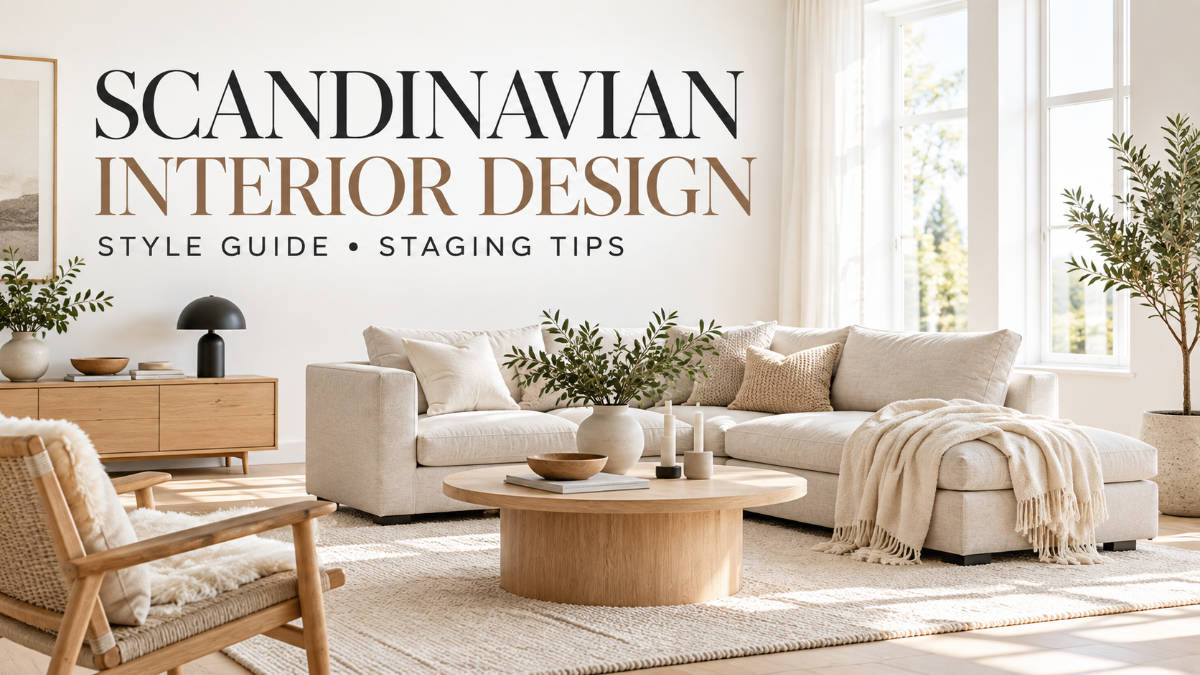
Few looks have proven as durable or as universally loved as Scandinavian design. Born in the cold, dark north, it turns light, natural materials, and calm simplicity into rooms that feel warm, airy, and effortlessly modern. From flat-pack furniture to Pinterest boards to the world's most-clicked real estate listings, the Nordic aesthetic is everywhere, and for good reason: it photographs beautifully, appeals to almost everyone, and makes a space feel bigger and brighter than it is.
This guide covers both sides of that appeal. First, the design itself: what Scandinavian interior design is, where it comes from, its defining elements, and how it compares to related styles. Then the practical, real estate side: why the look sells homes so effectively, and how agents and sellers can bring it to a vacant or dated listing through virtual staging. Whether you're decorating a home or marketing one, understanding this style pays off.
1. Key takeaways
- Scandinavian interior design is a Nordic style built on light, neutral palettes, natural materials, and functional, minimal furniture.
- Its defining elements are a bright color scheme, wood and other natural textures, clean-lined furnishings, and plenty of natural light and greenery.
- It's closely related to but distinct from Japandi and minimalism, sharing their restraint while keeping a cozy warmth.
- The style sells homes because it looks bright, spacious, and broadly appealing, which is why it's a favorite for staging.
- Fotober's virtual staging can furnish a vacant listing in a Scandinavian look photorealistically, at a fraction of the cost of physical staging.
2. What is Scandinavian interior design?
Scandinavian interior design is a decorating style that originated in the Nordic countries: Denmark, Sweden, Norway, Finland, and Iceland, and emphasizes simplicity, functionality, natural materials, and light. In short, it's the art of making a space feel calm, bright, and comfortable using clean lines, muted colors, and honest materials rather than ornamentation.
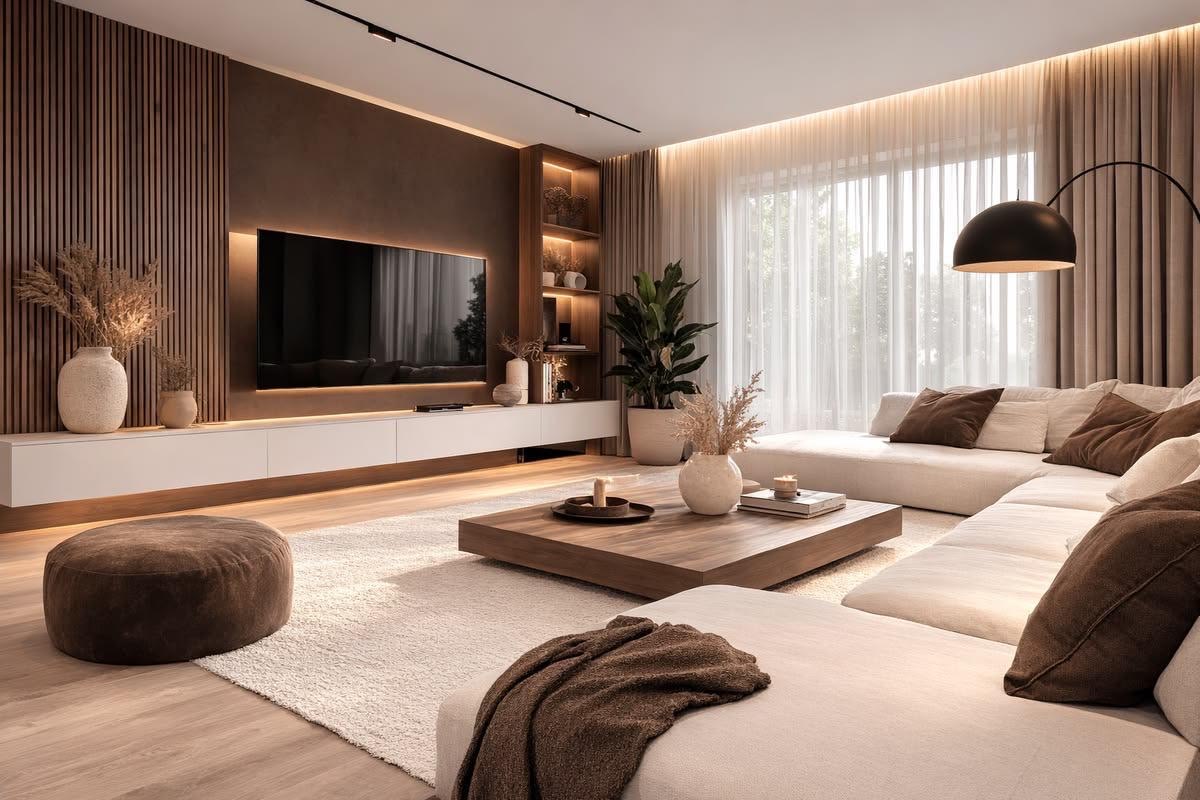
The style rose to prominence in the mid-20th century as part of the broader Nordic design movement, which prized affordable, well-made objects for everyday life, a philosophy chronicled in Britannica's overview of interior design. It's also tied to the Danish concept of hygge, a feeling of cozy contentment, which is why, despite its minimalism, a Scandinavian room never feels cold or sterile. So when people ask what Scandinavian interior design style is at its core, the answer is a balance: pared-back and functional, yet warm and inviting.
That balance is exactly what makes the look so adaptable. It suits a tiny apartment or a large home, a period building or new construction, and it reads as fresh and current without chasing trends. Understanding those roots helps explain the specific elements that define the style, which we'll break down next.
3. Key elements of the Scandinavian interior style
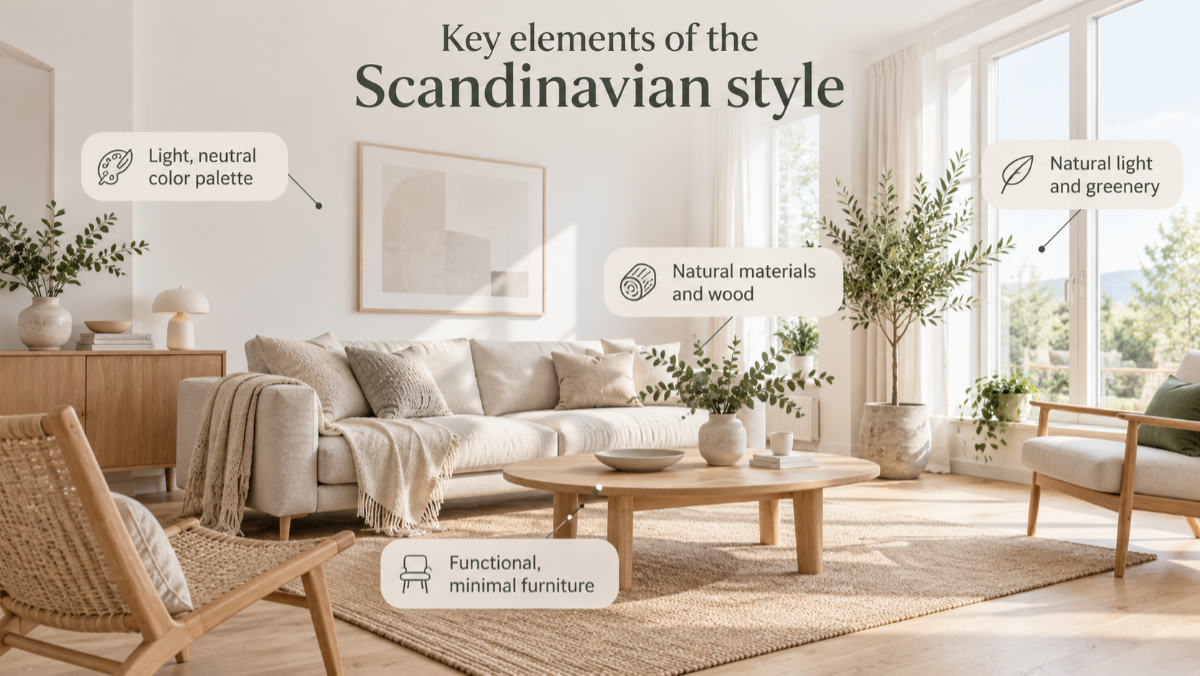
Scandinavian rooms share a recognizable toolkit of elements, and knowing them lets you spot the look or recreate it. The style is less about specific pieces and more about a consistent set of principles applied throughout a space. Here are the four that matter most.
3.1. A light, neutral color palette
The foundation is a bright, neutral palette: whites, soft grays, warm beiges, and muted earth tones, often with a single gentle accent like dusty blue or sage. Light colors bounce the limited northern daylight around the room, making spaces feel larger and airier. Walls are typically white or pale, letting texture and form, not bold color, carry the visual interest.
3.2. Natural materials and wood
Wood is the signature material, usually light species like ash, beech, birch, or pine, appearing in floors, furniture, and accents. Alongside it come other natural textures: wool, linen, leather, jute, and stone layered to add warmth and depth. These honest materials are what keep a minimal room from feeling stark, giving it the tactile coziness the style is known for.
3.3. Functional, minimal furniture
Furniture is where the style's "form follows function" ethos shines. Scandinavian style furniture is clean-lined, uncluttered, and purposeful; pieces are beautiful but always practical, with slim profiles and gentle curves that never overwhelm a room. Clutter is minimized, storage is smart and often hidden, and every item earns its place. The result is an interior that feels open and intentional rather than sparse.
3.4. Natural light and greenery
Finally, the Scandinavian interior design worships light. Windows are left largely unobstructed or dressed with sheer, gauzy fabrics, and mirrors are used to amplify brightness. Greenery is a few potted plants or fresh branches, adds life and a connection to nature. In a Scandinavian living room, this combination of daylight, plants, and pale surfaces creates the signature bright, breathable atmosphere that makes the whole look so appealing.
4. Top 10 Scandinavian home design ideas for a bright and cozy interior
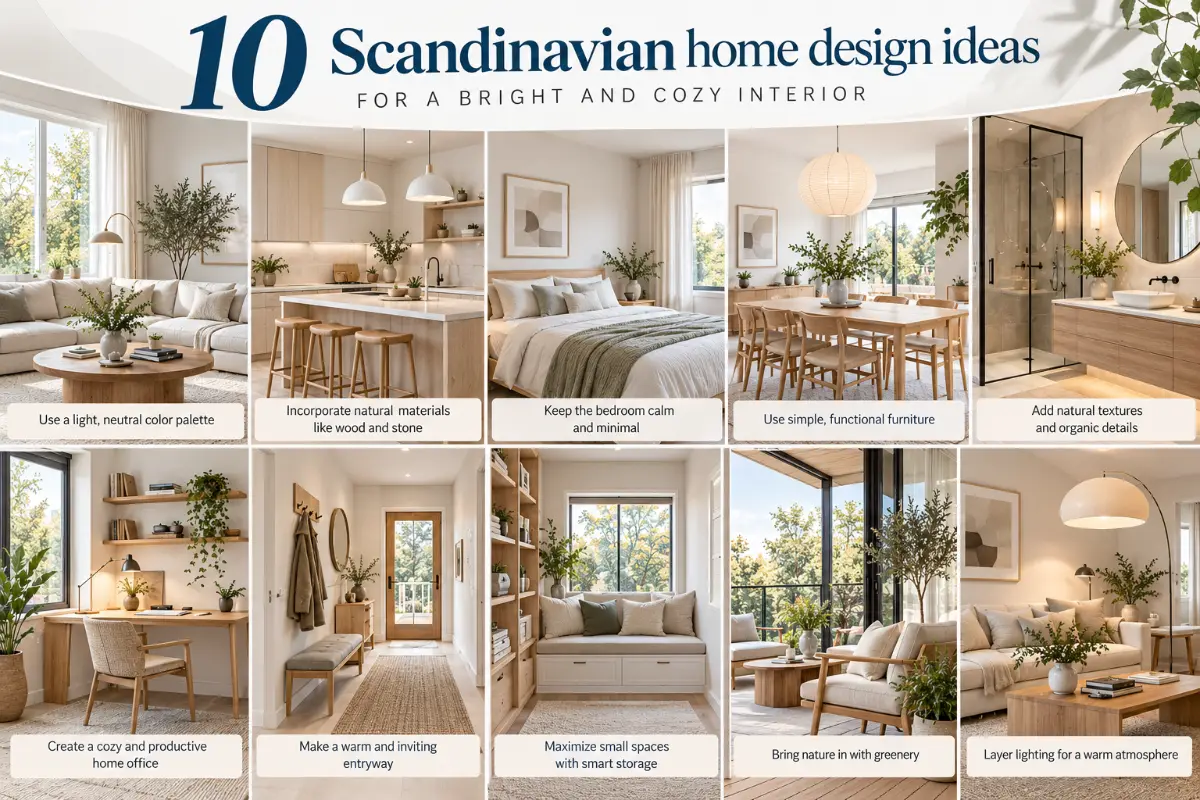
Scandinavian design works best when simplicity, comfort, and functionality are balanced throughout the home. Rather than relying on decorative excess, the style uses thoughtful furniture choices, natural materials, soft colors, and plenty of light to make each room feel calm and welcoming. If you are looking for practical ways to bring this aesthetic into your space, these Scandinavian home design ideas offer an easy starting point.
4.1. Create a light and airy Scandinavian living room
Start with a neutral sofa in white, cream, beige, or light gray, then pair it with a simple wooden coffee table and a soft textured rug. Keep the furniture arrangement open so natural light can travel easily through the room. A few cushions, a wool throw, and one oversized piece of wall art are usually enough to make a Scandinavian living room feel polished without becoming cluttered.
You can also find more Scandinavian living room staging ideas on our blog section.
4.2. Use light wood as a consistent design element
Light wood is one of the easiest ways to establish a Scandinavian look throughout the home. Oak, ash, birch, and pine work well for flooring, shelving, tables, and cabinetry. Instead of mixing too many wood tones, repeat one or two similar finishes from room to room. This creates visual continuity while introducing natural warmth into an otherwise restrained color palette.
4.3. Design a calm Scandinavian bedroom
A Scandinavian bedroom should feel restful rather than overly styled. Choose a simple upholstered or wooden bed frame and layer it with white, oatmeal, or soft gray bedding. Add a textured blanket, compact bedside tables, and warm bedside lamps. Keep accessories minimal so the bed and natural materials remain the main focus of the room.
4.4. Combine white cabinetry and wood in the kitchen
For a Scandinavian kitchen, pair white, cream, or pale gray cabinets with natural wood details. Wooden stools, floating shelves, flooring, or a butcher-block accent can soften the clean cabinetry. Matte finishes and simple hardware help maintain the minimalist appearance, while a few ceramic objects or small plants prevent the kitchen from feeling too sterile.
4.5. Make the dining space simple and social
A light wood dining table can serve as the centerpiece of a Scandinavian dining room. Pair it with streamlined chairs and a sculptural pendant light to create a strong focal point without adding unnecessary decoration. Linen table textiles, handmade ceramics, or a simple vase of branches can provide subtle warmth while keeping the table visually uncluttered.
4.6. Layer textiles to introduce Hygge
Minimalist interiors can easily feel cold if they lack texture. Bring in Hygge-inspired comfort through wool rugs, linen curtains, boucle cushions, knitted throws, and soft bedding. Instead of using bold colors, allow these different materials to create visual depth. Layering tactile fabrics is especially effective in living rooms and bedrooms, where comfort is essential.
4.7. Add greenery without overcrowding the room
Plants help connect Scandinavian interiors with nature while bringing gentle color into a neutral space. Use one or two larger plants, such as an olive tree or fiddle leaf fig, rather than filling every surface with small pots. Fresh branches, dried grasses, and simple greenery in ceramic or terracotta containers also work well in dining rooms, bedrooms, and home offices.
4.8. Build a functional Scandinavian home office
A Scandinavian home office should prioritize focus and efficiency. Choose a slim wooden desk, an ergonomic chair with a simple silhouette, and a clean task lamp. Keep storage vertical or concealed to preserve floor space. A small plant, cork organizer, or framed line drawing can add personality without distracting from the workspace.
4.9. Keep the bathroom clean and natural
In the bathroom, combine pale tile or stone with natural wood for a spa-like Scandinavian effect. A floating wood vanity, simple mirror, and understated black or brushed-metal fixtures can create just enough contrast. Use closed storage and built-in niches to keep toiletries organized and countertops clear, reinforcing the clean and functional nature of the style.
4.10. Use minimalist decor and leave negative space
One of the most important Scandinavian design ideas is knowing when to stop decorating. Avoid filling every wall, shelf, and corner. Instead, choose a small number of meaningful objects, such as a ceramic vase, wooden bowl, framed artwork, or sculptural lamp. Leaving visible negative space allows furniture, natural materials, and architectural details to stand out.
The best Scandinavian interiors feel intentional rather than empty. By combining natural light, pale wood, practical furniture, soft textiles, and restrained decoration, you can create a home that feels bright, warm, and easy to live in
5. Scandinavian vs. related styles: Japandi and minimalism
Scandinavian design is often confused with a few neighboring styles, and understanding the differences sharpens your eye. All three prize restraint, but each has a distinct personality, so it helps to see how Scandinavian style interior design sits alongside them.
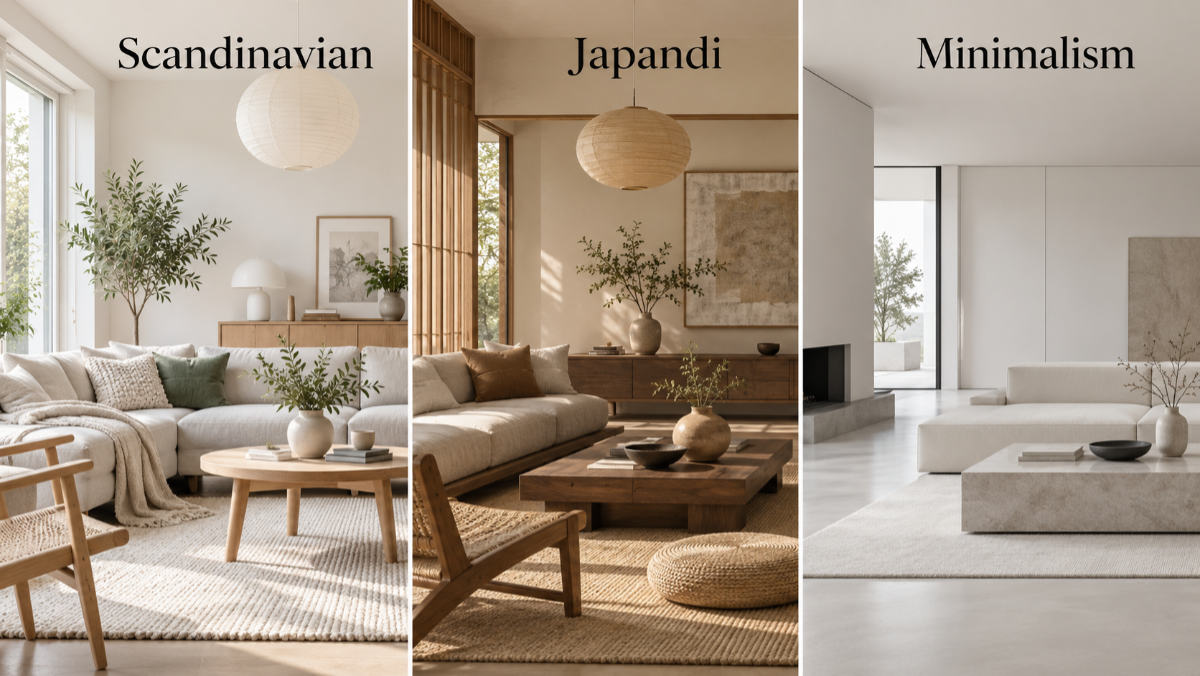
The closest cousin is Japandi, a hybrid of Scandinavian and Japanese design that blends Nordic coziness with Japanese wabi-sabi and darker, more grounded tones. If you love the calm of the Nordic look but want something a little moodier and more organic, the Japandi style is a natural next step, sharing the same reverence for natural materials and simplicity. Minimalism, by contrast, pushes further toward emptiness and strict monochrome, often sacrificing the warmth that defines Scandinavian rooms; the Nordic style is essentially a warmer, cozier, more livable take on minimalist principles. Knowing where Scandinavian design ends and these styles begin helps you commit to the look you actually want and, for anyone marketing a home, to describe it accurately.
6. Why the Scandinavian aesthetic sells homes
Beyond personal taste, the Scandinavian style is one of the most effective aesthetics for selling real estate, because everything that makes it beautiful also makes a listing more marketable. Bright, uncluttered, neutral spaces are exactly what buyers respond to online, and the style delivers all three by default.
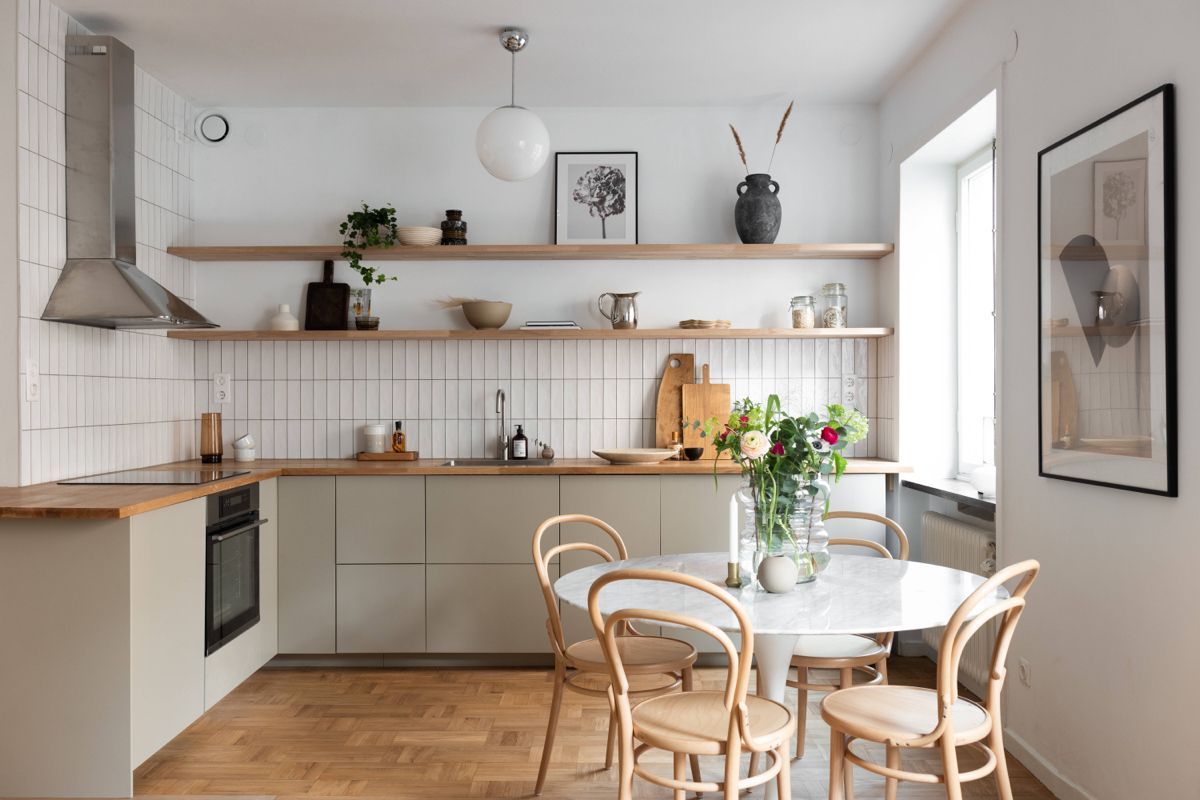
Start with broad appeal. The neutral palette and simple furnishings let the widest possible range of buyers picture themselves in the home, without the distraction of bold colors or personal taste that a more specific style imposes. That matters because buyers form their impression online first, the National Association of REALTORS® reports in its research on home staging that staging helps buyers visualize a property as their future home and can influence both speed of sale and offers. The Scandinavian look also photographs exceptionally well: its light palette and clean lines translate into bright, crisp listing images that stop the scroll, while the airy layouts make rooms look larger than heavier styles do. For a vacant or dated property, dressing it in this style is one of the surest ways to make it feel move-in ready and aspirational, which is where staging comes in.
7. Bringing Scandinavian interior design to a listing with virtual staging
The challenge is that physically furnishing a home in any style is slow and expensive and, for a vacant listing, often impractical. That's why virtual staging has become the go-to solution: it lets you show a home in a polished Scandinavian look without renting a single piece of furniture. Here's how it works and why it fits this style so well.
With virtual staging, a professional editor digitally furnishes photos of an empty room, adding light-wood furniture, neutral textiles, greenery, and soft daylight to create a photorealistic Scandinavian living room, bedroom, or dining space that buyers see in the listing. Because the style relies on clean lines and pale, consistent tones, it's especially well suited to virtual staging: the results look natural and convincing, without the fussy details that make some ornate styles hard to render believably. The cost advantage is dramatic, virtual staging runs a small fraction of physical staging and can be turned around in a day or two, so a vacant home never has to sit on the market looking bare. Sellers can even show the same room in more than one style to test what resonates. For agents working with empty or tired listings, staging them virtually in an on-trend Scandinavian look is a fast, affordable way to help buyers fall for the space.
Fotober helps agents, sellers, and developers bring the Scandinavian aesthetic to their listings through professional virtual staging. From photos of an empty room, our team digitally furnishes the space in a clean, bright Scandinavian style: light-wood pieces, neutral textiles, plants, and natural light so buyers see a warm, move-in-ready home instead of bare floors. We can stage living rooms, bedrooms, kitchens, and more, and even present a room in multiple styles so you can market to different buyers. Every image is photorealistic, priced per photo, and delivered fast, so your vacant listings never wait to look their best.
8. Frequently asked questions about Scandinavian interior design
What is Scandinavian interior design?
It's a Nordic decorating style built on simplicity, functionality, natural materials, and light. It uses bright, neutral colors, light wood, clean-lined furniture, and plenty of daylight to create spaces that feel calm, airy, and cozy at the same time.
What are the main colors in a Scandinavian palette?
Whites, soft grays, warm beiges, and muted earth tones dominate, usually with just one gentle accent color. The light palette reflects natural light and makes rooms feel larger and brighter, which is central to the look.
What furniture defines the style?
Scandinavian style furniture is clean-lined, functional, and uncluttered, typically in light woods with slim profiles and gentle curves. Pieces are practical and beautiful, with smart, often hidden storage that keeps rooms feeling open.
How is Scandinavian design different from Japandi?
Japandi blends Scandinavian coziness with Japanese design, adding darker tones and a more grounded, organic feel. Scandinavian design stays lighter and brighter, while both share a love of natural materials, simplicity, and craftsmanship.
Can I stage a vacant home in a Scandinavian style without buying furniture?
Yes. Virtual staging digitally furnishes photos of empty rooms in a Scandinavian look, light wood, neutral textiles, and greenery photorealistically, for a fraction of the cost of physical staging and with fast turnaround.
9. Conclusion
Scandinavian interior design endures because it does something rare: it makes a space feel simpler and warmer at once, using nothing more than light, natural materials, and thoughtful restraint. For homeowners, that's a timeless, livable look; for anyone selling a property, it's a proven way to make rooms feel brighter, larger, and more inviting to the widest pool of buyers. And with virtual staging, you no longer need a truck full of furniture to achieve it, you can show any listing in a polished Scandinavian style quickly and affordably. If you're marketing a vacant or dated home, Fotober can help you capture exactly that appeal. Reach us at [email protected] or the hotline below, and send your listing photos to see the difference, place an order or start a free trial today.
Connect with Fotober
- Facebook: fotobermedia.co
- YouTube Channel: Fotober
- TikTok Channel: @fotober
- Instagram: fotober_media
- Email support: [email protected]
- Hotline: +84 942 110 297
Related posts

Cincinnati Housing Market 2026: Prices, Trends, and What It Means for Buyers, Sellers, and Investors
October 20, 2026
Modern Luxe Interior Design: Elements, Style Guide and How to Stage It
October 10, 2026
Minimalist Interior Design: Characteristics, Style Guide, and Staging
October 8, 2026

Coastal Interior Design: Style Definition & Staging Guide
September 30, 2026
