




Most Common Photography Mistakes California Realtors Should Avoid

Share:
Table of Contents
- 1. The Golden State’s unique visual dilemma
- 2. Photography mistake California realtors should avoid #1: Fighting the Golden State sun
- 3. Photography mistake California realtors should avoid #2: Framing and spatial distortions
- 4. Photography mistake California realtors should avoid #3: Ignoring proper "staging"
- 5. Photography mistake California realtors should avoid #4: Post-processing extreme blunders
- 6. Conclusion
California’s real estate market is undeniably one of the most fiercely competitive and lucrative landscapes in the world. From the sprawling coastal estates of Malibu to the sleek, mid-century modern homes of Palm Springs, properties here demand a premium presentation. Unfortunately, many real estate agents still underestimate the impact of professional imagery. In an effort to save time or cut corners, some resort to quick smartphone snaps or hire unvetted amateurs. This inevitably leads to rookie blunders, such as distorted rooms, blinding glares, and washed-out exterior views, that drastically devalue a home online and push serious buyers away.
In a golden market heavily driven by aesthetics and lifestyle, these visual missteps can cost you commissions and extended days on market. To keep your listings competitive and safeguard your professional reputation, let’s find out the critical photography mistakes California realtors should avoid to ensure your properties command top dollar on the MLS.
1. The Golden State’s unique visual dilemma
What makes California real estate so spectacular is often exactly what makes it notoriously difficult to photograph. The phrase "The Golden State" is more than a geographic nickname; it describes a distinct, high-contrast lighting environment and an architectural philosophy deeply rooted in a sunny, outdoor lifestyle. From the iconic mid-century modern glass pavilions of Palm Springs to the sprawling Mediterranean-style estates of Los Angeles and Malibu’s oceanfront decks, California architecture thrives on one core concept: blurring the line between indoor and outdoor spaces.
While massive floor-to-ceiling windows, open-air atriums, and sun-drenched patios are major selling points for prospective buyers, they present a massive technical challenge for standard cameras. The human eye can easily adjust when looking from a shaded living room out toward a sunlit swimming pool. A digital camera sensor, however, cannot bridge that gap naturally.
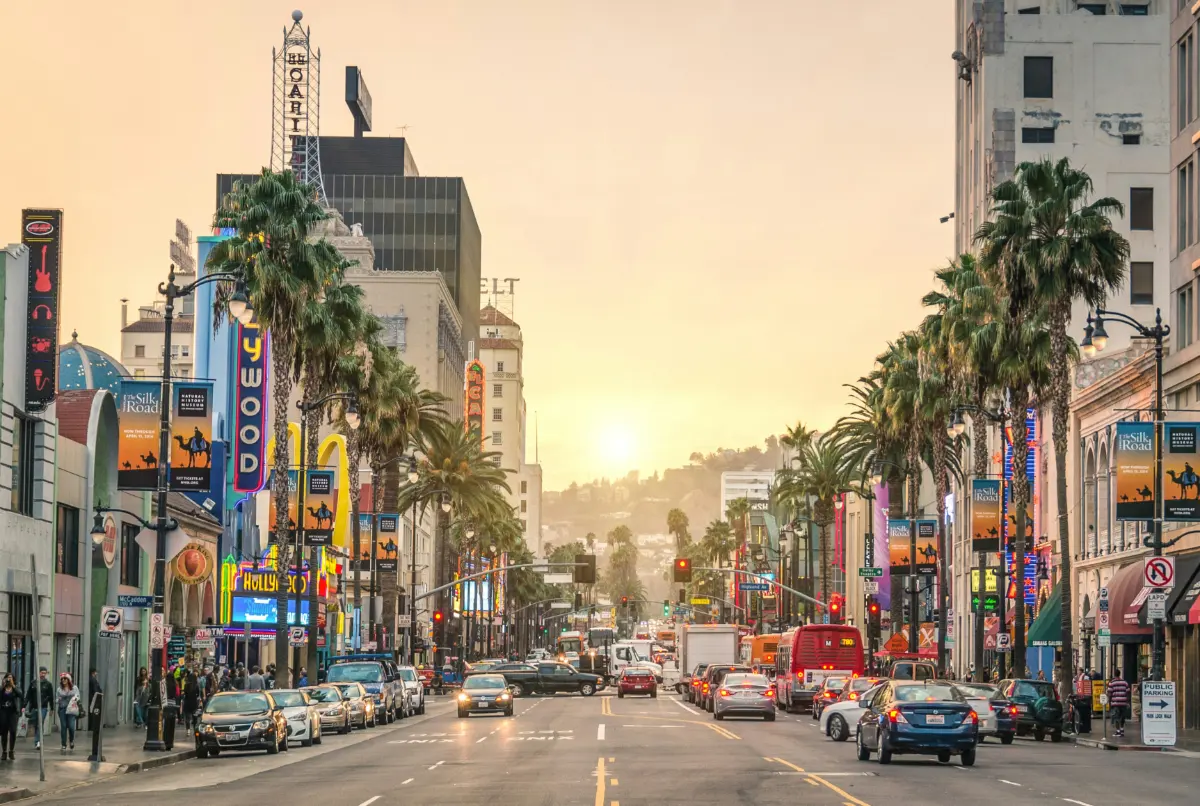 California climate and lighting conditions pose several head-scratchers for realtors and photographers.
This geographic reality creates an unforgiving visual dilemma. Photographers are forced to grapple with extreme dynamic range, the vast difference between the brightest highlights outside and the darkest shadows inside. When untrained agents attempt to capture these spaces without specialized gear or advanced blending techniques, the unique selling features of the home are completely lost. Instead of an airy paradise, the camera yields a jarring mix of pitch-black interiors and blinding, washed-out backyards. Understanding this unique environmental challenge is the first step toward recognizing why standard point-and-shoot methods fail so miserably in the local market.
2. Photography mistake California realtors should avoid #1: Fighting the Golden State sun
California is world-renowned for its vibrant sunshine, but when it comes to digital property marketing, that pristine weather can quickly become your worst asset. Attempting to shoot a luxury listing without accounting for the intense, direct glare of the local climate is one of the premier photography mistakes California realtors should avoid.
2.1. The pitfalls of harsh sunlight photography
A common misstep among busy agents is scheduling a property shoot in the middle of the day, operating under the assumption that more light automatically equals better photos. In reality, midday shoots introduce the severe technical complications of harsh sunlight photography. When the sun is directly overhead, it casts unforgiving, pitch-black shadows beneath patio overhangs, palm trees, and kitchen cabinetry, while simultaneously blowing out highlights on white stucco exteriors and concrete pool decks.
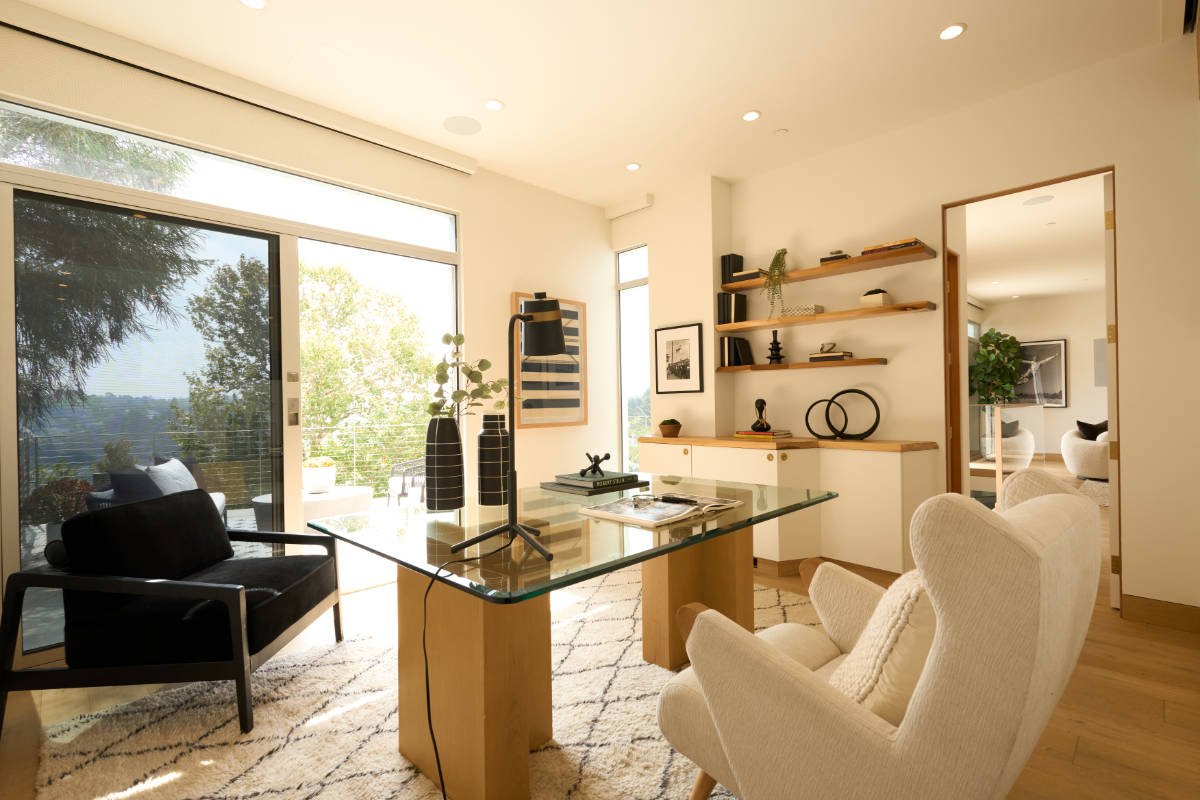 Many realtors think that shooting in glaring daylight will help their properties look bright and polished.
This intense contrast overloads a standard digital sensor. The camera is forced to choose between exposing for the brilliant exterior or the deep shadows, leaving you with images that look cheap, muddy, and visually chaotic. To fix this, top-producing realtors always shoot during the "Golden Hour", the window of time just after sunrise or right before sunset, when the light is soft, warm, and evenly distributed across the property.
2.2. Blown-out windows and overexposed skies
The second major issue caused by the unforgiving sun involves how interior rooms connect to the outdoors. West Coast buyers pay a premium for properties that showcase panoramic ocean vistas, rolling vineyard hills, or mountain backdrops. However, shooting directly toward a window during peak daylight hours typically results in overexposed skies and completely washed-out views.
When you frame an indoor space that looks out onto a sun-drenched landscape, a standard point-and-shoot camera cannot balance both light levels simultaneously. The camera automatically overcompensates to brighten the interior room, causing the windows to turn into featureless, glowing white rectangles. The multi-million dollar view outside completely vanishes into a blinding void.
To eliminate these glowing window frames and tame those overexposed skies, professionals rely on two industry-standard techniques:
- Bracketed exposures (HDR): Snapping multiple photos at different exposure levels and blending them together in editing software to capture both dark interior corners and bright outdoor details.
- The "flambient" method: Blending ambient indoor light with strategically placed high-powered flashes to manually match the interior brightness with the raw power of the California sun outside.
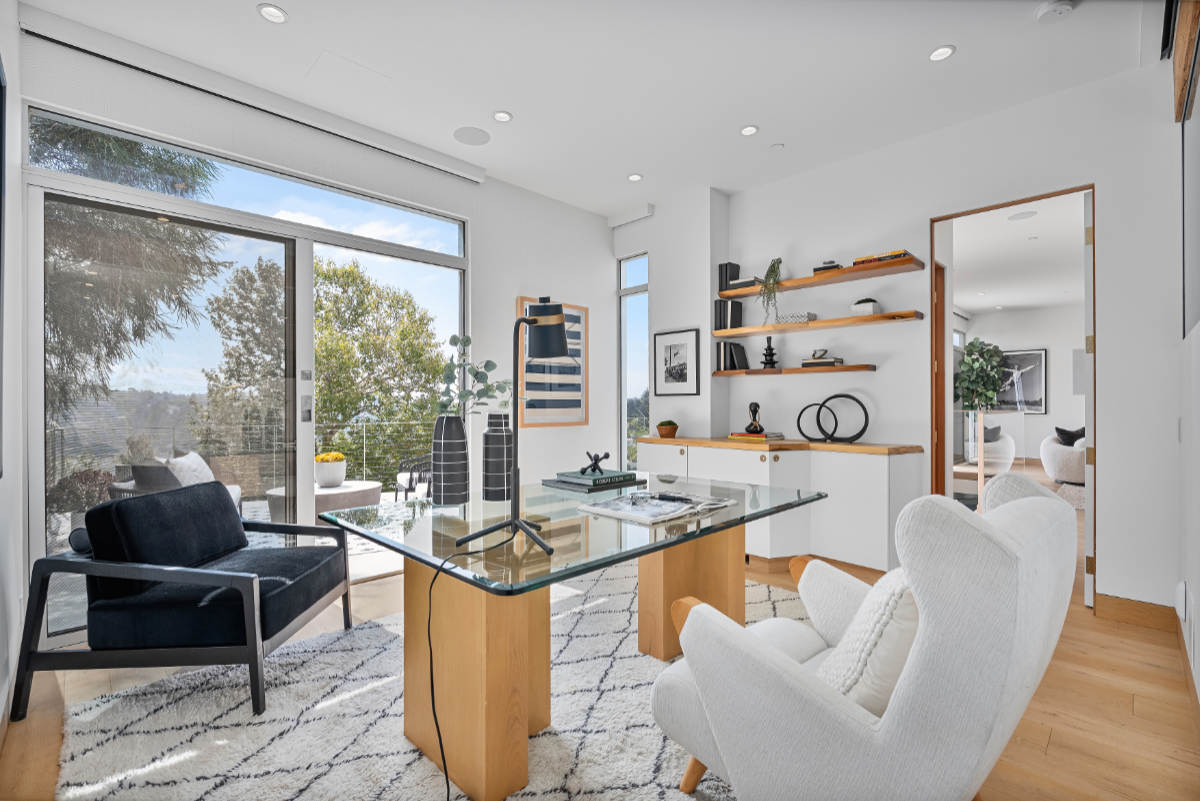 Luckily, there are methods to overcome the limitations of one exposure.
By mastering balanced lighting, you ensure your listing accurately captures the high-end indoor-outdoor luxury lifestyle that local buyers expect.
3. Photography mistake California realtors should avoid #2: Framing and spatial distortions
Even if you manage to perfectly balance the harsh California sun, your listing photos can still fall completely flat if the internal spatial geometry is out of whack. The way you position, level, and angle your camera dictates how spacious, inviting, and premium a home feels online. Incorrect framing choices lead to jarring visual distortions that instantly devalue a property.
3.1. The danger of poor composition in listing photos
One of the quickest ways to lose a luxury lead is by publishing poorly composed listing photos. This issue most frequently manifests as crooked vertical lines. When an amateur agent tilts the camera upward to capture a vaulted mid-century ceiling or downward to show off a polished hardwood floor, the walls appear to lean inward or outward. This phenomenon, known as vertical convergence, makes rooms look structurally unstable, cramped, and visually chaotic.
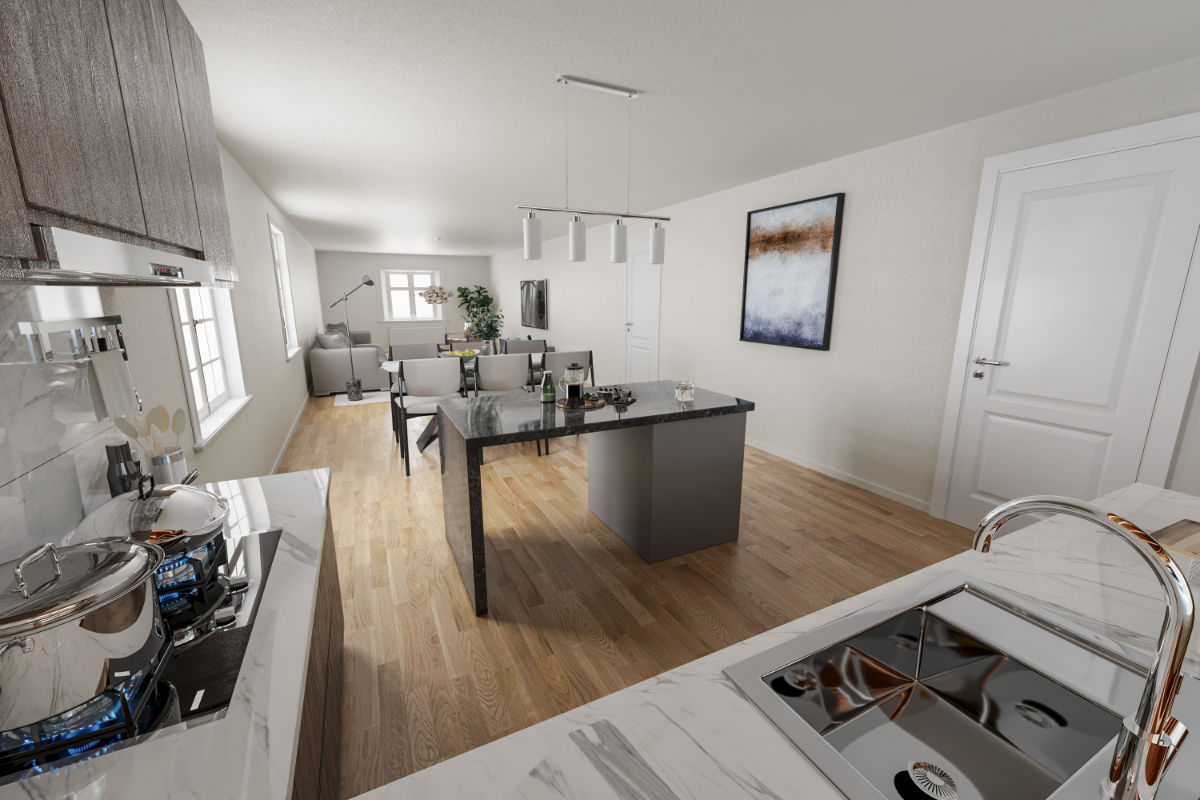 Skewed perspectives instantly make a photo look amateurish.
To maintain proper composition, your camera must remain perfectly level. A great rule of thumb for real estate is to shoot from chest or hip height rather than eye level. Lowering the tripod and keeping the camera sensor perfectly parallel to the ground ensures that vertical lines (like door frames, window edges, and wall corners) stay strictly vertical, preserving the natural architectural harmony of the home.
3.2. Abuse of the ultrawide-angle lens
While wide-angle lenses are essential tools for real estate photography, relying on them too aggressively can cause severe distortion. In an attempt to make a cozy coastal bungalow look like a sprawling Bel-Air mansion, some realtors crank their wide-angle lenses to the absolute limit.
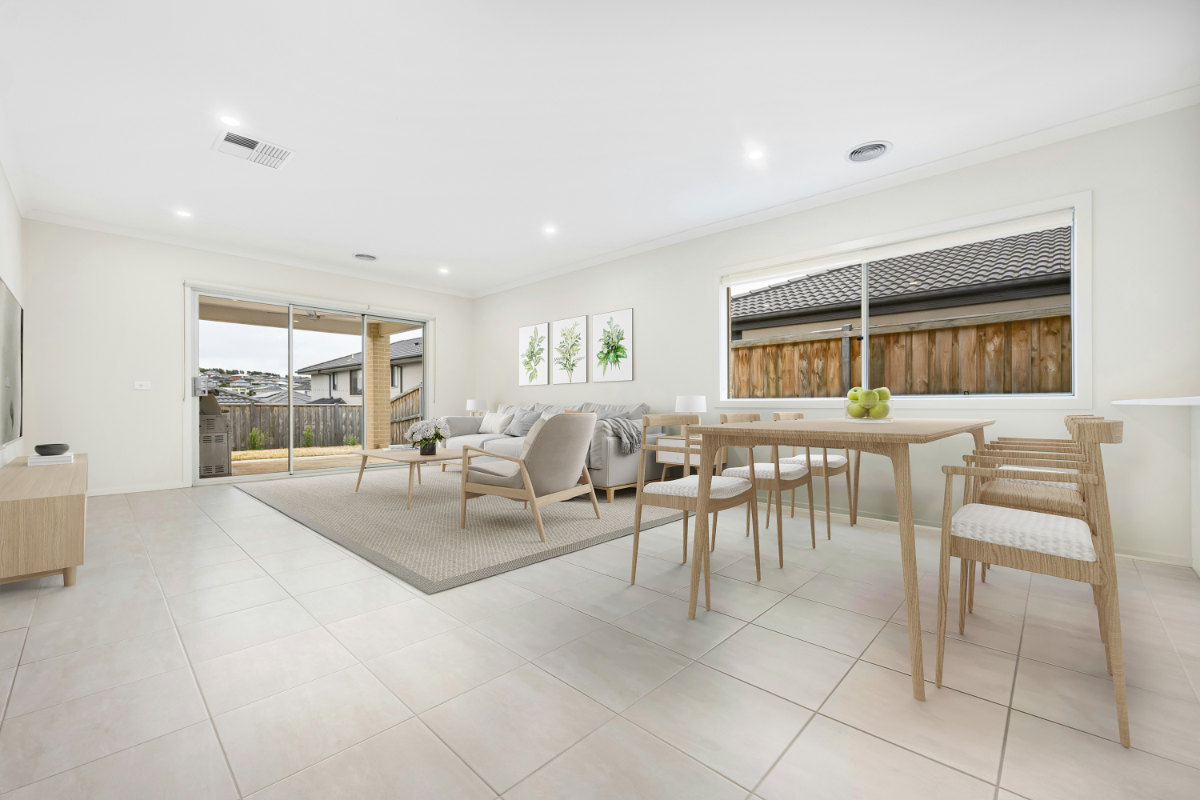 Ultrawide lenses may warp and distort objects at the edges of the frame.
This is among the most severe photography mistakes California realtors should avoid, as it creates an unflattering "fisheye" effect, stretching the edges of the frame dramatically. The result? A standard secondary bedroom suddenly looks like a long, narrow bowling alley, and straight kitchen countertops appear to warp unnaturally. While this might look expansive on a tiny phone screen, it creates a massive trust gap. When prospective buyers visit the property in person, they feel instantly deceived by the exaggerated proportions. Use wide angles subtly to capture the natural flow of a room, not to artificially rewrite its actual square footage.
4. Photography mistake California realtors should avoid #3: Ignoring proper "staging"
A home can have impeccable architecture and perfect lighting, but if the scene itself is cluttered or unkempt, the professional quality of the photo is neutralized. You aren't just selling square footage; you are selling a lifestyle. Failing to curate the physical environment before the camera arrives is a critical oversight that shatters the buyer's illusion of a move-in-ready, luxury home.
4.1. Leaving the "human element" in the frame
One of the most embarrassing photography mistakes California realtors should avoid is leaving signs of daily life in the shot. This includes visible trash cans in the driveway, pet water bowls in the kitchen, or tangled electrical cords behind the television. Even worse is the "photographer’s reflection", the classic mistake of capturing yourself, your camera, or your tripod in a bathroom mirror, fireplace glass, or stainless steel refrigerator.
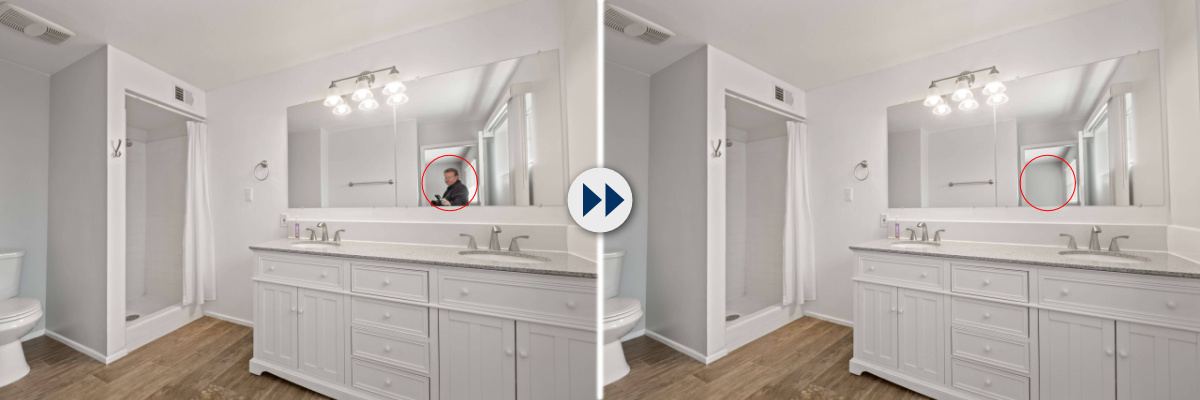 Stage the scene and plan the shoot thoroughly to prevent any distractions from entering the frame.
These "human elements" force the buyer to focus on the reality of the current occupant rather than the potential of their future home. A professional shoot requires a rigorous "reset." Before the photographer clicks the shutter, clear every countertop, hide the toiletries, and double-check every reflective surface to ensure you aren't starring in your own listing photos.
4.2. Forgetting to prep the outdoors
In the California market, indoor-outdoor living is the primary selling feature for most luxury properties. If your marketing highlights a "resort-style backyard" but the photos show a half-on pool cover, dead leaves on the patio, or a coiled garden hose front-and-center, you’ve missed the mark.
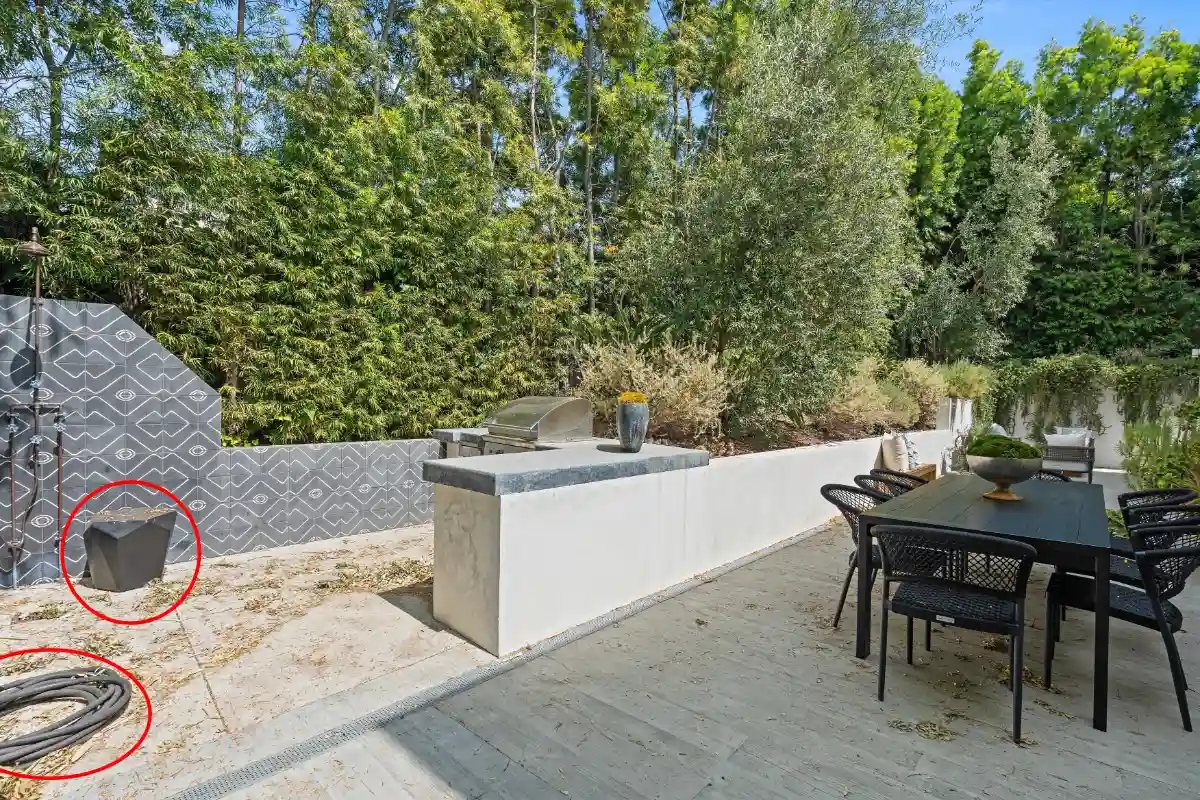 Exterior photos deserve the same level of tidiness as interior shots.
Exterior spaces need as much staging as the master suite. Ensure patio furniture cushions are fluffed, umbrellas are open, and the landscaping is pristine. If the outdoor area looks neglected, buyers will subconsciously assume the home’s mechanical systems and hidden maintenance items are also being ignored. A clean, inviting outdoor scene is the difference between a listing that sits and a listing that sells.
5. Photography mistake California realtors should avoid #4: Post-processing extreme blunders
The work of a real estate photographer doesn't end when the camera shutter clicks; post-processing is where the final polish happens. However, over-editing is a dangerous trap that many realtors fall into when trying to rescue poorly shot raw images. Professional photo editing should subtly enhance reality, not replace it with an artificial cartoon.
5.1. The "fake HDR" and over-saturation trap
When amateur editors try to fix flat lighting or dark corners, they frequently lean too heavily on software sliders. This results in the dreaded "fake HDR" aesthetic. Pushing the saturation, contrast, and clarity settings to extreme levels makes front lawns look like radioactive neon green, interiors look unnaturally gritty, and skies appear as a strange, glowing turquoise. High-end buyers see through this instantly. Instead of making a home look premium, hyper-processed images look cheap and desperate.
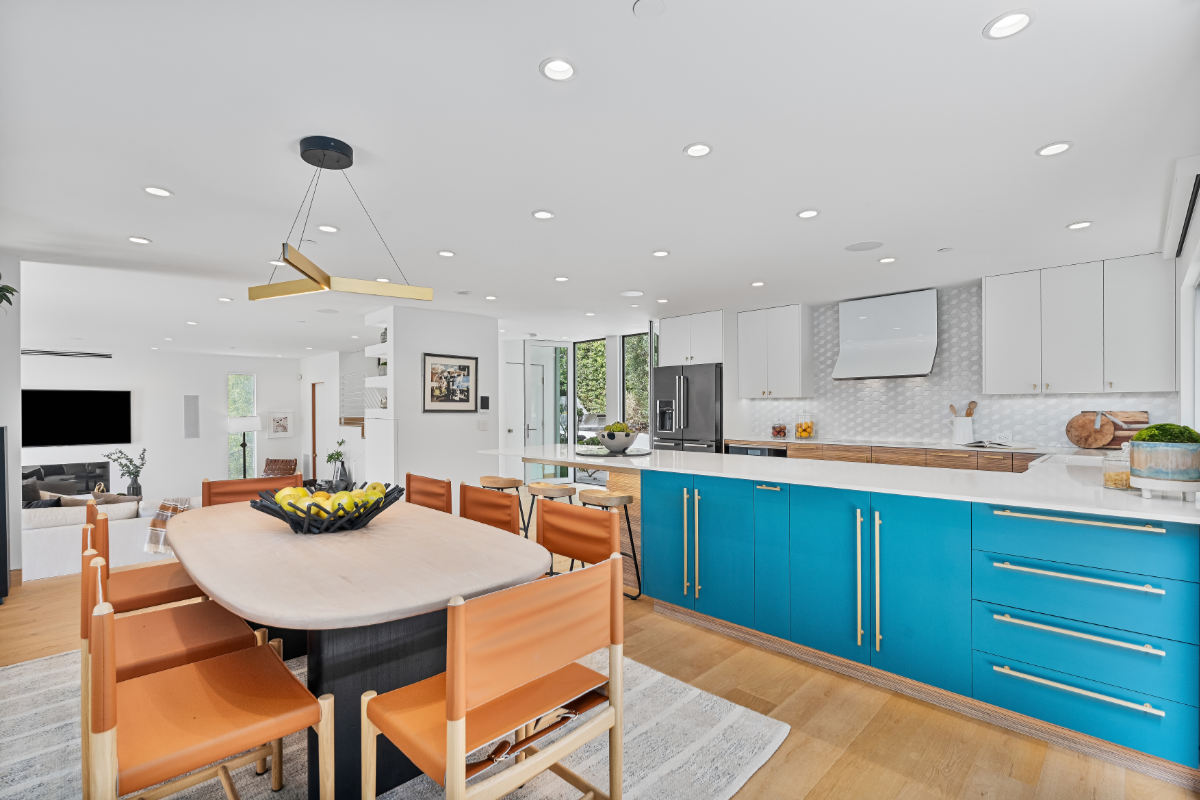 HDR overprocessing may push the image into an unnatural and artificial region.
5.2. Misrepresenting the property
The second major editing error crosses the line from cosmetic enhancement into outright deception. It can be incredibly tempting to use cloning tools to digitally remove a prominent power line, an unsightly neighboring structure, or water stains on a ceiling.
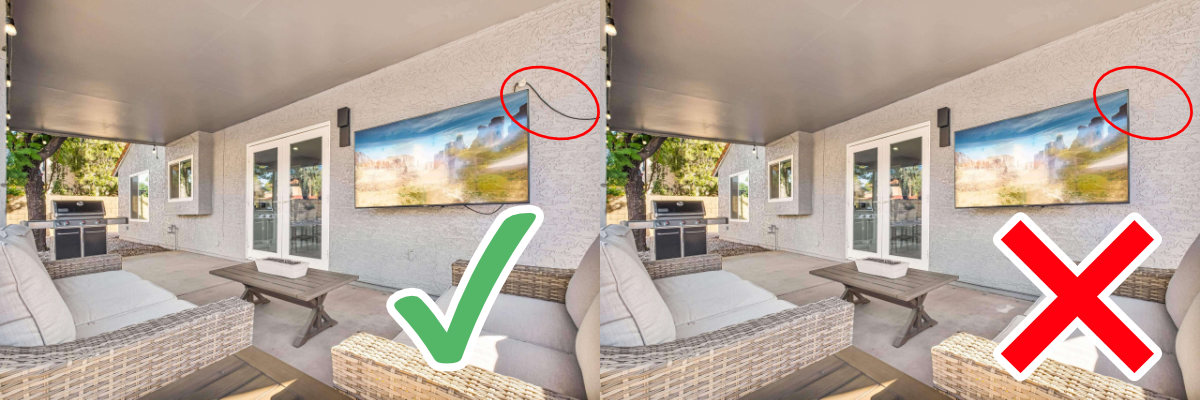 California realtors should respect the laws regarding editing real estate photos.
In the West Coast market, this is more than bad form; it is a massive legal liability. California real estate disclosure laws are exceptionally strict. Digitally altering or omitting permanent environmental fixtures misrepresents the home's true condition, which can quickly land an agent in a costly lawsuit for fraudulent advertising. Keep your edits clean, natural, and honest to maintain trust with sophisticated clients. Also, check out the latest MLS photo size requirements to ensure your photos appear optimally on most platforms.
6. Conclusion
In California's lively real estate markets, premium visual marketing is no longer optional. Actively avoiding common pitfalls like harsh sunlight photography, overexposed skies, and poor composition in listing photos is the easiest way to safeguard your professional brand and protect your hard-earned commissions. High-quality imagery is a vital investment that consistently pays for itself by dramatically reducing days on market and driving higher offers.
Before you upload your next property to the MLS, use this quick, actionable checklist to guarantee your visuals hit the mark and are free of photography mistakes California realtors should avoid:
- Schedule smart: Avoid high noon. Book shoots during the morning or late afternoon Golden Hour to eliminate harsh, muddy shadows.
- Level the camera: Keep your tripod at chest height and perfectly straight to ensure your walls and door frames don't warp or tilt.
- Reset the scene: Clear all trash cans, hide pet bowls, and meticulously check every mirror to prevent unwanted reflections.
- Balance the windows: Use bracketed exposures or HDR blending so your stunning outdoor views don't disappear into a blinding white glare.
- Keep edits natural: Avoid oversaturating the colors. Professional editing should look clean, bright, and strictly honest to the home's true condition.
When in doubt, partner with a local professional. Your listings deserve nothing less than a flawless first impression. Follow us on social media to stay in touch with the latest photo editing solutions to make every listing look better every day.
- Facebook: fotobermedia.co
- YouTube: Fotober
- TikTok: @fotober
- Instagram: fotober_media.
Related posts

Modern Luxe Interior Design: Elements, Style Guide and How to Stage It
October 10, 2026

Minimalist Interior Design: Characteristics, Style Guide, and Staging
October 8, 2026

Coastal Interior Design: Style Definition & Staging Guide
September 30, 2026

Contemporary Interior Design: Key Elements and How to Stage This Style
September 30, 2026
