




Luxury House Floor Plans: Design Trends and Layouts for 2026

Share:
Table of Contents
- 1. What are luxury house floor plans?
- 2. Core characteristics of luxury house floor plans
- 3. Key components & must-have spaces in custom luxury house floor plans
- 4. Popular architectural styles for luxury house floor plans
- 5. Highly favored luxury house floor plan layouts in modern real estate
- 6. How Fotober’s floor plan services elevate luxury house marketing & development
- 7. Conclusion
For ultra-high-net-worth individuals, standard home designs often fall short of their sophisticated expectations. To capture interest in today’s market, high-end house floor plans must perfectly balance aesthetic grandeur with functional intimacy to capture and elevate the property's ultimate perceived value. This guide explores how custom luxury floor plans and strategic luxury house floor plans can transform a listing into an aspirational masterpiece that sells.
A modern luxury house is characterized by five core pillars:
- Architectural seamlessness: Effortless indoor-outdoor flow using retractable glass walls.
- Bespoke amenities: Inclusion of specialized spaces like wellness suites, chef's kitchens, and smart home command centers.
- Premium volume: High ceilings and expansive "great rooms" that prioritize light and air.
- Privacy by design: Strategic layouts that shield private quarters from service areas and the street.
- Material integrity: The use of rare, sustainable, and high-performance materials is integrated directly into the custom luxury floor plans.
1. What are luxury house floor plans?
1.1. Defining high-end spatial architecture
At its core, luxury house floor plans are masterfully engineered architectural blueprints designed to elevate daily living into an extraordinary spatial experience. Unlike standard residential layouts that prioritize volume efficiency and cookie-cutter designs, high-end floor plans focus on deliberate proportions, intuitive movement, and bespoke personalization. These layouts seamlessly harmonize structural aesthetics with functional elegance, incorporating soaring ceiling heights, framed sightlines, and specialized zones tailored strictly around the owner's lifestyle demands.
1.2. Mansion vs luxury home: Key distinctions
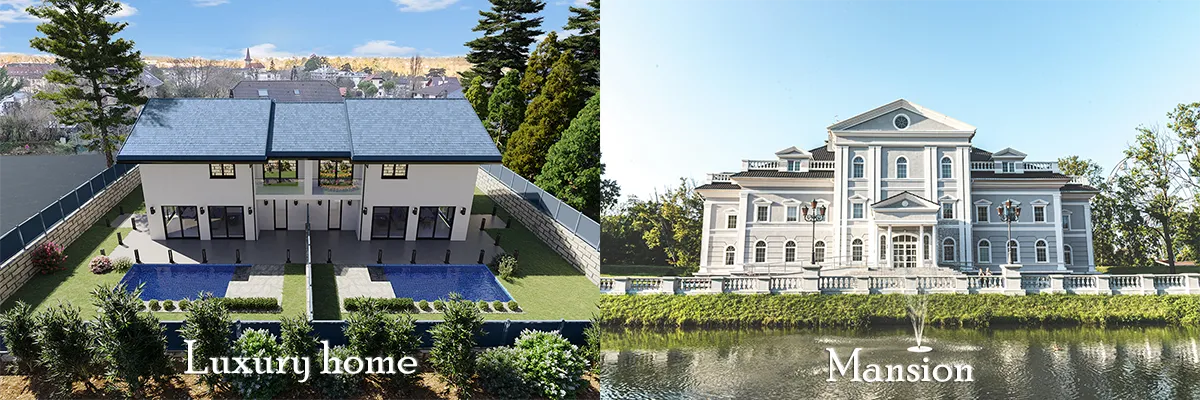
While often used interchangeably in real estate discussions, evaluating a mansion vs luxury home reveals distinct differences in architectural scale, functional design, and lifestyle intent.
- Square footage and architectural scale: A mansion traditionally denotes an extraordinary footprint, typically starting at 8,000 to 10,000+ square feet. In contrast, a modern luxury home often spans between 3,000 and 7,000 square feet. Within luxury architecture, quality of design, premium materiality, and spatial harmony take precedence over pure square footage.
- Amenities and property footprint: Mansions generally require extensive multi-acre grounds to accommodate grand arrival courts, dedicated staff quarters, formal ballrooms, and sprawling outdoor leisure complexes. Conversely, a luxury home concentrates its opulence within a refined footprint, emphasizing cutting-edge home automation, private wellness sanctuaries, and high-efficiency spatial planning.
- Bespoke customization: While traditional mansions emphasize historical grandeur and estate-scale entertaining, modern luxury house layouts prioritize tailored flex spaces, indoor-outdoor integration, and personal convenience, offering high-end buyers an intimate yet ultra-sophisticated living environment.
Ultimately, whether designing an expansive estate or a modern boutique residence, high-end layouts transform architectural blueprints into artful frameworks for refined living.
2. Core characteristics of luxury house floor plans
What distinguishes high-end house floor plans from standard residential designs is not merely raw square footage, but the intentionality behind every architectural boundary. Exceptional spatial design transforms a home into an intuitive living sanctuary by balancing grandeur with day-to-day functional elegance.
2.1. Seamless indoor-outdoor integration
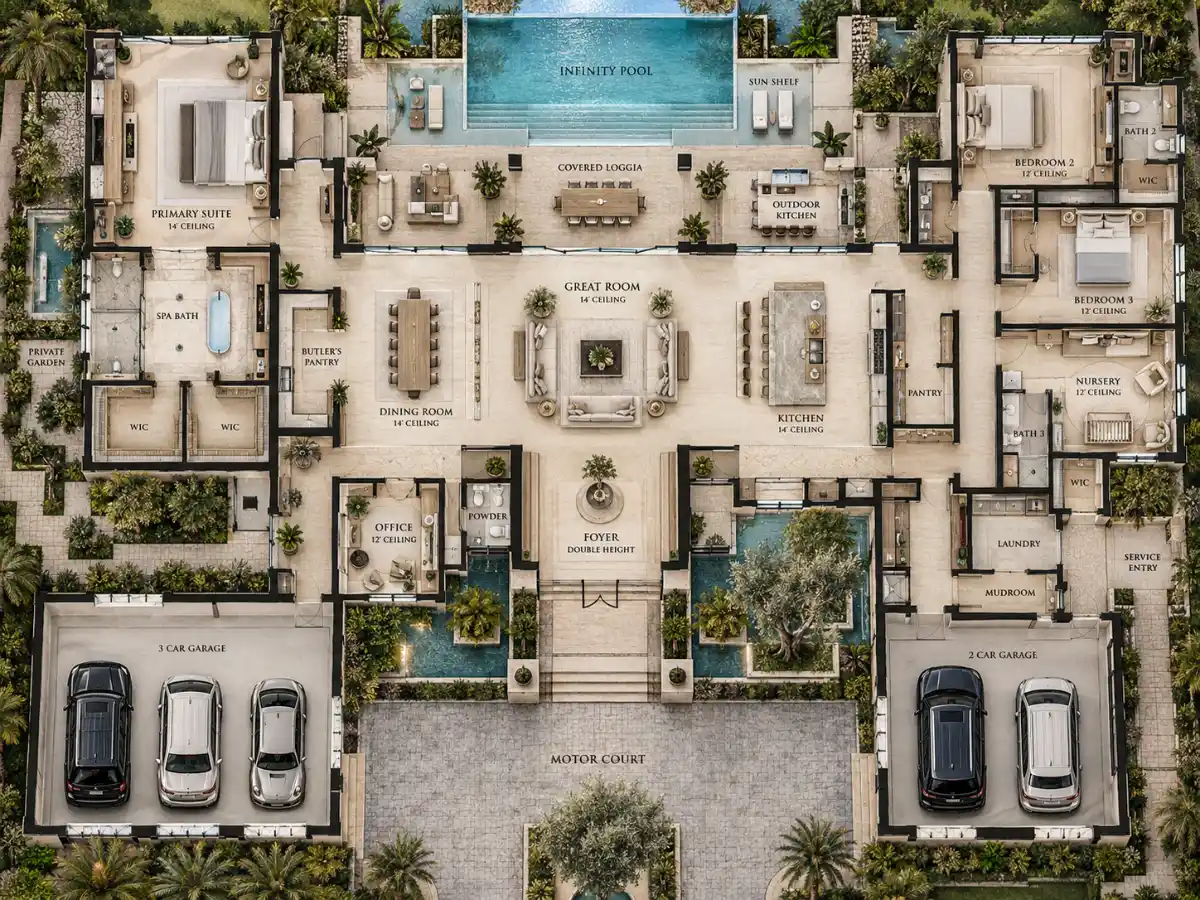
Modern luxury design erases the barrier between interior comfort and exterior landscapes. Custom luxury floor plans achieve this spatial harmony through massive pocketing glass doors, zero-threshold transitions, and continuous flooring materials that extend onto covered loggias, outdoor kitchens, and courtyard pools. Living spaces expand naturally into the open air, enabling year-round alfresco entertaining while flooding interior rooms with natural light and framing surrounding landscape views.
2.2. Expansive proportions & soaring ceilings
Spatial volume plays a pivotal role in high-end architecture. Rather than relying solely on horizontal floor area, premier designs leverage vertical scale to create atmosphere. Double-height foyers, grand living rooms with 12-to-14-foot ceilings, and clerestory window arrangements enhance air circulation and natural illumination. These elevated proportions create an immediate sense of liberation upon entry, giving every primary living space an airy, gallery-like ambiance.
2.3. Strategic privacy zoning (Public vs. private spaces)
A defining trait of sophisticated architectural layouts is the meticulous segregation of public social spaces from private family sanctuaries. High-end floor plans establish clear functional wings or distinct levels:
- Public social zones: Grand foyers, formal dining halls, and expansive great rooms are positioned near the primary hub for effortless guest entertaining.
- Private sanctuaries: Primary suites, nursery wings, and executive home offices are isolated in dedicated residential wings or upper stories to ensure complete personal tranquility.
- Service entrances & pathways: Secondary corridors, butler’s pantries, and discrete service pathways allow catering, housekeeping, and maintenance operations without disturbing household privacy.
2.4. Flow, symmetry, and sightlines
Architectural rhythm in luxury home design relies heavily on purposeful sightlines and balanced movement. Upon stepping into a high-end residence, visual axes are deliberately aligned toward impressive focal points, such as a sculpted marble fireplace, an infinity-edge pool, or a manicured garden court. Generous gallery hallways replace narrow corridors, ensuring smooth, logical traffic flow and structural symmetry across every wing of the estate.
3. Key components & must-have spaces in custom luxury house floor plans
Designing custom luxury floor plans requires moving beyond conventional room allocations to create tailored environments that accommodate high-end entertaining, personal wellness, and daily convenience. Modern luxury homeowners expect purpose-built spaces that blend uncompromised utility with refined aesthetic appeal.
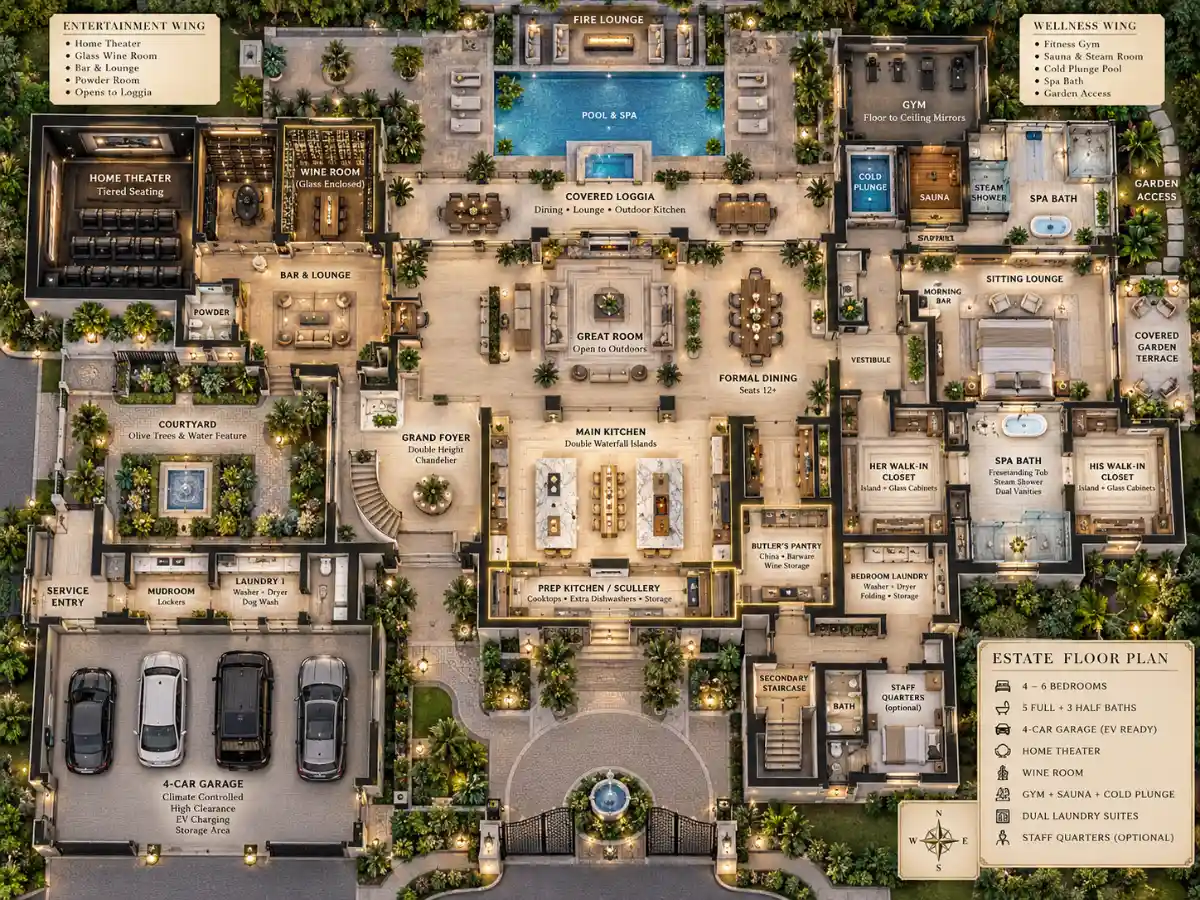
3.1. Culinary hubs & secondary kitchens (Butler’s pantries)
In high-end house floor plans, the kitchen functions as both a visual centerpiece and an operational workspace. Premier layouts incorporate a primary showcase kitchen featuring double waterfall islands, professional-grade appliances, and custom cabinetry for social gathering. Hidden directly behind or adjacent to this main area sits a secondary prep kitchen (or scullery) equipped with heavy-duty cooktops, deep sinks, and extra dishwasher capacity. This dual-kitchen configuration allows caterers or hosts to prepare elaborate meals and conceal prep clutter during events, while a walk-in butler’s pantry provides dedicated staging for fine china and barware.
3.2. Primary suites as spa-like retreats
The primary bedroom suite in modern luxury house floor plans has evolved from a simple sleeping quarter into a fully autonomous sanctuary wing. Entered through a private vestibule for enhanced sound insulation, these expansive retreats incorporate dedicated sitting lounges, private morning bars, and direct access to covered balconies or gardens.
Adjacent to the main chamber are bespoke dual walk-in closets complete with glass-front display cabinetry, central islands, and boutique-style LED accent lighting. The en-suite bathroom functions as a private spa, featuring oversized frameless steam showers, dual vanities carved from book-matched marble, and deep freestanding soaking tubs positioned to capture serene outdoor views.
3.3. Dedicated entertainment & wellness zones
High-end floor plans prioritize experiential living through integrated recreation facilities. Acoustically engineered home theaters feature tiered seating, hidden surround-sound systems, and custom ambient lighting for cinematic experiences at home. Wine enthusiasts benefit from climate-controlled glass wine rooms designed as architectural display features off formal dining spaces. Furthermore, dedicated wellness wings regularly incorporate fully equipped gyms, infrared saunas, steam rooms, and cold plunge pools, establishing holistic health facilities directly within the property.
3.4. Smart utility & service areas
True architectural luxury lies in effortless functionality. Well-conceived floor plans feature climate-controlled multi-car display garages with high-clearance bays, electric vehicle charging stations, and custom storage solutions. Dual laundry suites, placed strategically on the upper sleeping level and near main-floor mudrooms, streamline household maintenance. Additionally, discrete service entrances, secondary staircases, and optional self-contained staff quarters ensure the estate operates seamlessly without compromising family privacy.
4. Popular architectural styles for luxury house floor plans
Architectural style dictates not only a home's exterior silhouette but also the internal rhythm and spatial organization of luxury house floor plans. From sleek, light-filled glass structures to timeless stone manors, selecting the right style ensures the layout aligns with personal aesthetic preferences while optimizing functional living.
4.1. Modern luxury homes
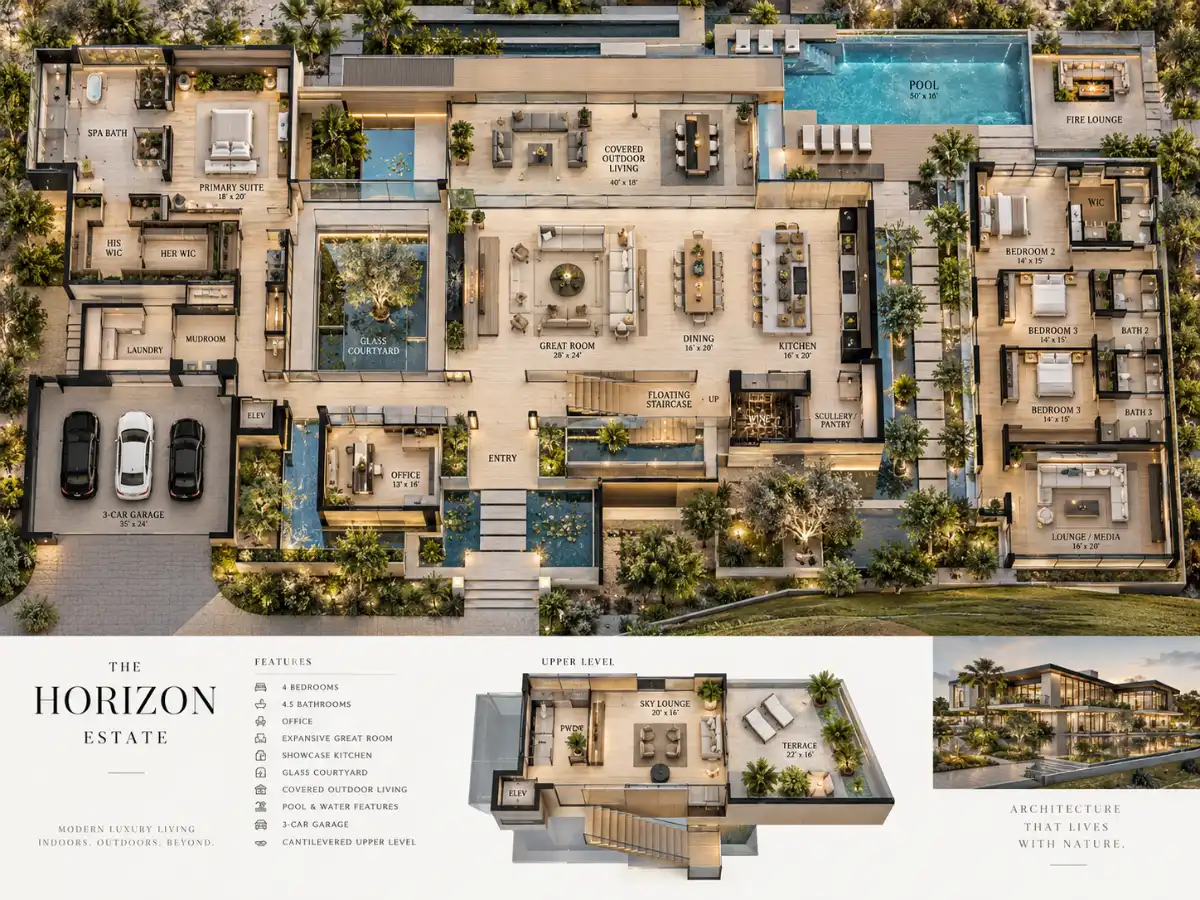
Defined by horizontal emphasis, flat or low-sloped rooflines, and floor-to-ceiling glass assemblies, modern luxury homes celebrate structural transparency and uncluttered spatial flow. The floor plans for modern estates prioritize expansive, open-plan living environments where structural steel framing replaces heavy interior load-bearing walls. Cantilevered upper levels, floating staircases, and central glass courtyards encourage natural light to penetrate deep into the interior core. To keep minimalist spaces warm and inviting, these layouts strategically frame views of natural landscapes while integrating rich organic materials like book-matched wood cladding, raw travertine accents, and linear water features.
4.2. Transitional & contemporary fusion
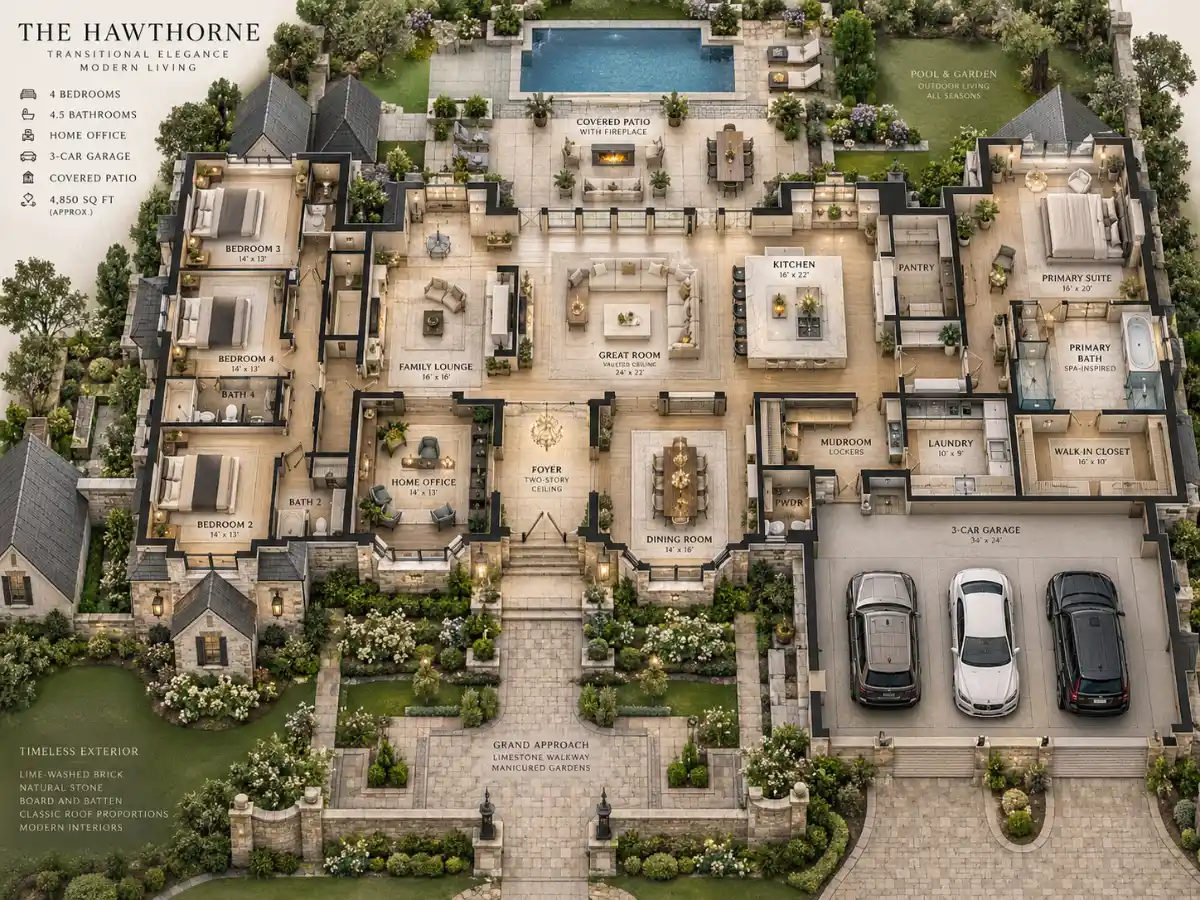
Transitional architecture bridges the gap between historical character and contemporary convenience, making it one of the most sought-after design styles in high-end real estate development. Externally, transitional layouts maintain classic roof proportions, refined dormer details, and rich masonry finishes such as lime-washed brick, natural stone, or architectural board-and-batten. Internally, however, the layout discards dark, heavily segmented rooms in favor of fluid, sunlit living zones. This fusion gives homeowners classic curb appeal on the outside while delivering modern open-concept floor plans, soaring ceiling heights, and integrated smart technology on the inside.
4.3. Classic estates: Mediterranean, French country & craftsmanship
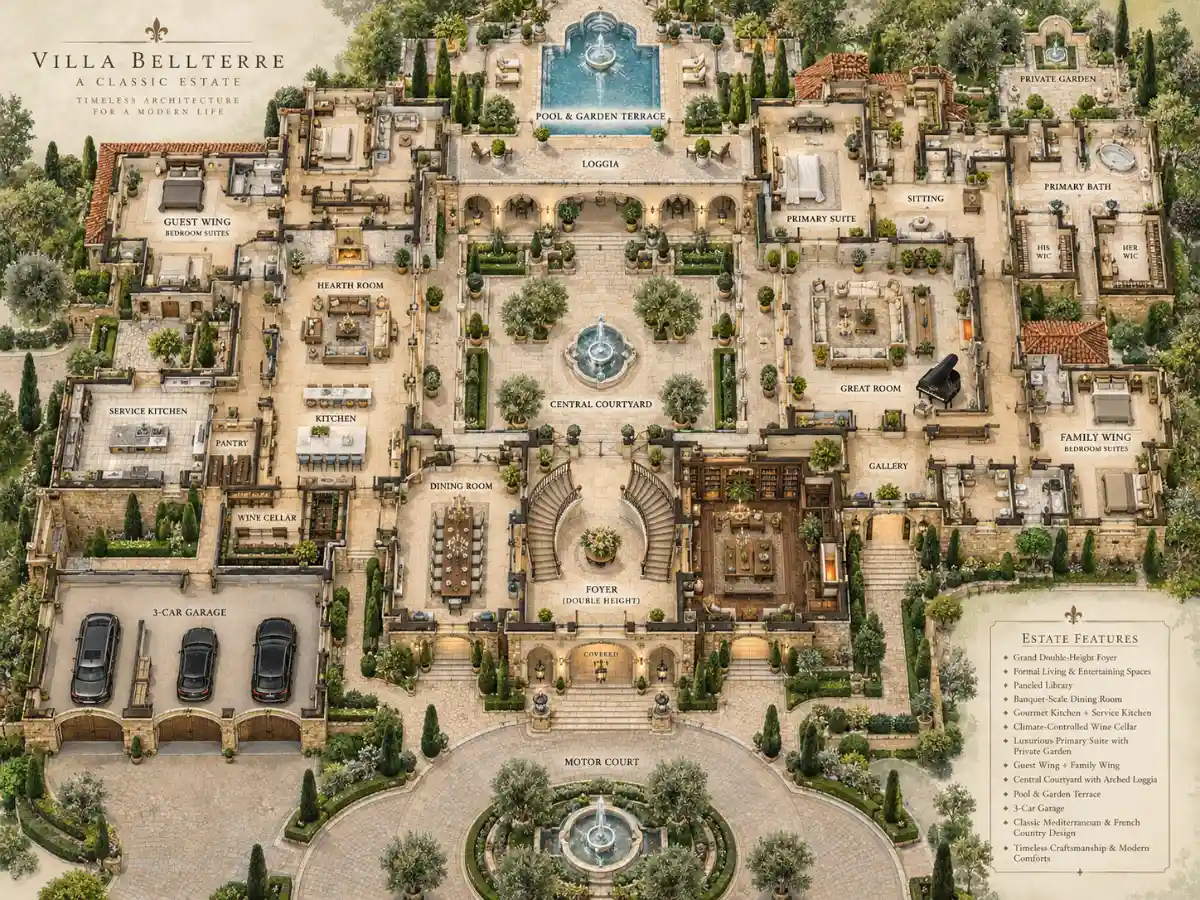
For buyers who favor grandeur, symmetry, and historical artisan craftsmanship, classic estate styles offer enduring prestige. European-inspired layouts, such as Tuscan Mediterranean villas, French Provincial châteaux, and grand Georgian estates, utilize formal axial geometry and dedicated wings. Floor plans often feature double-height vaulted foyers, sweeping curved staircases, formal panelled libraries, and banquet-scale dining rooms. Mediterranean designs typically wrap around lush central courtyards with arched colonnades, whereas French Country estates emphasize steep slate rooflines, exposed hand-hewn timber trusses, and cozy hearth rooms. These classic floor plans gracefully accommodate modern living by discreetly embedding concealed technology, secondary service kitchens, and climate-controlled wine cellars into traditional architectural frameworks.
5. Highly favored luxury house floor plan layouts in modern real estate
Selecting the ideal spatial arrangement is a pivotal decision when designing high-end properties. Modern luxury home layouts prioritize flexibility, abundant natural light, and intuitive movement, catering to both intimate family living and high-capacity entertaining.
5.1. The open-concept grand living layout
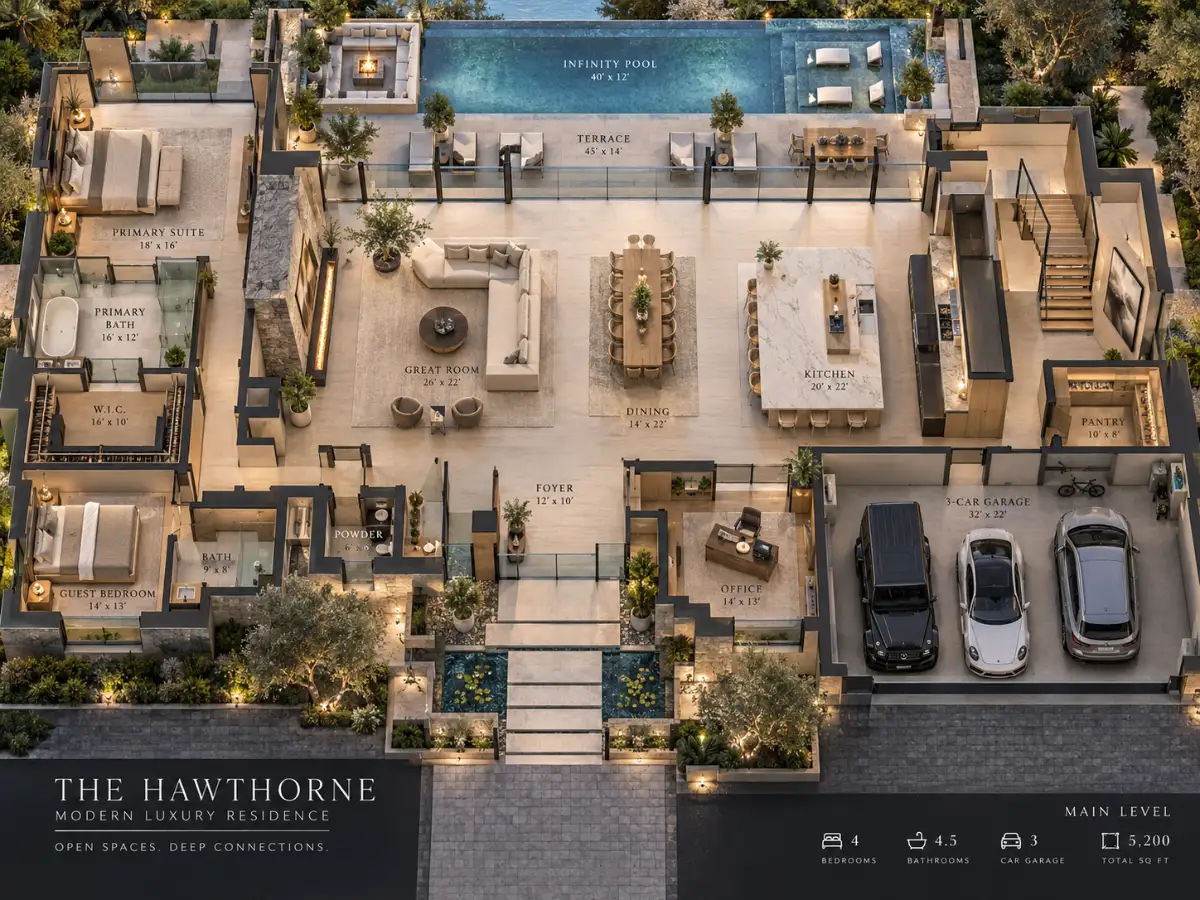
The open-concept grand layout remains a primary choice in contemporary residential architecture. Rather than partitioning the main floor into isolated chambers, this design merges the primary kitchen, informal dining area, and grand great room into a single fluid, light-filled hall. Soaring double-height ceilings and structural glass walls accentuate the physical volume of the home, fostering uninterrupted visual connections across social spaces. This layout allows hosts to remain engaged with guests across all main living zones while creating an impressive, gallery-like environment for display and relaxation.
5.2. The courtyard & U-shaped layout
For estate properties prioritizing ultimate privacy, courtyard and U-shaped luxury house floor plans provide an inward-facing architectural sanctuary. By framing the home's primary wings around a central swimming pool, private lawn, or stone terrace, this layout creates a secluded haven shielded from outside sightlines.
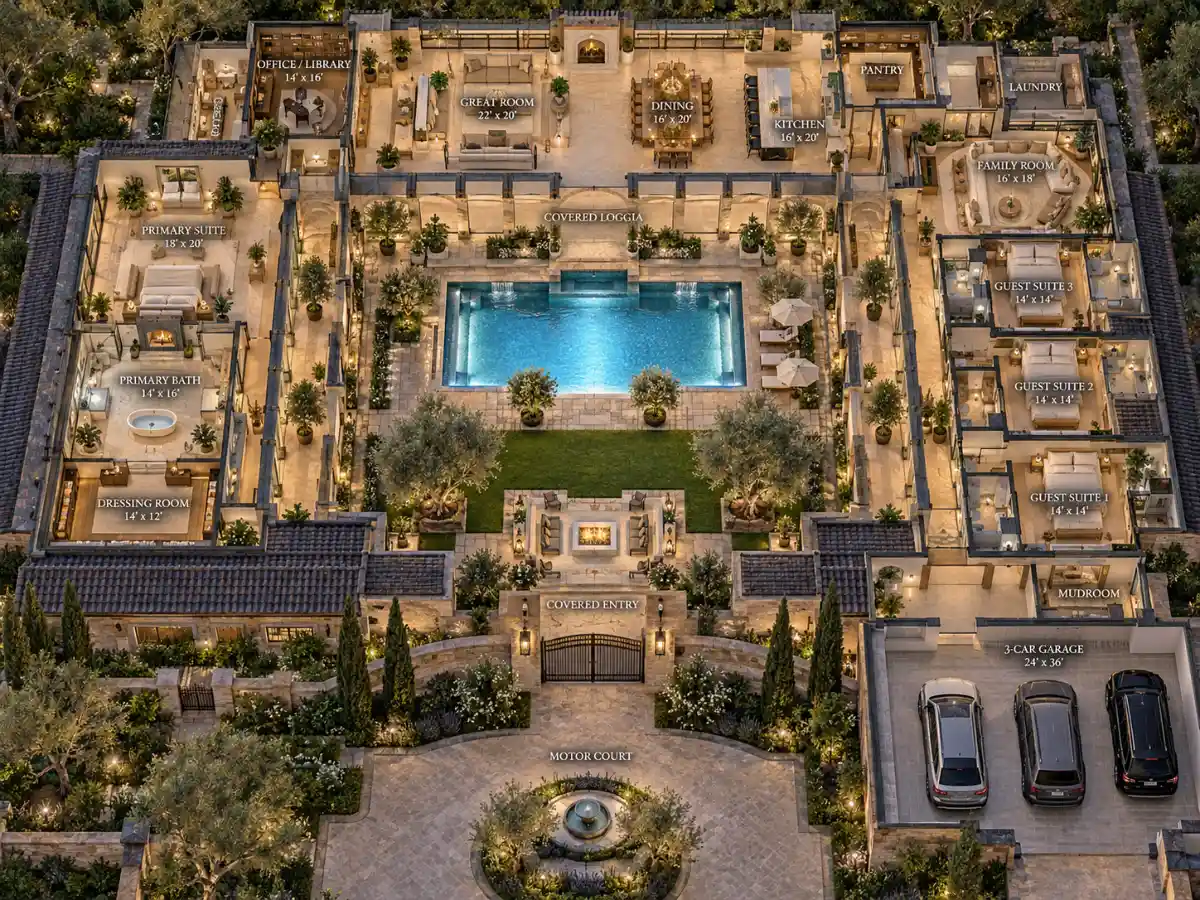
Glass-walled corridors and covered loggias wrap the interior perimeter, ensuring that virtually every ground-floor room benefits from multi-directional daylight and immediate patio access. This arrangement is especially favored in warmer climates, blending outdoor resort-style living with indoor comfort.
5.3. Multi-generational & dual-primary layouts
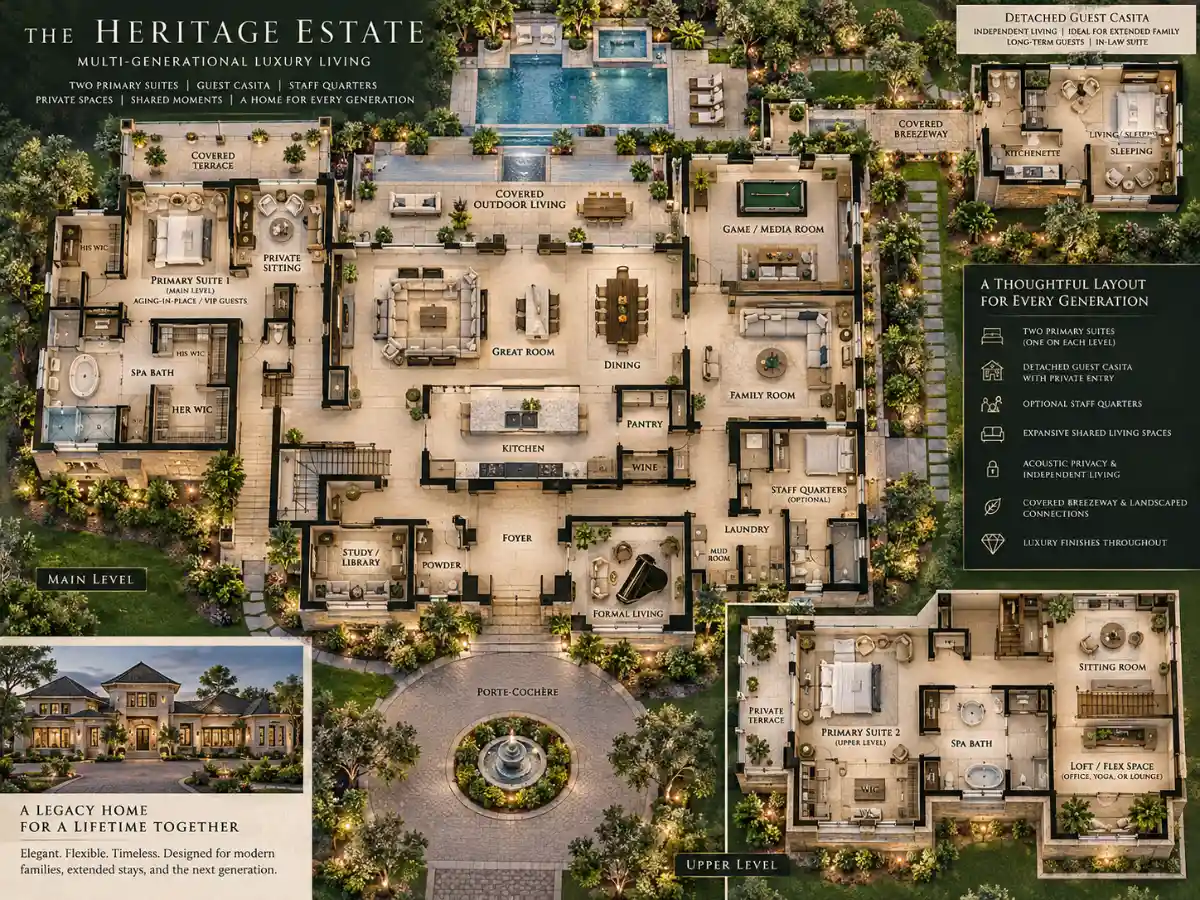
To accommodate evolving family structures and high-end hospitality, layouts featuring dual primary suites have surged in popularity across luxury developments. These floor plans typically incorporate a complete primary suite on the ground floor, ideal for aging-in-place options or visiting dignitaries, and a second grand primary suite on the upper level. Expanded iterations often integrate detached guest casitas or private suites connected via covered breezeways. This spatial separation guarantees maximum acoustic privacy and independent living quarters for extended family members, long-term guests, or live-in staff without compromising the central home's balance.
6. How Fotober’s floor plan services elevate luxury house marketing & development
In today's competitive luxury real estate market, static photography alone is often insufficient to convey the full value of complex architectural design. High-end buyers demand an immediate, intuitive understanding of spatial volume, flow, and layout before scheduling a private showing or committing to a build. Fotober’s specialized floor plan redrawing and rendering services bridge this gap by transforming complex architectural technicalities into high-impact visual assets.
6.1. For real estate agents & sellers: Driving engagement & faster closings
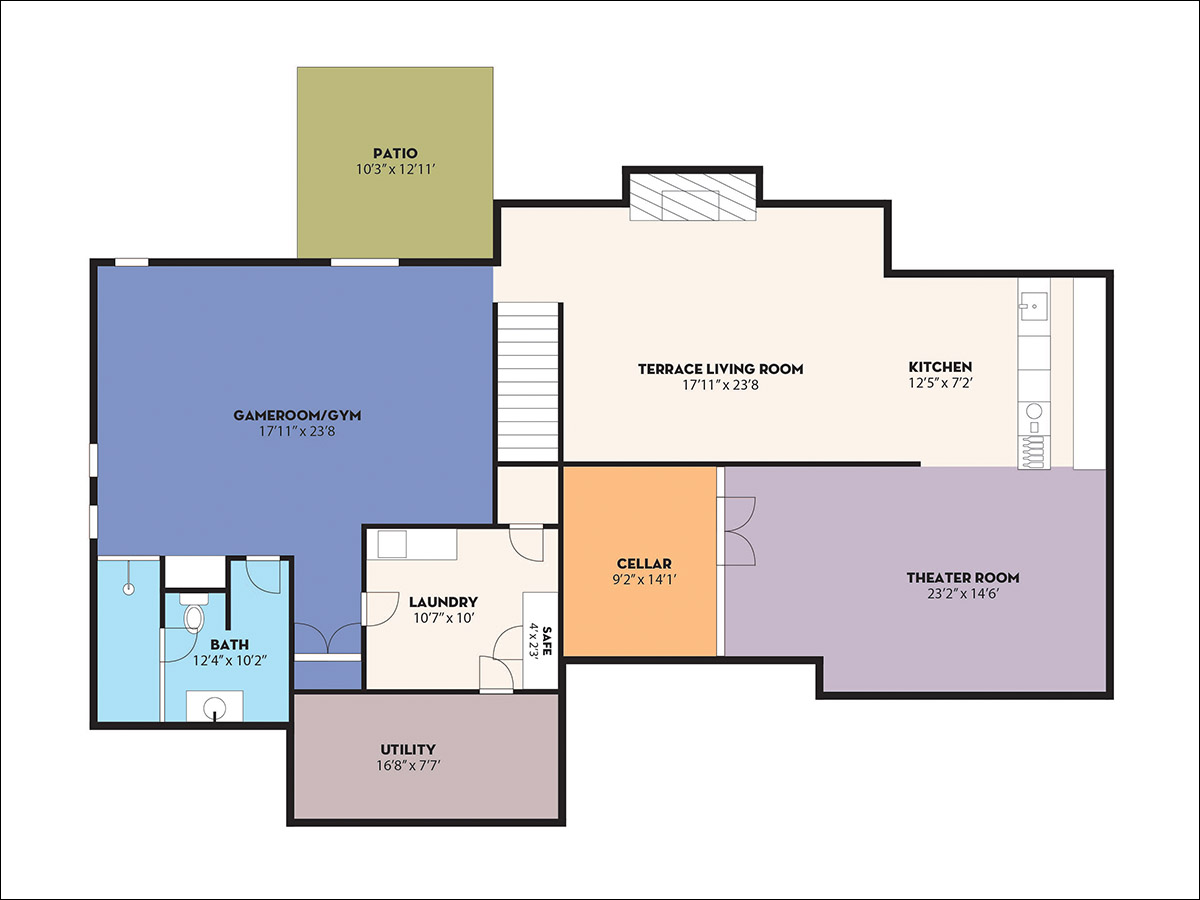
High-net-worth buyers evaluating luxury house floor plans often struggle to visualize true spatial continuity through wide-angle interior photography alone. Fotober transforms technical CAD files, architectural blueprints, or basic hand sketches into sleek, high-definition 2D and 3D floor plan renderings tailored for premier listings.
By clearly illustrating precise room dimensions, traffic flow, outdoor transitions, and key fixture placements, Fotober helps prospective buyers quickly comprehend how a home functions as a cohesive living space. Incorporating professional floor plans into luxury real estate listings significantly boosts online engagement, retains prospective buyer attention longer on property portals, and pre-qualifies serious leads prior to in-person tours, ultimately accelerating closing timelines for agents and sellers.
6.2. For homebuilders & architects: Visualizing custom layouts into marketing assets
For custom builders, residential developers, and architects, pitching pre-construction projects requires translating technical schematics into emotionally compelling visual concepts. Fotober streamlines client presentations and marketing campaigns by converting raw architectural drafts of high-end house floor plans into publication-ready presentation assets.
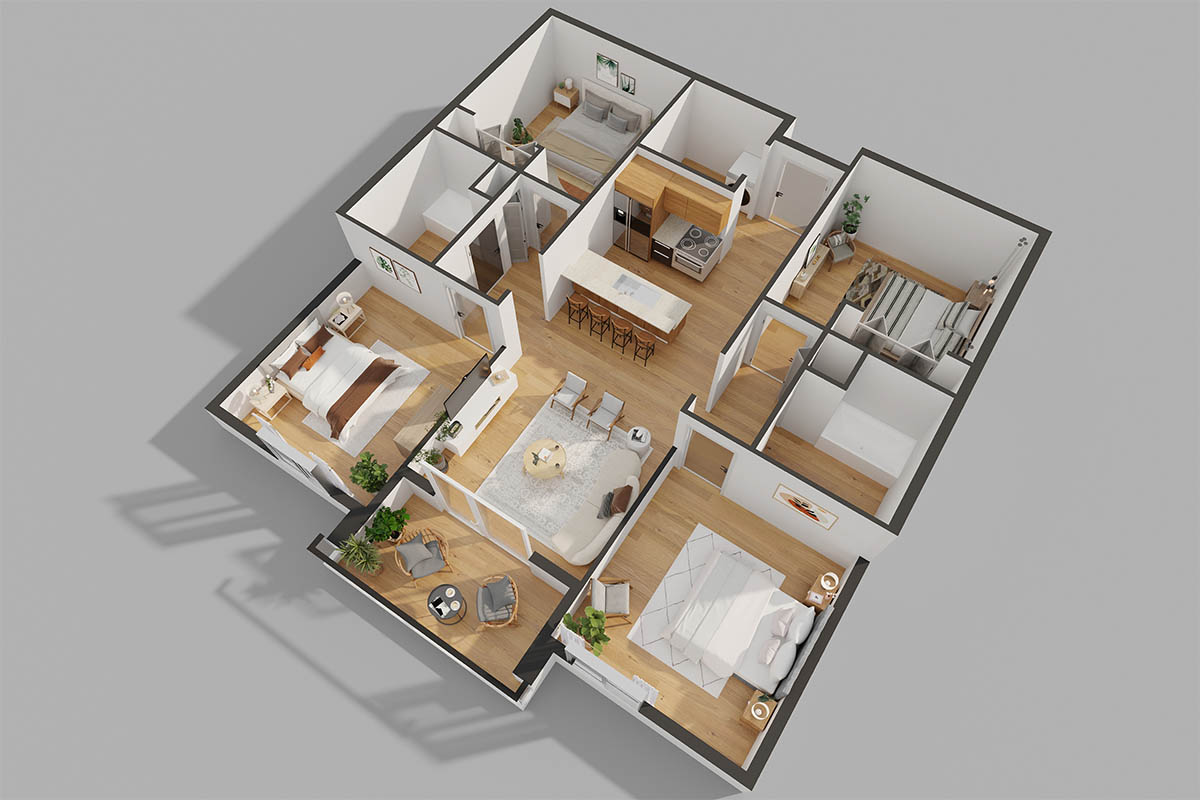
Through seamless integration with virtual staging techniques, Fotober adds realistic scale, custom furniture layouts, flooring textures, and structural finishes directly into custom luxury floor plans. This enables prospective homeowners to vividly visualize space utilization and indoor-outdoor integration long before ground is broken. Consequently, homebuilders can generate pre-construction sales momentum, secure early client commitments, and elevate their brand presence across print and digital marketing channels.
7. Conclusion
Crafting exceptional luxury house floor plans requires a delicate balance of spatial harmony, architectural innovation, and personal lifestyle customization. Whether designing an open-concept estate or marketing a modern mansion, a well-conceived layout forms the true foundation of high-end residential living.
Ready to transform complex architectural blueprints into captivating visual marketing assets? Partner with Fotober today. Our professional 2D and 3D floor plan rendering and real estate media editing services empower homebuilders, architects, and real estate professionals to highlight the true spatial potential of custom luxury floor plans, driving buyer engagement and accelerating sales. Contact Fotober to elevate your listings today.
Follow us on social media to stay updated with the latest trends in the real estate market and popular architectural styles.
- Facebook: fotobermedia.co
- YouTube: Fotober
- TikTok: @fotober
- Instagram: fotober_media.
Related posts

San Antonio Housing Market Forecast 2026: Prices & Trends
October 30, 2026

What Drives Mortgage Rates? Explain The Forces Behind 2026's Numbers
October 29, 2026
Dallas vs. Los Angeles Housing Market: Comparing Prices & Supply
October 29, 2026

Orlando Population Growth in 2026: Trends & Housing Demand
October 26, 2026
