




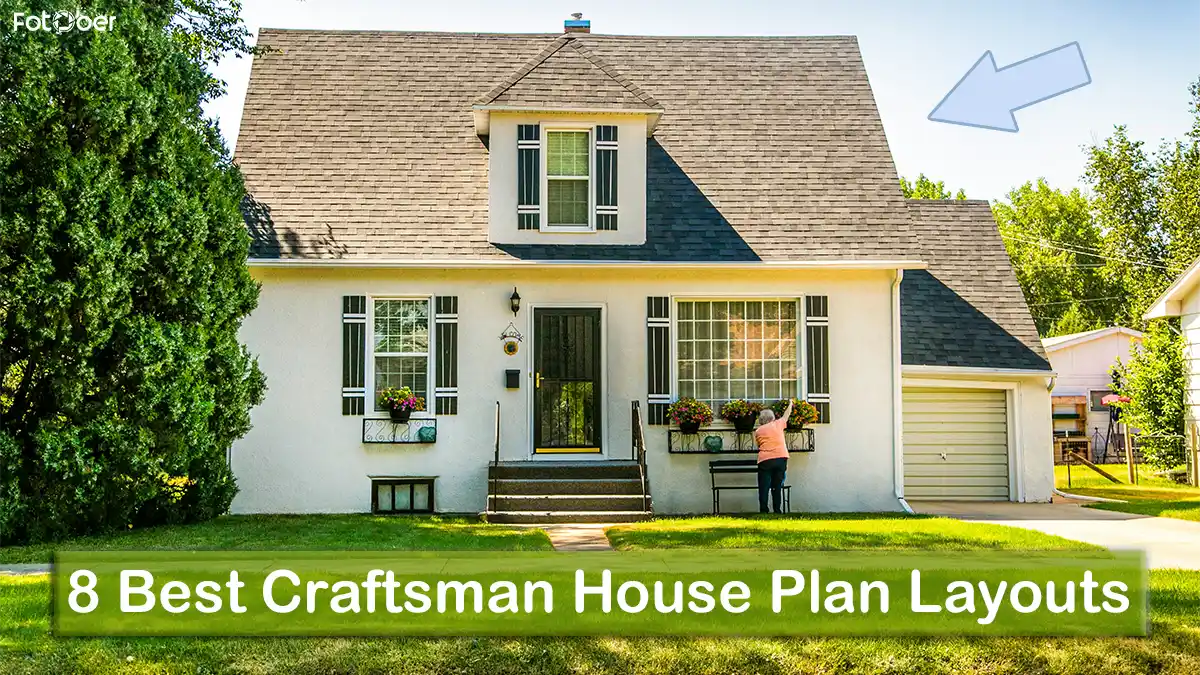
8 Best Craftsman House Plan Layouts to Drive Faster Home Sales in 2026

Share:
Table of Contents
- 1. What defines a craftsman house plan? Key architectural elements
- 2. Craftsman vs. Farmhouse: Which one is right for you?
- 3. Top 8 craftsman house layout ideas to boost saleability
- • 3.1. The "zoned" open-concept great room
- • 3.2. The built-in "command center" (home office)
- • 3.3. The grand "social porch"
- • 3.4. The master wing: A split-bedroom strategy
- • 3.5. The specialized "drop zone" (mudroom)
- • 3.6. Vertical maximization: The daylight loft or basement
- • 3.7. The gourmet kitchen with "furniture-style" cabinetry
- • 3.8. The "seamless transition" to outdoor living
- 4. Elevating your listing: The role of professional floor plans for craftsman home layout
- 5. Case study: How Fotober transformed a small craftsman house property sale
- Conclusion
The American Craftsman style remains a pinnacle of residential architecture in 2026, celebrated for its artisanal roots and organic beauty. From cozy bungalow craftsman plans to expansive modern craftsman home layouts, the style prioritizes quality and character. Even a small craftsman house can achieve massive market appeal through strategic presentation. Let’s take a closer look at the craftsman house plan to see how this layout is still alive and kicking in the 2026 real estate market.
1. What defines a craftsman house plan? Key architectural elements
To truly appreciate a craftsman house plan, one must look beyond the surface and understand the philosophy of "honesty in materials." Emerging in response to the overdecorated Victorian era, Craftsman architecture emphasizes structural elements as decorative features, creating a home that feels both rugged and refined.
1.1. The iconic exterior profile
The most recognizable trait of this style is the low-pitched gabled roof. These roofs typically feature wide, unenclosed eave overhangs with exposed rafter tails. To add a sense of handcrafted strength, architects often include decorative "knee braces" or brackets under the gables. These elements aren't just functional; they provide the heavy, grounded silhouette that modern buyers find so comforting and permanent.
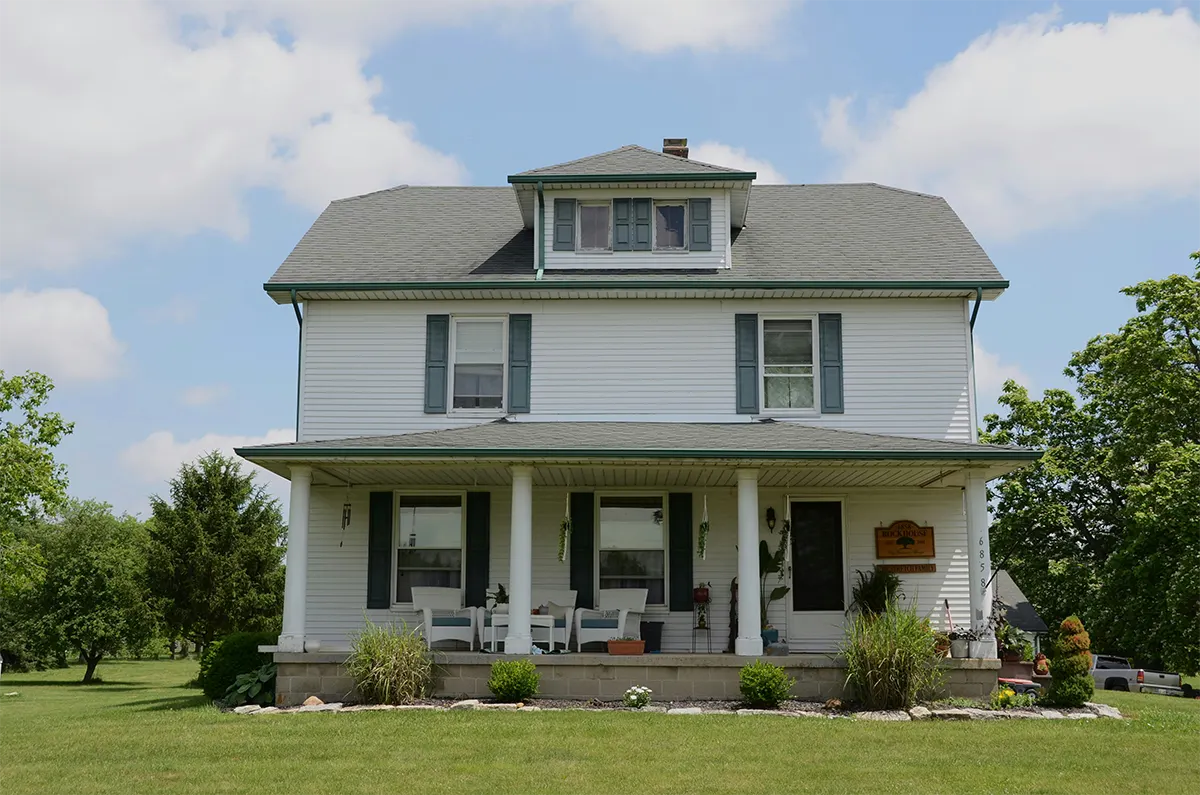 Low-pitched roofs are commonly found in Craftsman houses.
1.2. The signature porch and columns
No craftsman home layout is complete without its signature front porch. Designed to foster a connection with the neighborhood, these porches are typically deep and framed by tapered square columns. These "elephantine" columns often rest on massive stone or brick piers, creating an unmistakable curb appeal. For those browsing bungalow craftsman plans, the porch acts as an outdoor living room, significantly increasing the perceived square footage of the property.
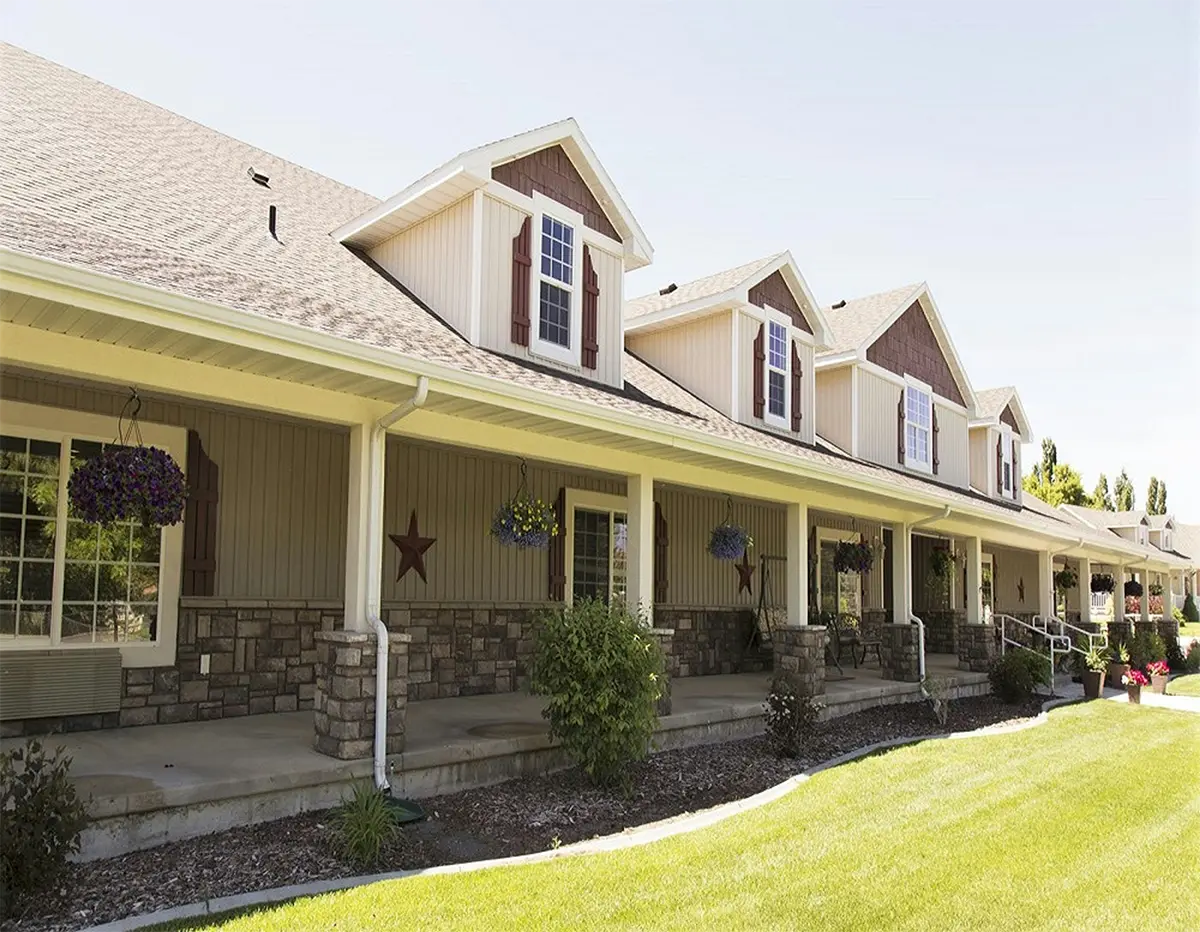 Huge columns resting on stone bases are a defining feature of the classic American Craftsman style.
1.3. Organic materials and textures
The Craftsman palette is inherently organic. You will see a sophisticated mix of stone, brick, and wood shingles, often painted in earthy tones like moss green, deep russet, or warm taupe. The goal is for the house to look as if it grew out of the earth rather than being placed upon it.
 Craftsman style emphasizes the organic quality in every interior element.
Even in a small house, these architectural details, such as multi-pane windows and thick window casings, remain high-quality. This commitment to detail ensures that "compact" never translates to "cheap," making these homes a perpetual favorite for first-time buyers and downsizers alike. This combination of rugged exterior textures and refined geometry creates a timeless aesthetic that continues to dominate real estate market trends.
1.4. Craftsman interior design: Warmth meets functionality
A craftsman interior design offers a soulful sanctuary of warmth and artisanal detail, standing as the perfect antidote to sterile modern minimalism. The hallmark of this style is the seamless integration of furniture into architecture. Features like built-in bookshelves and window seats maximize every square inch, a vital asset when marketing a small craftsman house, while providing a sense of "custom luxury."
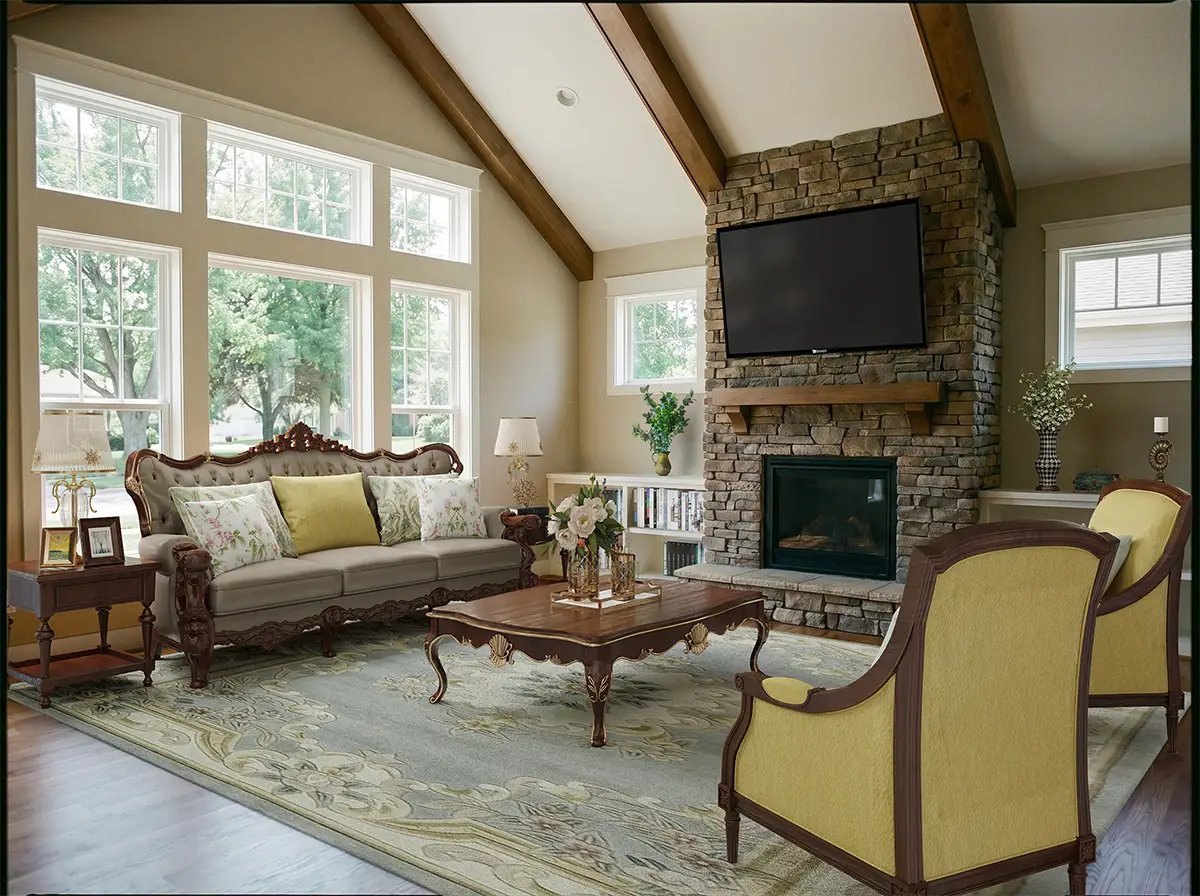 Modern craftsman architecture blends traditional human-made designs with convenient functional amenities.
Natural wood remains the centerpiece, with exposed beams and stained timber showcasing rich textures that feel both sturdy and welcoming. This is complemented by an organic color palette of sage and terracotta, which creates a cozy "cocoon" effect. Coupled with the warm glow of mission-style lighting, these elements foster an atmosphere of timeless security. For buyers in 2026, these deliberate details serve as a powerful psychological trigger, transforming a simple property tour into an emotional connection that feels like "home" from the very first step.
2. Craftsman vs. Farmhouse: Which one is right for you?
In the modern real estate market, the choice between craftsman vs farmhouse styles is a common crossroads for many homebuyers. While both prioritize a sense of heritage and comfort, they offer vastly different visual and emotional experiences. Understanding these nuances is key to selecting a craftsman home layout that fits your lifestyle or investment goals.
The Modern Farmhouse, which has dominated trends for years, is defined by its verticality and "clean" aesthetic. It typically features white board-and-batten siding, black metal accents, and soaring ceilings that create an airy, barn-like feel. In contrast, the Craftsman style is grounded in horizontality. It emphasizes low-slung roofs, deep porches, and a "tucked-into-nature" appearance. While the farmhouse is bright and expansive, the Craftsman is rich, intimate, and warm.
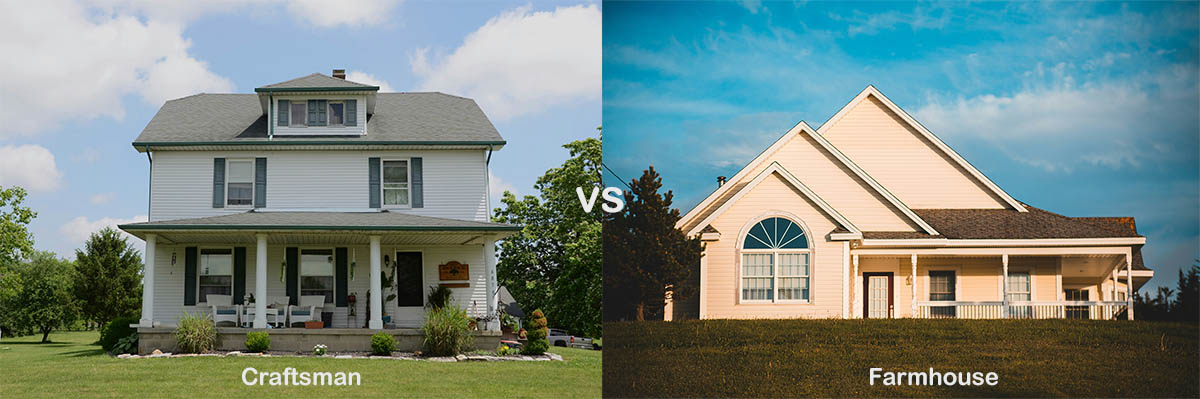 Craftsman houses are more reserved and prioritize the sense of security in contrast to the open nature of farmhouse builds.
Materiality is another key differentiator. Farmhouse floor plans often rely on high-contrast palettes and rustic, reclaimed elements. Craftsman homes, however, celebrate the raw beauty of natural materials: stained oak, river stone, and tapered brick pillars. This results in a home that feels "sturdier" and more permanent.
Market data in 2026 suggests that while the farmhouse remains popular for its photographic simplicity, there is a growing shift toward the "soulfulness" of the Craftsman. Buyers are increasingly looking for homes that feel handcrafted rather than manufactured. Choosing between the two often comes down to a preference for light and volume versus texture and artisanal detail. Regardless of the choice, accurately highlighting these distinct features through professional media is essential to capturing the right audience.
3. Top 8 craftsman house layout ideas to boost saleability
In the modern real estate market, a craftsman house plan is more than just a blueprint; it is a promise of quality, comfort, and "soul" that mass-produced modern homes often lack. However, the architectural preferences of 2026 demand a delicate balance between the cozy, compartmentalized charm of the early 20th century and the airy, tech-integrated requirements of today. To ensure a property moves quickly and commands a premium price, the craftsman home layout must be strategically optimized.
Here are eight high-impact layout ideas designed to maximize the marketability and functional appeal of any Craftsman property.
|
Layout feature |
Core market benefit |
Best suited for |
Fotober visualization tip |
|
Open-concept great room |
Modern social flow & natural light. |
Large family homes. |
Use 3D Floor Plans to show "zoning" without walls. |
|
Integrated WFH nook |
High utility for remote professionals. |
Smaller houses. |
Virtual staging to demonstrate office functionality. |
|
Wrap-around porch |
Massive curb appeal & outdoor living. |
Bungalow Craftsman plans. |
Day-to-Dusk Editing to create an emotional, warm glow. |
|
Split-bedroom plan |
Enhanced privacy for master suites. |
Multi-generational living. |
2D Floor Plans to clearly define the "quiet wings." |
|
Multi-functional mudroom |
Organization and high-traffic durability. |
Active families. |
Professional photo editing to highlight wood textures. |
|
Daylight basement |
Low-cost increase in total square footage. |
Properties on sloped lots. |
3D rendering to visualize "bonus" living space. |
|
Indoor-outdoor flow |
Seamless connection to nature. |
Modern "staycation" seekers. |
Exterior rendering to bridge the interior and the garden. |
|
Gourmet kitchen |
Highest ROI and visual centerpiece. |
Every craftsman house plan. |
High-end retouching to make custom cabinetry pop. |
3.1. The "zoned" open-concept great room
Modern buyers love open spaces, but the "echo-chamber" effect of a completely wall-less floor plan can feel sterile. In a Craftsman home, the goal is to create "rooms without walls." By using the style’s iconic tapered square columns and exposed ceiling beams, you can visually define the living, dining, and kitchen areas. This allows for the social flow of an open concept while retaining the intimate, structured feel that defines craftsman interior design. This "architectural zoning" is a major selling point because it offers the best of both worlds. Especially for under 2000 square feet homes, an open-concept layout with subtle zone indications helps maintain flow without losing articulated structure.
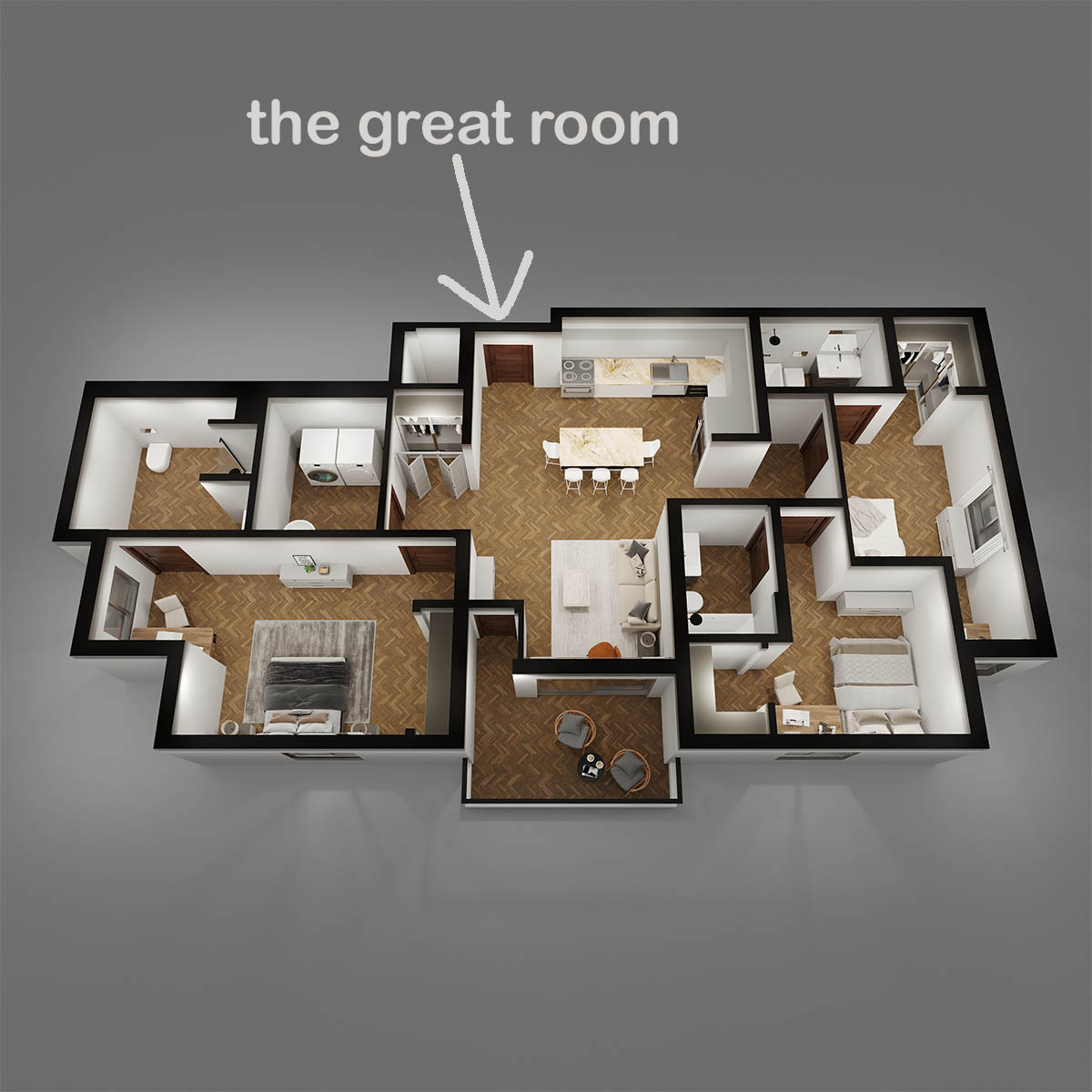 Open-concept great rooms are universally adopted across many styles of house plans. However, the Craftsman style still calls for distinctions between zones.
3.2. The built-in "command center" (home office)
Remote work has transformed from a trend into a standard lifestyle. In a small craftsman house, space is at a premium, making a dedicated room difficult to justify. The solution lies in the Craftsman’s love for built-ins. A "Command Center" nestled into an alcove or under a staircase, featuring matching oak cabinetry, integrated cable management, and a built-in window seat, turns a few square feet into a high-value home office. This allows a listing to boast a "work-from-home" feature without sacrificing a bedroom.
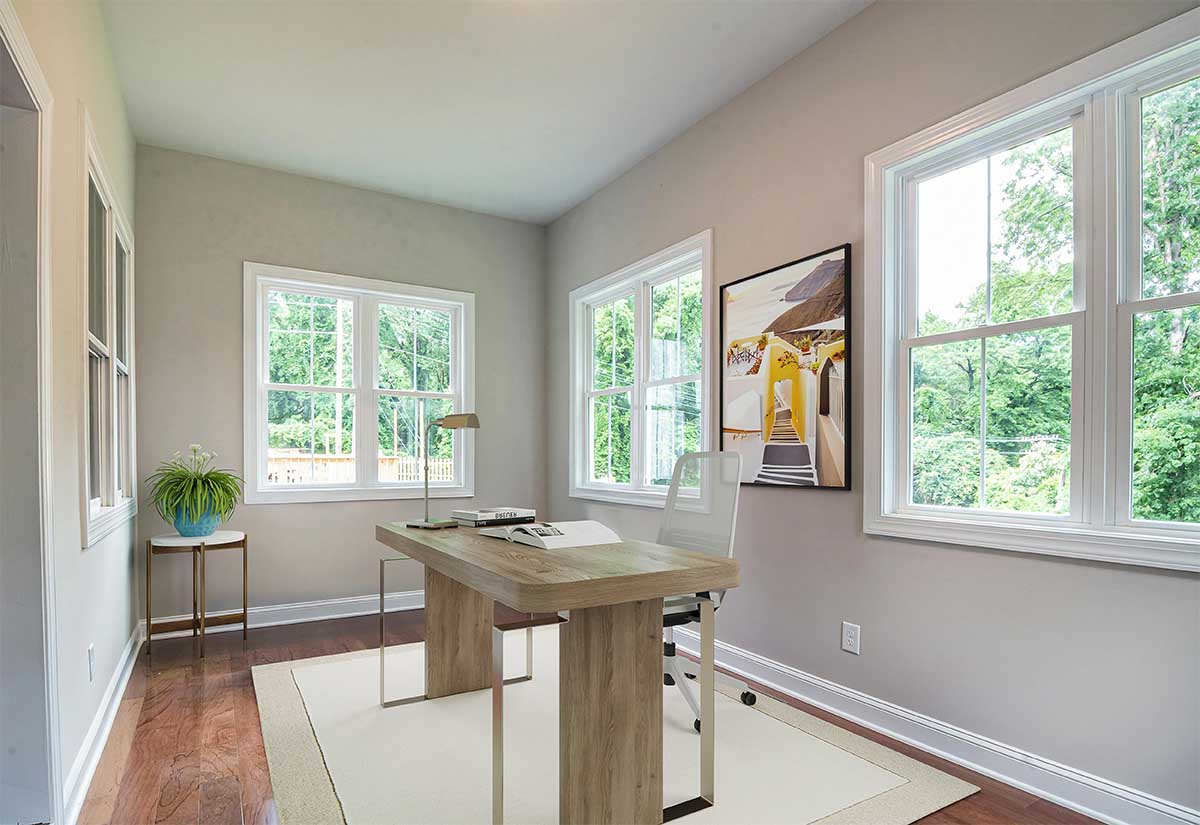 Home office is gaining popularity in response to the rising needs of remote working.
3.3. The grand "social porch"
The porch is the handshake of the Craftsman style. For those utilizing bungalow craftsman plans, expanding the front porch into a deep, wrap-around "Social Porch" can significantly increase the property's perceived value. By treating the porch as a true outdoor living room, complete with heavy stone piers, ceiling fans, and built-in benches, you create an emotional connection with buyers before they even step inside. It frames the house as a sanctuary for neighborhood connection and relaxation.
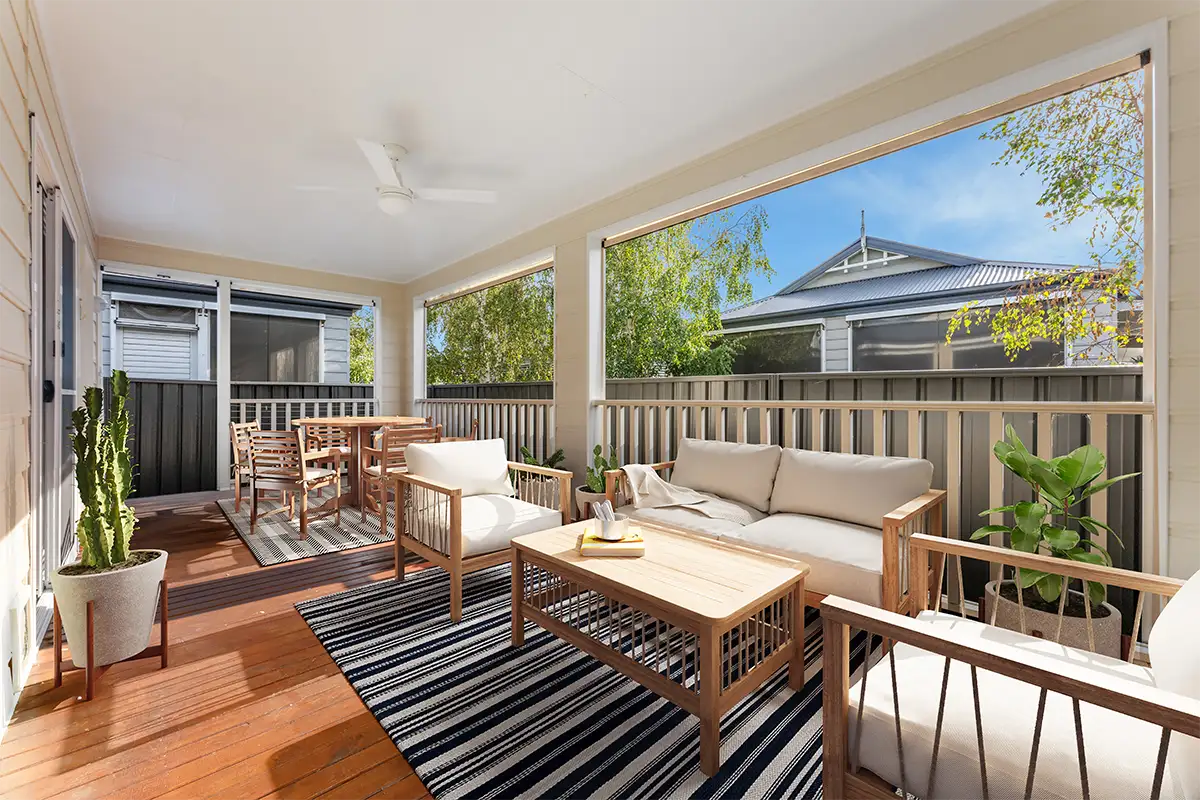 Craftsman houses often feature a large porch packed with benches, chairs, or sofas ready to accommodate extra guests.
3.4. The master wing: A split-bedroom strategy
Privacy is a top priority for 2026 homebuyers. A strategic craftsman home layout often employs a split-bedroom plan, placing the master suite on the opposite side of the house from the secondary bedrooms. This creates a "parental wing" or "guest sanctuary" that feels secluded and quiet. When buyers see this on a floor plan, they immediately recognize the long-term livability of the home, especially for growing families or multi-generational households.
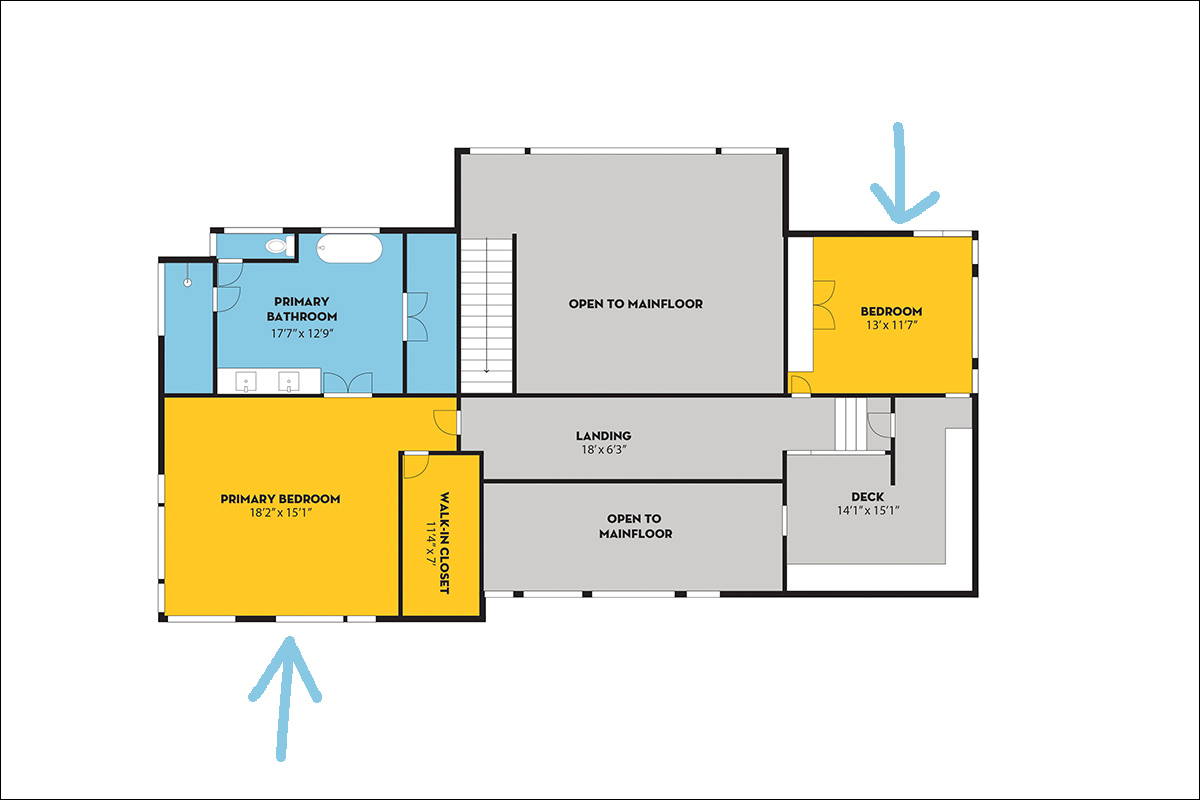 Bedrooms are distributed on the opposite sides of the craftsman house.
3.5. The specialized "drop zone" (mudroom)
Real-world functionality sells houses. A Craftsman home should be as practical as it is beautiful. Integrating a "Drop Zone" at the rear entry, featuring slate flooring for durability and custom wooden cubbies for organization, is a modern necessity. This prevents clutter from bleeding into the primary living spaces, allowing the handcrafted woodwork of the main craftsman's interior design to shine. It is the kind of practical luxury that makes a home feel "turn-key" to a busy buyer.
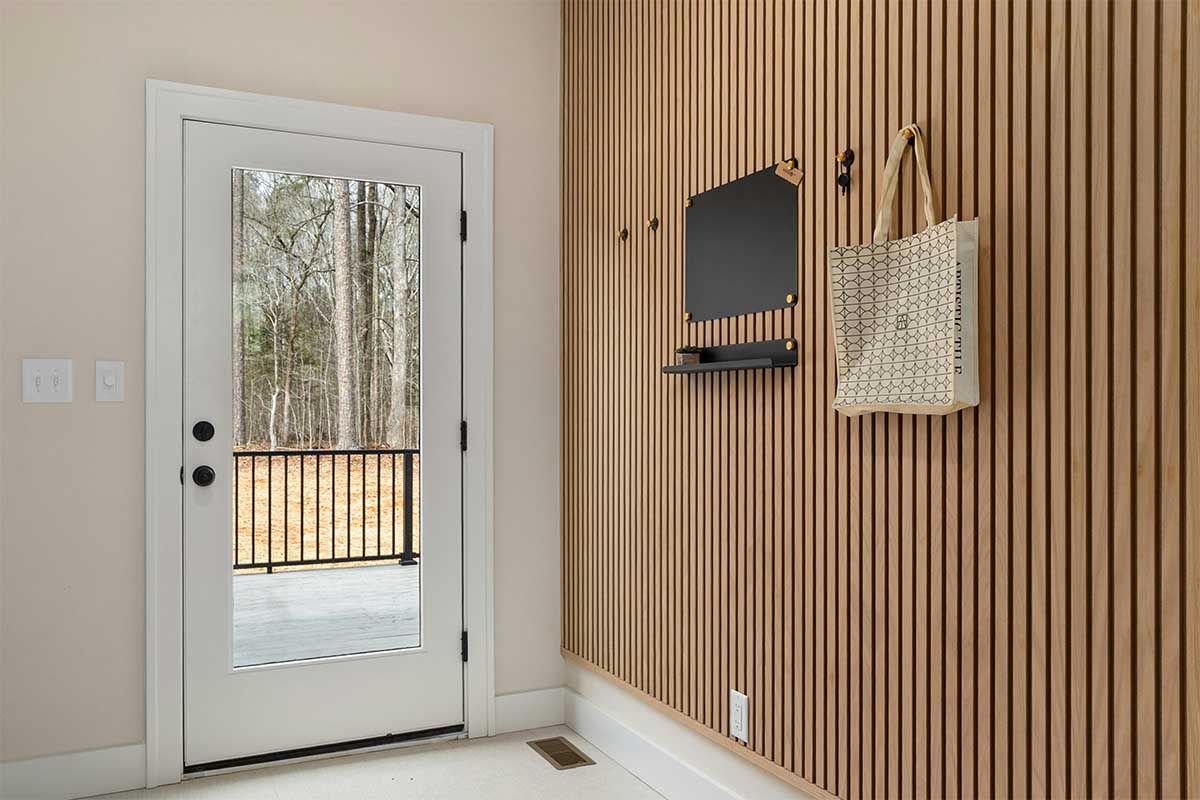 All the mess can be isolated in the mudroom before residents enter the main living space.
3.6. Vertical maximization: The daylight loft or basement
When working with a small house, expanding horizontally isn't always an option. To boost saleability, developers are increasingly looking to the "interstitial" spaces. Converting a high-pitched attic into a daylight loft with dormer windows or transforming a basement into a cozy media room adds massive square footage to the listing. For a buyer, finding an extra 400-600 square feet of "bonus" space in a compact bungalow is often the clincher that leads to an offer.
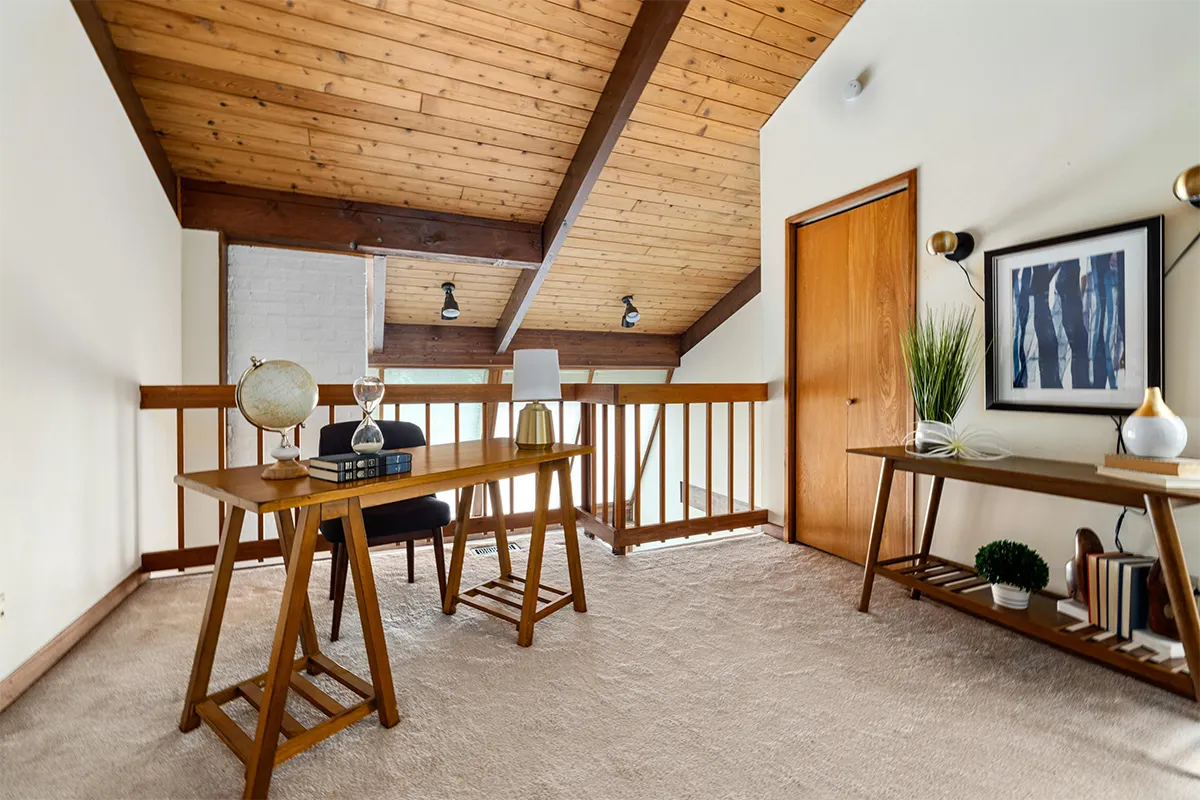 The space beneath the roof can be utilized for creating extra leisure or working space.
3.7. The gourmet kitchen with "furniture-style" cabinetry
The kitchen remains the highest ROI room in any home. To stay true to the Craftsman ethos, the kitchen layout should move away from the "clinical" look of the Craftsman vs Farmhouse debate. Instead, focus on furniture-style cabinetry, sturdy pieces with shaker doors and tapered legs on the central island. An island that looks like a piece of handcrafted furniture provides a focal point that feels expensive and custom, anchoring the home's value in the mind of the buyer.
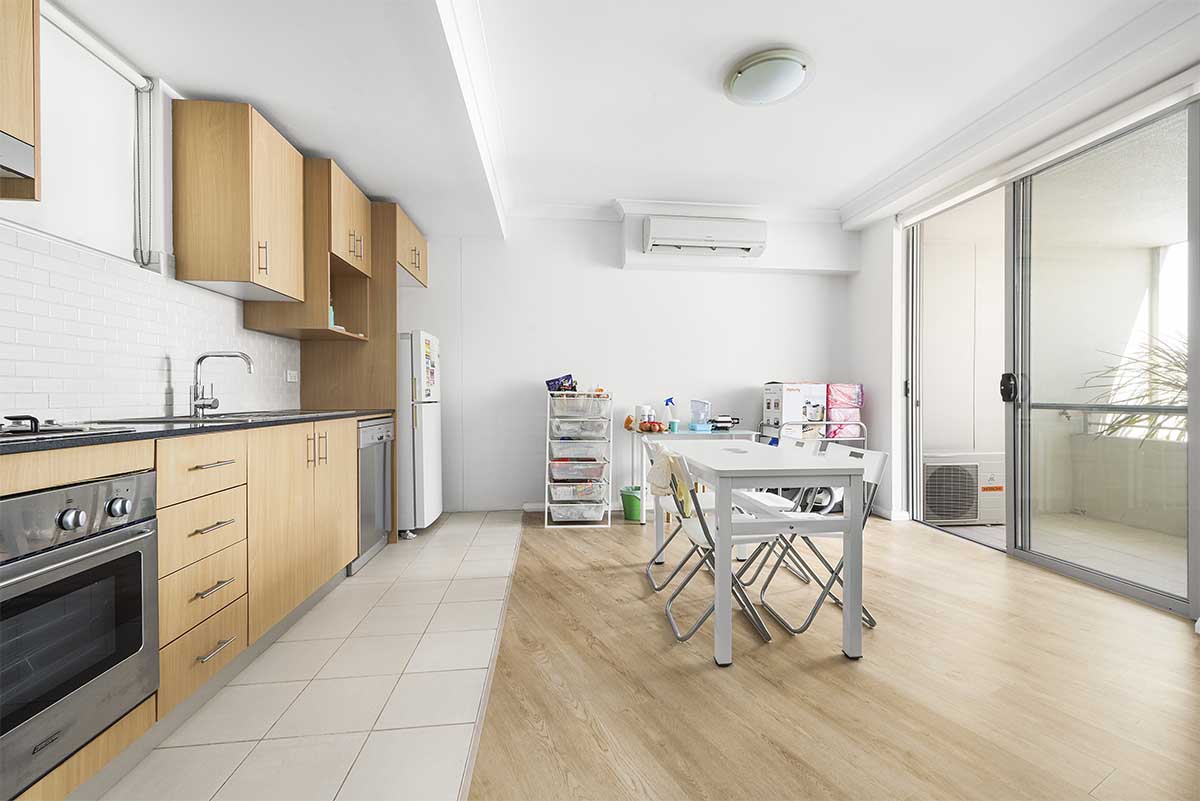 You can feel the warmth of human-made furniture in the Craftsman house’s kitchen.
3.8. The "seamless transition" to outdoor living
The "Arts and Crafts" movement was rooted in a connection to nature. A modern craftsman house plan should reflect this by creating a seamless flow from the dining area to an outdoor kitchen or stone patio. Using wide, multi-pane sliding doors that mimic the home’s traditional window geometry allows the interior to bleed into the garden. This layout trick makes a home feel twice its size and caters to the high demand for "staycation" style amenities.
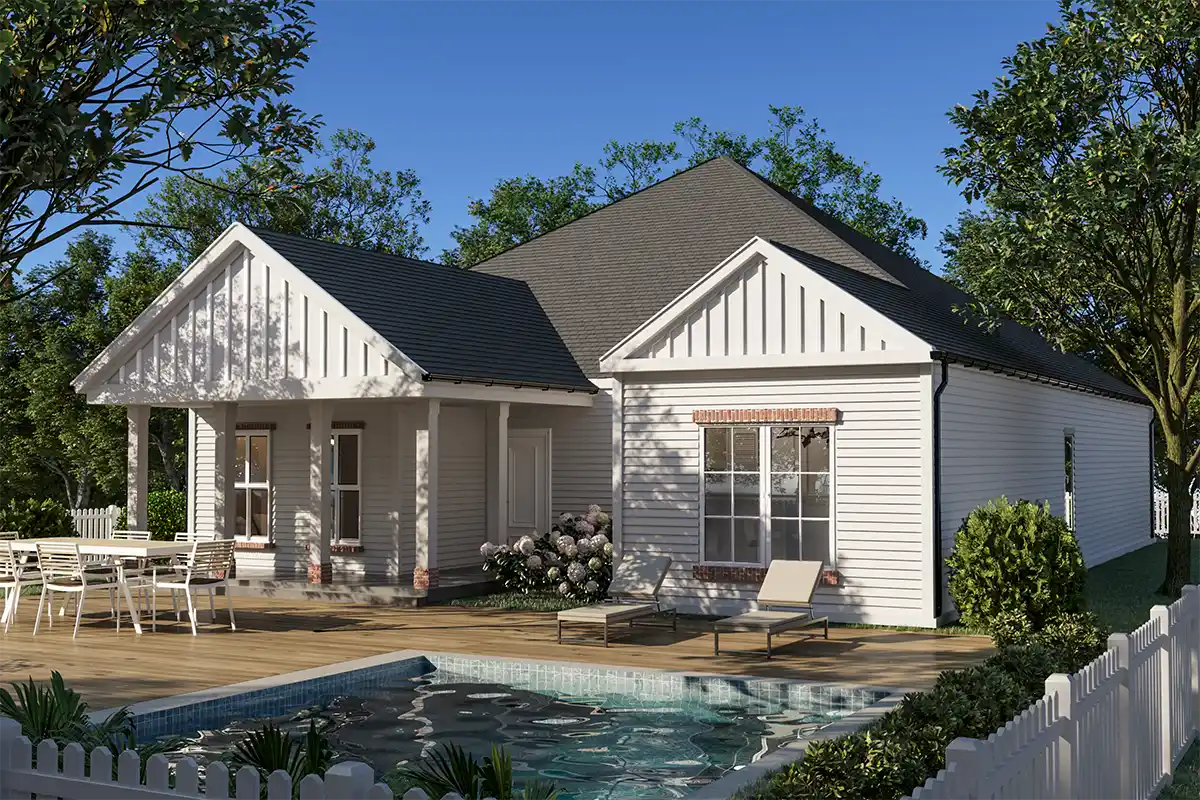 Some materials in Craftsman houses get extended from indoor to outdoor to create an uninterrupted flow.
Even the most brilliant craftsman home layout can be difficult for buyers to grasp through static, empty photos. To truly sell the "Craftsman Dream," professional visualization is non-negotiable. This is where high-quality 2D and 3D floor plans, coupled with expert photo editing, allow potential owners to see exactly how their life fits into these spaces. By highlighting the flow between the built-in nooks and the grand porches, you aren't just selling a structure, you are selling a lifestyle of artisanal integrity and modern comfort.
4. Elevating your listing: The role of professional floor plans for craftsman home layout
The intricate nature of a craftsman house plan requires more than just high-quality photography; it demands a clear, spatial understanding of the home’s flow. While textures and lighting are vital, the complex arrangement of built-in nooks, tapered columns, and specialized "zones" can often be lost in a standard 2D image. In a Craftsman layout, the architectural intent is often found in the subtle transitions between rooms, making professional floor plans the cornerstone of a successful listing in the modern market.
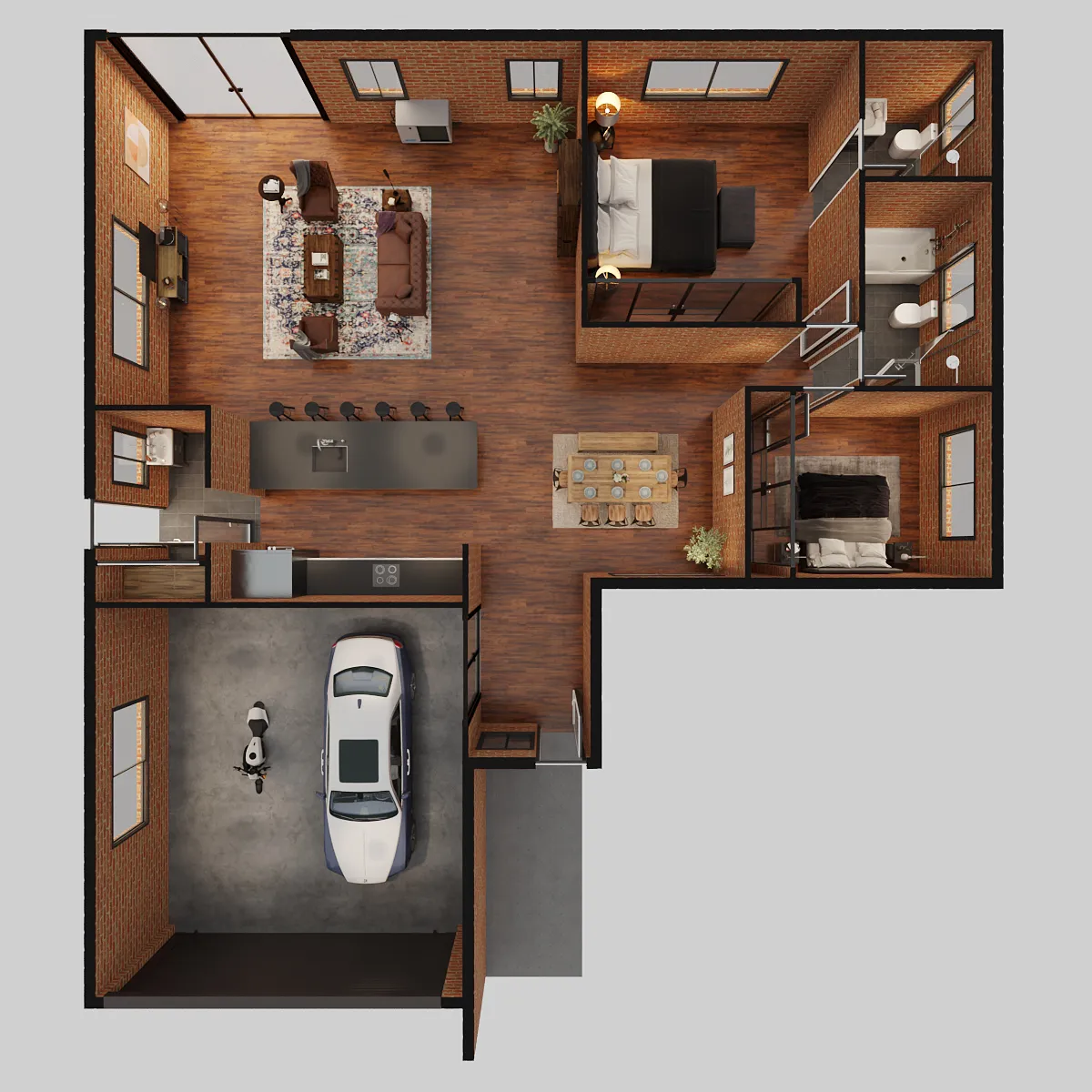
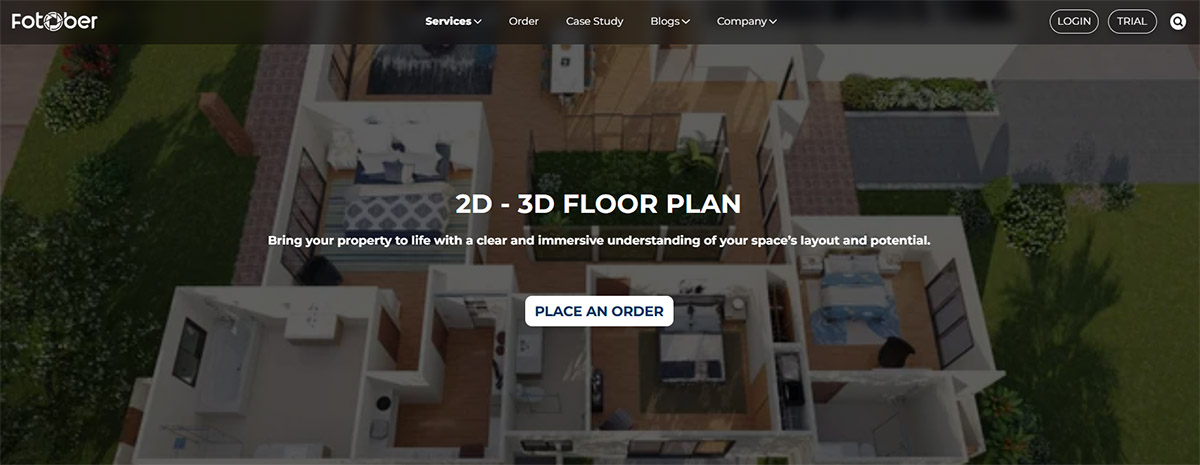 Floor plan drawing services of Fotober provide technical and lively blueprints for your listing properties.
At Fotober, our expertise lies in transforming technical blueprints into high-conversion marketing assets. We provide precise 2D floor plans that offer an immediate grasp of the craftsman home layout, highlighting the functional transitions and structural integrity that buyers prioritize. To further elevate the experience, our 3D floor plans bridge the gap between simple diagrams and full-scale 3D rendering. These immersive models allow potential owners to visualize the depth of the woodwork and the spatial relationship between the signature front porch and the interior living spaces, offering a tactile sense of the home's quality.
By providing an accurate "birds-eye" view, Fotober helps eliminate the "spatial uncertainty" that often stalls online sales, particularly for high-intent remote investors. Our floor plans ensure that every square inch of a small craftsman house feels expansive, logically organized, and purposeful. In an era where digital first impressions are everything, having a detailed, professional floor plan acts as the definitive piece of evidence, providing the clarity needed to secure high-value offers and significantly reduce time on the market.
5. Case study: How Fotober transformed a small craftsman house property sale
Consider the case of a charming yet neglected small craftsman house in a competitive suburban market that sat dormant for sixty days. Despite its authentic craftsman home layout, the original listing photos were dark and failed to capture the intricate woodwork and artisanal details that justify a premium price. The seller turned to Fotober to revitalize the digital presentation.
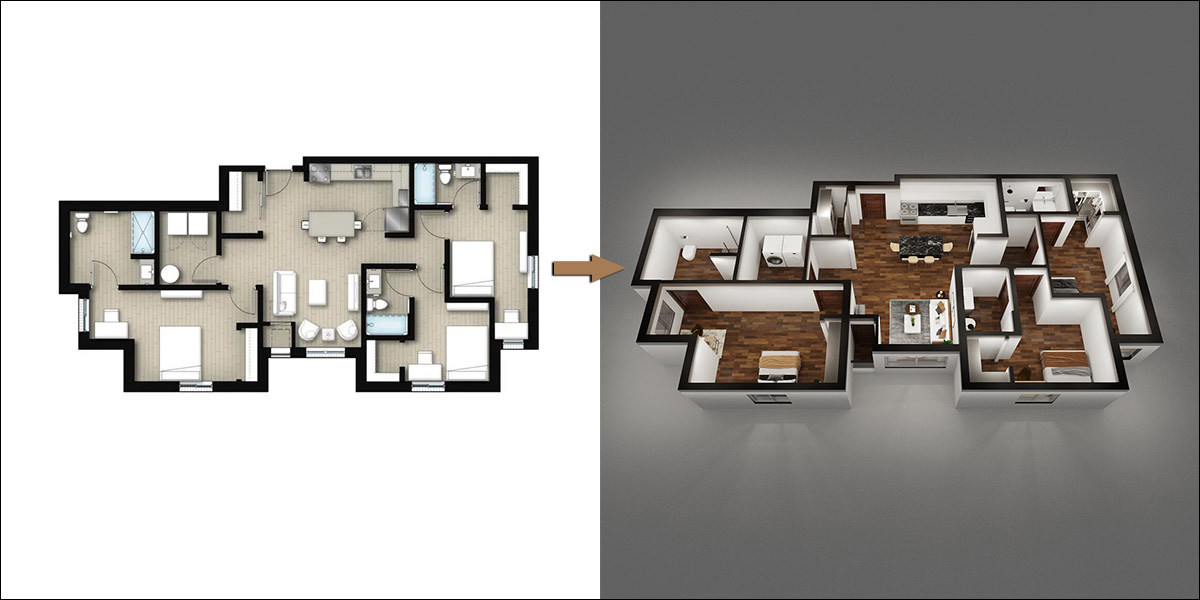 The transformative power of 3D floor plans brings the Craftsman house to life.
Our team implemented a multi-layered visual strategy. First, we applied professional photo editing, including day-to-dusk transitions, to showcase the welcoming glow of the signature front porch. Next, we developed high-definition 3D floor plans to help remote buyers visualize the seamless flow of the bungalow craftsman plan. For the empty living spaces, our high-end rendering and virtual staging demonstrated how modern lifestyle elements harmonize with traditional built-in features.
The results were immediate. Within 48 hours of the relisting, the property saw a 170% increase in online engagement. The house received multiple offers and ultimately sold for 12% above the initial asking price in less than a week. This case study proves that when you pair a classic craftsman house plan with Fotober’s world-class real estate editing service and visual marketing, you don't just list a house but also create fierce bidding wars.
Conclusion
The craftsman house plan remains a timeless investment, blending historical integrity with modern livability. Whether you are marketing an expansive craftsman home layout or a cozy small craftsman house, success lies in highlighting artisanal details. Ultimately, a great layout is only half the battle; high-quality visuals are what close the deal in today’s digital market. By pairing thoughtful bungalow craftsman plans with Fotober’s expert photo editing, 3D rendering, and floor plans, you ensure your property commands the attention it deserves.
Ready to showcase your project? Contact Fotober today to transform your listing into a high-value bestseller.
Follow us on social media to stay updated with the latest trends in the real estate market and popular architectural styles.
- Facebook: fotobermedia.co
- YouTube: Fotober
- TikTok: @fotober
- Instagram: fotober_media.
Related posts
Modern Luxe Interior Design: Elements, Style Guide and How to Stage It
October 10, 2026
Minimalist Interior Design: Characteristics, Style Guide, and Staging
October 8, 2026
Coastal Interior Design: Style Definition & Staging Guide
September 30, 2026
Contemporary Interior Design: Key Elements and How to Stage This Style
September 30, 2026
