




Contemporary Interior Design: Key Elements and How to Stage This Style

Share:
Table of Contents
- 1. Key takeaways
- 2. What is contemporary interior design?
- 3. Modern vs. contemporary interior design
- 4. Key elements of contemporary style
- 5. Check these 10 contemporary interior design ideas for a stylish modern home
- • 5.1. Create a statement living room with a sculptural sofa
- • 5.2. Add contrast with black accents
- • 5.3. Use oversized art as a focal point
- • 5.4. Mix straight lines with soft curves
- • 5.5. Layer texture in a neutral bedroom
- • 5.6. Keep the kitchen sleek and integrated
- • 5.7. Make lighting part of the design
- • 5.8. Use a restrained mix of natural and modern materials
- • 5.9. Keep decor minimal but intentional
- • 5.10. Use open space as part of the design
- 6. Why contemporary interiors sell homes
- 7. Frequently asked questions about contemporary interior design
- 8. Conclusion
Walk into a home that feels current, uncluttered, and quietly sophisticated, and you're almost certainly looking at contemporary interior design. It's the style of the moment, sleek, comfortable, and always evolving, and it has become the default aesthetic for new builds, remodels, and the listings that sell fastest. Yet it's also one of the most misunderstood styles, endlessly confused with "modern," and hard to pin down precisely because, by definition, it keeps changing.
This guide clears that up. It explains what contemporary interior design actually is, settles the modern-versus-contemporary debate, breaks down the elements and furniture that define the look, and shows where it sits among related styles. Then it turns to the practical side for anyone selling a home: why contemporary interiors are so effective at attracting buyers, and how virtual staging lets you show any listing in this on-trend style. Whether you're designing a space or marketing one, here's what to know.
1. Key takeaways
- Contemporary interior design is the style of "right now": current, ever-evolving, and defined by clean lines, comfort, and restraint rather than one fixed era.
- It differs from modern design, which refers to a specific mid-20th-century movement; contemporary shifts with the times.
- Its hallmarks are neutral palettes with bold accents, open uncluttered space, sleek functional furniture, and curated decor.
- Contemporary interiors sell homes well because they look current, broadly appealing, and photograph beautifully.
- Fotober's virtual staging can furnish any listing in a polished contemporary look photorealistically, for a fraction of physical staging.
2. What is contemporary interior design?
Contemporary interior design is the design style of the present moment, a fluid, ever-evolving aesthetic that reflects what's current rather than any single fixed period. At its core, it favors clean lines, uncluttered space, neutral foundations, comfort, and a sense of calm sophistication, borrowing freely from other styles as tastes shift over time.
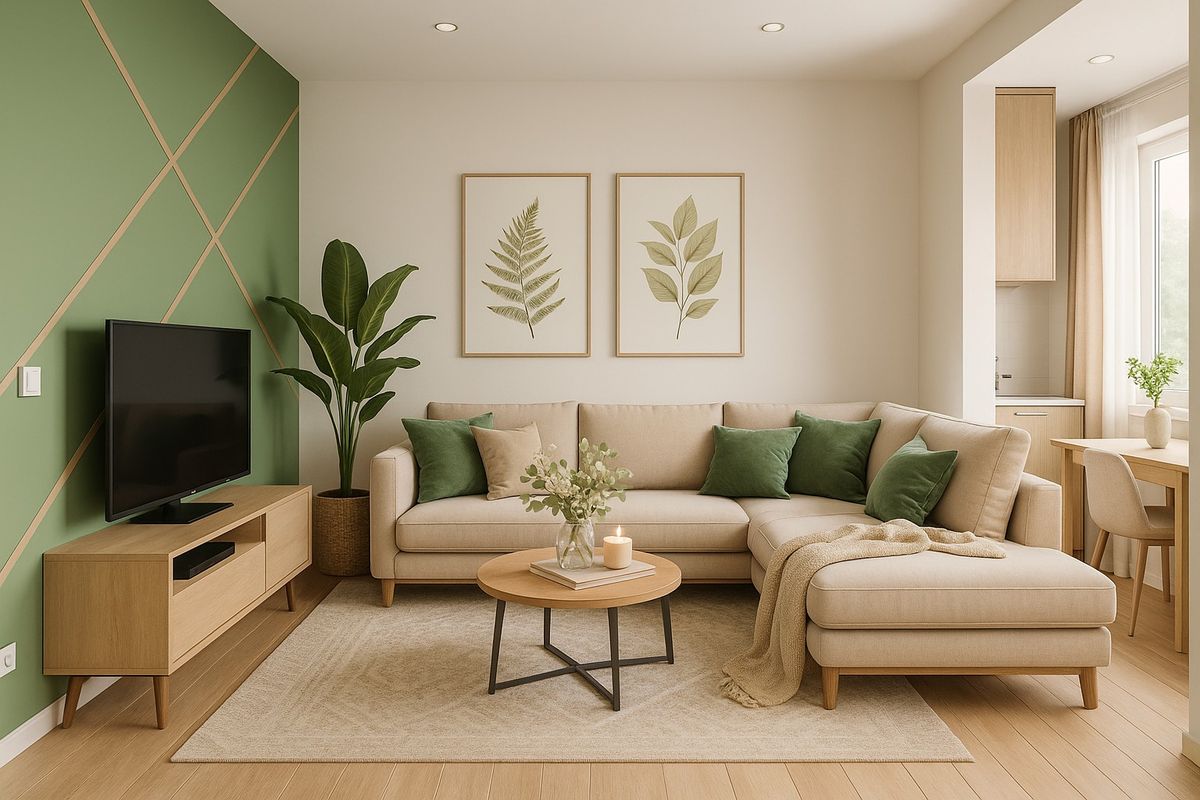
That fluidity is the whole point. Because it's tied to "now," contemporary design in the 1970s looked different from contemporary design today, and it will keep changing in the years ahead. The through-line is restraint and refinement: spaces feel curated and intentional, never busy or ornate. So when someone asks what contemporary interior style is, the most accurate answer is that it's less a rigid rulebook than a sensibility: current, understated, and comfortable, always leaning toward simplicity over excess.
This is also why contemporary interior design has such staying power in real estate and home decor. It never feels dated, because it's continuously refreshed by the present. Understanding that foundation makes the next question, how it differs from "modern" much easier to answer.
3. Modern vs. contemporary interior design
The single most common point of confusion is treating "modern" and "contemporary" as synonyms, when they're distinct. Getting the modern vs. contemporary interior design distinction right helps you describe a space accurately and choose the look you actually want.
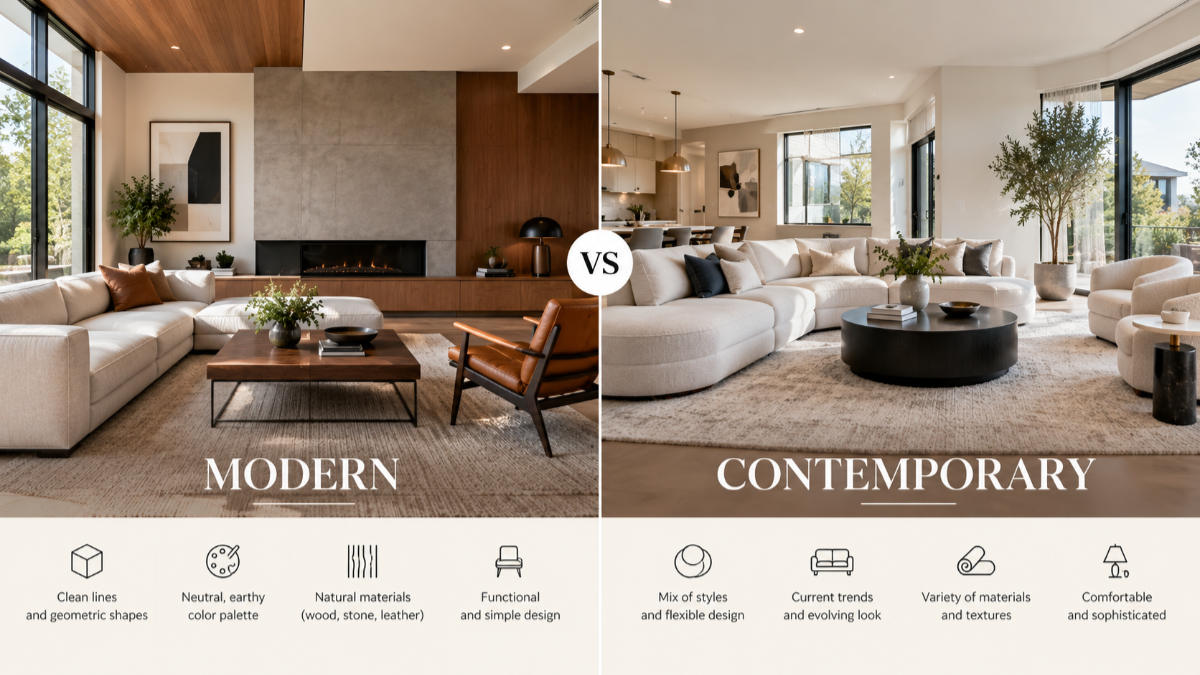
Modern design refers to a specific historical movement, roughly the early-to-mid 20th century, associated with mid-century modern furniture, warm woods, functional forms, and a defined set of design principles. It's a fixed style with a clear era and aesthetic. Contemporary design, by contrast, is not tied to any period; it's whatever is current, so it evolves continuously and can even absorb elements of modern, minimalist, or industrial looks as trends move. In practice, a modern room is a deliberate throwback to a particular design language, while a contemporary room simply reflects today. The two overlap both prize clean lines and function over fuss, but modern is a chapter in design history, and contemporary is the ongoing present. Keeping that straight is the key to the whole style.
4. Key elements of contemporary style
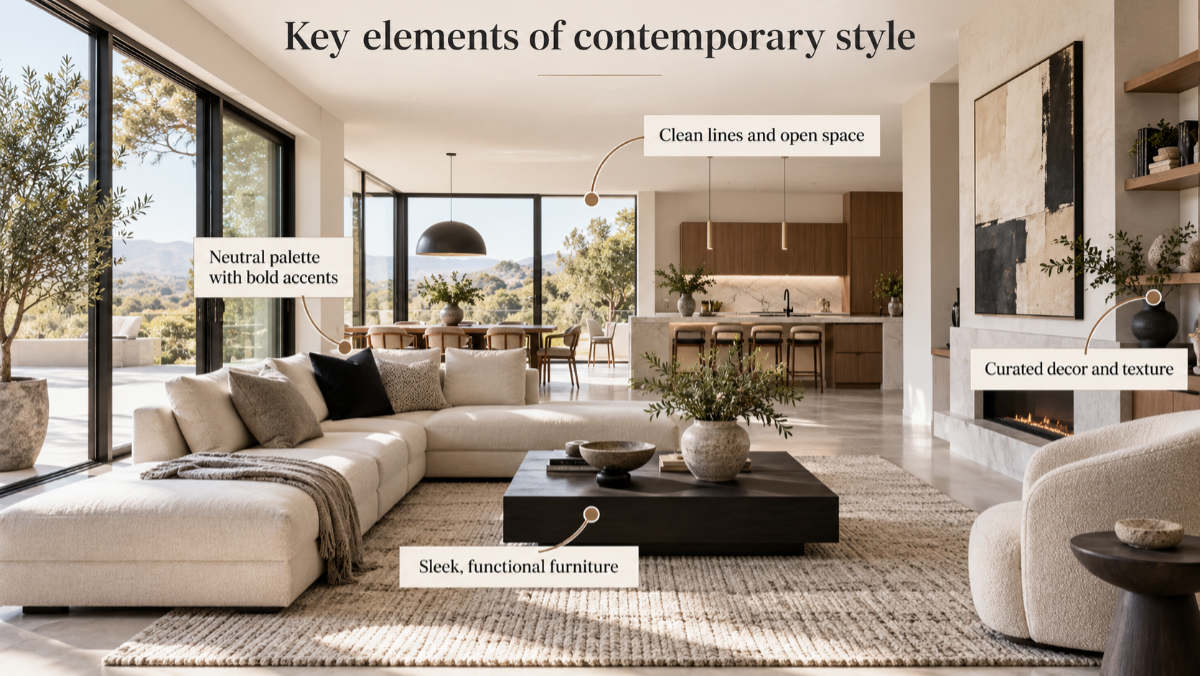
Even though it evolves, contemporary interior design has a recognizable toolkit at any given moment, and knowing it lets you create or identify the look. These are the elements that define the style today.
4.1. Neutral palette with bold accents
The base is a neutral, sophisticated palette: whites, grays, taupes, and black, that keeps rooms calm and gallery-like. Against that backdrop, contemporary spaces introduce controlled pops of bold color or a rich accent through art, a rug, or a single statement piece. The restraint of the base makes those accents read as intentional rather than busy.
4.2. Clean lines and open space
Contemporary rooms favor clean, straight or gently curved lines, smooth surfaces, and open, airy layouts. Clutter is minimized and negative space is embraced, so the eye can rest. Architecture is often exposed: bare windows, visible structural elements, and the overall effect is sleek, uncluttered, and calm.
4.3. Sleek, functional furniture
Furniture is where the style announces itself. Contemporary style furniture features clean silhouettes, low profiles, smooth surfaces, and quality materials like metal, glass, and leather alongside wood. Pieces are comfortable and functional but visually light, avoiding heavy ornamentation. A contemporary sofa or dining set looks current and streamlined, contributing to the room's uncluttered feel rather than dominating it.
4.4. Curated decor and texture
Finally, the finishing layer is deliberate. Home decor contemporary style leans on a few well-chosen pieces, a large-scale artwork, sculptural lighting, a textured throw, or a single plant rather than lots of small objects. Texture does a lot of the work, adding warmth to neutral rooms through materials like wool, linen, and matte metals. The result is a space that feels designed and complete without ever feeling cluttered.
5. Check these 10 contemporary interior design ideas for a stylish modern home
Once the core elements are in place, contemporary design becomes highly flexible. The goal is not to follow a rigid formula but to create spaces that feel current, refined, and easy to live in. These contemporary interior design ideas show how the style can be applied throughout the home while keeping the overall look clean, balanced, and visually interesting.
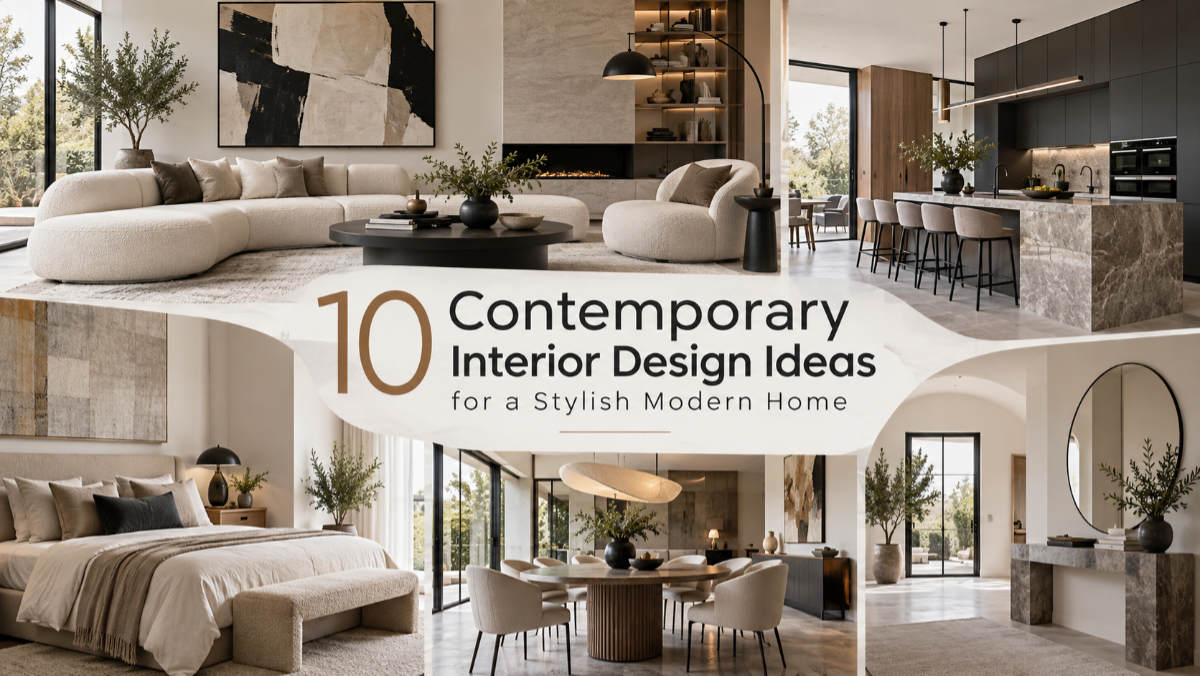
5.1. Create a statement living room with a sculptural sofa
Start with a low-profile sofa in a neutral tone such as cream, taupe, charcoal, or soft gray. Look for clean lines or subtle curves rather than bulky silhouettes, then pair it with a simple coffee table and one sculptural accent chair. The furniture should feel substantial enough to anchor the room without making the layout feel heavy.
5.2. Add contrast with black accents
Black is one of the easiest ways to give a contemporary interior definition. Use it selectively through window frames, lighting, table legs, hardware, or thin furniture details. Against white or warm neutral walls, these darker elements create a crisp architectural contrast while keeping the overall palette sophisticated.
5.3. Use oversized art as a focal point
Instead of filling walls with multiple small decorations, contemporary spaces often rely on one or two large pieces of art. Abstract paintings, graphic photography, or minimalist compositions work especially well. Oversized artwork introduces personality and color while preserving the clean, uncluttered character of the room.
5.4. Mix straight lines with soft curves
Contemporary interiors do not have to feel rigid. Balance straight architectural lines with curved sofas, rounded coffee tables, arched mirrors, or sculptural chairs. This contrast softens the room and adds movement without sacrificing the streamlined look that defines contemporary style.
5.5. Layer texture in a neutral bedroom
A contemporary bedroom can stay mostly neutral while still feeling warm and inviting. Combine upholstered headboards, crisp bedding, wool rugs, linen curtains, and textured throws in similar shades. The variation in materials adds depth without relying on strong patterns or excessive decoration.
5.6. Keep the kitchen sleek and integrated
For a contemporary kitchen, choose flat-panel or minimally detailed cabinetry in white, gray, taupe, black, or natural wood. Integrated appliances, simple hardware, and uncluttered countertops help maintain a seamless appearance. A stone backsplash or waterfall island can add visual interest while keeping the design refined.
5.7. Make lighting part of the design
Contemporary lighting is functional, but it can also act as sculpture. Consider oversized pendants, linear chandeliers, minimalist wall sconces, or sleek floor lamps with distinctive forms. Rather than filling a room with many decorative objects, one strong lighting fixture can create the visual impact the space needs.
5.8. Use a restrained mix of natural and modern materials
Combine warm materials such as wood, leather, or stone with glass, metal, concrete, or matte finishes. This balance prevents contemporary interiors from feeling too cold while keeping them polished and current. For example, a walnut dining table can be paired with slim metal chairs or a stone coffee table with a soft upholstered sofa.
5.9. Keep decor minimal but intentional
Every decorative object should contribute to the overall composition. Instead of covering surfaces with accessories, choose a small number of sculptural vases, books, ceramics, plants, or decorative bowls. Grouping a few pieces together usually looks more intentional than spreading small objects throughout the room.
5.10. Use open space as part of the design
One of the most important contemporary design ideas is knowing what not to add. Leave clear areas around furniture, avoid overcrowding walls, and keep circulation paths open. Negative space allows statement pieces, architecture, and materials to stand out while making the room feel larger, calmer, and more sophisticated.
The best contemporary interiors feel polished without appearing overly styled. By combining neutral colors, clean lines, sculptural furniture, rich textures, and carefully selected accents, you can create a home that feels current today while remaining flexible enough to evolve with future design trends.
6. Why contemporary interiors sell homes
Contemporary design overlaps with several other looks, and placing it among them sharpens the definition. It's the umbrella "of-the-moment" style, and it frequently borrows from its neighbors. It shares minimalism's love of clean space and restraint, though contemporary allows a bit more warmth, color, and personality than a strict minimalist interior does. It echoes the light, airy calm of the Scandinavian look, while trending sleeker and more urban. And at its more upscale end, it edges toward modern luxe interiors, adding richer materials and statement pieces. Understanding these relationships helps you land exactly the contemporary interior design you're after and, for anyone marketing a home, describe it in terms buyers recognize.
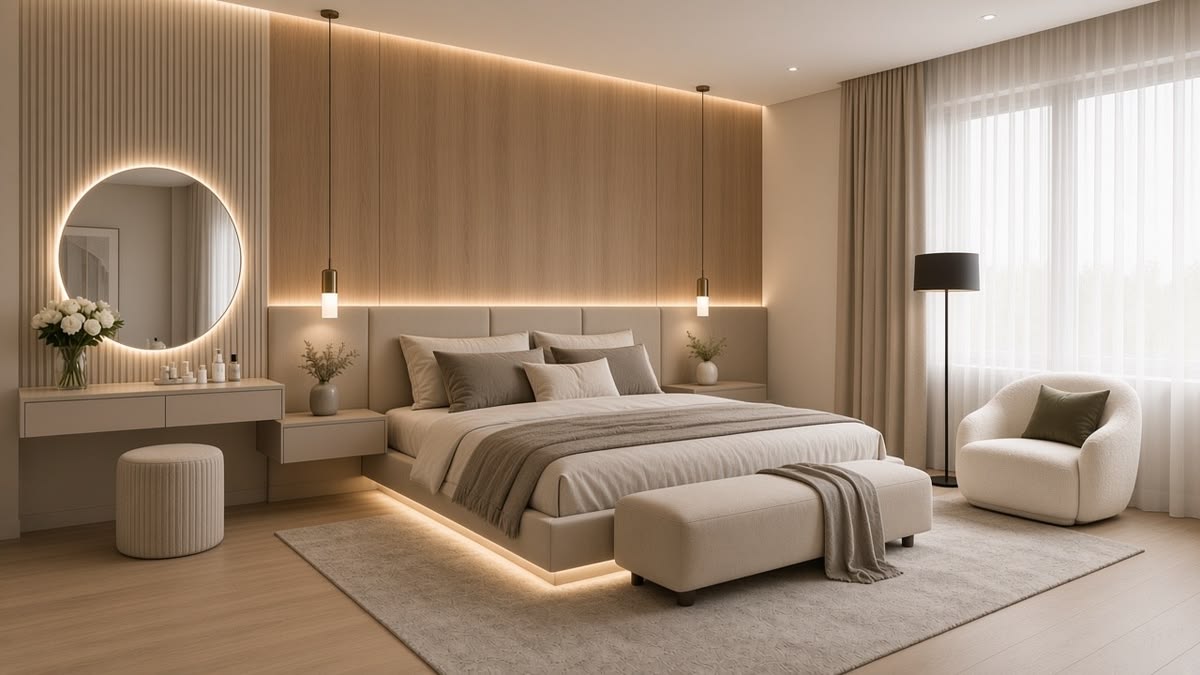
Beyond aesthetics, contemporary interior design is one of the most effective styles for selling real estate, because the very things that define it are what buyers respond to. Current, clean, uncluttered spaces photograph well and appeal broadly, which is exactly what a listing needs.
Start with relevance and reach. A contemporary interior reads as up-to-date and move-in ready, signaling to buyers that a home has been cared for and won't need cosmetic work. Its neutral base lets the widest range of buyers imagine their own life in the space, without the distraction of a highly specific or dated style. That matters because impressions form online first, the National Association of REALTORS® reports in its research on home staging that staging helps buyers visualize a property as their future home and can shorten time on market. Contemporary interiors also translate especially well into photography: clean lines, open space, and a controlled palette produce bright, crisp listing images that stand out in a crowded search results page. For a vacant or dated property, presenting it in a contemporary look is one of the surest ways to make it feel current and desirable, which is where staging comes in.
With virtual staging, a professional editor digitally furnishes photos of an empty room, adding sleek contemporary furniture, a neutral palette with tasteful accents, and curated decor to produce photorealistic images buyers see in the listing. Because contemporary style relies on clean lines and restrained, consistent palettes, it renders especially convincingly, without the fussy details that make ornate styles hard to fake. The cost advantage is dramatic: virtual staging runs a small fraction of physical staging and can be delivered in a day or two, so a vacant home never sits on the market looking bare. Sellers can even preview a room in more than one style to see what resonates with their target buyer. For agents handling empty or tired listings, staging them virtually in a current contemporary look is a fast, affordable way to help buyers connect with the space.
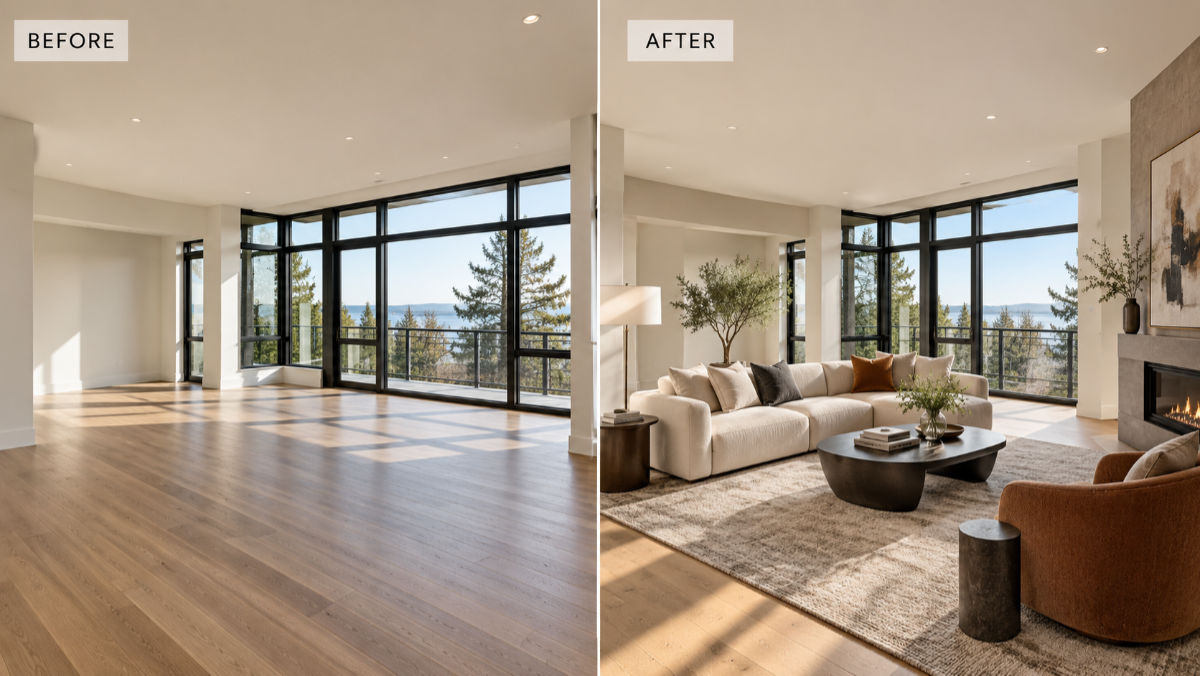
Fotober helps agents, sellers, and developers present their listings in an on-trend contemporary look through professional virtual staging. From photos of an empty room, our team digitally furnishes the space with sleek contemporary furniture, a refined neutral palette, and curated decor, so buyers see a current, move-in-ready home instead of bare floors. We can stage living rooms, bedrooms, kitchens, and more, and even present the same space in multiple styles so you can market to different buyers. Every image is photorealistic, priced per photo, and delivered fast, so your vacant listings never wait to look their best.
7. Frequently asked questions about contemporary interior design
What is contemporary interior design?
It's the design style of the present moment: current, ever-evolving, and defined by clean lines, neutral palettes, open space, and comfort. Rather than following one fixed era, it reflects what's fashionable now, favoring simplicity and refinement over ornamentation.
What's the difference between modern and contemporary design?
Modern design is a specific historical style, tied to the early-to-mid 20th century. Contemporary design isn't tied to any period, it's whatever is current, so it keeps evolving. Both value clean lines and function, but modern is a fixed look and contemporary is the ongoing present.
What furniture suits a contemporary interior?
Contemporary style furniture has clean silhouettes, low profiles, and smooth surfaces, using materials like metal, glass, leather, and wood. Pieces are comfortable and functional but visually light, without heavy ornamentation, so they keep the room feeling sleek and uncluttered.
What colors define contemporary style?
A neutral base: white, gray, taupe, and black, anchors the look, punctuated by controlled bold accents through art, a rug, or a statement piece. The restraint of the palette is what makes the accents feel intentional.
Can I stage a vacant home in a contemporary style without buying furniture?
Yes. Virtual staging digitally furnishes photos of empty rooms in a contemporary look: sleek furniture, neutral tones, curated decor, photorealistically, for a fraction of the cost of physical staging and with fast turnaround.
8. Conclusion
Contemporary interior design endures precisely because it never stands still: it's the living, evolving picture of what feels current, built on clean lines, comfort, and restraint rather than any single trend. For homeowners, that makes it a safe, sophisticated, always-fresh choice; for anyone selling a property, it's a proven way to make a home feel modern, cared for, and broadly appealing. And with virtual staging, you can bring that look to any listing quickly and affordably no furniture rental required. If you're marketing a vacant or dated home, Fotober can help you show it at its contemporary best. Reach us at [email protected] or the hotline below, and send your listing photos to see the difference, place an order or start a free trial today.
Connect with Fotober
- Facebook: fotobermedia.co
- YouTube Channel: Fotober
- TikTok Channel: @fotober
- Instagram: fotober_media
- Email support: [email protected]
- Hotline: +84 942 110 297
Related posts

Cincinnati Housing Market 2026: Prices, Trends, and What It Means for Buyers, Sellers, and Investors
October 20, 2026
Modern Luxe Interior Design: Elements, Style Guide and How to Stage It
October 10, 2026
Minimalist Interior Design: Characteristics, Style Guide, and Staging
October 8, 2026
Coastal Interior Design: Style Definition & Staging Guide
September 30, 2026
