




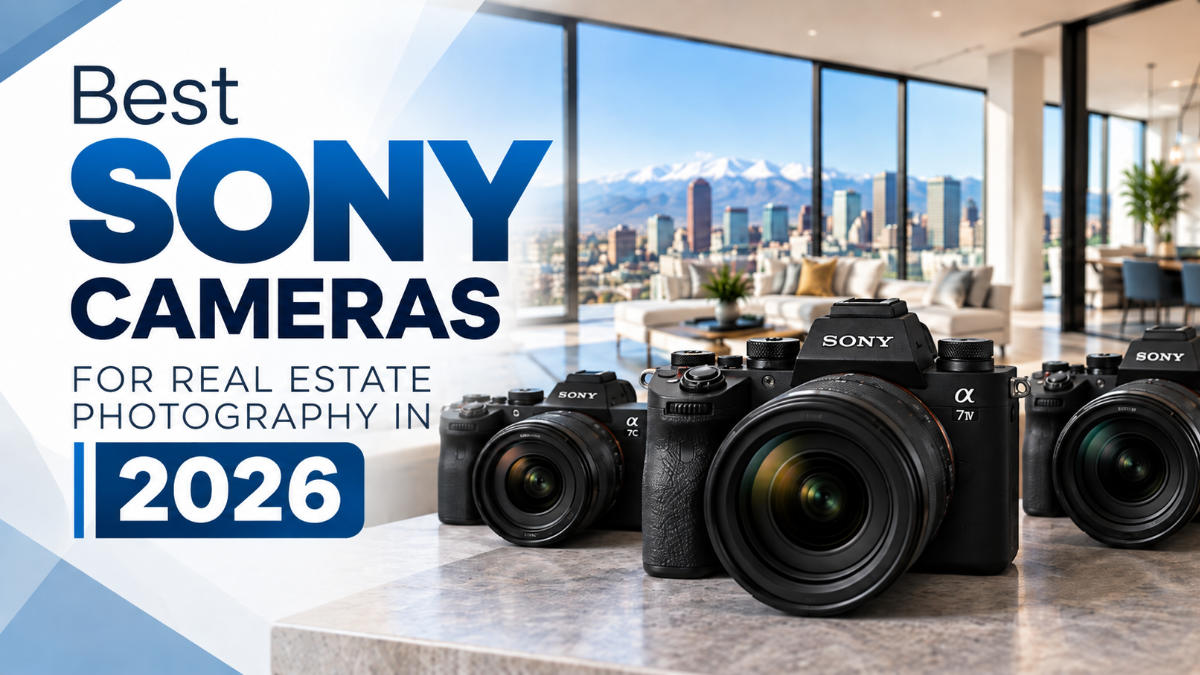
Best Sony Cameras for Real Estate Photography in 2026

Share:
Table of Contents
- 1. Key takeaways
- 2. What makes the best Sony camera for real estate photography?
- 3. Top picks: Best Sony camera for real estate photography in 2026
- 4. Complementing your Sony camera for real estate photography with the right lenses
- 5. Key accessories and real estate photography equipment
- 6. Photo editing: The final step after choosing the best Sony camera for real estate photography
- 7. Frequently asked questions about the best Sony camera for real estate photography
- 8. Conclusion
Choosing the best Sony camera for real estate photography is the single decision that shapes how your listings look online, how quickly you shoot, and how much you have to lean on post-production afterward. Sony's mirrorless line-up runs from affordable APS-C bodies to 61MP full-frame flagships, so the right pick depends on the property types you shoot, the lighting you face, and the budget you can commit. This guide compares the top Sony bodies for interiors and exteriors, the lenses and accessories that complete the kit, and the editing step that turns solid captures into scroll-stopping photos. Whether you shoot luxury estates or compact condos, the aim is a dependable Sony camera for property photo work that delivers clean, high-dynamic-range images on every listing.
1. Key takeaways
- The best Sony camera for real estate photography balances resolution, dynamic range, and low-light performance rather than megapixels alone.
- Full-frame bodies like the a7R IV and a7 III lead for detail and versatility; the compact a6600 wins for tight spaces and lightweight travel kits.
- Pair the body with a wide-angle lens (16-35mm) and the right real estate photography equipment to get consistent results.
- Professional photo editing is the final step that finishes every image — see the Photo Editing section before you publish.
2. What makes the best Sony camera for real estate photography?
Professional real estate photography demands specific camera capabilities to deliver consistent results. Research shows that "92% of buyers start their property search online, making image quality crucial" for first impressions, and both high dynamic range and strong low-light performance significantly impact the final result. Modern cameras also need to handle the challenging, mixed lighting situations common in interior work, where bright windows and dark corners appear in the same frame.
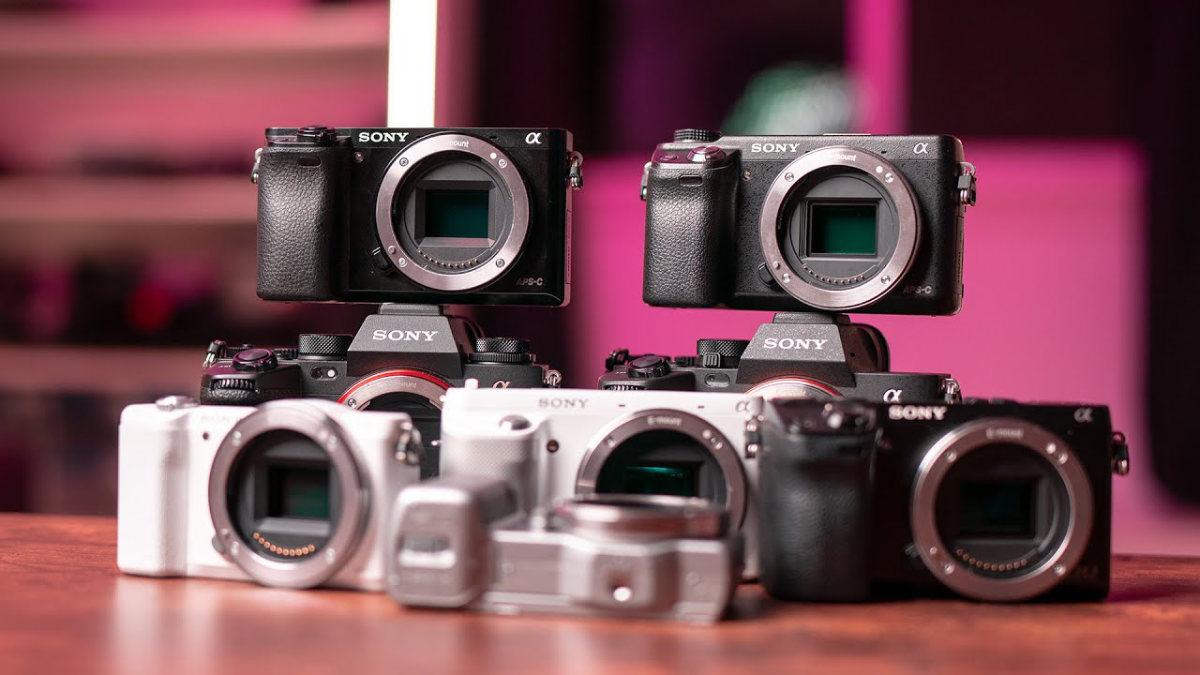
Essential camera features include:
- Full-frame sensor preferred
- High dynamic range
- Fast autofocus system
- 4K video capability
A serious contender needs excellent high-ISO performance for dark interiors, weather sealing to protect your investment on exterior shoots, and the ability to balance mixed lighting for consistent results. Sony is not the only route; plenty of pros also weigh their options against the top Nikon cameras for real estate photography, but Sony's dynamic range and lens ecosystem keep it a favorite. Investing in the right real estate photography equipment ensures that your camera, lens, and accessories work together seamlessly to showcase properties in their best light.
3. Top picks: Best Sony camera for real estate photography in 2026
3.1. Sony a7R IV: The premium detail leader
The a7R IV's 61MP sensor sets a new standard for detail capture in real estate photography, revealing intricate textures in flooring, countertops, and architectural features. The high resolution allows significant cropping while maintaining print quality, invaluable when refining composition in post-processing, and large prints stay sharp even at sizes up to 40x60 inches. Professional photographers value its ability to hold fine detail in both highlights and shadows, so marketing materials can zoom into specific features without any quality loss.
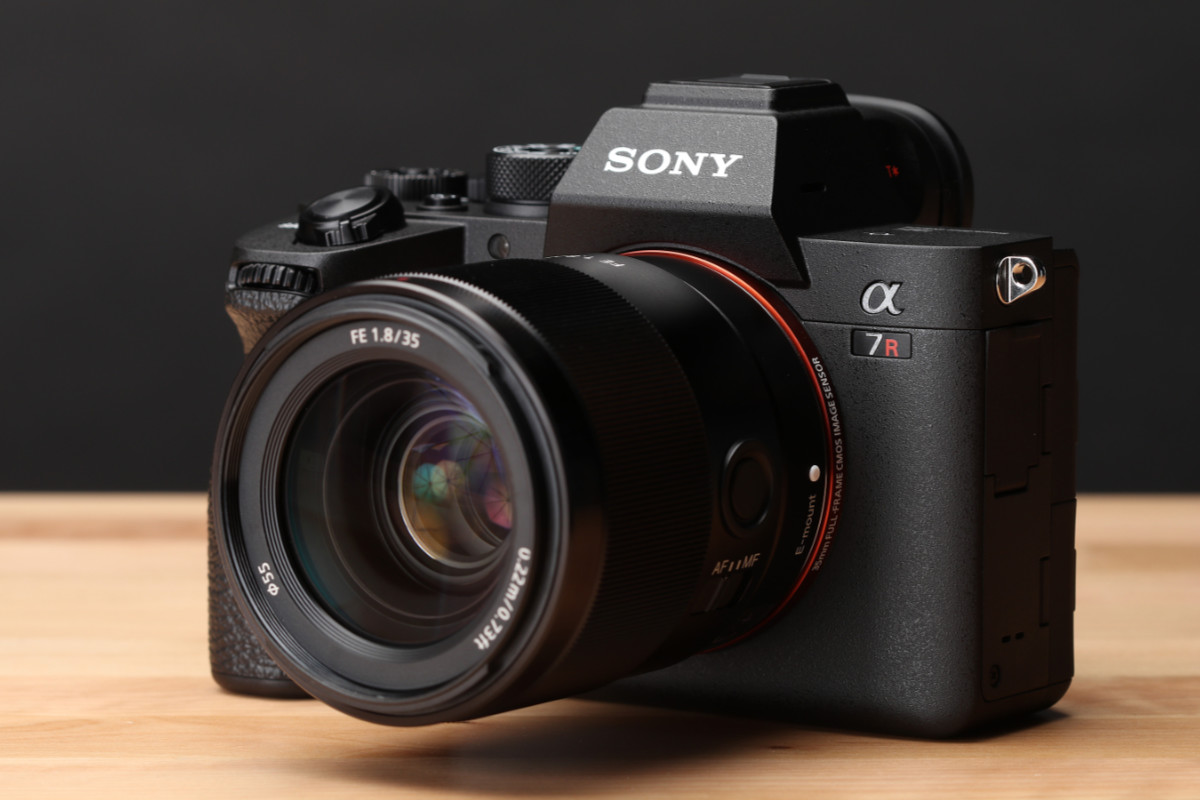
Low-light performance is a second strength: despite the high resolution, the back-illuminated sensor keeps images clean up to ISO 3200 and preserves detail in dark corners and shadowed areas. The improved dynamic range handles tricky window-and-room exposures, and the camera excels at twilight exteriors without compromising quality. For high-end and commercial assignments, dual card slots, robust weather sealing, and long battery life support full-day shoots, while the professional build ensures reliability for daily use.
3.2. Sony a7S III: Best for video and twilight
The a7S III's 4K video at 120fps creates stunning property walkthroughs with exceptional clarity and smooth motion, and its advanced autofocus tracks movement perfectly during room-to-room transitions. Teams that handle video editing for real estate agents praise how it maintains quality across lighting conditions, while internal 10-bit 4:2:2 recording gives excellent color-grading flexibility. The high frame rate also opens up creative slow-motion sequences of standout property features.
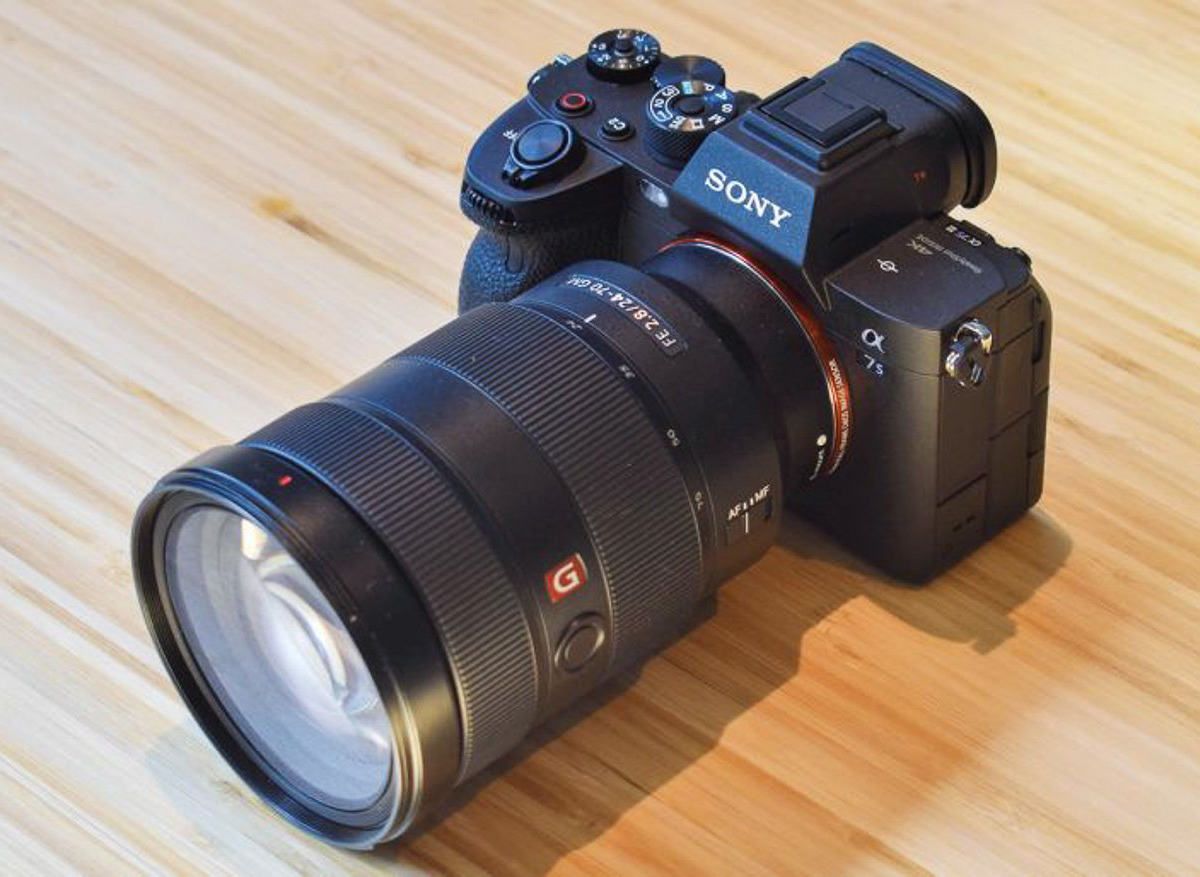
Its 12MP sensor is optimized specifically for low light, so twilight exteriors and dark interiors stay clean at ISO settings up to 12800, extending shooting hours during short winter days. Professional photographers rely on it for evening open houses and mixed-lighting situations where other cameras struggle. The sensor captures detail in shadows and highlights simultaneously, making it a genuine low-light champion.
3.3. Sony a7 III: Best mid-range value
The Sony a7 III has established itself as the go-to camera for professional real estate photography in the mid-range market. Market data shows that 45% of real estate photographers choose this camera for its balance of features and affordability. Its 24MP full-frame sensor pairs manageable file sizes with excellent dynamic range for bright windows and dark interiors alike, and it holds up well even when you push ISO in dim rooms. For many working shooters, it is simply the most practical body for the listings they take on week after week.
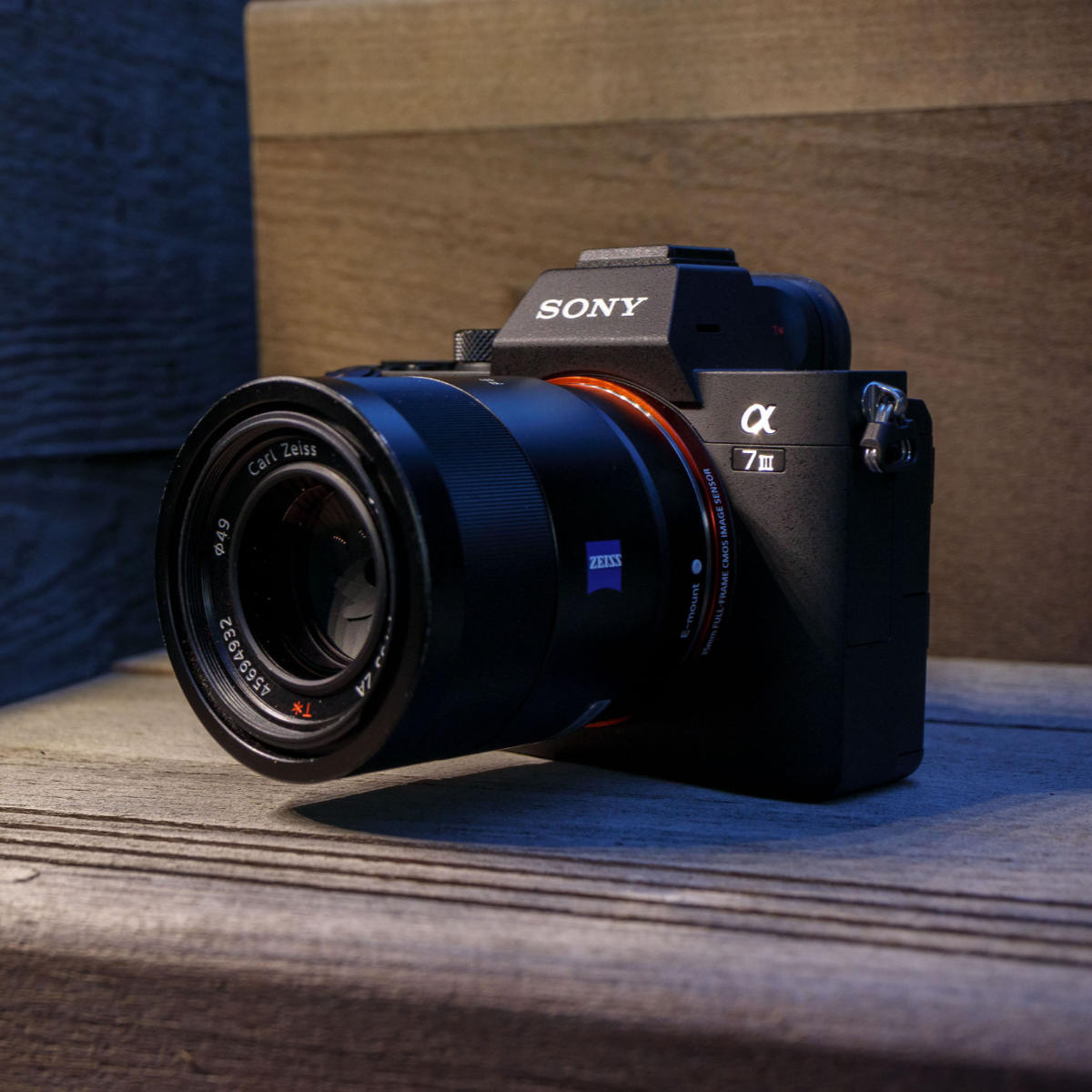
Beyond stills, the a7 III is a strong hybrid tool: its 4K video meets modern marketing requirements, and it switches seamlessly between photo and video modes, hitting the sweet spot for price and performance. Battery life is a standout too; the NP-FZ100 delivers up to 710 shots per charge, enough to complete multiple property shoots without swapping batteries. Even with heavy EVF use, it still returns 500+ shots, and an optional grip doubles capacity for the busiest days.
3.4. Sony a7R II: Budget full-frame option
The a7R II's 42MP sensor captures impressive detail in architectural features and interior finishes, performs well in the challenging lighting common to real estate, and leaves plenty of room for post-processing. Internal 4K recording adds sharp property walk-throughs plus creative cropping and pan effects in post, keeping it competitive with newer models in its price range. In the used market, its reduced price makes it an accessible entry point into professional full-frame work.
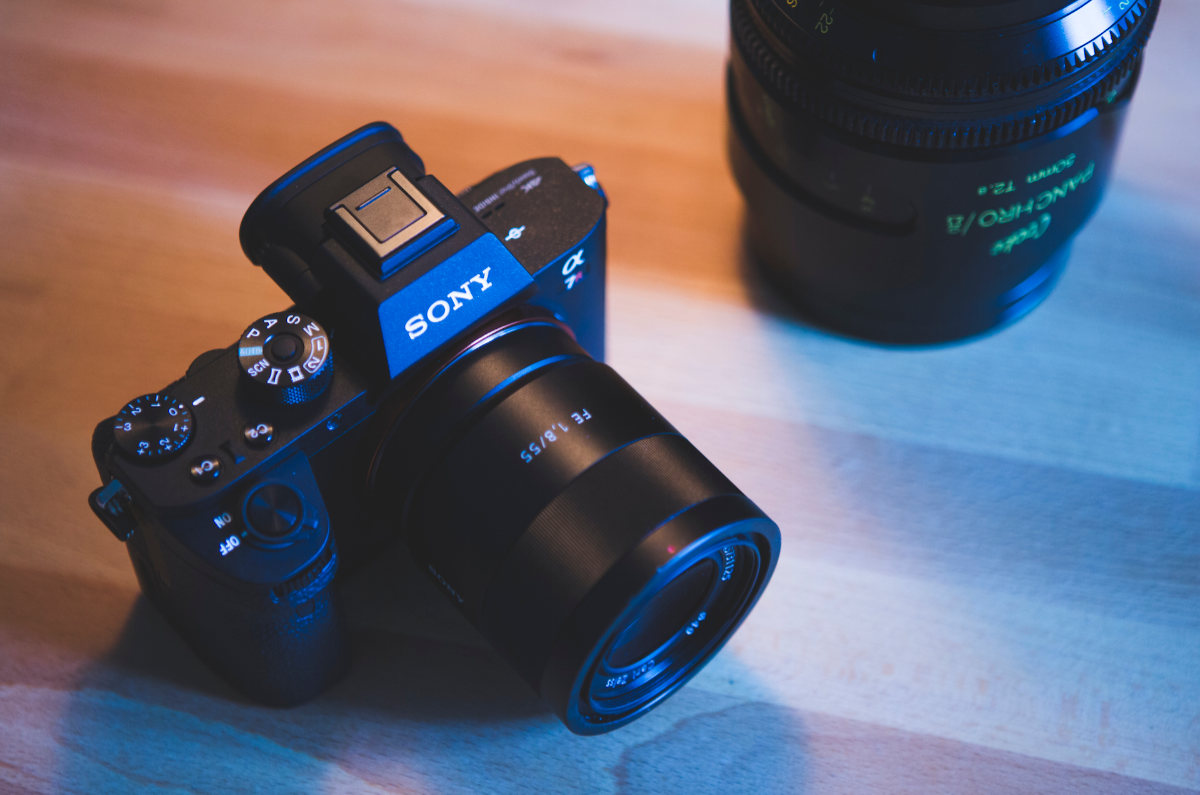
For beginners, the a7R II offers professional features without limiting growth, and the learning curve stays manageable for anyone moving up to full-frame. Its proven track record and weather-sealed construction mean years of dependable service across varied shooting conditions. That combination of price, resolution, and durability makes it a smart budget pick for developing photographers.
3.5. Sony a6600: Compact APS-C pick
The Sony a6600 packs professional features into a compact APS-C body, making it ideal for photographers who value portability and a competitive price. Despite the smaller sensor, colors and details stay sharp through the ISO range used in real estate, and the dynamic range handles interior lighting effectively. The crop factor can even help in tight interiors by maintaining deeper depth of field at wider apertures.
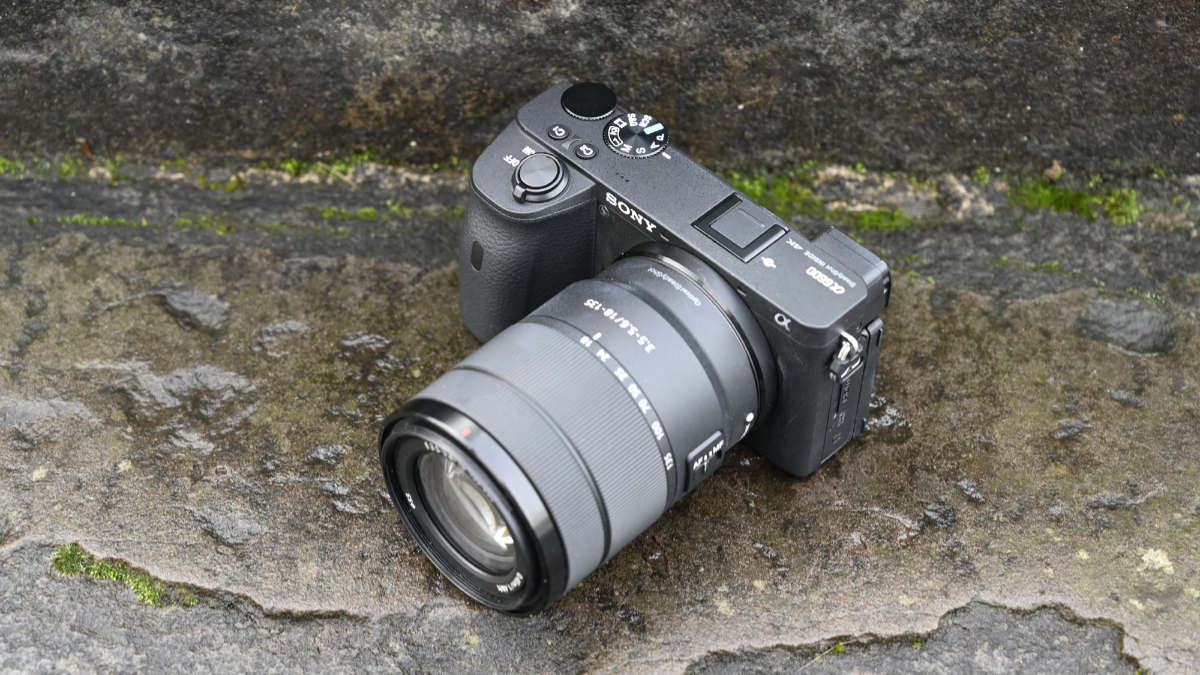
Its size is the real advantage: the lightweight body reduces fatigue on full-day shoots and maneuvers easily in tight corners, bathrooms, and small condos. Weather sealing keeps it reliable outdoors, and the articulating screen helps capture creative angles in confined spaces. For many professionals, it also serves as an excellent portable backup body alongside a full-frame Sony.
4. Complementing your Sony camera for real estate photography with the right lenses
The right lens helps a Sony camera for real estate photography capture a room’s layout, keep architectural lines controlled, and handle both interiors and exteriors. Start with a wide-angle zoom that matches your camera’s sensor, then choose a specialist lens if your work calls for one.
4.1. Top lens recommendations for 2026
- Sony FE PZ 16–35mm F4 G: best everyday choice for full-frame photo and video. The 16–35mm range covers most rooms and exterior views. Its compact build and smooth power zoom make it especially useful for photographers who also shoot property walkthroughs.
- Sony FE 16–35mm F2.8 GM II: premium full-frame choice. This updated G Master zoom pairs the practical 16–35mm range with an f/2.8 aperture. Consider it for demanding interiors, twilight exteriors, and professional work where one wide-angle lens needs to handle both stills and video.
- Sony FE 12–24mm F4 G for particularly tight spaces. Its 12mm wide end can fit more of a small bathroom, narrow hallway, or compact room into the frame. Use the widest setting carefully: shooting too close to furniture can make a space appear larger than it is.
- Tamron 16–30mm F2.8 Di III VXD G2: third-party full-frame alternative. Released for Sony E-mount in 2025, this lens offers a useful ultra-wide range and constant f/2.8 aperture. It is a current option to compare with Sony’s 16–35mm lenses when choosing a photo and video kit in 2026.
- Sony E PZ 10–20mm F4 G: for Sony APS-C cameras. On an APS-C body, its field of view is equivalent to approximately 15–30mm on full-frame, making it a practical wide-angle option for interiors and property video.
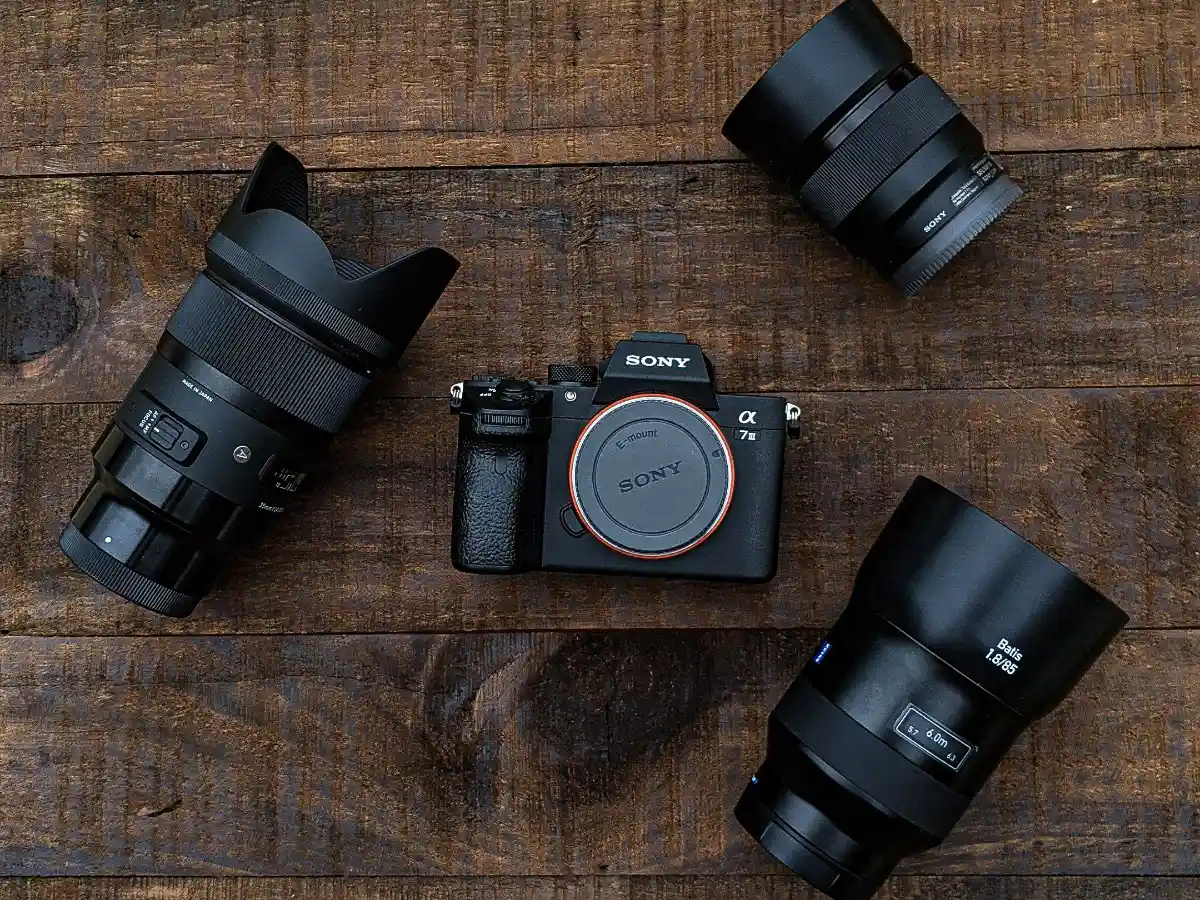
Quick buying tip: For most full-frame shoots, begin with a 16–35mm zoom. Add a 12–24mm lens only if tight spaces regularly demand a wider view. The previously listed Sigma 56mm F1.4 is a short telephoto APS-C lens, so it is better suited to detail shots than as a main lens for real estate interiors.
4.2. How lenses enhance camera performance
High-quality lenses maximize your Sony camera's resolution and dynamic range; professional tests show "premium lenses can improve overall image sharpness by up to 40%", and they preserve the corner sharpness that architectural photography demands. Advanced coatings enhance contrast and color accuracy in difficult lighting, while modern Sony lenses pair with the cameras' fast autofocus and in-body stabilization to keep shots sharp, especially in dim interiors. These gains become most valuable in the low-light interior situations you meet on almost every shoot.
When choosing a lens, start from your property types and typical spaces: most real estate photographers begin with a versatile wide-angle zoom and prioritize lens quality over owning many cheaper options. Look for wide-angle coverage (around 16-35mm), minimal distortion for natural-looking rooms, reliable performance across lighting conditions, and weather sealing if you shoot exteriors and twilight often. Matching the lens to the way you actually work matters more than chasing the most expensive option available.
5. Key accessories and real estate photography equipment
Professional real estate photography requires specific accessories to maximize camera and lens performance. Research shows that proper accessories can reduce shooting time by 30% and improve image quality significantly, while helping you stay consistent across different properties and lighting conditions. A well-planned set of real estate photography equipment often pays for itself through improved efficiency on every shoot.
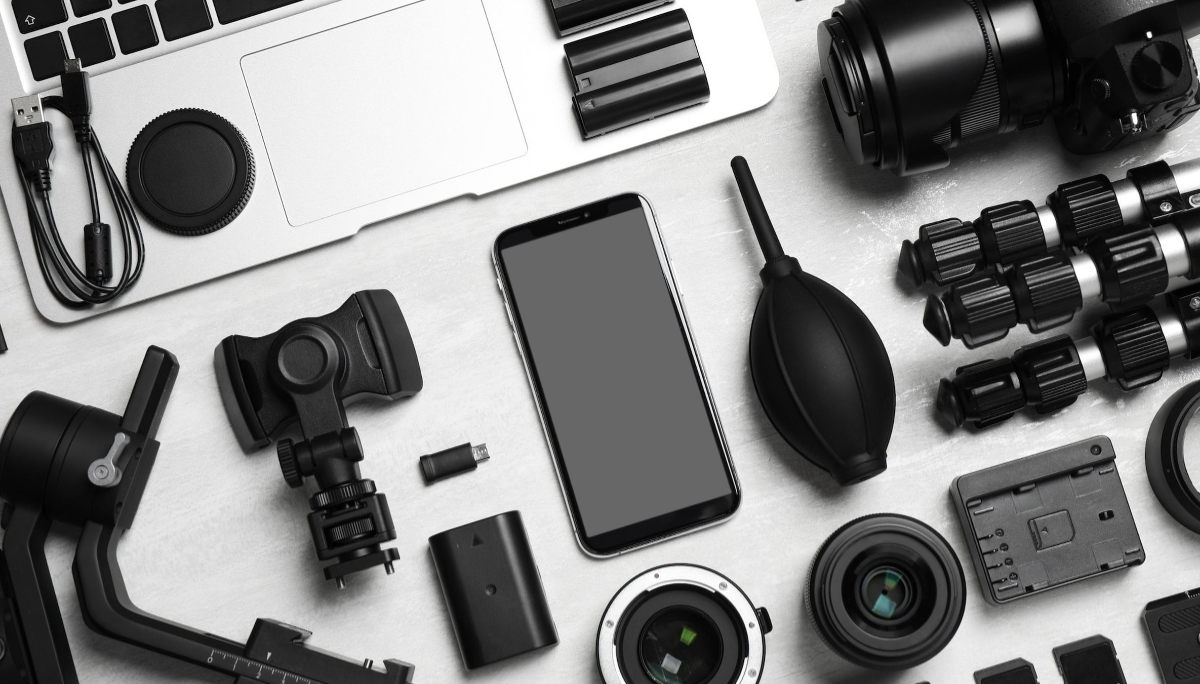
Essential accessories include:
- Sturdy tripod system
- Remote shutter release
- Flash units
- Color checker cards
Professionals emphasize reliable support systems above all: a quality tripod keeps images sharp even in low light, flash units help balance the mixed lighting common in interiors, and color checker cards keep your whites and skin tones accurate. Simple maintenance tools protect your investment long-term, and consistent gear makes it easier to hand files to an editing partner with predictable results.
6. Photo editing: The final step after choosing the best Sony camera for real estate photography
Even the best Sony camera for real estate photography only captures the starting point. Straight-out-of-camera files can still show blown windows, mixed-light color casts, uneven exposure, and wide-angle distortion, all of which become more noticeable when buyers view listings online. Professional editing corrects those issues and turns strong source files into bright, accurate, and market-ready images.
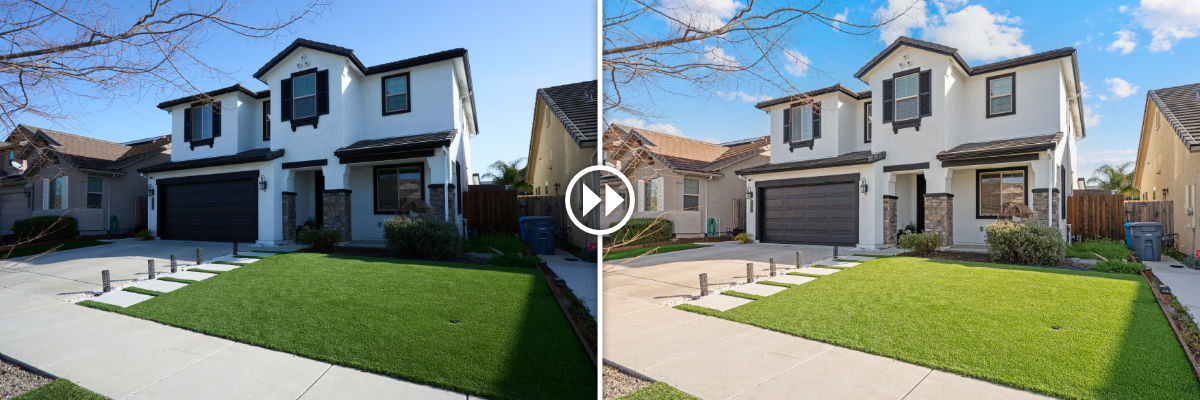
A consistent workflow usually includes HDR blending or window pulls, vertical and horizontal straightening, white-balance correction, color refinement, and detail preservation. These adjustments help interiors look natural while keeping the entire gallery visually consistent, especially when photographers are processing dozens of listings each month.
This is where Fotober can support Sony shooters. Instead of spending hours editing after every property, photographers can outsource post-production while keeping their preferred shooting workflow intact. Fotober handles services such as dynamic-range optimization, lens distortion correction, color and white-balance adjustment, and detail enhancement across different Sony camera files. For high-volume photographers, that means more time behind the camera and less time at the desk. A reliable editing partner also makes it easier to deliver the same polished look across every listing, regardless of property size, lighting conditions, or shoot volume.
7. Frequently asked questions about the best Sony camera for real estate photography
What is the best Sony camera for real estate photography?
For most professionals, the Sony a7R IV (61MP) is the top choice when maximum detail matters, while the a7 III offers the best balance of price and performance for everyday listings. The right choice depends on your property types, budget, and how much you shoot.
Is a full-frame Sony camera necessary for real estate photography?
Full-frame bodies like the a7 III and a7R IV give better dynamic range and low-light performance, which helps with bright windows and dark interiors. That said, the APS-C Sony a6600 is a strong, portable option for tighter budgets.
What lens should I pair with a Sony camera for property photo work?
A wide-angle zoom such as the Sony 16-35mm f/4 is the most versatile choice for interiors and exteriors. For the tightest rooms, the ultra-wide 12-24mm f/4 minimizes distortion while still showing the whole space.
Do I still need photo editing if I use a high-end Sony camera?
Yes. Even the best gear captures raw files that need window pull, color correction, and lens-distortion fixes before they are listing-ready. Professional editing is what makes every property look bright, accurate, and inviting online.
8. Conclusion
Choosing the best Sony camera for real estate photography significantly impacts your success, so start from your specific requirements and let them guide your equipment decisions. The right camera becomes a long-term investment in your photography business, but remember that even the best body still rewards good technique and a clear understanding of its features. Focus on mastering your chosen camera before considering upgrades, and start with versatile options that cover most real estate scenarios.
With the right Sony camera and proper support from Fotober, you will capture the stunning property images that clients expect. Our expert editing services elevate those photos so they are polished and ready for successful marketing, turning solid captures into listings that sell. Pair the right gear with the right editing partner, and every property you shoot looks its absolute best online.
Connect with Fotober
- Facebook: fotobermedia.co
- YouTube Channel: Fotober
- TikTok Channel: @fotober
- Instagram: fotober_media
- Email support: [email protected]
- Hotline: +84 942 110 297
Related posts

Modern Luxe Interior Design: Elements, Style Guide and How to Stage It
October 10, 2026

Minimalist Interior Design: Characteristics, Style Guide, and Staging
October 8, 2026

Coastal Interior Design: Style Definition & Staging Guide
September 30, 2026

Contemporary Interior Design: Key Elements and How to Stage This Style
September 30, 2026
