




Best Mirrorless Camera for Real Estate Photography (2026 Buyer's Guide)

Share:
Table of Contents
- 1. Quick summary: Top picks for the best mirrorless camera for real estate photography
- 2. Key features to look for in a real estate camera
- 3. Top 4 best mirrorless cameras for real estate photography
- 4. Top 3 best affordable mirrorless cameras for real estate
- 5. Comparing the best mirrorless cameras for real estate photography: Specs, features & price points
- 6. Essential gear to pair with your real estate mirrorless camera
- 7. Conclusion
For years, digital single-lens reflex (DSLR) cameras dominated the real estate media industry. However, mirrorless technology has officially taken over as the gold standard for property photographers. Modern mirrorless bodies offer real-time electronic viewfinder (EVF) exposure simulation, superior dynamic range, rapid auto-exposure bracketing (AEB), and lighter form factors that streamline long days on location.
Whether you are an established media production agency scaling your fleet, a solo freelance architectural photographer, or a real estate agent looking to elevate your listing visuals in-house, choosing the best mirrorless camera for real estate photography directly impacts your image quality, workflow efficiency, and final client deliverables. This article evaluates top-tier professional gear, highlights budget-conscious bodies, and helps you select the exact tool for your workflow.
1. Quick summary: Top picks for the best mirrorless camera for real estate photography
- Best overall pro camera: Sony Alpha 7 IV. Exceptional dynamic range, vast ultra-wide lens ecosystem, and robust 33MP resolution make it the most versatile full-frame choice for daily commercial shoots.
- Best for hybrid photo & video: Canon EOS R6 Mark II. Outstanding low-light performance combined with uncropped 4K 60p video capabilities for seamless transition between still photos and virtual walkthrough tours.
- Best high-resolution workhorse: Nikon Z8. Superb 45.7MP stacked sensor featuring an electronic shutter mechanism, eliminating mechanical shutter wear across high-volume bracketed shots.
- Best for commercial & luxury: Sony Alpha 7R V. Massive 61MP resolution paired with a class-leading 4-axis multi-angle LCD screen for ultra-detailed architectural captures and large-format prints.
- Best affordable APS-C option: Sony A6700. Advanced AI autofocus and exceptional dynamic range in a compact crop-sensor body, making it a powerful budget alternative.
- Best entry-level starter: Canon EOS R10. Light, highly accessible, and user-friendly for real estate agents entering property photography on a tight budget.
- Best affordable full-frame option: Nikon Z5. The overall best affordable mirrorless camera for real estate photography for those who demand a full-frame sensor and dual SD card slots under $1,400.
2. Key features to look for in a real estate camera
Before purchasing a camera body, it is essential to understand how specific camera specifications translate directly to real estate shot composition and editing workflows.
2.1. Dynamic range & exposure bracketing capabilities
Real estate interiors regularly present dynamic range challenges exceeding 14 stops of light. A camera must balance dark indoor shadows with overexposed sunlight streaming through windows (window pulls).
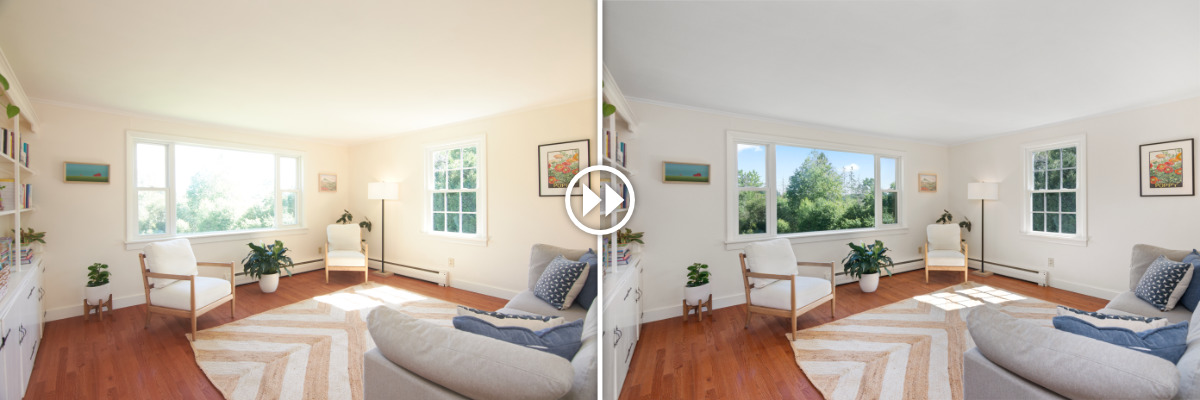
To solve this, professional real estate photographers use High Dynamic Range (HDR) blending or the "flambient" (flash + ambient) technique. Your camera body must feature robust Auto Exposure Bracketing (AEB). Look for cameras capable of shooting at least 3 to 5 frames at 2.0 EV step increments automatically with a single press of the shutter button or self-timer.
There are also many other settings on the camera that can affect the result you get from it.
2.2. Sensor size: Full-frame vs. APS-C
Sensor size dictates field of view, low-light performance, and lens availability:
- Full-frame sensors: The industry standard for real estate photography. Full-frame sensors offer superior low-light noise control, wider dynamic range, and utilize the full focal width of wide-angle lenses without a crop factor penalty (e.g., a 16mm lens remains a true 16mm).
- APS-C (Crop) sensors: Feature a crop multiplier (typically 1.5x for Sony/Nikon, 1.6x for Canon). A 16mm lens on an APS-C body acts like a 24mm or 25.6mm lens, restricting your field of view in small spaces. To compensate, crop-sensor photographers must invest in ultra-wide glass (such as 10-18mm lenses).

2.3. Megapixel count: How much do you really need?
While higher megapixel counts yield finer detail, real estate imagery is predominantly delivered via web MLS (Multiple Listing Service) platforms, Zillow, and digital brochures at resolutions around 2000 to 4000 pixels wide.
- 24MP to 33MP: The optimal sweet spot for real estate photography. It provides ample detail for cropped compositions while keeping file sizes manageable for fast multi-bracket HDR processing and cloud storage transfers.
- 45MP to 61MP: Highly recommended for commercial real estate, high-end architectural publications, luxury listings, and print signage where extreme resolution and cropping flexibility are mandatory.
2.4. Ergonomics & LCD screen mobility
Interior shoots frequently require positioning your camera tight against bathroom walls, high above kitchen islands, or low to highlight hardwood flooring. A fully articulating flip-out screen or multi-angle tilting LCD is critical for comfortable composition without forcing you into awkward physical angles on tripods.
3. Top 4 best mirrorless cameras for real estate photography
3.1. Sony Alpha 7 IV: Best overall real estate camera
Key specs:
- Sensor: 33MP Full-Frame Exmor R CMOS
- Auto bracketing: Up to 9 frames (in 0.3/0.7 EV steps) or 5 frames (in 2.0/3.0 EV steps)
- Screen: 3.0-inch Vari-angle Touchscreen
- Storage: Dual Slots (CFexpress Type A / SD UHS-II)
- Weight: 658g (Body only)
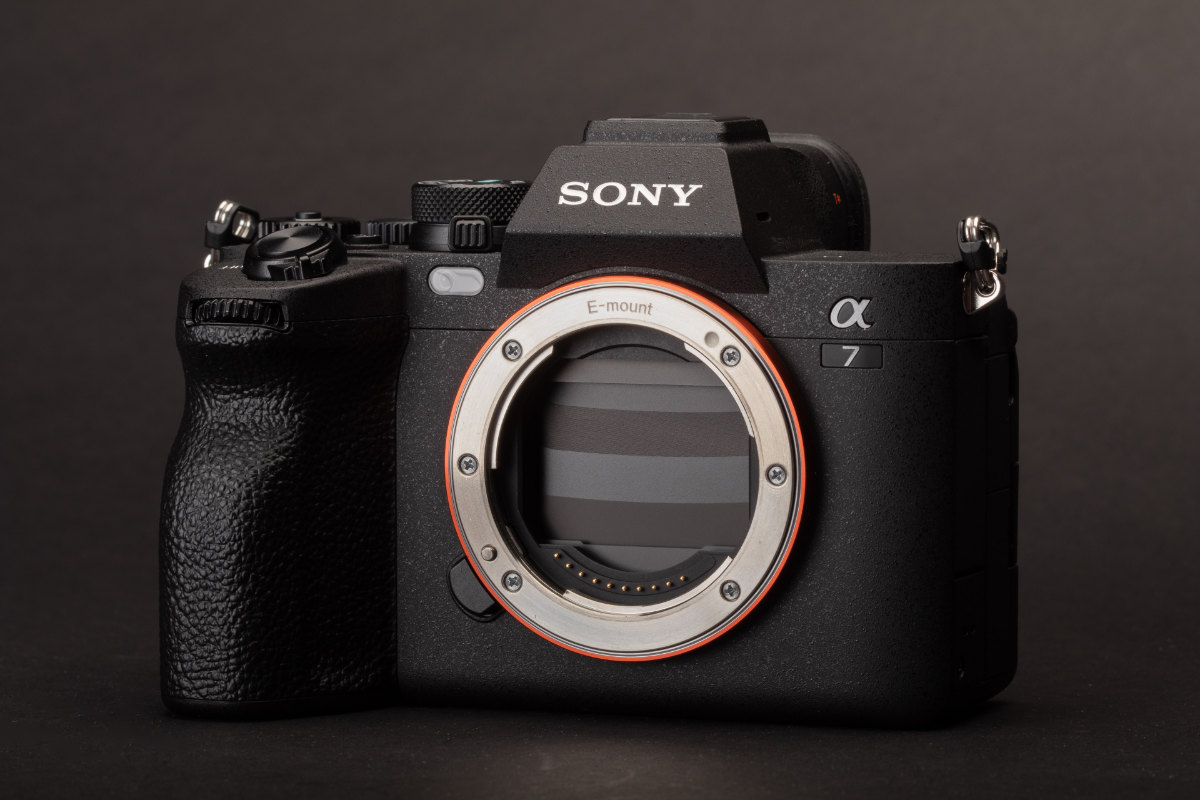
The Sony Alpha 7 IV stands out as the industry benchmark for modern real estate photography. Building on the massive success of the A7 III, the A7 IV upgrades to a 33MP back-illuminated full-frame sensor that captures rich texture detail in interior woods, masonry, and stone finishes.
Real estate performance: To be crowned the best mirrorless camera for real estate photography, A7 IV boasts over 15 stops of dynamic range, allowing photographers to pull deep shadow details out of unlit room corners while maintaining highlights. Its custom bracket settings allow fast 3-frame or 5-frame exposure sweeps at 2-stop intervals, making short work of bracketed interior sequences. Furthermore, Sony’s native E-mount ecosystem offers the broadest selection of ultra-wide real estate lenses on the market, including the Sony FE 16-35mm f/2.8 GM II, Sony FE 12-24mm f/4 G, and budget-friendly wide zooms from Sigma and Tamron.
Pros:
- Ideal 33MP resolution balances image sharpness with manageable file sizes.
- Extensive native third-party wide-angle lens selection (Sigma, Tamron, Laowa).
- Excellent battery life (NP-FZ100) handles long residential shoots easily.
- Fully articulating screen simplifies tight vertical and horizontal framing.
Cons:
- Slightly slower menu navigation for bracket customization compared to dedicated architectural cameras.
- High-resolution files require solid editing hardware when processing multi-exposure brackets simultaneously.
3.2. Canon EOS R6 Mark II: Best for hybrid photo & video walkthroughs
Key specs:
- Sensor: 24.2MP full-frame CMOS
- Auto bracketing: 2, 3, 5, or 7 shots at up to ±3 EV steps
- Screen: 3.0-inch 1.62m-dot vari-angle touchscreen
- Video: 4K 60p uncropped 10-bit 4:2:2 internal
- Weight: 670g (Body only)
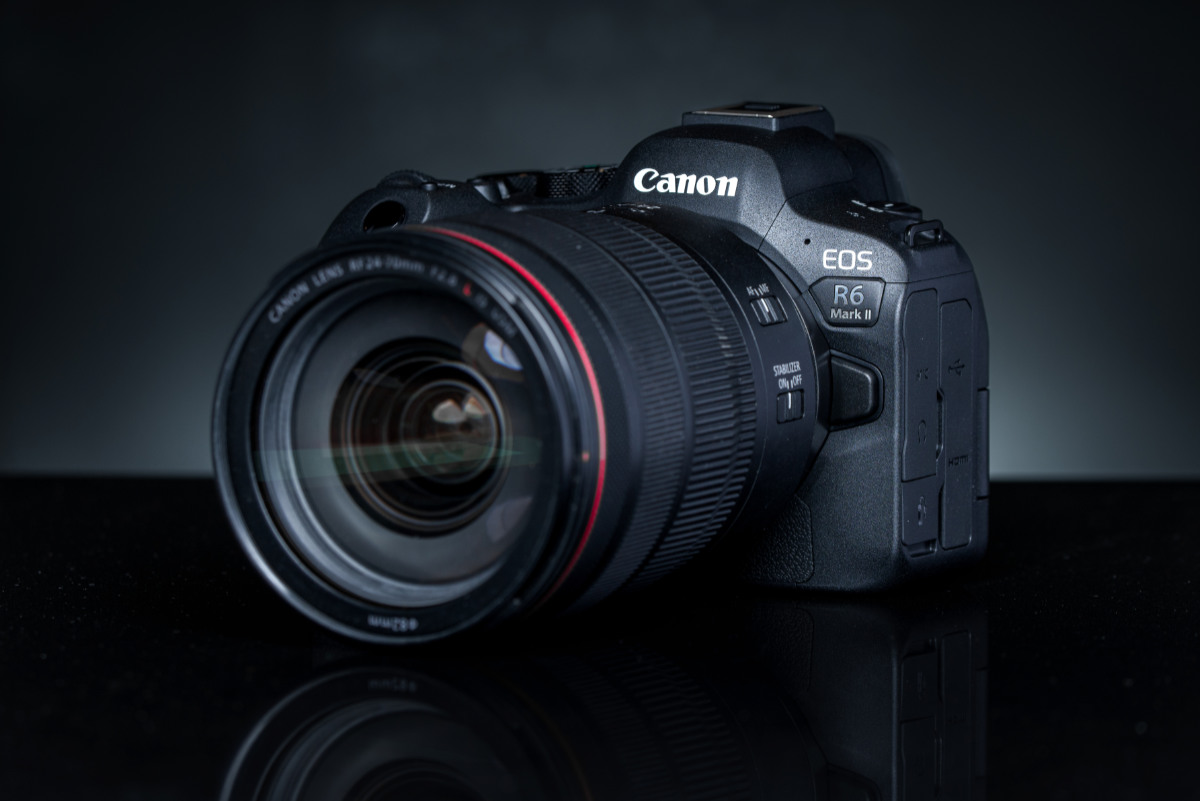
As demand grows for video walkthrough tours alongside traditional photography packages, real estate media creators need a camera that excels equally in stills and motion. The Canon EOS R6 Mark II delivers exceptional performance across both disciplines.
Real estate performance: Equipped with a refined 24.2MP full-frame sensor, the R6 Mark II produces clean, low-noise images even at elevated ISO levels, a major advantage when shooting darker interior spaces without flash setup time. Canon’s menu system makes setting up custom exposure bracketing intuitive. On the video side, the R6 Mark II shoots uncropped 4K video at 60fps oversampled from 6K, providing buttery-smooth motion for walkthrough tours and gimbal sequences without sacrificing the wide focal length of RF ultra-wide lenses like the Canon RF 14-35mm f/4L IS USM.
Pros:
- Exceptional low-light performance and noise control across high ISOs.
- Uncropped 4K 60p video recording perfect for fluid property video walkthroughs.
- Class-leading Ergonomics and intuitive Canon menu interface.
- Highly responsive fully articulating touchscreen.
Cons:
- 24.2MP resolution leaves less room for heavy cropping in post-production compared to 30MP+ competitors.
- RF mount remains relatively restricted for third-party autofocus lens options.
3.3. Nikon Z8: Best high-resolution workhorse for luxury listings
Key specs:
- Sensor: 45.7MP full-frame stacked CMOS (No Mechanical Shutter)
- Auto bracketing: Up to 9 frames at up to 3.0 EV step increments
- Screen: 3.2-inch 4-axis tilting touchscreen monitor
- Storage: Dual Slots (CFexpress Type B + SD UHS-II)
- Weight: 910g (Body only)
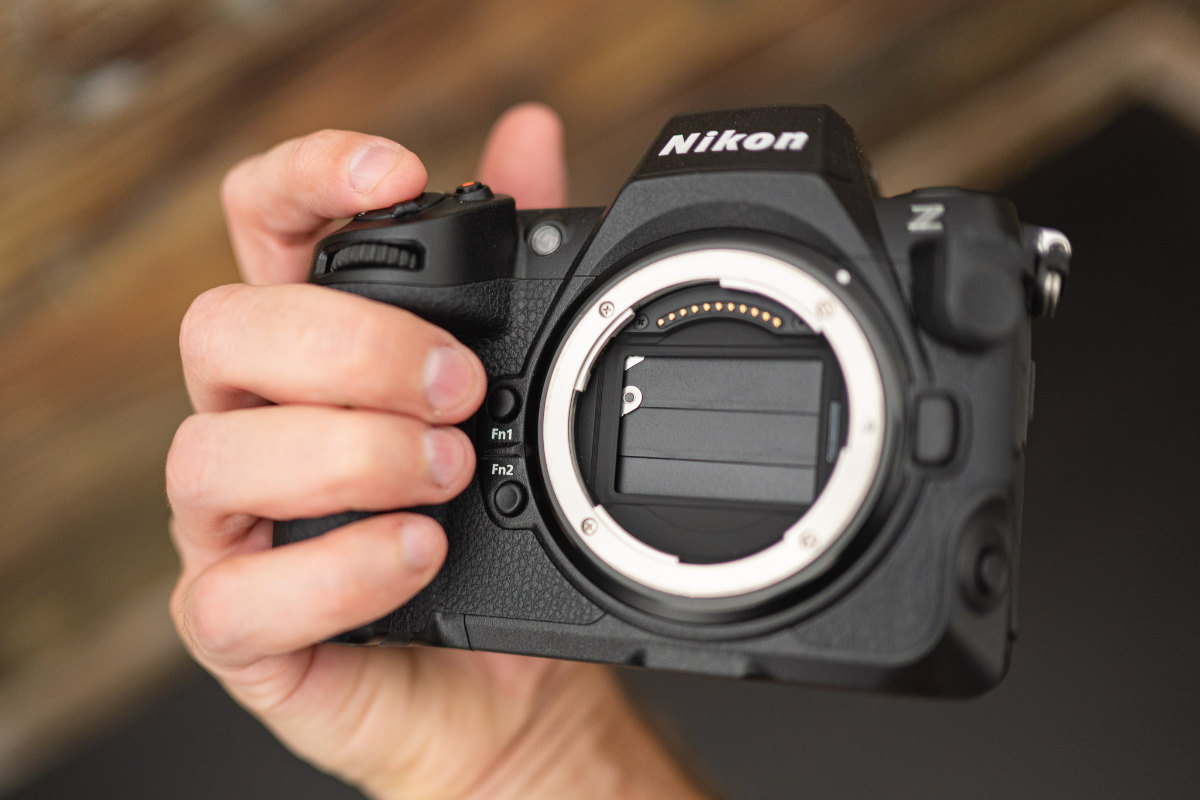
For media professionals covering high-end luxury real estate, commercial architecture, and estate properties, the Nikon Z8 offers top-tier performance derived from Nikon’s flagship Z9 in a smaller, lighter camera body.
Real estate performance: The standout technical feature of the Nikon Z8 for real estate photographers is its completely electronic stacked sensor layout. Because real estate photography requires shooting thousands of bracketed frames per week (often 3 to 7 frames per shot position), traditional mechanical shutters experience rapid wear and tear. The Z8 eliminates mechanical shutter wear. Its 45.7MP resolution captures ultra-fine detail in grand entryways and sprawling landscapes, while its advanced 9-frame auto-bracketing engine allows for incredible control over complex natural lighting scenarios.
Pros:
- Zero mechanical shutter wear prolongs camera lifespan during intensive HDR bracket workflows.
- 45.7MP stacked sensor provides pristine resolution and rich color reproduction.
- Industry-leading auto-bracketing settings (up to 9 shots at 3-stop increments).
- Exceptional weather sealing and durable alloy chassis.
Cons:
- Higher price point represents a significant investment for entry-level photographers.
- Heavier body weight requires a sturdy tripod and heavy-duty ball/geared head setup.
3.4. Sony Alpha 7R V: Best for maximum detail & commercial interiors
Key specs:
- Sensor: 61.0MP Full-Frame Exmor R BSI CMOS
- Auto bracketing: Up to 9 frames with Focus Bracketing & AEB combined
- Screen: 3.2-inch 4-axis Multi-Angle LCD Screen
- In-body stabilization: Up to 8 stops of IBIS
- Weight: 723g (Body only).
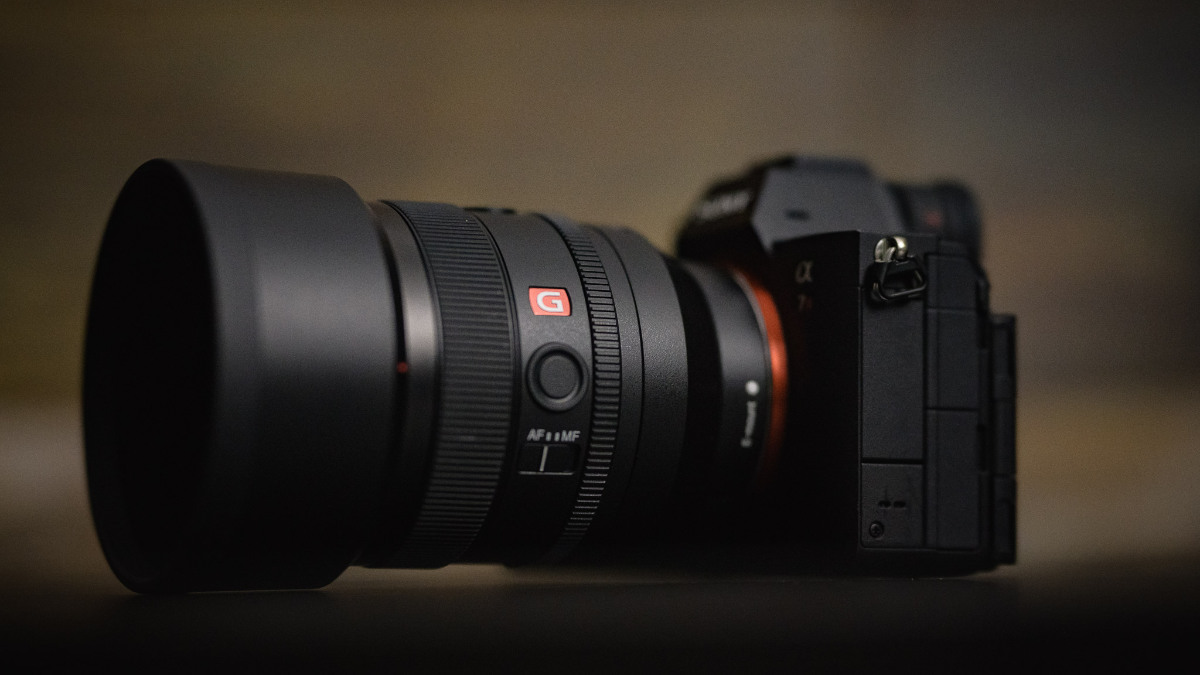
When commercial clients, interior designers, and luxury architects demand extreme clarity and reproduction fidelity, the Sony Alpha 7R V is the premier choice.
Real estate performance: Featuring a massive 61MP back-illuminated sensor, the A7R V provides unmatched cropping flexibility, enabling photographers to extract multiple clean vertical detail shots (e.g., kitchen fixtures, fireplace mantels) from a single wide-angle room capture. Crucially for interior framing, Sony introduced an innovative 4-axis multi-angle LCD screen on the A7R V. This screen combines traditional flip-out functionality with tilting motion, giving photographers absolute freedom to view compositions clearly regardless of low tripod heights or tight room corners.
Pros:
- Massive 61MP resolution allows high-end commercial prints and extreme crops.
- Innovative 4-axis LCD screen offers the best monitor positioning flexibility on the market.
- Class-leading 8-stop in-body image stabilization (IBIS) for sharp handheld ambient framing.
- Dedicated AI processing unit enhances auto-white balance precision under mixed interior lighting.
Cons:
- High pixel density requires premium ultra-wide lenses to resolve full 61MP optical detail.
- Large raw file sizes require high-capacity memory cards and fast computer editing storage.
4. Top 3 best affordable mirrorless cameras for real estate
If you are entering the market on a budget or looking for a secondary body, finding the best affordable mirrorless camera for real estate photography is essential to maximize your return on investment.
4.1. Sony A6700: Best value APS-C mirrorless camera
Key specs:
- Sensor: 26.0MP APS-C Exmor R CMOS
- Auto bracketing: 3, 5, or 9 frames (up to 3.0 EV steps)
- Screen: 3.0-inch Vari-angle Touchscreen LCD
- Crop factor: 1.5x
- Weight: 493g (Body only)
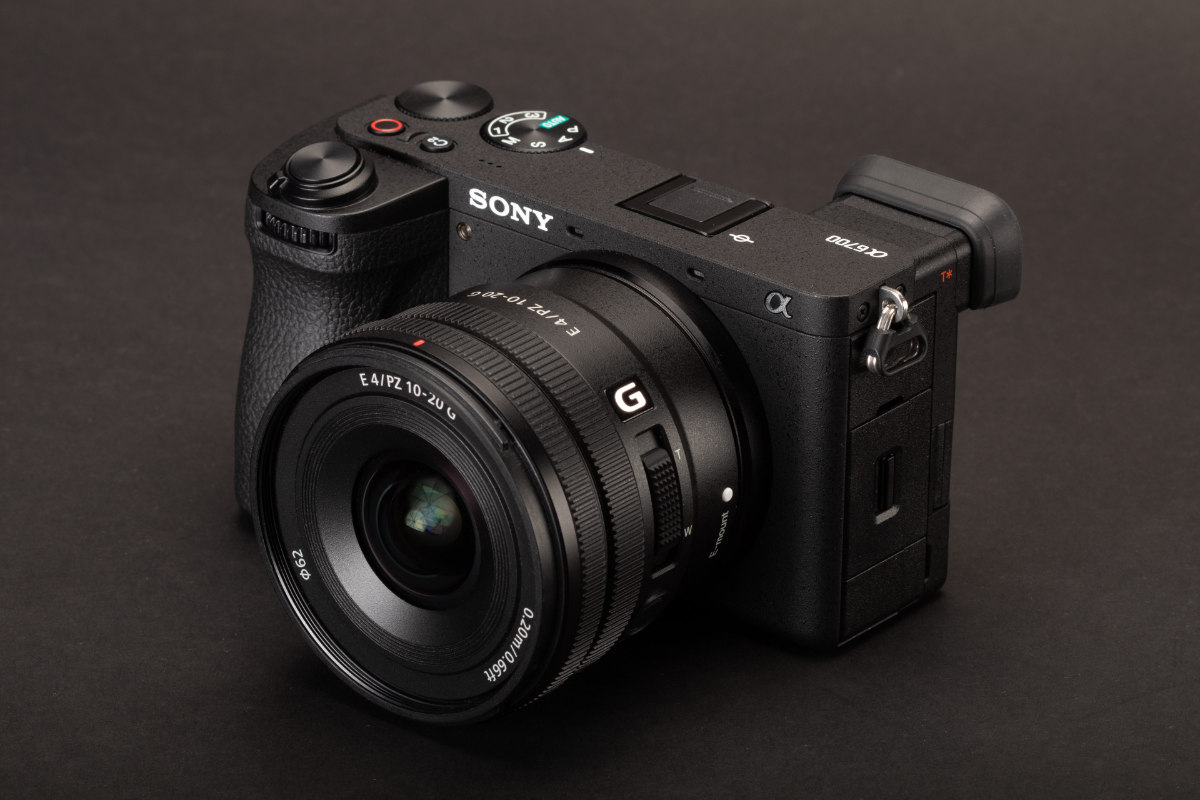
Sony cameras never disappoint when it comes to providing professional shooters with capable choices regardless of price range. The Sony A6700 brings high-end features from Sony's full-frame lineup into a compact, highly affordable APS-C crop-sensor body, making it an outstanding budget choice for real estate media creators.
Real estate performance: Featuring an updated 26MP back-illuminated sensor, the A6700 offers dynamic range performance that rivals older full-frame models. Because it uses Sony's standard E-mount, budget-conscious shooters can pair the A6700 with high-performing, lower-cost ultra-wide crop lenses like the Tamron 11-20mm f/2.8 or Sigma 10-18mm f/2.8 DC DN. With the 1.5x crop factor, a 10mm focal length provides a 15mm full-frame equivalent field of view, perfect for capturing tight powder rooms and compact bedrooms without fisheye distortion.
Pros:
- Affordable price point with professional-grade dynamic range and color depth.
- Compact, lightweight design ideal for fast-paced real estate shoots and travel.
- Excellent auto-exposure bracketing menu options identical to Sony full-frame bodies.
- Excellent 4K 60p video walkthrough recording capability.
Cons:
- 1.5x crop factor requires careful lens selection to achieve ultra-wide field of view.
- Single SD card slot lacks instant real-time backup capability on location.
4.2. Canon EOS R10: Best budget entry-level camera for beginners
Key specs:
- Sensor: 24.2MP APS-C CMOS
- Auto bracketing: Up to 7 frames
- Screen: 3.0-inch 1.04m-dot Vari-angle Touchscreen
- Crop factor: 1.6x
- Weight: 429g (Body only)
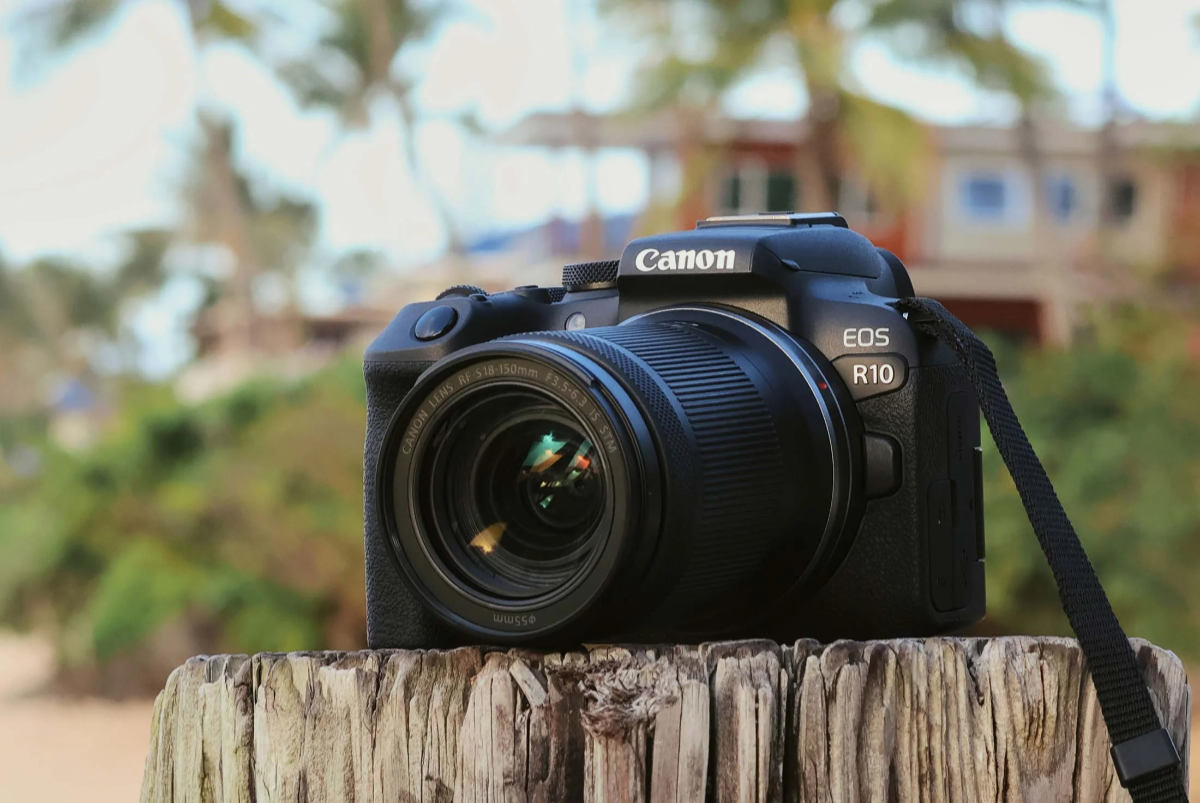
Designed for real estate agents handling their own photography or beginner photographers starting out on a strict budget, the Canon EOS R10 provides essential real estate shooting functions well under $1,000.
Real estate performance: The EOS R10 features a responsive 24.2MP crop sensor capable of clean image output for MLS listings and social media marketing. Its intuitive Canon menu structure makes configuring auto-exposure bracketing simple for beginners learning HDR processing. When paired with an ultra-wide zoom like the Canon RF-S 10-18mm f/4.5-6.3 IS STM, the R10 delivers sharp interior compositions at a fraction of the weight and cost of full-frame mirrorless setups.
Pros:
- Extremely light body and intuitive user interface tailored for beginners.
- Fast processing speeds and reliable Canon color science straight out of the camera.
- Accessible price point leaves budget available for essential tripods and lighting gear.
Cons:
- Lack of built-in sensor stabilization requires using stabilized lenses or tripod support.
- 1.6x crop factor restricts wide-angle coverage when using standard full-frame lenses.
4.3. Nikon Z5: Best affordable full-frame mirrorless camera
Key specs:
- Sensor: 24.3MP Full-Frame CMOS
- Auto bracketing: 2 or 3 frames (up to 3.0 EV steps) or 5 frames (up to 1.0 EV steps)
- Screen: 3.2-inch Tilting Touchscreen LCD
- Storage: Dual SD UHS-II Slots
- Weight: 675g (Body only)
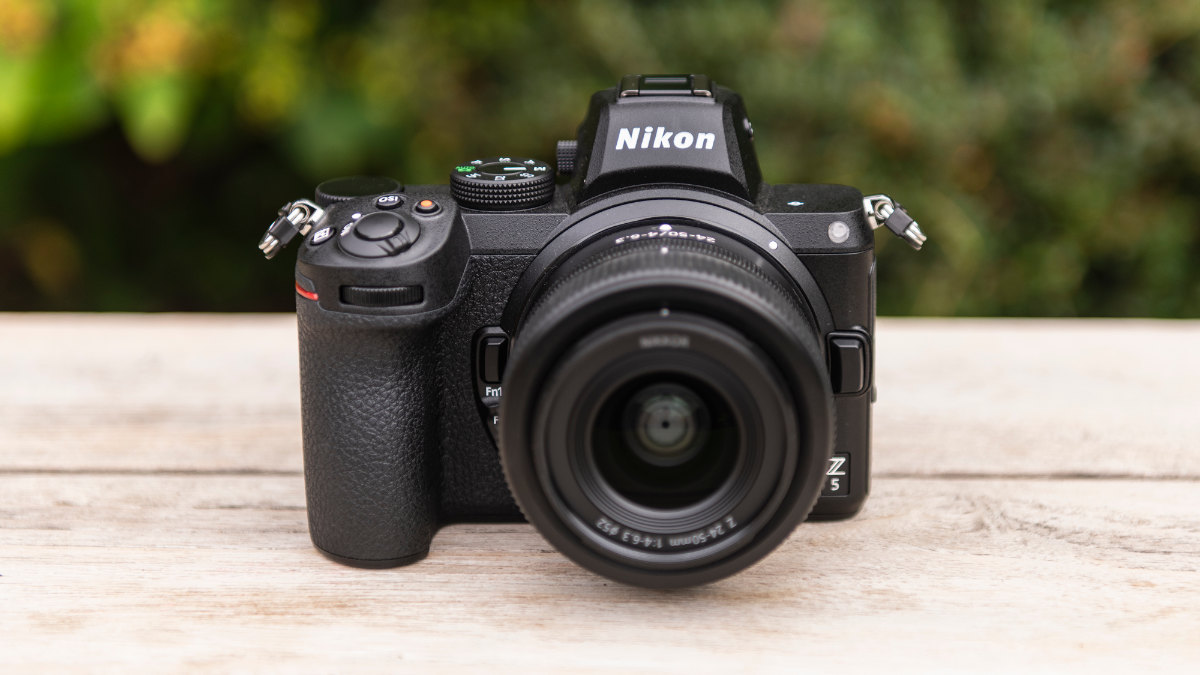
If you are determined to step up to a full-frame sensor without spending over $1,500, the Nikon Z5 takes the crown as the overall best affordable mirrorless camera for real estate photography on the market today.
Real estate performance: Unlike most budget-tier cameras that rely on crop sensors and single card slots, the Nikon Z5 provides a true 24.3MP full-frame sensor alongside dual SD card slots. Dual card slots give real estate photographers instant backup protection against SD card corruption during client shoots. The full-frame sensor captures deep dynamic range and maintains true focal lengths on wide-angle lenses like the Nikkor Z 14-30mm f/4 S. While its burst rate and video specs are modest, its still-image performance for architecture and real estate is exceptional for its price bracket.
Pros:
- True full-frame performance at an entry-level price point.
- Dual SD card slots provide peace of mind through redundant file backup.
- Robust 5-axis in-body image stabilization (IBIS).
- Crisp 3.2-inch tilting screen for tripod-mounted interior framing.
Cons:
- Heavier 1.7x video crop renders it less ideal for video walkthrough tours.
- Auto-bracketing limits sequence customization compared to higher-end Nikon bodies like the Z6 II or Z8.
5. Comparing the best mirrorless cameras for real estate photography: Specs, features & price points
To help evaluate your decision, the table below compares technical parameters critical to real estate photography across all featured mirrorless cameras:
|
Camera model |
Sensor size |
Resolution |
Auto bracketing (AEB) |
Card slots |
Target price range |
Primary use case |
|
Sony A7 IV |
Full-frame |
33 MP |
Up to 9 frames |
Dual (CFexpress A/SD) |
$$$ ($2,000 - $2,500) |
Best overall pro choice |
|
Canon R6 II |
Full-frame |
24.2 MP |
Up to 7 frames |
Dual SD UHS-II |
$$$ ($2,000 - $2,500) |
Hybrid photo & video tours |
|
Nikon Z8 |
Full-frame |
45.7 MP |
Up to 9 frames |
Dual (CFexpress B/SD) |
$$$$ ($3,500 - $4,000) |
Luxury & high-volume pro |
|
Sony A7R V |
Full-frame |
61 MP |
Up to 9 frames |
Dual (CFexpress A/SD) |
$$$$ ($3,500 - $3,900) |
Commercial architectural & print |
|
Sony A6700 |
APS-C (1.5x) |
26 MP |
Up to 9 frames |
Single SD UHS-II |
$$ ($1,300 - $1,400) |
Best value crop camera |
|
Canon R10 |
APS-C (1.6x) |
24.2 MP |
Up to 7 frames |
Single SD UHS-II |
$ ($800 - $1,000) |
Entry-level / Agent DIY |
|
Nikon Z5 |
Full-frame |
24.3 MP |
Up to 5 frames |
Dual SD UHS-II |
$$ ($1,200 - $1,400) |
Best affordable full-frame |
6. Essential gear to pair with your real estate mirrorless camera
A high-performing mirrorless camera body is only one component of a professional real estate photography toolkit. To achieve crisp interior and exterior imagery, pair your camera body with these essential support tools:
6.1. Ultra-wide angle zoom lens
The most critical accessory for property photography. An ultra-wide zoom allows you to capture entire rooms in tight spaces while controlling perspective distortion.
- Full-frame target focal length: 16-35mm or 14-30mm (e.g., Sony 16-35mm f/4 PZ, Canon RF 14-35mm f/4L, Nikkor Z 14-30mm f/4).
- APS-C target focal length: 10-18mm or 11-20mm (e.g., Tamron 11-20mm f/2.8, Canon RF-S 10-18mm).

6.2. Heavy-duty tripod with geared head
Sharp real estate bracket sequences require a rigid tripod base to eliminate camera shift between exposure frames. While standard ball heads work, a geared tripod head (such as the Manfrotto 410 or Benro GD3WH) allows micro-adjustments along pitch, roll, and yaw axes to ensure vertical wall lines remain perfectly straight. Without a foundation like this, even the best mirrorless camera for real estate photography can't produce professional results.

6.3. External speedlights & wireless transmitters
For photographers practicing the flambient (flash + ambient) technique, off-camera flash units help neutralize unwanted interior color casts from tungsten light bulbs and balance exposure across dark rooms cleanly.
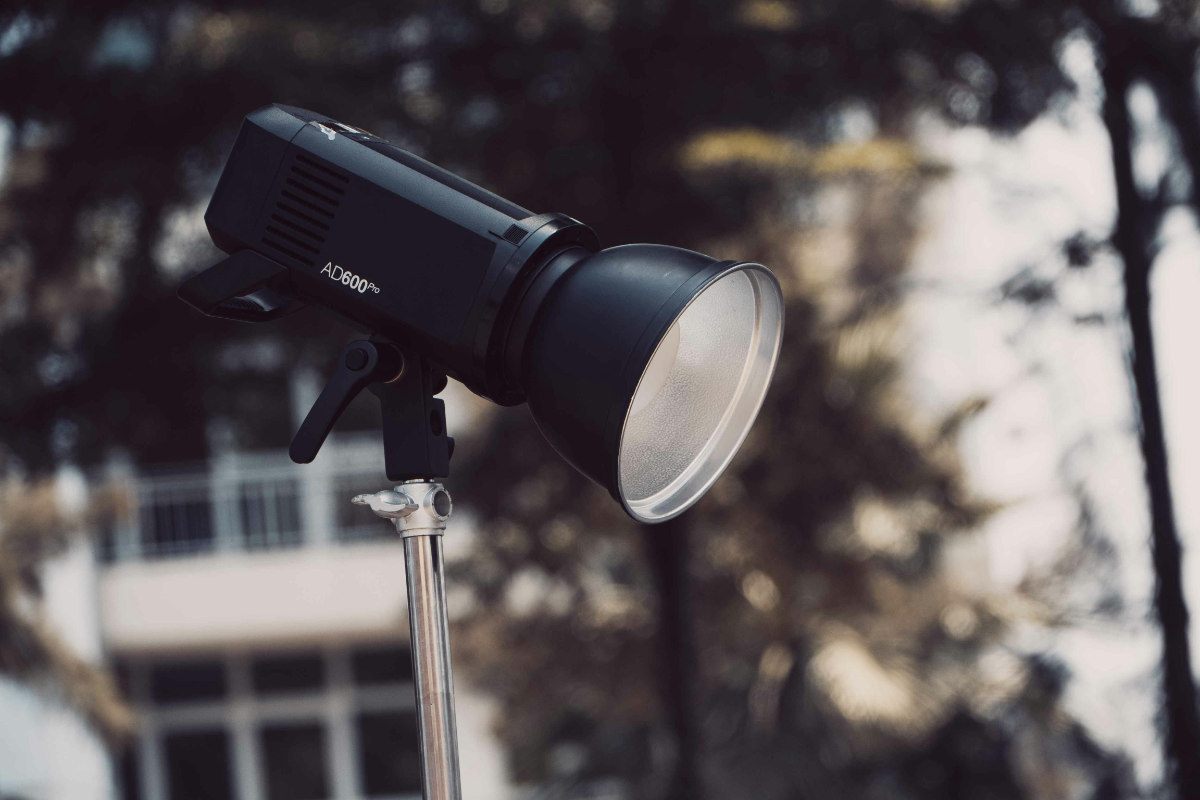
For a more complete list of equipment a real estate photographer needs, check out this comprehensive list.
7. Conclusion
Selecting the best mirrorless camera for real estate photography ultimately balances your budget, current client demands, and overall business scale:
- Choose the Sony Alpha 7 IV if you want the most versatile, reliable full-frame workhorse backed by the industry's largest native wide-angle lens ecosystem.
- Choose the Canon EOS R6 Mark II if property video tours are a major revenue stream alongside still photography.
- Choose the Nikon Z8 or Sony Alpha 7R V if you shoot luxury real estate, commercial architecture, or high-resolution print marketing where image clarity and dynamic range are paramount.
- Choose the Nikon Z5 or Sony A6700 if you are looking for the best affordable mirrorless camera for real estate photography that delivers professional, exposure-bracketed images without an enterprise price tag.
Investing in a body that handles exposure bracketing effortlessly, delivers clean dynamic range, and integrates with quality wide-angle optics will immediately elevate your listing visuals and streamline your property photo editing workflow.
Follow us today for the latest technical analysis to capture every home better.
- Facebook: fotobermedia.co
- YouTube: Fotober
- TikTok: @fotober
- Instagram: fotober_media.
Related posts

San Antonio Housing Market Forecast 2026: Prices & Trends
October 30, 2026

What Drives Mortgage Rates? Explain The Forces Behind 2026's Numbers
October 29, 2026

Dallas vs. Los Angeles Housing Market: Comparing Prices & Supply
October 29, 2026

Orlando Population Growth in 2026: Trends & Housing Demand
October 26, 2026
