




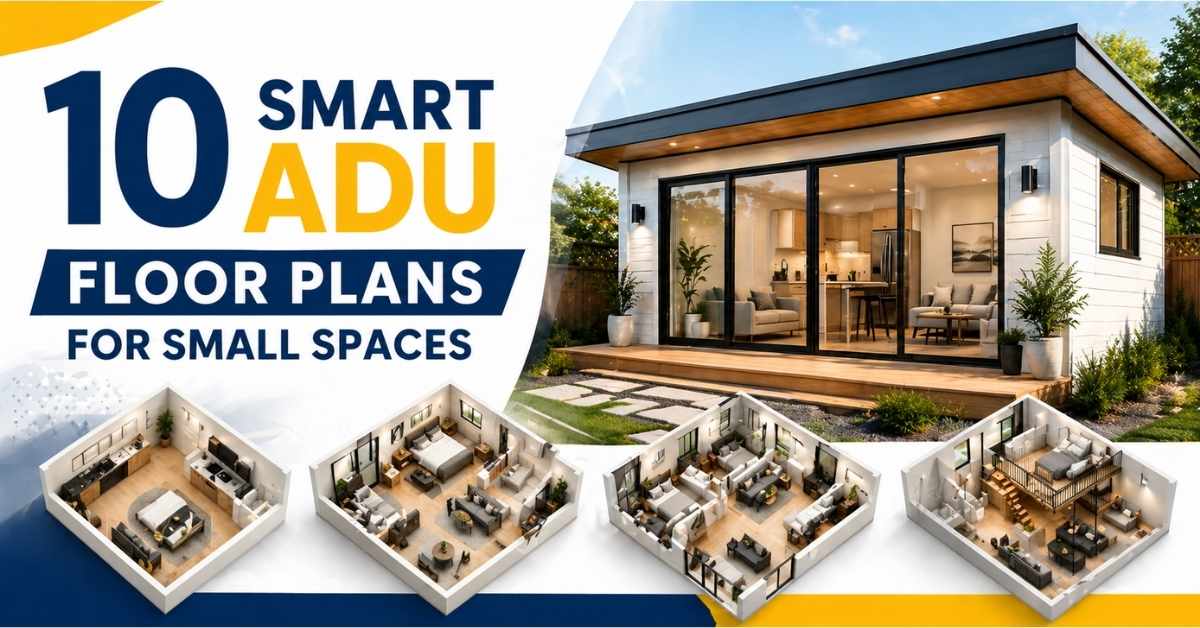
Accessory dwelling unit floor plans: Top 10 smart ADU layout ideas for small spaces

Share:
Table of Contents
- 1. What are accessory dwelling unit floor plans?
- 2. Key principles for designing small ADU floor plans
- 3. Top 10 smart ADU layout ideas for small spaces
- • 3.1. Studio ADU layout for compact living
- • 3.2. One-bedroom ADU floor plan for daily comfort
- • 3.3. Two-bedroom ADU for small families
- • 3.4. Garage conversion ADU layout
- • 3.5. Backyard cottage layout
- • 3.6. L-shaped ADU for narrow lots
- • 3.7. Loft-style ADU design
- • 3.8. Open concept ADU layout
- • 3.9. Split-level ADU layout
- • 3.10. Prefab ADU plans for faster construction
- 4. Common mistakes to avoid in ADU floor plans
- 5. How to choose the right ADU floor plan
- Conclusion
Accessory dwelling unit floor plans are becoming a practical solution for homeowners who want to maximize property value without expanding their land footprint. As housing costs continue to rise, more people are turning unused backyard space into functional living areas that generate income or support flexible lifestyles. However, designing an ADU is not just about building small, it’s about planning smartly. The right layout can make a compact space feel efficient, comfortable, and highly livable.
1. What are accessory dwelling unit floor plans?
Before exploring design strategies, it’s essential to understand what defines an ADU and why its layout requires a different approach compared to standard homes. Many people assume it’s simply a smaller house, but in reality, it involves a completely different level of spatial optimization.
1.1. Definition and common ADU types
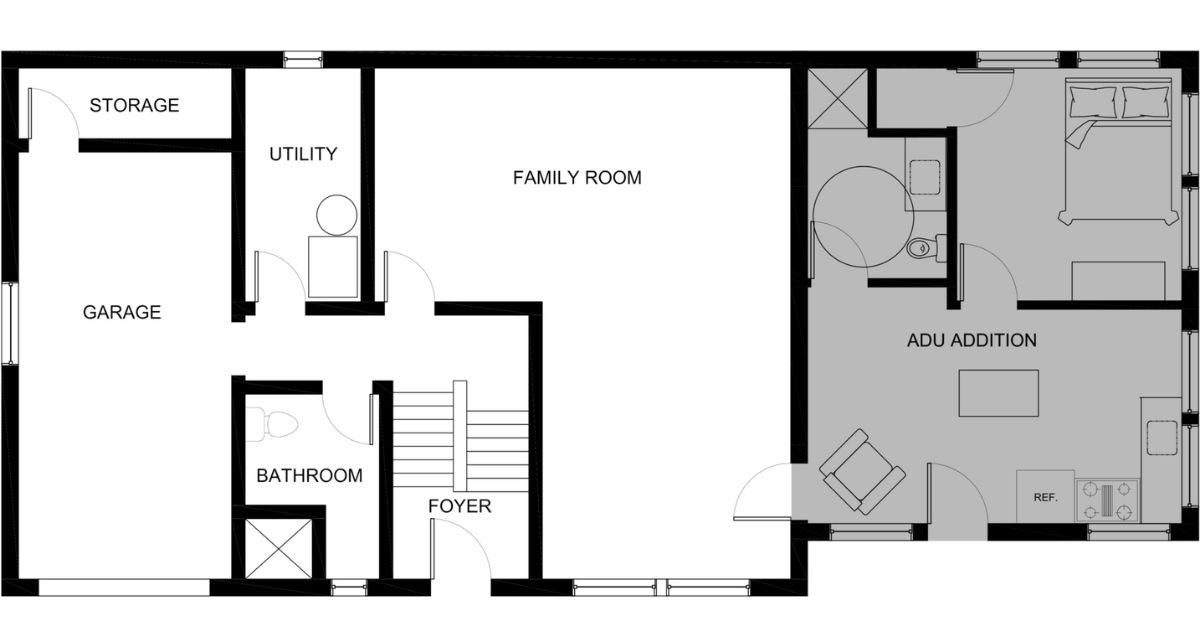
At a technical level, accessory dwelling unit floor plans refer to the layout design of a secondary residential unit built on the same lot as a primary home. These units are fully independent, meaning they include a kitchen, bathroom, sleeping area, and living space within a compact footprint. The challenge is delivering all essential functions without creating a cramped or inefficient environment.
There are three main ADU types, each influencing layout decisions differently. Detached ADUs are separate structures that offer maximum flexibility and privacy, but they require more planning for utilities and access. Attached ADUs share a wall with the main house, making them more cost-efficient but structurally constrained. Garage conversion ADUs repurpose existing garages, which limits layout options due to fixed dimensions but reduces construction cost significantly.
1.2. Why ADU floor plans are becoming more popular
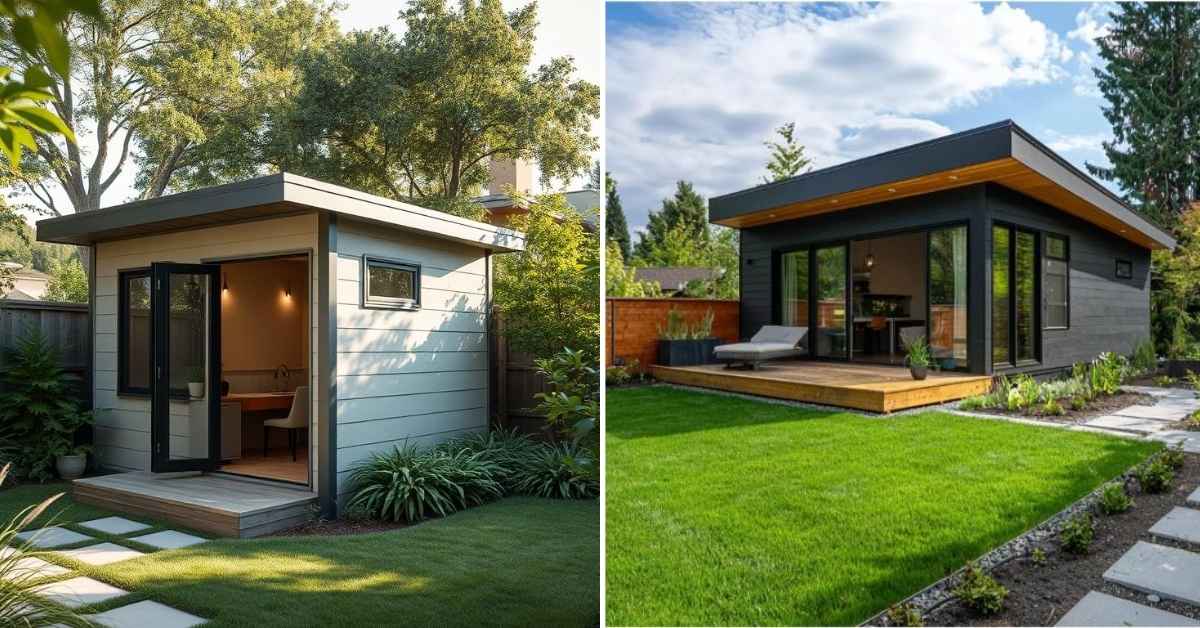
The increasing demand for accessory dwelling unit floor plans reflects broader changes in how people use residential space. Homeowners are no longer satisfied with underutilized land, especially when property values are rising and housing affordability is becoming a concern.
ADU floor plans are popular
One major driver is rental income, as ADUs can generate consistent monthly revenue with relatively low investment compared to buying new property. Flexibility is another key factor, with many homeowners using ADUs for family members, guest housing, or remote work setups. This shift has also increased interest in backyard house plans, where small, independent units are designed to maximize both usability and long-term value.
2. Key principles for designing small ADU floor plans
Designing small living spaces requires a strategic approach that focuses on efficiency rather than simply reducing size. The best accessory dwelling unit floor plans are built around a few core principles that improve usability, comfort, and long-term functionality.
2.1. Maximize space efficiency
Space efficiency is the foundation of any successful small ADU layout, and it requires careful planning from the beginning. Instead of dividing the space into multiple small rooms, designers focus on creating open zones that serve multiple purposes.
One effective approach is eliminating unnecessary hallways, which often waste valuable square footage. Combining the kitchen, dining, and living areas into a single open space improves both movement and visual openness. This strategy is commonly used in well-designed small house floor plans, where every square foot contributes directly to daily living.
2.2. Improve natural light and airflow
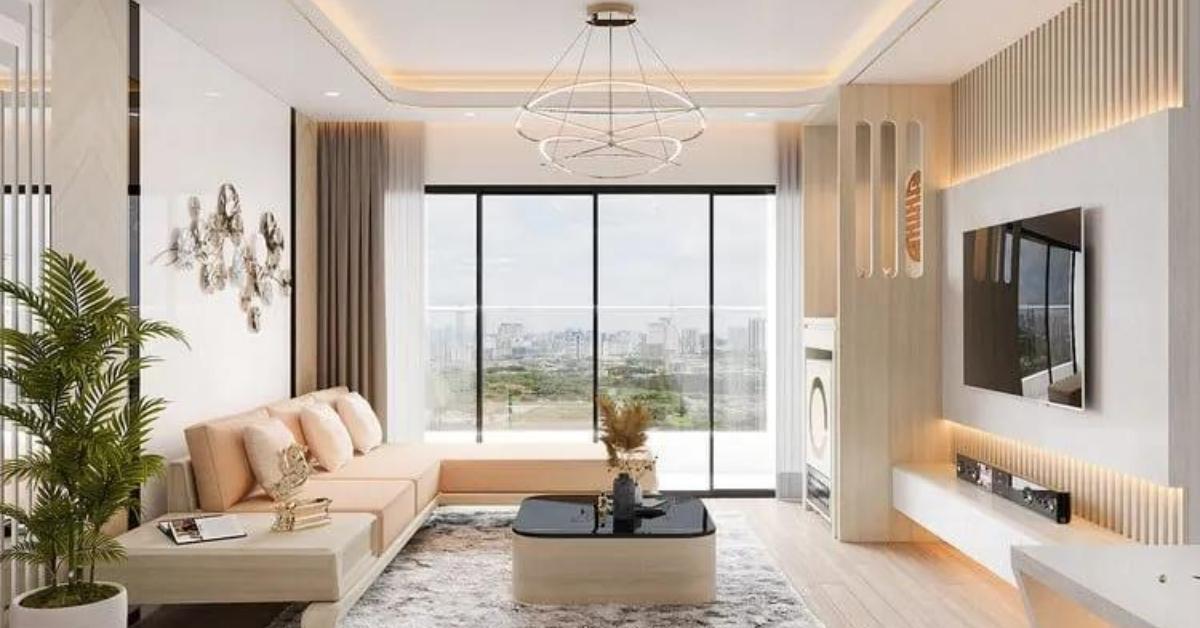
Natural light plays a critical role in how a small space feels, often making the difference between a comfortable home and a cramped environment. Without proper lighting, even well-planned layouts can feel restrictive and uninviting.
Natural light plays a critical role
In effective accessory dwelling unit floor plans, windows are strategically placed to maximize daylight penetration. Large openings, sliding doors, and skylights help distribute light evenly throughout the space. Proper airflow is equally important, especially in granny flat floor plans, where side windows may be limited due to neighboring structures.
2.3. Use multi-functional furniture and zones
In compact living spaces, furniture must do more than just serve a single purpose. Multi-functional design is essential to maintaining flexibility and preventing clutter.
For example, a sofa can include hidden storage, or a dining table can double as a workspace. Murphy beds and foldable furniture allow spaces to adapt throughout the day. These solutions are central to modern ADU design ideas, where flexibility is key to making small spaces work efficiently.
2.4. Maintain privacy in small layouts
Privacy is often overlooked in small designs, but it becomes essential for long-term comfort, especially in rental units. A fully open layout may look appealing but can quickly become impractical without proper separation.
The goal is to create distinct zones without adding unnecessary walls. Sliding partitions, furniture placement, or subtle level changes can help define spaces. In many accessory dwelling unit floor plans, this balance between openness and privacy is what makes the layout truly functional.
3. Top 10 smart ADU layout ideas for small spaces
The following accessory dwelling unit floor plans are based on proven strategies that work across different property types.
3.1. Studio ADU layout for compact living
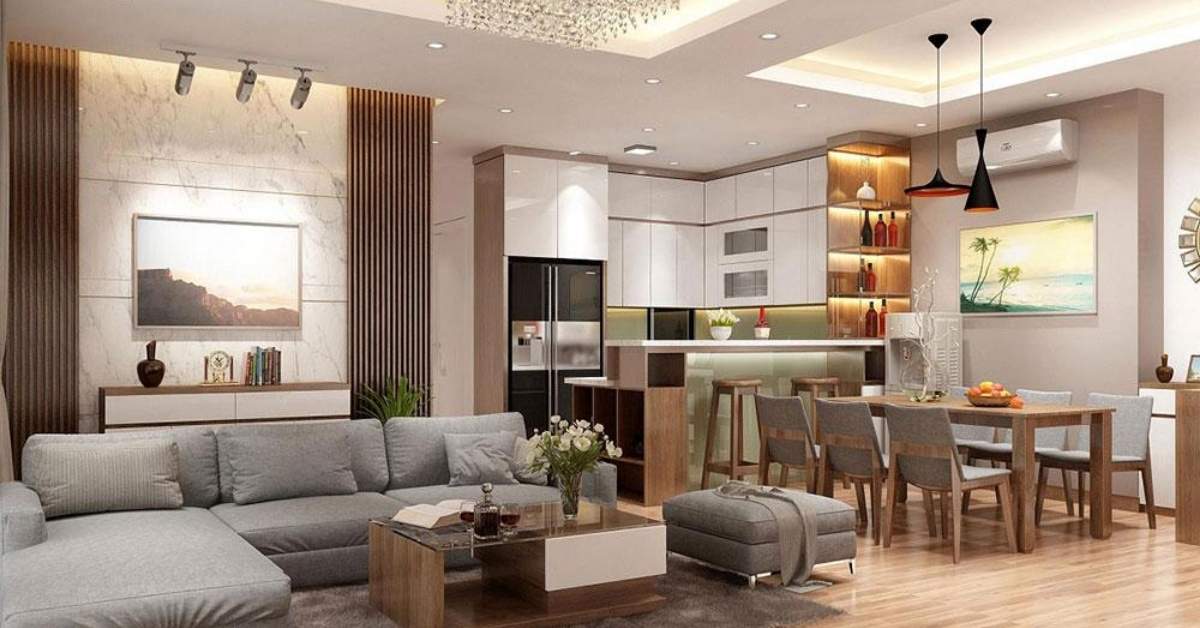
A studio ADU typically ranges from 250 to 400 sq ft, making it the most compact and space-efficient option. All core functions: sleeping, cooking, dining, and living are combined into a single open space, which forces every square foot to work harder. When designed well, I’ve seen these units feel far more livable than their size suggests.
A studio layout
This layout is best suited for single occupants, short-term renters, or minimalist homeowners who prioritize simplicity over privacy. It also performs strongly in rental markets where affordability matters more than separation. For many property owners, it’s the quickest and most cost-effective way to turn unused space into income.
The main advantage is efficiency and lower cost. Fewer walls and simpler construction reduce both build time and budget, while the open layout allows flexibility throughout the day. However, the trade-off is clear, limited privacy and potential clutter. Without careful organization, the space can feel overwhelming, which is why studio ADUs work best for people comfortable living in a highly compact, multi-purpose environment.
3.2. One-bedroom ADU floor plan for daily comfort
A one-bedroom ADU typically ranges from 400 to 650 sq ft, offering just enough space to separate the sleeping area from the main living zone. That single change makes a noticeable difference. I've seen how it instantly improves comfort, creating a clearer boundary between private and shared space without dramatically increasing the footprint.
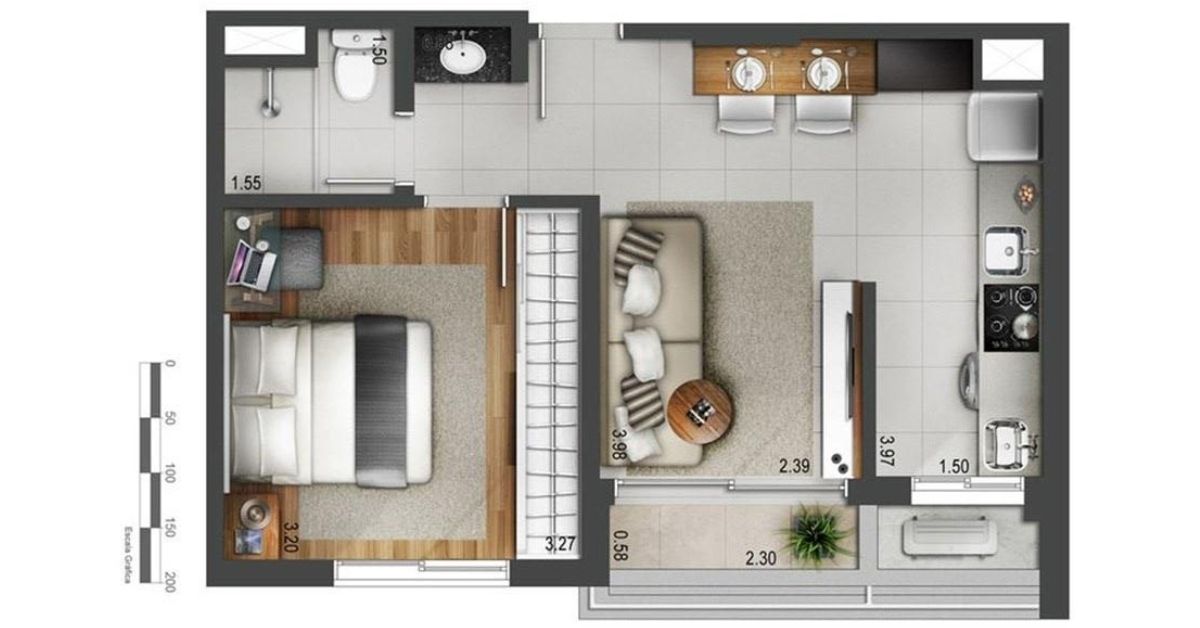
A one-bedroom layout
This layout is best suited for individuals, couples, or long-term renters who need a more structured daily routine. It’s also a strong option for homeowners building for family use, where privacy becomes more important than pure efficiency.
The biggest advantage is balance, you gain privacy and better organization while still keeping the unit compact and efficient. From an investment perspective, one-bedroom ADUs tend to attract more stable tenants and perform better in rental markets. The trade-off is slightly higher cost and less flexibility compared to a studio, but in most cases, the improved livability makes it well worth it.
3.3. Two-bedroom ADU for small families
A two-bedroom ADU typically ranges from 600 to 900 sq ft, pushing the limits of what a compact unit can realistically handle. At this size, the challenge is no longer just fitting functions, but ensuring the space still feels comfortable and usable. I've seen layouts at this scale either work beautifully or fail completely depending on how well the flow is handled. This type of layout is best suited for small families, roommates, or co-living setups, where having separate bedrooms is essential. It’s also popular with investors who want more flexibility, since it can accommodate a wider range of tenants.
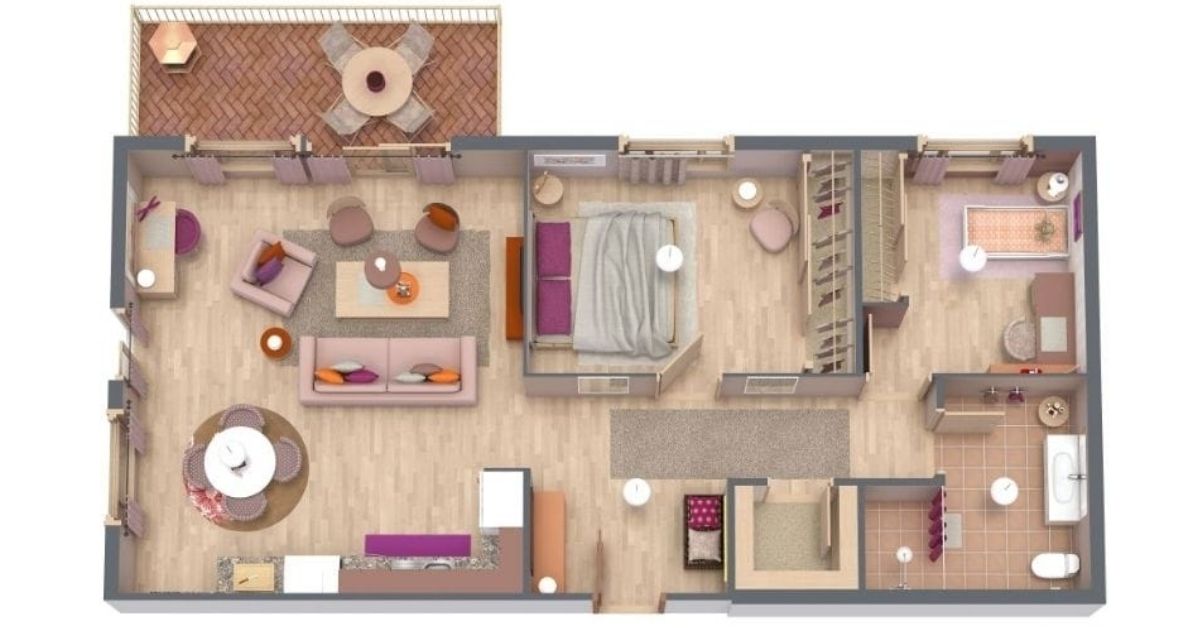
A two-bedroom ADU
The main advantage is capacity and versatility. You can house more people while still maintaining a shared living area, which increases both usability and rental potential. However, the downside is higher cost and risk of overcrowding. Bedrooms often become smaller, storage tighter, and circulation more complex. In my experience, this layout only works well when the design stays simple and highly efficient, otherwise, it quickly loses the very advantage it’s meant to deliver.
3.4. Garage conversion ADU layout
A garage conversion ADU typically ranges from 300 to 500 sq ft, with the layout heavily shaped by the existing structure. Unlike new builds, you’re working within fixed dimensions, which limits flexibility, but in my experience, that constraint often leads to more efficient and focused design decisions.
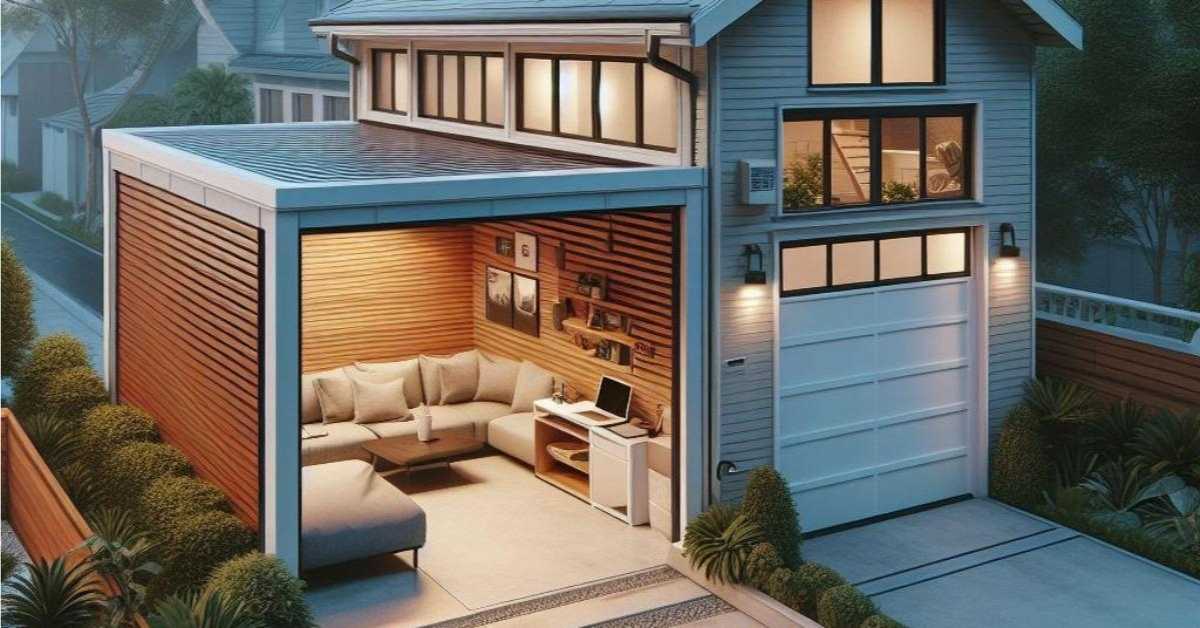
Garage conversion ADUs
This layout is best suited for budget-conscious homeowners, first-time builders, or rental-focused investors who want a fast and cost-effective solution. It’s especially practical for properties with limited backyard space or where new construction isn’t feasible.
The biggest advantage is cost and speed. Since the structure already exists, construction is significantly faster and more affordable. However, the downside is limited flexibility and potential comfort issues. Low ceilings, restricted layouts, and lack of natural light can make the space feel tight if not carefully upgraded. When done right, it’s one of the most efficient ways to add value, but it will never offer the same freedom as a purpose-built ADU.
3.5. Backyard cottage layout
A backyard cottage ADU typically ranges from 500 to 1,000 sq ft, making it one of the more spacious and complete ADU options. Unlike conversions, this is a fully detached structure, which means the layout can be planned from the ground up. I've found this is where design starts to feel less constrained and more like a true small home.
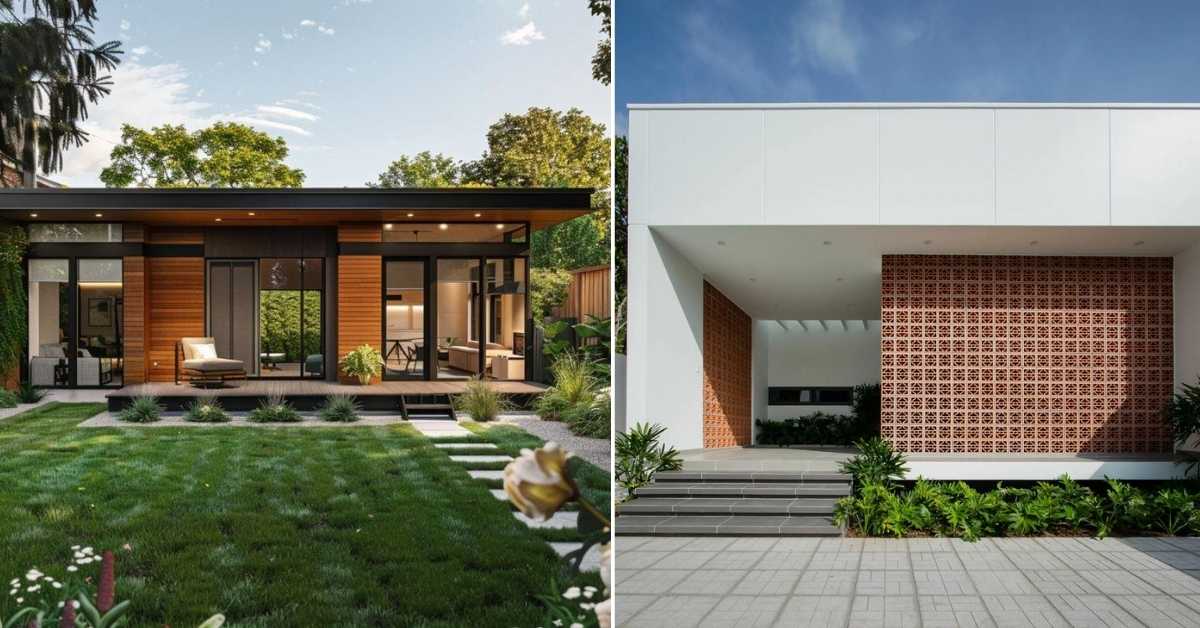
A backyard cottage
This layout is best suited for long-term renters, extended family members, or homeowners looking for a high-quality guest house. It’s also ideal for those who prioritize comfort and long-term property value over minimizing upfront cost.
The biggest advantage is privacy and livability. Being fully separate from the main house allows for better layout flow, natural light, and a more independent living experience. However, the trade-off is higher cost and longer construction time. It requires full permitting, utilities, and sufficient land, but when done right, it often delivers the strongest long-term return.
3.6. L-shaped ADU for narrow lots
An L-shaped ADU typically ranges from 450 to 800 sq ft, designed specifically for narrow or irregular lots where standard layouts fall short. Instead of forcing a linear plan, this configuration wraps around a small outdoor space, which in my experience dramatically improves how the unit feels in terms of light, airflow, and overall livability.
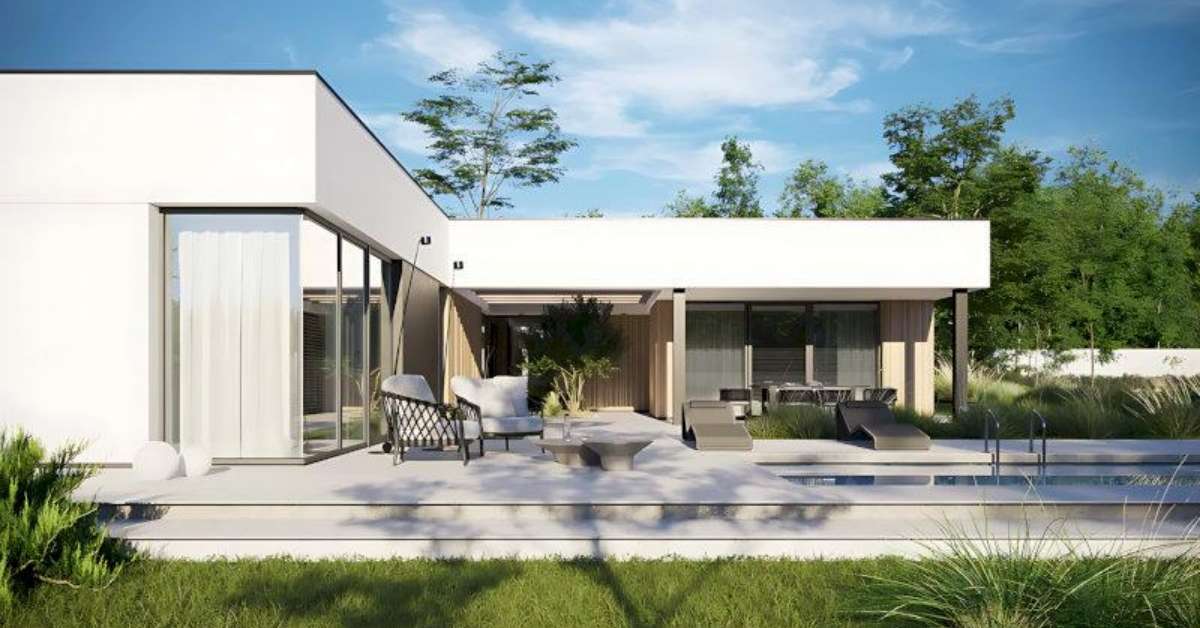
The L-shaped ADU
This layout is best suited for urban homeowners, tight backyard properties, or deep but narrow lots where maximizing usable space is critical. It’s also a smart choice for those who still want a sense of outdoor connection, even on constrained sites.
The main advantage is better light, ventilation, and natural zoning. The shape allows multiple sides of the unit to receive daylight while separating living and sleeping areas without adding walls. The trade-off, however, is higher design complexity and cost. If not carefully planned, corner spaces can be underutilized, making this layout most effective when the site truly requires it.
3.7. Loft-style ADU design
A loft-style ADU typically ranges from 350 to 700 sq ft, but its real advantage comes from using vertical space rather than expanding the footprint. By placing the sleeping area above, the main floor is freed up for living, kitchen, and dining, something I’ve found can dramatically change how spacious a small unit feels.
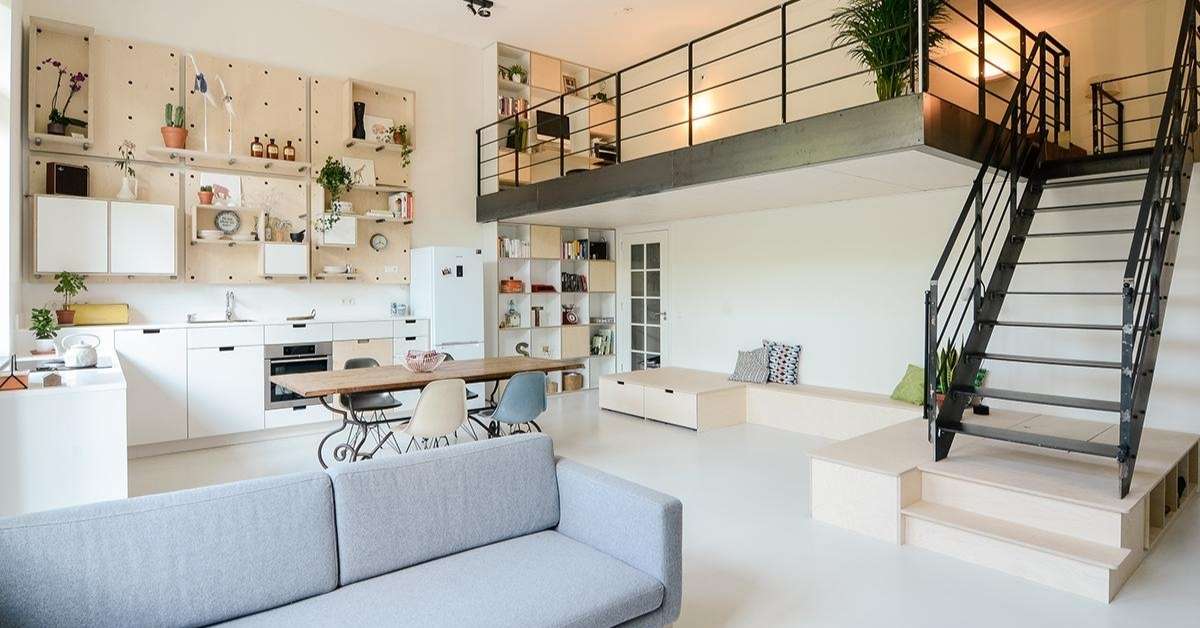
Loft-style ADU
This layout is best suited for young professionals, singles, or couples who are comfortable with stairs and a more dynamic living setup. It’s also popular in rental markets where design and uniqueness help attract attention.
The biggest advantage is maximizing usable space while keeping the layout open and visually appealing. It creates height, depth, and a more modern feel compared to flat layouts. However, the downside is access and comfort limitations. Ceiling height becomes critical, and daily use of stairs or ladders can be inconvenient, especially for older occupants.
3.8. Open concept ADU layout
An open concept ADU typically ranges from 350 to 700 sq ft, where interior walls are minimized to create a single continuous living space. Instead of dividing the unit into separate rooms, the kitchen, dining, and living areas are combined, which in my experience is one of the most effective ways to make a small space feel significantly larger.
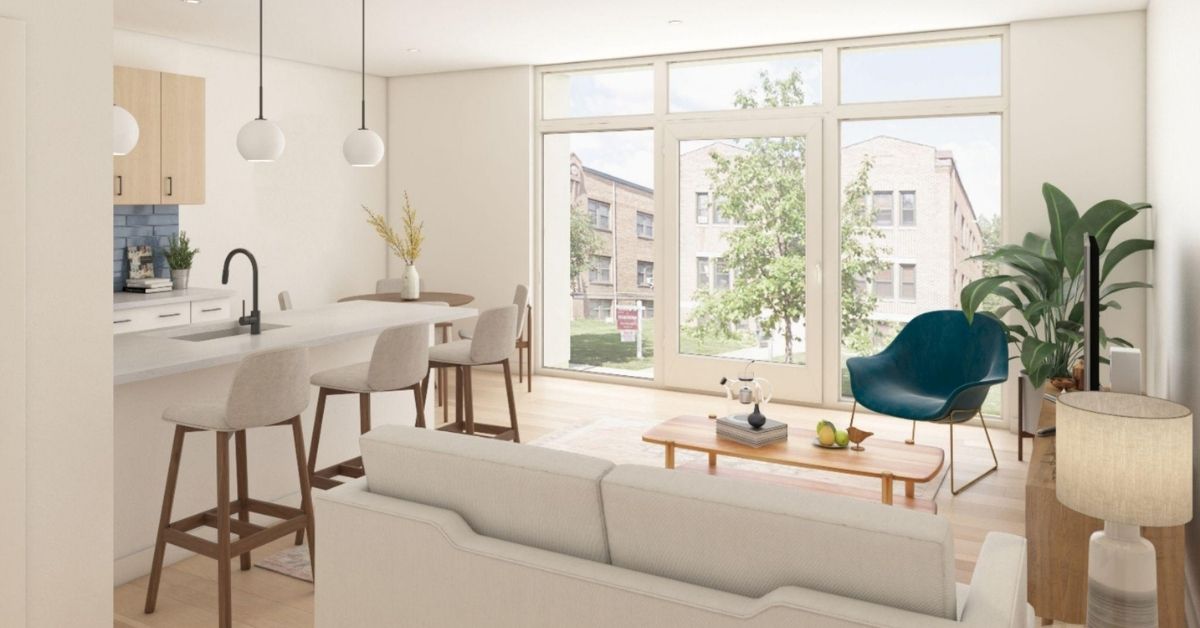
Open concept layout
This layout is best suited for single occupants, couples, or short-term rentals, where flexibility and visual openness are prioritized over strict privacy. It also works well for homeowners who want a clean, modern look that presents strongly in photos and listings.
The main advantage is spatial efficiency and better light distribution. Without walls blocking movement or daylight, the unit feels more open and adaptable. However, the trade-off is reduced privacy and potential noise or clutter issues. Daily activities share the same space, so maintaining organization becomes essential for long-term comfort.
3.9. Split-level ADU layout
A split-level ADU typically ranges from 400 to 800 sq ft, using subtle elevation changes to separate living zones instead of adding walls. Rather than a single flat layout, different areas like the kitchen, living room, and sleeping space are positioned at slightly different levels, which in my experience makes a compact unit feel more structured and intentional.
A split-level ADU
This layout is best suited for young couples, small families, or design-focused homeowners, especially on sloped or uneven lots where the terrain naturally supports this approach. It’s also a strong choice for those who want a more distinctive and architectural feel compared to standard layouts.
The main advantage is clear spatial separation without sacrificing openness. It adds depth and improves how the space is perceived, often making it feel larger than it actually is. However, the trade-off is reduced accessibility and higher construction complexity. Steps can be inconvenient for some users, and the design requires more careful planning to ensure comfort and proper ceiling heights.
3.10. Prefab ADU plans for faster construction
Prefab ADUs typically range from 400 to 800 sq ft, with layouts pre-designed and manufactured off-site before being assembled on location. Unlike traditional builds, you’re not designing everything from scratch, in my experience, you’re selecting from proven models that are already optimized for efficiency and real-world use.
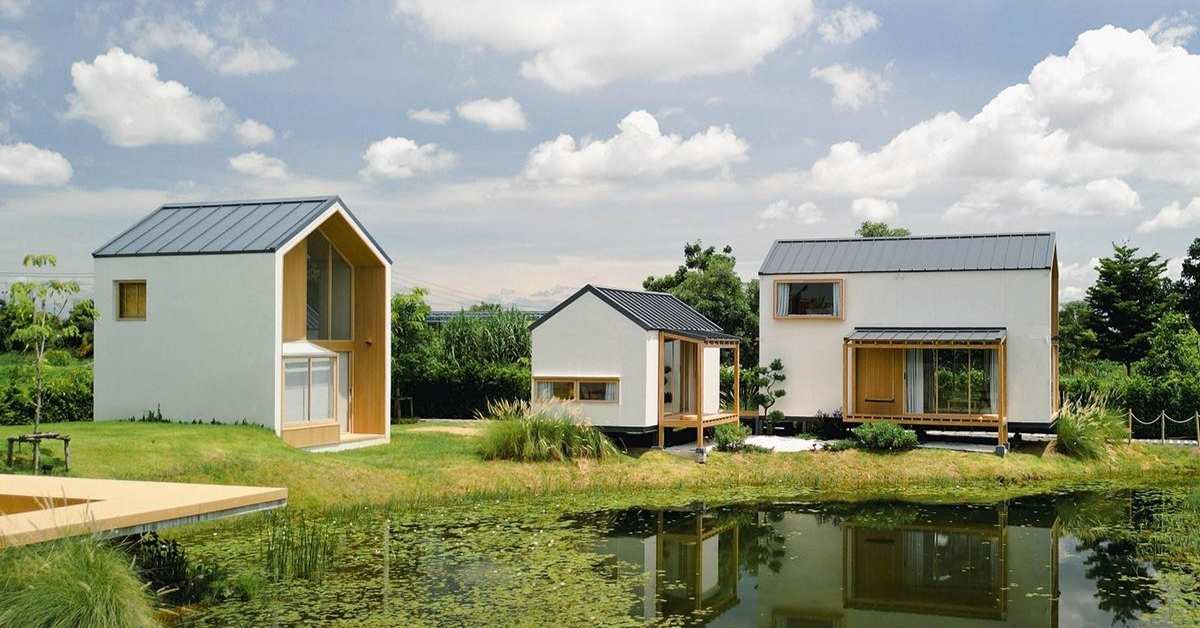
Prefab ADU
This option is best suited for homeowners who prioritize speed, predictable costs, or first-time ADU builders, as well as investors looking to scale quickly. It works particularly well when timelines are tight and design complexity needs to be controlled.
The biggest advantage is faster construction and cost certainty. Build times can drop from months to weeks, and pre-engineered systems reduce unexpected expenses. However, the trade-off is limited customization and site flexibility. You have fewer options to tailor the design, and certain properties may still require additional adjustments. In my view, prefab ADUs are ideal when efficiency is the priority, but they work best when expectations align with their standardized nature.
4. Common mistakes to avoid in ADU floor plans
Even well-designed ADUs can fail in practice due to overlooked layout issues that only become apparent during daily use. Identifying these mistakes early is essential to refining accessory dwelling unit floor plans and avoiding costly redesigns or long-term usability problems.
4.1. Overcrowded layouts
One of the most common mistakes is trying to include too many functions within a limited footprint. While adding extra features may seem beneficial on paper, it often leads to cramped spaces where movement is restricted and the layout loses clarity.
A more effective approach is to focus on essential functions and ensure each area has enough room to operate comfortably. In high-performing accessory dwelling unit floor plans, simplicity is not a limitation, it is a strategy. A clean, well-prioritized layout will always deliver better usability and long-term value than an overcrowded one.
4.2. Poor lighting design
Lighting is often underestimated during planning, yet it has a major impact on how spacious and comfortable an ADU feels. Without sufficient natural light, even a well-organized layout can feel tight and uninviting, especially in urban environments with limited window access.
To avoid this, window placement should be prioritized early in the design process. Larger openings, sliding doors, and skylights can significantly improve light distribution. In effective layouts, lighting is treated as a core design element rather than a finishing detail.
4.3. Lack of storage
Storage is frequently overlooked but quickly becomes a critical issue in daily use. Without adequate storage, clutter builds up, reducing both functionality and visual comfort—especially in compact spaces.
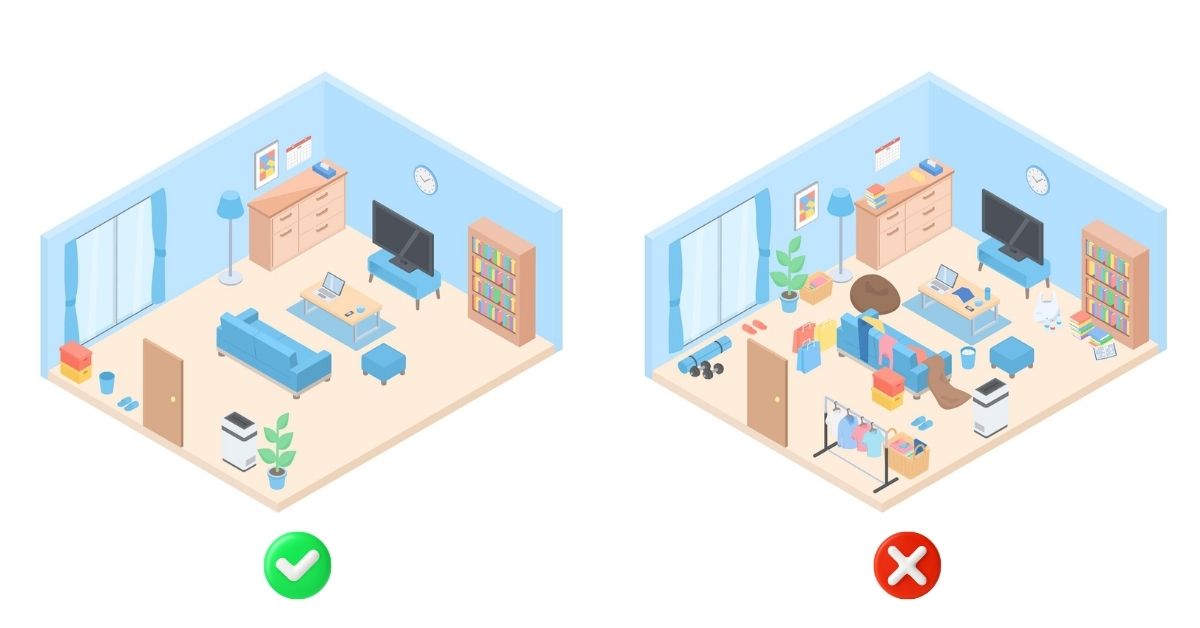
Lack of storage in the layout
The key is to integrate storage into the layout from the beginning. Built-in cabinets, under-bed storage, and multi-functional furniture help maintain organization without sacrificing space. In well-designed accessory dwelling unit floor plans, storage is seamlessly incorporated rather than added as an afterthought.
4.4. Inefficient circulation
Circulation plays a crucial role in how a space feels and functions. Poorly planned movement paths can make even a relatively spacious unit feel awkward and restrictive.
Effective layouts focus on clear, direct pathways between key areas such as the kitchen, bathroom, and living space. Minimizing unnecessary corridors and avoiding abrupt transitions helps create a more natural flow. The best accessory dwelling unit floor plans feel intuitive, allowing occupants to move comfortably without obstruction.
5. How to choose the right ADU floor plan
Selecting the right ADU layout is a strategic decision that must balance physical constraints, usability, and long-term value to ensure the space functions efficiently and remains a strong investment over time, which is why the most effective accessory dwelling unit floor plans always align design choices with real-world conditions.
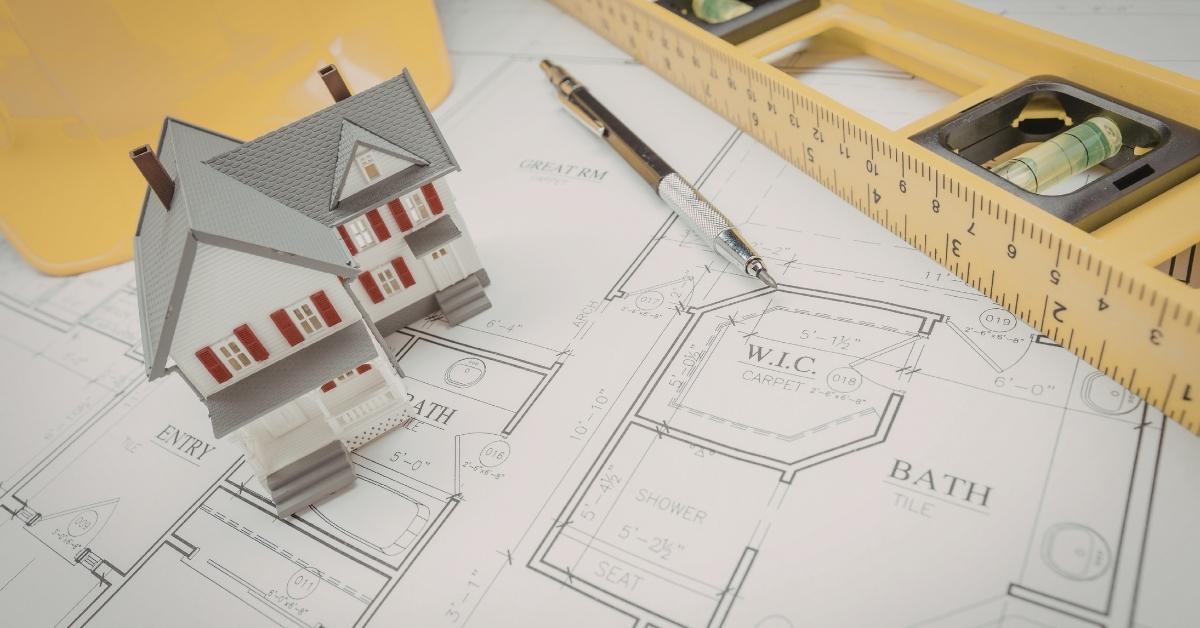
Selecting the right ADU layout
5.1. Based on lot size and property type
The size and shape of your lot are the primary factors that determine what type of ADU layout is feasible. Narrow or irregular lots often require more creative solutions, such as L-shaped or vertical layouts, to maximize usable space. In contrast, larger properties allow for detached units with more flexible configurations.
Understanding these physical constraints early helps avoid unrealistic design expectations. Instead of forcing a layout that doesn’t fit the site, it is more effective to adapt the design to the property’s natural limitations. This approach leads to more efficient and buildable accessory dwelling unit floor plans.
5.2. Based on usage goals
The intended purpose of the ADU should guide every major design decision, from layout structure to space allocation. A rental unit, for example, requires a strong focus on privacy and independence, while a guest house may prioritize comfort and accessibility. Similarly, a home office ADU will need a completely different spatial arrangement compared to a living unit.
Clearly defining the primary use case helps narrow down the most suitable layout options. Different goals naturally lead to different ADU design ideas, and trying to satisfy too many purposes at once often results in compromised functionality. A focused approach ensures the space performs well in its intended role.
5.3. Budget and construction method
Budget constraints directly influence both the complexity of the layout and the construction method used. Simpler layouts with fewer structural changes are generally more cost-effective, while more customized designs require higher investment and longer timelines.
Choosing between traditional construction and prefab ADU plans is also a key decision at this stage. Prefab solutions offer faster build times and more predictable costs, while custom builds provide greater flexibility in design. Aligning your layout choice with your budget ensures the project remains feasible from both a financial and practical standpoint.
5.4. Local zoning and regulations
Local zoning laws and building regulations play a critical role in shaping what can and cannot be built. These rules often define maximum size, setback requirements, height limits, and utility connections, all of which directly impact layout decisions.
Ignoring these constraints can lead to delays, redesigns, or even project rejection. That’s why it’s essential to review local regulations before finalizing any design. The most successful accessory dwelling unit floor plans are not only well-designed but also fully compliant, allowing for a smoother approval and construction process.
Conclusion
Beyond functionality, presentation also plays a critical role, especially if the ADU is intended for rental or resale. High-quality 3D rendering helps visualize the layout clearly, while professional real estate editing enhances how the space is perceived by potential buyers or tenants. Before finalizing your design, it’s also worth reviewing a range of small house floor plans to benchmark ideas and refine your approach.
- Facebook: fotobermedia.co
- YouTube Channel: Fotober
- TikTok Channel: @fotober
- Instagram: fotober_media
- Email support: [email protected]
- Hotline: +84 942 110 297
Related posts

Modern Luxe Interior Design: Elements, Style Guide and How to Stage It
October 10, 2026

Minimalist Interior Design: Characteristics, Style Guide, and Staging
October 8, 2026

Coastal Interior Design: Style Definition & Staging Guide
September 30, 2026

Contemporary Interior Design: Key Elements and How to Stage This Style
September 30, 2026
