




How 3D Rendering of Floor Plan is Transforming Modern Real Estate

Share:
Table of Contents
- 1. What is a 3D floor plan rendering?
- 2. The power of real estate floor plan rendering
- 3. The technical journey: From 2D to 3D floor plan
- 4. Use cases: Who should use 3D floor plan rendering?
- 5. Pricing guide: How much does 3D rendering of a floor plan cost?
- 6. Future trends in floor plan visualization
- 7. Conclusion
Traditional black-and-white blueprints often fail to capture a home buyer's imagination. 3D renderings can effectively bridge the gap between technical drawings and visual reality. Showcasing spatial flow and interior with stunning photorealistic clarity creates an immediate emotional connection, allowing clients to envision their future life. In this comprehensive guide, we will explore how 3D rendering of floor plan accelerates the sales cycle, the typical pricing involved, and why it has become a non-negotiable asset for modern architectural marketing.
1. What is a 3D floor plan rendering?
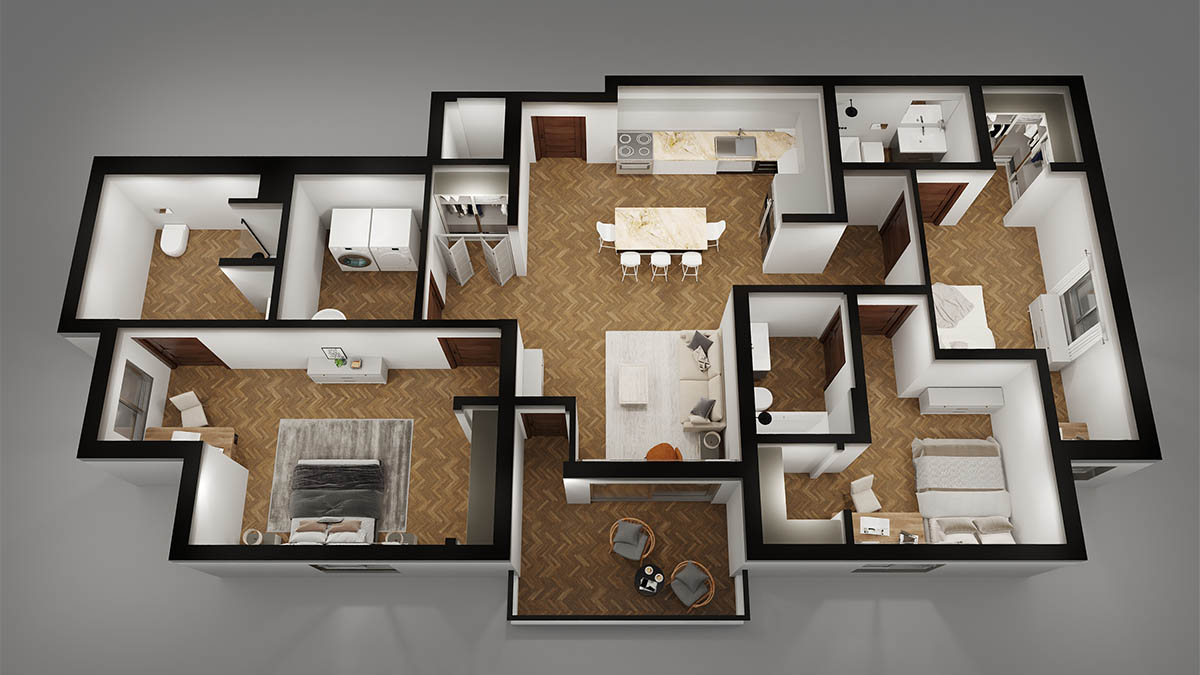
At its core, the 3D rendering of a floor plan is a sophisticated architectural visualization technique that converts flat, two-dimensional architectural drawings into a three-dimensional, bird's-eye view of a property. Unlike traditional sketches, a 3D floor plan rendering provides a realistic representation of space, including wall heights, window placements, and floor textures, allowing viewers to grasp the layout intuitively without needing technical training.
 3D renderings bring depth to flat architectural drawings
The transition from a 2D to 3D floor plan is a game-changer for property marketing. In the 2D world, clients often struggle to understand scale or the relationship between different rooms. By adding the third dimension, we bring forth a sense of depth and perspective. A high-quality real estate floor plan rendering goes beyond simple lines; it incorporates realistic lighting, shadow play, and high-resolution textures such as hardwood flooring, granite countertops, and plush carpeting. This level of detail helps potential buyers understand not just where a room is, but how it feels.
To achieve this photorealistic quality, the process involves several technical layers:
- Scale and proportion: Every element is modeled to exact measurements, ensuring that furniture fits perfectly within the space.
- Lighting and shadow: Realistic sunlight simulation through windows helps define the ambiance and "warmth" of each room.
- Furniture and decor: Virtual staging allows developers to showcase the potential functionality of a space, from a cozy living room setup to a modern kitchen island.
In short, while a 2D blueprint is a technical instruction for a builder, a 3D floor plan rendering is a marketing masterpiece designed for the buyer. It removes the guesswork and replaces it with a clear, immersive vision of the property’s interior, making it an indispensable tool for modern developers and interior designers alike.
2. The power of real estate floor plan rendering
In the high-stakes world of property sales, a real estate floor plan rendering has gone from being a luxury to a fundamental marketing asset. While professional photography captures the current state of a room, it often fails to communicate the "big picture" of how spaces connect. This is where the strategic power of a 3D floor plan rendering comes into play, transforming a simple layout into a compelling narrative of home life.
2.1. Boosting sales through spatial storytelling
The primary challenge for most buyers is "spatial illiteracy." Looking at a flat blueprint, many people cannot accurately estimate if their sectional sofa will fit in the living room or if the flow between the kitchen and dining area is practical. By transitioning from a 2D to 3D floor plan, you eliminate this guesswork. Research suggests that listings featuring 3D floor plans see a significantly higher click-through rate and keep potential buyers on the page longer. Data from Zillow indicates there’s 87% more views from listings featuring 3D tours and interactive floor plans, nearly double the views of those with static photos alone. It provides transparency that builds immediate trust between the agent and the client.
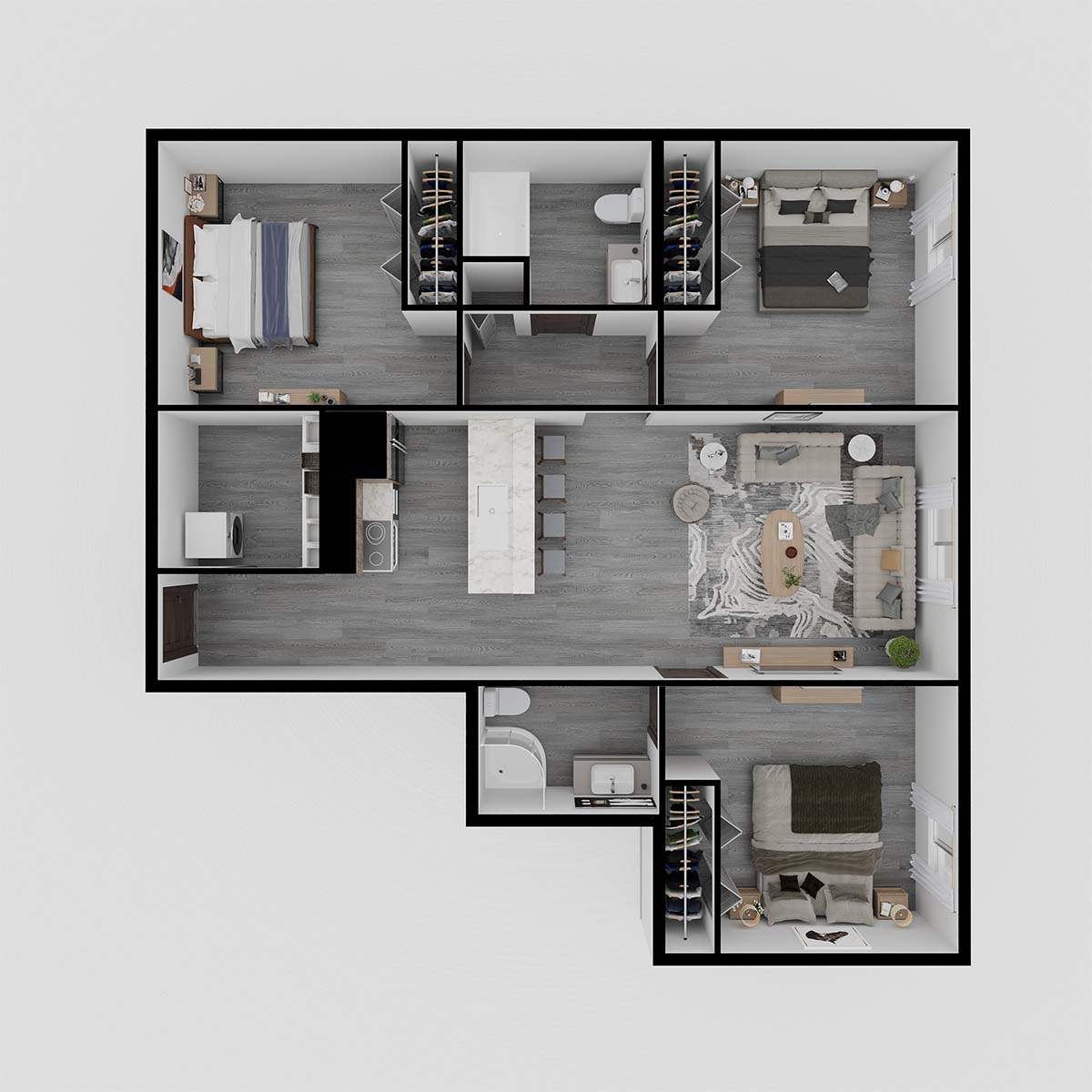
 Traditional 2D floor plans in the era of 3D and VR don’t impress buyers as much as they used to
2.2. Creating an emotional "aha!" moment
Real estate is as much about emotion as it is about square footage. A high-quality 3D rendering of a floor plan allows a buyer to perform a mental "walkthrough." They can see the morning light hitting the breakfast nook or envision the proximity of the nursery to the master bedroom. This emotional connection is the secret sauce for "off-plan" sales (selling a property before the construction phase). When a buyer can "see" themselves living in the space, the path to a closed deal becomes much shorter.
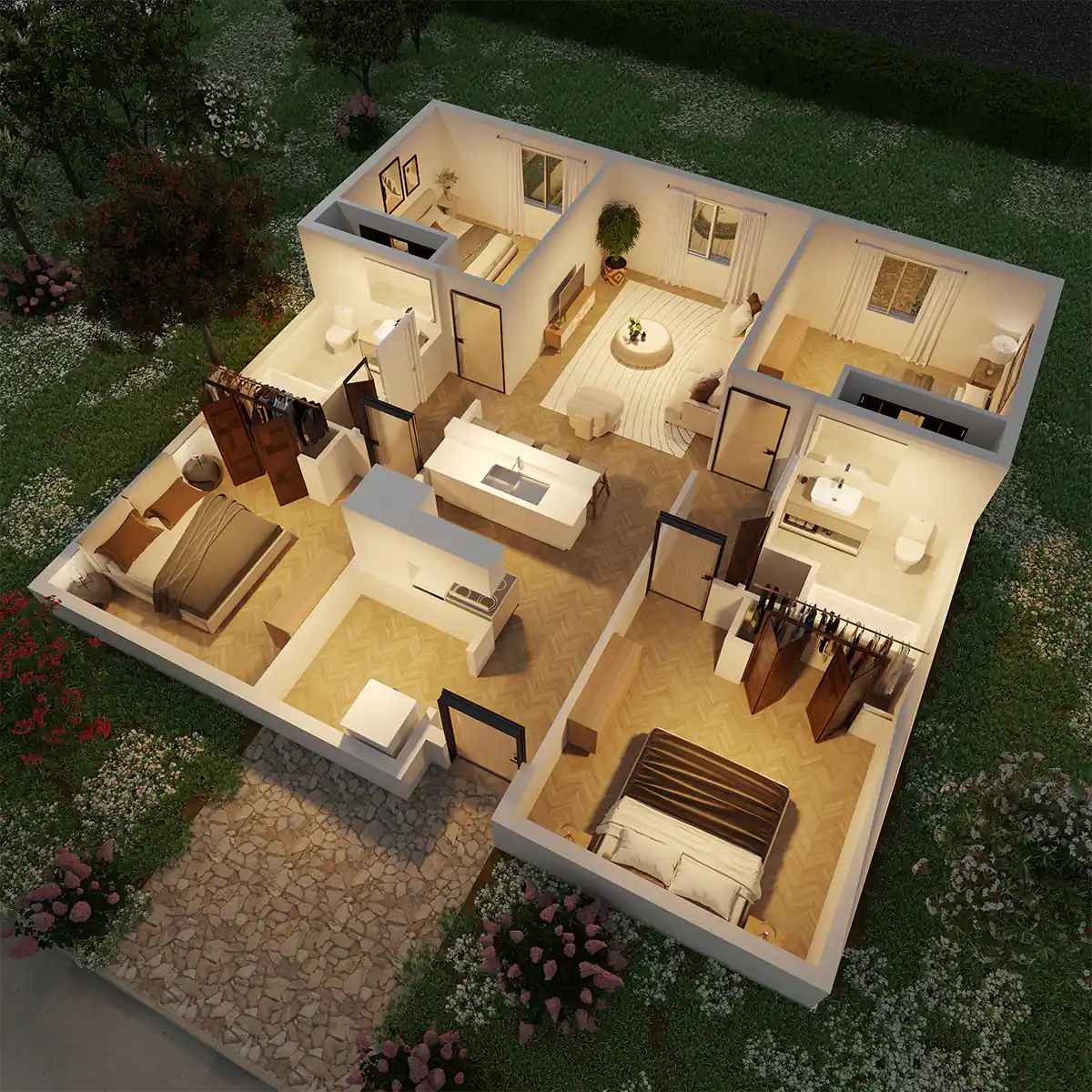 Bringing the floor plan to life can captivate buyers emotionally, even before the construction phase.
2.3. A competitive edge in the digital marketplace
In a sea of generic listings, real estate floor plan rendering serves as a visual anchor. It signals to high-end clients that the developer or agent is professional, tech-savvy, and detail-oriented. Furthermore, these renders are highly versatile; they can be integrated into video tours, social media carousels, and interactive websites. By providing a 360-degree perspective of the layout, you aren't just selling a house; you are selling a modern, streamlined buying experience that respects the customer's time and intelligence.
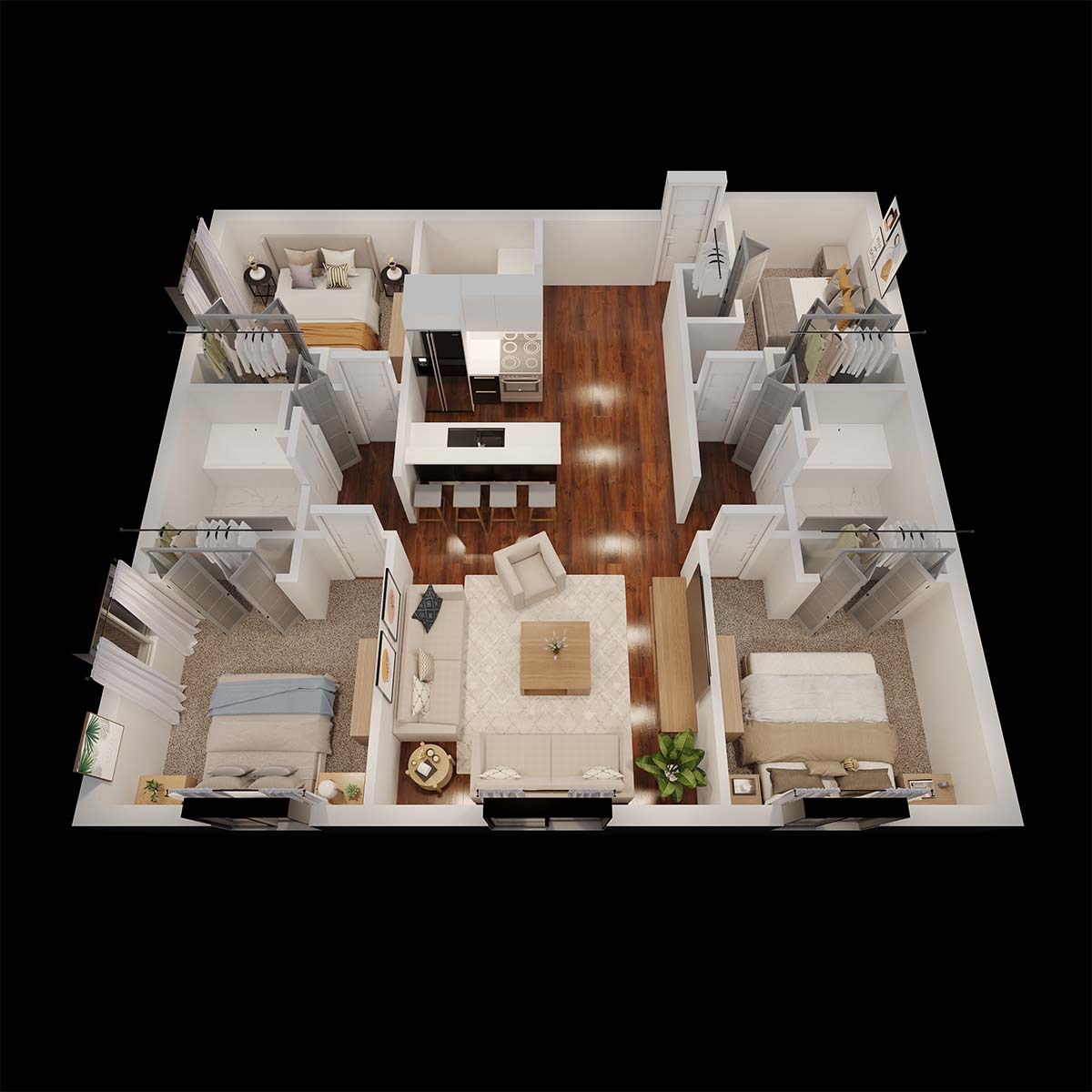 3D formats are versatile enough to be repurposed for photos, videos, and interactive tours.
3. The technical journey: From 2D to 3D floor plan
The transformation of a flat architectural drawing into a high-end real estate floor plan rendering is a precise technical process that blends engineering accuracy with artistic flair. While modern software has streamlined the workflow, achieving a photorealistic result requires a methodical five-step approach.
3.1. Blueprint analysis and preparation
The journey begins with a deep dive into the source material. Whether you are starting with a hand-drawn sketch, a PDF, or a professional CAD file, the first priority is ensuring the scale is 100% accurate. Artists analyze wall thicknesses, ceiling heights, and structural openings to ensure the final 3D rendering of floor plan reflects the true physical dimensions of the property.
 A 3D floor plan rendering still needs a technical 2D base
3.2. Precision 3D modeling
Once the layout is verified, the "extruding" begins. This is the stage where we officially move from a 2D to 3D floor plan. Using industry-standard software like 3ds Max or SketchUp, artists build the "digital skeleton" of the home. Every wall is raised, and every window and door is carved out with mathematical precision. This geometric foundation is critical because any error here will distort the visual perspective in the final render.
 Modelling requires surgical geometric precision
3.3. Applying PBR textures and global Illumination
To make a 3D floor plan rendering feel like a real home, we apply Physically Based Rendering (PBR) materials. This means the digital wood grain reflects light like real oak, and the glass balcony railings have the correct transparency and refraction. We then implement "Global Illumination" to simulate how sunlight enters through windows and bounces off walls, creating natural shadows that define the depth of the space.
3.4. Virtual staging and interior styling
An empty 3D model can feel cold. In this phase, we add scaled 3D furniture, decor, and greenery. This isn't just about aesthetics; it’s about showing functionality, demonstrating how a king-sized bed fits in the master suite or how the kitchen island anchors the living area.
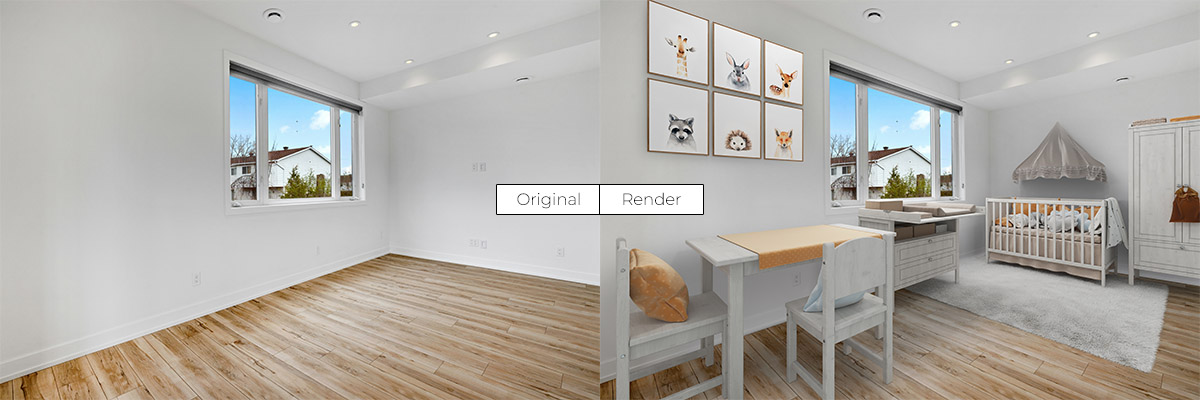 Virtual staging applies a specific aesthetic and brings functionality to the space
3.5. Final rendering and post-processing
The final step is the computation phase, where the software calculates millions of light rays to produce a high-resolution image. Finally, post-processing in tools like Photoshop is used to fine-tune the color balance and sharpness, resulting in a marketing-ready asset that is indistinguishable from a real photograph.
4. Use cases: Who should use 3D floor plan rendering?
The versatility of 3D floor plan rendering makes it an essential asset for anyone involved in the property lifecycle, from the initial architectural concept to the final sale. No longer a niche luxury reserved for high-end skyscrapers, this technology now serves as a universal language that bridges the communication gap between industry professionals and their clients.
4.1. Real estate developers and home builders
For developers, the stakes are highest during the "off-plan" phase, the period where units must be sold before construction is even complete. By investing in high-quality real estate floor plan rendering, developers can provide prospective buyers with a concrete, immersive vision of their future home. This is particularly crucial for large-scale residential projects where buyers need to feel confident in the spatial flow of a unit that currently only exists on paper.
 Immersive floor plan rendering is an effective persuasive asset for home developers
4.2. Real estate agents and brokers
In a crowded digital marketplace like Zillow or Realtor.com, agents use a 3D rendering of floor plan to make their listings "pop." It acts as a powerful filtering tool; buyers can instantly understand if a house fits their lifestyle, which significantly reduces time wasted on unproductive physical viewings. Furthermore, offering 3D visuals signals a higher level of professionalism, helping agents win more listings from sellers who want their property represented with premium marketing assets.
4.3. Architects and interior designers
While architects are fluent in technical blueprints, most clients are not. Converting a complex 2D to 3D floor plan allows designers to present their vision in a way that is easily digestible. It facilitates faster decision-making regarding wall placements, furniture layouts, and material choices. By showing a client exactly how a room will look, designers can avoid "revision fatigue" and ensure that the final physical result matches the client's expectations perfectly.
 Architects and interior designers can see their vision come to life without having to wait for the construction to finish
4.4. Homeowners and DIY renovators
Individuals looking to remodel their homes find immense value in seeing the "after" before the "before" is even touched. 3D rendering format allows them to experiment with different structural changes, such as removing a load-bearing wall to create an open-concept kitchen without the risk of a costly construction mistake.
4.5. Commercial property managers
Beyond residential use, businesses use these renders to plan office layouts, retail store flows, or restaurant seating charts. It ensures that the operational flow of a commercial space is optimized for both staff and customers before a lease is signed or furniture is purchased.
Whether you are a developer, a real estate agent, an architect, a homeowner or a property manager, you can start exploring the transformative power of 3D floor plans today. Contact us to get a free consultation and custom quote for your project.
5. Pricing guide: How much does 3D rendering of a floor plan cost?
Understanding the investment required for 3D floor plan rendering is essential for effective project budgeting. While prices vary across the industry, they generally reflect the complexity of the architecture and the level of photorealism required. Investing in a high-quality 3D rendering of floor plan is often the most cost-effective marketing decision a professional can make, considering the high ROI in lead generation.
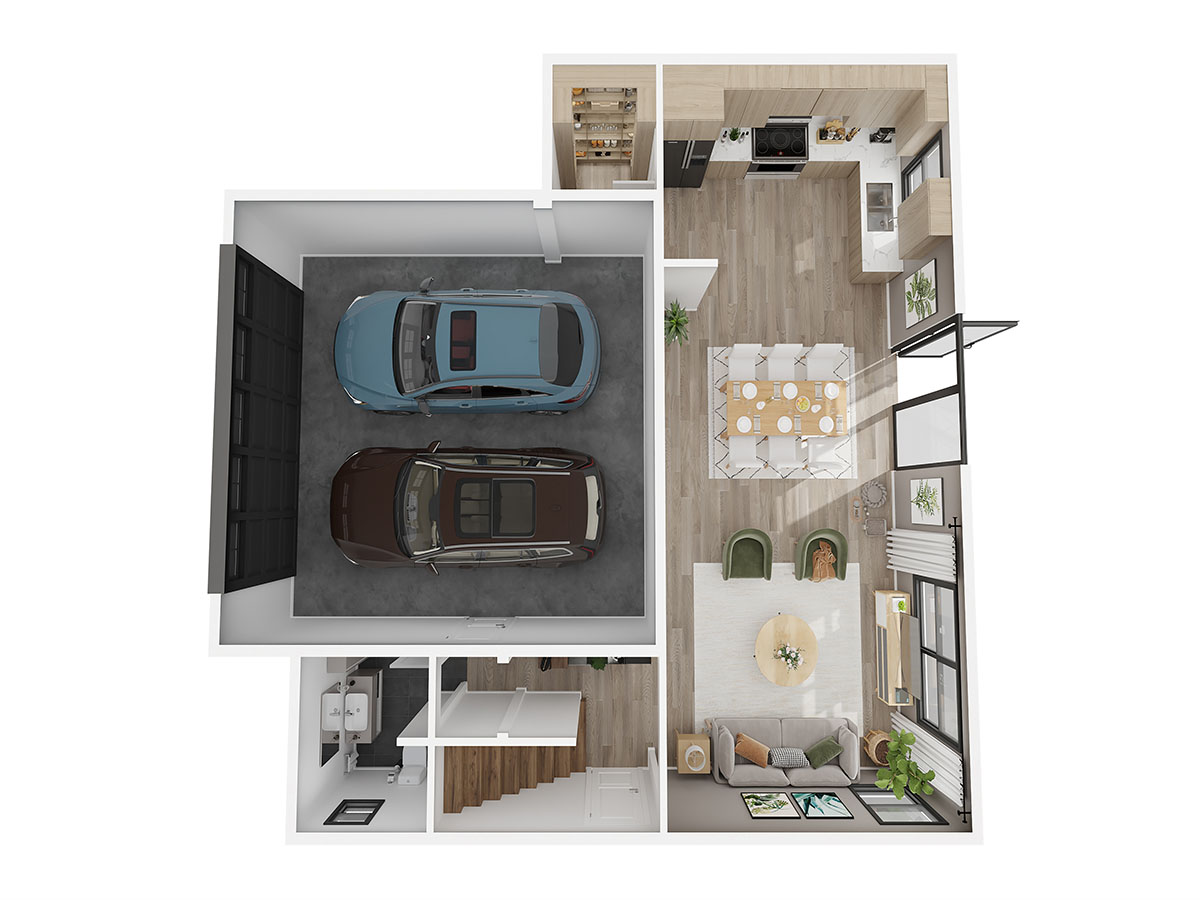 3D rendering cost can stack up quickly, corresponding to the complexity of the project
5.1. Key factors influencing cost
The price of a real estate floor plan rendering typically depends on three main pillars:
- Project complexity: A studio apartment is significantly faster to model than a multi-story luxury estate or a commercial office complex.
- Level of detail: Standard renders use high-quality generic assets, while premium renders may require "custom modeling" of specific designer furniture or unique architectural finishes.
- Turnaround time: Standard delivery usually takes 2–5 business days. "Express" services for urgent listings often incur a 25%-50% surcharge.
5.2. Typical pricing models
Most studios offer a flat fee per floor or per unit, making it easy for agents to scale their marketing costs.
|
Service level |
Description |
Estimated price (USD) |
|
Basic 3D render |
Standard textures, simple furniture, 2K resolution. |
from $20 |
|
Premium render |
Photorealistic lighting, 4K resolution, custom decor. |
from $200 |
|
Interactive/VR |
360-degree rotation or virtual walkthrough capabilities. |
from $200 |
For a standard 2D to 3D floor plan conversion of a single-family home, you can expect to pay between $20 and $250. While this is higher than a 2D sketch, the value it adds to a listing is incomparable. In a market where buyers make decisions based on visual clarity, a professional 3D floor plan rendering ensures your property stands out, justifies a higher asking price, and ultimately closes the deal faster.
6. Future trends in floor plan visualization
The landscape of 3D floor plan rendering is evolving rapidly, driven by AI and immersive technology. We are moving away from static images toward fully interactive experiences. In the near future, a 3D rendering of a floor plan will not just be a picture; it will be a "playable" environment. Through Virtual Reality (VR) and 360-degree tours, buyers can virtually "walk" through a property from across the globe.
Artificial Intelligence is also revolutionizing the speed of conversion. AI-powered tools can now automate the transition from 2D to a 3D floor plan, reducing turnaround times from days to mere minutes. Furthermore, Augmented Reality (AR) is beginning to allow agents to overlay a real estate floor plan rendering onto a physical empty space via a smartphone, showing clients exactly where a wall will be or how a kitchen island will fit. These innovations are making high-end visualization more accessible than ever before.
7. Conclusion
In conclusion, the transition from a traditional 2D to 3D floor plan has become a competitive necessity in modern property marketing. By investing in professional 3D floor plan rendering, real estate professionals can effectively bridge the gap between technical blueprints and a buyer's imagination.
Whether you are a developer selling off-plan units or an agent looking to boost engagement, a high-quality 3D rendering of a floor plan provides the visual clarity needed to close deals faster. Don't let your listings get lost in a sea of flat drawings; embrace real estate floor plan rendering today to elevate your brand and drive higher ROI.
Follow us on social media to get more useful tips and in-depth analysis on real estate 3D rendering and up-to-date details of our services!
- Facebook: fotobermedia.co
- YouTube: Fotober
- TikTok: @fotober
- Instagram: fotober_media.
Related posts

Modern Luxe Interior Design: Elements, Style Guide and How to Stage It
October 10, 2026

Minimalist Interior Design: Characteristics, Style Guide, and Staging
October 8, 2026

Coastal Interior Design: Style Definition & Staging Guide
September 30, 2026

Contemporary Interior Design: Key Elements and How to Stage This Style
September 30, 2026
