




Minimalist Interior Design: Characteristics, Style Guide, and Staging

Share:
Table of Contents
- 1. Key takeaways
- 2. What is minimalist interior design?
- 3. Key characteristics of minimalist interior design
- 4. Top 10 minimalist home design ideas for a calm and functional space
- • 4.1. Build the room around a soft neutral palette
- • 4.2. Choose furniture with simple, low-profile forms
- • 4.3. Use built-in storage to keep clutter out of sight
- • 4.4. Let one statement piece anchor the room
- • 4.5. Layer texture instead of adding more decoration
- • 4.6. Maximize natural light and open sightlines
- • 4.7. Keep the bedroom simple and restful
- • 4.8. Design a clean, seamless kitchen
- • 4.9. Bring nature in with a few organic elements
- • 4.10. Leave intentional negative space
- 5. Why minimalist interiors make a home more appealing to buyers
- 6. How to stage a minimalist interior with virtual staging
- 7. Frequently asked questions about minimalist interior design
- 8. Conclusion
1. Key takeaways
- Minimalist interior design is a "less is more" style built on decluttered space, restraint, and a few functional, high-quality pieces.
- Its core characteristics are open negative space, a neutral palette, clean lines, and carefully edited furniture and decor.
- It overlaps with modern, Scandinavian, and Japandi looks but pushes furthest toward simplicity and empty space.
- Minimalist interiors sell homes well because they feel spacious, calm, and move-in ready, and they photograph beautifully.
- Virtual staging can present any listing in a clean minimalist look photorealistically, for a fraction of physical staging.
2. What is minimalist interior design?
Minimalist interior design is a decorating philosophy built on the principle that less is more, reducing a space to its essential elements and removing everything unnecessary. The result is a calm, uncluttered interior where open space, natural light, clean lines, and a handful of purposeful pieces do all the talking.
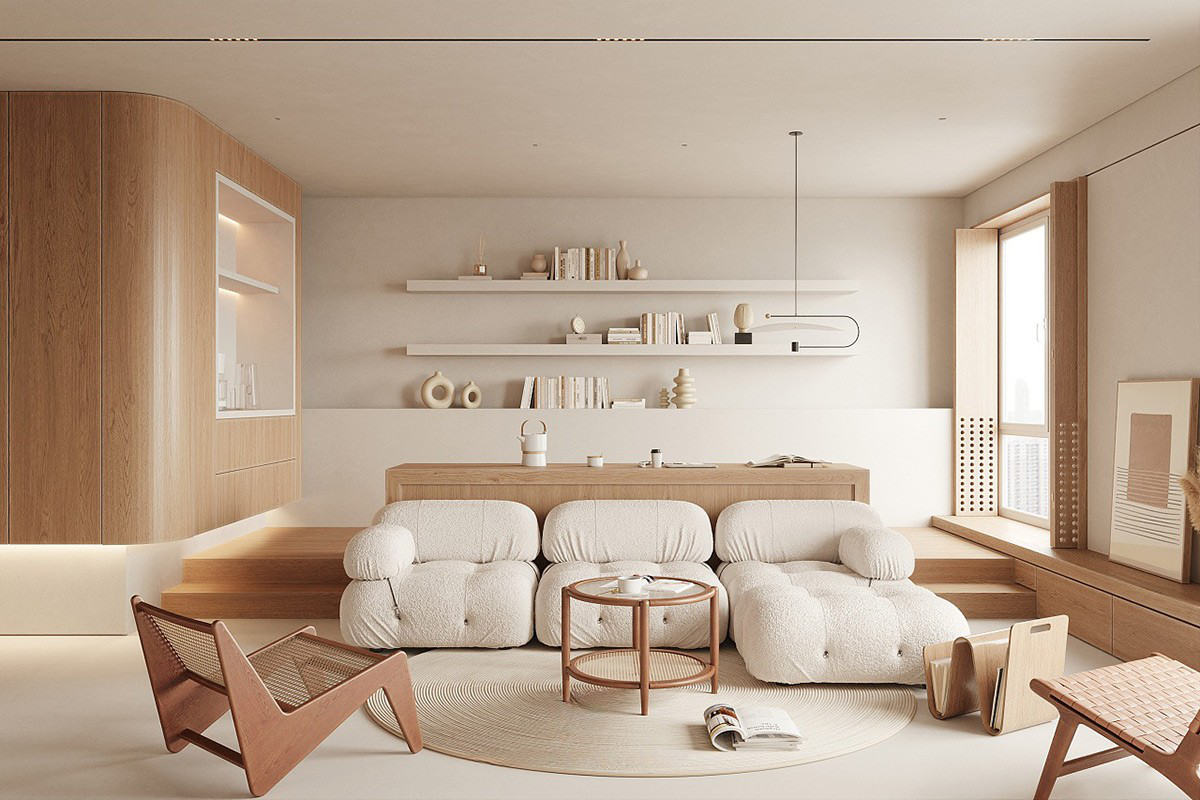
At its core, it's about intention. Every item earns its place, storage hides the clutter of daily life, and empty space is treated as a design element rather than something to fill. A minimal style interior isn't cold or empty for its own sake; done well, it feels serene, spacious, and quietly luxurious. So minimalist style is less about owning little than about choosing carefully, quality over quantity, and calm over chaos.
That discipline is exactly why minimalism has become so influential in both home decor and real estate. An edited, orderly space feels larger, more restful, and more universally appealing than a crowded one. Understanding that foundation makes its specific characteristics easy to recognize.
3. Key characteristics of minimalist interior design
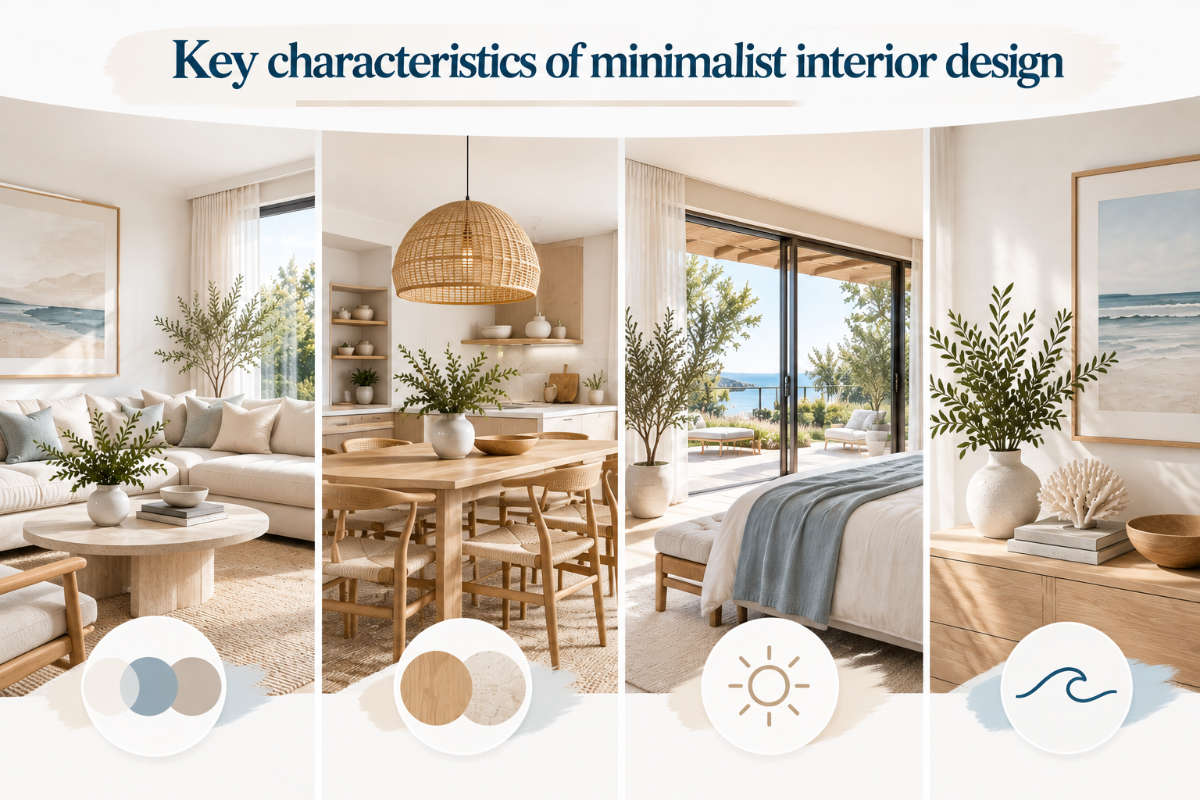
The style has a clear and consistent set of traits, and knowing them lets you create or identify the look. These minimalist interior design characteristics work together to produce that signature sense of calm order.
3.1. Decluttered space and negative space
The defining trait is emptiness used deliberately. Surfaces are clear, rooms are uncrowded, and negative space: the intentional emptiness around objects, is embraced so the eye can rest. Generous storage keeps everyday clutter out of sight. This restraint is what gives minimalist rooms their open, breathable, and calming quality.
3.2. A neutral, restrained palette
Color is kept quiet. Whites, grays, blacks, and soft earth tones dominate, often in a tight monochrome scheme, with texture and subtle contrast providing interest instead of bold color. The restrained palette reinforces the sense of calm and lets architecture, light, and form take center stage.
3.3. Clean lines and functional layout
Minimalist spaces favor simple geometry, flat surfaces, and uninterrupted sightlines. Furniture and architecture share clean, straight or gently curved lines, and every layout choice serves function. Nothing is ornamental for its own sake; the beauty comes from proportion, simplicity, and the quality of materials.
3.4. Edited furniture and decor
Finally, the furnishings are deliberately few and well chosen. Minimalist furniture and decor favor quality over quantity, a few functional, well-made pieces with simple forms rather than many small objects. Decor is sparse and intentional: a single artwork, one sculptural light, a plant. This is where the "less is more" ethos is most visible, and where restraint separates elegant minimalism from a room that simply looks unfinished.
4. Top 10 minimalist home design ideas for a calm and functional space
Once the core principles are in place, minimalist design becomes less about removing everything and more about making better choices. The most successful minimalist interior design balances simplicity with comfort, using thoughtful layouts, restrained colors, and carefully selected materials to create spaces that feel calm rather than empty. Every piece should have a clear role, whether functional, visual, or both. The goal is to reduce distraction without sacrificing warmth or personality. These ideas show how to apply the minimalist approach throughout the home in a way that feels practical, polished, and easy to live with.
4.1. Build the room around a soft neutral palette
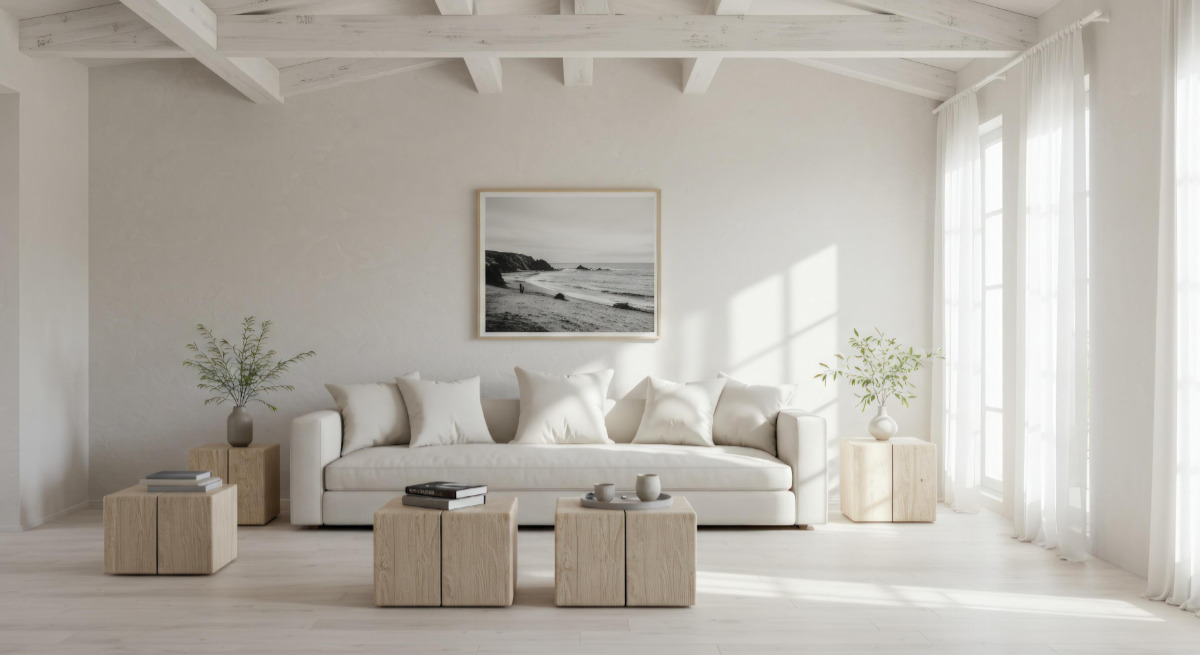
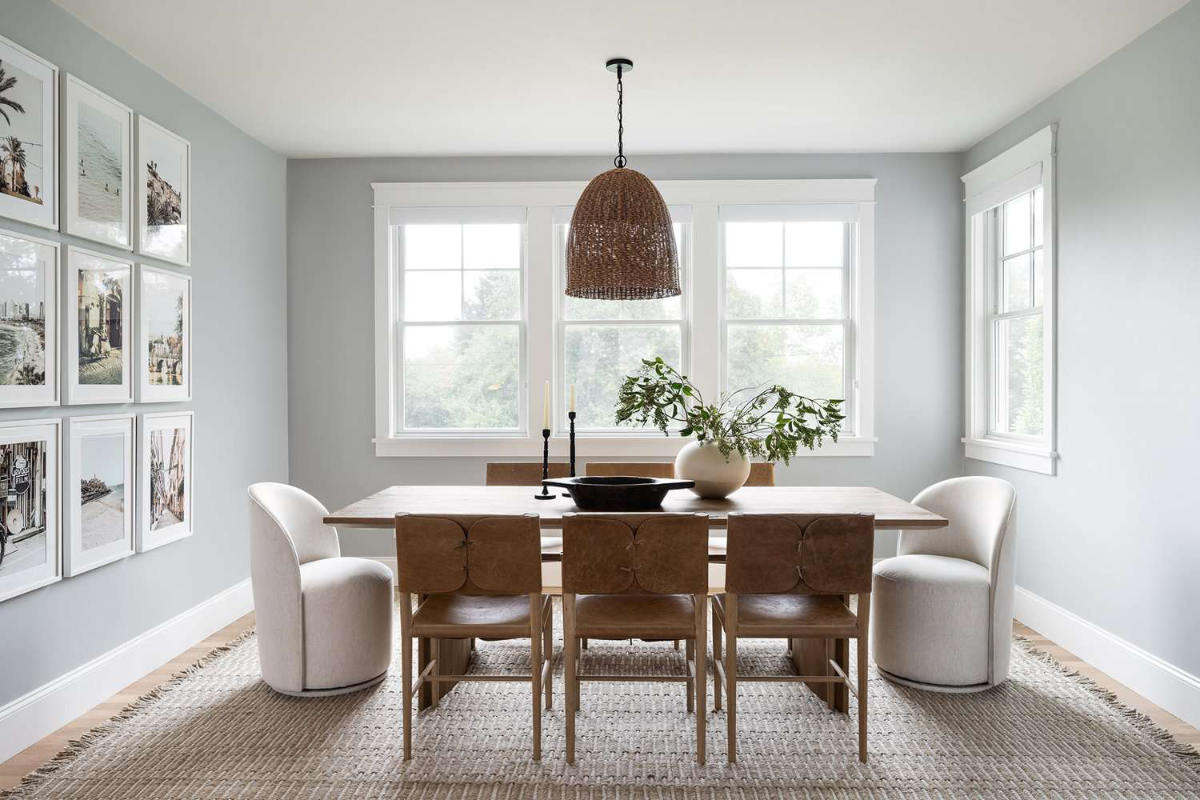
A restrained color palette is one of the easiest ways to establish a minimalist foundation. Whites, warm grays, beige, taupe, and muted earth tones create a calm backdrop without competing for attention. Instead of using several bold colors, work with subtle variations within the same family to create depth. A warm white wall, for example, can be paired with cream upholstery, pale oak, and soft gray textiles. Small accents of black, charcoal, or muted brown can add definition without disturbing the overall quietness of the room. This approach keeps minimalism visually cohesive while still allowing enough contrast to prevent the space from feeling flat.
4.2. Choose furniture with simple, low-profile forms
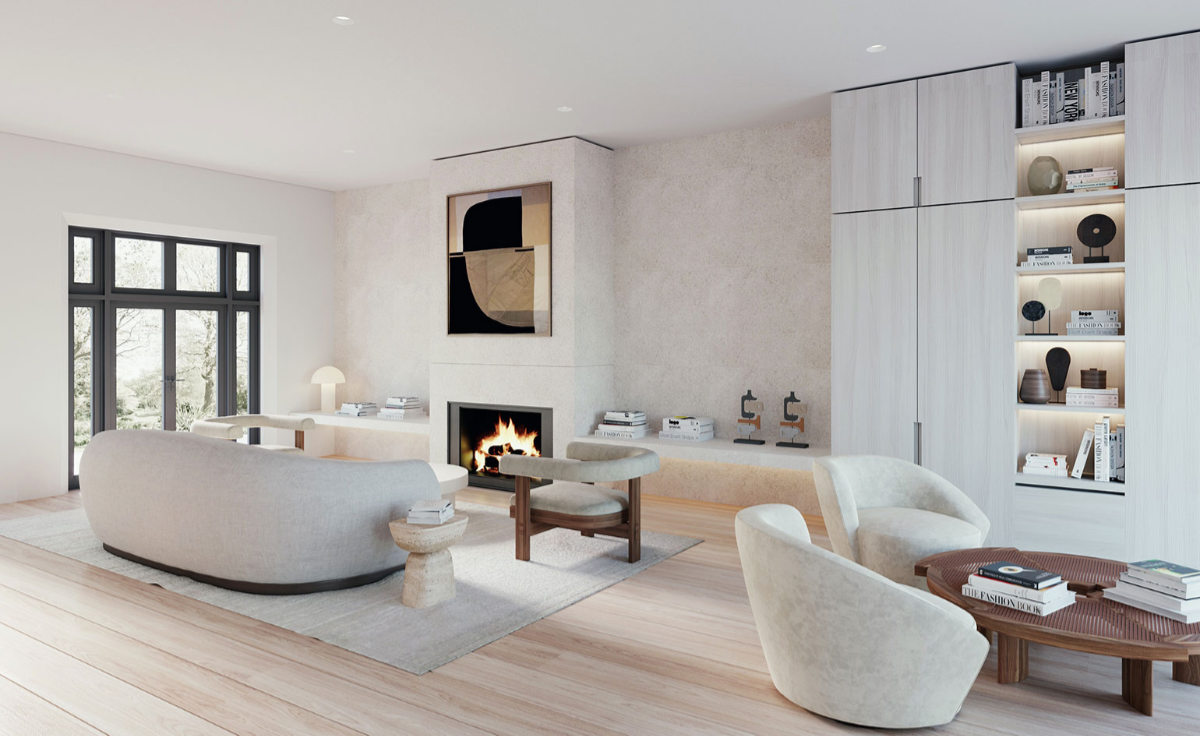
Furniture should feel visually light, purposeful, and proportionate to the room. Look for sofas, beds, tables, and chairs with clean silhouettes, slim legs, and minimal ornamentation. Low-profile pieces help preserve open sightlines and prevent the space from feeling crowded or heavy. In a minimalist living room, a streamlined sofa paired with one simple coffee table and a single accent chair is often more effective than filling the room with multiple pieces. Curved furniture can also work well, as long as the shape remains simple and sculptural rather than decorative. The goal is to let the furniture support the architecture instead of dominating it.
4.3. Use built-in storage to keep clutter out of sight
Storage is one of the most important practical elements in a successful minimalist home. Built-in cabinets, integrated wardrobes, under-bed drawers, and concealed shelving allow everyday objects to remain accessible without becoming visual clutter. Closed storage is especially useful in living rooms, kitchens, and bedrooms where small items can quickly overwhelm the space. Cabinet fronts should remain simple and consistent with the surrounding architecture so they blend into the room rather than become another focal point. This makes surfaces easier to keep clear and helps maintain the sense of order associated with minimalist interior design. A well-organized minimalist room may look effortless, but smart storage is usually what makes that simplicity possible.
4.4. Let one statement piece anchor the room
Minimalist interiors do not need to be visually empty or devoid of personality. Instead of using many decorative objects, choose one strong focal point and allow it to carry the room. This could be an oversized artwork, a sculptural pendant light, a distinctive chair, or a stone coffee table with an interesting form. Keeping the surrounding decor restrained gives the statement piece more visual impact. It also creates a clearer hierarchy, making the room feel intentional rather than randomly styled. In minimalist design, one memorable element often feels more sophisticated than several competing focal points.
4.5. Layer texture instead of adding more decoration
When color and decor are limited, texture becomes one of the main ways to create warmth and visual interest. Linen, wool, boucle, natural wood, stone, plaster, and matte ceramics can all add depth without making the room feel busy. A neutral sofa, for example, can be paired with a wool rug, linen cushions, and a textured throw to create variation within a narrow palette. These materials catch light differently, helping a simple room feel richer and more dimensional. Texture also prevents minimalism from becoming too cold or clinical. The key is to layer materials subtly so they support the overall calmness of the space rather than compete with it.
4.6. Maximize natural light and open sightlines
Natural light plays a major role in making minimalist interiors feel spacious and breathable. Keep windows as unobstructed as possible with sheer curtains, simple blinds, or no window treatments where privacy allows. Furniture should be positioned so it does not block major windows or interrupt important sightlines through the room. Mirrors can be used sparingly to reflect daylight and make smaller spaces feel more open. Light-colored walls and flooring also help distribute brightness throughout the interior. By allowing daylight to become part of the design, the room can feel more dynamic without requiring additional decoration.
4.7. Keep the bedroom simple and restful
A minimalist bedroom should feel visually quiet from the moment you enter. Start with a simple bed frame, neutral bedding, compact bedside tables, and soft, warm lighting. Keep decorative objects to a minimum and choose only pieces that contribute to the atmosphere, such as one artwork, a ceramic lamp, or a small plant. Bedding can be layered with subtle textures to create comfort without adding visual noise. Storage should be integrated wherever possible so clothing and personal items remain out of sight. The result is a bedroom that feels calm and restorative rather than sparse or unfinished.
4.8. Design a clean, seamless kitchen
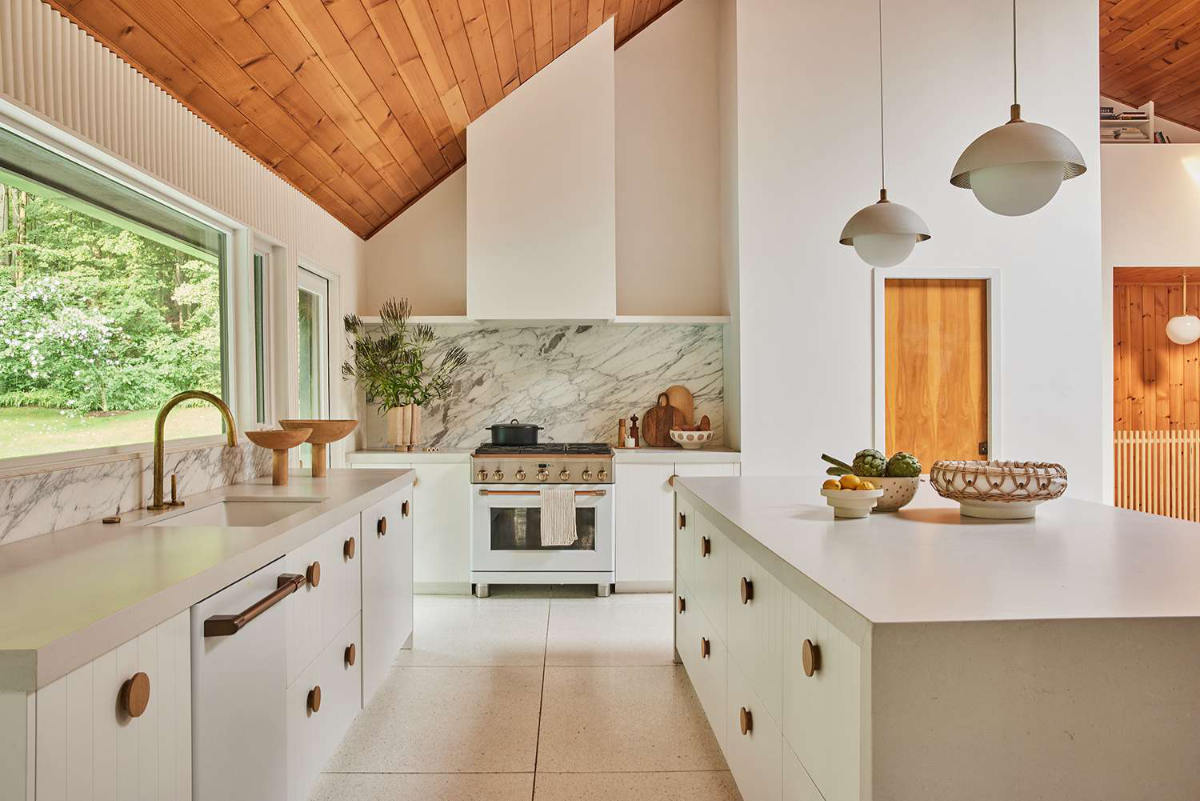
The kitchen is one of the best places to apply minimalist principles because visual clutter can build up quickly. Flat-panel cabinetry, integrated appliances, simple hardware, and uncluttered countertops create a more seamless appearance. Choose a limited material palette, such as warm wood, pale stone, and matte cabinetry, to keep the room visually consistent. Frequently used items should have designated storage so they do not remain permanently on display. Open shelving can still work, but it should be used selectively and styled with only a few practical objects. In minimalist interior design, the kitchen should feel highly functional while remaining visually calm and easy to maintain.
4.9. Bring nature in with a few organic elements
Minimalist spaces benefit from a subtle connection to nature, especially when the overall architecture is clean and restrained. A single sculptural plant, a vase of branches, natural stone, or a handcrafted wooden object can soften straight lines and hard surfaces. Instead of filling the room with greenery, choose a few organic elements that have enough presence to stand on their own. Natural materials also introduce irregularity, which helps balance the precision of minimalist furniture and architecture. This contrast creates warmth without undermining the simplicity of the room. Even one well-placed plant can make a minimalist space feel more relaxed and lived in.
4.10. Leave intentional negative space
One of the most important minimalist design ideas is knowing when a room is complete. Not every wall, corner, or tabletop needs to be filled simply because space is available. Empty areas around furniture and decor allow the eye to rest and make individual pieces feel more significant. Negative space also improves circulation and helps architecture, light, and material transitions become more noticeable. This is what separates thoughtful minimalist interior design from a room that simply has fewer objects. The emptiness is deliberate, balanced, and part of the overall composition rather than an absence of design.
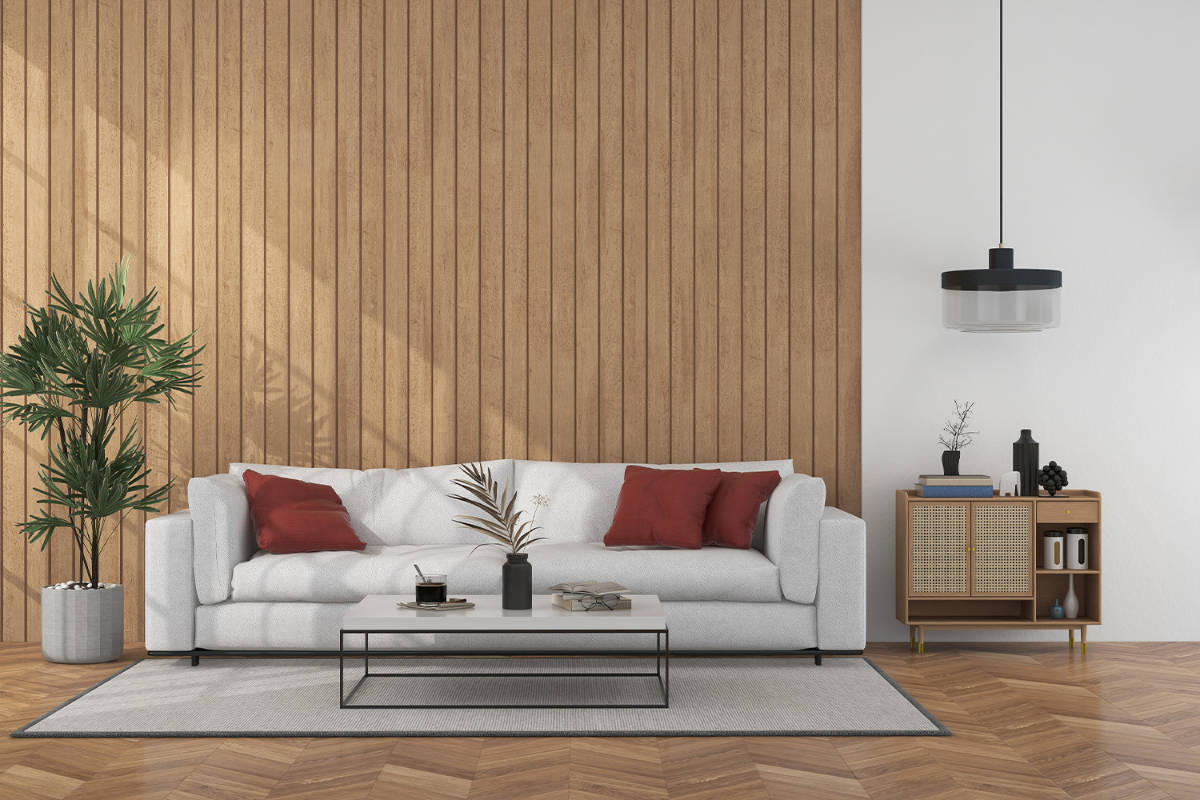
The strongest minimalist interior design does not aim to make a home look bare. Instead, it removes unnecessary visual noise so light, proportion, material, texture, and function can take priority. By choosing fewer but better pieces, improving storage, and leaving enough room for each element to breathe, a minimalist home can feel sophisticated, comfortable, and highly practical at the same time.
5. Why minimalist interiors make a home more appealing to buyers
Beyond aesthetics, minimalist interior design is one of the most effective styles for selling real estate, because its core principle, remove the excess, is exactly what home staging aims to do. Clean, spacious, uncluttered rooms are what buyers respond to, and minimalism delivers them by definition.
The advantages stack up. A decluttered, neutral space photographs beautifully and looks larger, which matters because buyers judge listings online first, the National Association of REALTORS® reports in its research on home staging that staging helps buyers visualize a property as their future home and can shorten time on market. Minimalism also has broad appeal: a restrained, neutral interior lets the widest range of buyers picture their own life in the space, without the distraction of bold colors or heavy personalization. And it signals move-in-ready condition, suggesting a home that's been cared for and won't need work. In effect, staging a home and styling it minimally are almost the same task, both remove clutter, depersonalize, and let the space shine. For a crowded or dated property, pairing it back to a clean minimalist look is one of the surest ways to make it feel bigger and more desirable, which is where virtual staging comes in.
6. How to stage a minimalist interior with virtual staging
The practical challenge is that clearing out and restyling a home physically is slow and expensive, and a vacant property still needs some furnishing to help buyers gauge scale. Virtual staging solves both problems: it lets you present a home in a clean, minimalist look without moving or renting a single piece of furniture. Here's how it works and why it suits this style so well.
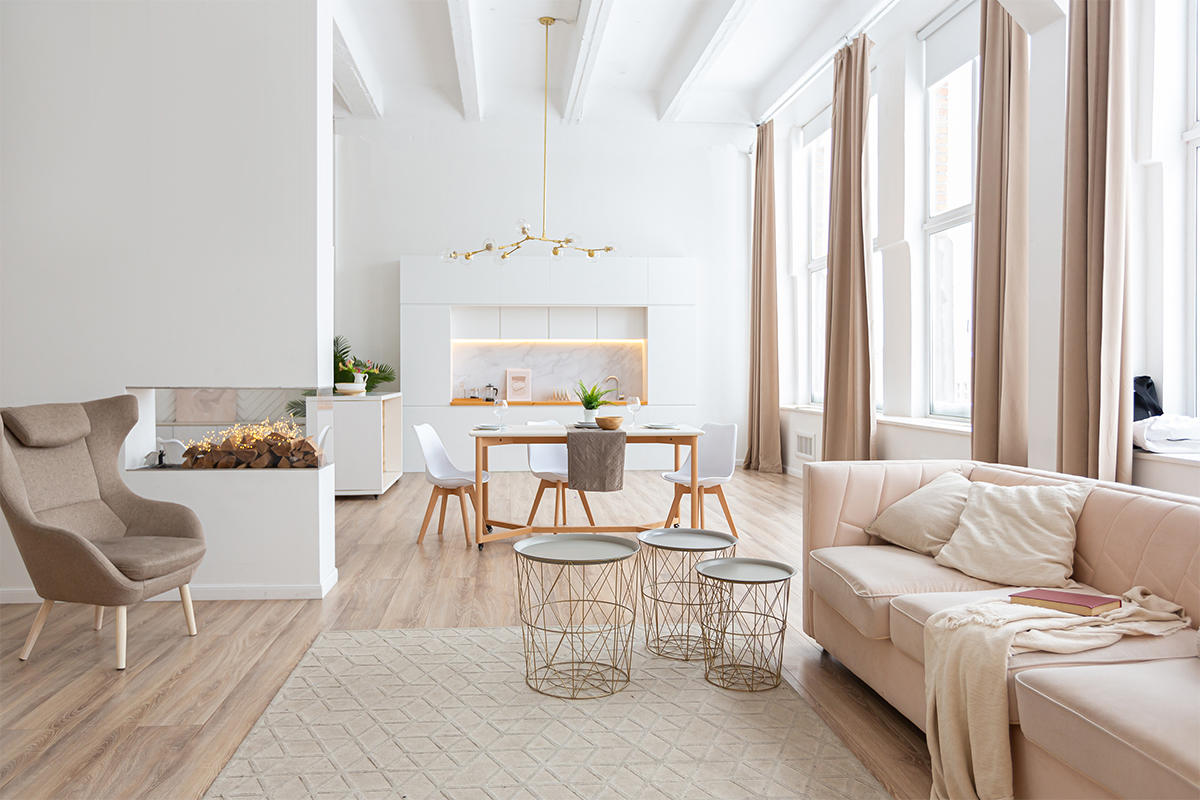
With virtual staging, a professional editor digitally furnishes photos of an empty room, or digitally declutters a full one, adding a few clean-lined pieces, a neutral palette, and restrained decor to produce photorealistic, minimalist images buyers see in the listing. Because the style relies on simple forms, empty space, and consistent tones, it renders especially convincingly and quickly. The cost advantage is dramatic: virtual staging runs a small fraction of physical staging and can be delivered in a day or two, so a vacant home never sits on the market looking bare, and a cluttered one can be shown at its clean best.
Just so you know, Fotober provides exactly this service, and sellers can even preview a room in more than one style to see what resonates. For agents handling empty, crowded, or dated listings, staging them virtually in a calm minimalist look is a fast, affordable way to help buyers connect with the space.
7. Frequently asked questions about minimalist interior design
What is minimalist interior design?
It's a "less is more" decorating philosophy that reduces a space to its essential elements: open space, natural light, clean lines, and a few purposeful pieces, while removing clutter and excess. The goal is a calm, spacious, intentional interior, not an empty or cold one.
What are the main characteristics of minimalism?
The core minimalist interior design characteristics are decluttered and negative space, a neutral restrained palette, clean lines and functional layouts, and a small number of high-quality, well-chosen furnishings. Quality and intention replace quantity and ornamentation.
Are modern and minimalist the same thing?
They overlap heavily but aren't identical. Modern and minimalist interior design both value clean lines and lack of clutter, but modern is a broad contemporary sensibility while minimalism specifically emphasizes reduction and restraint. Many spaces are accurately described as both.
Does minimalist design have to feel cold?
No. "Warm minimalism" keeps the restraint and simplicity but adds natural woods, soft textures, and inviting neutral tones. Done well, minimalist furniture and decor feel serene and comfortable rather than austere or clinical.
Can I stage a home in a minimalist style without moving furniture?
Yes. Virtual staging digitally furnishes an empty room, or declutters a full one in a clean minimalist look photorealistically, for a fraction of the cost of physical staging and with fast turnaround.
8. Conclusion
Minimalist interior design endures because it delivers something everyone craves at home: calm, order, and space to breathe. For homeowners, it's a timeless, restful look built on quality over quantity; for anyone selling a property, it's a proven way to make a home feel larger, cleaner, and more broadly appealing, the same goals as good staging. And with virtual staging, you can present any listing in that clean minimalist look quickly and affordably, whether the home is empty or overfull. If you're marketing a property, Fotober can help you show it at its uncluttered best. Reach us at [email protected] or the hotline below, and send your listing photos to see the difference, place an order or start a free trial today.
Connect with Fotober
- Facebook: fotobermedia.co
- YouTube Channel: Fotober
- TikTok Channel: @fotober
- Instagram: fotober_media
- Email support: [email protected]
- Hotline: +84 942 110 297
Related posts
Coastal Interior Design: Style Definition & Staging Guide
September 30, 2026
Contemporary Interior Design: Key Elements and How to Stage This Style
September 30, 2026
Scandinavian Interior Design: Key Elements, Style Guide, and Staging
September 30, 2026

Best Fujifilm Cameras for Real Estate Photography: 2026 Buying Guide
September 30, 2026
