




How Much to Charge for Real Estate Videography in 2026

Share:
Table of Contents
- 1. Understanding the market rates for real estate videography
- 2. Key factors that influence how much to charge for real estate videography
- 3. Choosing the right pricing model
- 4. The secret to profitability: Outsourcing post-production
- 5. Common add-ons to increase your revenue
- 6. How a real estate video company should present quotes & negotiate
- Conclusion
- Frequently asked questions (FAQs)
In the 2026 property market, high-quality video has its place in most successful listings. As a creator, the challenge isn't just shooting, but determining how much to charge for real estate videography. Price your services too low, and you risk burnout; price them too high, and you lose competitive ground. This comprehensive guide tackles the complexities of current market rates, equipment overhead, and turnaround times. We will explore how to build a scalable pricing model that reflects your expertise while ensuring maximum ROI for your clients.
1. Understanding the market rates for real estate videography
In 2026, determining how much to charge for real estate videography depends largely on your experience level and the specific niche you serve. There is no "one-size-fits-all" number, as rates are influenced by local market demand and the property's final listing price. However, the industry has settled into three distinct pricing tiers that help creators stay competitive while remaining profitable.
1.1. Entry-level (basic): from $200
At this stage, videographers are often building their portfolios. These packages usually include a simple, handheld walkthrough with basic editing and no drone footage. While these lower rates are attractive to agents with budget listings, they often leave little room for profit after accounting for travel and software subscriptions. If you are starting out, use this tier to master your workflow rather than as a long-term business model.
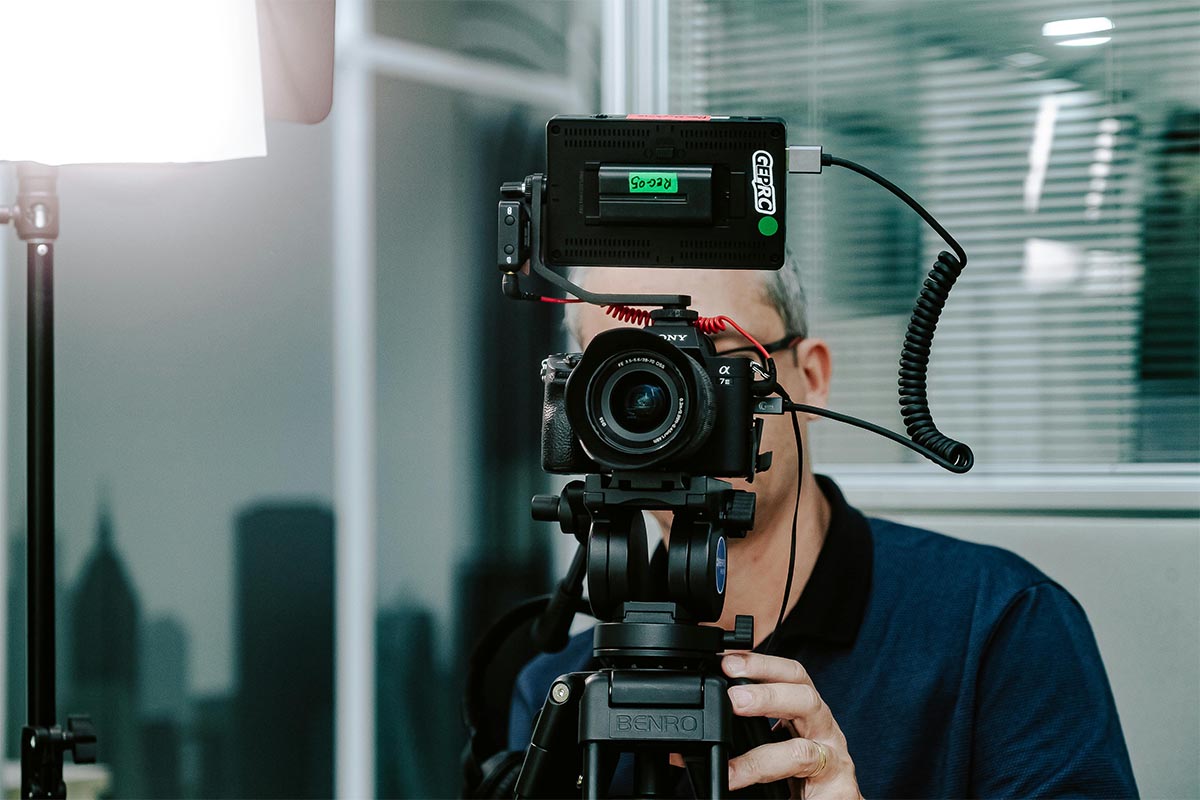 Beginners can charge around $200 for video services
1.2. Professional standard (Advanced): from $500
This is the "sweet spot" for most full-time creators. In this tier, how much to charge for real estate videography is justified by high-end equipment, professional stabilization, and licensed soundtracks. These packages often bundle services, such as:
- 60-second cinematic walkthroughs.
- Basic aerial/drone shots.
- 48-hour turnaround time. Agents listing homes between $500k and $1.5M expect this level of quality to satisfy their sellers and maintain their professional branding.
1.3. High-end luxury and cinematic: from $1000
For multi-million dollar estates, the video is a short film. Pricing here accounts for high-production value, including professional lighting, voiceovers, and complex storytelling. These shoots can take an entire day, or multiple visits for "golden hour" shots, requiring significant post-production labor.
Geography also plays a massive role. A videographer in New York City or Los Angeles may charge 30-50% more than someone in a rural market due to the higher cost of living and the sheer value of the real estate being filmed. By aligning your rates with these industry benchmarks, you ensure your business remains sustainable and respected.
2. Key factors that influence how much to charge for real estate videography
Selecting the right business model is just as important as the final number when deciding how much to charge for real estate videography. A well-structured pricing strategy ensures you are compensated fairly for your time while providing clarity to your clients. In 2026, professional creators typically utilize one of three primary models to maintain profitability and scalability.
2.1. Square footage pricing
This is widely considered the most equitable model in the industry. Since larger properties require more time for both filming and post-production, charging based on the size of the home ensures your fee scales with the workload. For example, a home under 2,000 square feet might have a base price, with incremental increases for every additional 1,000 square feet. This provides a transparent framework that realtors find easy to understand and budget for.
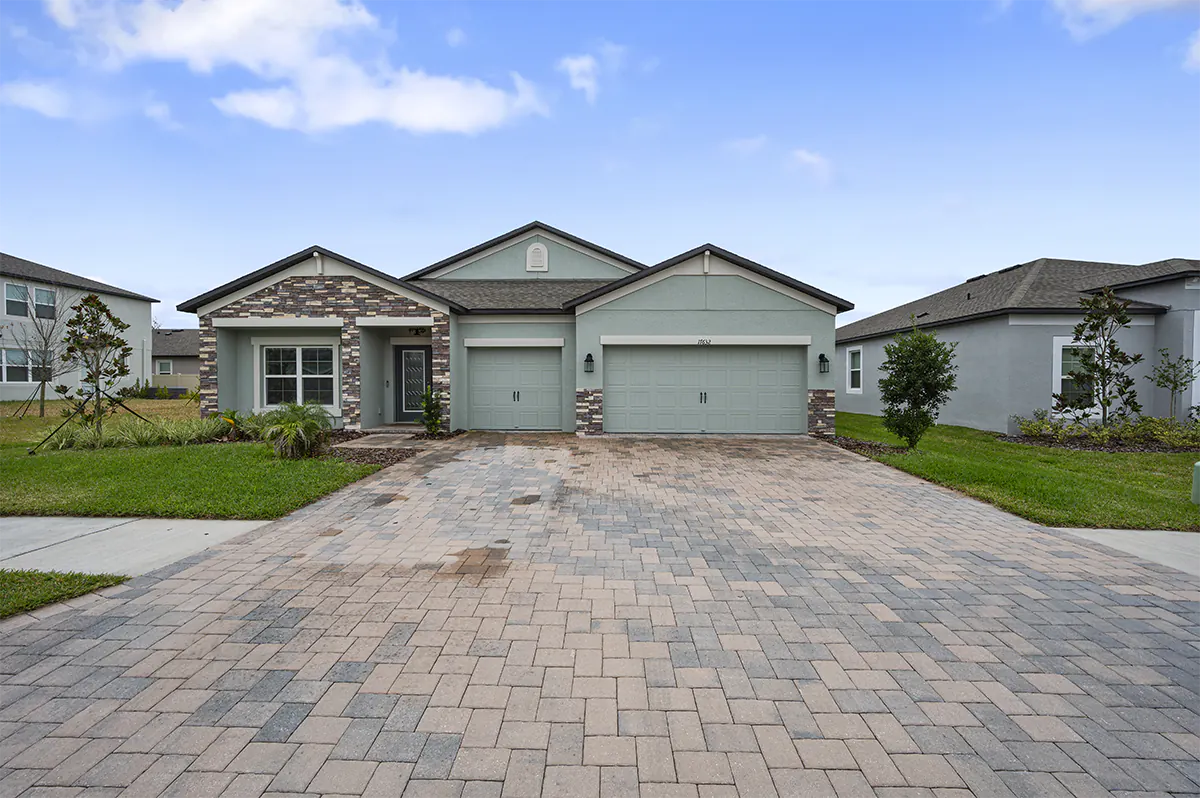 Videography cost can be calculated based on the property’s area.
2.2. Package-based pricing (the "good-better-best" strategy)
Most successful videographers bundle their services into tiers. Instead of offering a single price, you might offer:
- The essential: A 60-second walkthrough.
- The professional: Walkthrough + Drone footage + 5 Interior Photos.
- The showcase: Cinematic film + Drone + Social Media Reels + Virtual Staging. Packages encourage "upselling," allowing you to increase your average deal value without significantly increasing your time on-site.
2.3. Flat fee per listing
For high-volume photographers working with specific agencies, a flat fee offers simplicity. You charge a set rate (e.g., $600) for any "standard" residential listing. While this makes billing easy, it is vital to set clear boundaries regarding the number of rooms filmed and the number of revisions included to avoid "scope creep."
Ultimately, avoiding hourly rates is highly recommended. Hourly billing often punishes efficiency; as you become a faster and better editor, your income should rise, not fall. By focusing on these value-based models, you can confidently communicate how much to charge for real estate videography to your clients while protecting your margins.
3. Choosing the right pricing model
Selecting the most effective business model is a critical strategic decision when determining how much to charge for real estate videography. In 2026, the most successful creators have moved away from hourly rates, which often penalize efficiency, and toward value-based models that offer transparency for the realtor and scalability for the videographer.
3.1. The square footage model
This is widely regarded as the "fairest" industry standard. Since a 5,000-square-foot mansion takes significantly longer to film and edit than a 1,000-square-foot condo, your pricing should reflect that physical reality. By setting price brackets (e.g., up to 2,000 sq. ft., 2,001-4,000 sq. ft., etc.), you provide a predictable framework that agents can easily build into their marketing budgets. This model ensures that as the complexity of the property grows, your compensation grows with it.
3.2. Tiered package pricing (the "good-better-best" strategy)
Most agents prefer simplicity over a long list of à la carte options. By bundling services into tiered packages such as a "Starter" walkthrough, a "Professional" package including drone shots, and a "Luxury" cinematic film, you simplify the decision-making process. This strategy is excellent for "upselling," as agents are often willing to pay a slightly higher package price to ensure their listing stands out in a crowded market.
3.3. Flat-fee for high-volume partners
If you work regularly with a specific brokerage or high-performing team, a flat-fee model for "standard" listings can streamline your operations. However, it is vital to define exactly what a "standard" listing entails to avoid scope creep.
 For high-volume listings, the flat-fee model is the most appropriate.
Ultimately, when deciding how much to charge for real estate videography, focus on the value you deliver to the sale. By using these models, you position yourself as a business partner rather than just a technician, allowing you to maintain healthy margins even as you scale your production.
4. The secret to profitability: Outsourcing post-production
The true secret to mastering how much to charge for real estate videography doesn't lie in your on-site rate, but in how you manage your "desk hours." For most creators, the editing phase is a massive bottleneck: a time-intensive process of color grading, stabilization, and sound design that often eats into the profits earned during the shoot. If you spend five hours editing a video for which you charged $500, your effective hourly rate drops significantly before you even consider overhead.
4.1. The profitability bottleneck
The challenge is that while clients value the final product, they are often reluctant to pay a premium for the hours spent behind a computer. This is where many videographers hit a "glass ceiling": they cannot take on more than three or four projects a week because they are buried in post-production. To break through, savvy professionals in 2026 are turning to specialized partners like Fotober to reclaim their time and protect their margins.
4.2. Leveraging Fotober for scalability
Fotober acts as an extension of your creative team, providing high-end post-production services tailored specifically for the real estate industry. By outsourcing the heavy lifting, from standard video editing and color correction to advanced cinematic storytelling in real estate video, you can focus on what actually generates revenue: being behind the lens and building relationships with Realtors.
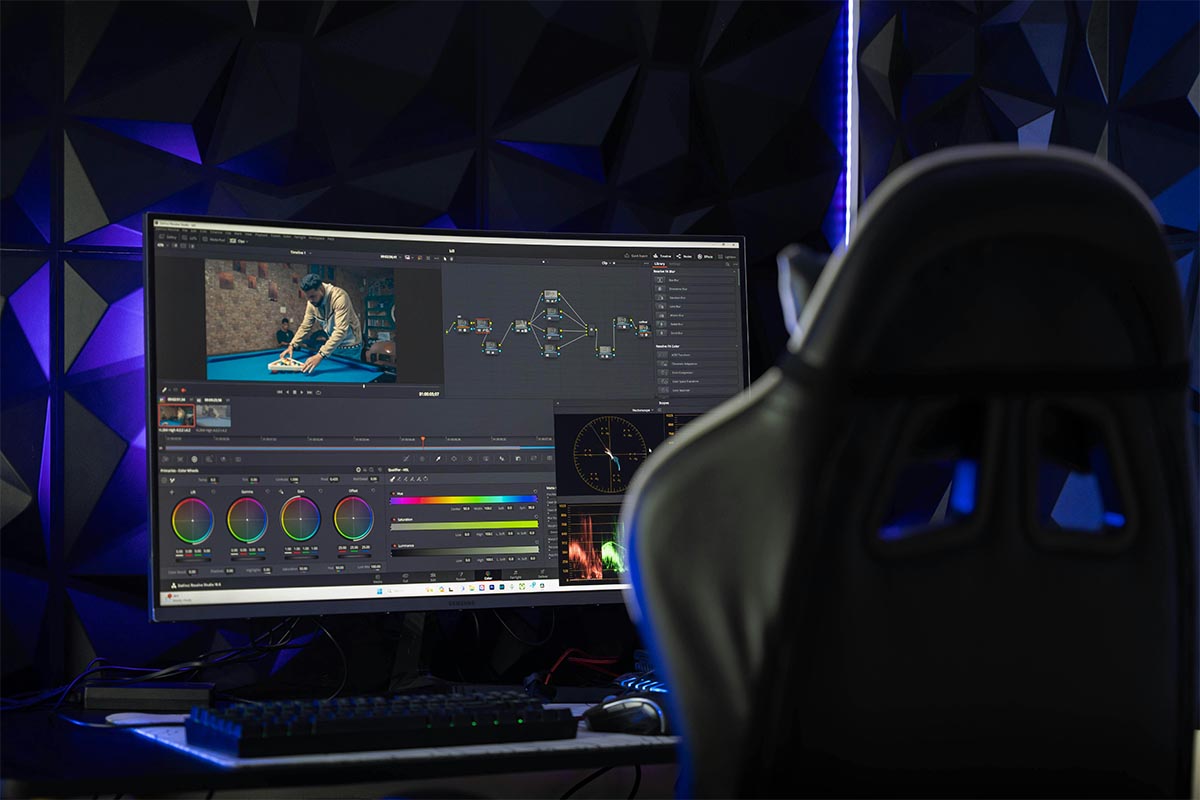
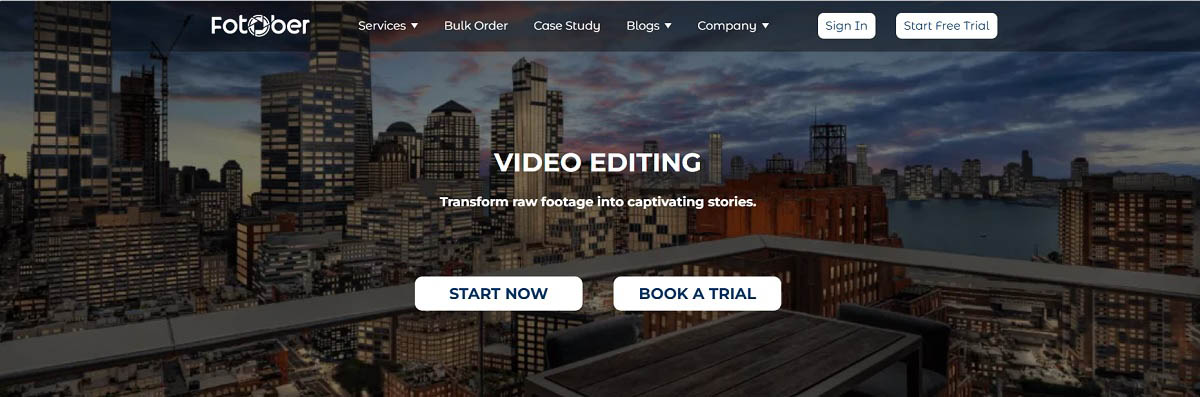 Fotober handles the editing process so that studios and videographers can shoot more.
The financial benefit is clear. Instead of spending an entire evening editing one walkthrough, you can send your raw footage to Fotober and wake up to a polished, professional film, starting at just $35 for each video. This allows you to scale from shooting two properties a week to ten, without increasing your personal workload or hiring expensive in-house staff.
4.3. Adding value without effort
Working with Fotober also allows you to offer premium "add-ons" that justify higher rates. For instance, you can charge a premium for:
- Virtual staging: Transforming empty spaces into lived-in homes within the video.
- Day-to-night conversion: Creating a stunning twilight effect from daytime footage.
- Professional color grading: Ensuring a consistent, cinematic look across all your listings.
When you analyze how much to charge for real estate videography, remember that profit is what remains after you account for your time. By leveraging Fotober’s expertise and 24-hour turnaround capabilities, you can maintain a high-end brand image while keeping your costs low and your schedule open for new opportunities. This strategic move transforms you from a freelancer struggling with a backlog into a scalable production business.
5. Common add-ons to increase your revenue
One of the most effective ways to maximize your earnings without significantly increasing your time on-site is through strategic "add-on" services. When considering how much to charge for real estate videography, you should view your base price as a foundation, upon which these high-value extras can be layered to boost the total contract value by 30% to 50%.
5.1. Aerial and FPV drone footage
In 2026, drone shots are no longer a luxury; they are expected. However, because they require specialized licensing and equipment, they command a premium. Adding a 30-second aerial sequence can typically add $15 to your invoice.
5.2. Social media teasers and vertical reels
Realtors are increasingly focused on Instagram and TikTok to find leads. Offering a 15-to-30-second vertical "Teaser Reel" alongside the main cinematic tour is a low-effort, high-reward add-on. Since these can often be edited from the same raw footage used for the main video, charging an extra $20 to $50 is a highly profitable move.
5.3. Virtual enhancements via outsourcing editing partners
By leveraging technology through partners like Fotober, you can offer high-end visual effects that were previously too time-consuming to produce. Services such as virtual staging in video or day-to-night (twilight) conversions allow you to charge luxury-tier prices for a standard shoot. For example, a virtual staging add-on can justify an extra $200+ per room, while you simply outsource the technical execution to Fotober, keeping the majority of the markup as pure profit.
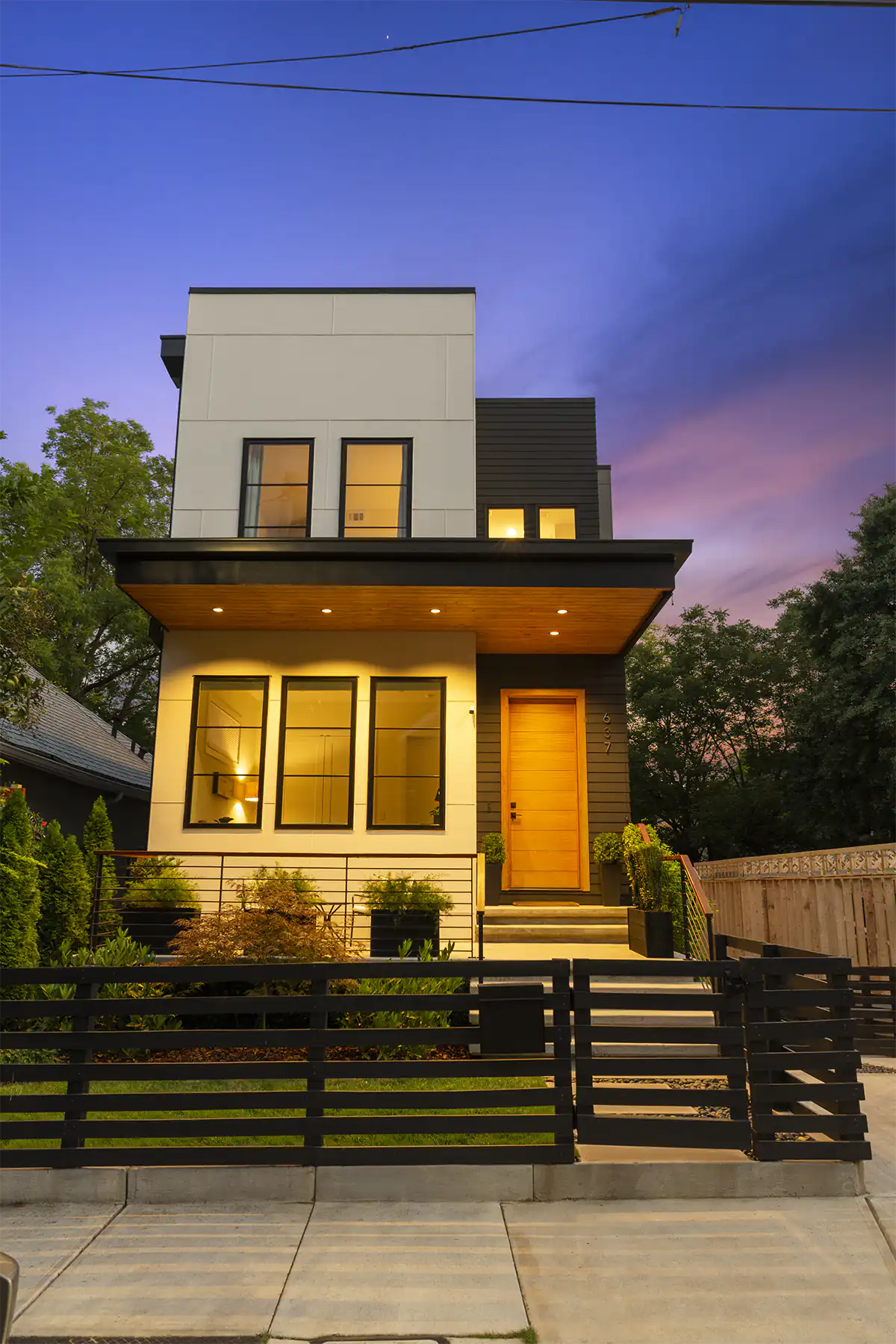 Outsourcing partners provide a fresh perspective to perform more creative editing on your footage that an overworked production house often cuts down to
By incorporating these add-ons, you move the needle on your revenue per project, ensuring that your business model remains both competitive and highly lucrative.
6. How a real estate video company should present quotes & negotiate
Determining how much to charge for real estate videography is only half the battle; you must also master the art of the pitch. When presenting your quote for real estate video editing, avoid sending a simple text message or a one-line email with a single number. Instead, provide a professional, itemized proposal that clearly outlines the specific value you are delivering, such as increased buyer engagement and faster listing turnovers.
 Production teams should focus on the value and ROI they can provide for clients
Always practice value-based selling. Remind the realtor that a $1,000 investment in a polished video is a small fraction of their total commission, yet it serves as their primary tool for attracting high-intent buyers. If a client pushes for a discount, avoid lowering your rates arbitrarily, as this devalues your brand. Instead, offer to remove a specific service, such as a social media reel or drone footage, to meet their budget. By remaining firm yet transparent during negotiations, you establish yourself as a professional business partner rather than just another vendor.
Conclusion
Mastering how much to charge for real estate videography is the key to transitioning from a freelance side-hustle into a thriving, scalable media production business. By implementing tiered pricing models and offering high-value add-ons, you ensure that every hour spent on-site translates into measurable profit.
The most successful creators in 2026 know that their time is best spent behind the lens and building client relationships, not stuck behind a desk. By partnering with Fotober to handle your post-production, you can maintain premium quality while significantly increasing your project capacity. It is time to price with confidence and scale your business without limits.
Frequently asked questions (FAQs)
How much should I charge for drone footage?
Typically, professional aerial add-ons range from $150 to $300, depending on the complexity of the flight path and local airspace regulations.
What is a fair rush fee for real estate videos?
Most creators charge a 25% to 50% premium for 24-hour delivery to prioritize the project in their editing queue.
Is it better to charge per hour or per listing?
When determining how much to charge for real estate videography, a per-listing or square-footage model is far superior. It ensures your income grows as you become more efficient, rather than being penalized for working faster.
Related posts

Modern Luxe Interior Design: Elements, Style Guide and How to Stage It
October 10, 2026

Minimalist Interior Design: Characteristics, Style Guide, and Staging
October 8, 2026

Coastal Interior Design: Style Definition & Staging Guide
September 30, 2026

Contemporary Interior Design: Key Elements and How to Stage This Style
September 30, 2026
