




Apartment Floor Plan & Design: How Layout Redefines Urban Living Space

Share:
Table of Contents
- 1. Why does layout impact the perceived space of an apartment floor plan & design
- 2. Modern apartment floor plans: Defining the 2026 standards
- 3. Apartment floor plan & design strategies for maximizing small units
- 4. Studio apartment layout design: Turning challenges into assets
- 5. Visualizing apartment interior layout ideas for maximum listing impact
- 6. The ROI value of professional modern apartment floor plan design
- Conclusion
Many apartment listings fail to convert because their floor plans appear cramped or illogical when viewed through a screen. What’s missing isn't more square footage; it's "perceived space," the way a home flows that dictates how a potential buyer feels. This article explores how strategic apartment floor plan & design can visually "stretch" a property’s dimensions and bring the high-value, expansive feel that captures attention and drives premium offers.
Before going further into the article, brace yourself with some key features of a modern apartment to see how we can expand on this concept. An apartment is defined as a self-contained housing unit within a larger residential building. Core characteristics include:
- Self-containment: Private kitchen, bathroom, and living facilities.
- Shared infrastructure: Access to common areas like lobbies, elevators, and amenities (gyms, pools).
- Structural diversity: Ranging from studio apartments to multi-bedroom modern apartments.
- Professional management: Typically part of a managed complex or a multi-family residential structure.
1. Why does layout impact the perceived space of an apartment floor plan & design
In real estate, the "feel" of a room often outweighs the technical square footage listed in the brochure. An effective apartment floor plan & design leverages cognitive triggers to create a sense of liberation rather than confinement. When a layout aligns with natural human movement and visual logic, it triggers a "spaciousness" response in the brain, which is directly correlated with higher perceived value.
More specifically, layout design dictates "visual volume" by optimizing sightlines, maximizing natural light, and eliminating dead zones (like redundant hallways). Strategic apartment floor plan & design allows the eye to travel further without interruption, using space-saving apartment design to reduce "cognitive friction." This makes a unit feel larger, more intuitive, and more valuable, regardless of its actual square footage.
1.1. Beyond square footage
While a listing might highlight a specific number of square feet, the human eye interprets volume through sightlines and light distribution. A 500-square-foot studio designed with an open-concept flow and strategic window placement often feels more expansive than a 700-square-foot unit cluttered with dark hallways and redundant walls. By eliminating "dead zones", areas that serve no functional or visual purpose, designers can maximize the "living ROI" of every inch. When a prospect views a floor plan that prioritizes open vistas, their brain registers "luxury" and "freedom," regardless of the actual footprint.
 The spacious feel can come from how you lay out the floor plan.
1.2. Emotional navigation
The layout of an apartment functions as a silent guide. When a potential buyer views a floor plan, they are performing a mental simulation of their daily life. If the apartment floor plan & design is intuitive, such as placing the kitchen near the dining area or ensuring the bathroom is accessible without crossing through private sleeping quarters, it reduces "cognitive friction." This seamless emotional navigation allows the prospect to project themselves into the space. If the layout is confusing or fragmented, that mental simulation breaks down, leading to a sense of unease that can kill a deal before the physical viewing even begins.
 Establishing clear spatial flow helps reduce the sense of uncertainty and messiness when buyers view your listing.
2. Modern apartment floor plans: Defining the 2026 standards
In 2026, the definition of a "modern" layout has shifted from mere open-concept boxes to highly intentional, adaptive environments. As urban living costs rise, modern apartment floor plans are now judged by their ability to perform multiple roles simultaneously. The focus has moved away from rigid, single-purpose rooms toward "fluid zones" that prioritize human experience and high-end visual appeal in digital listings.
2.1. The hybrid living model
The most significant trend in 2026 is the evolution of the hybrid living space. Modern layouts now integrate dedicated "work-from-home" niches or "pocket offices" directly into the architectural plan. Rather than an afterthought in a corner, these are often designed with acoustic shielding or stylish glass partitions that maintain a sense of openness while providing privacy. In modern apartment floor plans, the ability to show a designated, professional workspace within a small footprint is a massive selling point for the current generation of remote-working professionals.
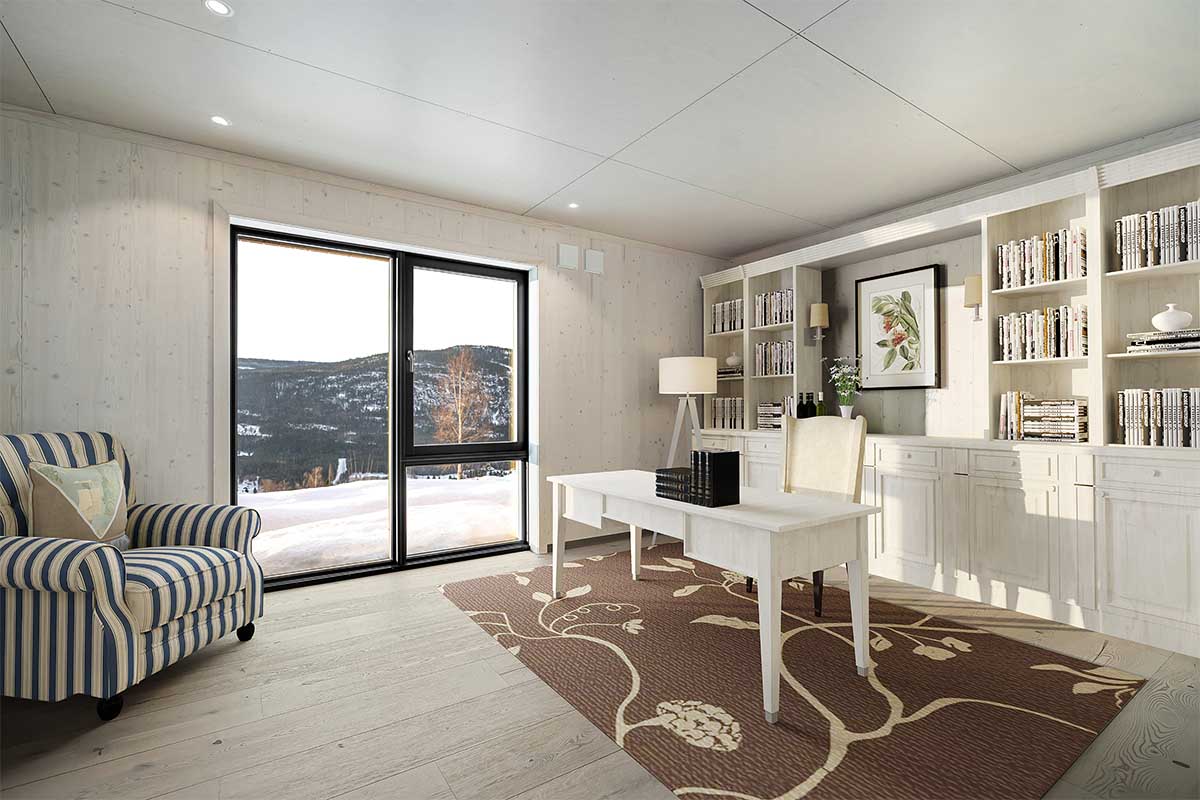 Residential apartments can also be working spaces.
2.2. Seamless indoor-outdoor flow
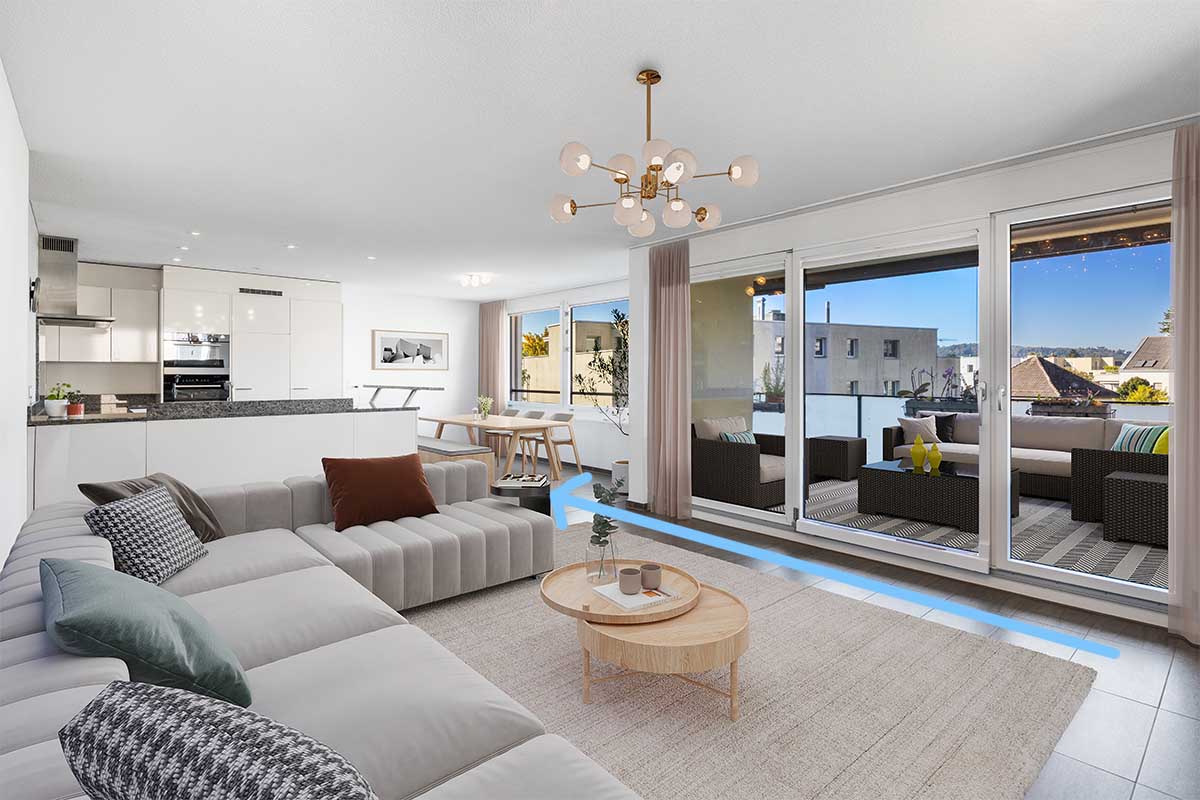
Strategic sightlines are the new currency of real estate. Current designs use oversized windows and "view-framing" techniques to draw the eye toward the horizon, effectively "borrowing" the outdoor space to expand the interior's perceived dimensions. Whether it is a Juliette balcony or a full-width terrace, treating the outdoor area as a literal extension of the living room floor, using continuous flooring materials or retractable glass walls, can make a listing feel twice its actual size.
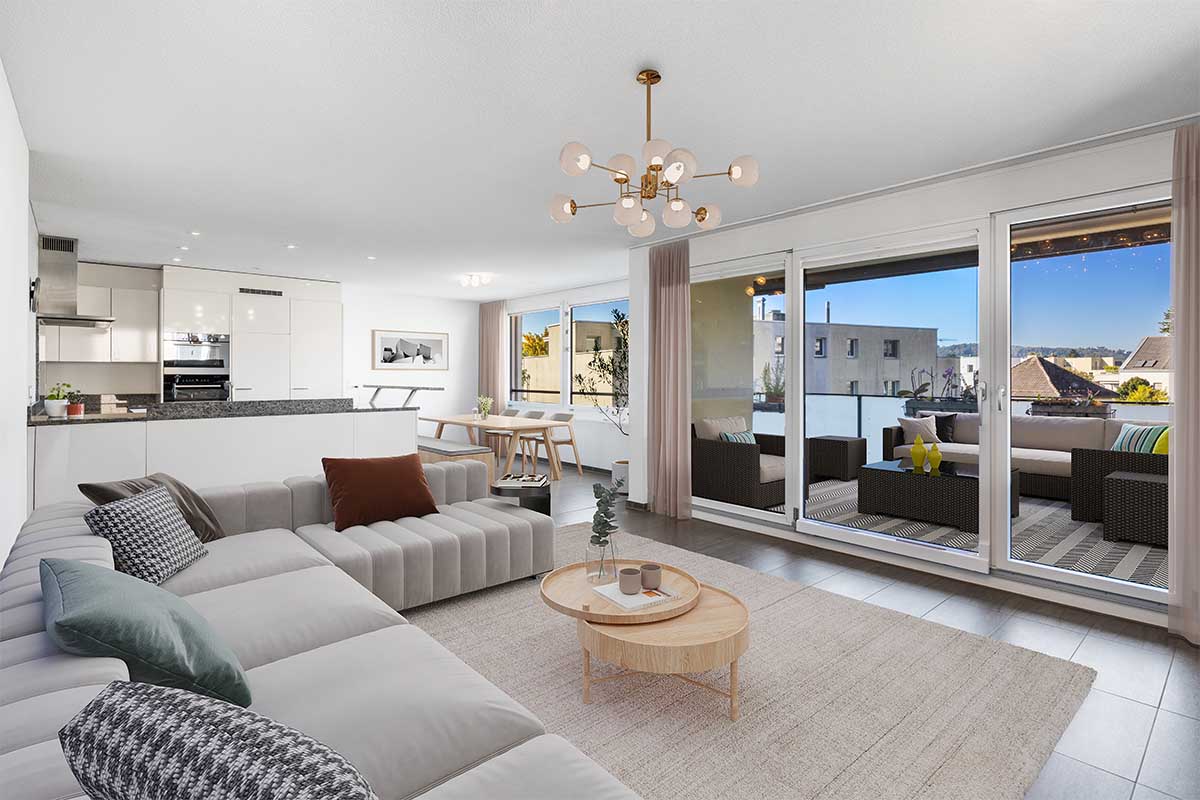 An unobstructed sightline from indoor to outdoor improves perceived space significantly.
2.3. The simplification of the hallway
Efficiency is the hallmark of 2026 design. Architects are systematically eliminating "dead space," most notably the traditional hallway. By adopting a "hub-and-spoke" model where rooms radiate from a central social area, modern apartment floor plans gain back valuable square footage. This removal of dark, narrow corridors not only increases the usable area but also ensures that natural light can penetrate deeper into the unit, making the entire home appear brighter and more inviting on camera.
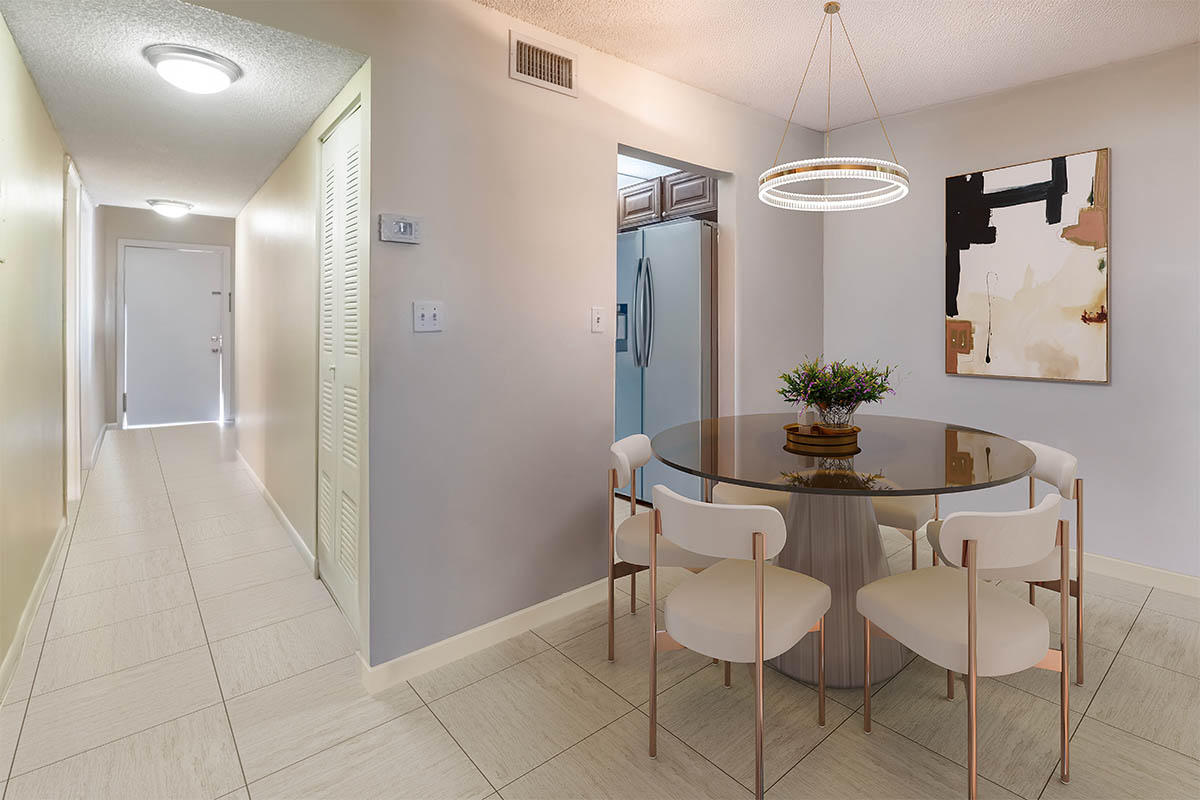 The distinctive apartment hallways are becoming obsolete.
3. Apartment floor plan & design strategies for maximizing small units
In today’s competitive urban markets, a small unit shouldn't feel like a compromise; it should feel like a masterpiece of efficiency. The most successful small apartment floor plan ideas focus on "proving" the space's utility to potential buyers who are scrolling through dozens of listings. To stand out, a layout must demonstrate that a compact footprint can accommodate a full, multifaceted lifestyle without ever feeling claustrophobic. The goal is to sell an aspirational "lifestyle of less," where every square inch is optimized for both beauty and function.
3.1. The power of zonal thinking
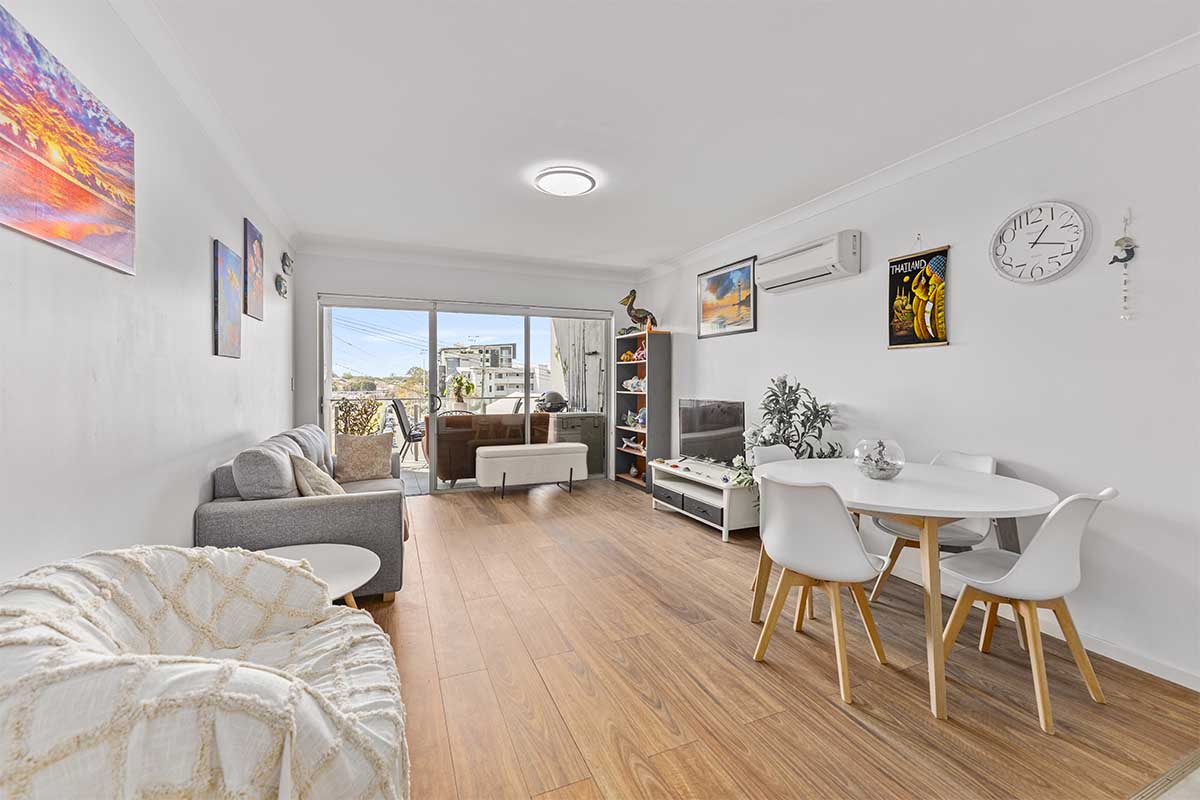
The key to maximizing a small footprint is "Zonal Thinking." Rather than using physical walls that chop up the space and block natural light, designers use visual anchors to define different functional areas. For instance, a strategically placed area rug can define the lounge, while a change in pendant lighting or a slender breakfast bar marks the dining zone. This approach maintains an uninterrupted visual horizon, a critical factor in high-end real estate photography. When a viewer can see from the front door all the way to the balcony window, the brain perceives the unit as one continuous, expansive area rather than a series of disconnected, tiny boxes.
 You can keep the great room in an open layout while still maintaining subtle separations between functional zones.
3.2. Verticality and light
When horizontal space is at a premium, effective space-saving apartment design looks to the Y-axis. Utilizing the full height of a room, through floor-to-ceiling windows or tall, integrated shelving units, tricks the eye into perceiving more volume. Light is the ultimate space-expander; a well-lit corner removes the shadows that make a room feel closed in. In listing photos, highlighting the verticality of a room through low-profile furniture paired with tall architectural features creates a sense of airiness and "breathability" that high-intent buyers find irresistible.
 Vertical space can be utilized to maximize the storage capability of an apartment.
3.3. Strategic storage integration
Visual clutter is the primary enemy of perceived space. The most effective small apartment floor plan ideas incorporate "hidden" or built-in storage that sits flush with the walls. By removing the need for bulky, freestanding wardrobes, you regain physical floor area and, more importantly, create "visual silence." A streamlined interior with no visible clutter allows the architectural flow of the apartment to take center stage, making the floor plan look significantly more generous and organized in high-resolution listing media.
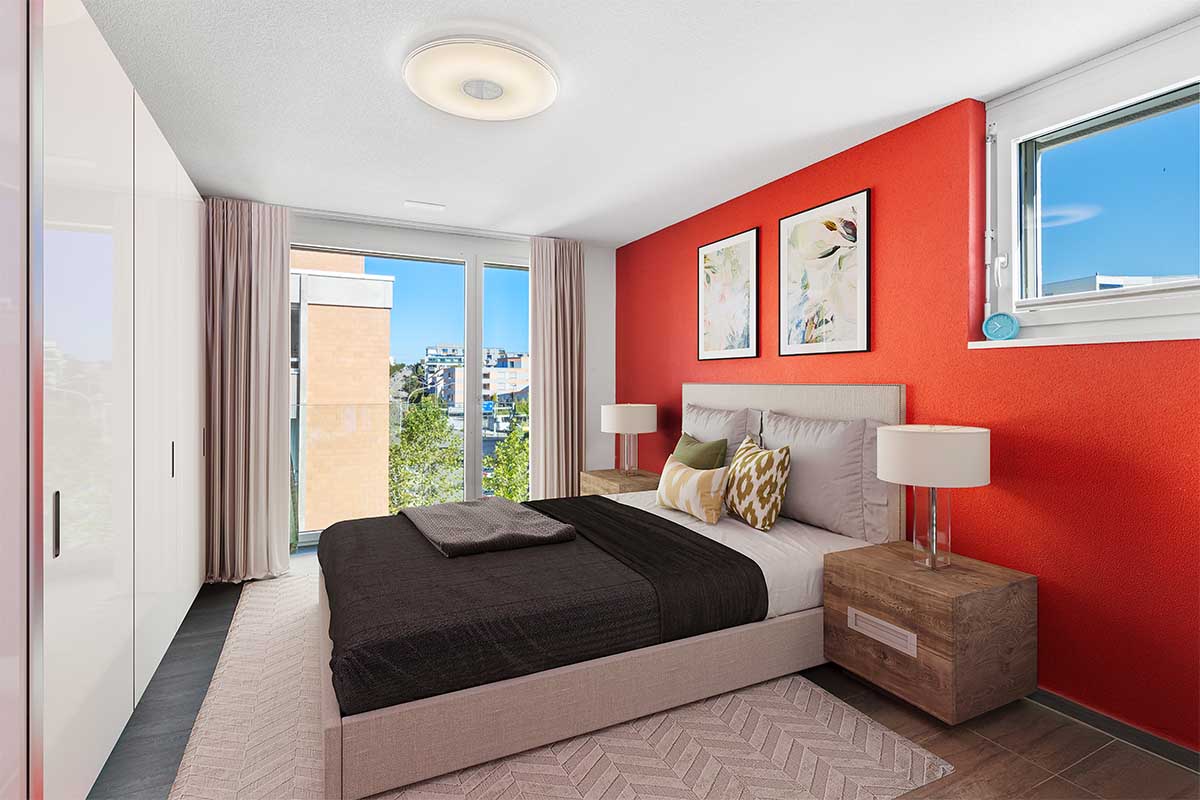 Seamless storage that is tucked in the wall makes more room for other furniture.
4. Studio apartment layout design: Turning challenges into assets
Studio apartments are often the most difficult units to market because, without a clever layout, they can easily appear as a single, cluttered room where the kitchen, office, and bedroom all bleed into one another. However, a masterfully executed studio apartment layout design transforms these constraints into a "luxury loft" vibe that appeals to high-value urban tenants. The goal is to prove that "studio living" doesn't mean "cramped living," but rather a curated, efficient lifestyle.
4.1. The "L-shape" vs. "linear" layout
The geometry of a studio dictates its marketability. A "Linear" or "Pullman" layout, where all utilities are aligned along one wall, is common for its simplicity, but it often risks feeling like a long, narrow tunnel in listing photos. In contrast, an "L-shaped" studio apartment layout design is often preferred by top-tier agents. The "L" naturally creates a recessed alcove, which serves as a psychological "bedroom" away from the main living area. This structural shift allows photographers to capture diverse angles that suggest the presence of multiple rooms, significantly increasing the unit's perceived depth and complexity.
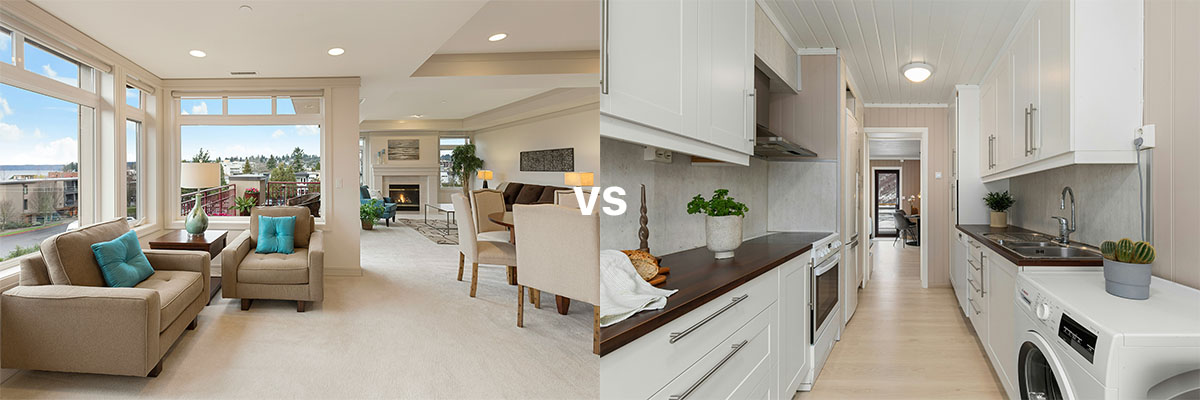 L-shaped apartments are the evolution of the traditional linear layout.
4.2. Creating a "bedroom feeling"
The primary deterrent for studio prospects is the "bed in the kitchen" sensation. To mitigate this, modern designs utilize "transparent boundaries." Using fluted glass partitions, slim timber slats, or even double-sided open shelving units provides the privacy of a bedroom without sacrificing the light or the open-concept feel. In high-end listings, these architectural interventions act as visual anchors, allowing potential buyers to see a clear distinction between "day" and "night" zones, which is crucial for emotional resonance.
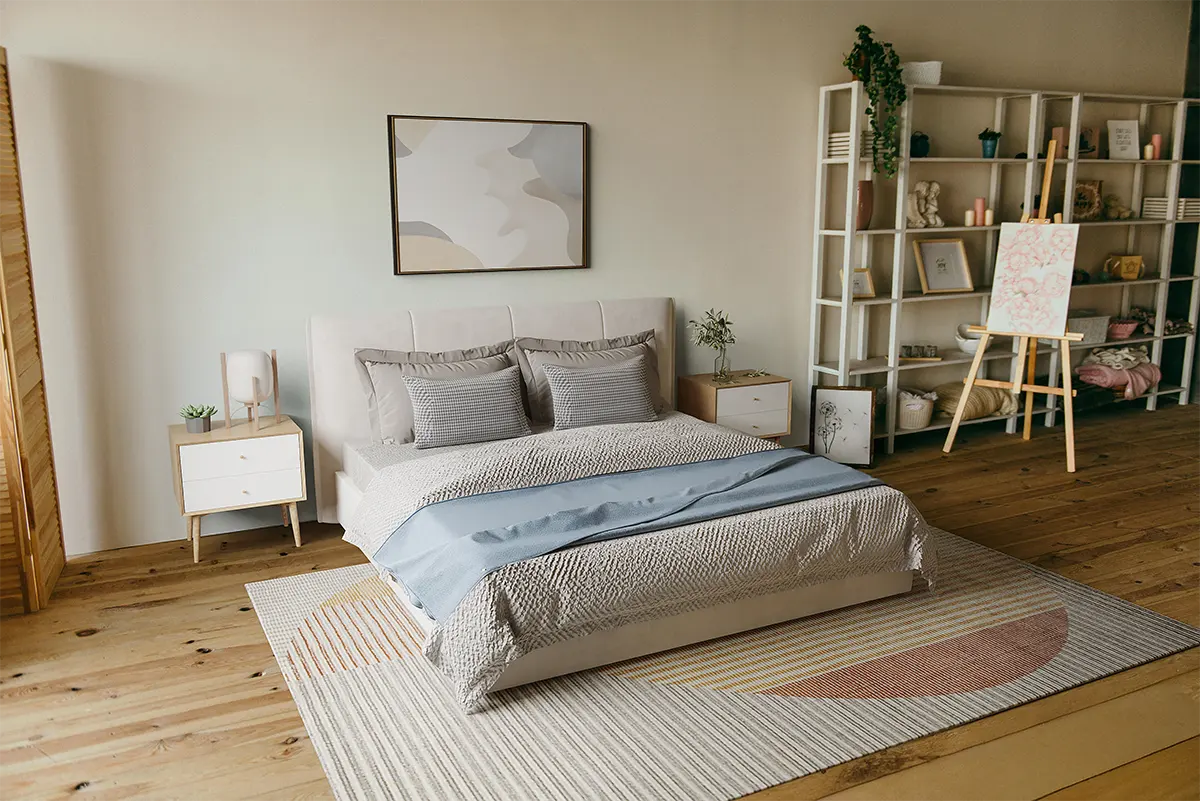 The bedroom in a studio apartment can benefit from subtle separations, like blocking furniture, to preserve the sense of privacy a bedroom should have.
4.3. Furniture-first planning
A common mistake in studio listings is showing an empty floor plan that lacks scale. Pro-level studio apartment layout design incorporates "furniture-first" planning, where the blueprint includes accurately scaled renderings of standard furniture. By showing exactly how a queen-sized bed, a workspace, and a seating area coexist, you remove the "will my stuff fit?" anxiety that hinders many leads. Proving livability through apartment staging ideas visualization is the fastest way to turn a skeptical browser into a motivated buyer.
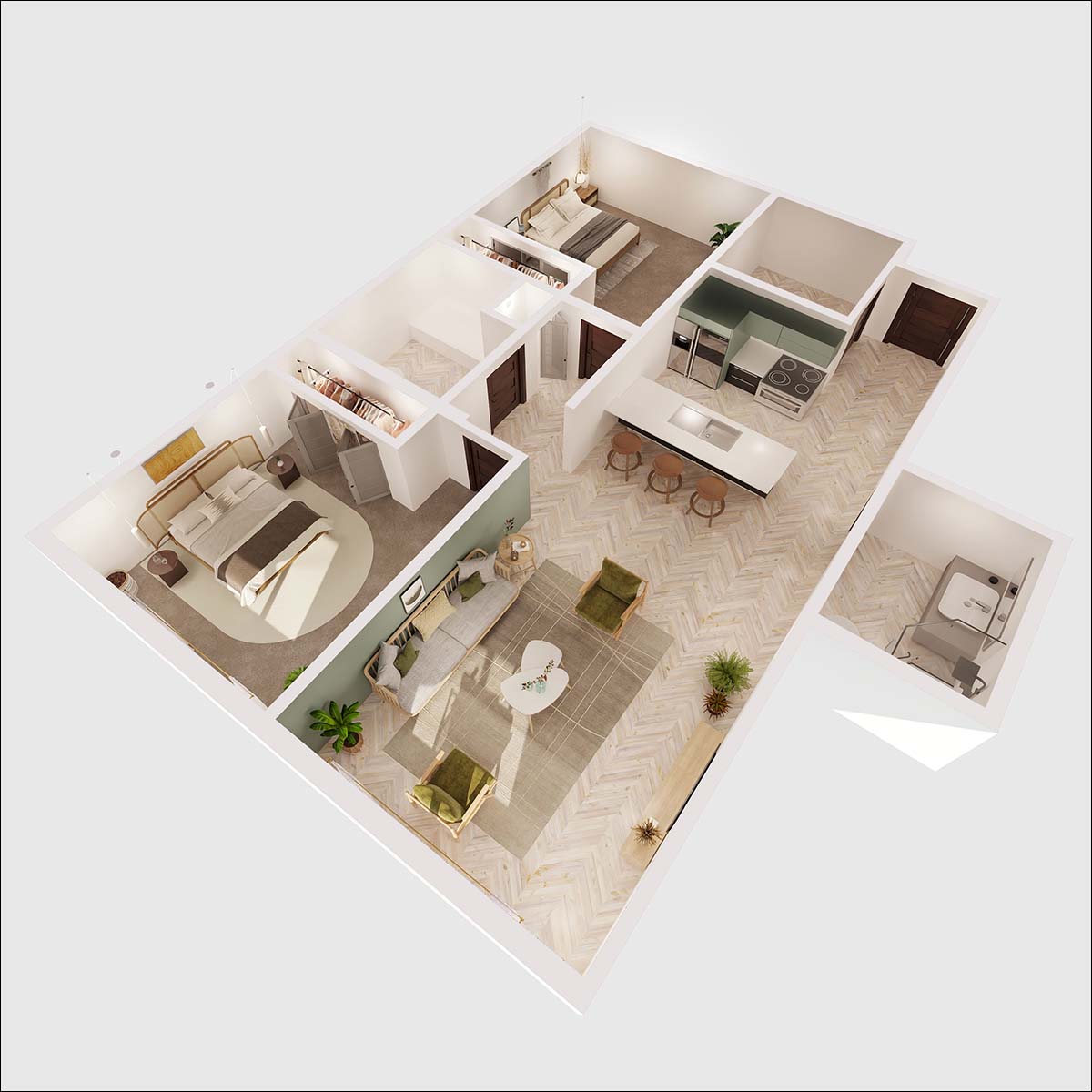 High-converting floor plans should have the furniture pre-visualized for clients.
5. Visualizing apartment interior layout ideas for maximum listing impact
In the high-speed world of online real estate, a floor plan is becoming a vital storytelling asset in addition to a technical document. Even the most brilliant apartment interior layout ideas can fall flat if they aren't communicated effectively to a digital audience. To maximize listing impact, agents and developers must bridge the gap between a flat 2D blueprint and the three-dimensional reality of a living space. This transition is where "perceived space" is either won or lost in the mind of the consumer.
5.1. The role of 3D floor plans
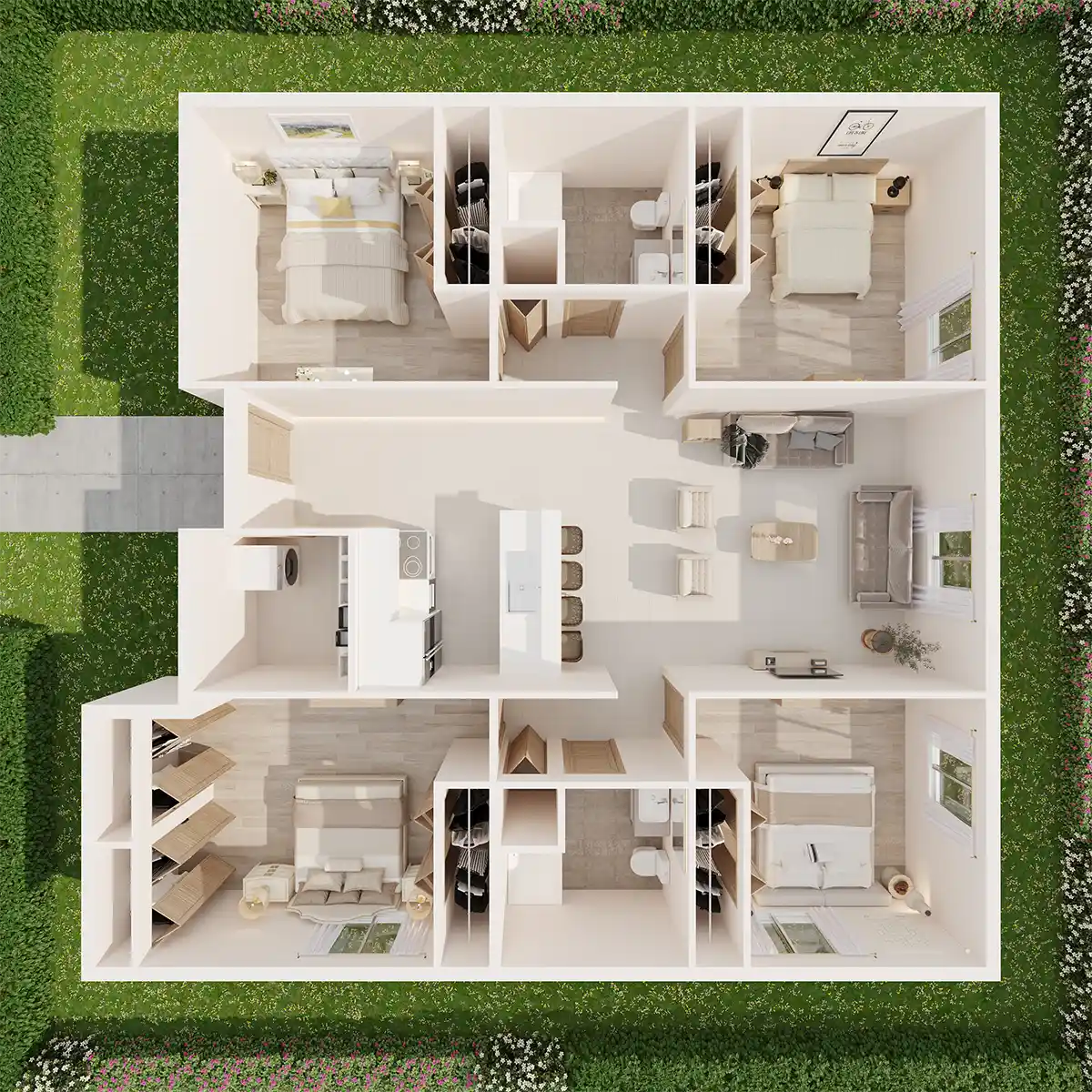
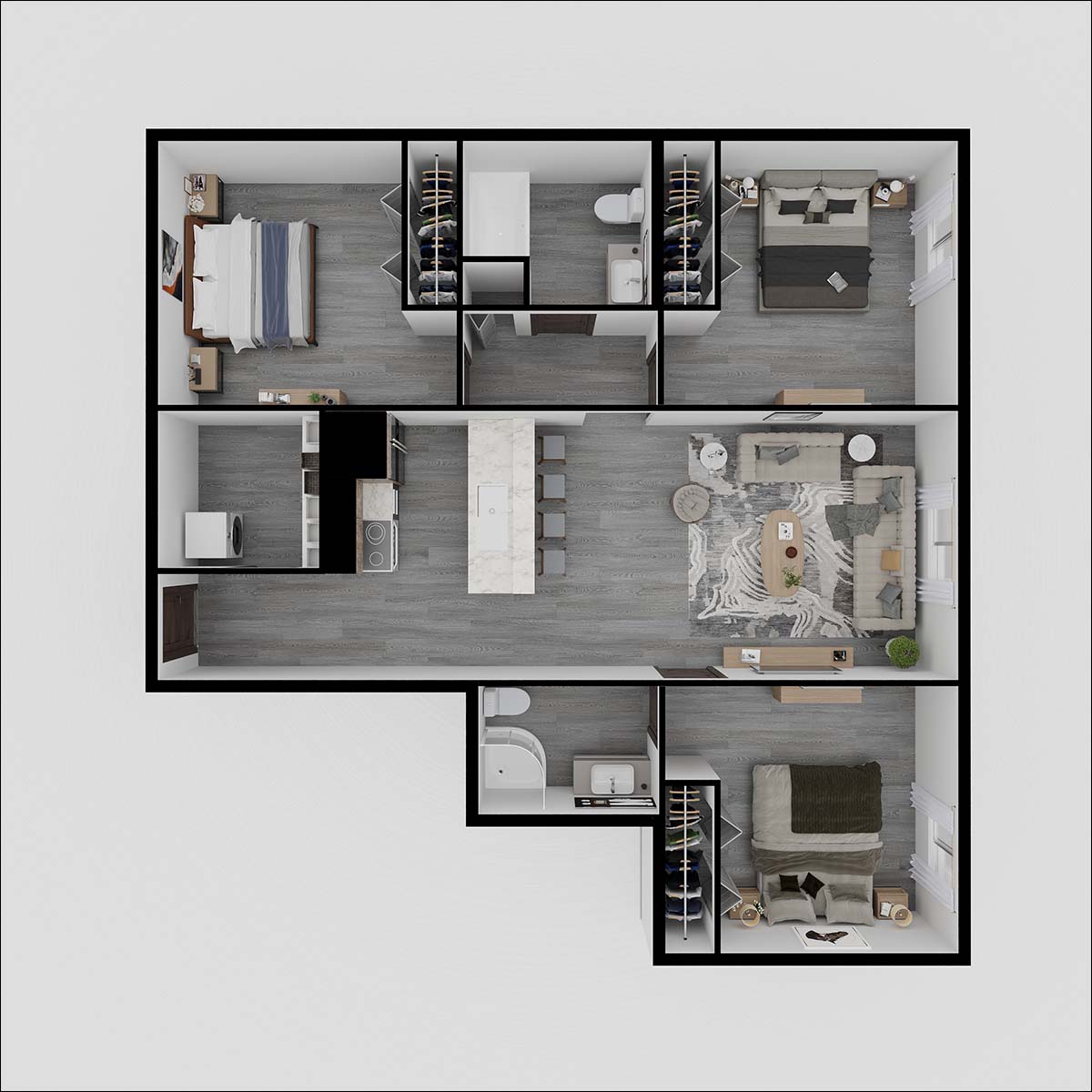
While traditional 2D sketches provide necessary measurements, they often lack the "soul" of a home. 3D floor plans offer a "dollhouse" perspective that allows viewers to grasp depth, wall heights, and the interplay of textures. By seeing a 3D rendering, like a 3D floor plan of a two-bedroom apartment, a buyer can immediately understand how light from a south-facing window will interact with the living room's interior layout. This spatial clarity removes the guesswork, making even a compact unit feel like a tangible, habitable environment rather than a mere geometric exercise.
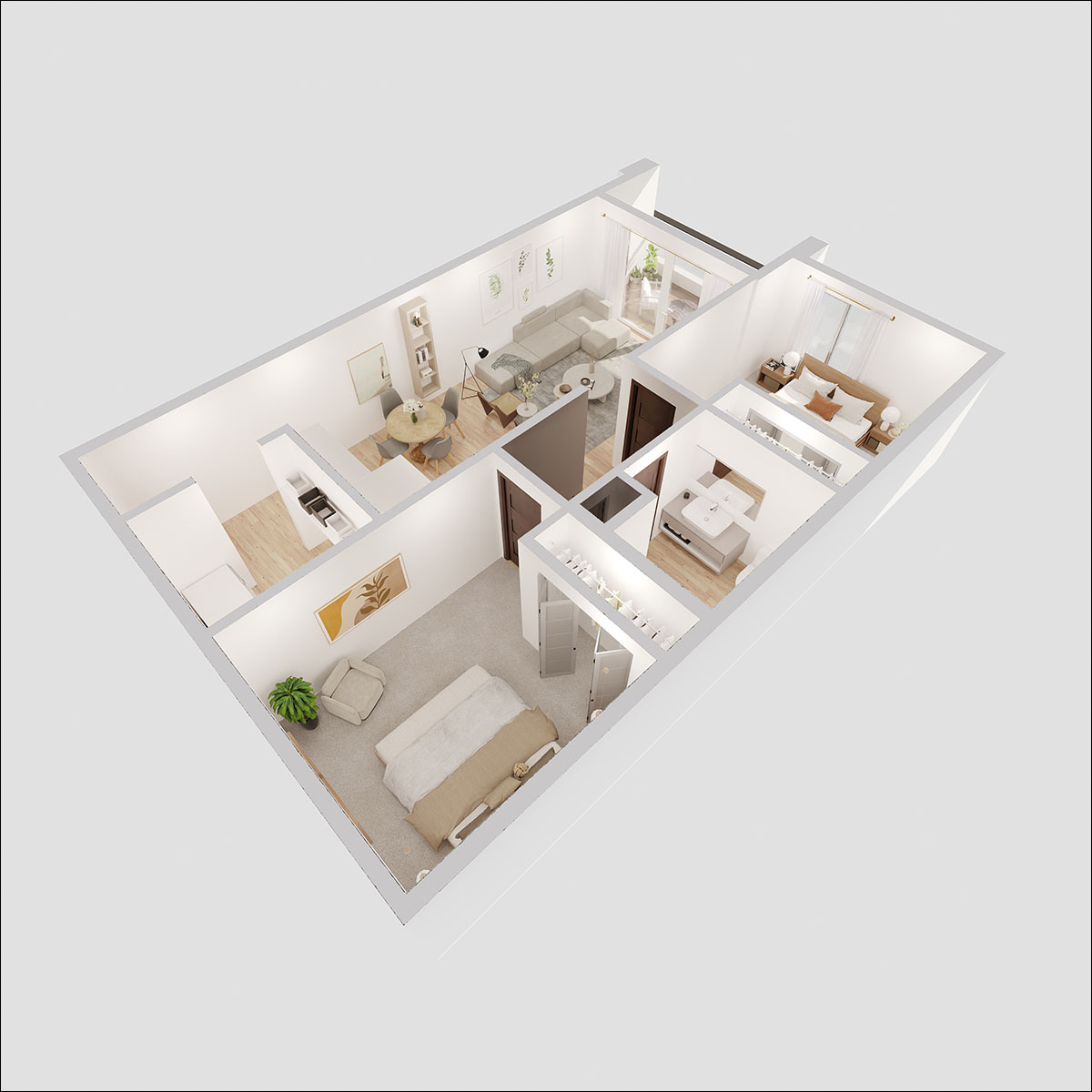 3D floor plans serve both the purposes of a blueprint and an intuitive visualization asset.
5.2. Virtual staging synergy
The synergy between a floor plan and virtual staging is perhaps the most powerful tool for increasing perceived value. An empty room often looks smaller than it actually is because there are no points of reference for scale. By integrating apartment interior layout ideas with virtual staging, you can "prove" the functionality of a layout. Placing a king-sized bed in a bedroom or a six-person dining table in an open-concept area gives the viewer a mental ruler, allowing them to see that the space is not just "large enough," but perfectly optimized for their lifestyle.
You can start exploring the transformative effect of virtual staging with an experienced partner in real estate visuals like Fotober.
5.3. Video walkthroughs and flow
Finally, the visual narrative must be consistent across all media. A cinematic video walkthrough should ideally follow the exact path suggested by the floor plan. When the video flow matches the architectural logic of the layout, it reinforces the viewer's spatial memory. This consistency builds trust and helps the prospect develop a "mental map" of the property. When a buyer can navigate the home in their head before they ever set foot inside, the listing has already succeeded in creating a sense of ownership and expansive space.
6. The ROI value of professional modern apartment floor plan design
In the competitive real estate landscape, professional floor plan design is a high-yield investment rather than a mere marketing expense. Data consistently shows that listings featuring high-quality 2D and 3D floor plans attract significantly higher engagement. For instance, Zillow reports that listings with floor plans receive 52% more views, while Rightmove data suggests that including a layout can boost click-through rates (CTR) by over 50%. Furthermore, the National Association of Realtors (NAR) found that 67% of buyers consider floor plans the most useful feature in their search, directly leading to increased time-on-page as prospects mentally navigate the property.
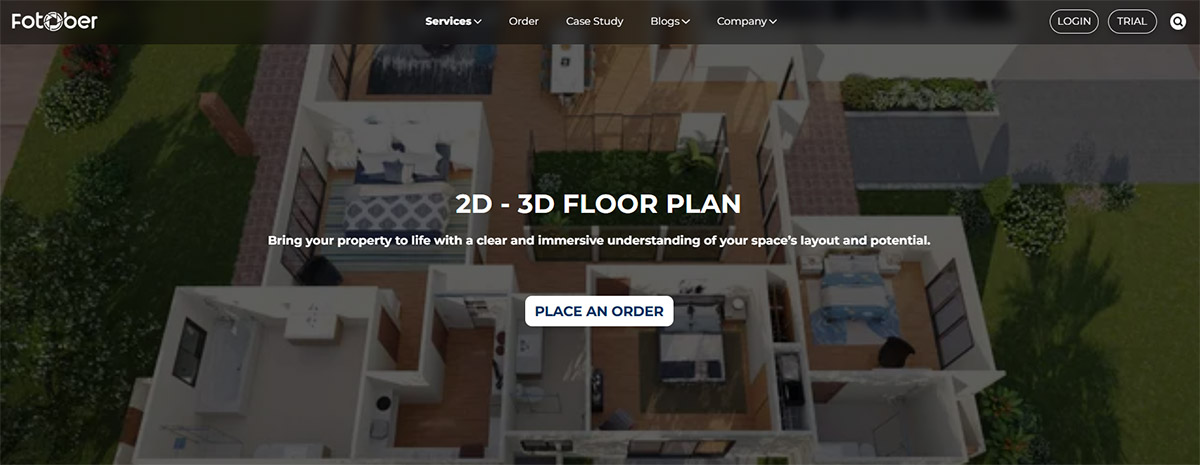 Fotober provides commercial-quality floor plan drawing services for home listings.
Beyond surface-level metrics, these assets act as a vital pre-qualification tool. By providing absolute spatial clarity upfront, you attract higher-quality leads who are already sold on the unit's flow, reducing wasted viewings. This is where the Fotober’s advantage becomes apparent. In an industry where accuracy is paramount, professional architectural visualization and real estate photo editing ensure that the "perceived space" matches the reality of the property. Precision in floor plan media reduces buyer hesitation and builds the trust necessary to accelerate the decision-making process, ultimately leading to faster sales and higher closing prices.
Conclusion
In conclusion, an effective apartment floor plan & design is far more than a technical map; it is a strategic marketing tool designed to maximize perceived value. Whether you are dealing with a sprawling luxury unit or a compact studio, the way you visualize the layout dictates how a buyer connects emotionally with the space. In today’s crowded digital market, the best design is the one that allows the viewer to say, "I can see myself living here." Elevate your listing media with high-end visualization today to unlock your property’s true potential and capture every square inch of value.
Follow us on social media to stay updated with the latest trends in the real estate market and popular architectural styles.
- Facebook: fotobermedia.co
- YouTube: Fotober
- TikTok: @fotober
- Instagram: fotober_media.
Related posts

Cincinnati Housing Market 2026: Prices, Trends, and What It Means for Buyers, Sellers, and Investors
October 20, 2026

Modern Luxe Interior Design: Elements, Style Guide and How to Stage It
October 10, 2026

Minimalist Interior Design: Characteristics, Style Guide, and Staging
October 8, 2026

Coastal Interior Design: Style Definition & Staging Guide
September 30, 2026
