




Essential Real Estate Video Shot List: Unlocking Premium Listings

Share:
Table of Contents
- 1. Why every realtor needs a real estate video shot list
- 2. The core: The ultimate real estate video shot list
- 3. Unique property features in a real estate video shot list
- 4. Adapting your real estate video shot list for different platforms
- 5. Common mistakes to avoid in making a real estate video shot list
- Conclusion
In the modern real estate market, video is the ultimate tool to close a high-stakes deal. However, many agents and videographers make the mistake of "winging it" on-site. Without a strategic plan, you risk missing that "money shot" or ending up with chaotic footage that makes post-production a nightmare. That is where a shot list comes in handy. In this guide, we’ll break down every essential angle that a professional real estate video shot list needs to transform a standard property tour into a cinematic masterpiece that sells.
1. Why every realtor needs a real estate video shot list
Operating without a real estate video shot list is like driving through a foreign city without a GPS: you might eventually reach your destination, but you’ll waste a lot of time and fuel getting there. For modern realtors and every filmmaker learning how to shoot a real estate video, a structured shot list is the backbone of a high-converting marketing campaign, serving three primary purposes: efficiency, narrative flow, and brand authority.
First, efficiency is paramount. A pre-defined list ensures that you don’t miss crucial selling points, such as a hidden walk-in pantry or a bespoke outdoor kitchen. It eliminates the "what should I film next?" hesitation, allowing you to move through the property with purpose and significantly reducing the time spent in the editing room.
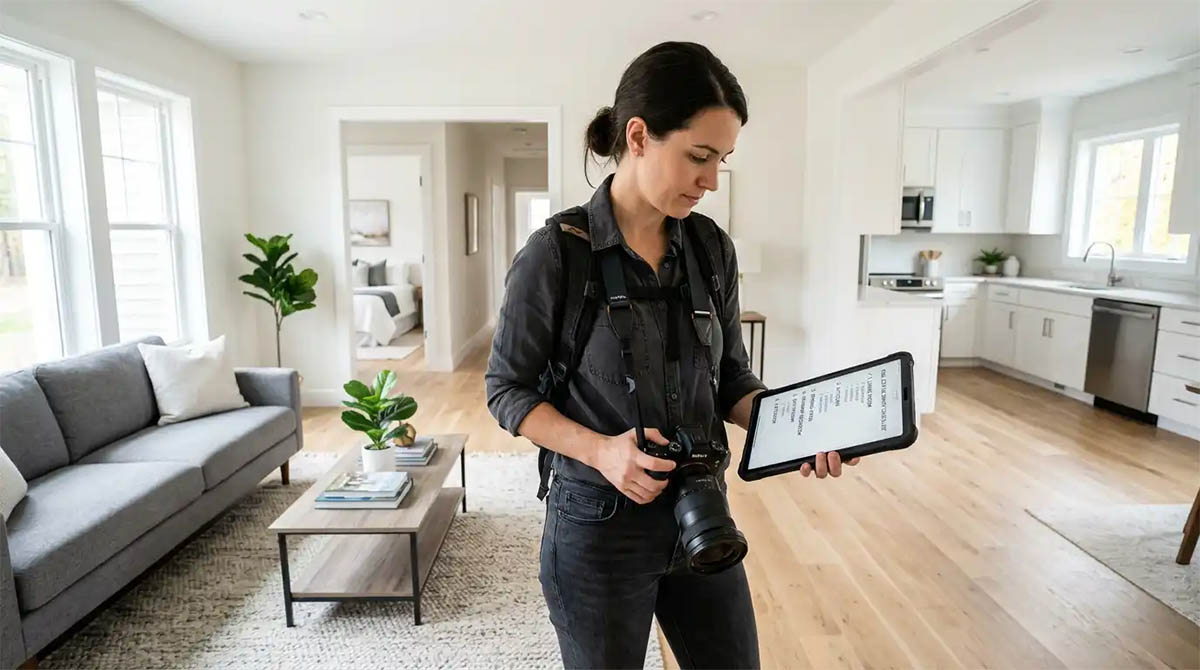 Shooting real estate videos without a shot list will most likely result in a messy workflow and a lacklustre output.
Second, it enables intentional storytelling. Buyers don't just purchase square footage; they buy a lifestyle. A shot list helps you map out a logical "flow" that mimics a real-life walkthrough, creating an emotional connection as the viewer transitions from the vibrant heart of the home to the serene master suite.
Finally, it elevates your professional image. When clients see you working from a structured plan, it instills confidence. It proves you are a meticulous marketer who leaves nothing to chance, which is often the deciding factor in winning luxury listings.
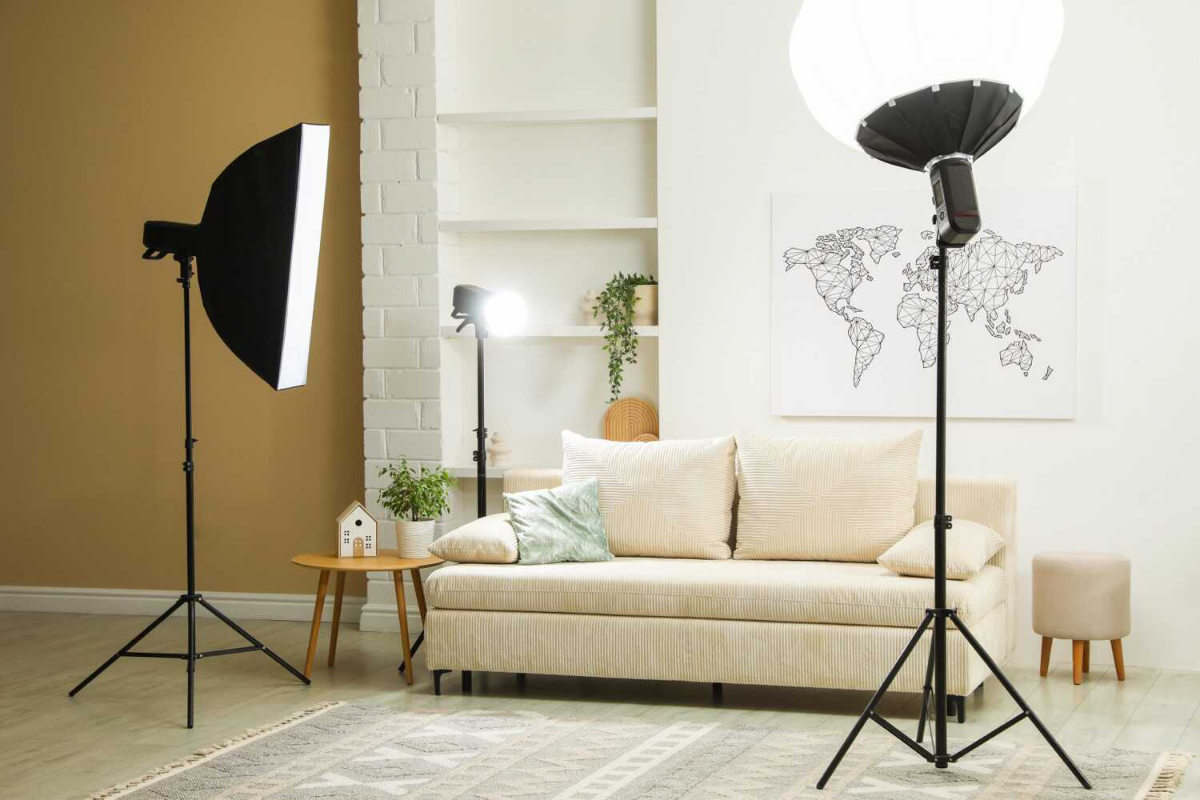 It’s always beneficial to supplement available light with artificial light to even out the exposure across the frames.
2. The core: The ultimate real estate video shot list
This is the heart of your production and must be granular. Think of this real estate video shot list as a storyboard that guides the viewer through an emotional journey, not just a physical space.
To provide a quick reference before diving into the preparation details, here is a summary of the essential shots every professional real estate videographer should capture. This table serves as some quick real estate videography tips to ensure no critical area is overlooked during the shoot.
|
Category |
Key shots to capture |
Primary marketing purpose |
|
Exterior |
Wide hero shot, drone/aerial, curb appeal walk-up |
Establishes scale, location, and first impressions. |
|
Main living |
Great room pan, kitchen reveal, open-concept flow |
Highlights the "heart of the home" and entertaining space. |
|
Private suites |
Master bedroom entry, spa-like bathroom, walk-in closet |
Sells the "sanctuary" and lifestyle comfort. |
|
Details |
High-end appliances, fireplace, hardware/fixtures |
Showcases quality materials and luxury upgrades. |
|
Outdoor |
Patio/deck flow, pool/garden, view from balcony |
Connects the indoor living space with the environment. |
|
Functional |
Home office, laundry room, garage/storage |
Addresses practical buyer needs and versatility. |
2.1. Phase 1: Exterior & curb appeal (The first impression)
Exterior shots are crucial in real estate video marketing as they create the first impression. You must establish the property’s "wow" factor immediately. Capture a clear front view showing the building, yard, driveway, and unique features. Use sweeping and time-lapse shots to highlight size and lighting. Include fences, gates, walkways, and neighborhood views to add context and charm.
Showcase the backyard and side views from multiple angles, using wide shots and drone footage to emphasize outdoor spaces like pools and decks. Side views reveal property layout and extra details often missed.
Highlight unique architectural details such as window frames, doors, roof lines, and brickwork with close-ups and creative angles. These shots add character and help buyers connect emotionally with the property.
- The wide hero shot: This is your establishing shot. Use a tripod or a very steady gimbal to capture the house from the front center. This shot should feel grand and welcoming.
- The tracking approach: Mimic the experience of a visitor. Start from the sidewalk or driveway and use a "push-in" movement toward the front door. This creates a sense of arrival.
- The low-angle grandeur: Lower your gimbal to knee height and tilt slightly upward while moving forward. This makes the architecture look imposing and prestigious.
- Aerial establishing (Drone): Rise vertically while tilting the camera down to show the house in relation to the neighborhood.
- The "neighborhood context": A wide drone shot showing nearby parks, schools, or water features. Buyers aren't just buying a house; they are buying a location.
- Address/detail shot: A quick, sharp shot of the house number or a unique architectural detail on the porch to add a "lifestyle" texture.
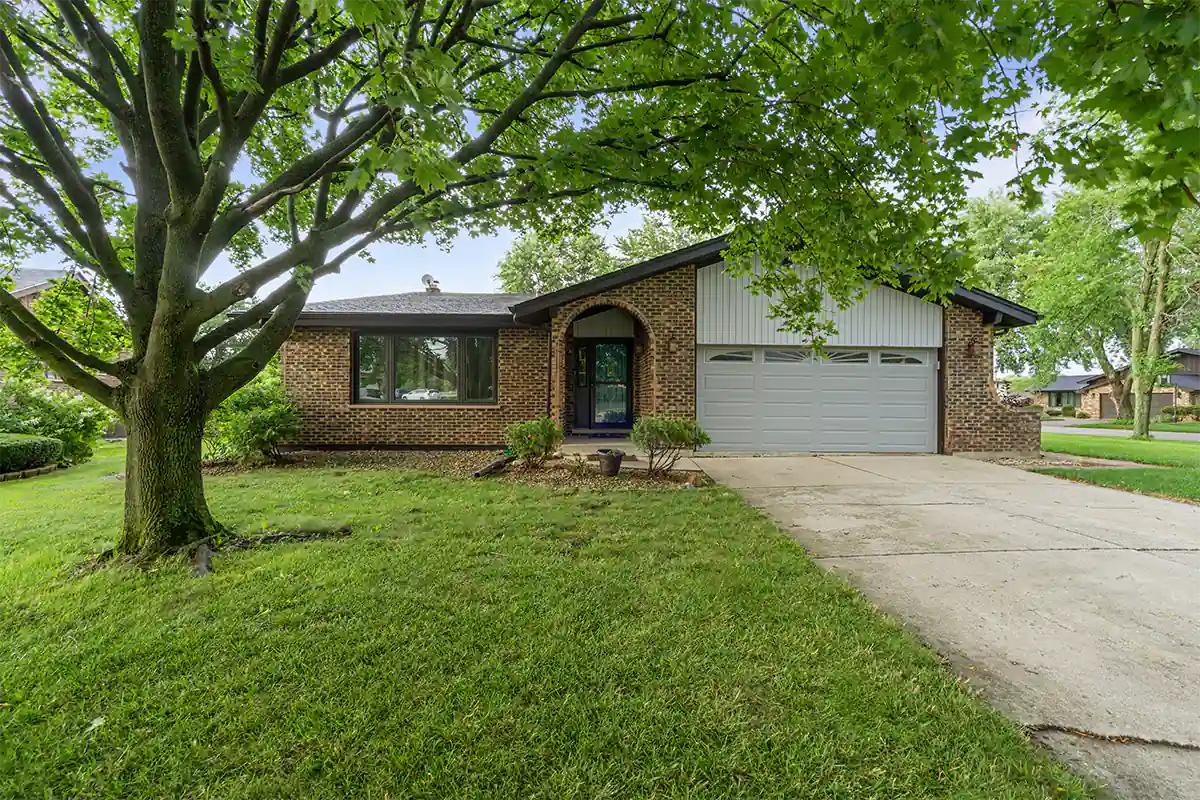 Most videographers should start with exterior shots as soon as the light hits right.
2.2. Phase 2: The heart of the home (Kitchen & living room)
In real estate video marketing, the kitchen and living areas are the "money rooms." Your real estate video shot list needs to dwell here, highlighting functionality and luxury.
Moving inside the property, capturing interior shots is crucial for navigating through rooms and painting a warm, inviting atmosphere that resonates with potential buyers. For beginners learning how to shoot a real estate video, focusing on smooth camera movement, balanced lighting, and the right camera angle is the foundation for creating an engaging film.
- The great room pan: Stand in a corner to get the widest possible view. Slow, smooth pans from left to right help the viewer understand the scale and the "open concept" layout.
- The living room is often the heart of a home, so it's essential to capture its essence effectively. Begin with a wide shot to establish the room's size and layout, ensuring to include furniture arrangements and focal points such as fireplaces. Lighting plays a pivotal role in creating mood. Use natural sunlight pouring in through windows to enhance warmth, or utilize soft artificial lighting for evening scenes. Layering different types of lights can make the space feel inviting and cozy.
- The kitchen reveal: A stunning kitchen can often tip the scales in favor of making a sale. Highlighting appliances, counter spaces, and cabinetry can excite potential buyers who love cooking and entertaining. Begin with an overview of the kitchen layout and then zoom in on premium features such as smart appliances, oversized islands, or custom cabinets. Filming from multiple angles can assist in showcasing functionality while emphasizing spaciousness. You could also start the shot behind a wall or a kitchen island and move the camera to "reveal" the full kitchen. This adds a cinematic layer of depth.
- The "chef’s view": Stand behind the main island or stove and pan across the room. This allows the buyer to imagine themselves cooking and entertaining. Also, consider incorporating action shots, such as someone preparing food. This approach allows viewers to visualize themselves in the space, enhancing emotional connectivity.
- Detail/high-end appliances: Get close. Use a slider or slow push-in on the professional-grade range, the wine cooler, or the smart refrigerator.
- The countertop texture: A slow "tracking" shot along the surface of a marble or quartz island highlights the quality of materials.
- Fireplace/mantle close-up: If there is a fireplace, a slow tilt-up from the hearth to the mantle creates a "cozy" emotional response.
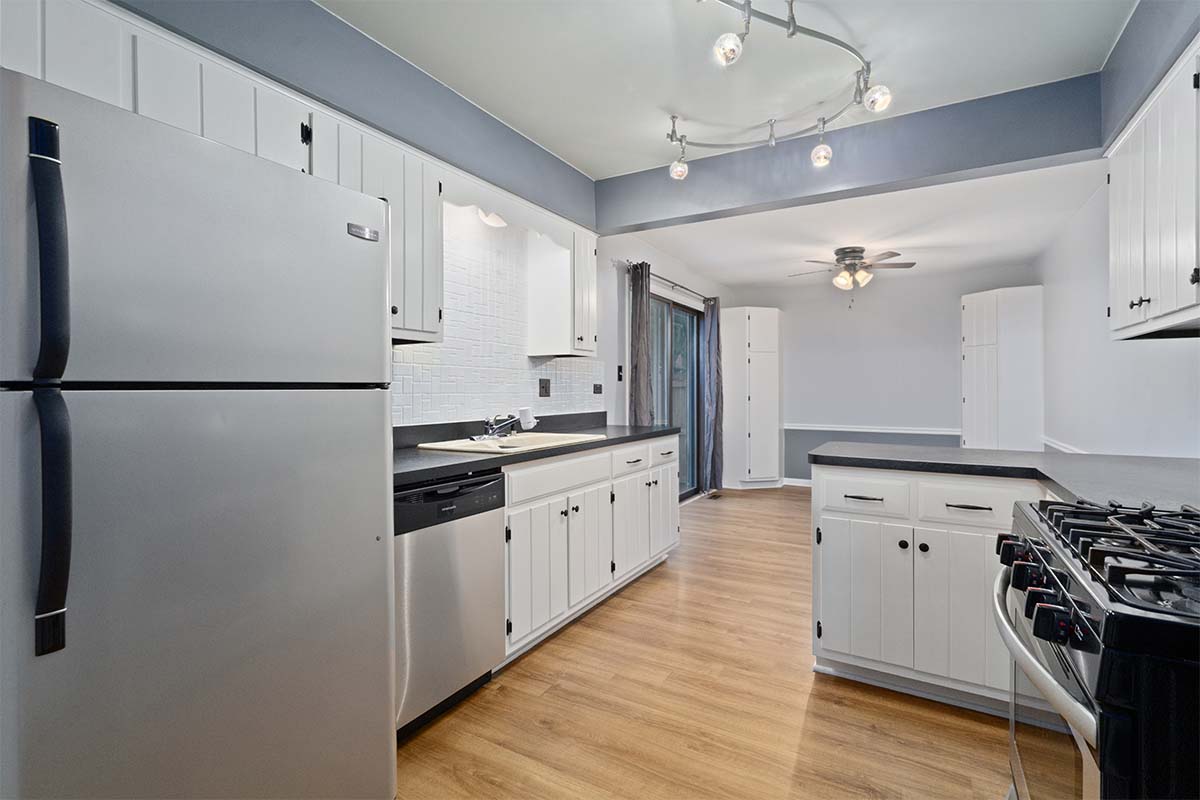 Main living spaces are what sell a home, which call for calculated detail coverage and camera movements.
2.3. Phase 3: Private spaces (Bedrooms & bathrooms)
The goal here is to sell the sense of "sanctuary" and "self-care." These shots should feel softer and more intimate.
- The master suite entry: Bedrooms are deeply personal spaces, and presenting them thoughtfully can significantly impact buyer perception. Start with wide shots to exhibit room sizes, layouts, and ambiance. Pay attention to elements like closet spaces, en-suite bathrooms, and views from windows. Highlighting comfort features, such as ceiling fans or built-in shelves, can elevate the room's appeal. Capture the moment of entering the room. Use a "doorway reveal" where you move the camera through the open door to show the bed and the views.
- The "window view": Focus the camera on the view outside the bedroom window, then rack focus back to the interior of the room. This emphasizes the peaceful environment. Consider showcasing each bedroom at different times of day to illustrate lighting variations. Soft morning light or cozy evening glows can evoke feelings of comfort and tranquility, which are essential in bedrooms.
- The walk-in closet pan: If the closet is a selling point, use a slow-moving shot from one side to the other to show off the storage capacity and organization systems.
- The spa bathroom reveal: Bathrooms can be tight. Use a wide-angle lens and a vertical "tilt" shot from the floor tiling up to the vanity and mirror.
- The soaking tub hero shot: A slow "orbit" or circular movement around a freestanding tub creates a luxurious, hotel-like vibe.
- Fixture details: Close-ups of waterfall showerheads, designer faucets, or unique tile patterns. This proves the home’s attention to detail.
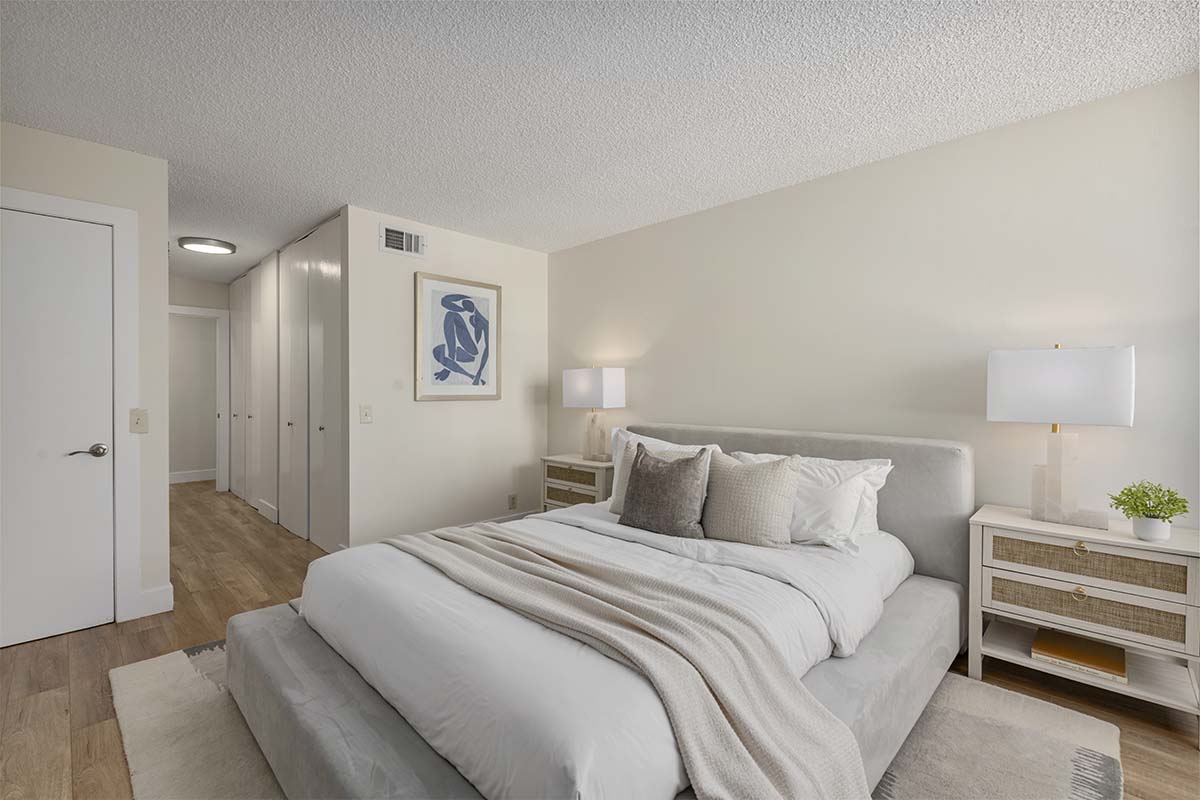 Shots of private spaces usually have tighter and more intimate compositions.
2.4. Phase 4: Outdoor living & amenities
This phase aims to cover the lifestyle the buyer will enjoy outside the four walls. In my experience editing many listing video projects, outdoor spaces are important elements in your real estate video shot list because they extend the usable living area and greatly enhance a property's appeal. Patios and decks offer versatile areas for relaxing, dining, and entertaining. Be sure to capture wide shots that blend these outdoor spaces with adjacent indoor areas to create a seamless flow. Use creative angles to highlight seating arrangements, grills, fire pits, and landscaping features such as gardens or decorative lighting.
Also, gardens add beauty and tranquility to a home, attracting buyers who value outdoor activities or gardening. Include close-up shots of colorful flowerbeds, vegetable patches, and serene walkways. Show features that demonstrate ease of maintenance, like irrigation systems or compost areas, to emphasize care and nurture of these spaces.
From my perspective, among these extras, pools and spa areas are often major selling points, especially in warm climates. Your real estate video shot list should include both sweeping panoramic shots and detailed close-ups of pools, lounge chairs, water features, or jacuzzis. Adding footage of people enjoying these spaces can help potential buyers imagine the lifestyle the property offers. Also, don’t forget to highlight safety elements like secure fencing or pool covers, which provide reassurance for families with children.
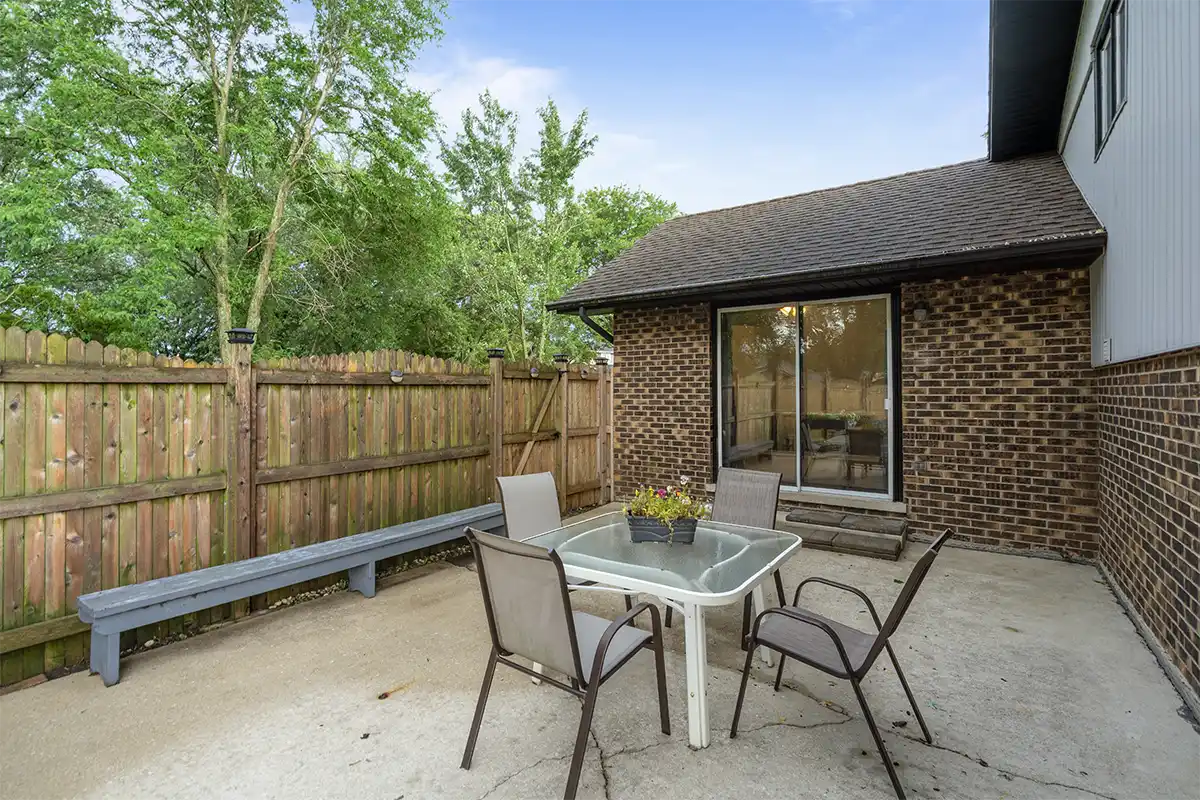 Showcasing the outdoor amenities can greatly improve the perceived value of a property.
- The indoor-outdoor flow: Start inside the living room and walk out through the sliding glass doors onto the patio. This is one of the most important shots for modern luxury listings.
- The patio/deck overview: A high-angle shot looking down at the outdoor furniture, fire pit, or dining area.
- The backyard "sweep": A wide gimbal pan that covers the lawn, gardens, and fencing.
- The pool orbit: If there is a pool, use the drone for a "top-down" bird's eye view, then use a gimbal for a low-angle tracking shot along the water’s edge.
- Outdoor kitchen/grill area: Highlight the built-in BBQ or pizza oven with a slow push-in shot, emphasizing the home’s entertainment potential.
- The evening vibe (twilight): If your schedule allows, capture the exterior again during twilight with all the garden and pool lights on. This is often the most shared shot on social media.
2.5. Phase 5: Functional & "bonus" spaces
Don't ignore the areas that solve a buyer's practical problems.
- The home office: With remote work being a standard, a dedicated shot of a clean, well-lit office is a major selling point.
- The laundry room: A quick, clean wide shot. Buyers love seeing organized, modern laundry facilities.
- The garage/workshop: Especially if it’s an oversized or finished garage. A simple wide shot is usually sufficient here.
- The basement/gym: Highlight any finished basement space or home gym equipment with a slow tracking shot to show off the versatility of the square footage.
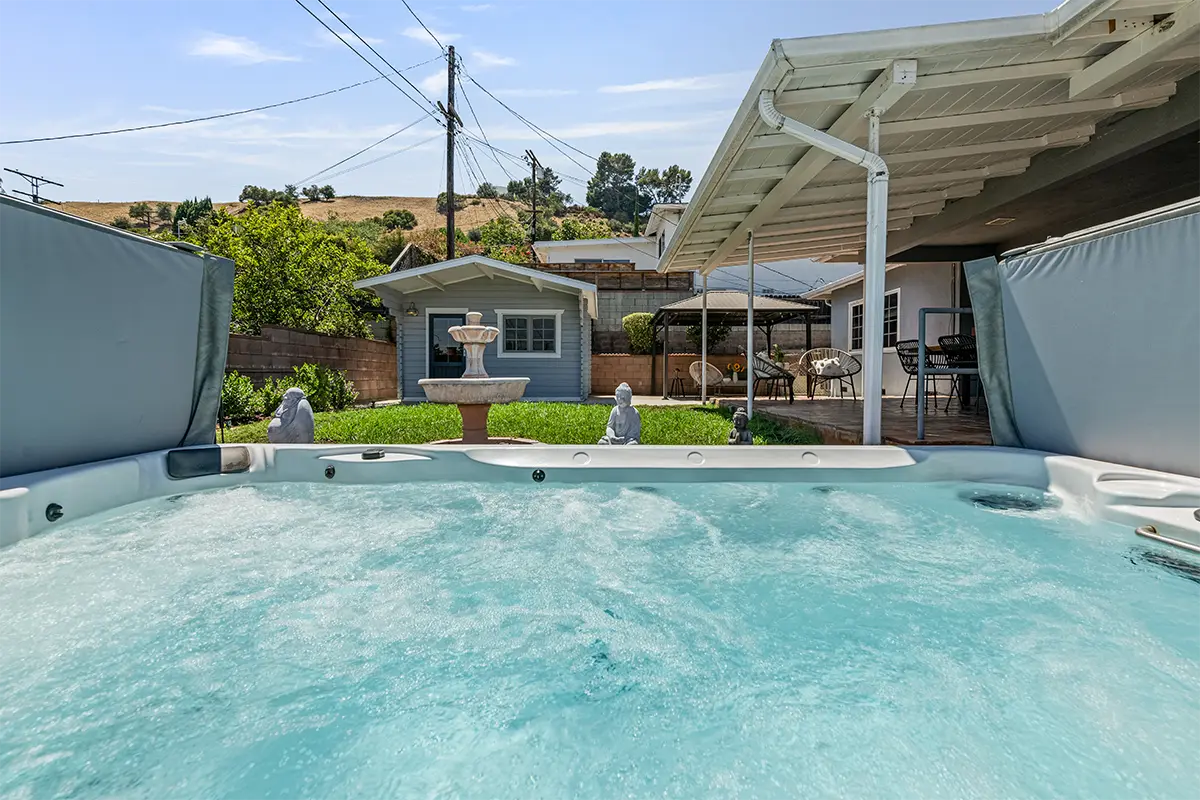 Don’t forget to film those spaces with specific purposes, as they make the real estate appeal to more buyers looking for a certain solution.
3. Unique property features in a real estate video shot list
3.1. The views from the real estate
Panoramic views can elevate a property’s desirability significantly. Whether it’s mountains, ocean vistas, or city skylines, capturing these sights can leave lasting impressions.
Utilize drone footage to provide expansive perspectives, showcasing the property within its surrounding landscape. Consider filming during golden hour to highlight the beauty of sunsets or sunrises.
Encourage storytelling through your visuals. Share anecdotes or historical facts about the surrounding area, enhancing the viewer’s sense of place and connection to the property.
3.2. Special design elements
Artistic, architectural, and design elements can create emotional connections. Highlight distinct features, such as vaulted ceilings, archways, or unique moldings, which speak volumes about the property’s character.
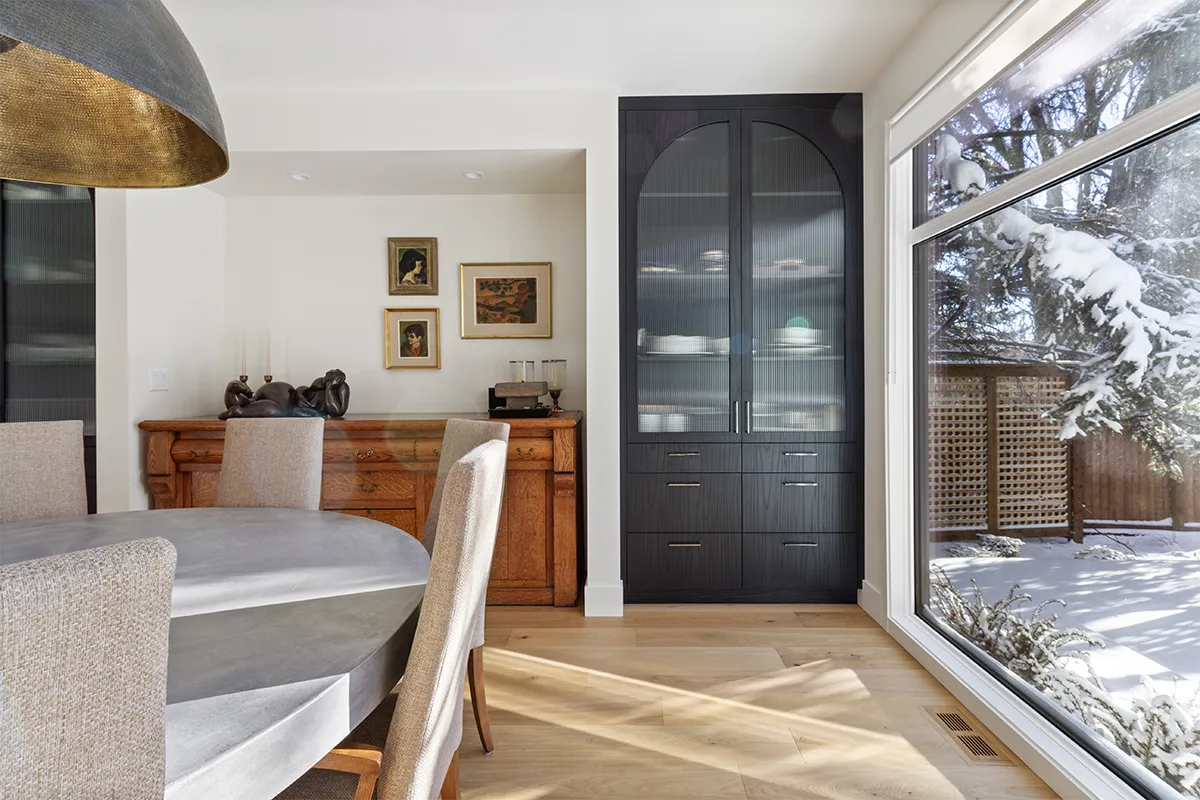 Highlighting special elements can help buyers figure out if the home suits their lifestyle.
Close-ups capturing craftsmanship can enhance appreciation for detail and artistry. Use natural light to emphasize textures, colors, and styles, inviting viewers to imagine themselves in the space.
Including interviews with designers or builders discussing their vision can add depth to these features, reinforcing the property’s unique story.
3.3. Historic features
Properties that have historic significance often come with stories worth sharing. Capture original features like antique fixtures, hardwood floors, or historical architectural styles.
Provide a narrative context to these elements, explaining their significance and preserving the property’s heritage. This approach appeals to buyers interested in culture, history, or restoration projects.
Offering insights into the property's past can enrich the viewer's experience, allowing them to connect emotionally.
3.4. Neighborhood footage
Incorporating neighborhood shots adds richness to your property video. Highlight local parks, schools, restaurants, and shops to give potential buyers a holistic view of the area. You can use wide shots to capture streets bustling with activity or quiet residential corners. This context helps prospective buyers envision their future lives in the locality.
Consider filming during community events, showcasing the vibrancy and engagement that characterize the neighborhood. Moments of interactions, families gathering, or even pets playing can create a friendly atmosphere.
3.5. Lifestyle scenes
Including lifestyle scenes enhances relatability, which is a crucial factor for driving engagement in real estate video marketing. These shots could involve individuals walking dogs, children playing outside, or friends gathering for coffee in nearby cafes.
By incorporating lifestyle elements, you help buyers imagine their lives within the home and community, fostering a deeper connection to the property.
3.6. Seasonal footage
Finally, capturing the property in different seasons can add dimension to your video. Showcasing blooming flowers in spring or snow-covered yards in winter paints a broader picture. Seasonal shots can demonstrate how the property adapts, enhancing appeal regardless of the time of year. This approach can reassure buyers that they will love the home no matter the weather.
By following this comprehensive real estate video shot list, you ensure that you capture the home from every essential angle, from the grand architectural statement of the exterior to the smallest designer faucet in the guest bath. This level of detail provides a professional roadmap for creating videos that actually convert viewers into buyers.
4. Adapting your real estate video shot list for different platforms
Creating a comprehensive real estate video shot list is not just about the "what," but also the "where." In today’s multi-channel marketing landscape, a single video file rarely fits every platform. Your shot list must be strategically adapted to meet the technical requirements and viewer behaviors of different digital spaces.
4.1. YouTube and website listings (The deep dive)
For traditional property websites and YouTube, the 16:9 (Landscape) format remains the industry standard. These platforms are designed for high-intent buyers who want a thorough, cinematic real estate video tour. Your shot list here should prioritize wide-angle establishing shots and slow, steady movements that allow the viewer to absorb the home’s layout. The pacing is typically more relaxed, often spanning 2 to 4 minutes, allowing for a logical, room-by-room progression.
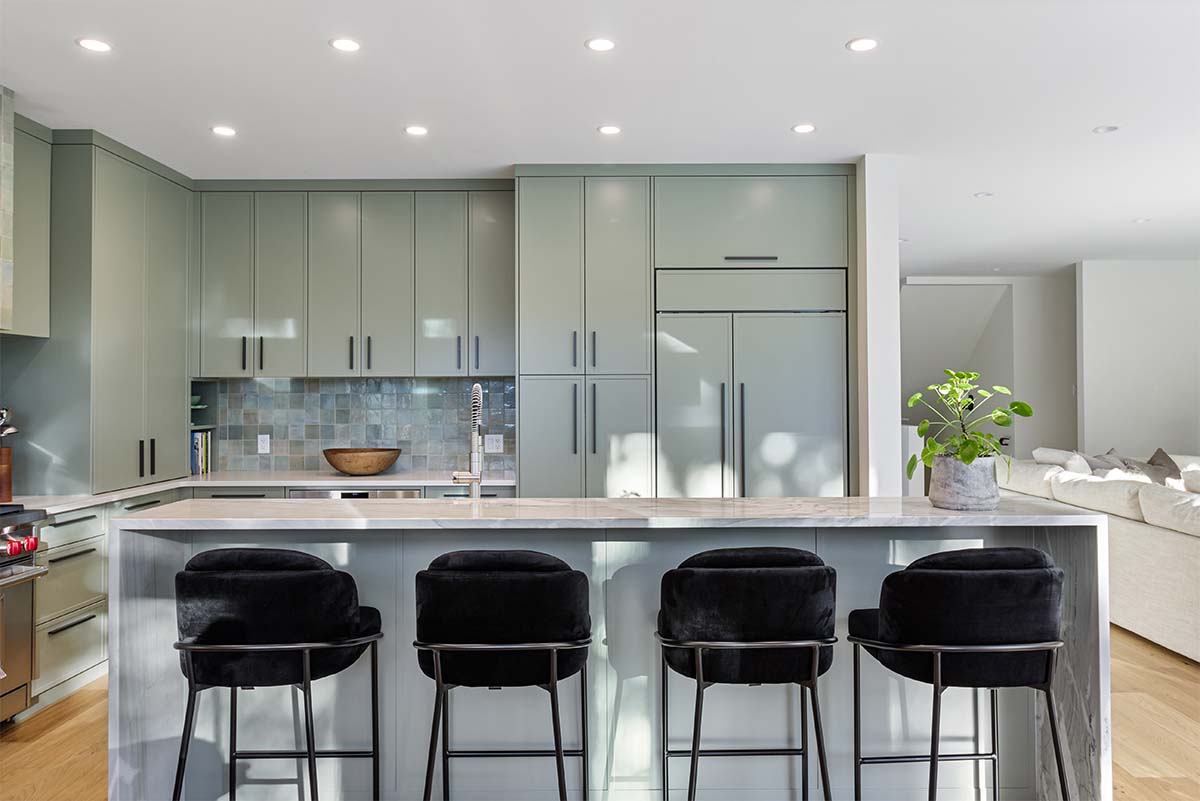 Landscape format is still the cornerstone of commercial real estate videography.
4.2. Social media: Reels, TikTok, and Shorts (The hook)
When shooting for Instagram or TikTok, you must pivot to a 9:16 (Vertical) orientation. Attention spans on these platforms are measured in seconds, so your shot list should focus on "micro-moments" and "wow" features. Instead of long pans, include quick, 2-second "reveal" shots or high-energy transitions. The goal here is not to show every corner, but to create a high-impact highlight reel that stops the scroll and drives traffic to the full listing. For maximum efficiency, identify "Hero Shots" in your list that can be captured in both formats to ensure your content is optimized for every screen.
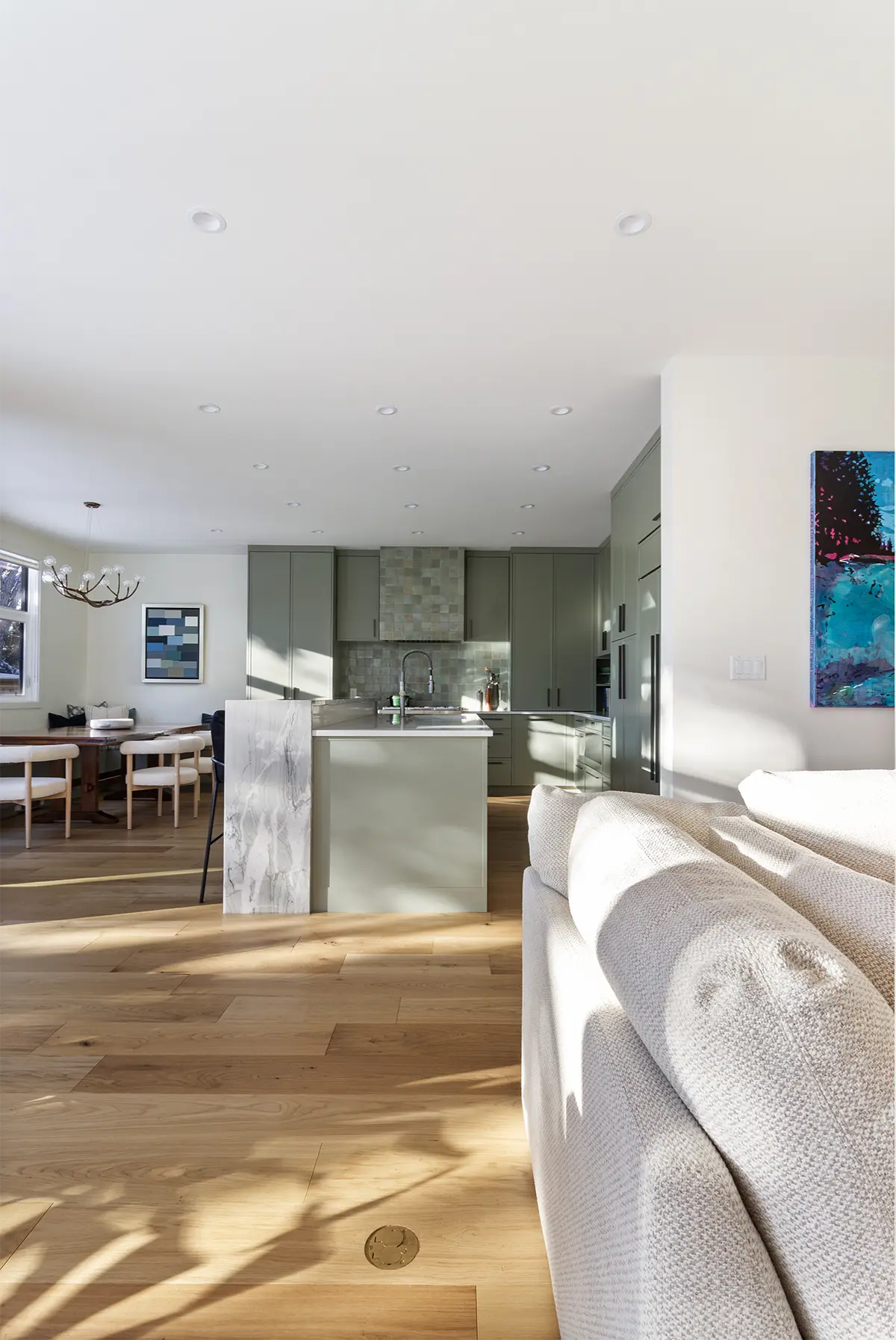 Intentionally filming and composing the shots for the vertical format will yield more optimal results than cropping from landscape raw materials.
5. Common mistakes to avoid in making a real estate video shot list
Even with a detailed real estate video shot list, several technical and creative pitfalls can undermine your professional results. One of the most frequent mistakes is neglecting the "invisible cameraman" rule. Always check mirrors, windows, and stainless steel appliances to ensure your reflection, or your gear’s, doesn't appear in the frame.
5.1. On-set technical problems
Another common error is aggressive gimbal movement. Moving too quickly or using jerky transitions can make viewers feel disoriented rather than inspired. Keep your tracking shots slow and deliberate to maintain that high-end, luxury feel.
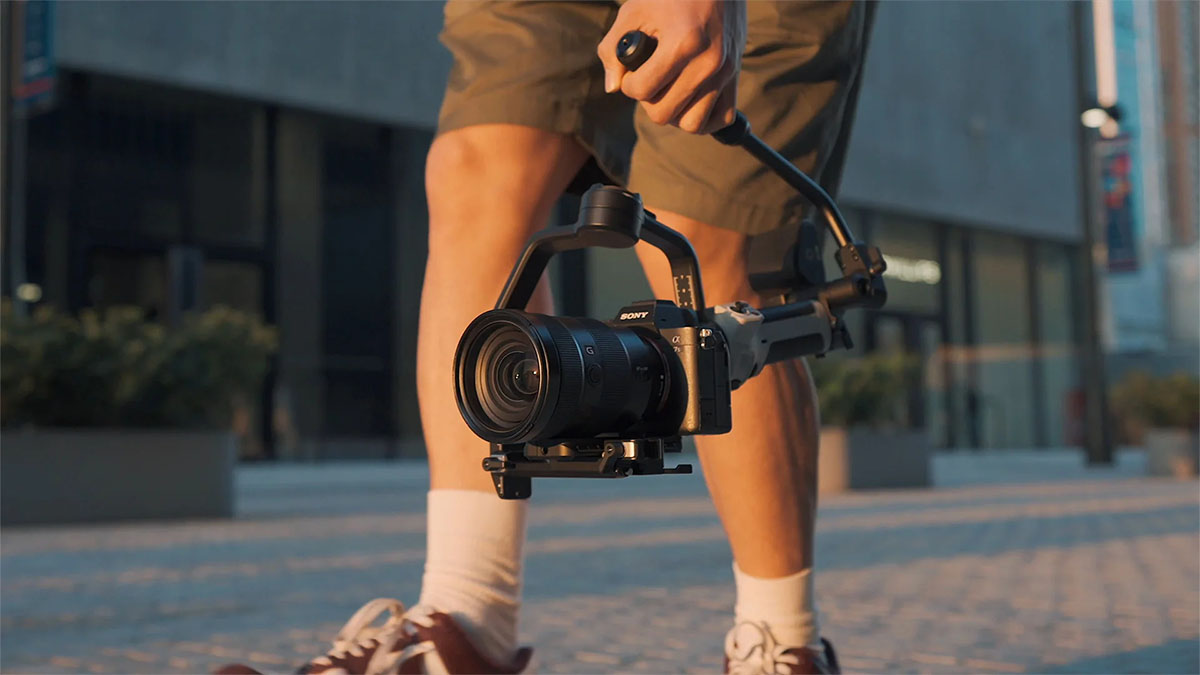 Keep your gimbal shots in check. Flashy movements don’t guarantee acceptable results.
Furthermore, watch your technical settings. A common mistake is using a wide aperture like f/2.8 to achieve a "blurry" background. In architectural videography, this often results in half the room being out of focus. Instead, stick to f/8 or f/11 to ensure the entire space remains crisp. Finally, avoid repetitive angles; every shot on your list should serve a unique purpose in telling the property's story.
5.2. Mediocre post-production
A well-executed real estate video shot list is the foundation of a listing that sells. By planning your angles and mastering cinematic movements, you transform a simple property tour into a compelling visual narrative. However, capturing the footage is only half the battle; the true magic happens during post-production.
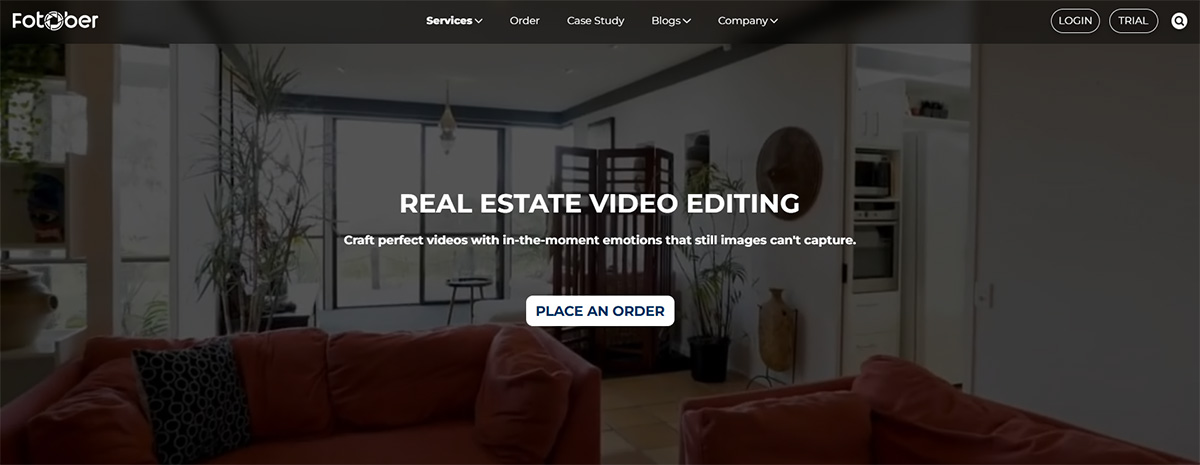 Not every video is edited the same. Some high-value listings deserve the most refined post-production from specialists like Fotober.
This is where Fotober comes in. Our expert real estate video editing services are designed to take your raw clips and craft them into polished, high-converting masterpieces. From seamless transitions and color correction to sky replacement, we handle the technical heavy lifting so you can focus on closing deals.
Conclusion
Mastering a real estate video shot list is the most effective way to ensure your property tours are both professional and persuasive. By planning your angles and utilizing cinematic techniques, you create a visual experience that resonates with potential buyers. However, capturing the footage is only half the battle; the real magic happens in the editing suite.
To truly stand out, your content needs a professional polish. Fotober offers premium real estate video editing services, transforming your raw shots into high-converting masterpieces. From color grading to seamless transitions, we help you showcase properties at their absolute best. Ready to elevate your marketing? Contact Fotober today.
Follow us on social media to gain more practical real estate videography tips and updated insights into the property market.
- Facebook: fotobermedia.co
- YouTube: Fotober
- TikTok: @fotober
- Instagram: fotober_media.
Related posts

Modern Luxe Interior Design: Elements, Style Guide and How to Stage It
October 10, 2026

Minimalist Interior Design: Characteristics, Style Guide, and Staging
October 8, 2026

Coastal Interior Design: Style Definition & Staging Guide
September 30, 2026

Contemporary Interior Design: Key Elements and How to Stage This Style
September 30, 2026
