




How Much Do Real Estate Photographers Make? (2026 Earnings Breakdown)


Share:
Table of Contents
- 1. Quick summary: Real estate photographer income benchmarks
- 2. Employed vs. business owner: The great income divide
- 3. Key factors influencing real estate photographer salary
- 4. Pricing structures: How real estate photographers charge
- 5. Operating costs: Gross revenue vs. net profit
- 6. Step-by-step blueprint: Building a 6-figure real estate photography business
- 7. Frequently asked questions: How much do real estate photographers make?
- 8. Conclusion
If you're passionate about real estate photography, a big question you might have is: how much do real estate photographers make? Income in this field varies greatly based on several factors such as location, experience, service offerings, and whether you freelance or work in-house. In this guide, we'll break down real estate photographer salaries, project rates, business costs, and strategies to maximize your earnings.
1. Quick summary: Real estate photographer income benchmarks
If you are looking for a quick answer to “how much do real estate photographers make”, national averages in the United States generally range between $45,000 and $75,000 per year for full-time professionals, while successful owners of a real estate photography business frequently generate $100,000 to $200,000+ in annual gross revenue.
Here is how the top labor data platforms and career aggregators report current annual earnings:
- U.S. Bureau of Labor Statistics (BLS): Reports a median hourly wage of $21.47 (approximately $44,660 per year) for general photographers. Note: BLS figures include all photography sectors (portrait, event, news) and do not isolate self-employed real estate media business owners.
- ZipRecruiter: Estimates the national average real estate photographer salary at $62,338 per year (or about $29.97 per hour), with top earners taking home upwards of $95,000.
- Indeed: Shows an average base real estate photographer income of $47,836 per year for employed or salaried staff positions.
- Salary.com: Reports an average earnings range between $65,000 and $74,500 per year, depending heavily on location, experience, and certifications.
2. Employed vs. business owner: The great income divide
When evaluating real estate photographer income, the single most critical factor is your business model. Are you working as an employee on a payroll, or do you operate as an independent business owner?
|
W-2 employee / In-house media tech |
Independent business owner (1099) |
|
Annual salary: $35,000 - $55,000 |
Annual revenue: $70,000 - $200k+ |
|
Fixed hourly wage or per-shoot |
High profit upside & scalability |
|
Equipment often provided |
Must purchase own equipment |
|
No marketing/sales required |
Handles marketing & client acquisition |
|
Predictable, low-risk income |
Variable income based on volume |
2.1. Working as an employed real estate photographer (W-2 staff)
If you prefer financial stability, fixed working hours, and predictable paychecks, working as a W-2 staff photographer for a real estate agency, media firm, or national property listing company is a solid starting point.
- Average compensation: $35,000 – $55,000 annually ($18 – $28 per hour).
- Advantages: The employer provides your gear, software licenses, travel reimbursement, and client leads. You spend your day focusing on shooting and delivering photos without stressing over marketing, accounting, or sales outreach.
- Disadvantages: Your earning potential is capped by an hourly rate or salary ceiling. You do not build equity or long-term enterprise value in your personal brand.
For newcomers, spending 1–2 years in an employed role is an excellent way to launch a real estate photography career, gain hands-on field experience, and master proper architectural lighting techniques.
2.2. Running a freelance real estate photography business (1099 / Solo operator)
Transitioning to an independent real estate photography business transforms your income model from a fixed wage to a high-margin enterprise. Instead of earning an hourly rate, you bill per listing, per square foot, or per media package.
Practical revenue breakdown math:
Consider a solo photographer working in a mid-sized suburban market:
- Average shoot fee (Basic package): $250
- Shoots per week: 8 properties
- Weekly gross revenue: $2,000
- Annual working weeks: 48 weeks (accounting for holidays and winter slowdowns)
- Total gross annual income: $96,000
If you upsell premium services, such as aerial drone photos, twilight shots, and 3D floor plans, your average order value (AOV) can easily increase from $250 to $400 per property.
- 8 Shoots/Week × $400 average order value × 48 weeks = $153,600 gross revenue
While self-employed photographers must deduct equipment, insurance, fuel, and editing expenses, net profit margins routinely range between 55% and 70%.
3. Key factors influencing real estate photographer salary
Understanding how much real estate photographers make requires analyzing the key variables that determine market rates across different regions and business setups.
3.1. Geographic location and housing market volume
Location plays an enormous role in determining a real estate photographer's salary. Areas with high median home values, luxury real estate markets, and high listing transaction volumes allow photographers to charge premium rates.
According to data compiled from platforms like ZipRecruiter and Indeed:
- High-earning states/cities (e.g., California, New York, Florida, Texas, Seattle, Boston): Average income ranges from $75,000 to $110,000+ per year. High property values mean real estate agents have larger marketing budgets.
- Mid-market suburban areas: Average income ranges from $50,000 to $75,000 per year.
- Rural or lower-volume markets: Average income ranges from $35,000 to $50,000 per year.
3.2. Service diversification (The upsell factor)
Shooting standard 2D interior and exterior photos limits your income potential. Today’s top earners operate full-service real estate media agencies. Offering add-on services substantially increases revenue per client without requiring significantly more shoot time.
Common media packages include:
- Drone / Aerial photography (FAA Part 107 certified)
- Cinematic video walkthroughs & Social Media Reels
- Matterport & Zillow 3D virtual tours
- Schematic 2D/3D floor plans
- Virtual staging for empty listings
3.3. Efficiency and turnaround speed
In real estate, speed sells. Real estate agents are constantly working under tight deadlines to get properties on the Multiple Listing Service (MLS). Photographers who offer a reliable 24-hour turnaround time win repeat clients and command premium rates over slower competitors.
3.4. Market seasonality
Real estate is inherently seasonal. Spring and summer represent the peak buying and selling seasons, resulting in heavy shoot calendars and higher monthly earnings. Conversely, late fall and winter experience a drop in listing activity. Successful business owners plan for seasonal fluctuations by building financial buffers during peak months or diversifying into commercial photography, interior design media, and architectural shoots during winter months.
4. Pricing structures: How real estate photographers charge
To maximize your real estate photographer income, you must structure your pricing effectively. Real estate media professionals generally use two main pricing models.
4.1. Square footage flat-rate pricing
Pricing based on home size ensures you are fairly compensated for the additional time, lighting setup, and editing required for larger estates.
|
Home size range (Sq. Ft.) |
Basic photo package (15-25 photos) |
Full media bundle (Photos + drone + floor plan) |
|
Under 2,000 sq. ft. |
$150 – $225 |
$350 – $450 |
|
2,000 – 3,500 sq. ft. |
$225 – $325 |
$450 – $600 |
|
3,500 – 5,000 sq. ft. |
$325 – $475 |
$600 – $850 |
|
Luxury properties (5,000+ sq. ft.) |
$500 – $1,200+ |
$1,000 – $2,500+ |
4.2. The add-on revenue menu
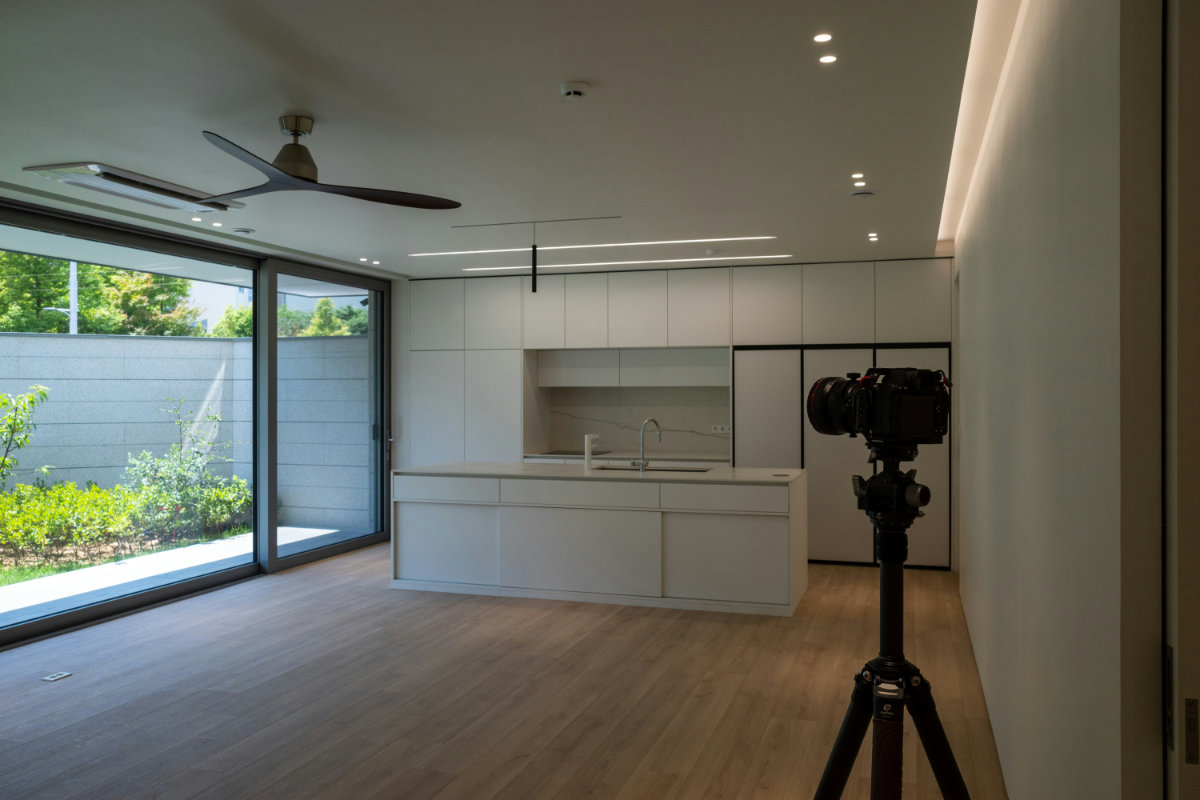
Add-ons are the foundation of a $100k+ real estate photography business. They require minimal additional time on-site but significantly increase your invoice total.
|
Add-on service |
Average industry price |
|
Aerial drone photos (5-10 shots) |
$125 – $225 |
|
Twilight / Dusk shoot (Virtual/Real) |
$150 – $300 |
|
3D virtual tour (Matterport/Zillow) |
$150 – $350 |
|
2D/3D floor plan measurement |
$75 – $150 |
|
Virtual staging (Per image) |
$30 – $60 |
|
Instagram / TikTok vertical reel |
$150 – $300 |
5. Operating costs: Gross revenue vs. net profit
When evaluating “how much do real estate photographers make”, it is important to distinguish between gross sales revenue and actual net take-home pay. Operating a photography business incurs startup investments and recurring operational costs.
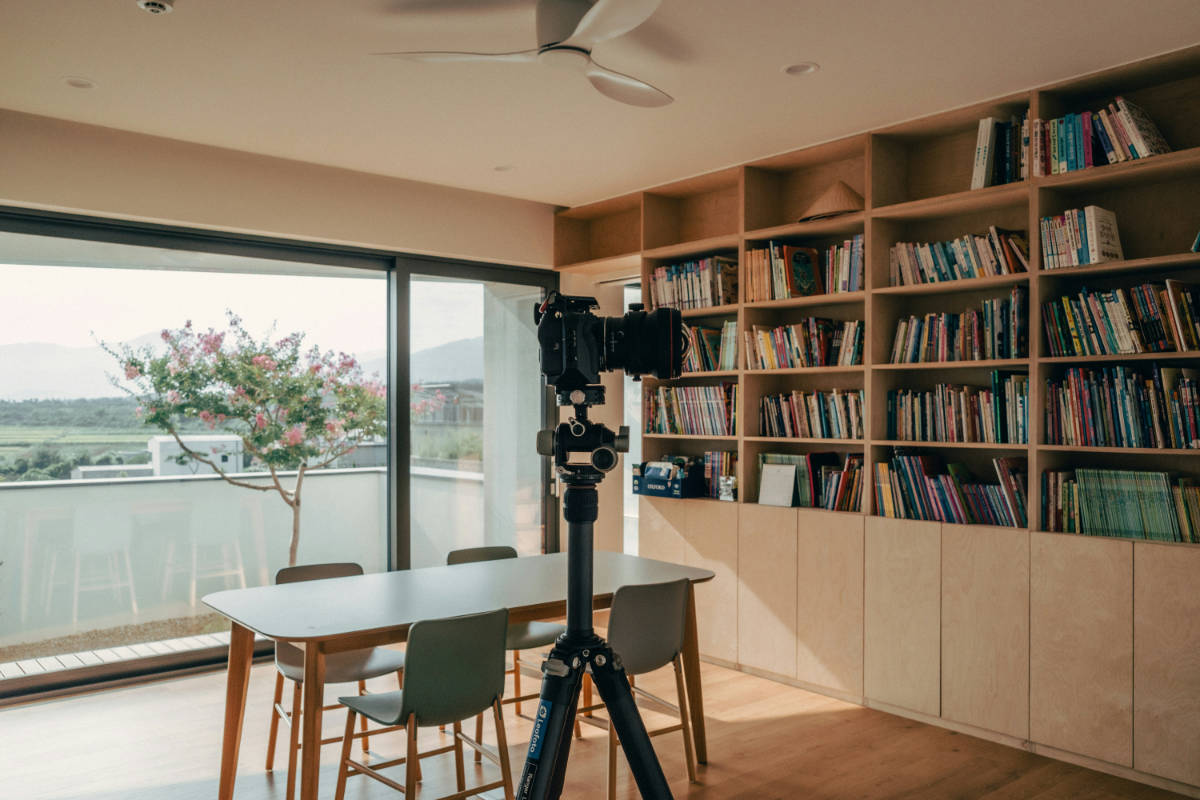
Expense breakdown table
|
Cost category |
Initial / Ongoing investment |
Description |
|
Camera & lenses |
$2,500 – $5,000 (One-time) |
Full-frame body, ultra-wide lens (16-35mm), sturdy tripod. |
|
Drone gear & licensing |
$800 – $1,800 (One-time) |
Commercial drone + FAA Part 107 certification fee (~$175). |
|
Outsourced editing fees |
$1.00 – $2.50 per image |
Professional editors handling HDR processing & sky replacements. |
|
Software & CRM hosting |
$100 – $250 / month |
Adobe Creative Cloud, HDPhotoHub/Aryeo CRM, client delivery platforms. |
|
Business insurance |
$500 – $1,200 / year |
Commercial general liability and equipment coverage. |
|
Vehicle & fuel expenses |
Variable ($300 – $600 / month) |
Driving between properties is typically your largest operational expense. |
6. Step-by-step blueprint: Building a 6-figure real estate photography business
To scale your real estate photography income past $100,000 per year, you need to shift your mindset from solo artist to efficient business operator. Here is a proven four-step blueprint:
6.1. Step 1: Delegate post-processing & editing
Editing HDR architectural images, masking windows, and balancing color temperatures takes significant time. A typical shoot takes 45 minutes on-site but can require 1.5 to 2 hours of editing back at your desk.
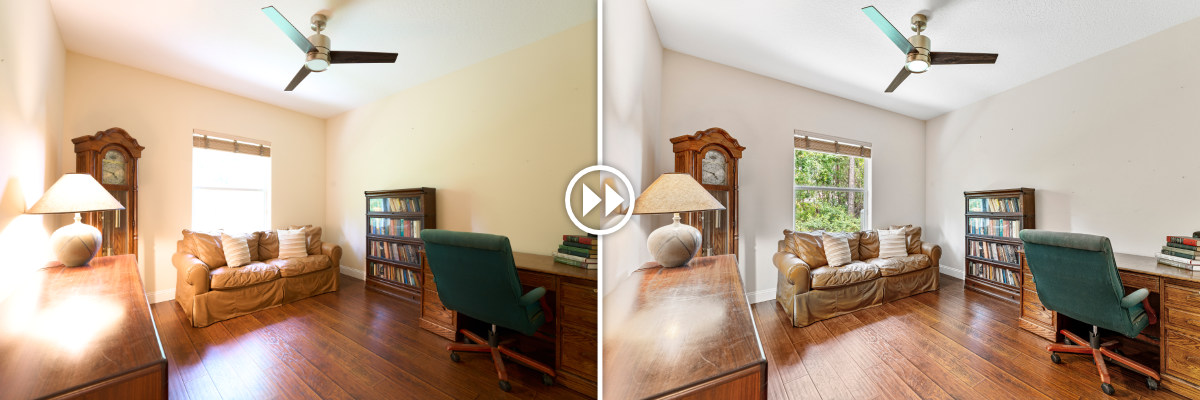 This edit alone can take up to 30 minutes of meticulous masking and adjusting to achieve.
By outsourcing your raw files to professional offshore real estate editing services like Fotober (at $1.00 to $2.00 per photo), you buy back hours of your day. This extra time allows you to fit 2 additional shoots into your schedule daily, turning $50 spent on editing into $600+ in extra gross revenue.
6.2. Step 2: Target top-producing real estate agents
In real estate media, customer acquisition costs are low because of high client retention. A productive real estate agent lists between 15 and 40 homes a year. Winning just 10 active, top-producing listing agents as recurring clients can secure your entire full-time workload year-round.
Actionable tactic: Offer a free add-on (such as a complimentary floor plan or drone upgrade) on your first shoot with a new listing agent to showcase your reliability and service speed.
6.3. Step 3: Transition to full media packages
Stop offering standalone photo shoots as your primary service. Position yourself as a total marketing partner. When agents book a single listing, present bundle options that include:
- Standard HDR photos
- Aerial drone stills
- Schematic floor plan
- Property video reel
By bundling these services, you raise your average order value from $200 to $450+, doubling your daily revenue without doubling your drive time.
6.4. Step 4: Dominate local SEO & Google Business Profile
Real estate agents often search Google for immediate local media support when their primary photographer is unavailable.
- Set up and optimize your Google Business Profile (e.g., "City Name Real Estate Photography").
- Actively collect 5-star reviews from every agent you serve.
- Post regular updates showcasing recent listing photos, drone shots, and video clips.
7. Frequently asked questions: How much do real estate photographers make?
Is a real estate photography career profitable in 2026?
Yes, a real estate photography career remains highly profitable. While real estate markets fluctuate, visual media remains an essential cost of doing business for listing agents. Photographers who adapt by offering vertical video reels, 3D digital twins, and rapid 24-hour delivery continue to see high profit margins.
Do I need a degree to start a real estate photography business?
No degree is required. Real estate agents evaluate photographers based on portfolio quality, turnaround speed, and professional reliability. However, obtaining an FAA Part 107 Commercial Drone License is legally required in the United States if you intend to take aerial photos or videos for business use.
How much does a drone real estate photographer make?
Adding drone media capabilities generally increases a photographer's base earnings by 20% to 35%. Drone-certified photographers charge an additional $100 to $250 per property for aerial stills and video clips, making drone integration one of the highest ROI investments in real estate photography.
How many properties can a photographer shoot in one day?
An efficient solo real estate photographer who outsources post-processing editing can shoot 3 to 5 average-sized homes per day. Assuming an average order value of $300 per home, daily gross revenue can reach $900 to $1,500.
8. Conclusion
So, how much do real estate photographers make?
- As an entry-level or W-2 employee, you can expect to earn $35,000 to $55,000 per year while developing core industry skills.
- As a solo freelance business owner, your earning potential increases to $65,000 to $120,000 per year.
- By scaling a multi-photographer real estate media agency, leveraging outsourced post-processing, and offering premium video and 3D media bundles, gross revenues can surpass $200,000+ annually.
If you possess strong camera skills, enjoy working in a fast-paced environment, and are prepared to build relationships with local real estate professionals, launching a real estate photography business offers a flexible and lucrative career path. If you are beginning in real estate photography, you can get a kickstart with our detailed career guide.
Follow us on social media to get the latest insights into real estate media and post-processing services.
- Facebook: fotobermedia.co
- YouTube: Fotober
- TikTok: @fotober
- Instagram: fotober_media.
Related posts

Cincinnati Housing Market 2026: Prices, Trends, and What It Means for Buyers, Sellers, and Investors
October 20, 2026

Modern Luxe Interior Design: Elements, Style Guide and How to Stage It
October 10, 2026

Minimalist Interior Design: Characteristics, Style Guide, and Staging
October 8, 2026

Coastal Interior Design: Style Definition & Staging Guide
September 30, 2026
