




Hot Car Trends 2026: How Dealers Can Adapt and Sell Smarter with Video

Share:
Table of Contents
The automotive industry is entering one of its most transitional phases in recent years. For dealerships and automotive marketers, understanding the hot car trend 2026 is no longer optional, it is a strategic necessity.
In past years, identifying trends meant predicting which models would sell best. In 2026, however, the meaning of trend has evolved. The trending car models reflect broader behavioral changes: how buyers research, how they compare, and how they decide, often before setting foot inside a dealership.
For dealer principals, marketing directors, and automotive strategists, the question is not simply which vehicles to stock. The real question is: How do you align your presentation and marketing strategy with how modern buyers actually behave?
1. Why hot car trends 2026 matter for dealers
When industry professionals discuss the US car buyer preferences 2026, the conversation often centers on new product cycles, redesigned SUVs, EV launches, or emerging performance models. Those elements absolutely matter. They shape headlines and influence brand positioning. But they are only part of the story.
In 2026, the deeper shift embedded within the car trend is behavioral. The real transformation is happening not inside factories or design studios, but inside the buyer’s decision-making process.
1.1. 2026 is less about “what’s hot” and more about how buyers decide
The most important change defining the trending car models 2026 is how buyers move from interest to commitment.
Today’s automotive customer is digitally empowered. Before stepping into a dealership, they typically:
- Research vehicles extensively online
- Compare pricing across multiple dealerships
- Evaluate trims and packages
- Watch video walkarounds and feature highlights
- Read reviews and examine social proof
- Assess dealership reputation
By the time a buyer reaches out to a sales team, they’re typically already deep into the decision, AutoTrader’s Automotive Buyer Influence Study found that roughly 70–77% of shoppers ultimately purchased the same make/model they already had in mind when they first visited a dealership.
This changes the power dynamic of the sales process.
In previous years, the showroom experience carried the greatest influence. In 2026, the early digital experience carries more weight than the in-person interaction. The hot car trending reflects a digital-first buying journey, where perception is formed long before physical contact.
For dealers, this means one thing: the first impression no longer happens on the lot, it happens on a screen.
1.2. The gap between dealer expectations and 2026 car buying trends
Despite this shift, many dealerships still operate under assumptions shaped by past decades:
- Competitive pricing drives volume
- Physical location influences traffic
- Larger inventory guarantees higher sales
While these factors remain relevant, they no longer guarantee performance. Actual 2026 car buying trends show something more nuanced.
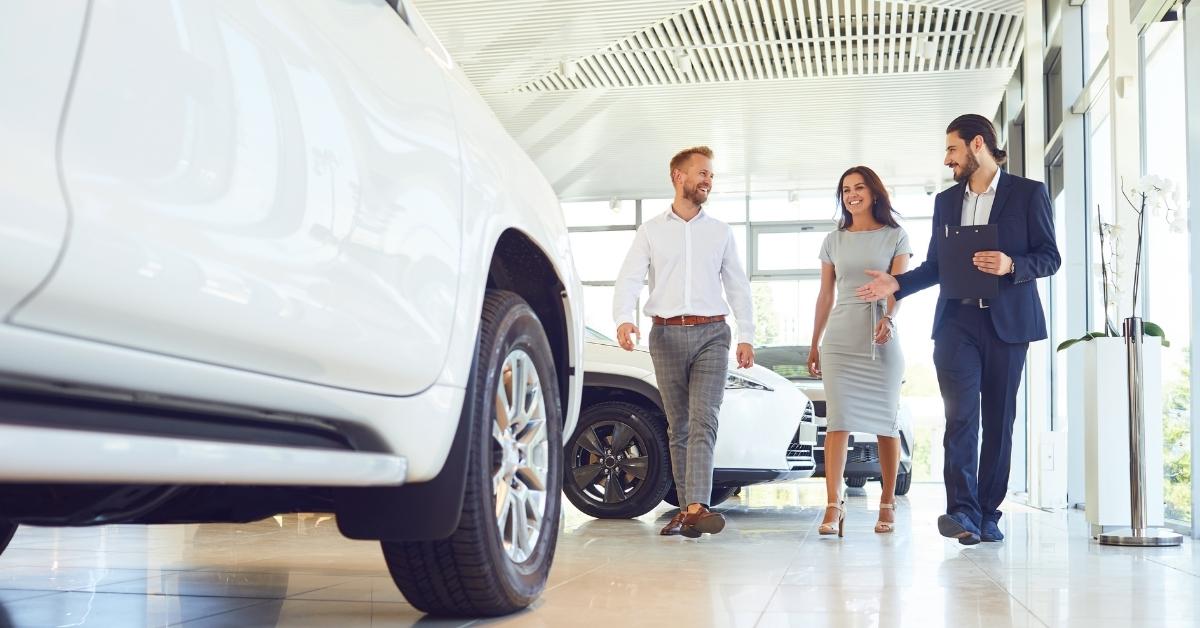
The pesentation now directly influences perceived value
Modern buyers expect:
- Immediate visual clarity
- Transparent explanations of features and differences
- High-quality photos and video
- Consistent, professional presentation across listings
If two dealerships offer the exact same vehicle at similar pricing, buyers consistently gravitate toward the one that communicates value more clearly and confidently. This is the central tension within the hot car trend 2026: presentation now directly influences perceived value (reported by Deloitte Automotive Consumer Study)
In other words, how a car is presented often matters as much as the car itself. Are today’s buyers choosing vehicles based purely on specifications or based on how clearly those specifications are communicated online?
This question sits at the core of the car market in 2026. Specifications still matter. But clarity, structure, and visual trust now determine whether those specifications resonate.
1.3. Why understanding behavior matters more than inventory
Inventory remains essential. No dealership can succeed without desirable models. However, inventory without strategic presentation underperforms in the current market.

Behavior matters more than inventory
The 2026 car buying trend rewards dealerships that:
- Understand buyer psychology
- Optimize digital visibility
- Invest in structured, high-quality presentation
- Align marketing assets with real decision-making behavior
Dealers who ignore these shifts may carry popular vehicles yet struggle with engagement, lead quality, and conversion rates. The takeaway is clear. The hot car trend 2026 is not merely about which vehicles dominate headlines. It is about how vehicles are discovered, evaluated, and trusted in a digital-first environment.
Dealerships that recognize this behavioral evolution early will position themselves ahead of competitors who focus solely on inventory acquisition. In 2026, the winning strategy begins before the buyer ever arrives, and often before they ever call.
2. What’s driving car demand in 2026
To understand the trending car models 2026, you have to look beyond model-year refreshes and headline-grabbing power figures. The real story isn’t just what manufacturers are building, it’s what buyers are prioritizing. And when you examine transaction data, consumer research, and shifting segment performance, a consistent pattern emerges: demand in 2026 is being shaped by rational decision-making as much as emotional appeal.
The 2026 car buying trends is not about extremes. It is about alignment, with lifestyle, long-term value, and digital transparency.
2.1 Shifts in US car buyer preferences 2026
The strongest force behind the car trend is the evolution of 2026 car buying trends. Today’s buyer is informed, comparative, and financially aware in ways that were far less common a decade ago
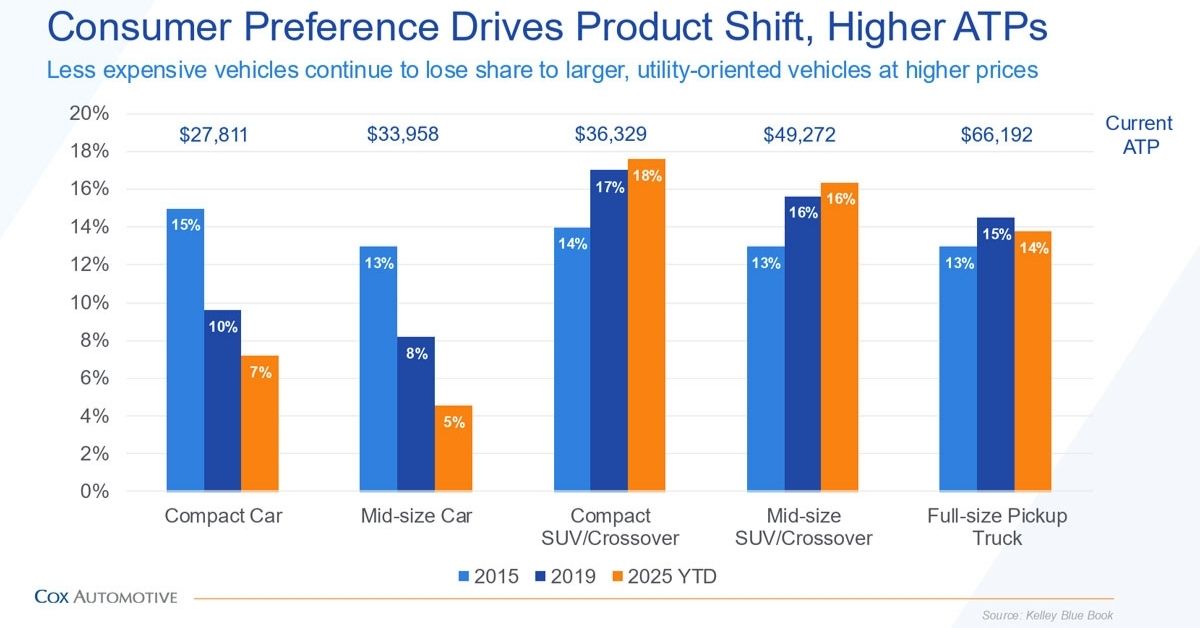
Reported by Kelley Blue Book in COX Automotive
Long-term cost awareness now acts as a primary filter. Buyers are evaluating total cost of ownership, not just monthly payments. They compare:
- Maintenance projections
- Warranty coverage
- Resale value expectations
- Insurance costs
- Fuel economy data
Reliability has regained its position as a decisive factor. In an era of rapid innovation, many consumers prioritize proven durability over experimental novelty. Technology integration also plays a defining role. However, buyers are no longer impressed by complexity for its own sake. They expect intuitive infotainment systems, seamless smartphone integration, and driver-assistance features that genuinely enhance safety.
Environmental consideration is present, but pragmatic. For many, sustainability aligns with efficiency. Lower fuel consumption and long-term operating savings often carry more weight than branding narratives. The hot car trend 2026 therefore reflects practicality combined with innovation. It rewards vehicles that solve problems rather than simply create excitement.
2.2 Lifestyle, usability, and long-term value
Modern car buyers evaluate vehicles through the lens of daily life. Their questions are functional:
- Does this vehicle fit my commute and weekend activities?
- Will it accommodate family changes?
- Is it adaptable to future needs?
This is one reason crossovers and compact SUVs continue to dominate the market. They offer flexibility without the operating costs of larger vehicles. Elevated seating positions, cargo capacity, and all-weather capability align naturally with real-world use cases.
The hot car trend 2026 shows sustained strength in segments that balance comfort, efficiency, and versatility. Long-term value also influences purchasing decisions. Buyers want vehicles that age well, mechanically and technologically. A car that feels outdated within two years loses appeal. Vehicles that offer software updates, advanced safety systems, and timeless design gain advantage.
For dealers, this means understanding that shoppers are not simply choosing transportation. They are choosing an integrated lifestyle asset.
2.3 Electric vs hybrid cars 2026
The ongoing discussion around electric vs hybrid cars 2026 remains central to the US car buyer preferences.
EV adoption continues to grow, particularly in metropolitan regions where charging infrastructure is expanding. For some buyers, electric vehicles represent innovation, lower operating costs, and future-focused ownership. However, hybrids remain highly attractive nationwide. Industry research from McKinsey Mobility suggests that their advantages are practical:
- Familiar fueling habits
- Lower upfront acquisition cost
- Reduced range anxiety
- Smooth transition from traditional combustion engines
The trending car models 2026 suggests coexistence rather than dominance. Both categories satisfy different buyer priorities.
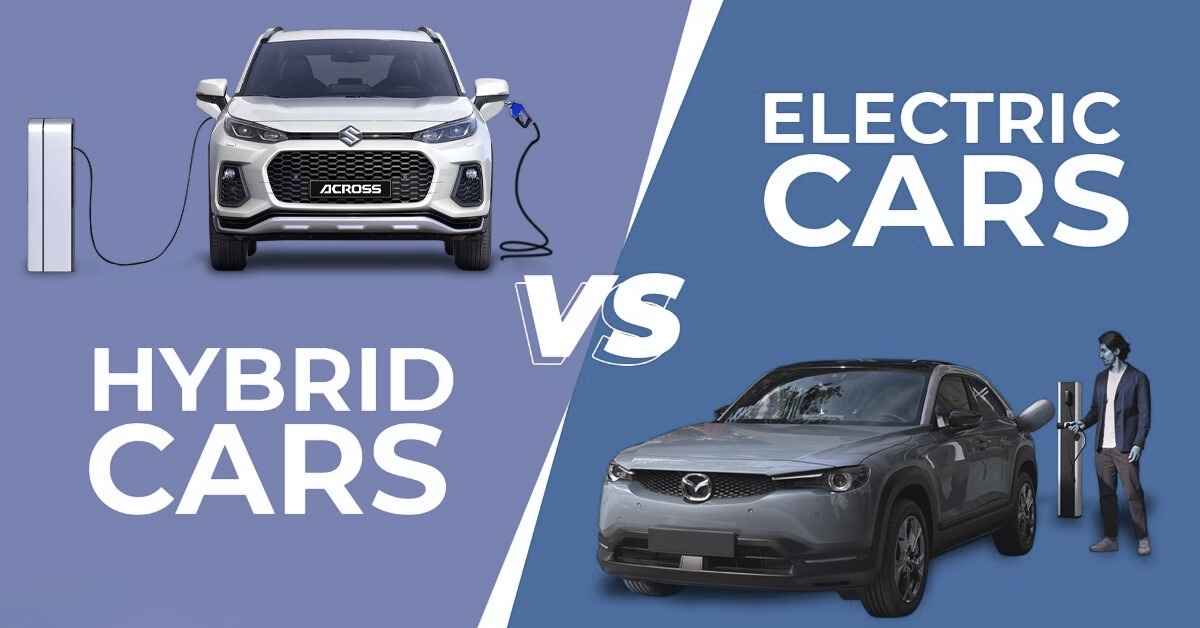
Electric vs hybrid cars 2026
Dealers who clearly explain the differences between electric vs hybrid cars 2026, including charging logistics, cost implications, and resale considerations, position themselves as advisors rather than sales intermediaries. That advisory role builds trust in a market defined by information access.
2.4 Pre-dealership evaluation
A defining characteristic of the hot car trend 2026 is pre-qualification before physical interaction.
Pre-qualification before physical interaction
Today’s buyers:
- Watch multiple video walkarounds
- Compare interior layouts visually
- Evaluate infotainment systems online
- Examine exterior finishes in high resolution
- Judge overall quality through digital presentation
By the time they visit a dealership, emotional decisions are already influenced. The shortlist has been formed. Expectations are established. This digital vetting process fundamentally reshapes sales dynamics. The dealership’s online presentation becomes the first test of credibility.
In this context, the US car buyer preferences 2026 is driven not only by engineering and design but also by visibility, clarity, and digital storytelling. Dealers who understand these demand drivers, behavioral, technological, and psychological, are better positioned to align inventory with how buyers actually make decisions in 2026.
3. Top 10 Best New Cars Coming In 2026
In 2026, the following models reflect the core pillars of the trending car models: efficiency, electrification, technology integration, practicality, and lifestyle alignment. Each vehicle below represents more than just a product launch; it signals where demand is moving and how buyer expectations are evolving. Understanding why these models matter will help dealers interpret the broader market, not just chase headlines.Let explore top 10 best new cars coming in 2026 below:
3.1 Toyota Camry (Hybrid)
The redesigned Toyota Camry entering 2026 as a fully hybrid lineup is a powerful signal of where mainstream demand is headed. Long recognized for reliability and resale strength, the Camry has historically appealed to buyers seeking low ownership risk. By transitioning to hybrid-only powertrains, Toyota reinforces its commitment to efficiency without sacrificing familiarity.
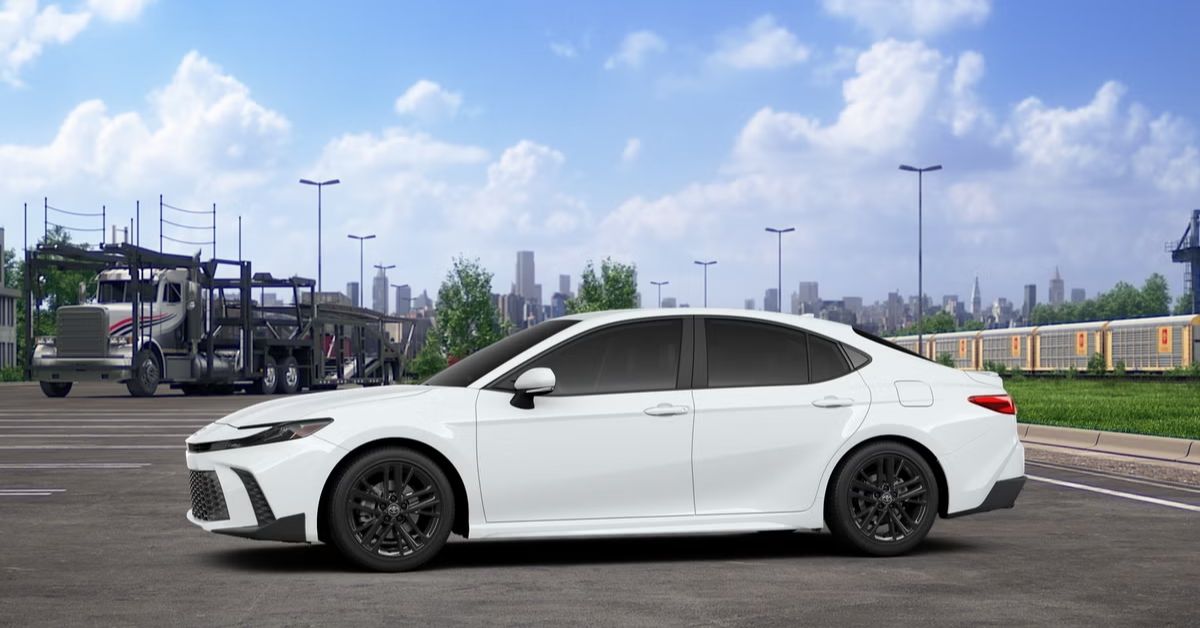
Camry Hybrid
This move aligns directly with the hot car trend 2026, where practicality and long-term operating cost matter more than aggressive performance metrics. Buyers increasingly evaluate vehicles based on lifetime fuel savings and maintenance predictability. The Camry Hybrid delivers strong MPG figures while preserving the smooth drivability customers expect from a midsize sedan.
From a dealership perspective, the Camry Hybrid represents an opportunity to market fuel economy leadership alongside proven dependability. In an era shaped by evolving electric vs hybrid cars 2026 discussions, this model offers a low-friction entry into electrification, no charging infrastructure required, no learning curve, just improved efficiency.
3.2 Honda Civic Hybrid
The Honda Civic Hybrid captures another important aspect of the car market: efficient performance in a compact, accessible package. The Civic has long balanced driving engagement with affordability, and the hybrid variant extends that formula with meaningful fuel savings and upgraded interior refinement.
Younger buyers and urban commuters gravitate toward vehicles that offer style, technology, and manageable operating costs. The Civic Hybrid answers all three. It reflects the growing sophistication of US car buyer preferences 2026, where consumers want efficiency but still expect responsive handling and modern design.
This model also reinforces how hybrid technology has moved into the mainstream. Rather than feeling experimental, it feels mature and integrated. Dealers who position the Civic Hybrid as a smart long-term investment, rather than just an eco-conscious option, will tap directly into the psychology driving the hot car trend in 2026.
3.3 Rivian R2
The Rivian R2 represents the expansion phase of the EV market. As a compact electric SUV priced below the brand’s earlier offerings, it signals an effort to make premium electric mobility more accessible. Within the context of trending car models in 2026, the R2 stands out because it bridges aspiration and attainability.
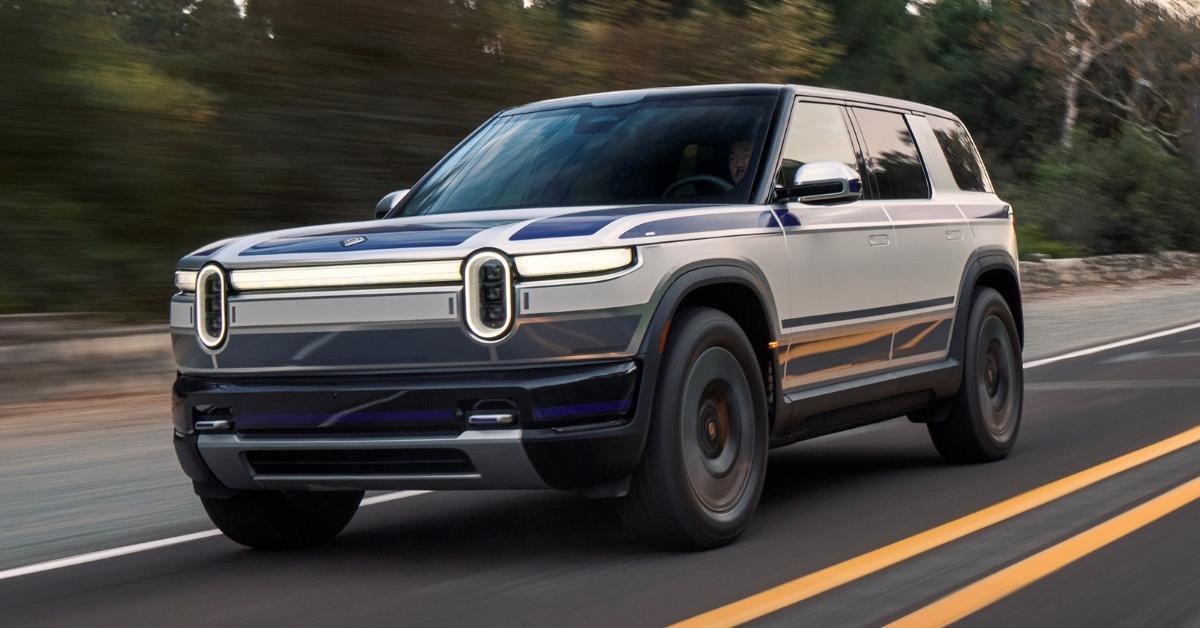
The Rivian R2
Electric adoption continues to grow, particularly among tech-forward consumers. However, price sensitivity remains real. The R2 attempts to solve that equation. It offers rugged styling, advanced driver-assistance systems, and modern digital interfaces in a smaller footprint.
This vehicle embodies the innovation side of the hot car trend in 2026. It also reinforces how lifestyle branding plays a role in purchasing decisions. Buyers are not just choosing range and battery size, they are choosing identity.
For dealers, the R2 highlights the importance of clear EV education. Explaining charging logistics, range expectations, and cost comparisons within the broader electric vs hybrid cars 2026 conversation will be essential.
3.4 Toyota RAV4 (Next-Gen)
Few vehicles illustrate sustained demand better than the Toyota RAV4. The next-generation update strengthens its hybrid positioning and reinforces compact SUV leadership.
The RAV4’s continued dominance reflects a defining element of the hot car trend 2026: versatility. Buyers consistently choose compact SUVs for their balance of cargo space, drivability, and fuel efficiency. Hybrid enhancements only increase its appeal.
The updated model integrates improved infotainment and safety systems, responding to 2026 car buying trends that prioritize intuitive technology and transparency. Dealers can confidently position the RAV4 as a safe, scalable choice for families and professionals alike.
3.5 Honda Prelude
The return of the Honda Prelude as a hybrid coupe blends nostalgia with modernization. It appeals to buyers who value emotional connection but still prioritize efficiency.
Within the hot car trend in 2026, this model shows that performance and sustainability are not mutually exclusive. By combining heritage design cues with hybrid power, Honda targets enthusiasts who also recognize long-term cost realities.
For dealerships, the Prelude offers storytelling potential, bridging brand history with future-focused engineering.
3.6 Hyundai Palisade (Redesign)
The redesigned Hyundai Palisade strengthens its position in the competitive three-row SUV segment. With refined styling, upgraded interior materials, and enhanced technology, it appeals to families seeking premium comfort without luxury pricing.
Family-oriented buyers remain central to the hot car trend 2026, and the Palisade directly addresses lifestyle demand. Safety features, infotainment usability, and interior flexibility drive purchasing decisions. Dealers can position the Palisade as a high-value alternative to more expensive competitors, emphasizing long-term practicality.
3.7 Subaru Forester
The redesigned Subaru Forester reinforces reliability and all-weather capability. Subaru’s reputation for durability resonates strongly with buyers who prioritize long-term ownership confidence.
In the broader hot car trend 2026, the Forester represents the practical, risk-averse side of the market. Its symmetrical all-wheel drive and safety technology appeal to suburban families and outdoor-oriented consumers.
Dealers should highlight its predictable performance and resale strength, attributes aligned with evolving US car buyer preferences 2026.
3.8 Cadillac Escalade IQ
The Cadillac Escalade IQ marks a dramatic shift in the luxury SUV space. Fully electric and technologically advanced, it redefines what a flagship SUV can represent.
This model captures the premium end of the hot car trend 2026. Buyers in this segment expect cutting-edge infotainment, advanced driver assistance, and commanding design. The Escalade IQ also demonstrates how electrification is penetrating high-end markets, further shaping discussions around electric vs hybrid cars 2026.
3.9 Kia K4 Hatchback
The Kia K4 Hatchback replaces the Forte with a fresh, urban-focused design. Compact yet stylish, it appeals to younger buyers seeking affordability without sacrificing aesthetics.
Within trending car models 2026, this vehicle reflects demand for practical city mobility. Its efficient powertrains and contemporary interior design align with cost-conscious yet design-aware shoppers. Dealers can position it as a smart first-car option or commuter upgrade.
3.10 BMW 3 Series (Updated)
The updated BMW 3 Series maintains its status as a benchmark for compact luxury performance. Enhanced technology and refined interiors keep it competitive. Performance remains relevant within the hot car trend 2026, but buyers now expect performance integrated with efficiency and connectivity. The 3 Series delivers that balance.
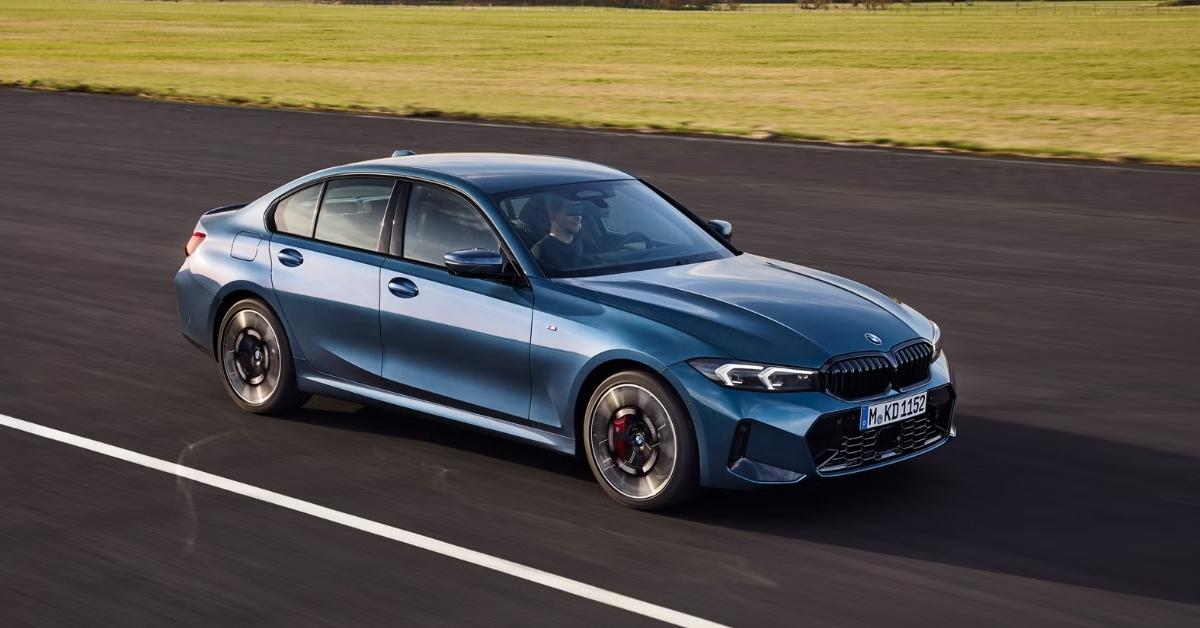
The updated BMW 3 Series
These trending car models 2026 collectively reflect the broader market: efficiency, technology integration, practicality, and lifestyle adaptability.
However, listing trending car models 2026 alone does not guarantee sales. In a market shaped by digital-first evaluation, dealers must present these vehicles strategically, through clear storytelling, structured video, and professional visual presentation to convert attention into action.
4. Why video and photo editing drive car sales in 2026
The most underestimated factor within the hot car trend 2026 is not horsepower, range, or even pricing strategy. It is a digital presentation.
In a market where buyers shortlist vehicles before speaking to a salesperson, how a car appears online can determine whether it ever enters consideration. Dealers often invest heavily in inventory acquisition and pricing analysis, yet underinvest in the one element buyers interact with first: visual content. The US car buyer preferences 2026 is shaped by digital-first evaluation. And in that environment, editing is not decoration, it is communication.
4.1 Editing shapes perception, not just visuals
Raw footage captures a vehicle. Editing communicates its value. A walkaround shot in natural light may show a car accurately, but without structure, viewers may miss its strongest attributes. Editing determines what buyers notice first and what they remember most.
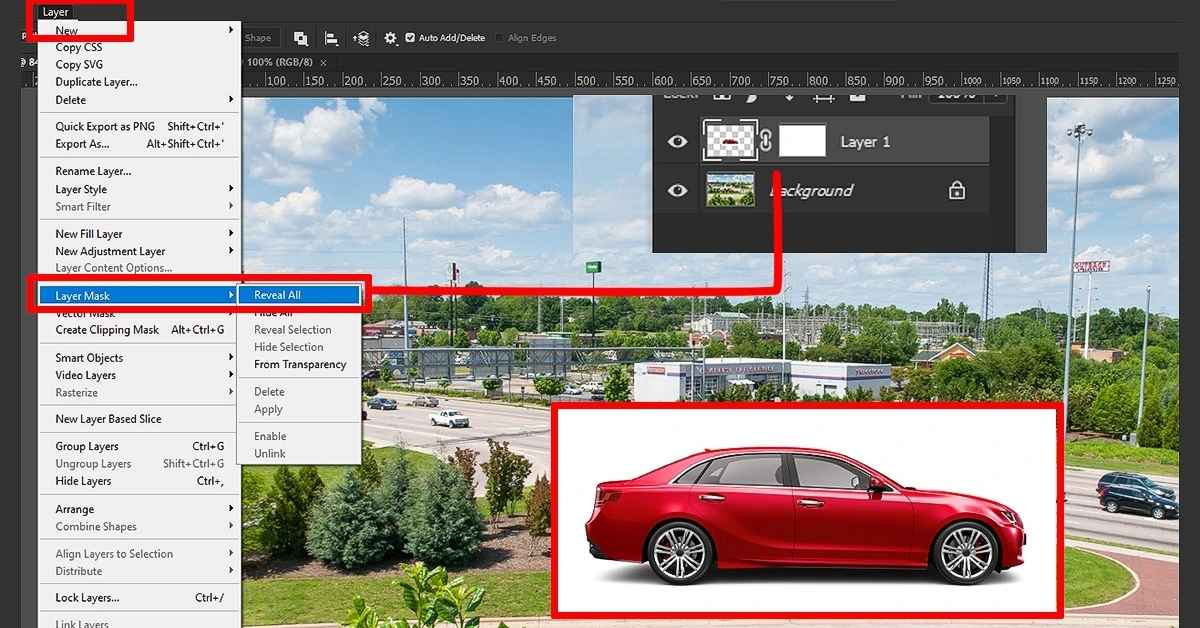
Editing communicates its value
Effective editing controls:
- Feature prioritization (which elements receive emphasis)
- Emotional tone (sporty, refined, practical, premium)
- Information clarity (how easily viewers understand key selling points)
In the context of the hot car trend 2026, where buyers are evaluating multiple vehicles quickly, clarity becomes a competitive advantage. A well-edited video doesn’t just show a car, it guides the viewer through a logical narrative.
For example, highlighting cargo flexibility early in a compact SUV video speaks directly to family buyers. Emphasizing charging interface simplicity in an EV addresses range anxiety before it forms. Editing becomes the tool that translates engineering into understanding. Structured storytelling reduces confusion, reduced confusion increases engagement.
4.2 Video editing turns attention into engagement
Attention is fragile. Engagement is earned.
Today’s buyers consume content rapidly. According to evolving 2026 car buying trends, many shoppers watch videos before reading full specifications. That means the first 30 seconds of a vehicle video may carry more influence than a full spec sheet.
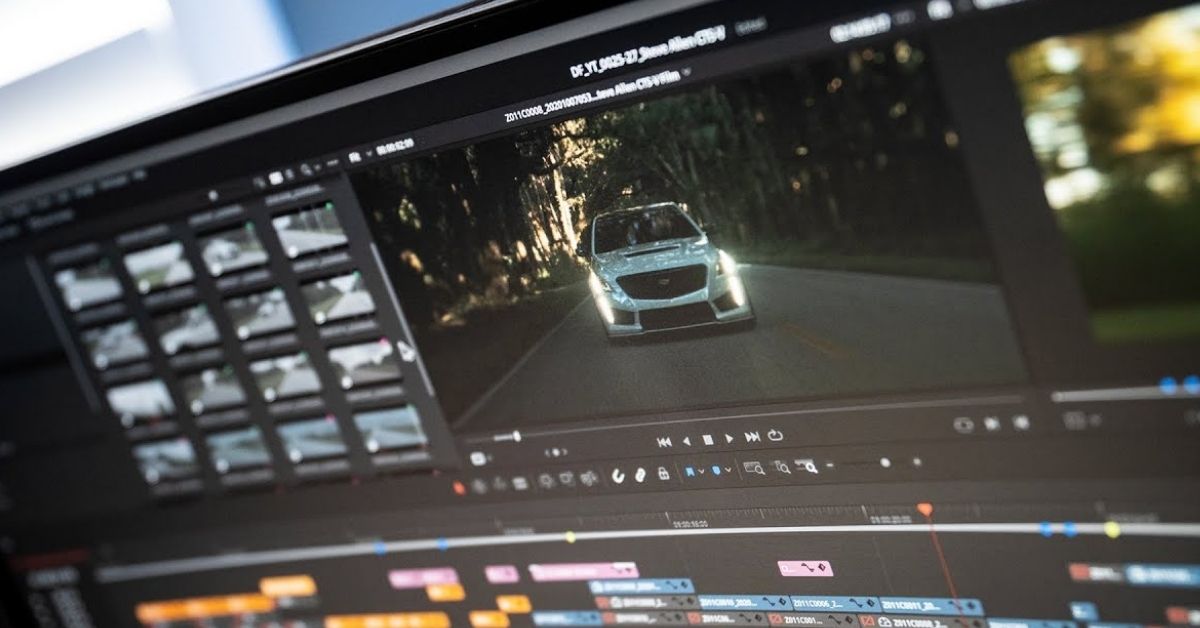
Today’s buyers consume content rapidly
Structured walkarounds matter. A logical progression: Exterior → Interior → Technology → Lifestyle, mirrors how buyers mentally evaluate vehicles. This sequencing aligns with the decision-making psychology embedded within the hot car trend 2026.
Clear pacing prevents drop-off. Smooth transitions maintain flow. Text overlays clarify trim levels and features without overwhelming the viewer. When editing aligns with attention patterns, video becomes the primary trust-building tool.
If buyers spend more time watching videos than reading descriptions, is your dealership optimizing the one format that influences decisions most?
This question reinforces the behavioral core of the hot car trend in 2026. Dealers who treat video as optional marketing are misaligned with how buyers actually decide.
4.3 Professional photo editing increases perceived value
While video captures motion and narrative, photography remains foundational. Listings often begin with static images. Those images establish credibility instantly.
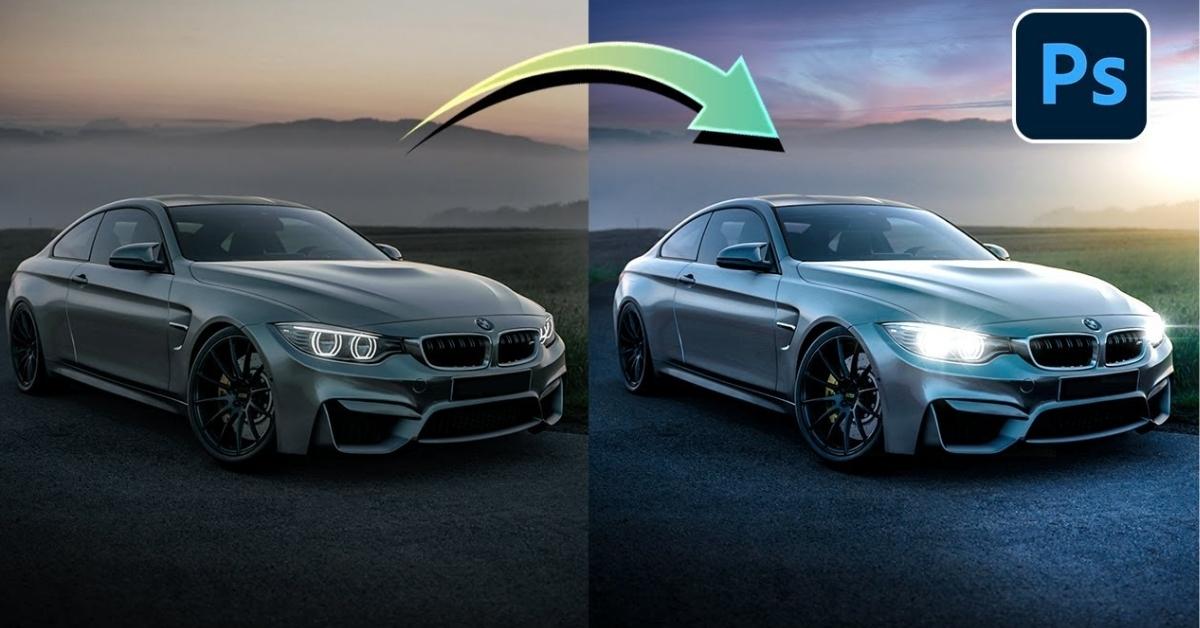
Images establish credibility instantly
Consistent lighting builds trust. Balanced exposure prevents misinterpretation of paint color. Clean composition reduces distractions. Removing background clutter directs focus toward the vehicle itself. High-quality visuals align directly with US car buyer preferences 2026, where professionalism and transparency are expected. Buyers interpret sloppy or inconsistent imagery as a signal of carelessness, even if the vehicle itself is excellent.
In the hot car trend 2026, perception influences price tolerance. A professionally edited image can elevate perceived quality. In contrast, poorly lit photos can undermine value. Photo editing is not about manipulation. It is about clarity.
4.4 Scalable editing support gives dealers a competitive edge
High inventory volume demands consistency. As dealerships expand digital marketing across websites, marketplaces, and social platforms, maintaining uniform standards becomes challenging.
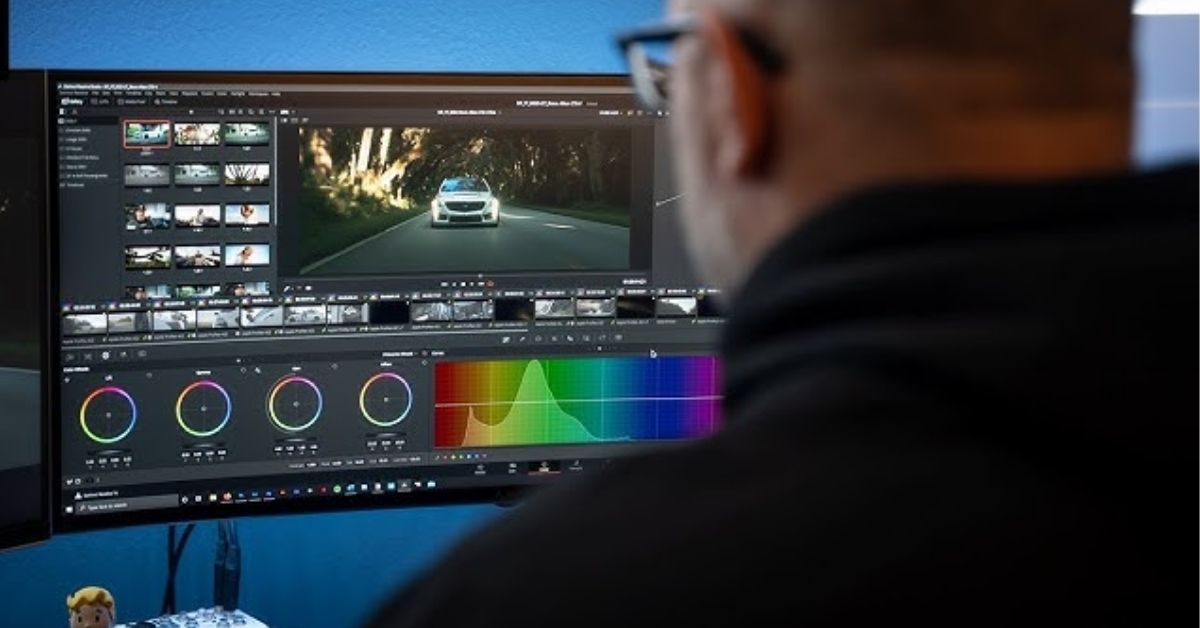
High inventory volume demands consistency
Professional post-production ensures:
- Faster listing turnover
- Cohesive brand identity across platforms
- Platform-ready formatting for websites, paid ads, and social media
- Visual consistency that reinforces dealership credibility
In an environment shaped by the hot car trend 2026, scalability matters. Dealers cannot afford delays in digital presentation. Vehicles must appear online quickly, and appear professionally.
This is where specialized support becomes strategic. Fotober supports dealerships with dedicated car video editing and automotive photo enhancement services. By aligning vehicle presentation with the 2026 car buying trends, Fotober helps transform raw footage into structured, sales-ready digital assets that match modern buyer expectations.
In today’s market, editing is not cosmetic. It is strategic positioning. It shapes how vehicles are perceived, how confidently they are evaluated, and how effectively they convert interest into inquiry. Dealerships that recognize this reality will not just follow the car market in 2026, they will capitalize on it.
Conclusion
The hot car trend 2026 reflects a transformation in buyer behavior, digital expectations, and presentation standards.
Dealers who execute through a strong visual strategy will gain results. In the era of crowded markets, vehicles are judged before they are driven. Presentation influences trust. Trust influences conversion. The difference between a popular model and a sold vehicle increasingly comes down to how effectively it is presented online.
For dealerships ready to align with the trending car models 2026, investing in professional video and photo editing is not just marketing, it is a competitive advantage.
-
Facebook: fotobermedia.co
-
YouTube Channel: Fotober
-
TikTok Channel: @fotober
-
Instagram: fotober_media
-
Email support: [email protected]
-
Hotline: +84 942 110 297
Related posts
Cincinnati Housing Market 2026: Prices, Trends, and What It Means for Buyers, Sellers, and Investors
October 20, 2026

Modern Luxe Interior Design: Elements, Style Guide and How to Stage It
October 10, 2026

Minimalist Interior Design: Characteristics, Style Guide, and Staging
October 8, 2026

Coastal Interior Design: Style Definition & Staging Guide
September 30, 2026
