




Car Video Editing Pricing: 5 Factors That Drive Up Costs (and How to Save Money)

Share:
Table of Contents
Automotive marketing in the social media era is like a race where only a split second can separate a winning listing from a runner-up. Whether you are a reputable dealership looking to relocate or a car influencer trying to make a name for yourself, the quality of your visual content is a silent “seller”. However, capturing stunning raw footage of a car is only the first lap. The cinematic "glossy finish" that you can rely on to turn a casual viewer into a lead takes place in the editing process. As the demand for high-quality video content skyrockets, most creators can be found scratching their heads about a tricky question: What is the standard car video editing pricing?
This guide is going to take you through the financial side of the automobile video marketing scene. We will break down the governing factors that drive the costs, compare different pricing models, and evaluate whether a human touch still triumphs against a sophisticated algorithm in 2026.
1. What affects car video editing pricing?
Video editing can be as meticulous and surgically precise as assembling a car. Understanding car video editing pricing requires looking under the hood of the post-production process. Much like a car's price depends on its engine, trim, and performance features, the cost of editing is driven by several prominent factors.
1.1. Source footage quality and volume
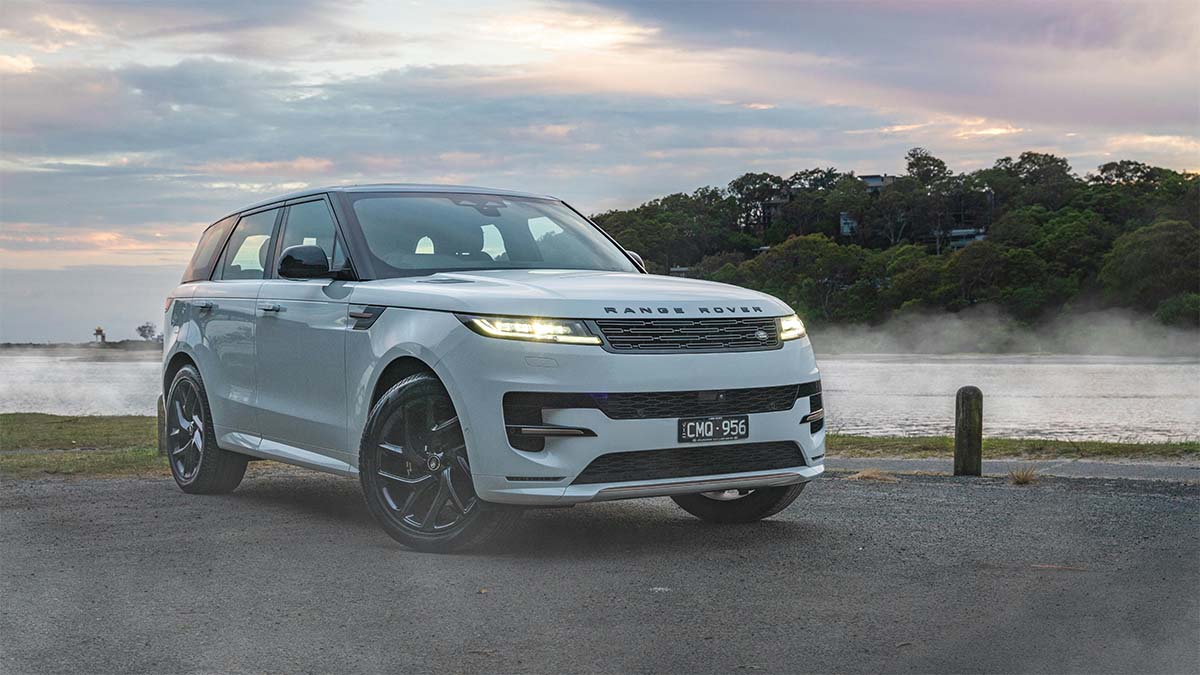
It may not be as apparent as other factors, but the "raw materials" you provide can wildly change the final car video editing cost. Generally speaking, the more source footage for an editor to handle, the higher the total cost will be. If the project contains hours of 4K or 8K RAW footage shot on cinema cameras like a RED or Blackmagic, the editor also needs accordingly capable hardware. It takes a good modern CPU-GPU combo to decode all those data-rich formats. Additionally, the post-production team will need up to 5-10 times more available disk space for storage compared to highly compressed codecs and even more time for creating proxy files or rendering. In contrast, editing a few iPhone clips is less taxing but editors won’t have as much leeway to polish them.
 Car video editing projects need intensive processing
1.2. Technical complexity and visual effects (VFX)
This is the primary driver of automotive video editing pricing. Basic editing, like simply cutting clips and adding music, is affordable. However, truly achieving the "automotive aesthetic" is not like a walk in the park and often calls for:
- Speed ramping: Tightly timing the acceleration of the car to the groove of the soundtrack.
- Masking and tracking: If you need to conceal a license plate or change the color of the car's wheels for creative purposes, there must be meticulous tracking on a per-frame level.
- Sky replacements: Changing a dull sky to a "golden hour" sunset can make the basecoat's colors pop more while the clearcoat shines gloriously. The more corrections or enhancements the video needs, the more you should expect to invest.
1.3. Advanced color grading
Every automotive promotion video regards the car as its main star. Everything from the body kit’s paint to the windshield and wheels must exhibit a sense of authority and flawless manufacturing. Thus, professional color grading can’t be watered down as simple filters. It involves carefully isolating the car to manipulate its contrast and saturation without messing up the background. This intensive approach ensures that a distinctive “Kyalami Green” Audi RS3 or a light-blue Bentley Continental GT Jetstream II, for example, are presented faithfully to how they appear in the showroom or in every car magazine and catalogue. Apparently, knowing what makes a deluxe vehicle stand out and how to realize that vision is a major factor in premium car video editing pricing.
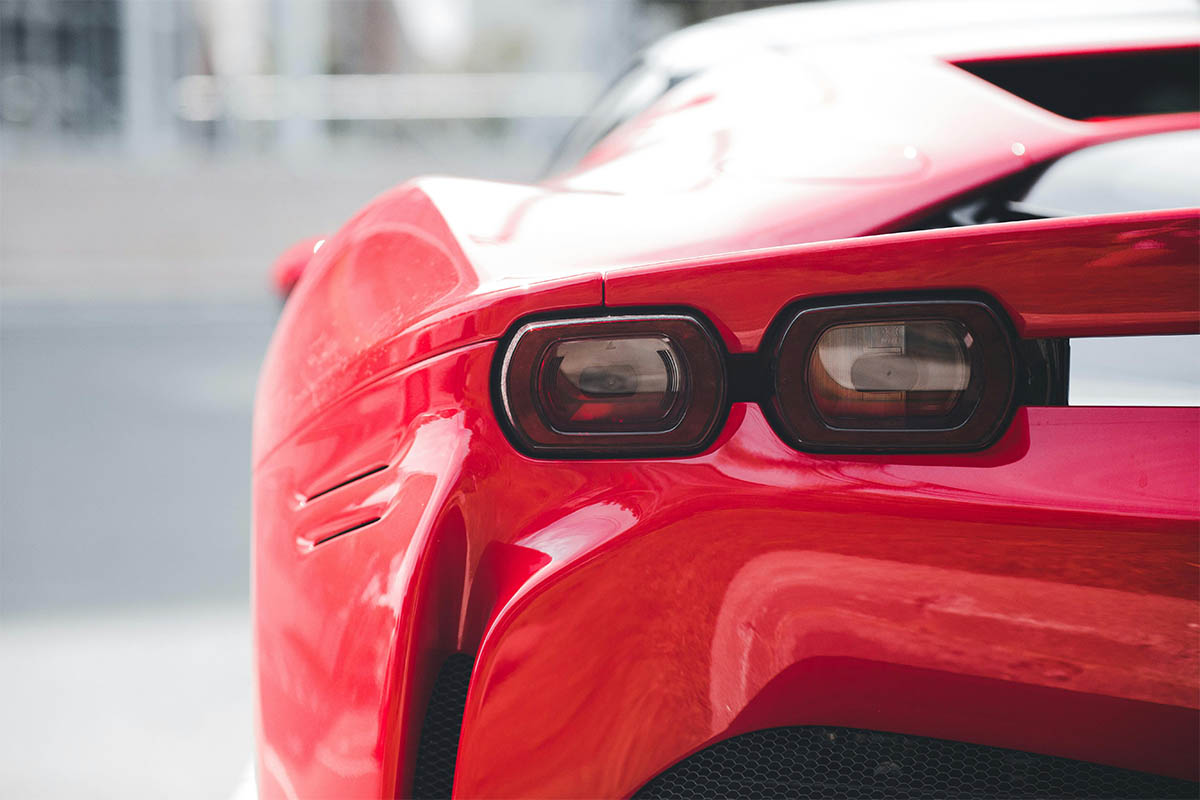 Color grading makes the car “pop” more in the frame
1.4. Sound design and Foley
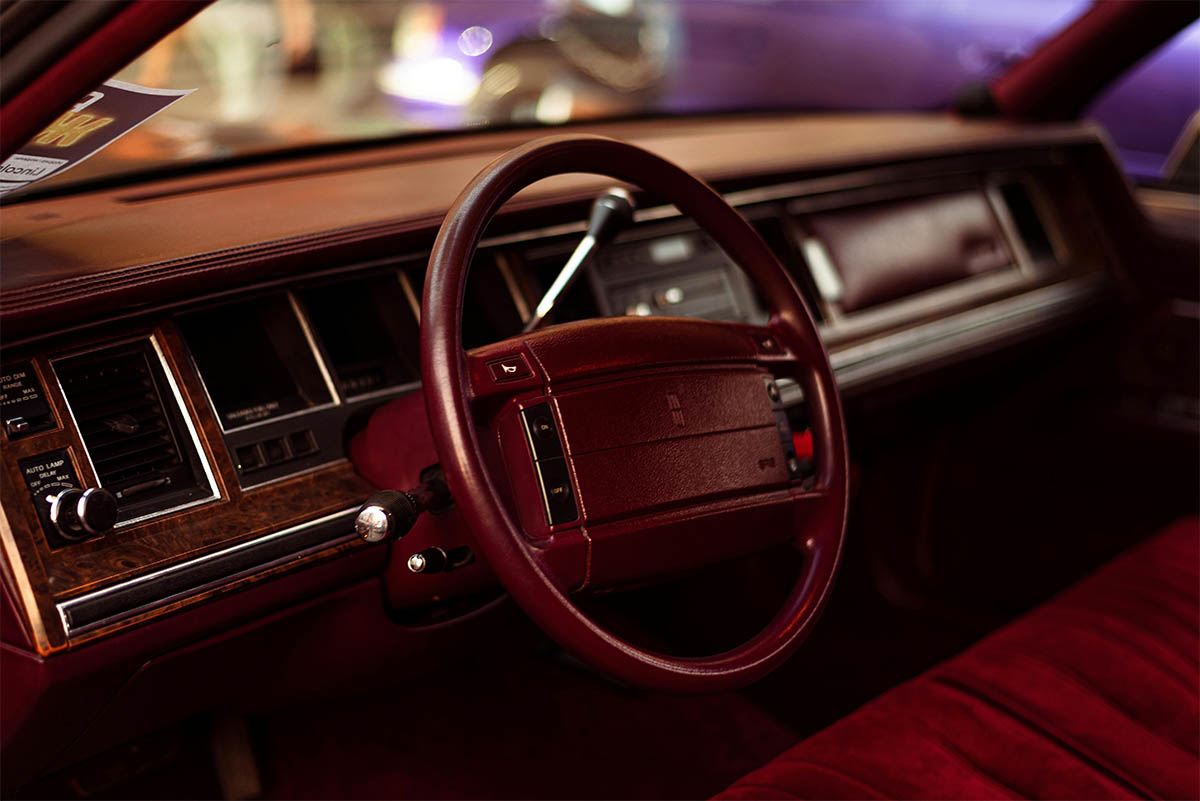
One subtle aspect that most viewers take for granted but can make or break a car video is what you hear. High-end car video editing pays close attention to "sound design," creating more convincing immersions by cleaning up wind noise and embedding sounds of engine revs, turbo flutters, and tire screeches. Most editors have to acquire those pristine recordings from a commercial library before syncing them perfectly with the visuals, resulting in an extra level of detail and cost to the project.
 Sound design can greatly enhance the immersion of car videos
1.5. Turnaround time and revisions
If you need a finished video within 24 hours for a new car reveal or a time-sensitive dealership event, you will likely be charged a "rush fee," which can increase the automotive video editing pricing by 25% to 50%. Additional feedback and revisions may cost more. Most professional editors give away two rounds of corrections, while additional demands are billed at an hourly rate, which can drastically raise the total car video editing cost.
1.6. Licensing and assets
Finally, we should also consider the "miscellaneous". Licensed music that won’t be copyrighted on YouTube, motion graphics templates for spec sheets, title animations and stock footage all raise the final quote. These will often be implicitly included in car video editing pricing, but asking for specific details will help editors customize the package better for your needs and may save you some redundant spending.
2. Common car video editing pricing models
Picking the right payment structure is of equal importance to finding an editor. In the automotive industry, car video editing pricing can be categorized into three types. Each model offers different benefits well-suited for independent videographers, full-scale production houses, or high-volume dealerships.
2.1. The flat rate (per video) model
The most common solution for less important projects is paying on a per-video basis. This works well for cinematic car promos, speculative ads, or a series of videos for your portfolio with sequential posting order and pre-defined objectives for each.
With this model, the car video editing cost can be calculated before the editing process kicks off. Typically, these packages include a set number of revisions and a pre-determined delivery timeline. For a high-end cinematic edit (2-3 minutes), prices often range from $80-$300, depending on the complexity of the transitions, effects used and the delicacy of the color grading.
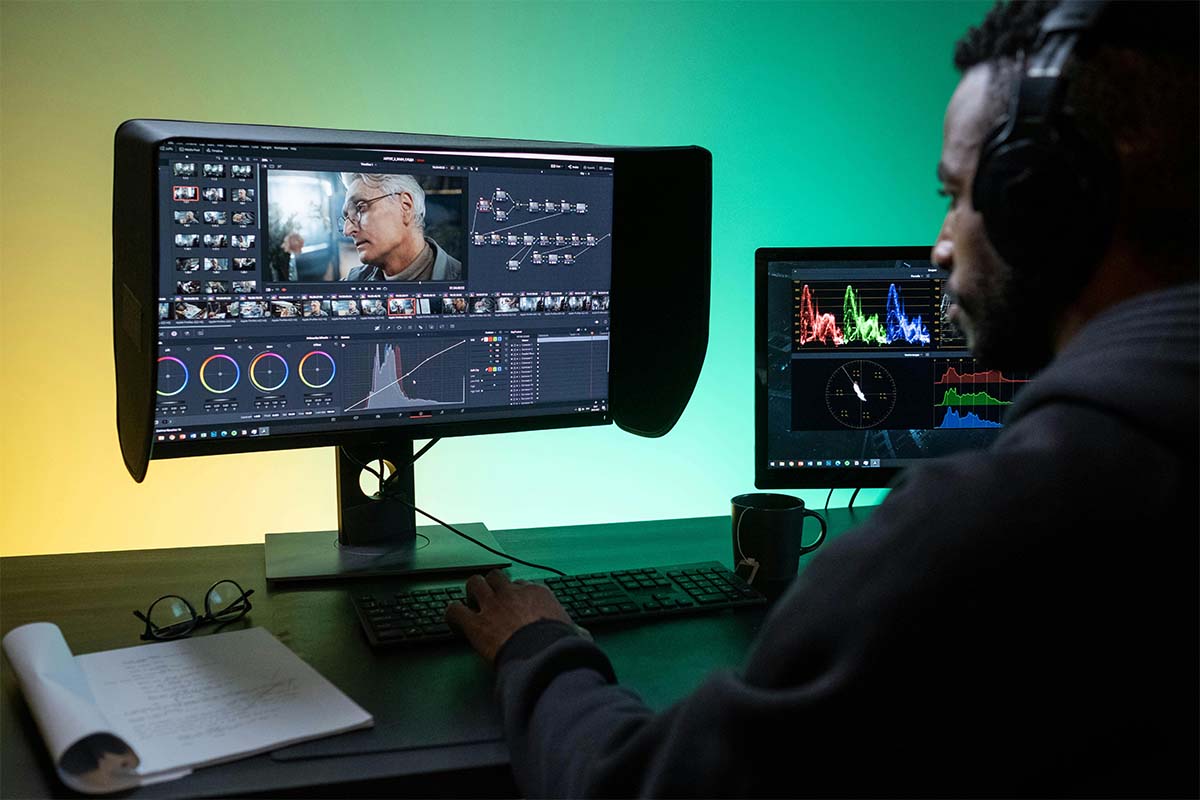 Paying for each video is well-suited for single projects
2.2. The hourly rate model
The hourly model is often preferred by luxurious boutique agencies or for ongoing projects where the final vision may branch out from the original one. If your project has an excessive amount of raw clips to dig into or requires consecutive communication, an hourly rate ensures the editor is properly compensated for their working time.
Hourly car video editing pricing usually ranges from $50 to $150 per hour. While more flexibility may be beneficial, you must clearly determine your creative goals and organize footage before the editor starts the clock. Otherwise, the car video editing cost can quickly get out of hand.
2.3. The monthly retainer (subscription) model
Car dealerships, auction houses, or daily automotive vloggers have long been taking advantage of the retainer model for its stellar efficiency. You pay a steady monthly fee for a set number of videos or a certain number of editing hours per month.
This model has the lowest car video editing cost for each final product since you are tied to a lasting partnership. Retainers often range from $1,500 to $5,000 per month. In return, the services are top-notch: you are a valuable client, your projects likely get the most attention of the post-production team to every detail, and the editor can deeply understand what defines your style, ensuring every video fits a uniform brand identity.
2.4. Pricing model comparison table
|
Model |
Average price range |
Best for |
|
Per video |
$150 - $800+ |
One-off cinematic projects or "hero" videos. |
|
Hourly rate |
$50 - $150/hr |
Complex edits with unpredictable timelines. |
|
Monthly retainer |
$1,500 - $5,000 |
Dealerships and creators who need consistent content. |
3. AI vs human car video editing pricing: Is AI a viable choice?
From our observation, technology for creative fields has made some respectable leaps in the past years and we now have to see all the fuss between automation and (human) artistry. For car videographers and dealerships, opting for an AI-driven service or a dedicated human editor leads to different outcomes in car video editing pricing and the quality of content.
3.1. The rise of AI: Efficiency at a fraction of the cost
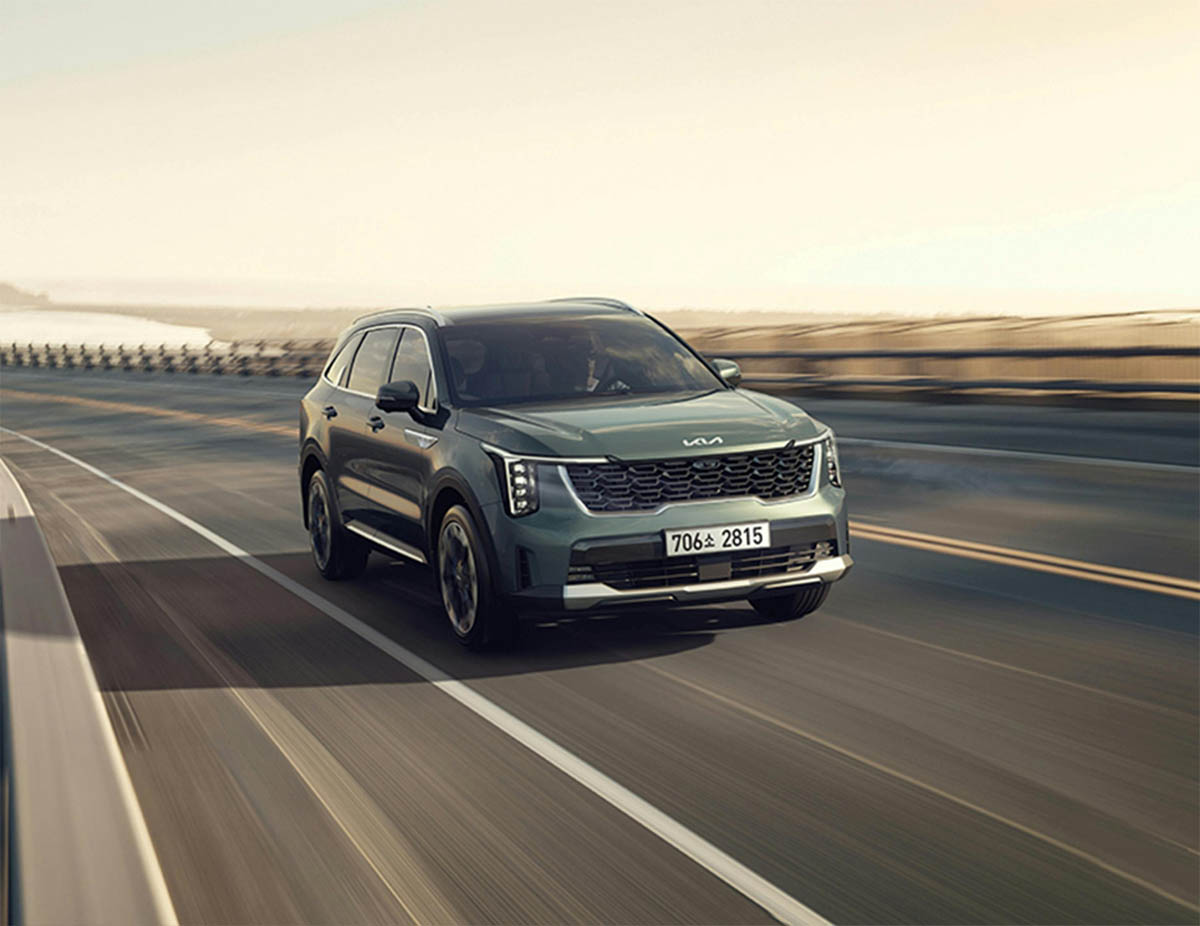
Artificial Intelligence has made its way into the video production workflow. Today, you can somewhat trust an automated tool to analyze hours of raw footage and merge the best of them into short clips in no time.
Car video editing cost with AI is so affordable considering the insane amount of workload it can carry out in a set time period. Most AI platforms use a subscription model, which sets you back $30 to $100 per month for unlimited exports or a tier-based amount of tokens to spend on special effects and video creations. This provides the efficiency needed for producing a high volume of content with less demanding visual requirements. You are freed from tedious repetitive tasks: adding captions, applying generic color filters, and making beat-matching cuts.
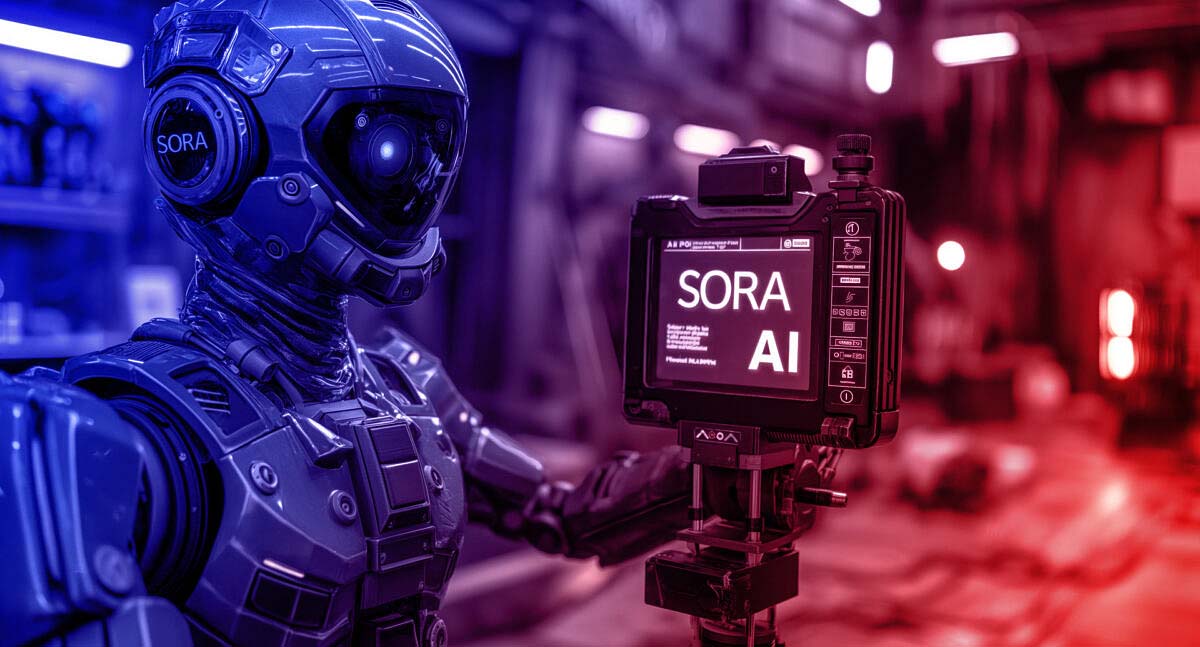 AI can create acceptable results for less demanding tasks
However, AI still can’t fully capture the "soul" of automotive cinema. While precision may sound like a computer’s absolute strength, for AI in car video editing, it’s not always the case. For instance, it still can’t get speed ramping right, like slowing down a shot to highlight a spinning rim and then accelerating it as the car goes off. Some cuts made by AI feel abrupt and diminish the emotional impact.
It also lacks the “aural taste” for sound design, since every existing sound and piece of music must be carefully tailored (fading in/out, ducking, filtering) to the movement and transition to underpin the video’s pacing. The concept of “tension” and “resolution” in music just can’t be quantized into calculable numbers and is only to be personally felt to make your soundscape a suitable accompaniment for visual progress. Furthermore, as AIs rely on pure algorithmic analysis and comparing every sound to the “samples” in their database, they can’t truly understand the context and often mistake similar sounds, like engine notes, for generic background noise since they are relatively close in sonic data.
3.2. The human touch: Precision, storytelling, and premium value
While AI is about efficiency, human editors’ strength is creating an emotional connection. In the high-end sector, automotive video editing pricing reflects the editor’s keen eye for turning a vehicle into a work of art. Human editors establish a customized narrative flow, which current algorithms plainly see as “cutting clips”. We understand that a luxury SUV requires a different pacing and dynamic than a sports sedan or a vintage restoration.
When you invest in a professional editor, you are paying for:
- High-precision color grading: A trained human understands the significance of each color in the frame and can isolate the specific red of a Ferrari and ensure it doesn't shift into orange under different lighting, a task AI still struggles with.
- Lively sonic imprint: Humans can layer the earth-shattering roar of an engine with cinematic music in a way that resonates strongly with the viewer.
- Brand consistency: An editor ensures that every transition and graphic doesn’t “oversteer” from your unique brand identity, while some algorithms trained for general purposes just can’t comprehend what defines your style.
Reaching a level of quality that sets the final product apart from the “soulless junk” status, comes with a higher car video editing pricing tag. You are expected to pay $300 to $800 for a single cinematic edit, but the final product often brings in higher engagement, brand reputation and higher sales prices for the vehicles featured.
 AI still can’t match the meticulousness and personal understanding of a skilled editor
3.3. The financial verdict: Which should you choose?
The answer depends on your goals and your budget. If your strategy relies on maximizing visibility with a steady stream of social media updates, lowering the car video editing cost by using AI tools is a logical choice. It can sustain your brand’s presence without exhausting your marketing budget.
However, for the “definitive” type of content, like the videos that sit on your homepage or headline a major car launch, you can’t beat the human finesse. In 2026, the most successful brands often get the best of both worlds: AI tools for quick, trivial content while allocating more resources to professional editors for their flagship projects. This hybrid strategy ensures you have both quantity and quality to establish a formidable presence in a crowded digital showroom.
4. Is outsourcing car video editing worth it?
The final problem for many videographers and dealership marketing managers is a matter of logistics: should you keep production in-house or hire a specialist from outside? Car video editing pricing may look just like an additional cost in marketing budget plans. However, to understand how video editing can be a long-term investment for an agency’s image, we should view it from the perspectives of "opportunity cost" and scalability.
4.1. The "one-man band" trap: Time vs. money
Many car videographers originally have an ambition to do everything themselves. While this keeps the immediate car video editing cost at zero, you’ll soon hit a wall. Imagine you spend eight hours shooting a car from every angle possible and then another twelve hours editing it. You’ll most likely produce just one or two high-quality videos per week this way.
By outsourcing, you are using your time more wisely. If you can pay a specialist a fair automotive video editing pricing rate to handle the post-production, you free up those twelve hours to shoot two more sessions. In the automotive world, where time is money, being able to double your output without sacrificing quality just sounds too good to be true.
4.2. Access to high-end resources
Automotive video is a performance-demanding niche, which calls for the best PC specs to pull out all the tricks up an editor’s sleeve. Editing 4K 10-bit log footage with meticulously localized color grading and motion blur requires an “absolute unit” kind of workstation that can set you back $5,000 or more. Car video editing pricing isn't just to compensate for the editor’s time; you are also paying for their usage of composition plugins, licensed SFX libraries, and fast render PCs.
Outsourcing allows you to avoid the excessive investment in hardware and software subscriptions. You get the benefit of a refined finish, intricate sound design, and flawless paint reflections, without having to wrestle with the technical costs yourself.
4.3. Scalability and consistency
For dealerships and car brands, you can’t create one great video and call it a day. The real problem is whether you can make dozens of them to show sustainability. Maintaining a recognizable appeal throughout every video gets increasingly difficult when you are multitasking. A professional video editing partner will take on this intensive labor, providing a consistent, industry-standard quality.
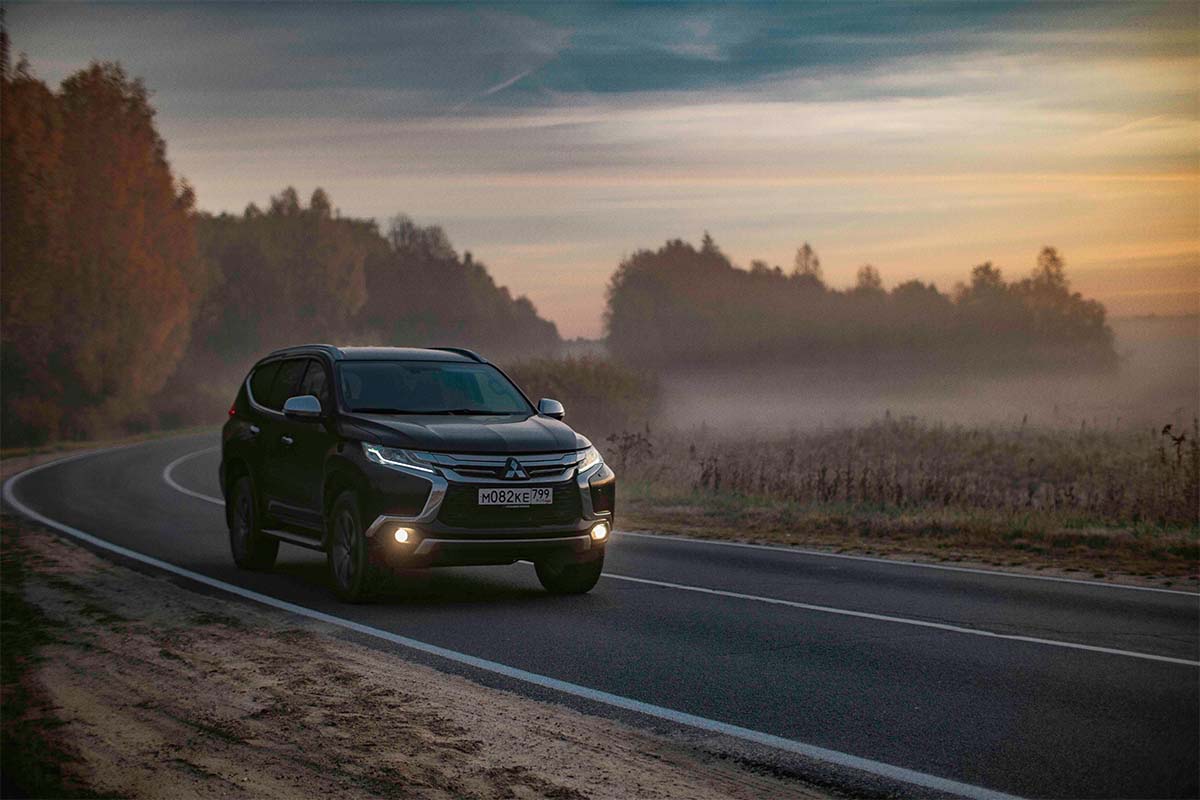 DIY approach to car video marketing can’t fare well unless you compromise quality
When you choose a monthly retainer model for automotive video editing pricing, your workflow becomes much more organized. You can anticipate when your videos will be ready to be placed in the "New Arrivals" section of your website. On top of that, you can be assured they will all share the same visual imprint of your brand. This consistency builds trust with your audience as they begin to sense your "signature" before they even see your logo.
5. Conclusion
Navigating the costs of pro car video editing services can be as intimidating as driving through thick fog. As for any forms of commercial video editing, car video editing pricing can stack up quickly when we factor in the deliberate effort to refine the color grading, design the soundscape, perfectly frame-match all the speed ramps, and apply motion-tracked visual effects. It can also vary depending on pricing models and the editing resources you use, whether they are AI-based generators or a well-versed human workforce.
If you don’t intend to scale up your business soon, you can carry out the post-production yourself. But if you want to strive against established creators and dealerships, outsourcing is the most sustainable way.
Ready to take your car video to the next gear? At Fotober's car video editing services, we use advanced techniques, like glow effects, logo transitions, speed ramps, saber lines, and logo spins to enhance the power, speed, and luxury of your vehicle. Whether it's a sleek sports car, yacht, or cruise ship, we capture the essence of performance and elegance, creating captivating videos that showcase your vehicle in its most impressive light. Our expert car video editing service combines cinematic flair with technical precision to make every frame count.
Follow Fotober on social media to stay tuned for the latest automobile filming and editing tips, see our best work, and get updates on our services.
- Facebook: fotobermedia.co
- YouTube Channel: Fotober
- TikTok Channel: @fotober
- Instagram: fotober_media
- Email support: [email protected]
- Hotline: +84 942 110 297
Related posts

Cincinnati Housing Market 2026: Prices, Trends, and What It Means for Buyers, Sellers, and Investors
October 20, 2026

Modern Luxe Interior Design: Elements, Style Guide and How to Stage It
October 10, 2026

Minimalist Interior Design: Characteristics, Style Guide, and Staging
October 8, 2026

Coastal Interior Design: Style Definition & Staging Guide
September 30, 2026
