




US Car Market Trends 2026: Buyer Behavior, Digital Shifts, and Marketing Strategies

Share:
Table of Contents
- 1. US car market trends overview: Stability in a fragmented landscape
- 2. Buyer behavior: The K-shaped recovery & pragmatism
- 3. The shift to digital: Retail evolution & AI integration
- 4. Marketing implications: Strategies for a competitive era
- 5. Challenges & future outlook: Navigating uncertainty
- Conclusion
The car industry in the US in 2026 enters a "normalization" phase with sales stabilizing at approximately 15.8 million units. While inventory levels have recovered, high interest rates continue to shape US automotive market trends, creating a "K-shaped" demand. Overall, the US car market trends in 2026 are transitioning from a supply-constrained environment to one driven by intense price competition and strategic inventory management.
1. US car market trends overview: Stability in a fragmented landscape
The car industry in the US enters 2026 in a state of "cautious normalization." After years of navigating supply chain disruptions and post-pandemic volatility, the market has finally reached a steady, albeit complex, rhythm. However, this stability is being tested by shifting economic policies, persistent affordability challenges, and a significant realignment of powertrain preferences.
1.1. Sales forecast 2026: A moderate plateau
According to projections from S&P Global Mobility and Cox Automotive, US automotive market trends for 2026 point toward a slight cooling of new-vehicle sales. While 2025 concluded as a strong year with approximately 16.3 million units, 2026 is expected to see a moderate dip to around 15.8 - 15.9 million units. This stagnation reflects a "pre-tariff pull" that occurred in late 2025, where consumers accelerated purchases to avoid anticipated price hikes from new trade policies and the potential expiration of federal tax incentives.
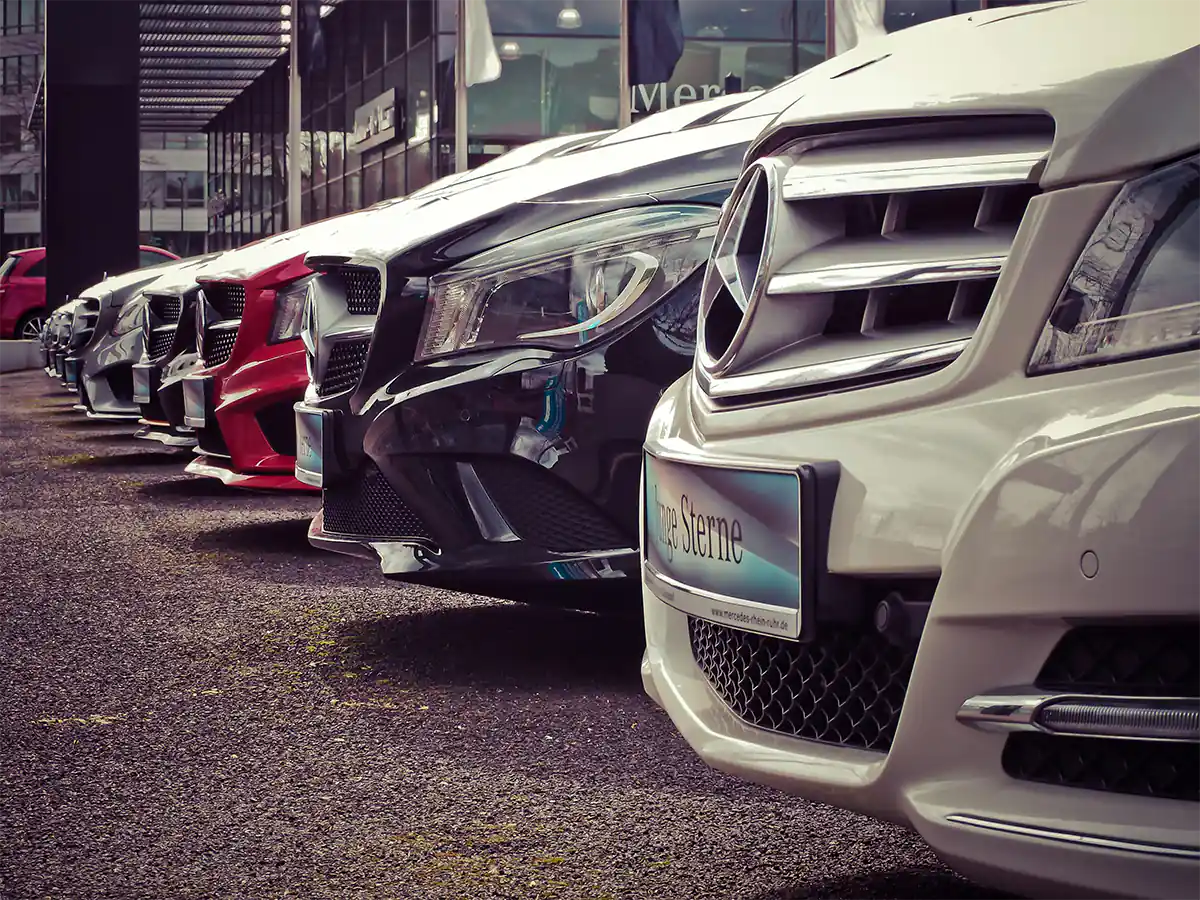 New-vehicle sales may see a slight decline in 2026
1.2. Inventory and pricing realities
Inventory levels have finally returned to pre-pandemic norms, ending the era of "empty lots." However, for dealers, this brings back the challenge of floor-plan interest costs. We are seeing a shift from a "seller's market" back to a "buyer's market," where OEMs must rely more on aggressive incentives to maintain market share. Despite higher inventory, average transaction prices remain "sticky" near the $48,000 mark, which, combined with elevated interest rates, continues to strain the average household budget.
1.3. The hybrid resurgence vs. EV cooling
One of the most defining US car market trends this year is the "Pragmatic Pivot." The breakneck growth of Battery Electric Vehicles (BEVs) has encountered a temporary speed bump.
- The hybrid moment: Hybrid Electric Vehicles (HEVs) and Plug-in Hybrids (PHEVs) are the clear winners of the 2026 cycle. Consumers are opting for hybrids as a "bridge technology," seeking better fuel economy without the "range anxiety" or the premium price tag of pure electrics.
- BEV market share: BEV share is expected to fluctuate around 8-10% in the first half of 2026 as the market digests the rollback of certain federal subsidies.
1.4. Used car market dynamics
The used vehicle sector is also stabilizing. A wave of "off-lease" vehicles from the 2023-2024 period is starting to hit the market, providing much-needed supply for the sub-$30,000 segment. This influx is helping to moderate used car prices, though they remain significantly higher than 2019 levels.
2. Buyer behavior: The K-shaped recovery & pragmatism
In 2026, understanding the car industry in the US requires a deep dive into the polarized psyche of the American consumer. The post-pandemic "revenge spending" has vanished, replaced by a "K-shaped" behavioral pattern where financial health and subsequent buying choices diverge sharply based on income brackets.
2.1. The K-shaped consumer divide
The "K-shape" is the most defining feature of the US automotive market trends today.
- The upper arm: High-income buyers, largely unaffected by inflationary pressures, are driving record demand for luxury SUVs and "Software-defined vehicles." For this group, the vehicle is no longer just transportation; it is a status symbol and a mobile tech hub. They are the primary adopters of high-end autonomous driving features and premium subscription services.
- The lower arm: Conversely, the "missing middle" and lower-income households are facing an affordability crisis. With average interest rates for new car loans remaining stubbornly high, these buyers are either being priced out of the new car market entirely or are forced to extend loan terms to 72 or 84 months just to keep monthly payments manageable.
2.2. The rise of "new pragmatism" in the US car market trends
Perhaps the most significant shift in US car market trends is the death of brand loyalty in favor of "Value-Per-Dollar." 2026 is the year of the pragmatic buyer.
- Total cost of ownership (TCO): Today’s shoppers are getting more considerate. They aren't just looking at the sticker price; they are calculating insurance premiums, maintenance costs, and projected resale value five years down the line. This pragmatism is a major driver behind the massive surge in Hybrid sales, as they offer the best balance of fuel savings without the infrastructure headaches.
- Rational electrification: The initial "hype" surrounding EVs has cooled into a rational evaluation. Consumers now demand "Proof of Utility." If an EV cannot match the convenience of an internal combustion engine (ICE) vehicle at a comparable price point, the 2026 buyer is increasingly comfortable sticking with a hybrid or a highly efficient gasoline engine.
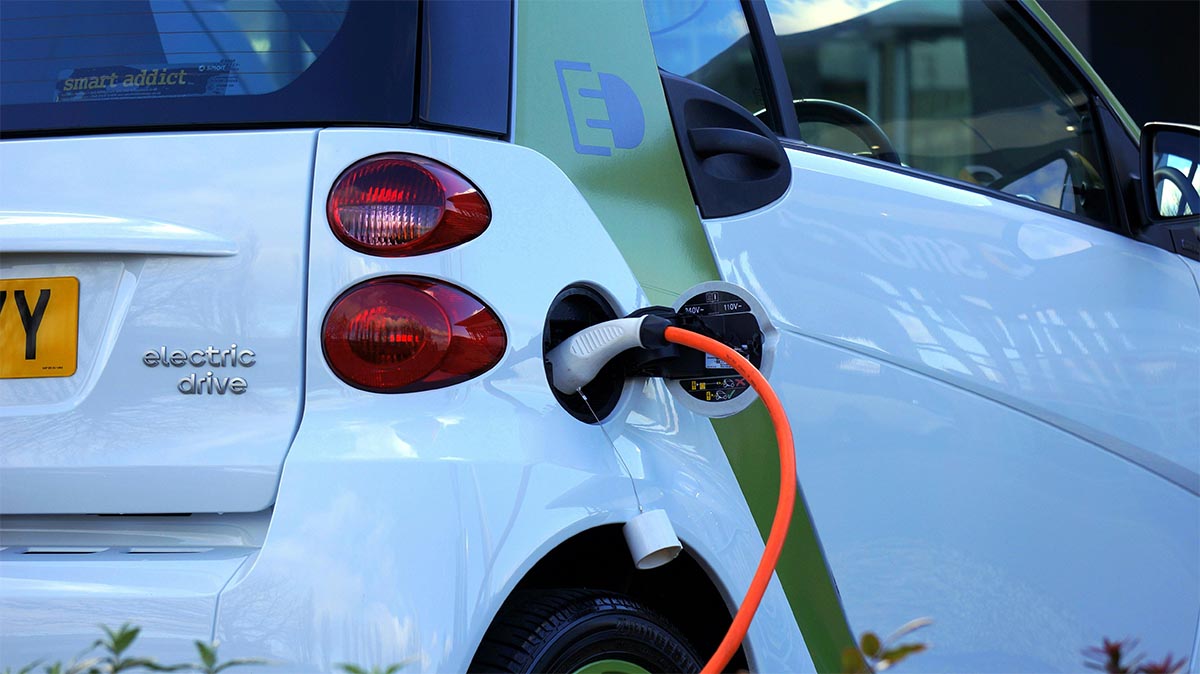 EVs are losing hype and being restored to their true value
2.3. Connectivity as a non-negotiable
While buyers are being more frugal with their wallets, they are becoming more demanding with their tech. Buyer behavior in 2026 shows that "connectivity" has moved from a "nice-to-have" to a "must-have."
- The digital cockpit: Even in the sub-$30,000 segment, shoppers expect seamless integration with their digital lives. Features like wireless Apple CarPlay/Android Auto, over-the-air (OTA) updates, and robust safety suites (ADAS) are now deal-breakers.
- Subscription skepticism: Interestingly, while buyers want tech, they are showing "subscription fatigue." There is growing pushback against monthly fees for hardware already installed in the car (like heated seats), forcing OEMs to rethink their digital monetization strategies.
2.4 The "used-first" mentality
For the first time in years, the stigma of buying "used" has completely evaporated for the middle class. The 2026 consumer is increasingly opting for Certified Pre-Owned (CPO) vehicles as a savvy alternative to inflated new-car prices. This shift is forcing dealerships to pivot their marketing toward the "reliability" and "longevity" of their pre-owned inventory to capture this value-seeking audience.
3. The shift to digital: Retail evolution & AI integration
The car industry in the US in 2026 has reached a tipping point where the "digital" and "physical" showrooms are no longer separate entities. What was once a slow transition toward online car buying has accelerated into a sophisticated, AI-driven ecosystem that redefines the entire ownership lifecycle.
3.1 The maturity of digital retailing
The "Omnichannel" journey is now the standard. In 2026, over 70% of buyers initiate their purchase through digital retailing tools. This shift goes beyond simple browsing as consumers now complete complex tasks, such as trade-in valuations via high-resolution photo analysis, instant credit approval, and insurance binding entirely from their smartphones. The physical dealership has evolved into a "delivery and experience center" rather than a place for high-pressure negotiations.
 Physical showrooms are not the first place most Americans come to when finding a car
3.2 AI: The engine of personalization
Artificial Intelligence is no longer a fancy term in the US automotive market trends; it is being integrated deeper into the core operational engine.
- Generative AI concierges: Dealership websites now feature AI assistants that go far beyond basic chatbots. These tools can explain complex hybrid powertrain mechanics, compare trim levels based on a user’s specific lifestyle, and even negotiate preliminary pricing within pre-set parameters. AI also finds its way into the car video editing process to handle a high volume of daily promotional content.
- Predictive inventory: OEMs and dealers are using machine learning to predict hyper-local demand. By analyzing regional economic data and social trends, AI ensures that the right mix of vehicles (e.g., more hybrids in suburban areas vs. compact EVs in urban cores) is available, reducing "days-to-turn" and floor-plan costs.
3.3 Software-defined vehicles (SDVs) and connectivity
The digital shift extends into the vehicle itself. In 2026, the car is increasingly viewed as a "smartphone on wheels."
- Over-the-Air (OTA) Updates: The ability to improve a vehicle’s range, horsepower, or infotainment features via software updates has become a major selling point. This digital link allows manufacturers to maintain a direct relationship with the consumer long after the initial sale.
- Data Monetization: As vehicles become more connected, the car industry in the US is exploring new revenue streams through in-car commerce such as integrated parking payments or EV charging reservations, creating a seamless digital experience from dashboard to destination.
3.4 Virtual and augmented reality (VR/AR)
With the launch of more affordable and high-fidelity mixed-reality headsets in early 2026, "Virtual Test Drives" have gained traction. Prospective buyers can now experience the interior of a vehicle and visualize different color/trim combinations in their own driveway using AR, significantly narrowing their choices before ever setting foot on a lot.
4. Marketing implications: Strategies for a competitive era
As the car industry in the US shifts from a supply-driven to a demand-driven market, the "spray and pray" advertising methods of the past are no longer viable. In 2026, marketing success is defined by hyper-personalization, data transparency, and the ability to meet the consumer at the precise intersection of their digital and physical lives.
4.1 From mass marketing to hyper-personalization
The most critical of US automotive market trends in marketing is the move toward "Segments of One." Utilizing sophisticated Customer Data Platforms (CDPs), manufacturers and dealers are now delivering messages based on real-time life events.
- Predictive timing: Instead of generic holiday sales, brands are using AI to identify when a customer’s current vehicle is hitting an "equity sweet spot" or when their lease is six months from expiring.
- Dynamic content: A family of five browsing an OEM website will see imagery and video ads focused on safety and cargo space, while a solo commuter in the same zip code will be served content highlighting fuel efficiency and parking-assist technology.
4.2 The power of video and social commerce
In 2026, video is the primary language of car buying. US car market trends show that YouTube and TikTok have surpassed traditional TV as the most influential platforms for vehicle discovery.
- Short-form authenticity: Car video marketing for dealerships prioritizing raw, "behind-the-scenes" video content from dealership staff or real-world range tests from influencers often carry more weight than polished $50 million Super Bowl commercials.
- Connected TV (CTV): Advertisers are shifting budgets toward CTV, allowing them to retarget users who have searched for "best hybrid SUVs" on their mobile devices with high-quality video ads on their living room screens.
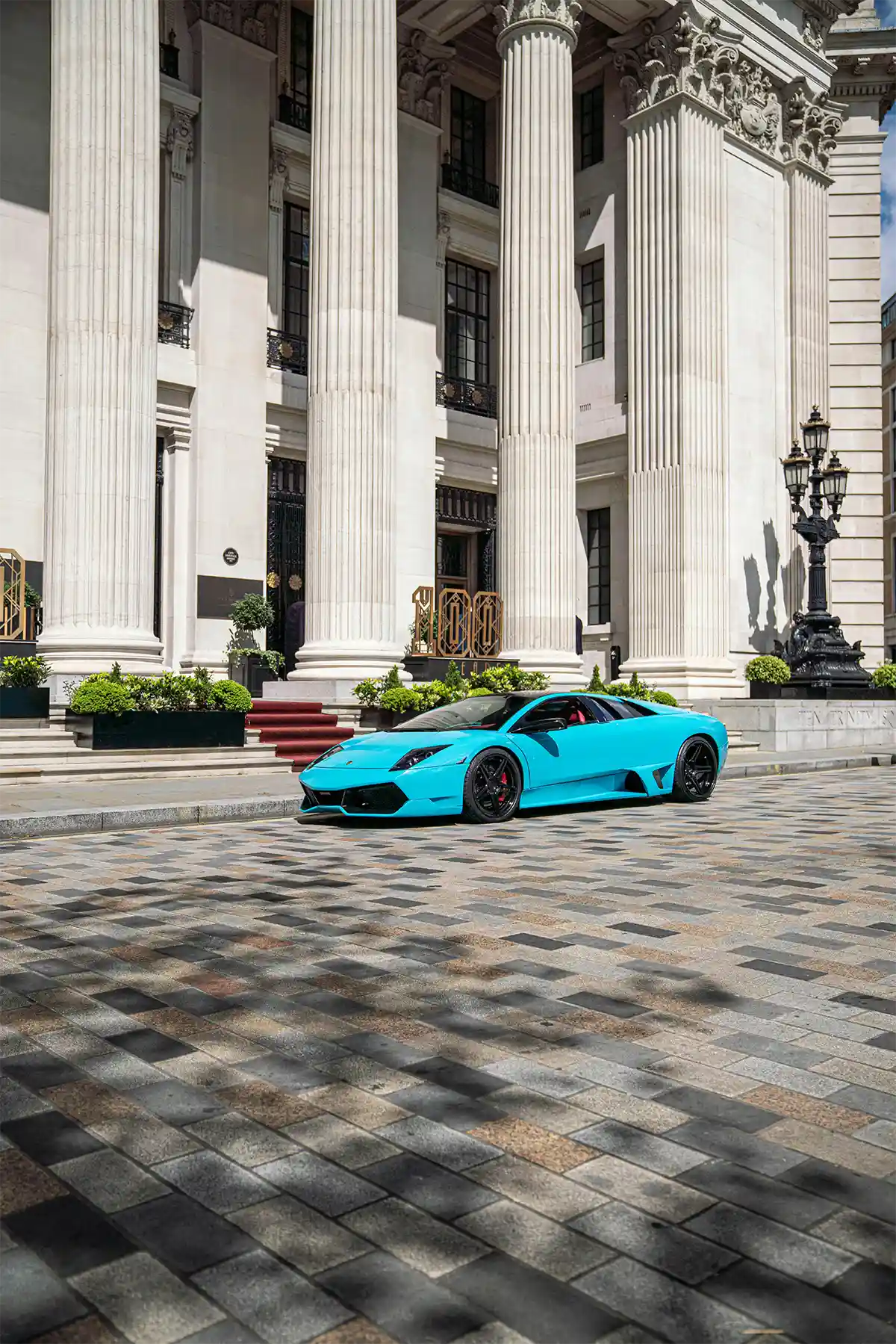 Buyers are embracing more down-to-earth types of car-related content now
4.3 Transparency as a competitive advantage
In an era of high interest rates, "affordability marketing" is the new frontier.
- No-bargain digital pricing: The most successful players in the car industry in the US are those who display exact pricing, down to the last penny. This includes taxes, fees, and real-time finance rates. Marketing that leads with transparency builds the trust necessary to convert a digital lead into a physical sale.
- Educational content marketing: Brands are winning by acting as financial advisors. Producing content like "How to maximize your EV tax credit in 2026" or "Comparing the 5-year TCO of Hybrid vs. ICE" positions the brand as a partner in the consumer's financial journey rather than just a seller.
4.4 Experience-oriented marketing and brand communities
As vehicles become more similar in tech and performance, the "Brand Experience" becomes the ultimate tie-breaker.
- Phygital events: We are seeing a rise in "Pop-up Test Drive Centers" in high-end shopping malls and community events, bringing the car to the consumer’s natural environment.
- Post-purchase engagement: Marketing doesn't end at the point of sale. Through mobile apps, brands are engaging owners with gamified eco-driving challenges, loyalty rewards for service, and exclusive "members-only" over-the-air feature previews. This creates a feedback loop that secures the next vehicle purchase years in advance.
4.5 Ethical data usage and privacy
With the tightening of data privacy laws across various US states in 2026, marketers must pivot to "First-Party Data" strategies. Building a direct, consensual relationship with the consumer through value-exchange such as offering a free charging credit in exchange for app registration is now the only way to maintain a sustainable marketing pipeline in the US automotive market.
5. Challenges & future outlook: Navigating uncertainty
As the US car industry moves beyond 2026, the path forward is defined by a paradox: a return to high inventory levels coupled with unprecedented systemic challenges. While the industry has stabilized, several "speed bumps" threaten to disrupt growth in the coming years.
5.1 Critical challenges: Policy and affordability
The primary headwind for the US automotive market trends is the shifting regulatory landscape. The expiration of key federal EV tax credits in early 2026 has created a "demand vacuum," forcing manufacturers to reconsider their aggressive electrification timelines. Furthermore, ongoing trade tensions and the potential for new tariffs on imported parts, particularly semiconductors and battery materials, keep supply chain risks at the forefront of OEM strategies.
Affordability remains the "elephant in the room." Even as auto loan rates begin a gradual descent (projected to reach a 6.4% average by year-end), the total cost of ownership, including record-high insurance premiums and maintenance, continues to outpace wage growth. This persistent gap is the leading cause for the cooling of new-vehicle sales.
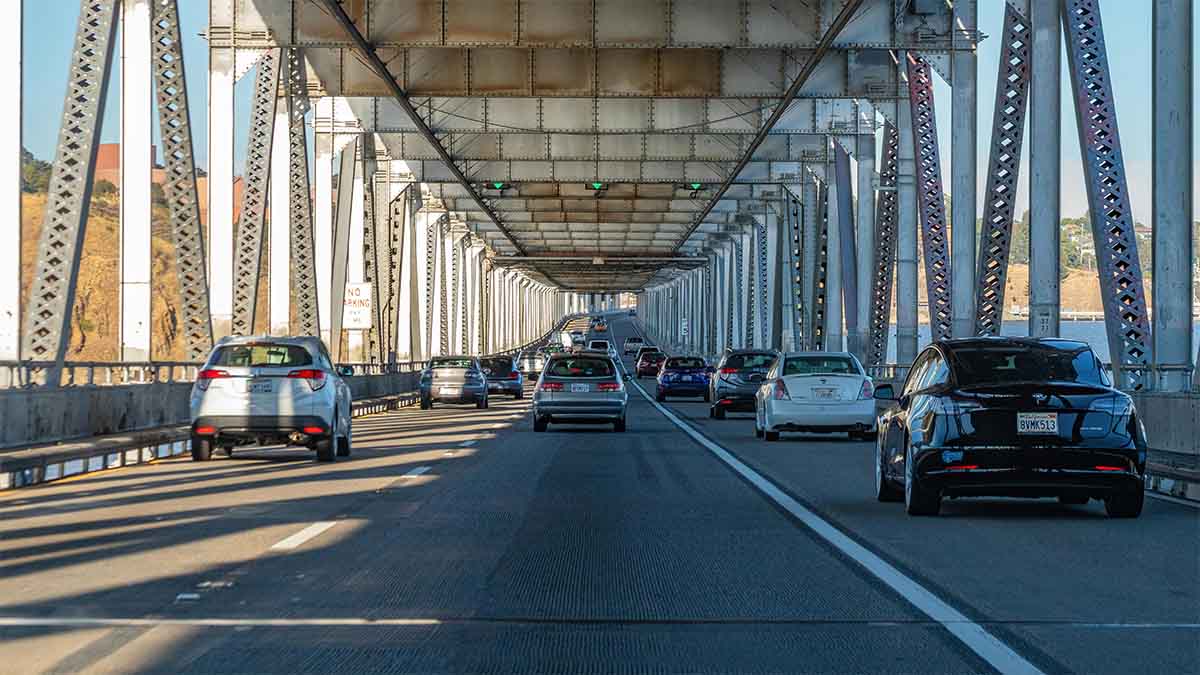 Consumers are more cautious in the context of newly enacted policies and a tense political atmosphere
5.2 Future outlook: 2027 and beyond
Looking toward 2027-2028, we anticipate a "multi-powertrain renaissance." The car industry in the US is moving away from an "EV-only" narrative toward a more pragmatic mix of high-efficiency internal combustion engines, hybrids, and hydrogen pilots for heavy-duty sectors.
- Sales growth: Analysts project a slow climb back toward the 17 million unit mark, likely not reaching that milestone until 2028.
- Technological inflection: The next 24 months will see the transition of AI from a "marketing tool" to a "driving tool," with Level 3 and Level 4 autonomous features becoming major differentiators in the luxury segment.
In summary, the future belongs to the agile. Manufacturers that can flex their production between hybrids and EVs while maintaining price transparency will lead the next cycle of the American automotive story.
Conclusion
The US car industry in 2026 stands at a pivotal crossroads where stability meets transformation. While US automotive market trends indicate a cooling in sales volume, the shift toward a more pragmatic, tech-driven marketplace is irreversible. Success in this era is no longer measured by raw inventory, but by how effectively brands adapt to the "K-shaped" consumer divide and the rising demand for hybrid flexibility. As digital integration and AI become the backbone of the retail experience, the winners will be those who prioritize affordability, transparency, and seamless omnichannel journeys. Navigating these US car market trends requires agility, but for those who evolve, the road ahead remains full of opportunity.
Follow us on social media for more updated insights into automotive marketing and get the latest information about our services!
- Facebook: fotobermedia.co
- YouTube Channel: Fotober
- TikTok Channel: @fotober
- Instagram: fotober_media
Related posts

Cincinnati Housing Market 2026: Prices, Trends, and What It Means for Buyers, Sellers, and Investors
October 20, 2026

Modern Luxe Interior Design: Elements, Style Guide and How to Stage It
October 10, 2026

Minimalist Interior Design: Characteristics, Style Guide, and Staging
October 8, 2026

Coastal Interior Design: Style Definition & Staging Guide
September 30, 2026
