




Florida Real Estate Market 2026: Trends, Risks & Opportunities for Agents
Share:
Table of Contents
- 1. Current state of the Florida housing market (Early 2026)
- 2. What are buyers searching for in 2026?
- • 2.1. "Affordable homes in Florida" – The value migration trend
- • 2.2. "Low HOA / No HOA homes" – The cost transparency era
- • 2.3. "Best places to move in Florida 2026" – Relocation still drives demand
- • 2.4. "Is Florida real estate crashing?" – Market anxiety creates opportunity
- • 2.5. Why search intent matters more in a higher inventory market
- 3. Macro factors impacting the Sunshine State
- 3.1. Mortgage rates & the "New normal"
- 4. Florida real estate forecast for 2026: Stabilization
- 5. Risks agents must prepare for in a stabilizing market
- 6. Opportunities in a cooling market
- 7. Advice for realtors & agents in 2026
- 8. Conclusion
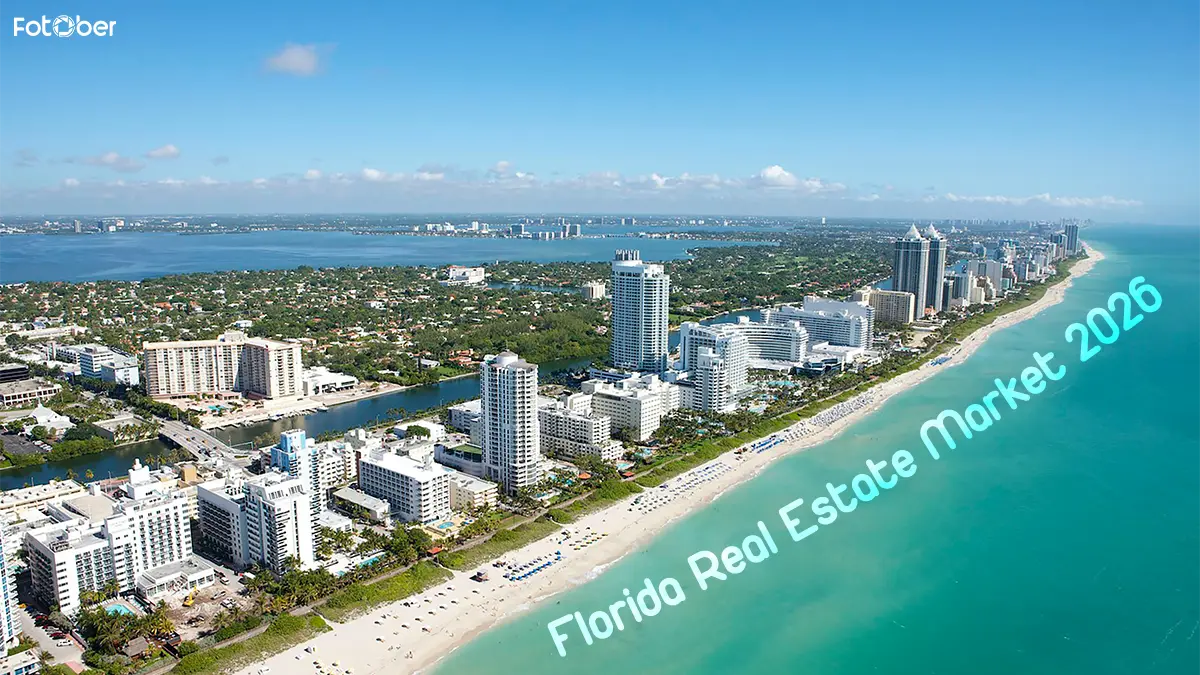
After years of explosive growth, Florida’s real estate market is entering what experts call a “normalisation phase.” But what does that actually mean for agents in 2026? From shifting pricing trends to changing inventory levels, here’s what real estate professionals need to know about the Florida real estate market in 2026, including key risks, opportunities, and marketing strategies to stay ahead.
1. Current state of the Florida housing market (Early 2026)
As we move through the first quarter of 2026, the Florida real estate landscape is undergoing what economists call "The Great Normalization." The frantic, "wild west" atmosphere of the post-pandemic years has finally cooled, replaced by a more predictable, data-driven environment. For agents, this shift marks the end of order-taking and the return of true advisory selling.
1.1. Prices are softening (Not crashing)
The breakneck price appreciation that defined Florida for half a decade has finally hit its ceiling. We are seeing a healthy correction rather than the catastrophic "bubble burst" many feared.

- The data: Average home values across the Sunshine State have seen a modest dip of approximately 4.6% Year-over-Year (YoY). This is largely a reaction to the affordability crisis of 2024–2025.
- The forecast: Expect prices to remain flat or see a minor decline of another 1.9% across major metropolitan hubs like Orlando, Tampa, and Jacksonville as the market recalibrates to match local income levels.
- The exception: High-demand luxury pockets, specifically Miami, Palm Beach, and Naples, continue to defy gravity. Sustained wealth migration from high-tax states and international capital keeps these ultra-high-net-worth enclaves insulated from broader market softening.
1.2. Inventory rebound: The power shifts to buyers
For the first time since 2021, the "Take it or Leave it" era for sellers is over. Buyers no longer feel pressured to waive inspections or offer $50k over asking within hours of a listing going live.
- Inventory surge: Active listings are up 30 - 45% compared to the record lows of 2022. This influx of supply is driven by a mix of new construction completions and "lock-in effect" homeowners finally deciding to move as rates stabilize.
- Days on market (DOM): The "flash sale" days are gone. Homes are now sitting for an average of 45–65 days. This requires agents to be far more strategic with initial pricing, professional staging, and aggressive digital marketing to prevent a listing from growing stale.
1.3. A fragile recovery in sales activity
While the market is cooler, it is far from frozen. There is a palpable sense of movement as the "wait and see" crowd regains confidence.
- The 6% threshold: As mortgage rates have stabilized slightly below 6%, sidelined buyers who were waiting for a "re-entry point" are finally jumping back in.
- Value over hype: The 2026 buyers aren't just looking for a roof; they are looking for value. Sales volume is showing signs of life, but transactions are taking longer to close as buyers exercise their newfound due diligence rights and negotiate more aggressively on repair credits and closing costs.
2. What are buyers searching for in 2026?
In 2026, successful agents are not just selling properties. They are capturing demand earlier in the decision cycle by aligning their content, listings, and marketing strategy with what buyers are actively searching for online.
Below are some of the most important buyer search trends shaping the Florida market.
2.1. "Affordable homes in Florida" – The value migration trend
With mortgage rates still significantly higher than pandemic-era levels, many buyers are expanding their search beyond premium coastal markets and into more affordable inland cities.
Instead of Miami or Fort Lauderdale, buyers are increasingly researching areas such as: Ocala; Lakeland; Port St. Lucie; Cape Coral; Palm Bay
These cities are benefiting from what could be called value migration - buyers seeking Florida lifestyle benefits without premium coastal pricing.

For agents, this creates an opportunity to produce high-performing SEO content such as:
- "Best affordable cities in Florida for relocation"
- "Where to buy in Florida under $500K"
- "Hidden gem cities in Florida for buyers in 2026"
This type of content attracts early-stage buyers who may convert into clients months later.
2.2. "Low HOA / No HOA homes" – The cost transparency era
Buyers are no longer just searching by price and bedroom count. They are actively filtering properties based on recurring expenses such as: HOA fees; Property taxes; Insurance costs, etc.
Search queries like:
- "No HOA homes Florida"
- "Low HOA communities Florida"
- "Homes without CDD fees”
have grown significantly as buyers attempt to control monthly expenses.
This reflects a major mindset shift: buyers are thinking like financial planners, not just homeowners.
Agents who address this trend can differentiate themselves by creating educational content explaining:
- HOA reserve funding
- Insurance costs differ by location
- How HOA fees affect affordability calculations
- Long-term ownership cost comparisons
Providing this type of clarity builds trust and positions agents as advisors rather than salespeople.
2.3. "Best places to move in Florida 2026" – Relocation still drives demand
Buyers are no longer moving purely for tax benefits or weather. In 2026, relocation searches increasingly focus on:
- Cost of living balance
- Job growth regions
- Infrastructure development
- School quality
- Climate risk exposure
Mid-sized metros are becoming especially attractive because they offer better affordability while still providing strong lifestyle benefits.
This creates strong content opportunities such as:
- "Moving from New York to Florida in 2026: What changed?"
- "Florida relocation guide for out-of-state buyers"
- "Best Florida cities for remote workers"
Agents who consistently publish relocation-focused content often build a predictable pipeline of inbound leads from high-intent buyers planning moves months in advance.
2.4. "Is Florida real estate crashing?" – Market anxiety creates opportunity
Market uncertainty always increases search traffic around risk-related questions. In 2026, searches such as reflect hesitation rather than lack of demand:
- "Is Florida housing market crashing"
- "Will Florida home prices drop"
- "Should I buy in Florida now"
- "Florida housing market forecast"
Instead of avoiding these topics, top-performing agents address them directly using data-driven explanations. Myth-busting content often performs extremely well because it answers the exact questions buyers are already asking.
Examples of effective authority-building content include:
- Market forecast breakdowns
- Local price trend analysis
- Buyer timing strategy guides
- Cost comparison scenarios
When done correctly, this type of content positions agents as trusted advisors during uncertain market cycles.
2.5. Why search intent matters more in a higher inventory market
Buyers comparing multiple properties are also comparing how professionally those properties are presented online. This is where search intent and marketing execution intersect.

A buyer searching "best homes in Tampa under 700K" may scroll through dozens of listings. The properties that generate showings are usually those that present the strongest visually:
- Clean HDR photography
- Professionally edited walkthrough videos
- Virtual staging for empty homes
- Clear floorplan visuals.
The reality of the 2026 market is simple: Your first showing no longer happens at the property. It happens on a screen. In a market where buyers have more choice, presentation quality becomes a competitive advantage rather than a luxury.
3. Macro factors impacting the Sunshine State
The 2026 Florida market is no longer dictated by "neighborhood hype" alone. It is being steered by three massive pillars: the cost of money, the cost of protection, and the physical reality of the coast.
3.1. Mortgage rates & the "New normal"
While the double-digit inflation of the early 2020s has faded, the era of 3% interest rates is officially a relic of the past.

-
The stabilized rate: As of March 2026, the 30-year fixed mortgage rate is hovering between 5.9% and 6.2%.
-
The "Affordability ceiling": For the average Florida family, this rate keeps the monthly "all-in" payment high. Agents are finding that buyers are no longer asking "What is the price?" but rather "What is the monthly carry?"
-
The opportunity: 2026 is the year of the "Rate buydown." Smart agents are negotiating seller concessions to lower the buyer’s interest rate for the first 2–3 years, making high-priced inventory move again.
3.2. The "Insurance cliff" vs. The stabilization
After years of crisis, the Florida insurance market is finally showing signs of a "fragile recovery." However, it remains the most expensive state in the nation.
-
Average premiums: The average Florida homeowner is paying roughly $7,136 per year for insurance, nearly triple the national average.
-
The good news: Legislative reforms from 2023–2025 are finally bearing fruit. In early 2026, major carriers like State Farm and the state-backed Citizens have announced historic rate freezes or even modest 8–14% reductions in certain counties.
-
New rules: Be aware that as of January 1, 2026, Citizens policyholders with homes valued over $400,000 are now required to carry flood insurance, regardless of their flood zone. This is a critical talking point for your listings.
3.3. Climate risk & Valuation correction
Climate change has moved from a "future concern" to a "line item" in 2026 appraisals.
-
Coastal discounting: Properties in FEMA-designated 100-year floodplains or areas highly exposed to sea-level rise are seeing a "Climate Discount." Buyers are increasingly wary of the long-term exit strategy for beachfront condos.
-
Resilience as a feature: Homes with high-impact windows, 2023+ roof certifications, and elevations above the new base flood levels are selling at a 10–15% premium.
-
Strategic advice: If you are listing a coastal property, your "Wind Mitigation Report" and "Elevation Certificate" are now more important than your kitchen photos.
4. Florida real estate forecast for 2026: Stabilization
The overall outlook for the remainder of 2026 is stabilization. We have exited the "Boom" and avoided the "Bust," entering a "Balanced" market.
|
Scenario |
Market conditions |
Likelihood |
|
Best Case |
Rates dip to 5.5%; Insurance rates continue to drop; Demand surges. |
25% |
|
Base Case |
Rates stay near 6%; Prices remain flat; Inventory grows slowly. |
60% |
|
Worst Case |
New geopolitical shocks drive rates to 7%+; Sharp coastal insurance hikes. |
15% |
4.1. What this means for agents in 2026
Regardless of which scenario unfolds, one reality is consistent:
The easy deals of the pandemic years are gone.
Transactions now require: Better preparation - Better marketing - Better communication - Better positioning
Agents who adapt quickly to this environment often shift their focus toward controllable advantages such as:
- Listing presentation quality
- Brand credibility
- Data-driven pricing
- Professional visual marketing
- Strong digital presence
Because when buyers have more choice, the listings that perform best are rarely accidental — they are intentionally positioned. And in a stabilization market, small execution advantages often determine which listings sell first and which require price reductions.
5. Risks agents must prepare for in a stabilizing market
While a stabilizing market creates healthier long-term conditions, it also introduces new operational risks for agents who built their business during the fast-moving seller years. The biggest risk in 2026 is not market decline. It is failing to adapt to a more competitive environment. Here are the most important risks agents should be preparing for.
5.1. Listings taking longer to sell
During peak years, properties often sold within days. In 2026, even well-priced homes may take 30–60 days to move, while poorly positioned listings can sit significantly longer.

This creates pressure in several areas:
- Seller expectations must be managed earlier
- Marketing must stay active throughout the listing lifecycle
- Communication frequency must increase
- Pricing strategy must be more data-driven
Agents who fail to reset seller expectations risk frustration, price reductions, or expired listings.
The agents performing best in this environment are those who position themselves as strategic advisors rather than just transaction facilitators.
5.2. Price reductions impact agent credibility
Overpricing a listing in 2022 might still result in a sale. In 2026, it often results in:
- Reduced showing activity
- Stale listing perception
- Multiple price reductions
- Lower final sale price
Repeated price drops can also affect agent branding. Buyers begin to recognize patterns, and sellers may question the pricing strategy.

This is why many experienced agents are returning to more conservative pricing approaches designed to generate early activity rather than testing aspirational pricing.
Correct pricing is now a marketing strategy, not just a valuation exercise.
5.3. Seller expectations lag market reality
Many sellers still reference peak pandemic pricing even though market conditions have shifted. This creates friction during listing presentations and pricing discussions.
Agents increasingly need to explain:
- Inventory increases
- Buyer negotiation leverage
- Insurance cost impact
- Financing realities
- Comparable sales adjustments
Agents who rely purely on enthusiasm risk losing credibility. Agents who rely on data tend to win trust.
The most effective listing presentations in 2026 often look more like consulting sessions than sales pitches.
5.4. Marketing quality gaps are becoming more visible
When inventory was low, almost any listing could generate attention. In 2026, presentation differences are much more noticeable. Listings with weak visuals often experience lower click-through rates and longer days on market. Meanwhile, professionally presented listings often generate more engagement even at similar price points.
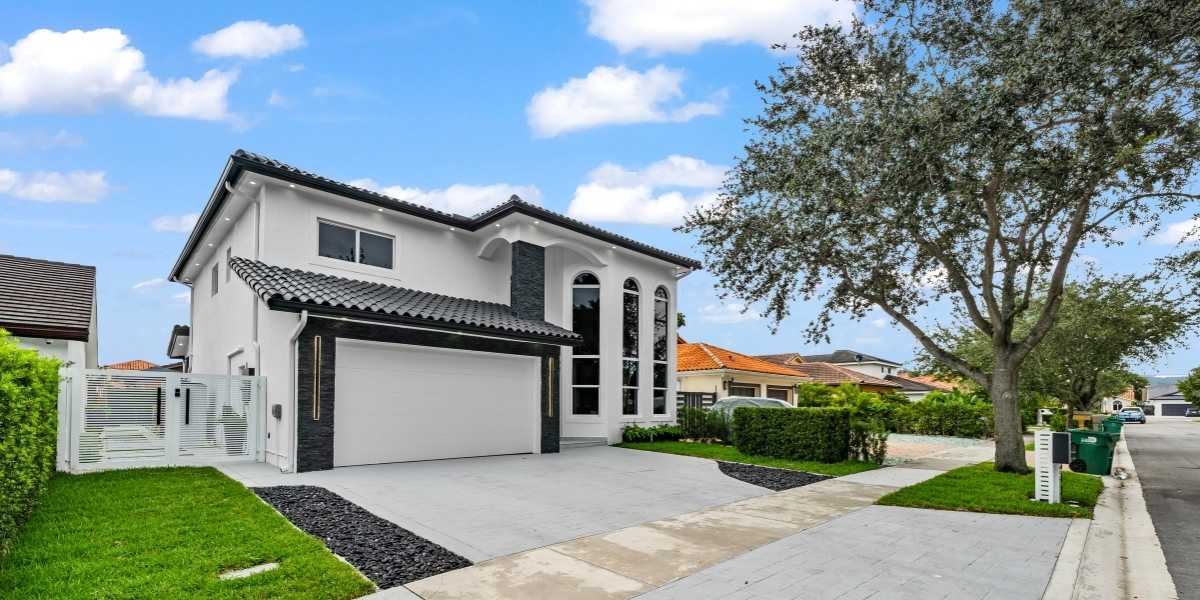
This creates a growing divide between agents investing in marketing quality and those still relying on basic listing execution. The gap is no longer subtle; it is measurable.
5.5. Agent competition is increasing again
As transaction volume slowed in 2025, many agents increased prospecting activity, which has intensified competition for listings in 2026. Winning listing presentations now often depend on demonstrating clear advantages such as: Marketing strategy, Presentation quality, Process structure, Buyer reach, Negotiation approach. Agents who can clearly articulate how they help listings perform tend to win more business than those who rely on general promises. This is why structured marketing plans are becoming part of modern listing presentations.
6. Opportunities in a cooling market
While slower markets introduce challenges, they also create some of the best opportunities for professional agents to gain market share.
6.1. Negotiation leverage is returning
With inventory increasing, buyers once again have room to negotiate. This does not mean sellers are losing; it means deals are becoming more structured. Agents who understand creative deal structuring can often keep transactions moving even when buyers hesitate.
6.2. Luxury markets continue to offer stability
Despite broader normalization, Florida’s luxury segment continues to benefit from structural demand drivers such as:
- Tax migration from high-cost states
- International capital movement
- Lifestyle-driven relocation
- Wealth diversification strategies
Luxury buyers are also typically less rate-sensitive, which provides some insulation from mortgage volatility. For agents operating in luxury markets, the opportunity is not just access; it is differentiation.
6.3. Builders are offering incentives not seen since the pre-boom years
New construction builders are once again offering incentives to maintain absorption rates. Agents who build relationships with builders can create additional opportunities for buyers who may struggle to compete in resale markets. This also creates opportunities to position new construction as a payment strategy rather than just a property choice.
6.4. Visual marketing is becoming a true competitive advantage
As listings compete for buyer attention online, visual marketing is becoming one of the few fully controllable advantages agents have.

This matters because buyer behavior has fundamentally changed. Most buyers now decide whether a property is worth seeing in person based on what they see online first.
6.5. The agents who win in 2026 will operate like marketers
The biggest shift happening in real estate may not be economic; it may be professional. Top-performing agents are increasingly operating like marketing operators rather than traditional. Because in today's environment, listings compete the same way products compete- through visibility and positioning. And the agents who understand this shift are not just surviving slower markets. They are gaining share.
7. Advice for realtors & agents in 2026
In a normalization market, success rarely comes from doing more - it comes from doing the right things better. Here are four strategic adjustments agents should strongly consider.
7.1. Shift your messaging: From FOMO to value
During the seller boom, urgency was the dominant marketing message.
Some phrases were effective because demand exceeded supply:
- "Buy now before prices rise"
- "Multiple offers expected"
- "Won't last long".
In 2026, this messaging has lost effectiveness because buyers have regained leverage. Urgency messaging without supporting data can now reduce credibility rather than increase conversions. Instead, successful agents are shifting toward value-driven positioning, such as:
- Long-term equity potential
- Payment stability
- Neighborhood growth factors
- Property condition advantages
- Cost comparisons versus renting.
Buyers today respond better to rational confidence than emotional pressure. The agents gaining traction are those who educate rather than push.
7.2. High-impact visuals are no longer optional
When buyers scroll through dozens of properties, they often eliminate options within seconds. The listings that generate interest are usually those that communicate quality immediately through strong presentation.

This is why many experienced agents now treat visual marketing as infrastructure rather than an add-on. Key elements that are becoming standard among top agents include:
- HDR photography to properly balance Florida’s strong natural light
- Video walkthroughs to increase engagement time
- Vertical social media cuts for discovery platforms
- Virtual staging to improve empty property appeal
- Consistent image enhancement to improve listing flow.
This is especially important for relocation buyers who often decide which homes to visit before ever arriving in Florida. For these buyers, visuals are not marketing material; they are decision tools. In many cases, a better presentation does not just attract more attention. It can also protect perceived value by preventing listings from appearing comparable to lower-quality alternatives.
7.3. Educate buyers on the total cost of ownership
Buyers are increasingly surprised not by purchase price, but by total monthly cost. Agents who proactively explain these factors often build stronger trust and reduce transaction friction later. Simple practices that are becoming more common include:
- Estimated monthly ownership breakdowns
- Insurance estimate discussions early in the process
- HOA reserve explanations
- Property efficiency comparisons
Agents who help buyers understand the full financial picture often experience fewer contract fall-throughs and stronger client loyalty.
7.4. Target the relocation buyer funnel
Relocation buyers remain one of the most valuable lead sources in Florida. However, capturing these buyers increasingly requires content strategy rather than just listing exposure. Successful agents are creating targeted educational content such as:
- "Moving from New York to Florida in 2026"
- "Cost differences between Florida cities"
- "What out-of-state buyers should know about insurance"
- "Florida property taxes explained"
This type of content attracts buyers early in their research phase. Agents who consistently publish relocation-focused content often build a steady pipeline of inbound inquiries rather than relying entirely on referrals or paid ads. In a competitive environment, predictability of lead flow becomes a major business advantage.
8. Conclusion
The Florida real estate market of 2026 is a mature, balanced, and data-driven environment. The era of "easy money" and 24-hour bidding wars has been replaced by a market that rewards professionalism and patience. The "winners" of 2026 will be the agents who:
- Embrace transparency: They don't hide the insurance costs; they help solve them.
- Master the media: They treat every listing like a cinematic production.
- Think like advisors: They focus on the client's total financial health, not just the sale price.
Ready to make your listings stand out in today’s competitive market? Fotober helps real estate agents turn listing photos into high-impact marketing visuals that attract more buyers and generate more leads.
Follow us for more real estate marketing tips:
- Facebook: fotobermedia.co
- YouTube: Fotober
- TikTok: @fotober
- Instagram: fotober_media.
Related posts

Modern Luxe Interior Design: Elements, Style Guide and How to Stage It
October 10, 2026

Minimalist Interior Design: Characteristics, Style Guide, and Staging
October 8, 2026

Coastal Interior Design: Style Definition & Staging Guide
September 30, 2026

Contemporary Interior Design: Key Elements and How to Stage This Style
September 30, 2026
