




8 Best Drones for Real Estate Photography in 2026 (Expert Guide)
Share:
Table of Contents
- 1. Why drone photography matters in real estate marketing (2026 trend)
- 2. Key features to look for in the best drone for real estate
- 3. Best drones for real estate photography in 2026
- 4. Drone photography tips for real estate listings
- 5. Legal requirements for drone real estate photography
- 6. Why editing matters for drone real estate photos
- Conclusion
In today’s competitive housing market, visuals often determine whether a listing gets attention or gets ignored. High-quality photos are no longer optional — and aerial imagery has quickly become one of the most powerful tools in modern property marketing. Choosing the best drones for real estate photography can dramatically improve how a property is presented online, helping buyers understand the layout, surroundings, and overall appeal before they even schedule a showing.
Drone technology has evolved quickly over the past few years. In 2026, many real estate photographers and agents rely on real estate drone photography to capture wide perspectives of properties, highlight nearby amenities, and create engaging marketing videos for social media listings. Aerial visuals add depth to property storytelling in ways that traditional ground photography simply cannot.
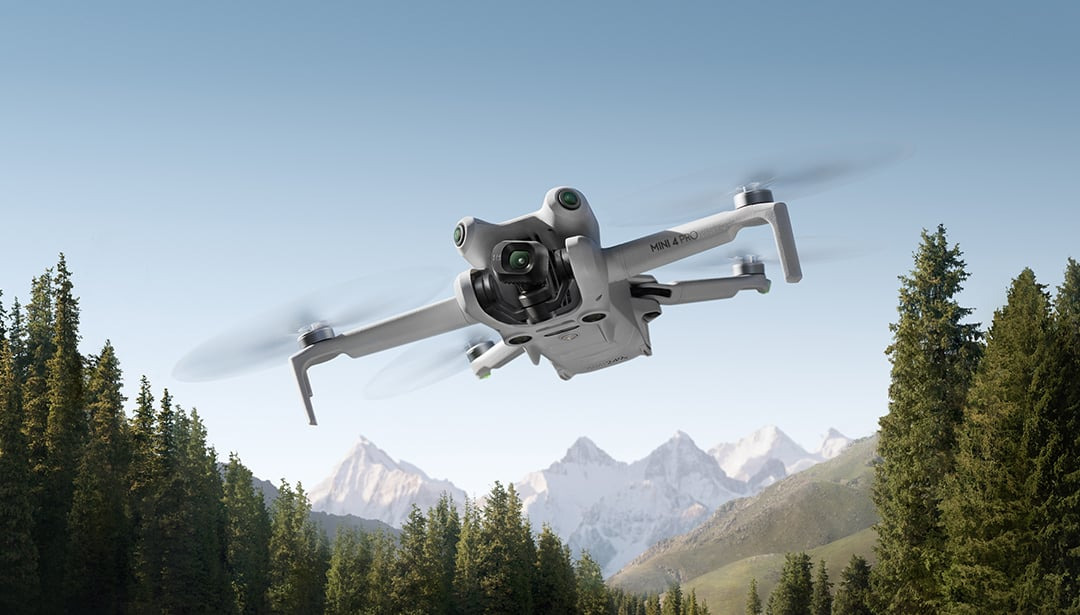
The best drones for real estate photography in 2026 include DJI Mini 4 Pro, DJI Air 3, and DJI Mavic 3 Pro. These drones offer excellent image quality, long flight time, and advanced stabilization — making them ideal for capturing professional aerial property photos.
Whether you are a professional photographer or a real estate agent building a marketing toolkit, selecting the right drone can elevate your listing presentation and help your properties stand out in an increasingly visual market.
1. Why drone photography matters in real estate marketing (2026 trend)
The way buyers discover properties has changed dramatically. In 2026, most home searches start online, and listings compete for attention within seconds. This is where drone real estate marketing becomes incredibly valuable. Aerial visuals immediately give a listing a more professional and premium feel, helping potential buyers pause, explore, and engage with the property.
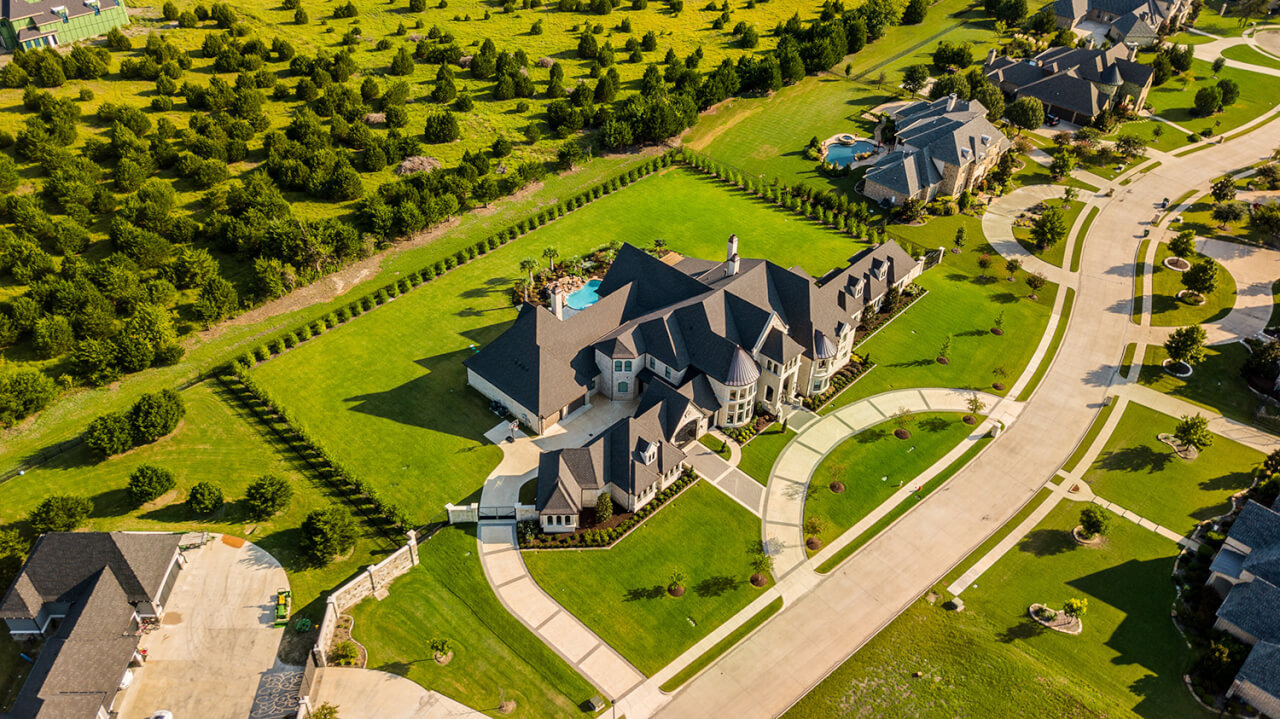
One of the biggest advantages of aerial real estate photography is perspective. Traditional ground photos show individual rooms or façade details, but drone shots reveal the full context of a property — the lot size, backyard layout, proximity to parks or water, and the surrounding neighborhood. For buyers browsing listings online, this broader view helps them better understand the property's true value.
Drone photography is also increasingly important for video-based marketing. Many agents now promote listings through Instagram Reels, TikTok, and YouTube property tours. Aerial footage creates smooth cinematic opening shots that instantly make a listing video feel more polished and professional.
Luxury real estate marketing especially benefits from drone imagery. Large estates, waterfront homes, golf course properties, and hillside residences often look far more impressive from the air. These perspectives showcase the scale and lifestyle that come with the property.
In short, drone photography is no longer just an extra feature — it has become a key visual strategy in modern real estate marketing. Agents who use aerial content consistently often create more engaging listings and stronger first impressions with potential buyers.
2. Key features to look for in the best drone for real estate
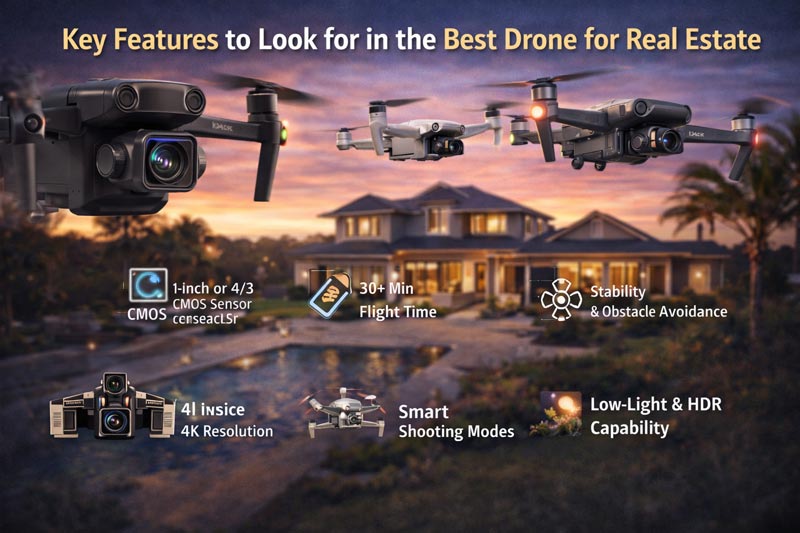
Choosing the best drones for real estate photography isn’t only about picking the newest model on the market. The right drone should help you capture clean, stable, and visually compelling images that make property listings stand out. When evaluating drones for real estate drone photography, several technical features play a critical role in the final image quality and shooting experience.
2.1. Camera sensor and resolution
The camera is the heart of any drone used for property photography. A larger sensor allows the drone to capture more detail, better dynamic range, and more natural colors. For most real estate work, a drone capable of shooting at least 4K video and high-resolution still images is essential. Drones with larger sensors — such as 1-inch or 4/3 CMOS sensors — can produce sharper aerial images that highlight landscaping, rooftops, and property layouts more clearly.
2.2. Flight time
Efficiency matters when photographing multiple listings in one day. Look for drones with 30 minutes or more of flight time per battery. Longer flight time allows photographers to capture different angles, neighborhood views, and multiple passes without constantly stopping to swap batteries.
2.3. Stability and obstacle avoidance
Stable flight is crucial for professional aerial real estate photography. Modern drones include advanced gimbal stabilization systems and obstacle detection sensors. These features help maintain smooth motion, reduce blurry shots, and prevent collisions when flying near trees, buildings, or power lines.
2.4. Smart shooting modes
Many of today’s drones offer intelligent flight modes that simplify capturing cinematic property footage. Automated orbit shots, waypoint navigation, and subject tracking can help photographers create polished marketing visuals with minimal effort.
2.5. Low-light performance and HDR capability
Real estate shoots often happen during golden hour or near sunset. Drones with strong low-light performance and HDR imaging can preserve details in shadows and highlights, producing balanced photos even in challenging lighting conditions. These capabilities are especially valuable when capturing dramatic aerial listing shots that attract buyers scrolling through online property listings.
3. Best drones for real estate photography in 2026
Selecting the best drones for real estate photography in 2026 means balancing image quality, flight stability, portability, and budget. Today’s drone technology makes it possible to capture cinematic aerial real estate photography that was once only achievable with helicopters or expensive camera rigs. For real estate professionals, the right drone can turn an ordinary listing into a visually compelling story — showing the full property layout, nearby scenery, and neighborhood context.
Below are some of the most reliable drones used by photographers and real estate marketers today.
3.1. DJI Mini 4 Pro
The DJI Mini 4 Pro has quickly become one of the most popular options for real estate drone photography, especially for photographers who want powerful features in a compact design.
Key specs:
-
1/1.3-inch CMOS sensor
-
4K video up to 100 fps
-
HDR photo capability
-
Up to 34 minutes of flight time
-
Omnidirectional obstacle sensing
Despite its lightweight build, the Mini 4 Pro delivers impressive image quality and excellent stabilization. Its intelligent shooting modes help photographers capture smooth orbit shots and dramatic property flyovers with minimal setup. Because it weighs under 250g in many markets, it is also easier to travel with and operate in certain regulatory environments.
For small to mid-size residential listings, this drone offers a great balance between portability, image quality, and ease of use.
3.2. DJI Air 3
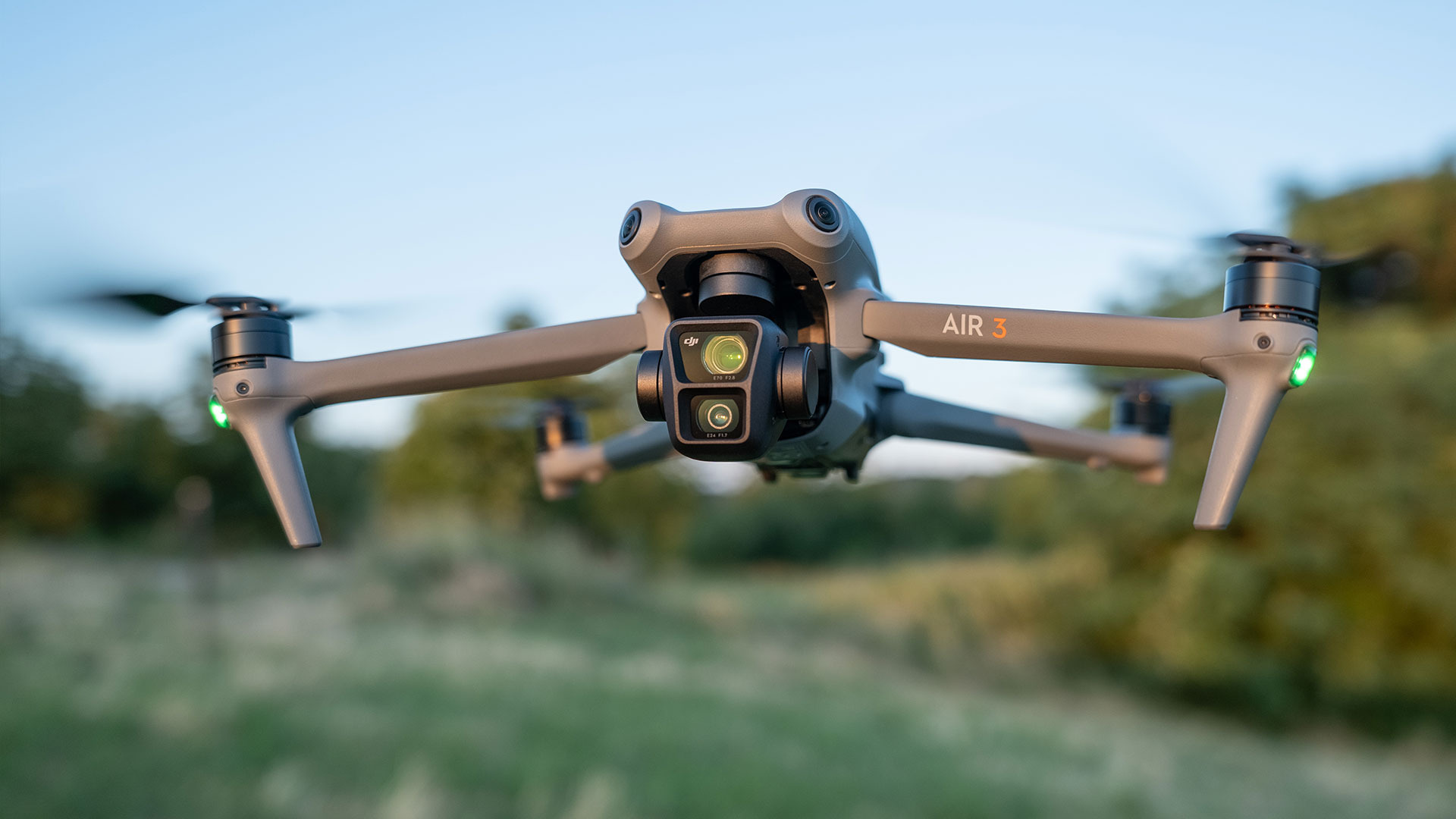
The DJI Air 3 stands out as one of the most versatile choices among the best drones for real estate photography thanks to its dual-camera system.
Key specs:
-
Dual cameras (wide and 3x medium telephoto)
-
1/1.3-inch sensors
-
4K HDR video
-
Up to 46 minutes of flight time
-
Advanced obstacle avoidance
This dual-lens setup allows photographers to capture both expansive aerial views and tighter architectural details without repositioning the drone. The longer flight time also makes it easier to photograph larger properties or capture multiple angles in one session.
For photographers working with larger homes or suburban neighborhoods, the Air 3 offers excellent flexibility for creating engaging drone real estate marketing visuals.
3.3. DJI Mavic 3 Pro
The DJI Mavic 3 Pro is widely considered a professional powerhouse for aerial real estate photography.
Key specs:
-
Triple-camera system
-
4/3 CMOS Hasselblad main camera
-
5.1K video recording
-
Up to 43 minutes of flight time
-
Advanced obstacle sensing
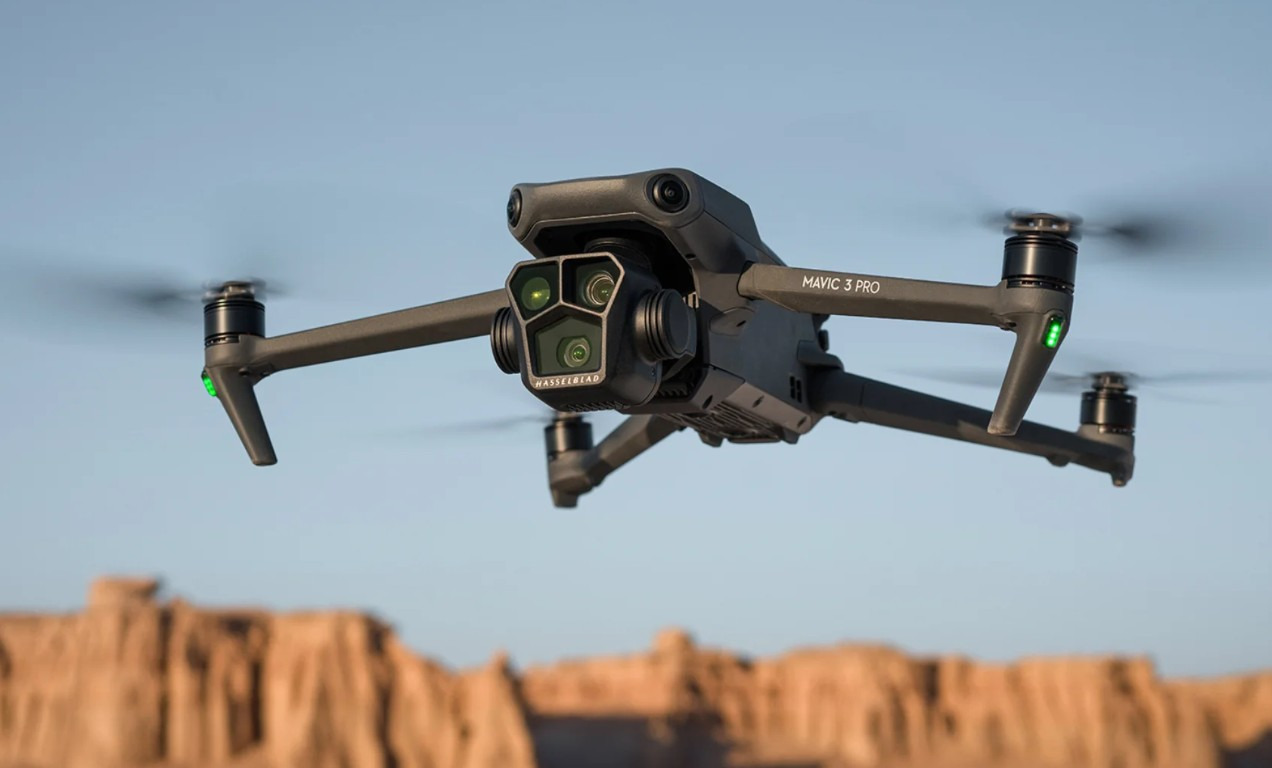
This drone is designed for photographers who want maximum image quality and creative control. The larger sensor captures exceptional dynamic range, making it ideal for shooting luxury properties, waterfront homes, and expansive estates.
The additional telephoto lenses allow photographers to highlight architectural details, landscaping, and property surroundings from unique angles. For high-end listings where presentation matters most, the Mavic 3 Pro delivers truly cinematic results.
3.4. DJI Mavic 3 Classic
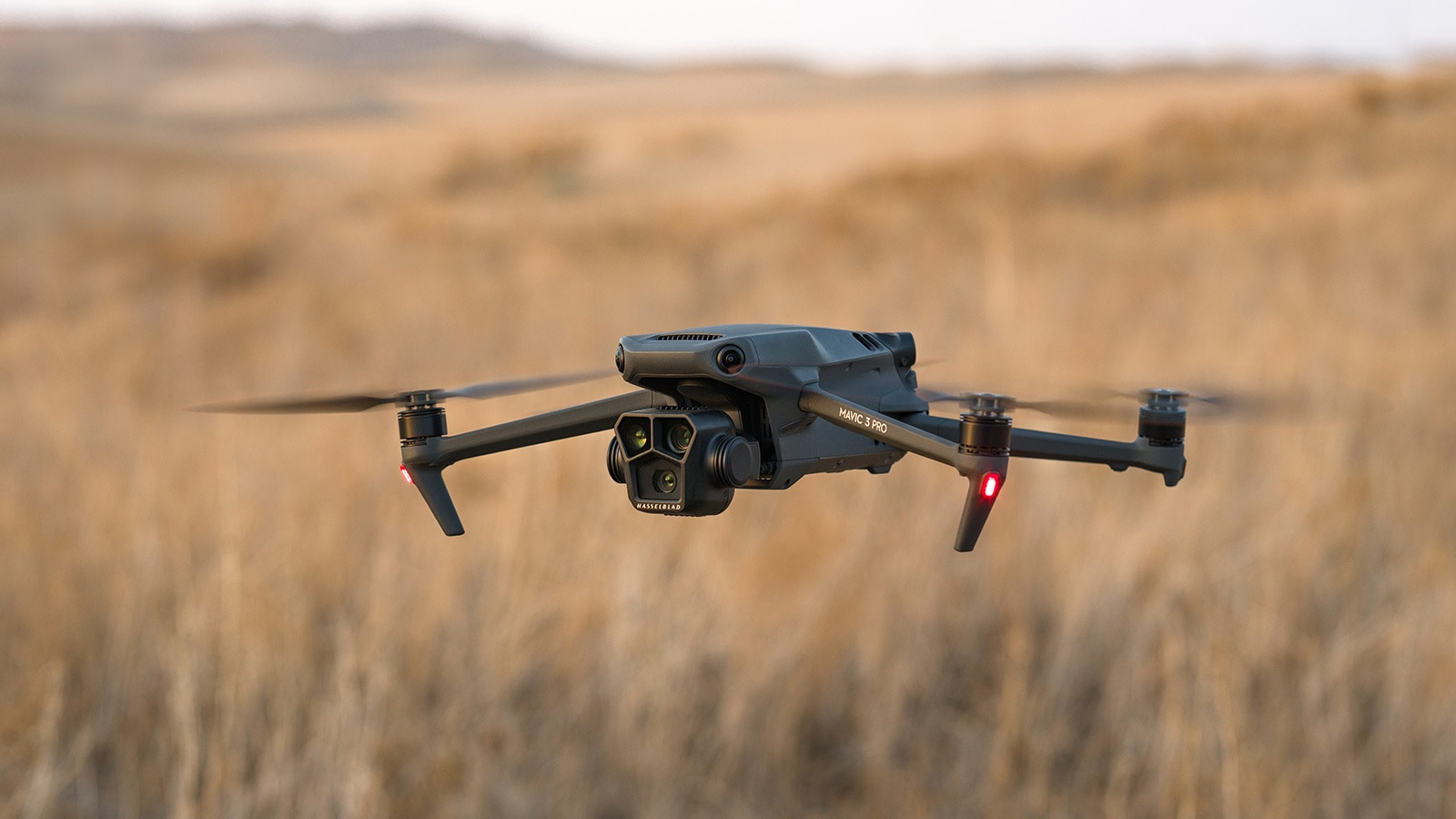
For professionals who want flagship image quality without the full multi-camera system, the DJI Mavic 3 Classic remains an excellent choice.
Key specs:
-
4/3 CMOS Hasselblad camera
-
5.1K video recording
-
43-minute maximum flight time
-
Advanced return-to-home safety system
The large sensor provides impressive clarity and color accuracy, which is particularly important when photographing properties during golden hour or twilight. The drone also maintains extremely stable flight performance, making it easier to capture smooth video footage.
For real estate photographers focused primarily on high-quality aerial imagery rather than multiple camera perspectives, the Mavic 3 Classic offers strong performance at a slightly lower price point.
3.5. Autel EVO Lite+
The Autel EVO Lite+ has become a strong competitor to DJI drones in the real estate drone photography market.
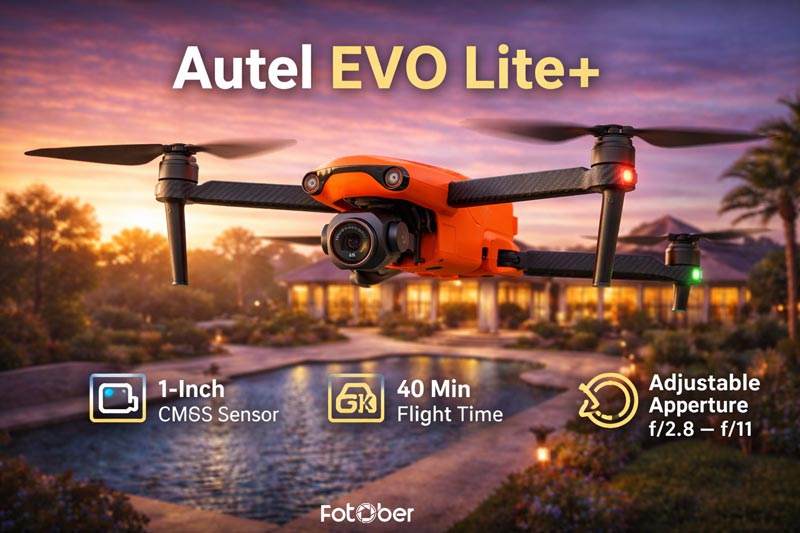
Key specs:
-
1-inch CMOS sensor
-
6K video recording
-
Up to 40 minutes of flight time
-
Adjustable aperture (f/2.8 – f/11)
One standout feature is the adjustable aperture, which allows photographers to control exposure without relying heavily on ND filters. This flexibility can be particularly useful when shooting properties during bright midday sunlight.
The EVO Lite+ also performs well in lower-light conditions, making it a strong option for sunset property shoots or twilight marketing imagery that helps listings stand out.
3.6. DJI Mini 3 Pro
The DJI Mini 3 Pro remains a favorite among photographers who want a lightweight yet capable drone for aerial real estate photography.
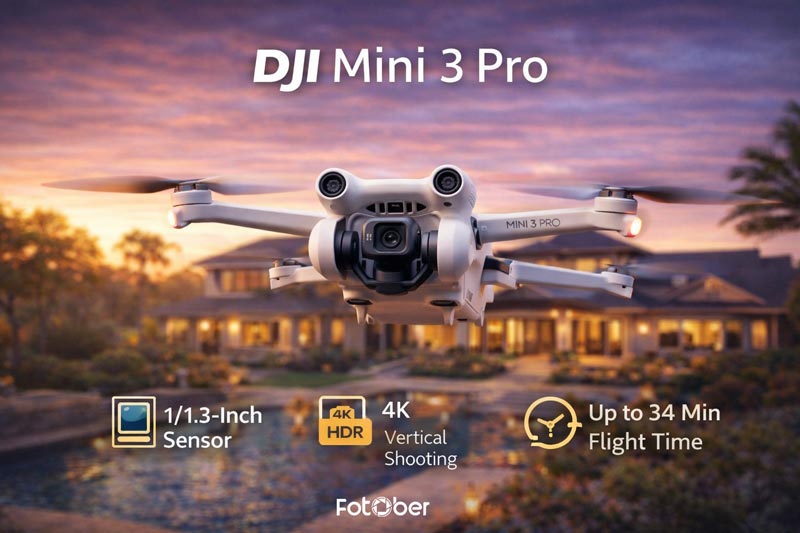
Key specs:
-
1/1.3-inch sensor
-
4K HDR video
-
Vertical shooting capability
-
Up to 34 minutes flight time
This drone offers excellent image quality relative to its size and price. Its compact design makes it extremely convenient for photographers who travel frequently or shoot multiple listings per day.
The vertical shooting option also makes it easier to create social media content for listing promotions — a growing trend in drone real estate marketing where agents promote properties through short-form video platforms.
3.7. Autel EVO II Pro
The Autel EVO II Pro continues to be a powerful drone choice for professionals who want high-resolution aerial imagery.
Key specs:
-
1-inch CMOS sensor
-
6K video resolution
-
40-minute flight time
-
360° obstacle avoidance
The drone’s high resolution allows photographers to capture incredibly detailed property visuals, which is particularly useful for large estates, commercial properties, or luxury developments.
The EVO II Pro is also known for its strong safety features and stable flight performance, making it a reliable platform for capturing precise aerial compositions in more complex environments.
3.8. Budget Pick: DJI Mini 2 SE
For photographers who are just starting out with real estate drone photography, the DJI Mini 2 SE offers a highly affordable entry point.
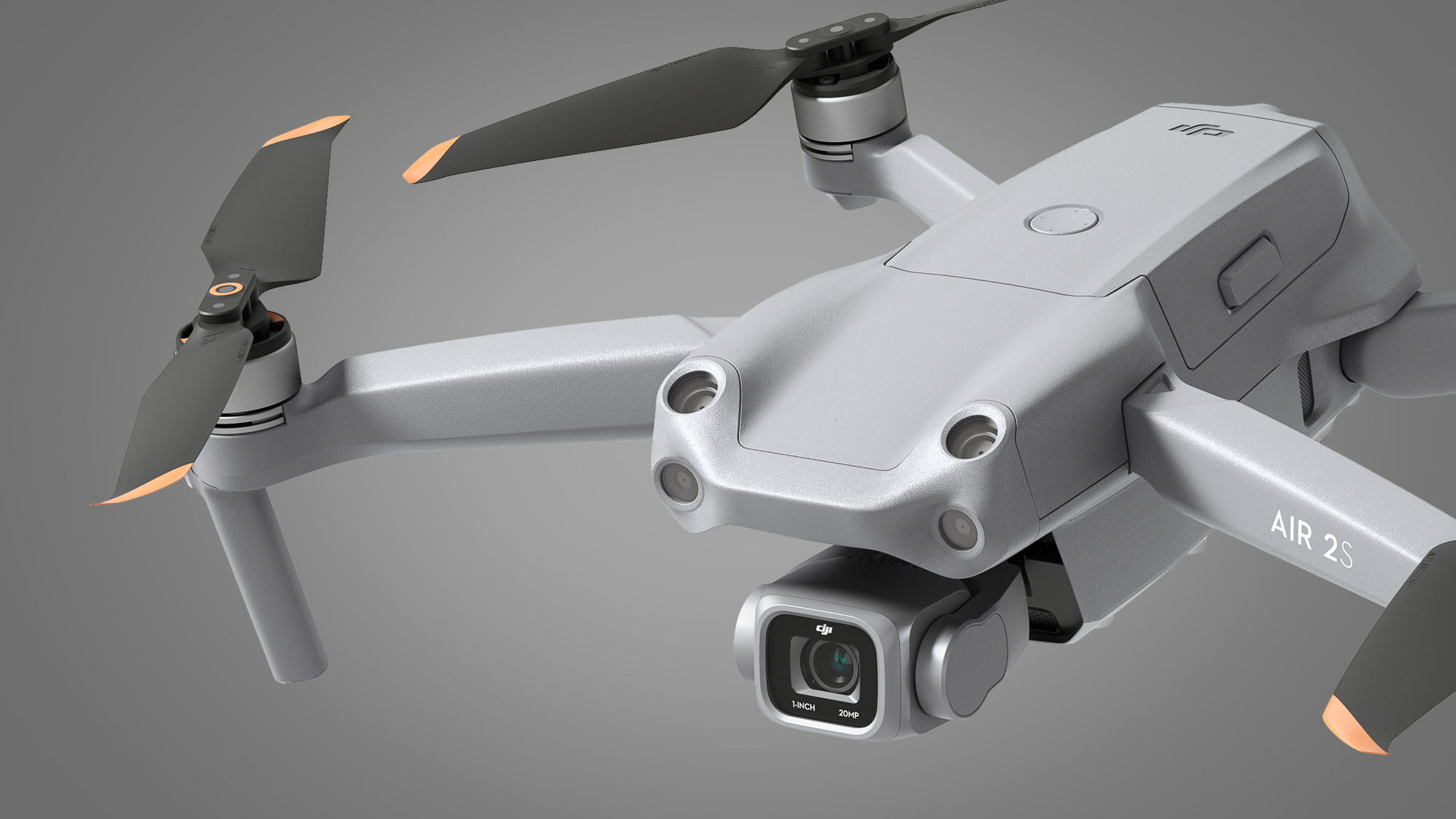
Key specs:
-
2.7K video capability
-
31 minutes flight time
-
Lightweight design
-
Strong GPS stabilization
While it does not offer the advanced sensors found in higher-end drones, it still produces clean aerial photos suitable for many residential listings. For beginner photographers or real estate agents experimenting with aerial visuals, the Mini 2 SE provides a simple and budget-friendly way to add drone shots to property marketing without a large upfront investment.
Together, these models represent some of the best drones for real estate photography in 2026, offering a range of options for beginners, growing photography businesses, and experienced professionals who want cinematic aerial listing visuals.
4. Drone photography tips for real estate listings
Even the best drone for real estate will only deliver great results when the photographer understands how to use light, composition, and storytelling effectively. Aerial photography is not just about flying higher—it’s about showing a property in its best possible context.
Shoot during golden hour: Lighting can completely transform a listing. Early morning or late afternoon—often called the golden hour—creates soft shadows and warm tones that make homes look more inviting. This timing also enhances landscape textures such as lawns, pools, and surrounding greenery, which is especially important in real estate drone photography.
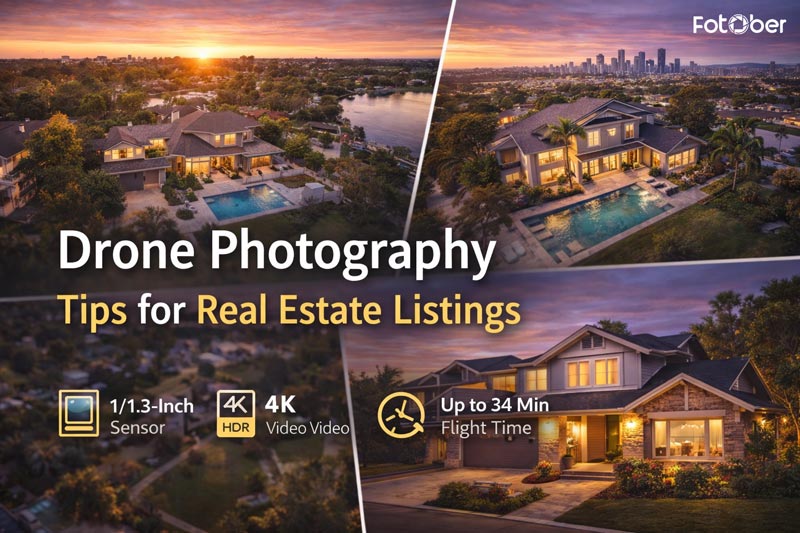
Capture the neighborhood context: One of the biggest advantages of drones is perspective. Instead of focusing only on the property, step back and include nearby amenities—parks, lakes, schools, or skyline views. Buyers aren’t just purchasing a house; they’re buying into a lifestyle and location.
Mix aerial shots with ground photography: Strong listings rarely rely on drone shots alone. The most compelling galleries combine aerial views, exterior ground photos, and interior images to create a complete visual narrative. A drone image may introduce the property, while ground-level photos highlight architectural details and curb appeal.
Avoid harsh midday light: Midday sun often produces harsh shadows, washed-out colors, and blown highlights on roofs or concrete surfaces. If you must shoot at noon, consider flying slightly higher and adjusting angles to reduce contrast.
Many photographers also enhance drone images afterward using real estate photo editing services to balance exposure, improve skies, and ensure the final listing images feel polished and consistent.
5. Legal requirements for drone real estate photography
While drone technology has transformed property marketing, using a drone professionally requires understanding the legal framework behind drone real estate photography. For agents and photographers working in the United States, compliance is essential.
Commercial drone certification: Anyone using a drone for commercial purposes—including real estate listings—must follow regulations set by the Federal Aviation Administration. Most professionals operate under the FAA Part 107 certification, which allows licensed operators to legally conduct commercial drone real estate photography. This certification ensures pilots understand airspace rules, safety procedures, and operational limitations.
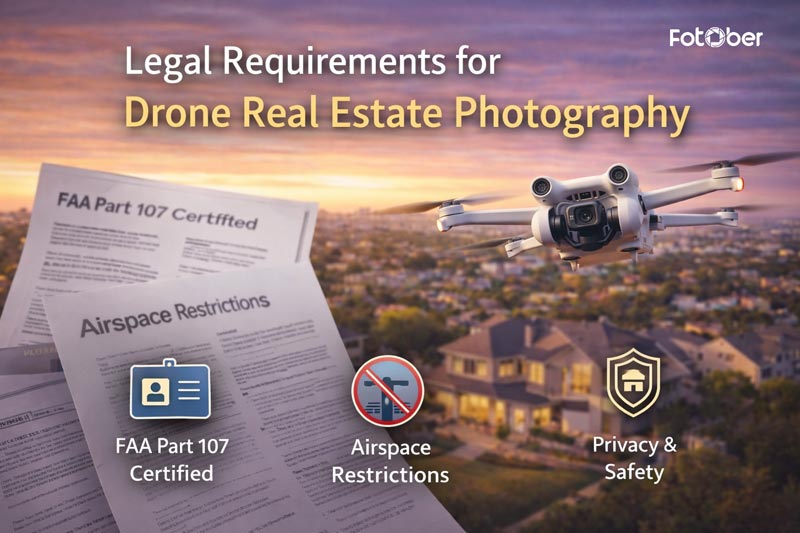
Airspace restrictions: Not all locations allow unrestricted drone flights. Properties near airports, military bases, or controlled airspace may require additional authorization before flying. Checking airspace maps and flight planning tools is a critical step before any shoot.
Privacy considerations: Drones can easily capture surrounding homes, backyards, or neighboring properties. Ethical real estate photographers avoid filming areas unrelated to the listing and remain mindful of local privacy laws.
Operational safety: Professional drone operators must maintain visual line-of-sight, follow altitude limits, and avoid flying over crowds or moving vehicles. These guidelines are designed to protect both people and property during aerial operations.
For real estate professionals, understanding regulations like FAA Part 107 drone real estate rules isn’t just about compliance—it’s about building trust and ensuring that every aerial image is captured responsibly and professionally.
6. Why editing matters for drone real estate photos
Capturing aerial images with the best drone for real estate is only the first step. Even high-end drones cannot always handle complex lighting conditions, reflections, or color inconsistencies that often appear in real estate drone photography. That’s why professional editing plays a critical role in turning raw aerial shots into compelling listing visuals.
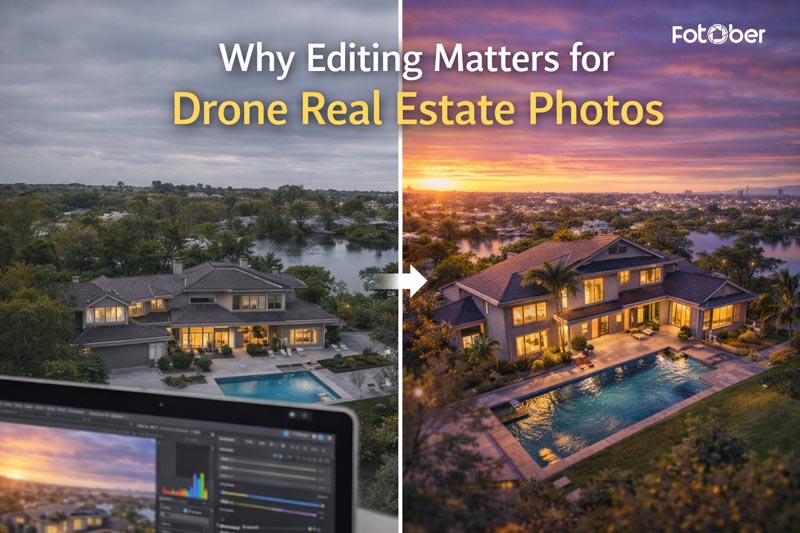
Exposure balancing is one of the most common adjustments. When shooting from above, parts of the property may appear too dark while roofs, driveways, or water surfaces become overly bright. Careful exposure correction ensures every detail—from landscaping to architectural lines—remains visible and natural.
Another powerful enhancement is sky replacement. A cloudy or washed-out sky can make an otherwise beautiful property feel dull. By replacing it with a clear or softly lit sky, editors can dramatically improve the overall mood of the image while keeping it realistic.
Color correction also helps maintain visual consistency across listing photos. Drone cameras sometimes produce slightly inaccurate tones due to shifting sunlight or reflections from nearby buildings. Adjusting white balance and color temperature ensures the property looks clean, vibrant, and professionally presented.

Many photographers also use twilight enhancement to create more dramatic listing visuals. For example, many professionals rely on day to dusk conversion to transform aerial images into stunning twilight scenes that highlight lighting, pools, and outdoor spaces. This technique is commonly offered through professional real estate photo editing services, helping realtors create eye-catching images that stand out on listing platforms.
In a competitive market, editing is not about altering reality—it’s about presenting the property at its absolute best.
Conclusion
Today, drone real estate photography has become one of the most powerful tools for modern property marketing. A well-captured aerial image instantly helps a listing stand out, giving buyers a clear understanding of the property layout, surroundings, and lifestyle the home offers.
Choosing the best drone for real estate certainly makes a difference, but great visuals rarely come from equipment alone. Timing, composition, and thoughtful editing are what ultimately transform aerial shots into compelling listing images.
Professional post-production—such as exposure correction, color balancing, or twilight enhancement—can elevate a standard drone photo into a polished marketing asset. Services like day to dusk conversion are especially effective for creating dramatic listing visuals that capture attention online.
If you want your aerial images to truly stand out, professional real estate photo editing services can help bring out the full potential of every shot. At Fotober, our editing team specializes in enhancing real estate imagery so photographers and agents can present properties with clarity, impact, and confidence.
Follow Fotober on social media:
-
YouTube Channel: Fotober
-
TikTok Channel: @fotober
-
Email support: [email protected]
-
Hotline: +84 942 110 297
Related posts

Minimalist Interior Design: Characteristics, Style Guide, and Staging
October 8, 2026

Coastal Interior Design: Style Definition & Staging Guide
September 30, 2026

Contemporary Interior Design: Key Elements and How to Stage This Style
September 30, 2026

Scandinavian Interior Design: Key Elements, Style Guide, and Staging
September 30, 2026
