




World Cup 2026 Host City Real Estate: Overview & Marketing Strategies

Share:
Table of Contents
- 1. The economic catalyst: How World Cup 2026 is reshaping North American housing
- 2. Deep dive: Real estate landscape in prominent World Cup 2026 host cities
- 3. Elevating property appeal: Advanced luxury real estate marketing strategies
- 4. Maximizing World Cup 2026 host city real estate digital listings via virtual staging
- 5. Conclusion
As the global spotlight intensifies on the biggest sporting event in history, North America is witnessing an economic phenomenon that extends far beyond the stadium gates. The FIFA World Cup 2026, currently unfolding across 16 dynamic metropolitan areas in the United States, Canada, and Mexico, has triggered an unprecedented influx of international capital, tourism, and infrastructure expansion. Consequently, the World Cup 2026 host city real estate market has entered a hyper-competitive era, with premium property valuations and short-term rental demands reaching historic highs.
For high-end developers and elite brokerages looking to capture the attention of affluent global investors arriving for the tournament, traditional sales tactics are no longer sufficient. Navigating this fast-paced gold rush requires sophisticated, multi-channel luxury real estate marketing strategies tailored to an elite, cross-border audience. Because international buyers are moving rapidly and often purchasing prime properties remotely, leveraging cutting-edge spatial visualization is paramount. This article analyzes how the tournament is reshaping prime housing landscapes and details the next-gen marketing required to turn global spectators into luxury property owners.
1. The economic catalyst: How World Cup 2026 is reshaping North American housing
The tournament's economic footprint is projected to transcend $10 billion, creating a structural shift in local economies rather than a temporary tourism spike. Hosting the games demands massive capital allocation toward transit expansions, airport modernizations, and massive commercial redevelopments. This permanent infrastructure injection drastically reduces urban friction, directly fueling the long-term appreciation of World Cup 2026 host city real estate.
International buyers are no longer evaluating these markets solely on local employment data; they are pricing in the global prestige and heightened accessibility accelerated by the tournament. Historical data from past major sporting events indicates that infrastructure-led appreciation sustains for 3 to 5 years post-event. In 2026, this trend is manifesting rapidly across North America, with premium residential and commercial sectors experiencing double-digit annual growth rates. To capitalize on this trajectory, developers are deploying aggressive luxury real estate marketing campaigns to anchor these global infrastructure gains into tangible property value for cross-border investors.
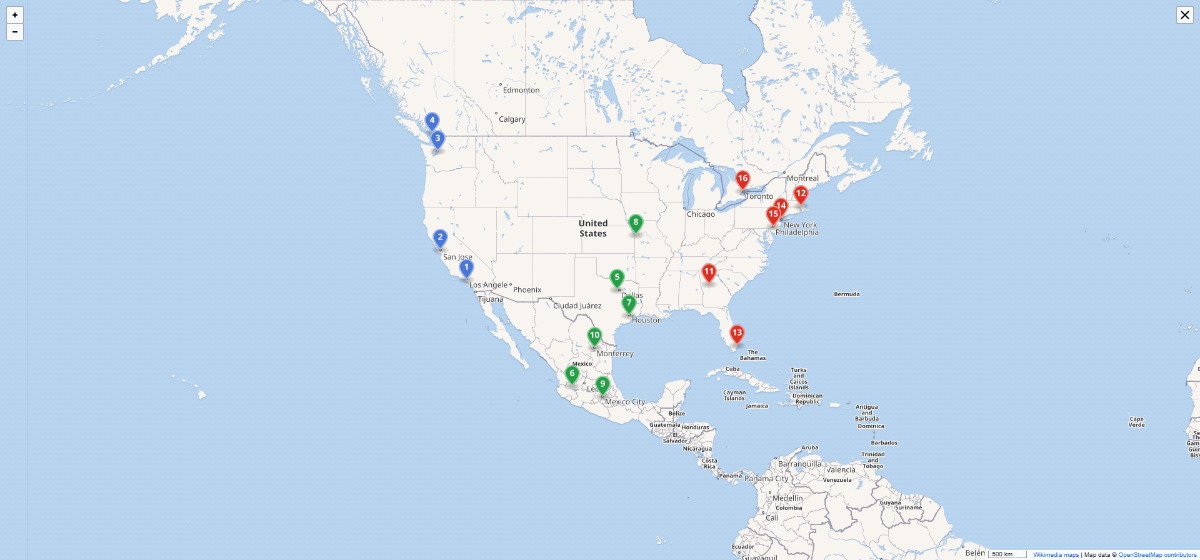 The World Cup 2026 is being hosted across 16 cities, attracting not just sports fans but international investors.
Furthermore, the surge is heavily concentrated in premium zip codes. The sudden demand for high-end hospitality and corporate housing has squeezed vacancy rates down to historic lows of less than 2% in prime districts. This inventory compression alters how properties are presented online; listings must instantly communicate a sense of scarcity and turnkey luxury. Consequently, incorporating sophisticated visuals like virtual staging for real estate listings becomes vital to capture immediate buyer interest before the limited inventory clears out.
The table below highlights how this economic catalyst has translated into unprecedented property price growth across prominent host cities since the initial tournament bid award:
|
Host city |
Country |
Property price growth |
Core real estate driver |
|
Guadalajara |
Mexico |
+111.6% |
Infrastructure upgrades |
|
Monterrey |
Mexico |
+99.7% |
Nearshoring expansion |
|
Miami |
USA |
+71.3% |
Luxury condo demand |
|
Kansas City |
USA |
+66.2% |
Suburban growth |
|
Mexico City |
Mexico |
+60.7% |
Premium rental shortage |
|
Dallas |
USA |
+40.0% |
Corporate relocation |
2. Deep dive: Real estate landscape in prominent World Cup 2026 host cities
To truly understand how this tournament alters localized housing dynamics, we must look closely at the distinct micro-markets anchoring this historic boom. The impact of the World Cup 2026 host city real estate expansion is not uniform; instead, it adapts uniquely to the existing economic landscape of each metropolitan area, offering distinct opportunities for developers and investors alike.
2.1. Miami, USA – The global luxury & rental epicenter
Hosting seven high-stakes matches and welcoming over 700,000 international visitors, Miami has solidified its position as the continent's premier luxury hub. The massive influx of Latin American and European capital is driving unprecedented demand for premium condominiums in neighborhoods like Brickell, Downtown, and Edgewater. Investors are aggressively hunting for turnkey assets to capitalize on the lucrative short-term rental market during and long after the tournament. Because a vast majority of these high-net-worth buyers are acquiring properties from across the globe, traditional property brochures are no longer enough to close the deal. Elite brokerages are pivoting their luxury real estate marketing campaigns toward immersive, digital-first experiences. Out-of-state and international buyers rely heavily on real estate photography in Miami and photorealistic virtual staging for real estate listings to assess spatial potential and premium layouts before making an offer, making immediate digital engagement the deciding factor in securing cross-border sales.
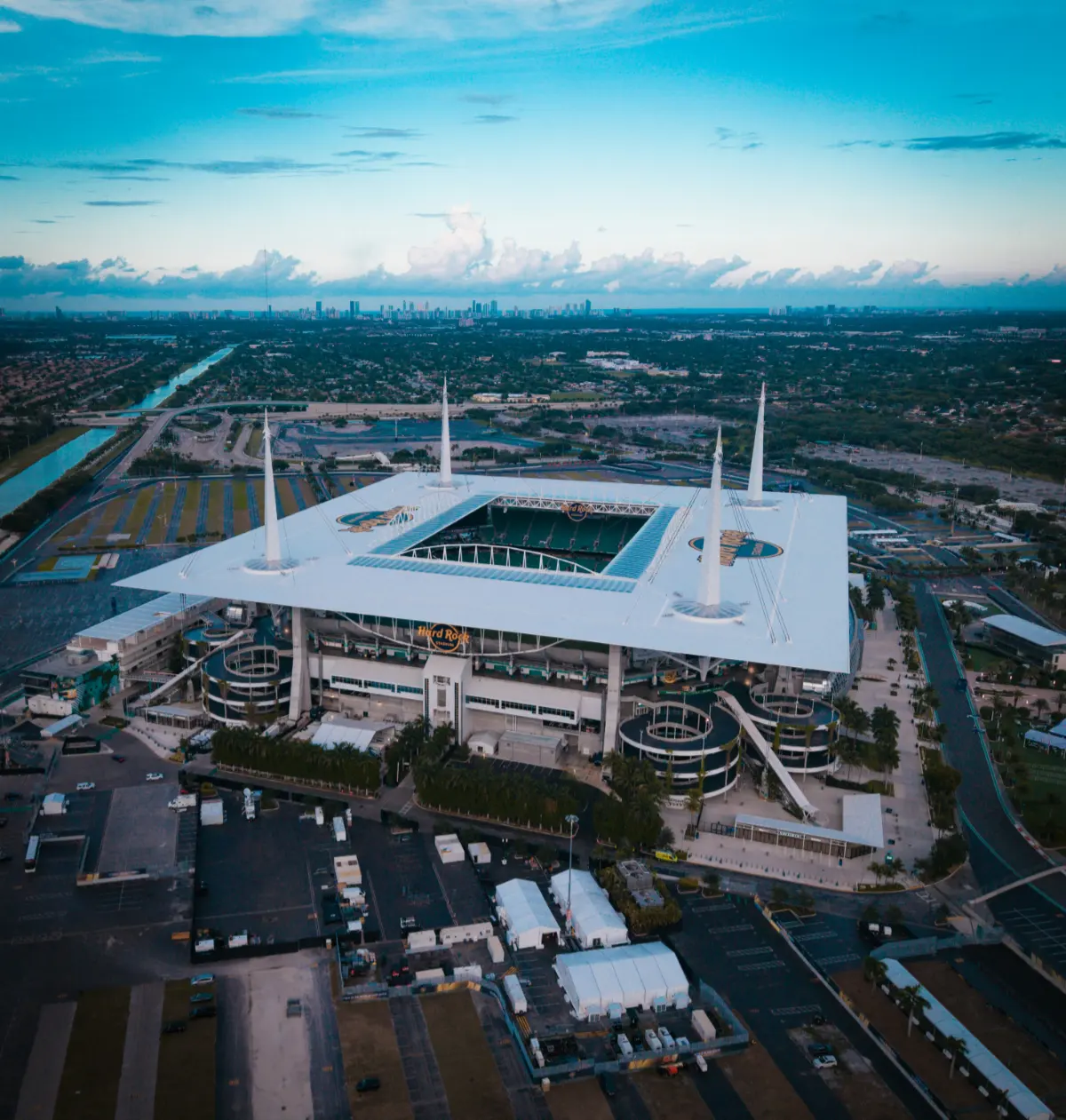 Miami is expected to see a surge in short-term rental demand during the tournament.
2.2. Dallas, USA – Corporate influx and suburban expansion
With a projected $2.1 billion economic tournament impact, Dallas is witnessing a massive real estate transformation. Rather than focusing solely on the urban core, the luxury surge has expanded dramatically into affluent suburban enclaves like Frisco and Southlake. A powerful wave of corporate relocations, paired with the international spotlight from the games, has created an inventory shortage for ultra-premium, expansive estates. Marketing properties in this region requires a blend of macro-economic storytelling, highlighting corporate tax advantages and massive stadium-adjacent infrastructure investment, and meticulous digital asset presentation to attract discerning domestic and international executives looking for long-term equity.
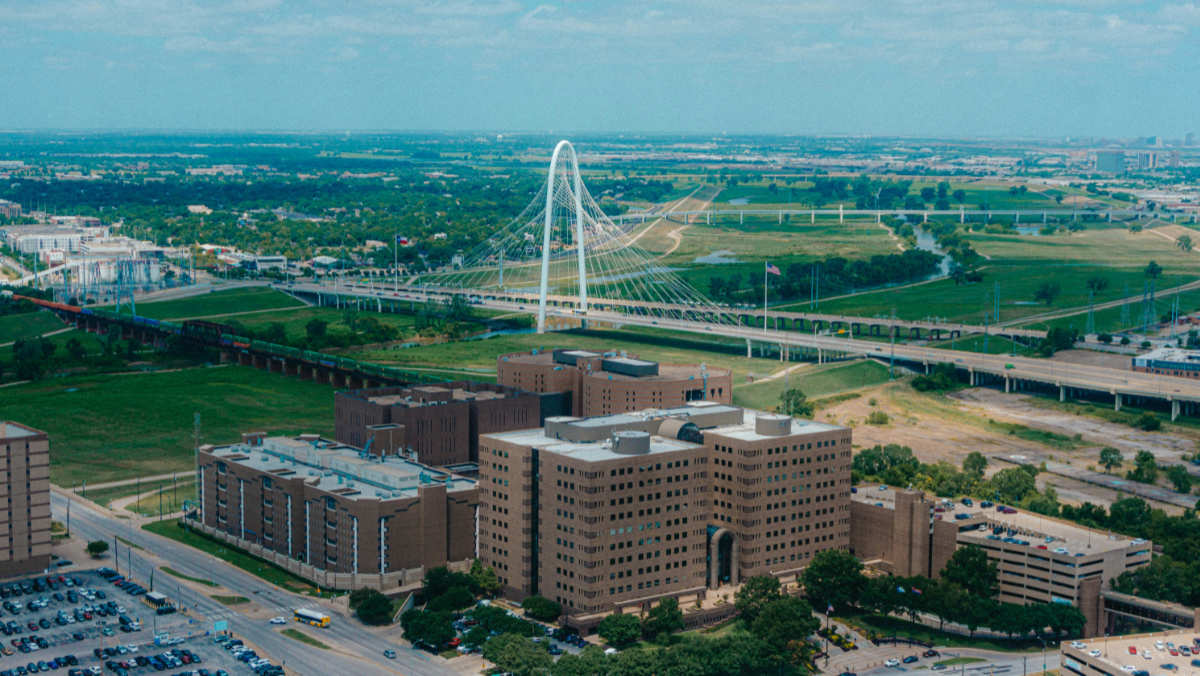 Dallas suburbs are being rapidly transformed with the influx of corporations and stadium-adjacent infrastructure investment.
2.3. Toronto, Canada – Infrastructure push and waterfront revitalization
Toronto is leveraging its host city status to expedite massive transit and urban renewal projects. Capital is flowing directly into waterfront revitalization and critical transit corridors like the Eglinton Crosstown and Finch West LRT extensions. This infrastructure push has supercharged premium property values around key transit hubs. For luxury developers, the marketing narrative has shifted from selling individual square footage to selling long-term, connected urban lifestyles. High-end listings now feature heavily staged penthouses and modern townhomes that showcase the absolute best of Toronto’s newly modernized waterfront living to overseas buyers.
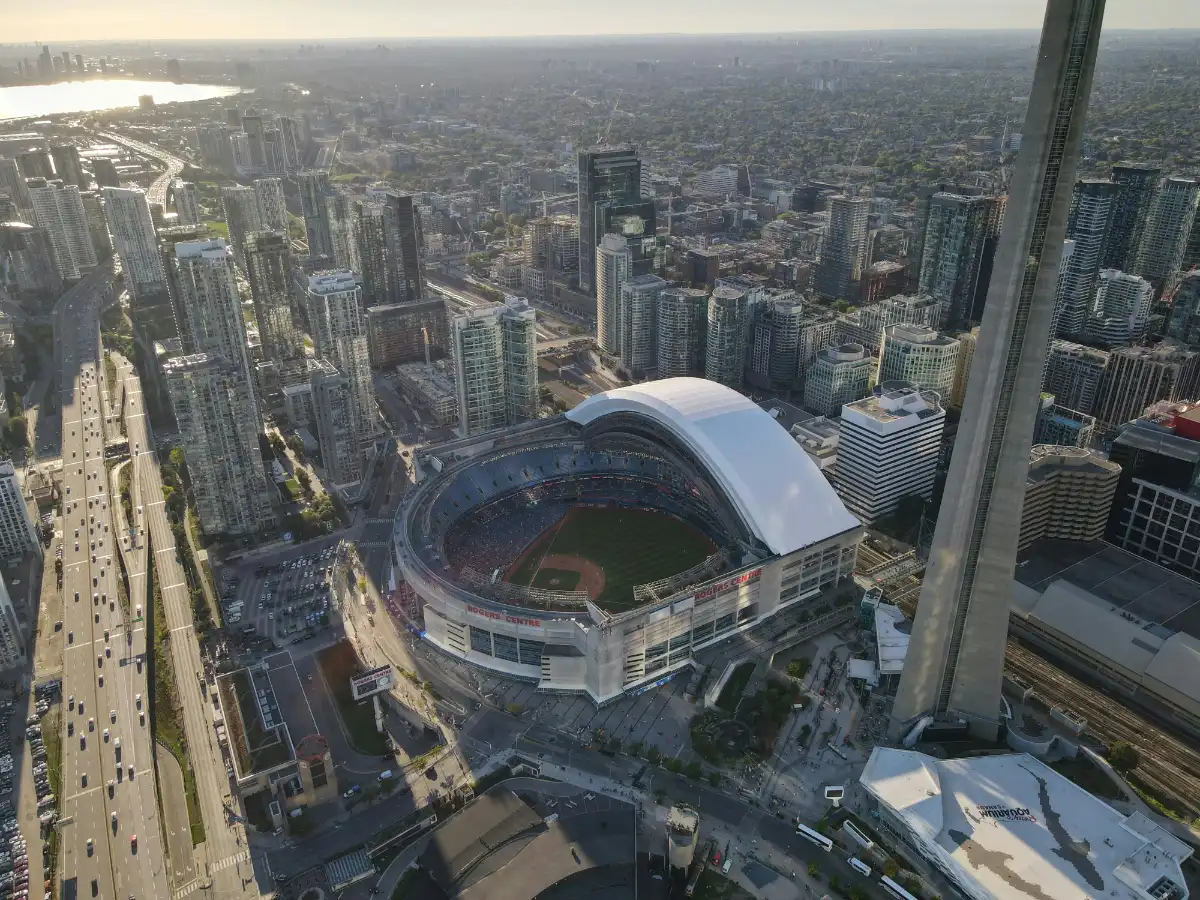 Toronto is rivaling many US host cities with newly modernized facilities and infrastructure.
2.4. Mexico’s powerhouses (Guadalajara & Monterrey) – The unexpected growth leaders
While U.S. metros draw massive media attention, Mexico’s prominent host cities are actually leading the continent in capital appreciation. Guadalajara and Monterrey have recorded astonishing property price growths of +111.6% and +99.7%, respectively, since the bid award. This explosive growth is the result of a perfect storm: the global visibility of the World Cup acting as an accelerant on top of powerful macroeconomic tailwinds like nearshoring. In Monterrey, premium commercial and residential expansions are catering to multinational executives demanding world-class standards. To bridge the gap for foreign investors unfamiliar with local developments, agencies are aggressively adopting digital-first listing strategies. Presenting raw, newly constructed luxury spaces through advanced digital staging allows international syndicates to immediately visualize high-yield rental setups, fueling a historic investment wave across Mexico's premium sectors.
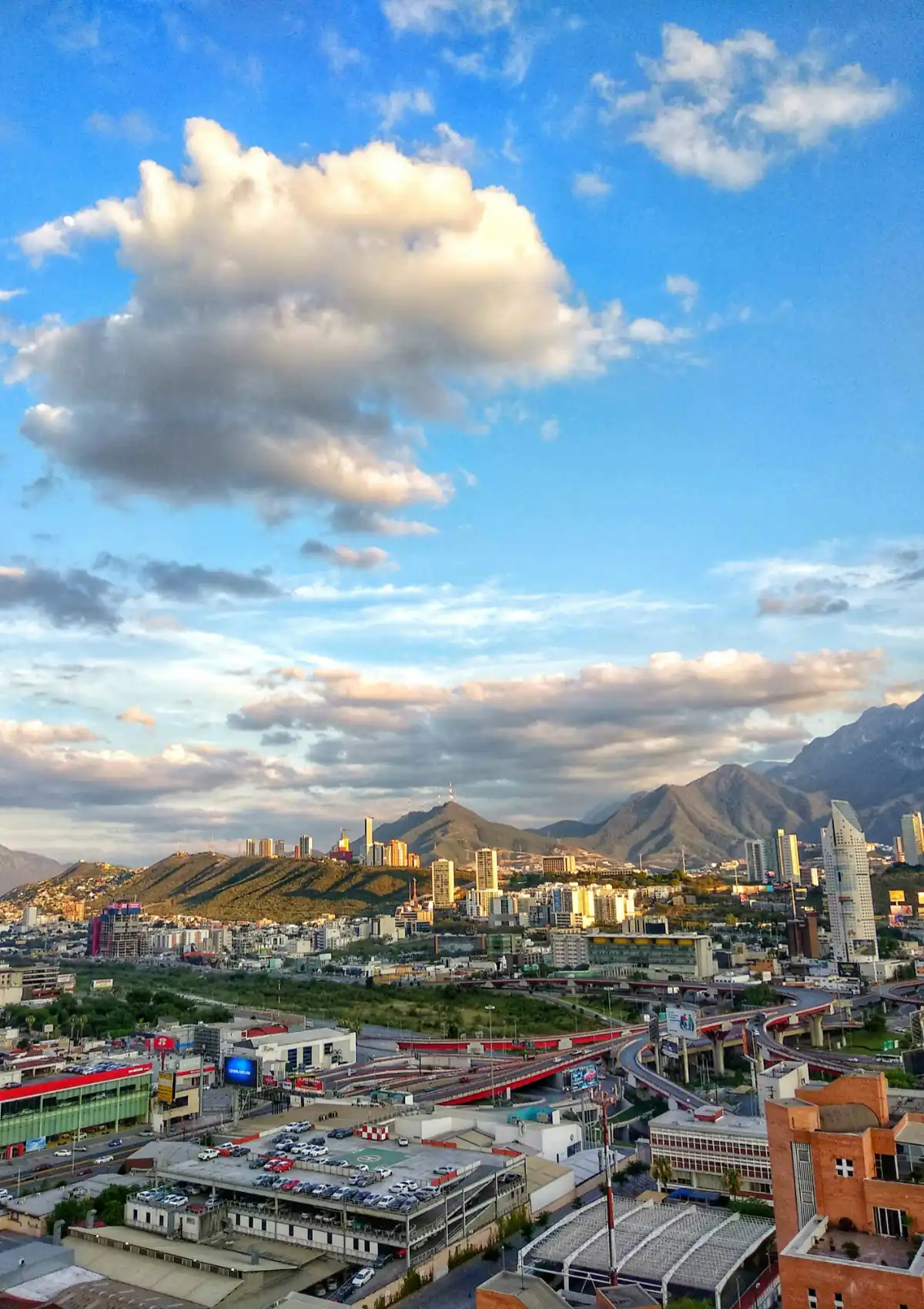 Many cities in Mexico will significantly benefit from the World Cup.
3. Elevating property appeal: Advanced luxury real estate marketing strategies
As global wealth converges on North America for the tournament, standard localized promotional tactics fall short. The unprecedented surge in World Cup 2026 host city real estate values requires a paradigm shift in how high-end assets are presented to the world. To stand out in a hyper-competitive landscape, developers and premium brokerages must deploy advanced, multi-channel luxury real estate marketing strategies designed to capture and convert global High-Net-Worth Individuals (HNWIs) and institutional investors.
3.1. Reaching the global HNWI and cross-border investors
Modern luxury marketing in 2026 must transcend domestic boundaries. Capturing the wave of international capital flowing into host cities requires highly sophisticated, cross-border digital campaigns. Elite brokerages are bypassing traditional print media to invest heavily in programmatic digital PR, securing high-impact editorial features in prestigious global publications like Mansion Global, Robb Report, and The Wall Street Journal.
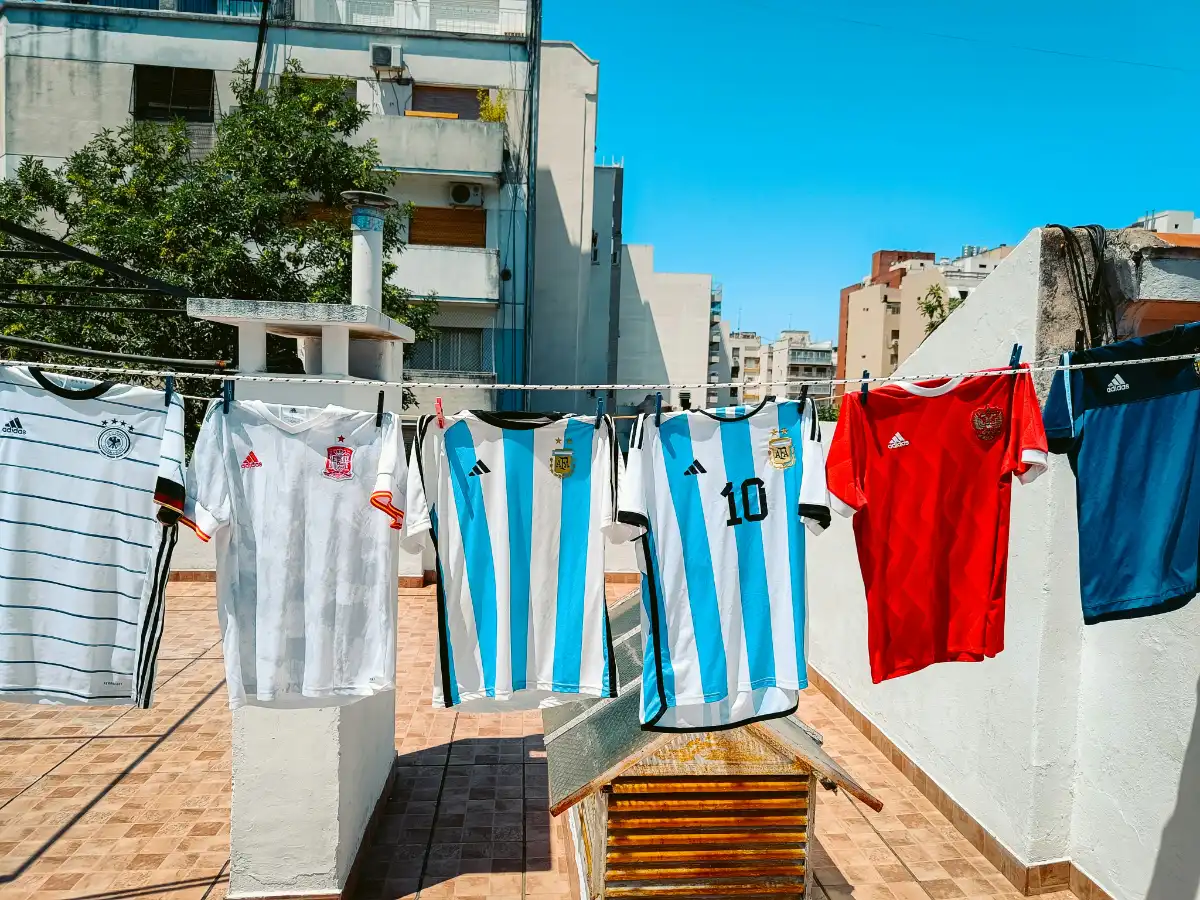 International events like the World Cup are chances for global investors to assess potential high-return real estate in host cities.
Furthermore, because affluent buyers from Europe, Asia, and Latin America are actively searching for stable asset classes during the tournament, executing hyper-targeted international SEO strategies is paramount. This involves optimizing digital platforms for multilingual search intents and localizing landing pages to address specific foreign investment regulations, tax advantages, and currency hedge benefits, ensuring your listings rank at the very top of global search results.
3.2. Storytelling and legacy marketing
Beyond pure visibility, closing multi-million-dollar transactions relies on emotional resonance and architectural narrative, a concept known as "legacy marketing." Wealthy buyers are rarely searching for mere concrete and square footage; instead, they are investing in curated lifestyles, prestige, and the long-term socio-economic dividends of a post-tournament metropolis.
To convey this narrative, marketing agencies are shifting toward high-production cinematic property films. These architectural stories do not just show a floor plan; they highlight the lifestyle, the private helicopter access, proximity to newly modernized urban districts, and breathtaking panoramic views. These digital assets are then paired with elite offline experiences, such as invitation-only private viewings and exclusive yacht-side presentations curated specifically for tournament VIPs and corporate executives.
Crucially, because these high-profile clients operate on tight schedules or manage portfolios remotely, the digital gateway must be flawless. Integrating premium virtual staging for real estate listings directly into these high-end campaigns allows international buyers to immediately experience custom-tailored interior designs and bespoke finishes from anywhere in the world. By blending macro-economic storytelling, elite digital PR, and photorealistic spatial visualization, real estate professionals can elevate property appeal and successfully command historic pricing premiums.
4. Maximizing World Cup 2026 host city real estate digital listings via virtual staging
In the hyper-accelerated market of World Cup 2026 host city real estate, speed and flawless visual presentation are paramount. With hundreds of thousands of affluent international investors converging on North American metropolitan hubs, prime properties are frequently discovered, analyzed, and transacted entirely online. To capture these fast-moving, cross-border buyers, traditional photography of vacant properties is no longer competitive. Real estate professionals must pivot to digital-first solutions to keep pace with market velocity.
4.1. The power of spatial visualization for international buyers
Many international high-net-worth individuals (HNWIs) traveling during the tournament operate on exceptionally tight schedules, leaving zero time to tour empty, uninspiring homes in person. Advanced virtual staging for real estate listings bridges this geographic and scheduling gap by transforming cold, vacant concrete shells into breathtaking, fully realized architectural masterpieces. Through high-fidelity, photorealistic 3D renderings, a bare downtown penthouse or an expansive suburban estate can be instantly dressed with custom, high-end Italian furniture, bespoke ambient lighting, and curated art collections. This immediate sense of scale, warmth, and luxury allows overseas buyers to emotionally connect with the space right from their mobile devices, providing the spatial clarity and confidence needed to execute high-value, sight-unseen transactions.
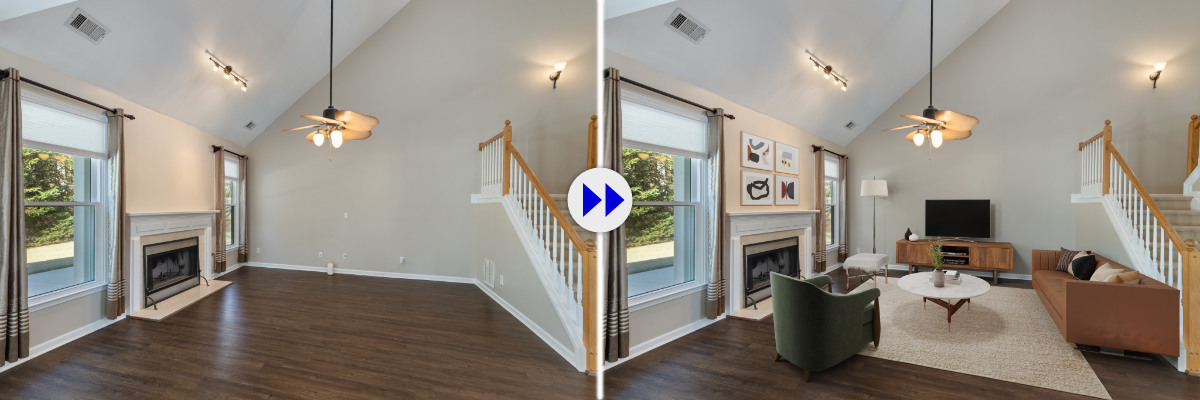 Virtual staging has become the most sought-after visualization solution for real estate listings in recent years.
4.2. Hyper-targeted aesthetics and cost efficiency
Furthermore, digital staging offers an unparalleled level of design flexibility that physical staging simply cannot match. Within sophisticated luxury real estate marketing frameworks, understanding and catering to the diverse cultural aesthetics of global investors is a critical conversion factor. Virtual staging allows marketing teams to showcase a single property listing in multiple distinct interior design styles, such as sleek European minimalism, lavish contemporary opulence, or warm Mid-Century modernism, tailoring the visual narrative to specific target audiences across Asia, Europe, or Latin America. This hyper-targeted approach dramatically increases listing click-through rates and accelerates sales velocity on major digital platforms. Best of all, it eliminates the immense logistical friction of moving heavy furniture, saving developers up to 90% compared to physical staging costs while maximizing investment returns during this historic tournament boom.
5. Conclusion
The FIFA World Cup 2026 represents a historic inflection point, permanently elevating the baseline value of World Cup 2026 host city real estate. Looking ahead to 2027, the initial tournament hype will mature into a highly lucrative legacy market driven by upgraded urban infrastructure and sustained global interest. To capitalize on this lasting momentum, developers and brokerages must abandon outdated sales methods. Integrating sophisticated luxury real estate marketing campaigns with immersive virtual staging for real estate will remain the gold standard for capturing remote international wealth. The real estate winners of 2027 will be those who continue blending macroeconomic storytelling with cutting-edge digital visualization.
Follow us on social media to stay updated with the latest real estate trends and find the best solutions for leveling up your property marketing game.
- Facebook: fotobermedia.co
- YouTube: Fotober
- TikTok: @fotober
- Instagram: fotober_media.
Related posts
Cincinnati Housing Market 2026: Prices, Trends, and What It Means for Buyers, Sellers, and Investors
October 20, 2026

Modern Luxe Interior Design: Elements, Style Guide and How to Stage It
October 10, 2026

Minimalist Interior Design: Characteristics, Style Guide, and Staging
October 8, 2026

Coastal Interior Design: Style Definition & Staging Guide
September 30, 2026
