




What Is a Hero Shot in Photography? Examples, Types and How to Create One

Share:
Table of Contents
- 1. What is a hero shot?
- 2. Key characteristics of a strong hero shot
- 3. Types of hero shots
- 4. Why hero shots are important in marketing
- 5. How to create an effective hero shot
- 6. Common mistakes when shooting hero images
- 7. Hero shot vs hero image
- 8. Enhance your hero shots with professional editing
- 9. Frequently asked questions about hero shots
- 10. Conclusion
In visual marketing, a single image can shape how people perceive a brand, product, or property within seconds. This is where the concept of a hero shot becomes especially important. A hero shot is the main image designed to showcase a subject at its most attractive and impactful angle. Instead of simply documenting what something looks like, hero shot photography focuses on highlighting the most compelling features and creating a strong first impression.
Hero shots matter because they are often the first visual element viewers encounter. Whether someone is browsing a website, scrolling through social media, or viewing a property listing, the hero image can determine whether they stop to explore further or move on. Strong lighting, thoughtful composition, and clear visual storytelling help these images capture attention and communicate value instantly.
In this article, we’ll explain what a hero shot is, explore where hero shots commonly appear in marketing and photography, and look at practical examples—especially in real estate. You’ll also learn how effective hero images are created and why they play such a critical role in attracting and engaging audiences.
1. What is a hero shot?
A hero shot is the primary image used to represent a product, property, or brand in its most visually compelling form. In photography and marketing, this image serves as the centerpiece of a visual presentation. While other photos may provide additional details or alternative views, the hero shot is designed to capture immediate attention and communicate the subject’s value at a glance.
Hero shots appear in many different marketing contexts. On websites, they are often displayed in the hero section at the top of the page, where they create the first visual impression for visitors. In advertising campaigns, a hero image typically becomes the central visual used in banners, landing pages, or social media promotions. E-commerce product pages also rely heavily on hero shots to highlight the most appealing angle of a product and emphasize its design and quality.
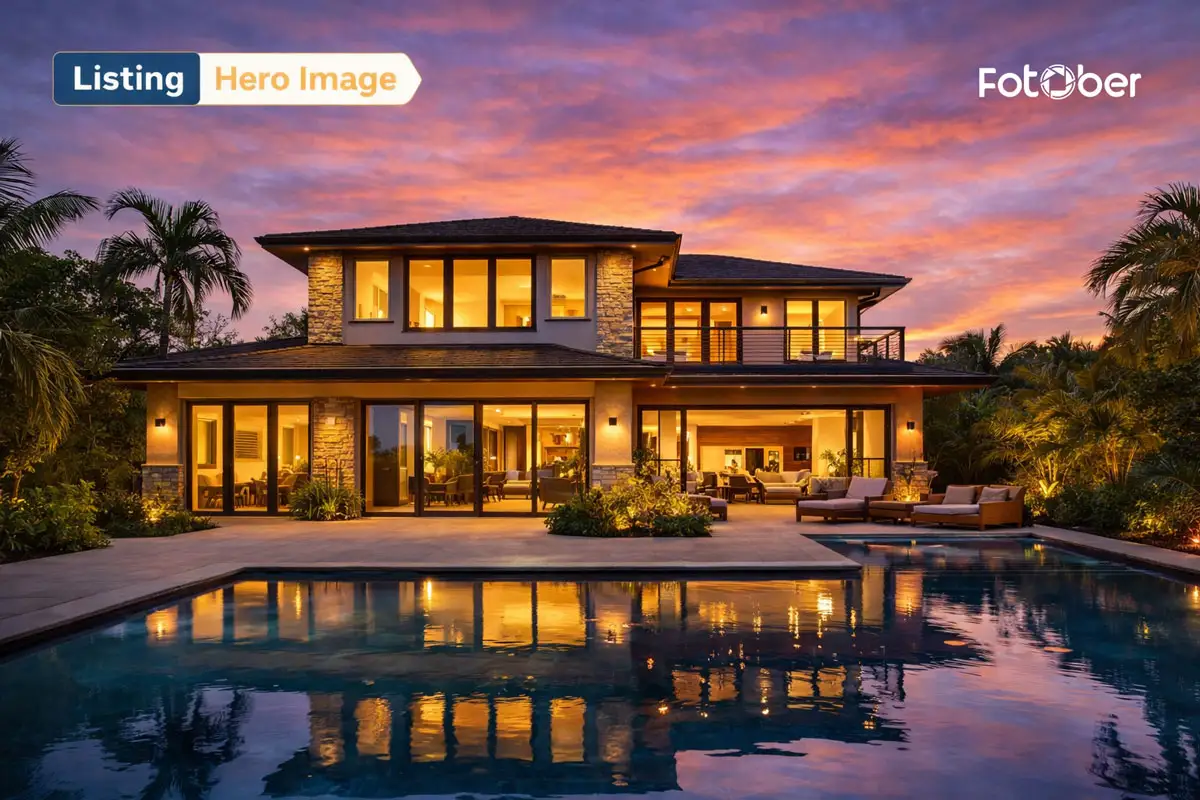
Example of a real estate hero shot used as the primary listing image.
In real estate photography, the hero shot usually becomes the thumbnail image for a property listing. This might be a bright interior space, a wide-angle exterior shot, or a dramatic twilight photograph of the home’s facade. Because this image appears first on listing platforms and search results, it plays a major role in encouraging potential buyers to click and learn more about the property.
A well-crafted hero shot combines strong composition, effective lighting, and careful editing to create an image that stands out and invites viewers to explore further.
A hero shot is the main image used in marketing or photography to present a product, property, or brand in its most visually appealing and attention-grabbing way.
2. Key characteristics of a strong hero shot
A successful hero shot is not simply a visually pleasing photo. It is a carefully crafted image designed to capture attention, communicate value, and guide the viewer’s focus instantly. In marketing and professional photography, the strongest hero images share several important characteristics that help them stand out and perform effectively across websites, advertisements, and product pages.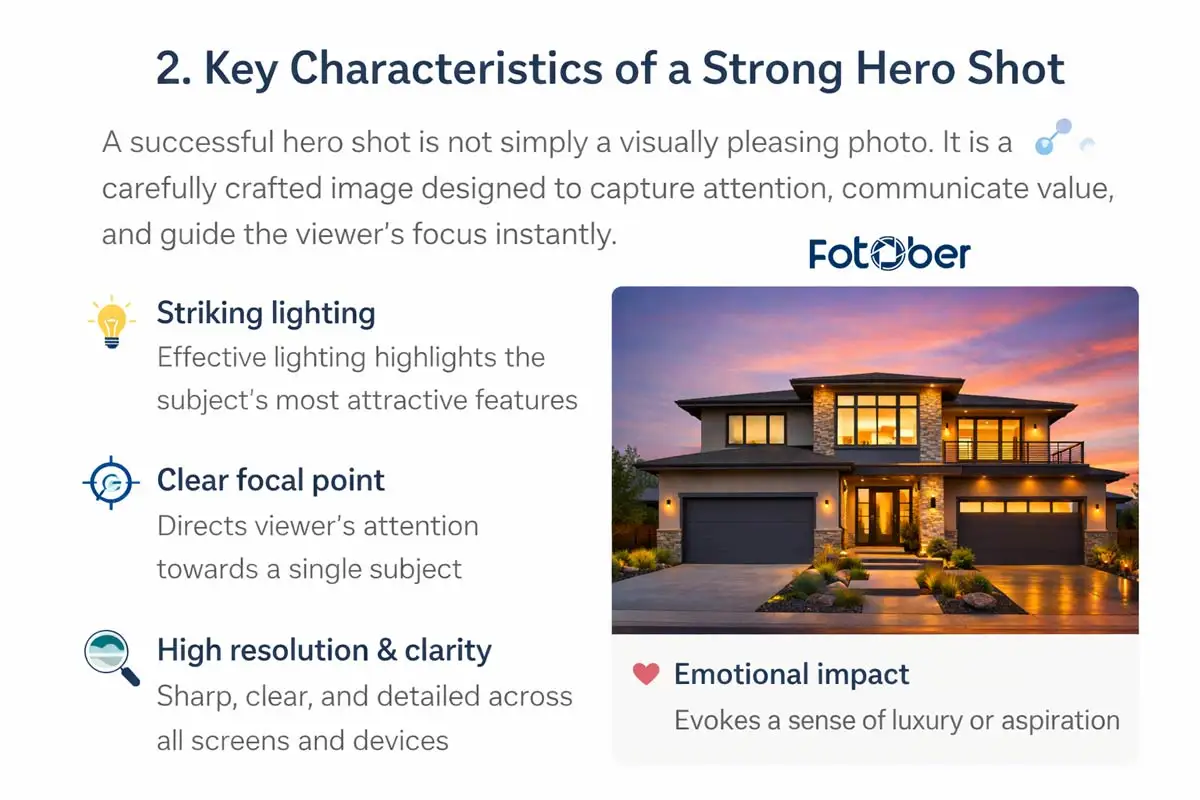
Product hero shot with clean background and controlled lighting.
2.1. Striking lighting
Lighting plays a defining role in how a hero image is perceived. Effective lighting in hero photography highlights the subject’s most attractive features while creating depth and mood. Soft directional light can emphasize textures, reflective surfaces, or architectural details, while controlled shadows add dimension and drama.
In many professional setups, photographers intentionally shape light to guide the viewer’s eye. For example, a product hero image may use diffused studio lighting to eliminate harsh shadows, while a real estate hero shot often relies on natural light or twilight conditions to create warmth and atmosphere.
2.2. Clear focal point
Every effective hero shot directs attention toward a single subject. A well-planned composition hero shot avoids visual clutter and ensures that viewers immediately understand what the image represents.
This clarity is usually achieved through framing, depth of field, and thoughtful placement of the subject within the frame. When the composition is balanced, the viewer’s eye naturally lands on the most important element without distraction. In marketing visuals, this clear focal point helps audiences absorb the message quickly.
2.3. High resolution and clarity
Hero images typically appear in large formats across websites, landing pages, and promotional materials. Because of this, high resolution and clarity are essential for creating a professional hero image that maintains quality across screens and devices.
Sharp details, accurate color rendering, and clean editing contribute to the sense of professionalism and credibility. Blurry or poorly processed images can weaken the visual impact and reduce trust in the brand or product being presented.
2.4. Emotional impact
Beyond technical quality, a strong hero shot should evoke emotion. Through thoughtful marketing visual storytelling, the image can communicate a lifestyle, a sense of luxury, or a moment of aspiration.
For example, a beautifully lit living room can make viewers imagine themselves relaxing in that space, while a product hero image may convey innovation, simplicity, or elegance. This emotional connection is often what transforms an ordinary photo into a memorable visual that encourages engagement.
3. Types of hero shots
Hero shots appear in many forms depending on the industry and marketing goal. While the concept remains the same—presenting a subject in the most compelling way possible—the style and approach can vary significantly. Below are several common types of hero shots used in modern visual marketing.
3.1. Product hero shot
A product hero image is designed to showcase a product as the central focus of a marketing visual. In e-commerce photography, this image often appears on product pages, advertisements, and online storefronts.
The goal is to highlight the product’s design, materials, and functionality with clarity and elegance. Clean backgrounds, controlled lighting, and carefully arranged composition help eliminate distractions and draw attention directly to the item being sold. For technology products, for example, reflective surfaces, subtle gradients, and precise lighting can emphasize the product’s sleek design.
3.2. Real estate hero shot
A real estate hero shot serves as the primary image used to represent a property in listings and marketing materials. Often referred to as the listing hero image, this photograph is usually the first visual buyers encounter when browsing homes online.
Exterior twilight photos are especially popular because they create warmth and luxury while highlighting architectural details and landscape lighting. Interior hero shots may focus on standout spaces such as a spacious living room, designer kitchen, or panoramic view that captures the overall atmosphere of the home.
Twilight exterior often serves as the hero shot for luxury real estate listings.
3.4. Lifestyle hero shot
Lifestyle hero shots focus less on the product itself and more on how it fits into everyday life. This style is commonly used in lifestyle marketing photography, where the goal is to create a relatable and aspirational moment.
Instead of presenting the product alone, the image shows people interacting with it in a natural environment. This approach helps audiences imagine themselves using the product or experiencing the lifestyle associated with the brand.
3.5. Process hero shot
A process hero shot highlights the act of creation or craftsmanship. These images often capture professionals in the middle of their work—such as a chef preparing a dish or a craftsman shaping materials.
By emphasizing movement, skill, and authenticity, process hero shots communicate expertise and dedication. In many marketing campaigns, this type of image helps build trust by revealing the effort and care behind the final product.
4. Why hero shots are important in marketing
In modern marketing, visuals often determine whether someone engages with content or simply scrolls past it. A strong hero shot plays a crucial role in capturing attention and setting the tone for how a product, property, or brand is perceived.
4.1. Capturing attention and creating a first impression
People process images much faster than text. Because of this, the hero image often becomes the first impression viewers form when they encounter a website, advertisement, or online listing. A well-crafted hero shot immediately communicates quality, professionalism, and value.
When lighting, composition, and clarity work together effectively, the image can stop viewers mid-scroll and encourage them to explore further. In crowded digital spaces where users are constantly exposed to new content, this initial moment of attention is incredibly valuable.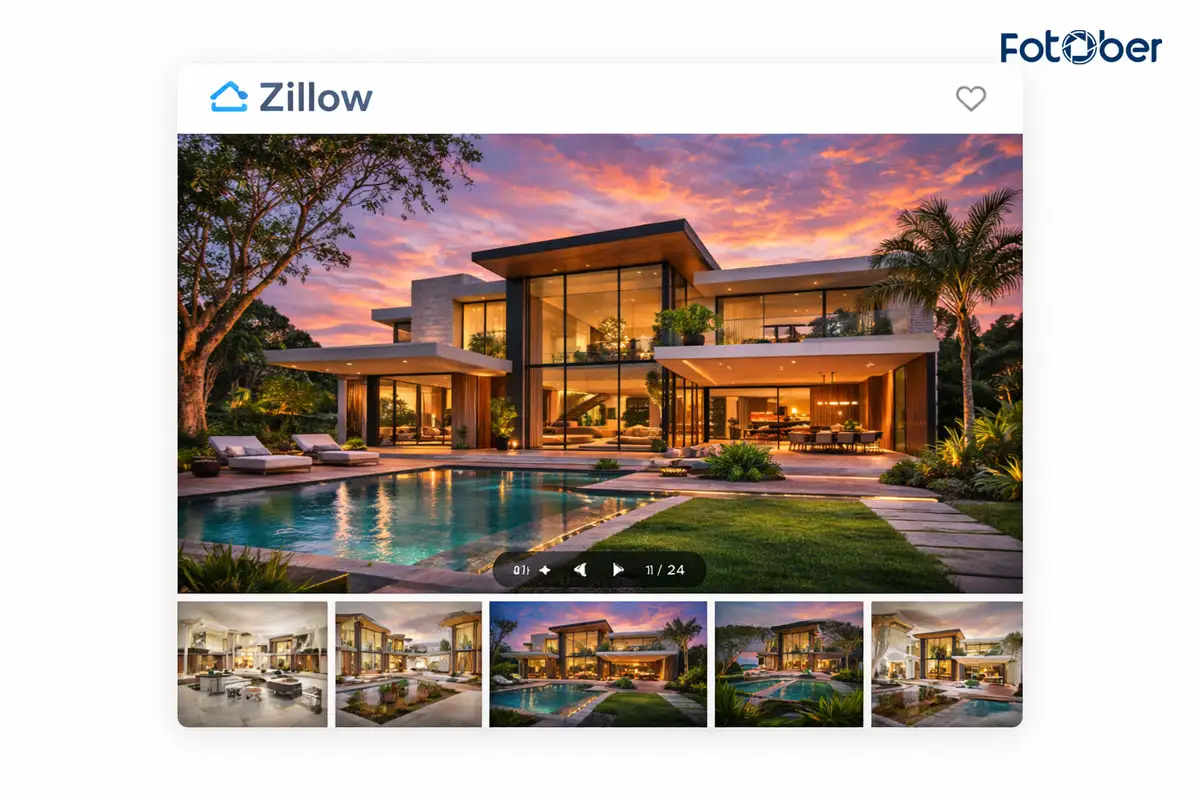
In real estate listings, the hero shot is usually the first image buyers see.
4.2. Strengthening brand identity
Hero shots also contribute to visual branding. Consistent style, color tone, and composition help establish a recognizable visual identity across websites, advertisements, and social media platforms.
For example, luxury brands often use minimalist compositions and dramatic lighting to create a refined aesthetic, while lifestyle brands may rely on warm natural lighting and human interaction to communicate authenticity. Over time, these visual choices shape how audiences recognize and remember a brand.
4.3. Driving engagement and conversions
Beyond aesthetics, hero images directly influence marketing performance. A strong visual can encourage users to click, explore product pages, or spend more time browsing a listing.
In real estate marketing, for instance, the real estate listing hero image typically appears as the primary thumbnail on property platforms and search results. Buyers often decide which property to view based solely on that first image. A compelling exterior photo—especially a twilight shot—can dramatically increase the chances that a listing receives more views and inquiries.
5. How to create an effective hero shot
Creating an impactful hero shot requires more than simply pointing a camera at a subject. The strongest images are the result of careful planning, thoughtful lighting, strong composition, and professional editing.
5.1. Pre-production: planning the visual concept
Before the camera is even picked up, photographers typically define the purpose of the image. The goal may be to highlight a product’s design, emphasize a property’s architecture, or communicate a particular lifestyle.
Planning often includes location scouting, where photographers evaluate backgrounds, natural lighting conditions, and angles that best showcase the subject. In real estate photography, this might involve choosing the ideal vantage point to highlight both the property and its surrounding landscape.
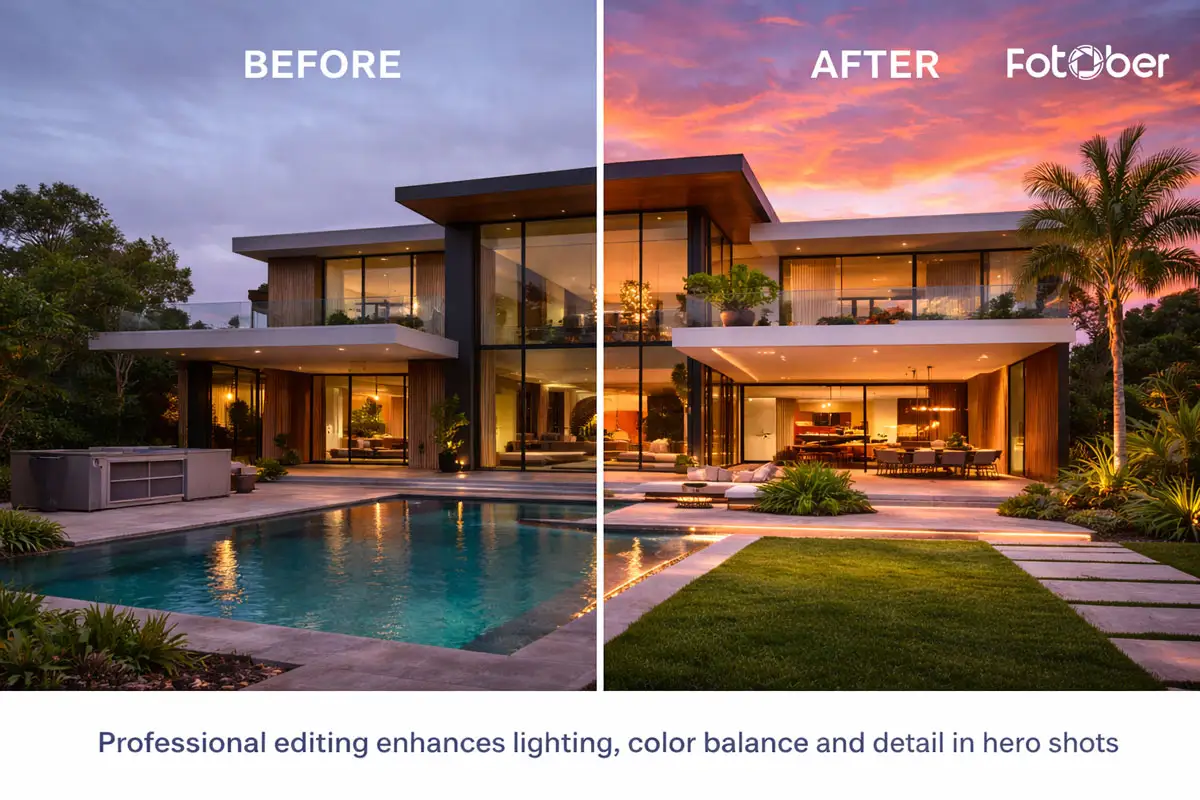
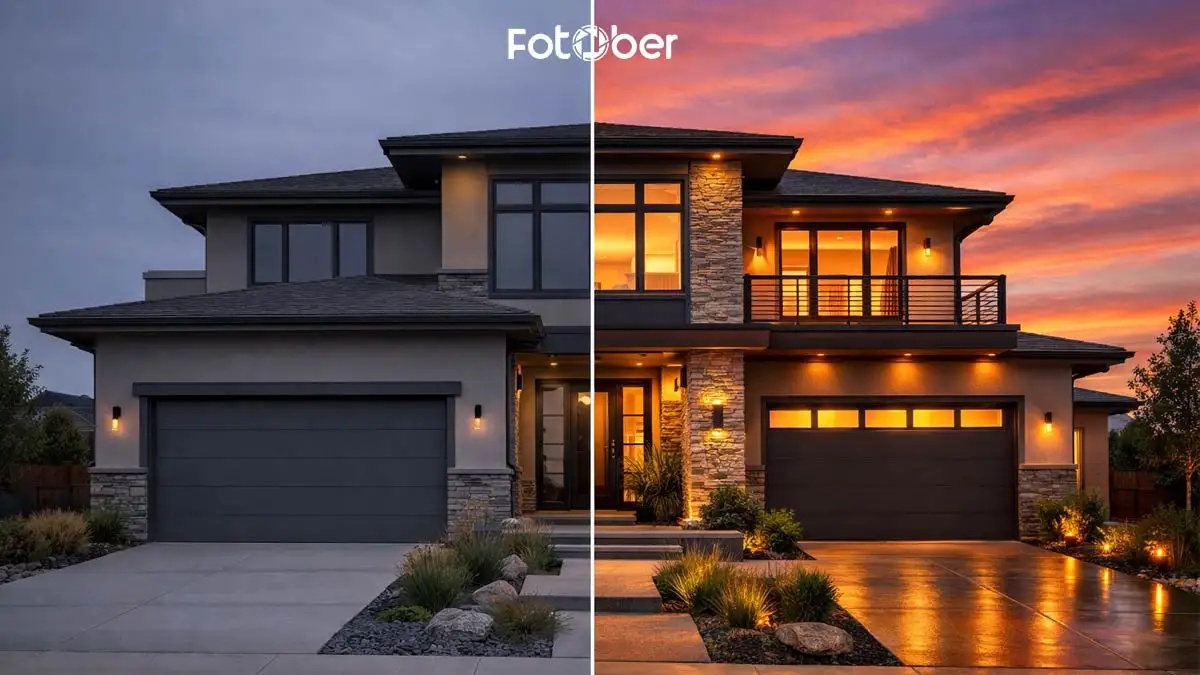
Professional editing enhances lighting, color balance and detail in hero shots. Alt text: hero shot before after editing
5.2. Lighting: shaping the mood
Lighting determines how textures, colors, and shapes appear in the final image. Many outdoor hero shots benefit from natural lighting conditions such as the golden hour, when sunlight is soft and warm.
For product photography or controlled environments, studio lighting allows photographers to carefully position highlights and shadows. This controlled lighting setup helps reveal surface details and maintain a polished, professional look.
5.3. Composition: guiding the viewer’s eye
Composition helps organize the elements within a frame so that the subject stands out clearly. Photographers often rely on classic techniques such as the rule of thirds, which positions the subject along key visual lines to create balance and visual interest.
Another common approach is the use of negative space—areas of simplicity around the subject that prevent visual clutter. This technique helps the hero image feel clean and intentional while directing the viewer’s attention to the most important element.
5.4. Post-processing: refining the final image
Even a well-shot image often requires professional editing to reach its full potential. Post-processing allows photographers and editors to enhance lighting balance, correct colors, and remove small distractions that could weaken the overall impact.
Techniques such as color grading, exposure blending, and sky replacement are frequently used in real estate photography to achieve a polished and inviting look. Editors may also perform object removal to eliminate unwanted elements that distract from the subject.
When done carefully, post-processing does not change the reality of the scene—it simply refines the image so that the property, product, or subject appears at its best.
6. Common mistakes when shooting hero images
Even experienced photographers can occasionally miss the details that make a hero image truly effective. Because hero shots are designed to represent a product, property, or brand at its best, small mistakes can significantly reduce their visual impact. Avoiding the following common issues can help ensure that a hero shot performs well in marketing and online listings.
-
Cluttered background: One of the most frequent problems in hero photography is a distracting background. When too many objects compete for attention, the viewer’s eye struggles to identify the main subject. A clean, controlled background helps the hero shot feel intentional and professional.
-
Weak or inconsistent lighting: Lighting determines how textures, shapes, and colors appear in the final image. Poor lighting can flatten the subject or create harsh shadows that reduce visual quality. Strong lighting in hero photography should enhance the subject rather than distract from it.
-
Low resolution images: Hero images are often displayed in large formats across websites and marketing materials. If the photo lacks resolution or sharpness, it can quickly appear unprofessional. High-quality files ensure that the professional hero image remains clear across different screens.
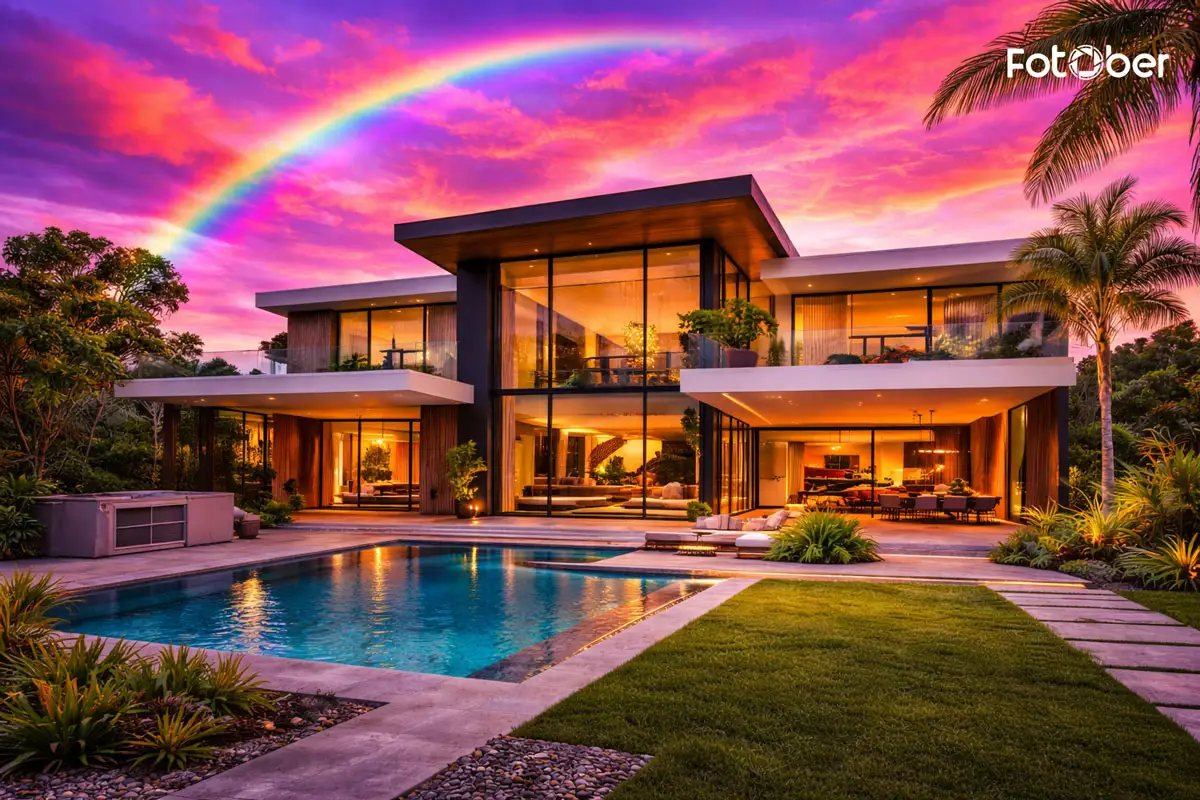
Example of over-editing in a real estate hero shot, showing excessive color saturation and an unrealistic sky that reduces image authenticity.
-
Over-editing during post-processing: Editing is important, but excessive color saturation, unrealistic skies, or overly smooth textures can make images feel artificial. The goal of editing is refinement, not exaggeration.
-
Unclear focal point: Every hero shot should guide the viewer’s attention to a clear subject. Without a defined focal point, the image loses its ability to communicate quickly and effectively.
7. Hero shot vs hero image
The terms hero shot and hero image are sometimes used interchangeably in marketing discussions, but they refer to slightly different concepts.
A hero shot typically describes a carefully crafted photograph designed to showcase a product, property, or subject in the most visually appealing way. It focuses on composition, lighting, and storytelling to create a standout visual that captures attention. In industries like product photography or real estate marketing, the hero shot often becomes the primary image used to represent the subject.
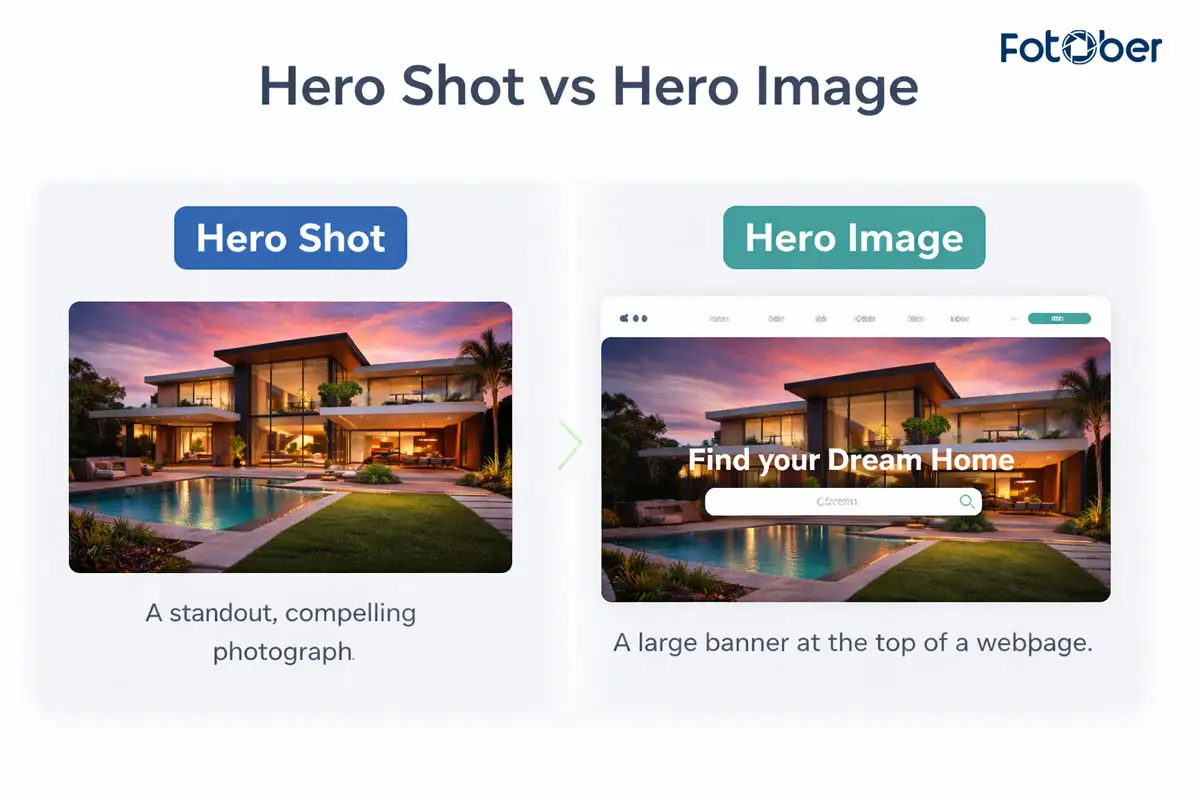
A hero image, on the other hand, refers more to placement within a website layout. It usually describes the large banner image displayed at the top of a webpage, often called the “hero section.” This image may be a hero shot, but it could also include graphics, text overlays, or design elements.
Understanding this distinction helps marketers and photographers communicate more clearly when planning visual content.
|
Term |
Meaning |
|
Hero shot |
A standout photograph designed to highlight a product, property, or subject in the most compelling way. |
|
Hero image |
A large banner image placed at the top section of a website or landing page. |
8. Enhance your hero shots with professional editing
Capturing a strong hero shot in camera is only part of the process. In many cases, the final image that appears in marketing campaigns or property listings is refined through professional editing. Careful post-processing helps photographers enhance lighting balance, improve color accuracy, and remove small distractions that may weaken the visual impact.
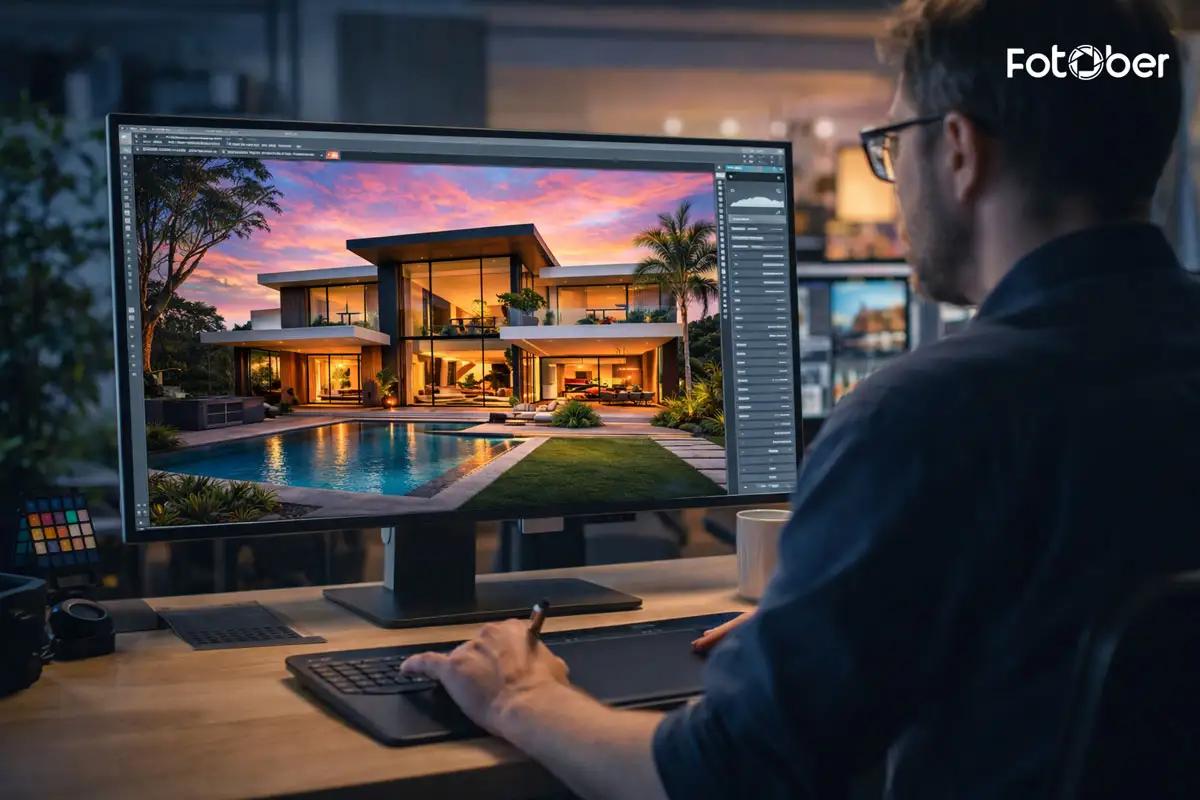
In real estate hero shot photography, editing often involves techniques such as HDR blending to balance interior and exterior lighting, sky replacement to create a more inviting atmosphere, and color correction to maintain natural tones across the scene. Editors may also perform object removal to eliminate minor visual clutter, ensuring that the property remains the clear focal point of the image.
Professional editing plays an especially important role when photographers need to deliver consistent results across large projects or tight deadlines. Services like real estate photo editing allow photographers to focus on shooting while experienced editors handle the refinement process.
At Fotober, professional editors work closely with photographers to produce magazine-quality hero images with fast turnaround times and consistent visual style. By combining advanced editing techniques with industry expertise, Fotober helps transform strong photographs into polished marketing visuals that stand out in competitive listings and campaigns.
9. Frequently asked questions about hero shots
What is a hero shot in photography?
A hero shot is a carefully composed image designed to showcase a subject—such as a product, property, or brand—in the most visually compelling way. It typically serves as the main image used in marketing materials, advertisements, or online listings.
What makes a good hero shot?
A strong hero shot usually combines several elements: effective lighting in hero photography, a clear focal point, balanced composition, and high image quality. Professional editing may also enhance the final result by improving color, contrast, and visual clarity.
What is a hero shot in real estate?
In real estate marketing, a real estate hero shot is the primary image used to represent a property listing. This image often appears as the main thumbnail in listing platforms and search results, making it crucial for attracting potential buyers.
Where are hero shots used in marketing?
Hero shots appear across many marketing channels, including website hero sections, product pages, advertising campaigns, and property listings. Their purpose is to capture attention quickly and encourage viewers to explore further.
Can editing improve hero shots?
Yes. Professional editing can significantly improve a hero shot by enhancing lighting balance, correcting colors, replacing dull skies, and removing distracting objects. These adjustments help create a more polished and impactful professional hero image.
10. Conclusion
A well-crafted hero shot plays a powerful role in modern visual marketing. From product pages to real estate listings, the right image can shape first impressions, strengthen brand identity, and encourage viewers to engage further. While strong photography is essential, professional editing often brings the final image to its full potential. By combining thoughtful shooting techniques with expert post-processing, photographers can create hero images that truly stand out in competitive digital spaces.
Follow us:
-
Facebook: fotobermedia.co
-
YouTube Channel: Fotober
-
TikTok Channel: @fotober
-
Instagram: fotober_media
-
Email support: [email protected]
-
Hotline: +84 942 110 297
Related posts

Cincinnati Housing Market 2026: Prices, Trends, and What It Means for Buyers, Sellers, and Investors
October 20, 2026

Modern Luxe Interior Design: Elements, Style Guide and How to Stage It
October 10, 2026

Minimalist Interior Design: Characteristics, Style Guide, and Staging
October 8, 2026

Coastal Interior Design: Style Definition & Staging Guide
September 30, 2026
