




How California Agents Use Virtual Staging to Win Listings: A Case Study

Share:
Table of Contents
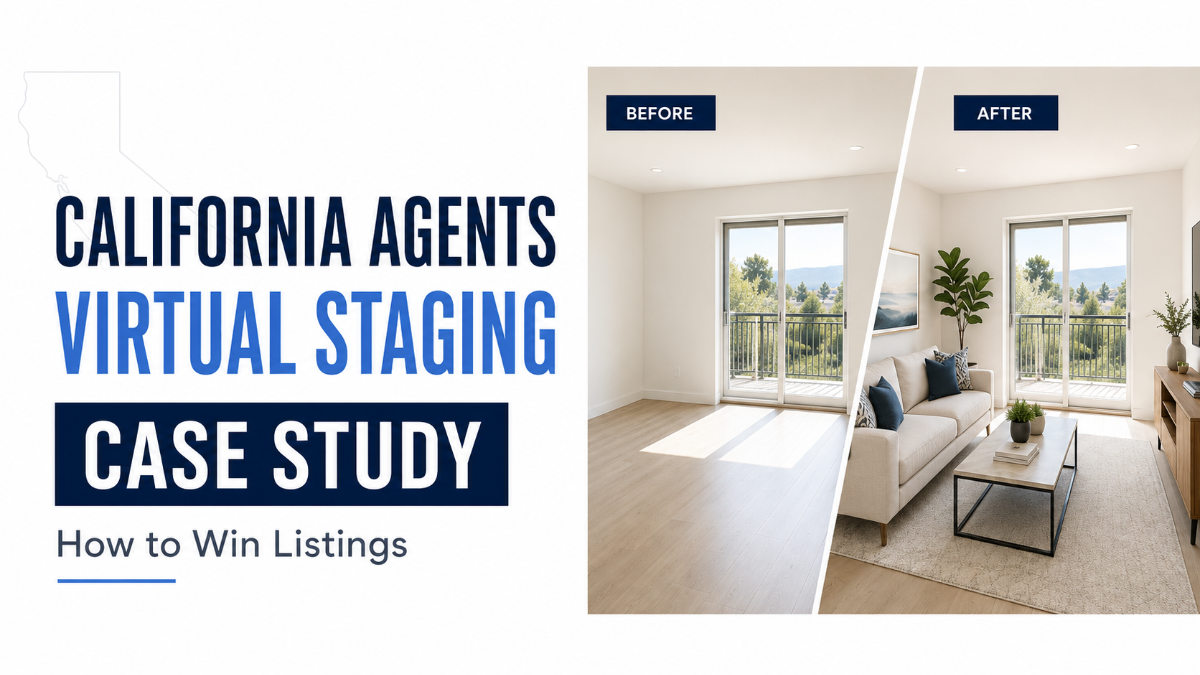
How California agents use virtual staging to win listings starts with one key insight: sellers want proof that their home will stand out online before they sign with an agent. In this representative Sacramento case study, a clean but vacant three-bedroom home was struggling because buyers could not easily understand scale, furniture placement, or room function from the original photos. After the agent refreshed the listing with virtual staging, floor plan support, and properly disclosed MLS-ready images, the property became easier to visualize, more compelling to buyers, and stronger as a listing presentation tool for the seller.
Key takeaways:
- Empty home marketing often underperforms because buyers struggle to understand the scale and room purpose in bare spaces.
- A clean virtual staging workflow can move from RAW/JPEG files to finished, disclosed images in roughly 24-48 hours.
- In this representative case, staged photos improved engagement and helped support stronger buyer interest.
- Staging ROI in California can be strong because digital staging usually costs far less than physical staging.
- Virtually staged photos should always be clearly disclosed to follow local MLS rules and avoid misleading buyers.
1. The challenge: Empty home marketing in a competitive California market
Empty rooms are some of the hardest spaces to sell online. That is the core weakness of empty home marketing, especially in a competitive California market where buyers compare dozens of listings on their phones. The Sacramento-area home in this case was vacant, clean, and move-in ready, but the original gallery made the rooms feel cold and hard to interpret. Buyers could see walls, floors, and windows, but they could not easily picture a sofa, dining table, bed, or home office setup.
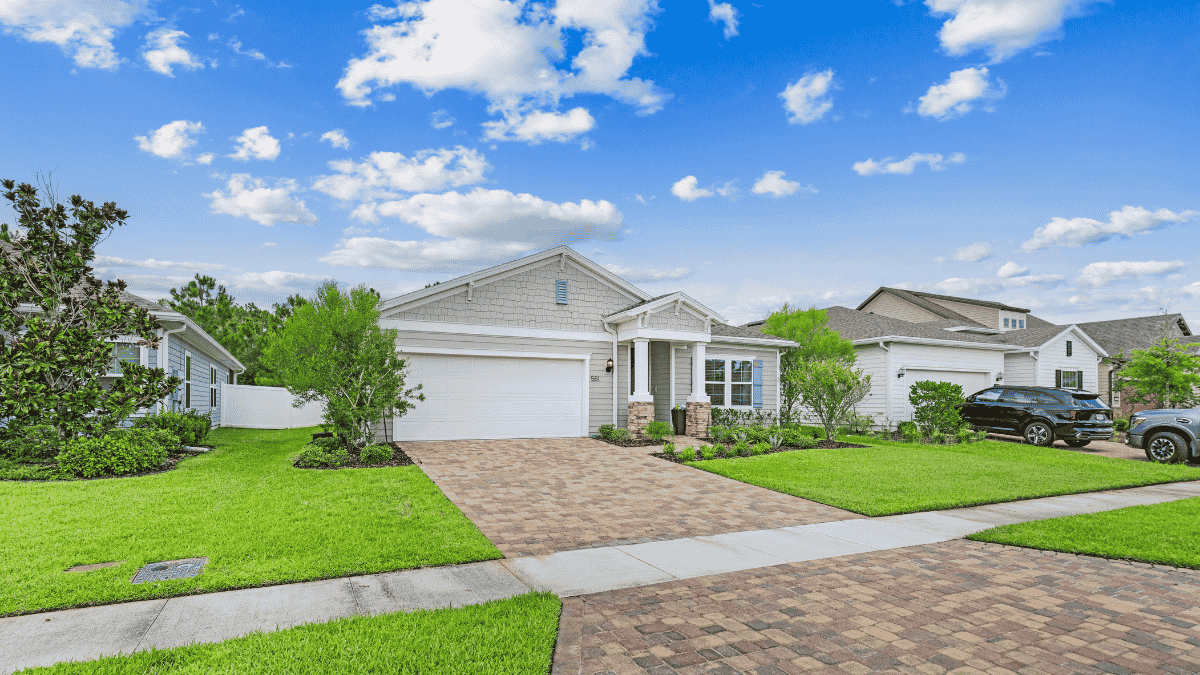
This matters because most buyers start their search online and rely heavily on listing photos before deciding whether to schedule a showing. If the first few images do not create interest, buyers may never read the full description or look at the property details. A vacant room also forces buyers to do too much imagination work, which can weaken the emotional connection. For a seller interviewing multiple agents, a weak visual plan can make the agent look less prepared before the listing agreement is even signed.
The agent’s challenge was not to make the home look different from reality. The goal was to make the home easier to understand and more appealing while staying accurate and transparent. This is where how California agents use virtual staging to win listings becomes practical rather than theoretical. A strong visual strategy gives sellers confidence that the agent knows how to market the property before it ever goes live.
2. From raw file to finished listing image: The workflow
The workflow moved from raw camera files to finished, disclosed listing images through a clear and controlled process. Each step had a specific purpose: clean the base photo, add realistic furniture, include supporting visuals, and prepare MLS-ready files. This process shows how California agents use virtual staging to win listings without relying on guesswork or overly edited images.
First, the agent uploaded the original RAW and JPEG files from the shoot, along with a short brief on the target buyer and preferred style. The empty rooms were photographed with straight verticals, even lighting, and enough visible floor area for accurate furniture placement. This helped the editors create a warm & modern transitional look that matched the likely buyer.
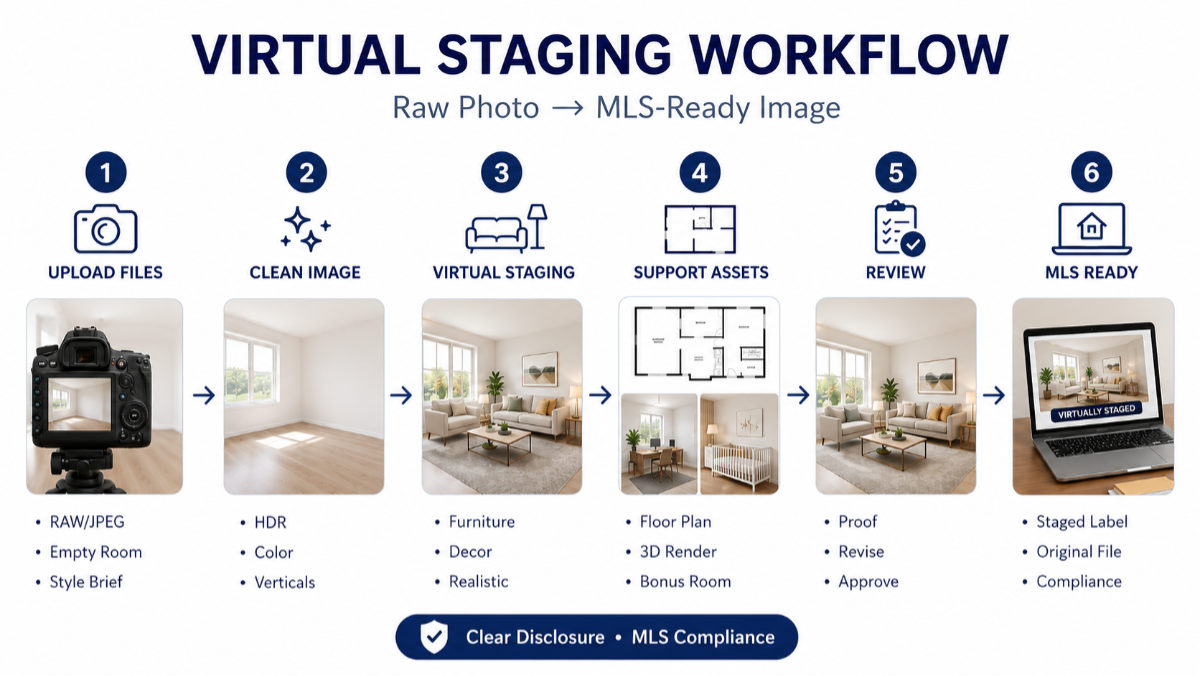
Next, the base images were cleaned before staging. The edits included HDR blending, color correction, white-balance adjustment, vertical line correction, and minor blemish removal. These improvements made the photos bright and professional while keeping the structure, flooring, windows, and fixtures true to the original file. After cleanup, editors added scale-accurate furniture, rugs, artwork, lighting accents, and greenery through Fotober’s virtual staging service. The agent also used the 2D and 3D floor plan service and one 3D rendering for real estate to help buyers understand layout and room flexibility.
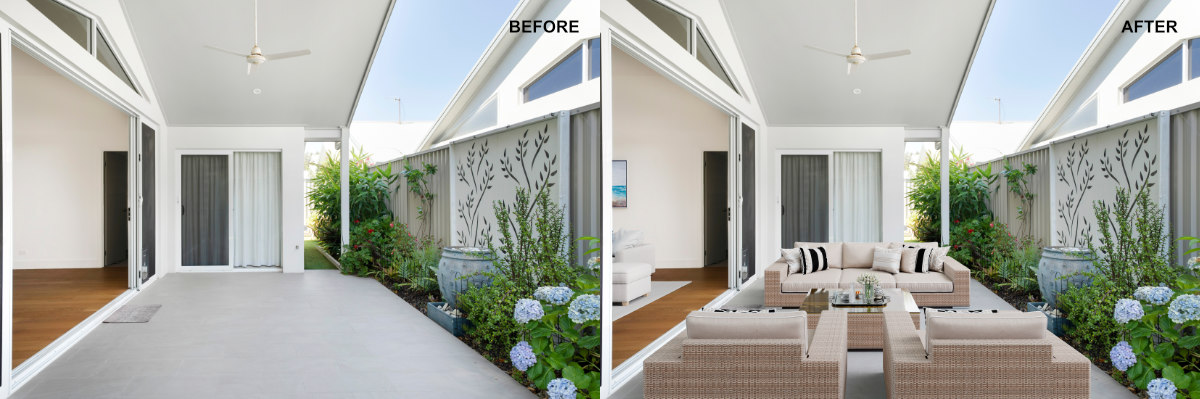
Finally, the agent reviewed the proof, requested one small furniture change, and approved the final files. The finished images were labeled as virtually staged, while the original unstaged versions were kept for transparency and MLS compliance.
3. Why turnaround time matters for California agents
Speed was a major factor in this case. The agent needed the refreshed gallery ready before the weekend open house because that is when online interest often turns into real showing activity. A slow staging process would have meant another week of marketing the home with bare images. In a competitive market, that delay can make a listing feel stale before it has a fair chance to perform.
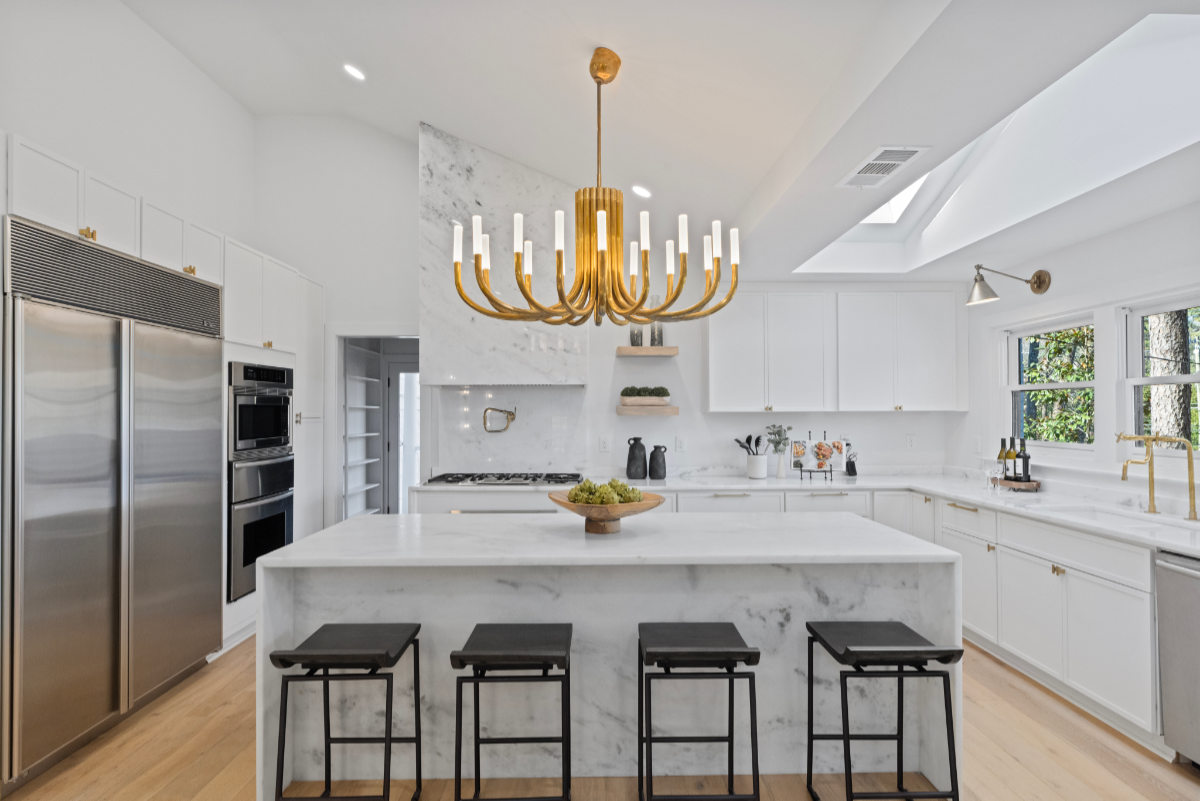
A 24-48 hour turnaround can be especially valuable for vacant homes. It gives agents enough time to update MLS photos, prepare social media posts, email interested buyers, and bring better visuals into the open house weekend. It also gives sellers a stronger sense that the agent is acting quickly and strategically. This is one reason how California agents use virtual staging to win listings often comes down to preparation before the listing presentation, not only after the listing is signed.
Fast delivery should not come at the expense of quality or compliance. The images still need to look photorealistic, match the property, and be clearly disclosed where required. Rushed staging that looks fake can damage trust and weaken the listing. The best workflow balances speed, realism, and transparency.
4. The results: engagement, staging ROI in California, and seller confidence
After the staged photos went live, the listing became easier for buyers to understand. In this representative Sacramento-area case, photo views increased by about 60%, saved searches rose by roughly 45%, and showing requests improved from 2 inquiries to 9 inquiries after the refreshed gallery was uploaded. These numbers are illustrative, but they show how a clearer visual presentation can help a listing attract more attention, save, and tours.
The improvement also matches broader buyer behavior data. According to NAR’s Profile of Home Staging, 83% of buyer’s agents said staging made it easier for buyers to visualize a property as their future home. Zillow also notes that strong listing photos play a major role in how buyers evaluate homes online. In this case, staging helped buyers quickly understand scale, room function, and lifestyle potential instead of guessing how empty rooms could be used.
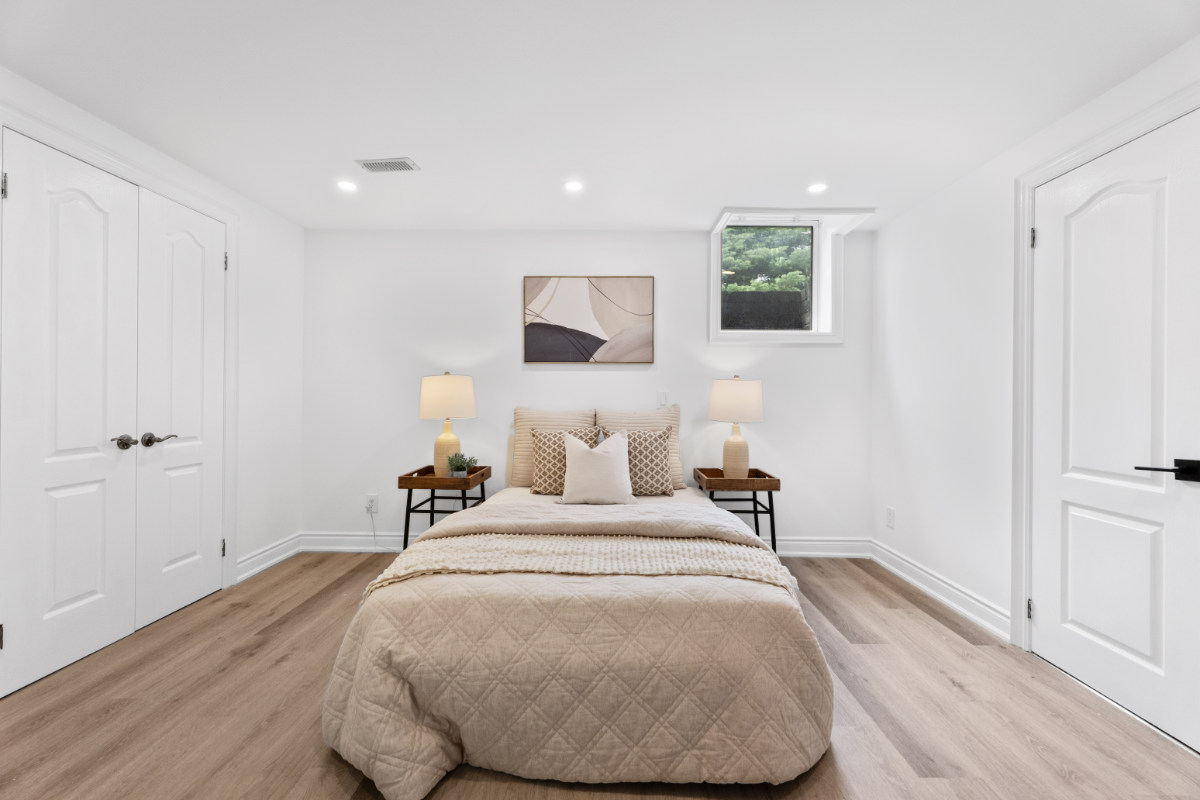
The staging ROI in California can also be compelling because physical staging often involves furniture rental, setup, removal, and monthly fees. Angi’s 2026 data places average home staging costs around $832–$2,917, while vacant staging in Orange County can run about $2,500–$7,500+ upfront, plus $600–$1,500 per month after the first 60 days. Virtual staging usually works on a per-image basis, making it faster and more cost-efficient for vacant homes, investor-owned listings, and sellers cautious about upfront marketing costs.
For the listing agent, the staged before-and-after gallery became useful beyond one property. It became part of future listing presentations, especially when competing against agents who only offered standard photography. This is one of the clearest examples of how California agents use virtual staging to win listings: they use visual proof to build seller confidence before the marketing plan even begins.
5. Conclusion
How California agents use virtual staging to win listings comes down to one clear strategy: turn empty rooms into believable, MLS-ready images that help buyers imagine living there. By cleaning the file, staging rooms to scale, adding floor plans or renderings when useful, and disclosing staged images properly, agents can make vacant listings feel clearer, warmer, and more marketable.
For California agents, virtual staging is more than a design upgrade. It helps build seller confidence, improve buyer visualization, and strengthen the listing presentation without the cost and logistics of physical staging. Ready to make your next empty listing stronger? Send Fotober your photos and get staged, MLS-ready images back in as little as 24-48 hours.
Connect with Fotober
- Facebook: fotobermedia.co
- YouTube Channel: Fotober
- TikTok Channel: @fotober
- Instagram: fotober_media
- Email support: [email protected]
- Hotline: +84 942 110 297.
Related posts

Cincinnati Housing Market 2026: Prices, Trends, and What It Means for Buyers, Sellers, and Investors
October 20, 2026

Modern Luxe Interior Design: Elements, Style Guide and How to Stage It
October 10, 2026

Minimalist Interior Design: Characteristics, Style Guide, and Staging
October 8, 2026

Coastal Interior Design: Style Definition & Staging Guide
September 30, 2026
