




Top 5 Event Marketing Campaign Examples That Deliver Great Results

Share:
Table of Contents
To a business, an event isn’t just to gather people. It is also a fertile source of marketing content. While the live experience must end, the true ROI lies in how you capture and amplify those moments for a global audience. However, many brands have yet to turn one-day activations into long-term brand equity. By studying exemplary event video marketing examples, you can unlock strategies that transform fleeting interactions into permanent digital assets. This guide analyzes successful event marketing campaign examples and cinematic event highlight video examples to help you master visual storytelling and drive consistent brand growth.
1. The anatomy of high-impact event marketing campaign examples
A high-impact event is far more than a single date on a calendar; it is a meticulously orchestrated ecosystem designed to live across multiple digital touchpoints. To understand successful event marketing campaign examples, one must view the event as a three-act play: the Hype, the Experience, and the Legacy.
1.1. The three phases of event content
Pre-event (The hype): This phase focuses on anticipation. Short-form teaser videos and "save-the-date" clips are essential here. They don't just provide information; they sell a transformation or an exclusive experience that compels the viewer to register.
During the event (The experience): In this stage, event video marketing serves as a real-time engagement tool. Live-streaming keynote highlights, behind-the-scenes "day-in-the-life" stories, and man-on-the-street attendee interviews turn the physical venue into a global broadcast studio.
Post-event (The legacy): This is where the long-term ROI is solidified. By utilizing cinematic event highlight video examples, brands can extend the conversation for months, using the captured energy to nurture leads and build a community for the next activation.
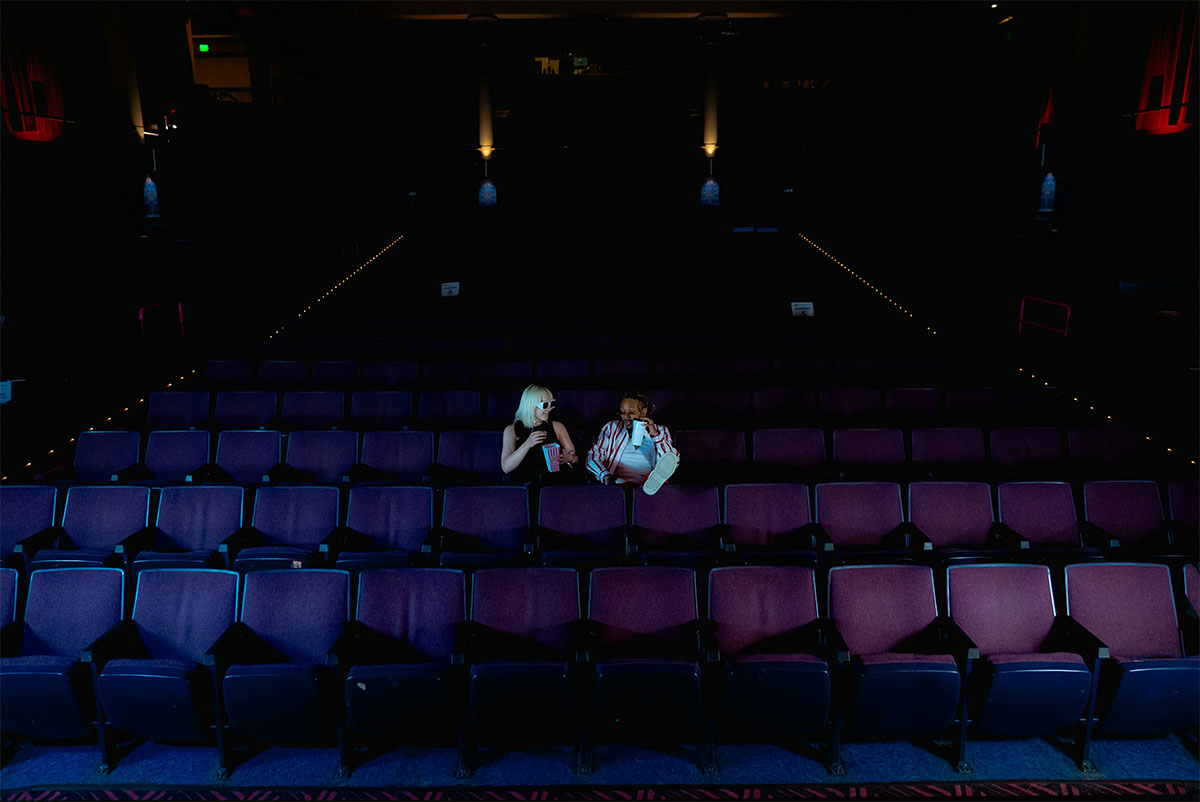 Event videos revolve around 3 phases of the occasion, starting with the hype of the pre-event
1.2. Video as the connective tissue
Video is the only medium capable of bridging the gap between a physical atmosphere and a digital screen. It captures the "vibe": the lighting, the sound design, and the genuine emotional reactions that static photos simply cannot convey. In modern marketing, video acts as the connective tissue that binds these three phases into one cohesive brand story.
1.3. Defining strategic metrics
A sophisticated campaign moves beyond "vanity metrics" like likes or views. Instead, it focuses on retention rates (how long they watched the recap), shareability (how many attendees used the video to flex their presence), and conversion attribution (how many sign-ups for the following year were driven by the highlight reel). When done correctly, the video becomes a self-sustaining asset that proves the event's value to stakeholders and sponsors alike.
2. Category 1: Innovative event video marketing examples
To transform an event into a digital phenomenon, world-class brands stop viewing video as a mere recording of what happened and start treating it as a strategic asset. By analyzing top-tier event video marketing examples, we can identify three specific models that consistently outperform traditional coverage.
2.1. The "Teaser" campaign: Mastering the art of anticipation
Leading tech giants like Apple and fashion powerhouses like Nike are masters of the pre-event teaser. Instead of revealing everything, these 15-30 second clips focus on high-speed transitions, rhythmic sound design, and cryptic visuals.
Why it works: These event marketing campaign examples leverage the psychology of curiosity. By providing just a "peek behind the curtain," they create a sense of mystery that compels the audience to clear their calendars. It transforms a product launch into a cultural moment that feels "unmissable."
2.2. Hybrid live stream integration: Breaking the physical barrier
Coachella is perhaps the gold standard for global reach. By broadcasting high-definition, multi-channel streams on YouTube, they turn a desert festival into a global living-room experience. This isn't just a static camera at the back of the room; it’s a cinematic production with backstage access and real-time social media integration.
Why it works: This model democratizes access. It allows a brand to scale its audience from 10,000 physical attendees to 10 million digital viewers. It proves that event video marketing is the ultimate tool for community building across borders, turning passive viewers into active participants.
2.3. Personalized video invitations: The B2B secret weapon
In the high-stakes world of B2B conferences, "bulk" invitations are dying. Some corporations began to employ personalized video messages, often powered by AI or recorded by C-suite executives to invite VIP guests by name.
Why it works: It triggers the "reciprocity principle." When a guest sees a video specifically tailored to them, mentioning their business challenges or past interactions, the perceived value of the event skyrockets. This is a prime example of using video to build high-trust human connections at scale.
2.4. The psychological edge: Scarcity and FOMO
The success of these event highlight video examples and marketing models lies in their ability to trigger Fear Of Missing Out (FOMO). By showcasing high-energy crowd reactions, exclusive VIP perks, and "blink-and-you-miss-it" moments, these videos create a digital legacy that makes everyone who wasn't there vow to be there next time.
3. Category 2: Masterclass in event highlight video examples
While the marketing phase gets people in the door, the highlight video ensures they never want to leave. A common mistake brands make is treating a recap as a chronological log of the day’s schedule. In contrast, most desired types of event videos treat the event as a narrative arc, focusing on energy, emotion, and "hero moments."
3.1. The cinematic narrative: Elevating production value
The most successful event highlight video examples, such as Red Bull’s high-octane sports activations or Formula 1’s Paddock Club recaps, feel more like movie trailers than corporate summaries.
The technique: These videos utilize high-frame-rate "slow-motion" shots, dynamic drone cinematography, and professional color grading to make a physical space feel larger than life.
The impact: By investing in "cinema-grade" quality, a brand signals its authority and prestige. It transforms a standard seminar or festival into a premium, world-class experience that viewers perceive as high-value.
3.2. The "human-centric" highlight: Capturing the spark
Not every event needs a million-dollar budget to be effective. Some of the most viral event video marketing examples focus purely on the human element. Instead of filming the speaker on stage, the camera stays on the audience.
The technique: This involves capturing genuine "unscripted" moments: an attendee's "aha!" moment during a workshop, a loud laugh during a networking session, or a tearful testimonial.
The impact: This builds immense social proof. When prospects see real people experiencing real joy or insight, the barrier to entry for the next event drops significantly. It shifts the focus from "what we did" to "how we made them feel."
3.3. The "TikTok-ified" social edit: Prioritizing speed and virality
In 2026, the traditional 5-minute YouTube recap is often secondary to the 60-second vertical "Social edit." Platforms like TikTok and Instagram Reels have changed the rhythm of event highlight video examples.
The technique: Fast-paced cuts synced to trending audio, text overlays highlighting key "knowledge bombs," and a vertical aspect ratio.
The impact: These edits are designed for shareability. Attendees are far more likely to share a high-energy 30-second clip of themselves on their own Stories than a long-form link, essentially turning your audience into a volunteer marketing army.
3.4. The psychology of the "perfect" recap
Why do these specific models work? They trigger a powerful combination of social proof and post-event FOMO. A well-executed event highlight video serves as a "visual insurance policy" for future sponsors and attendees; it proves that the investment was worth it and creates a psychological craving in those who missed out to be part of the "inner circle" next time.
4. Deep-dive analysis: Why these ideas succeed
The difference between a video that is watched and a video that is felt lies in the intersection of psychology and cinematic strategy. When we analyze high-performing event marketing campaign examples, it becomes clear that their success doesn’t come from a high budget. It’s about leveraging three core pillars of human engagement.
4.1. Emotional contagion and mirror neurons
The most effective event highlight video examples rely on a psychological phenomenon called emotional contagion. When a viewer sees a close-up shot of an attendee laughing, nodding in agreement, or cheering, their "mirror neurons" fire, causing them to experience those same emotions subconsciously. By focusing on the reaction rather than just the action, brands create a visceral connection that makes the viewer feel like they were part of the community, even from behind a screen.
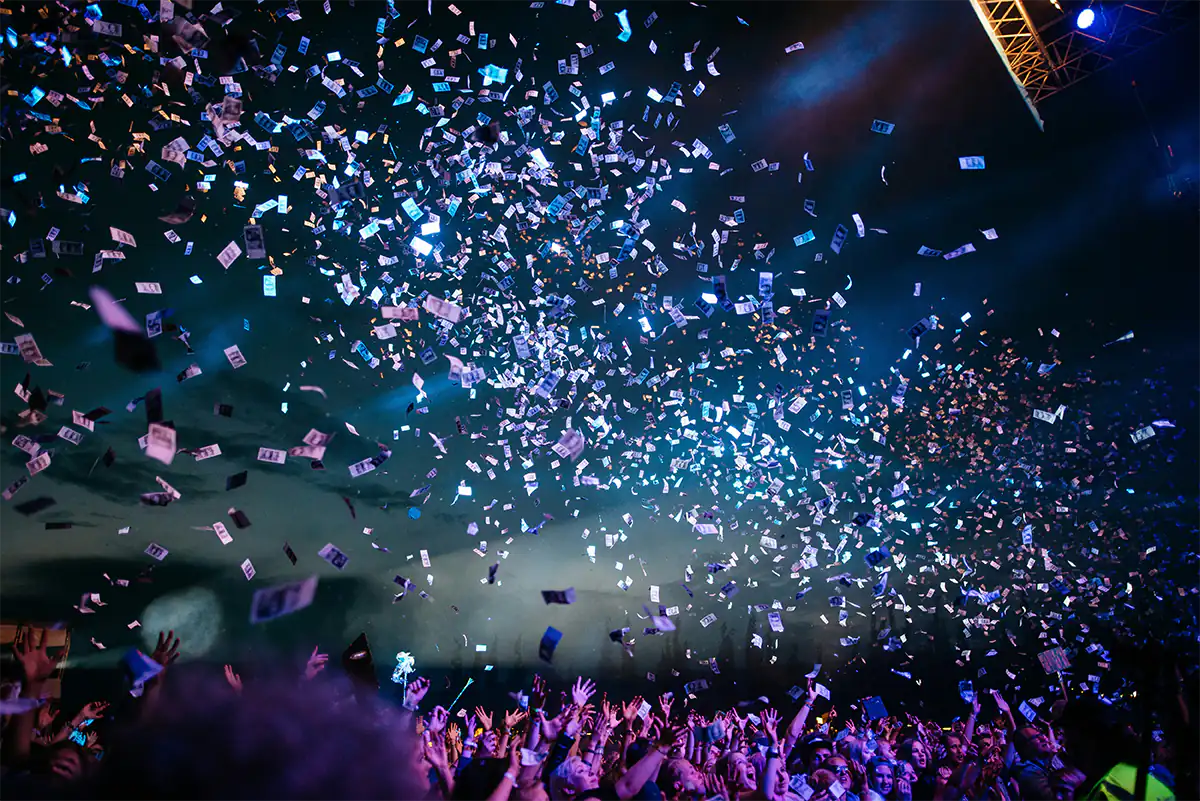 Emotion is the most effective way to connect people in any event
4.2. The narrative arc: The "Hero’s journey" of an event
A mediocre recap is a list; a great one is a story. Successful event video marketing examples treat the event as a transformation. They often follow a mini-narrative arc:
- The conflict: The industry challenge or the "waiting" period before the event.
- The journey: The energy of arrival and the immersion in the experience.
- The resolution: The "Aha!" moments, the networking breakthroughs, and the final celebration. This structure gives the video a sense of purpose and progress, making it far more memorable than a random montage of clips.
4.3. Technical sensory triggers
Subconscious cues play a massive role in retention. Sound design is the unsung hero; a well-timed "beat drop" during a visual transition can trigger a dopamine release in the viewer. Similarly, color grading dictates the brand’s "temperature." Vibrant, warm tones suggest a welcoming community, while high-contrast, cooler tones evoke a sense of cutting-edge innovation and authority.
4.4. Respecting the platform ecosystem
Finally, these ideas succeed because they are optimized for the digital "native" environment. A video that thrives on LinkedIn builds authority through professional snippets, whereas a TikTok edit prioritizes raw, high-energy hooks within the first three seconds. By matching the content's "vibe" to the platform's user behavior, brands ensure their event marketing campaign examples aren't just seen but also shared.
5. Implementation: Applying these strategies to your brand
Transitioning from observing event video marketing examples to executing them requires a shift from a "documentation" mindset to a "production" mindset. To turn your next event into a powerhouse for brand growth, follow this strategic roadmap.
Step 1: Define your "North Star" goal
Before the cameras even get on set, you must identify your primary objective. Are you looking for immediate sales conversions, long-term brand authority, or internal culture building? A video designed to attract sponsors looks very different from one designed to go viral on TikTok. Your goal dictates your shot list and editing style.
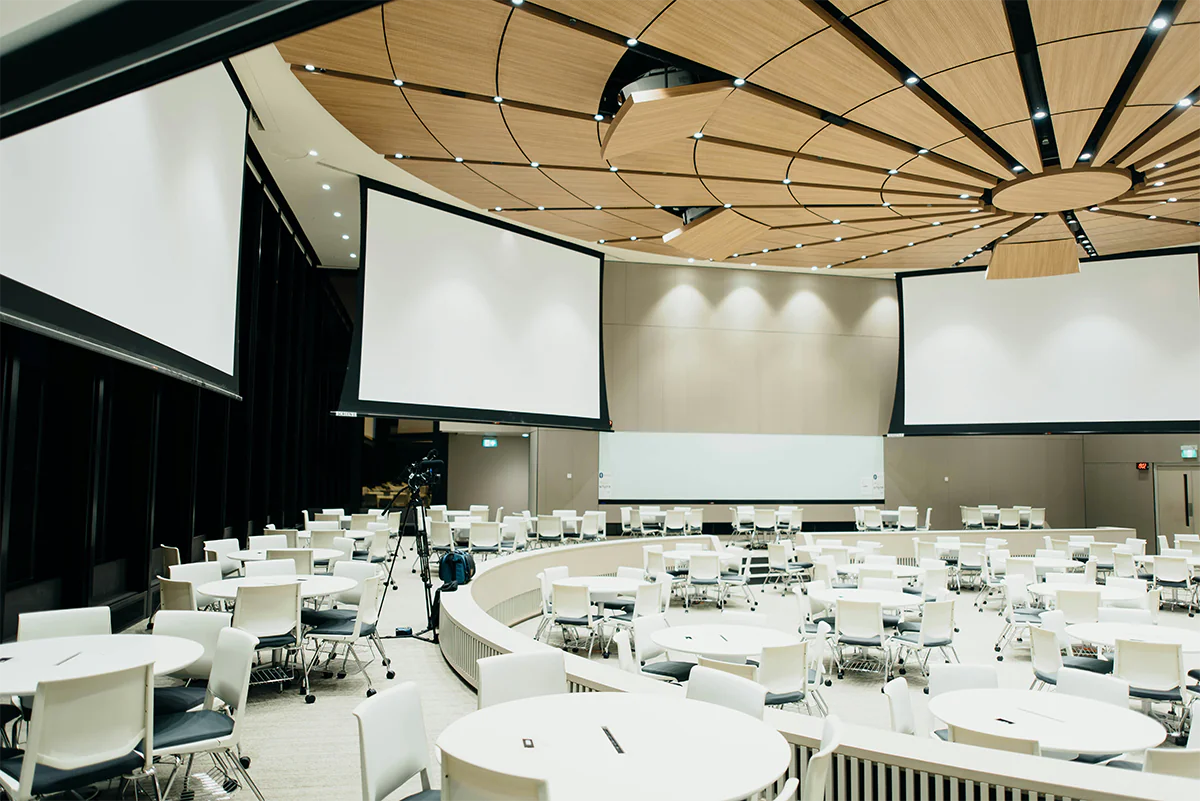 The final goal of an event marketing campaign should be clearly determined beforehand.
Step 2: The "multi-life" repurposing strategy
One of the biggest mistakes in event marketing campaign examples is the "one and done" approach. Instead, treat your event as a content quarry. A single 3-day conference should provide:
- One "Hero" cinematic recap (Long-form).
- 5-10 "knowledge bomb" snippets for LinkedIn.
- 20+ "vibey" Reels/Shorts for high-frequency social posting.
- Testimonial clips for your sales landing pages.
Step 3: Finding the right creative partner
Don't just hire a "videographer"; hire a storyteller. When reviewing event highlight video examples from potential partners, look for their ability to capture emotion and narrative, not just their expensive gear. You need a team that understands your brand’s "voice" and can anticipate "hero moments" before they happen. Also consider allocating your spending to cover both filming and event video editing pricing with a reasonable ratio (around 60-40) to not compromise the final video’s quality.
Step 4: Strategic budgeting: Hero vs. hub
Allocate your budget based on longevity. Invest heavily in "Hero" content, the high-production value pieces that will live on your homepage for a year. For "Hub" content (the daily updates), prioritize speed and authenticity over perfection. Sometimes, a raw, high-energy smartphone clip captured in the heat of the moment is more effective than a polished studio shot.
By treating your event as a launchpad for a multi-month content strategy, you ensure that your brand stays top-of-mind long after the venue doors have closed.
Conclusion
In a digital-first world, an event is only as powerful as the content it leaves behind. As we have explored through various event marketing campaign examples, the true value of a physical gathering lies in its ability to be captured, amplified, and repurposed. While the lights eventually go down on the venue, a high-quality event video marketing strategy ensures your message resonates indefinitely. By analyzing and implementing the lessons from top-tier event highlight video examples, you transform a one-day activation into a permanent brand asset. Don't let your next event be a memory; make it a legacy.
Follow us on social media to get practical insights into video marketing and up-to-date details of our services!
- Facebook: fotobermedia.co
- YouTube: Fotober
- TikTok: @fotober
- Instagram: fotober_media.
Related posts
Cincinnati Housing Market 2026: What Should Buyers & Sellers Expect?
October 20, 2026

Modern Luxe Interior Design: Elements, Style Guide and How to Stage It
October 10, 2026

Minimalist Interior Design: Characteristics, Style Guide, and Staging
October 8, 2026

Coastal Interior Design: Style Definition & Staging Guide
September 30, 2026
