




Event Video Editing Pricing: What’s Behind the Cost of a Recap?

Share:
Table of Contents
- 1. Key factors: What influences event video editing pricing?
- 2. The magic of post-production: What can editing do for raw footage?
- 3. Typical event video editing packages & pricing in 2026
- 4. Why outsourcing is the way: Efficiency meets expertise
- 5. Real event video editing pricing breakdown
- 6. Fotober - event video editing solution
- 7. Conclusion
- 8. Frequently asked questions about event video editing pricing
When the lights go down and guests head home, the life of an event transitions into the editing suite. But for many organizers and creators, the common question is: How much does event video editing cost in today’s market, and what exactly are you paying for? In this guide, we’ll demystify the event video editing cost structure for 2026. From understanding what influences the final quote to exploring why outsourcing is the secret weapon for growing agencies, this article is a transparent breakdown of event video editing pricing to help you budget more wisely.
1. Key factors: What influences event video editing pricing?
Both the creator and client must understand the variables associated with the event video quote to make informed decisions. Since each event contains unique elements, there is little likelihood that event video pricing will be the same from one event to another.
When a production house or a videographer finalizes the event video editing cost, they are not simply reviewing the length of the final product. Rather, they are taking into account all technical aspects of the job and the number of work hours required.
1.1. Volume of raw footage (The "culling" process)
One of the biggest pricing influencers is the shooting ratio. For example, when a videographer shoots 10 hours of footage from a three-day event for a 2-minute highlight reel, the editor has to review, organize, and “cull” each second of footage to create the final product. This “netting” process is indeed very time-consuming. Therefore, naturally, it is less expensive to edit a project containing 20GB of data compared to a multi-day event that generates 500GB of 4K raw footage.
1.2. Multi-cam complexity
Managing footage from a single camera is relatively easy. However, many current events now utilize multiple camera angles (a “master” wide-angle view of the entire scene, a “medium” angle of the speaker and a “roaming” camera of audience members). Ensuring that the audio is synchronized correctly across all the sources increases the level of complexity. As a result, the event video editing pricing will increase corresponding to the number of cameras used, as the editor will be switching frequently between the different angles to create a visually dynamic rhythm throughout the film.
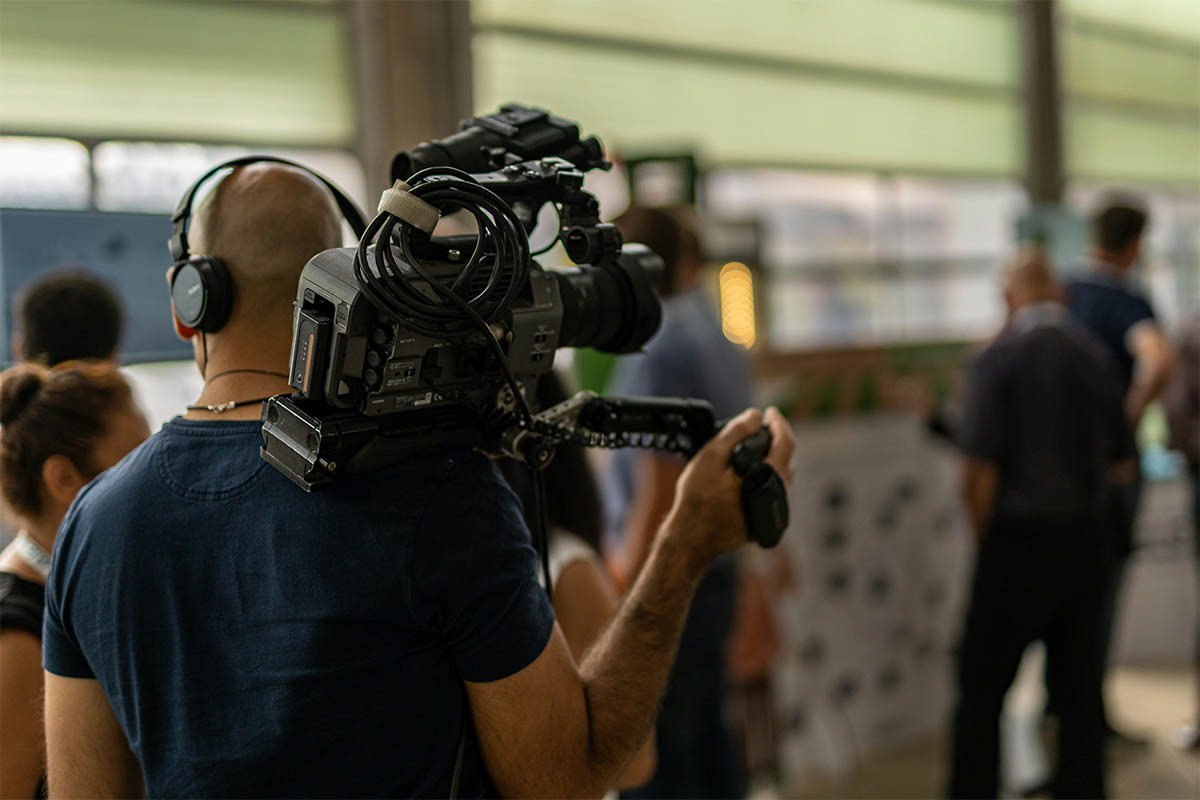 Adding cameras is adding coverage, but also adding complications
1.3. Motion graphics and visual effects (VFX)
Sometimes you’d like to have simple text overlays, or 3D animated title sequences and data visualization to display information or logos. Creating motion graphics is a highly technical skill that commonly calls for specialized animation and compositing apps like After Effects. If you require “lower thirds” (where the name of the speaker appears on screen), branded intro/exit animations or the ability to blur sensitive areas in the background, you can expect the how much does event video editing cost query to result in a higher estimate.
1.4. Audio post-production and music licensing
Clean audio is the bare minimum nowadays. If the raw recordings are too echoey or full of background chatter, the editor will need to use artificial intelligence-based noise reduction tools or spectral editing to clean them up. Additionally, music licensing fees are typically charged back to the client. Stock music tracks may cost $50, whereas trendy or high-energy tracks from premium music libraries may cost hundreds.
1.5. Turnaround time and deadline pressure
Speed is money in the event space. If you need a “sizzle reel” ready within 24 hours after the event to take advantage of the uncooled excitement and buzz while posting on social media, you will likely incur a “rush rate”. This fee can range from 25% to 50% above the base event video editing cost. Typically, standard delivery will take anywhere from one week to three weeks, depending on the editor’s workload.
1.6. Revision cycles in event video editing pricing
Revisions are a normal part of the editorial process. Most professional packages allow for one or two rounds of feedback and modification. However, if a client needs to make significant changes to the story or music after the editor completes the final cut, this will require a considerable amount of rework. Contracts should clearly outline the price per revision cycle hour, which is an important component of the overall event video pricing breakdown.
2. The magic of post-production: What can editing do for raw footage?
Raw footage is akin to rough diamonds, having the potential to be trimmed and polished to become much more valuable assets. In fact, many people who watch hours of jittery camera footage submerged in ambient noise may believe the day is ruined. On the other hand, professionals know that the "magic" happens in post-production and the "event" is now an "experience". Acknowledging the value of this process will help you understand why event video editing pricing can vary so much. You are basically hiring a technician but also a digital alchemist, or even a wizard.
2.1. Crafting a narrative flow
The greatest contribution made by an editor is pulling a condensed story out of the raw footage. An editor does not simply put the clips in chronological order; he/she identifies the "hero moments" which include the emotional peaks of a keynote speaker's presentation, the spontaneous laughter of guests at a cocktail hour, or the grand reveal of a new product. An editor creates a narrative flow, and with tasteful uses of editing techniques and timing, can take an 8-hour conference and turn it into a 3-minute highlight reel with all the energy and message of the original event, minus the yawn-inducing parts.
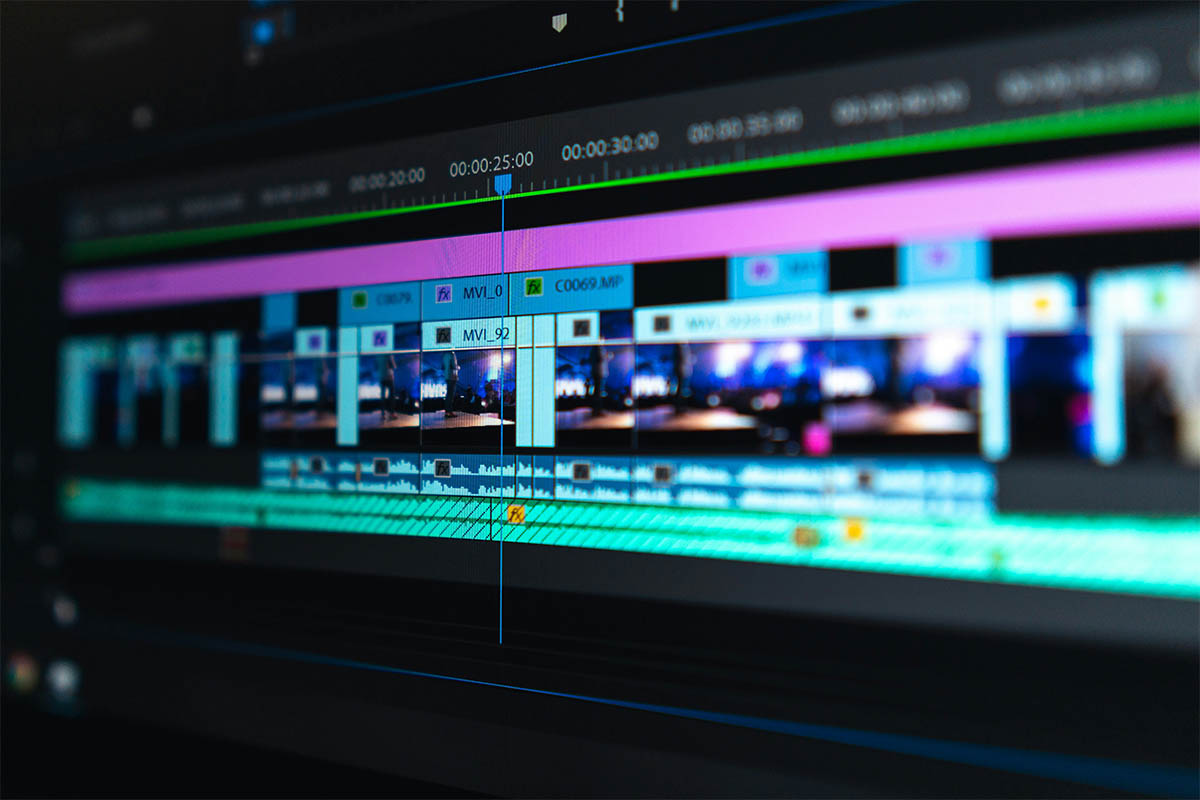 Editors “join” the clips together in a calculated order and pacing to form a cohesive narrative
2.2. Cinematic technical polish
Inevitably, technical issues arise in live event filming. Examples of these issues include lighting changes and microphones picking up wind or clatter. This is where event video editing cost pays off in terms of quality through:
- Color correction & grading: The raw files usually look flat or "washed out." Editors can correct for exposure and white balance and then add color grading to enhance the look of the footage and establish a mood, whether it is the warm, romantic light of a wedding or the sharp, blue-tinted look of a tech summit.
- Audio engineering: What we hear is half the story. Editors can add clarity and brilliance (subtle airy feel) to dialogues, remove distracting noises and hums, and put in licensed cinematic music that underpins the pacing of the transition effects used in the video.
2.3. Visual branding identity and professionalism
When a corporation hires an editor, it expects an asset that can serve specific marketing purposes. A video seamlessly integrated with motion graphics including animated logos, lower-thirds identifying speakers, and on-screen calls-to-action (CTA's) can lead the viewer to a website or ticket link. The addition of motion graphics peels the "home movie" feel off corporate event recaps and instead gives them a professional broadcast quality.
 Corporations also want their branding and culture to be displayed in event videos
2.4. The psychological impact: Creating FOMO
An editor with defined intentions knows how to use pacing to elicit an emotional response. Fast cuts and on-beat transitions create a sense of urgency and liveliness, putting more “grandeur” into the event. Organizers use this tactic to create a "Fear Of Missing Out" (FOMO) effect to sell tickets to future events. While it may feel extravagant when you look at how much event video editing costs, the gain in the long run will prove it worthwhile. A well-crafted video can become a perpetual marketing resource that continues to drive sales even after the doors to the venue have been closed.
3. Typical event video editing packages & pricing in 2026
To not get lost in the post-production market, it is essential to understand how all of your services are being packaged together. There are many different types of ways in which editors can bill. Some may bill by the hour, although the majority of professionals bill at a rate that is typically in the range of $75 - $150 per hour based upon experience. The client would like to know what they are going to be charged in advance of hiring someone. Therefore, a majority of clients will look for a fixed or flat fee for each project. Below is a list of typical tiers you should expect to see when you begin researching event video editing pricing in 2026.
3.1. The basic highlights package (from $35)
This tier is ideal for small-scale events such as local workshops, private parties, or short corporate seminars. At this price point, the editor typically works with a limited amount of raw footage (usually from a single camera). The deliverable is a 60 to 90-second "sizzle" video featuring basic cuts, standard color correction, and a royalty-free music track. While it lacks complex motion graphics, it provides a clean, professional summary that is perfect for social media sharing.
3.2. The standard professional suite (from $65)
This is the most popular tier for mid-sized corporate events, gala dinners, and multi-day conferences. When clients ask, "How much does event video editing cost for a truly professional look?", this is the range they are looking at.
- Multi-cam editing: Seamless switching between 2-3 camera angles.
- Advanced audio: Professional sound leveling and background noise removal.
- Branding: Inclusion of "lower thirds" (speaker names), animated logos, and branded transitions.
- Deliverables: Usually includes a 3-minute event highlight video and perhaps a longer "full-session" edit of a keynote.
- Addon: If the total size of raw footage exceeds 30GB or the total length is more than 70 minutes, an extra fee of $10 applies. If both of these are met, the fee will be $15. Specific effect and motion graphics demands will be charged from 5$ to $20, depending on the complexity of the techniques.
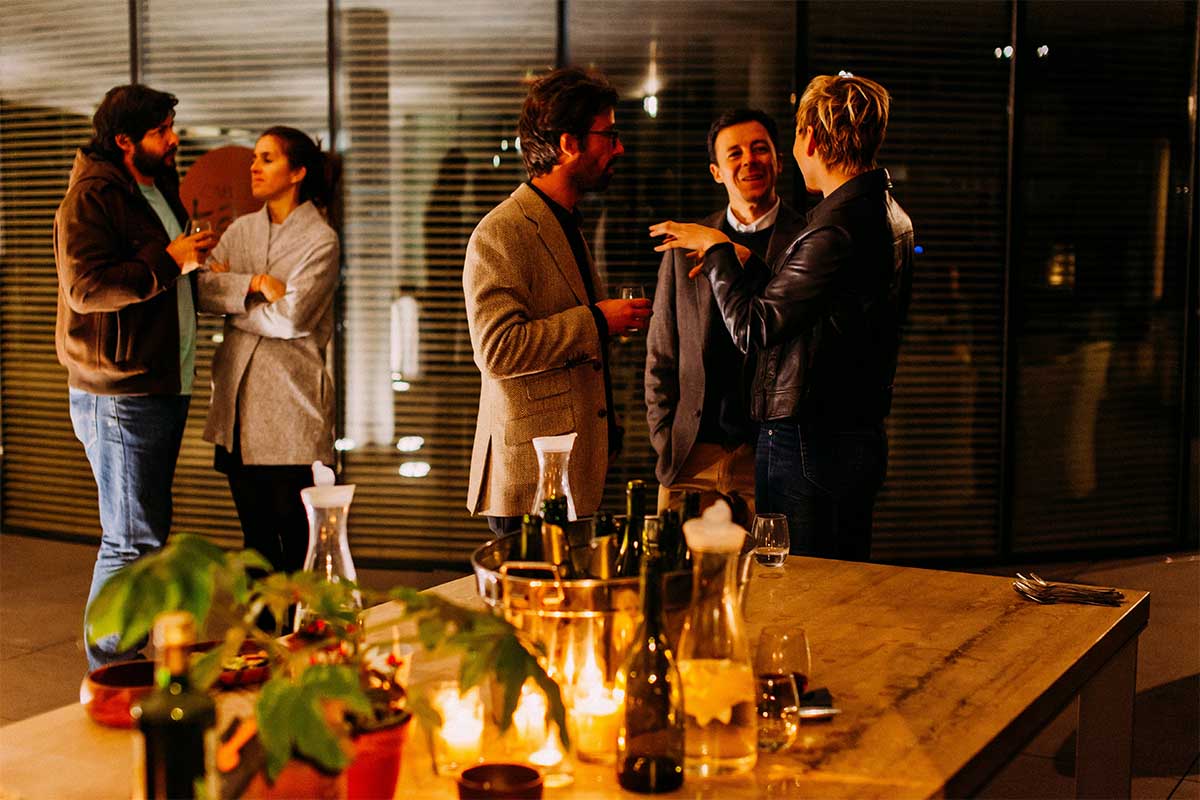 Most events could fit in the standard video editing package
3.3. The Premium / Agency-grade package (from $100)
For large-scale festivals, international summits, or high-end brand activations, the event video editing cost reflects the high demands and risks associated with them. This level of service often involves a dedicated lead editor and an assistant. It covers heavy data management from 4K/6K multi-cam setups, drone footage integration, and custom-designed motion graphics. The storytelling is highly sophisticated, often incorporating excerpts from interviews to layer over B-roll to create a documentary-style narrative.
3.4 Event video pricing comparison table
To help you visualize where your budget might fall, here is a quick reference table for 2026 market standards:
|
Package Tier |
Estimated cost |
Best for |
Typical deliverables |
|
Basic |
from $35 |
Small social events |
60s Reel, 1-camera edit |
|
Standard |
from $65 |
Corporate/Conferences |
3-min Highlight + Social teaser |
|
Premium |
from $100 |
Major summits/Festivals |
Documentary-style Edit, 4K, VFX |
3.5. Hidden costs to watch for in an event video editing pricing
When comparing event video pricing, always check what is NOT included. Many editors charge extra for:
- Hard drive shipping: If you aren't using cloud transfers like Frame.io.
- Additional revisions: Beyond the standard two rounds.
- Raw footage delivery: Some creators charge a "buyout" fee if you want the original unedited files.
Choosing the right package depends on your end goal. If the video is meant to sell $50,000 in sponsorships for next year, the Premium tier isn't a cost; it's an investment with a massive return.
4. Why outsourcing is the way: Efficiency meets expertise
In the fast-paced world of event management and content creation, the pressure to deliver high-quality video quickly can be overwhelming. While some companies attempt to handle post-production in-house, many are discovering that the most strategic way to manage event video editing cost is through outsourcing. It’s not just about saving money; it’s about optimizing resources and elevating the final product.
4.1. Access to high-end infrastructure
Video editing is hardware-intensive. To process 4K multi-cam footage smoothly, you need high-end workstations, color-accurate monitors, and massive high-speed storage arrays. By outsourcing, you bypass the need for a $10,000 capital investment in hardware and the recurring costs of software subscriptions like Adobe Creative Cloud or DaVinci Resolve. Professional editors already own these tools, and their event video editing pricing includes access to this premium infrastructure.
4.2. Scalability without overhead
Events are often seasonal. You might have ten events in October and none in January. Hiring a full-time editor creates a fixed overhead that can drain your budget during slow months. Outsourcing allows for total scalability. You only pay the event video editing cost when you have a project, allowing you to scale up to handle a massive summit or scale down without the complexities of payroll or benefits.
4.3. A fresh, objective perspective
When you’ve been on-site at an event for 16 hours a day, you become too tied to the footage and are unlikely to differentiate the “good” from the “bad” takes. An external editor brings a fresh set of eyes. They aren't attached to how hard a specific shot was to get; they only care if it serves the story. This objectivity is vital for creating a concise, high-impact video that resonates with an audience who wasn't there. They can spot the "magic moments" that an exhausted internal team might overlook.
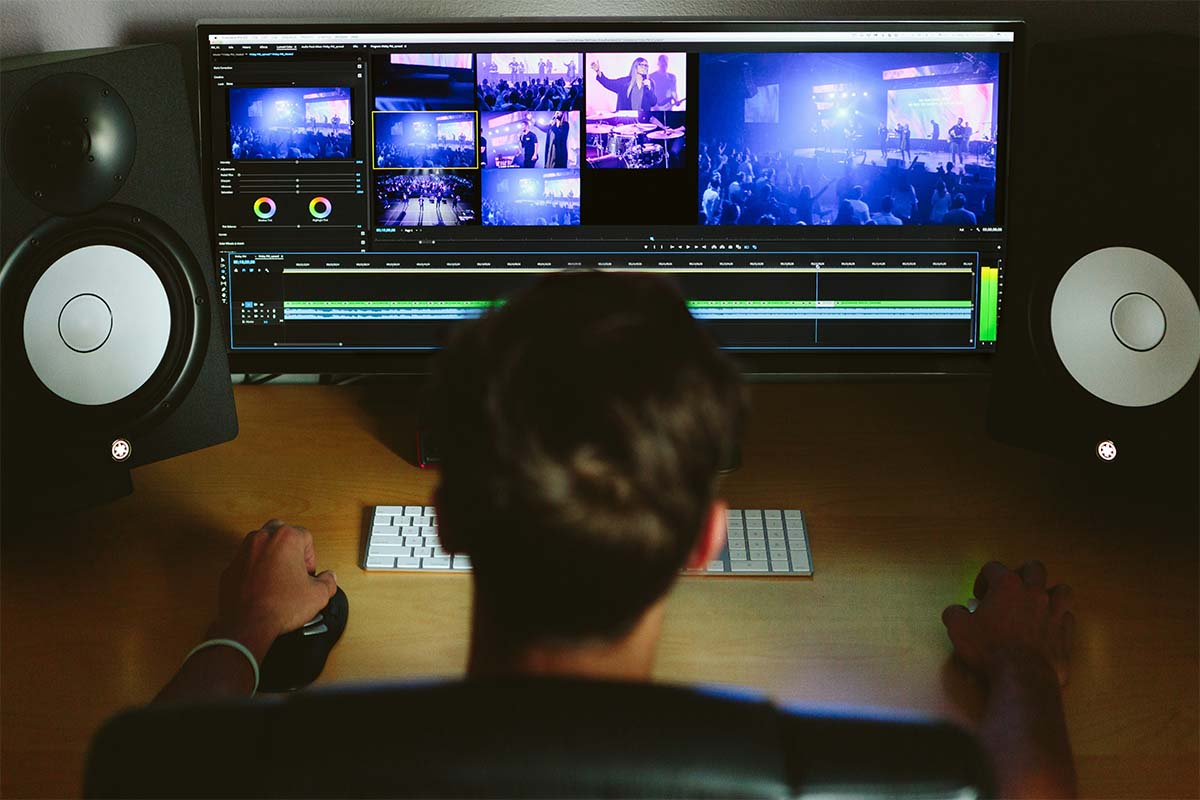 Objectivity is crucial to make decisive progress in the editing phase
4.4. Niche expertise and speed
Specialized event editors have a refined workflow. They have mastered the art of culling hours of footage into minutes with lightning speed. What might take an in-house marketing generalist two weeks to edit, a professional outsourcing partner can often finish in three days. This speed is a crucial component of event video pricing, as you are paying for the years of experience that allow them to work both fast and effectively.
By choosing to outsource, brands and agencies can focus on their core strengths: planning great events and closing sales, while leaving the technical "heavy lifting" to the experts.
5. Real event video editing pricing breakdown
To put theoretical figures into practice, let’s examine a real-world scenario that illustrates how event video editing pricing is calculated for a high-stakes project. In this case study, we look at a three-day international "Green Tech Summit" held in San Francisco, which required a fast turnaround to capitalize on the event's social media momentum. The post-production process is handled by Fotober, a specialized video editing agency operating in the US/Europe market.
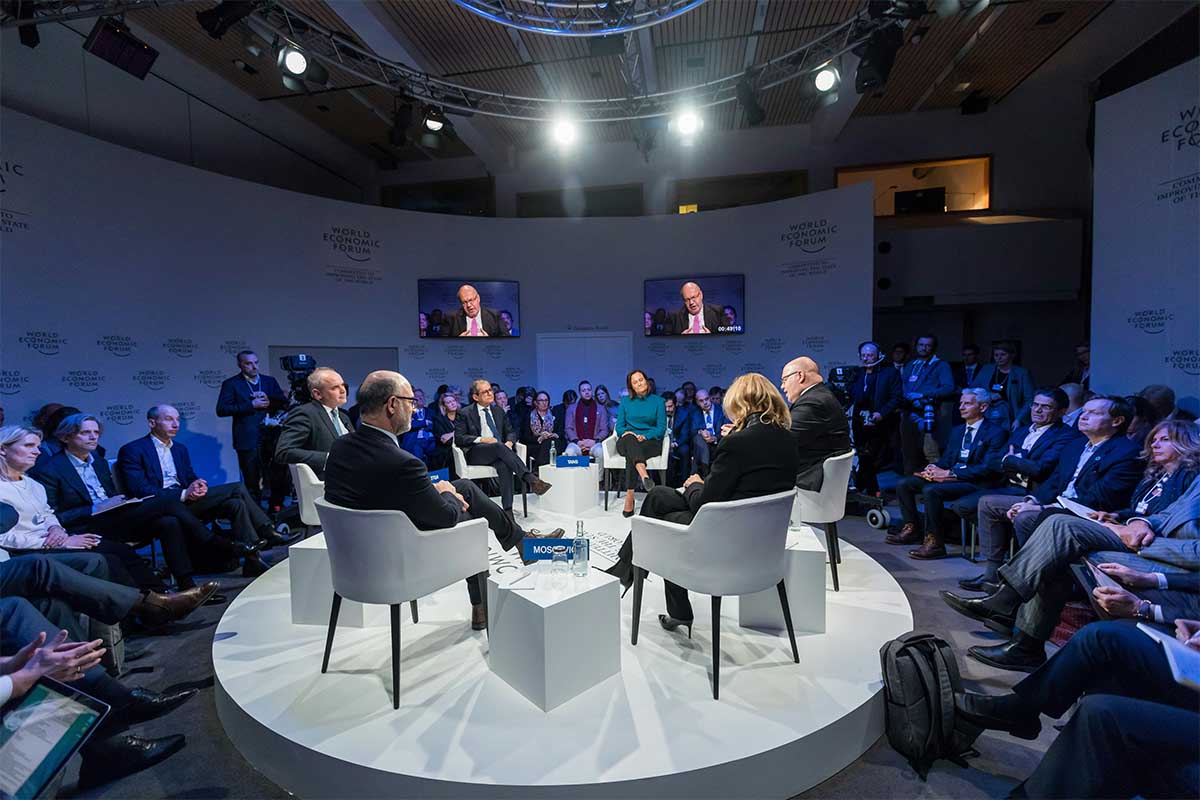 A conference spanning several days is a challenge for filmmakers and editors, which complicates the budget estimation
5.1. The project scope
- Raw assets: 15 hours of 4K footage captured by three camera operators, plus two hours of drone cinematography.
- Audio assets: Direct XLR board feeds for speeches and ambient "vox pop" interviews with attendees.
- Deliverables: One 3-minute cinematic "Sizzle Reel," five 30-second vertical reels for Instagram/TikTok, and three full-length edits of the keynote sessions.
5.2. The financial breakdown
When the agency calculated the event video editing cost, the quote was broken down by labor phases rather than just a flat number:
Data management & culling ($15): With nearly a terabyte of data, the editor spent a full day organizing clips, syncing audio from multiple sources, and selecting the "top 10%" of usable footage.
The narrative edit (from $100): This is the core of the event video pricing. The editor spent three days crafting the 3-minute story, weaving speaker quotes over B-roll of networking sessions and technology demos.
Motion graphics & branding (from $200): Custom animated "lower thirds" were created for 12 different speakers, along with an animated sponsor reel integrated into the intro and outro.
Color grading & sound design: A cinematic "grade" was applied to match the drone footage with the ground cameras, and a licensed, high-energy track was edited to hit every visual transition perfectly.
Short version creation (from $175): Because the client needed 5 short clips of the closing ceremony, a $35 premium was added for each of them.
Total project investment: from $290
5.3. The resulting ROI
While the event video editing cost might seem significant upfront, the results justified the spend. The 3-minute sizzle reel was used as the primary hero content for the following year’s ticket launch, resulting in a 35% increase in "Early Bird" registrations. The vertical reels generated over 100,000 organic views, significantly lowering the brand's cost-per-acquisition for new leads.
This case study proves that when you ask "how much does event video editing cost?", you should also be asking, "what is the cost of NOT having a professional edit?" In this instance, the professional polish turned raw data into a powerful, revenue-generating asset.
6. Fotober - event video editing solution
Among the available options for event video editing, Fotober arises as one of the most affordable post-production houses that is capable of creating dynamic and memorable videos that highlight key moments and leave a lasting impression.
Fotober's Event Highlight Video service transforms raw event footage into polished, engaging videos that capture the essence of your event. This service uses advanced editing techniques for noise and judder removal, slow motion, emotional emphasis, color grading, and people highlighting. Every key moment, from highlights to atmosphere, is showcased effectively. What emerges is a polished film that retells the event in the most riveting way.
Event Highlight Video offers a more immersive experience than photos alone. They help convey the energy and excitement of the event. The videos also preserve important takeaways for both attendees and those who couldn’t attend.
 Fotober provides commercial-grade event highlight video editing services
Every project follows a standardized 11-step process and a strict human-driven quality control stage to ensure optimal output:
- Professional color grading
- Stabilize footage
- Contrast and brightness adjustment
- Branding
- Advanced title animation
- Watermark branding
- Denoise footage
- Advanced video editing
- High-quality music
- Delivery of branded and unbranded MLS-compliant video
- Professional graphics.
Fotober also offers very flexible event video editing pricing. Whether you are a videographer, an organizer or an event venue, we always put high emphasis on communication to understand your specific needs and provide the most tailored package for you.
7. Conclusion
In the digital-first landscape of 2026, the value of your event is defined by how it is remembered online. While event video editing pricing varies based on complexity and scale, it remains one of the most critical investments in your marketing arsenal. A well-crafted video does more than just document; it builds authority, drives future ticket sales, and transforms a fleeting moment into a permanent brand asset. By understanding the factors behind the event video editing cost, you can budget strategically, ensuring your raw footage is never wasted but turned into a cinematic success.
Contact us today for a custom quote on our event video editing packages, and let’s create something unforgettable together.
Follow us on social media to get practical insights into video marketing and up-to-date details of our services!
- Facebook: fotobermedia.co
- YouTube Channel: Fotober
- TikTok Channel: @fotober
- Instagram: fotober_media
8. Frequently asked questions about event video editing pricing
Why is event video editing so expensive?
Professional editing involves high-end hardware, specialized software, and hours of meticulous labor. You are paying for the editor’s ability to cull hours of footage, color-grade for a cinematic look, and meticulously clean audio work, skills that directly impact your brand’s perceived value.
How long does it take to edit a 5-minute event video?
A professional edit typically takes 15 to 30 hours, depending on the shooting ratio and complexity. Expect a standard turnaround time of 1-2 weeks, though "rush" services can deliver results in 48 hours for an additional fee.
Related posts
Cincinnati Housing Market 2026: Prices, Trends, and What It Means for Buyers, Sellers, and Investors
October 20, 2026

Modern Luxe Interior Design: Elements, Style Guide and How to Stage It
October 10, 2026

Minimalist Interior Design: Characteristics, Style Guide, and Staging
October 8, 2026

Coastal Interior Design: Style Definition & Staging Guide
September 30, 2026
