




Top 10+ best Mirrorless Camera in 2026: Top Choices for Photography & Video
.png)

Share:
Table of Contents
- 1. What to look for in a mirrorless camera in 2026
- 2. Best mirrorless cameras in 2026 (Quick comparison)
- 3. Best overall mirrorless camera in 2026
- 4. Best mirrorless camera for video creators
- 5. Best mirrorless camera for photography & video
- 6. Best mirrorless camera for real estate & commercial video
- 7. Full-frame vs APS-C mirrorless cameras in 2026
- 8. How camera choice affects video editing quality
- 9. Do you need the “best” camera to get a cinematic video?
- Conclusion
If you are looking to replace your “trustie oldie” cameras, here are some recommendations for the best mirrorless camera in 2026 to guarantee you the best shooting experience and image quality.
1. What to look for in a mirrorless camera in 2026
Selecting the best mirrorless camera in 2026 is much more than comparing superficial megapixel counts. The main focus of current-gen shooters has shifted from "bigger numbers" to real-world performance and more intelligent assistive features. Here are the essential criteria to consider for your next upgrade.
Sensor & resolution: readout speed over pixels
While 24MP remains the standard for enthusiasts, professionals in 2026 have been squeezing the extra performance that stacked sensors and global shutter technology provide. These innovative designs eliminate rolling shutter distortion, making them indispensable for fast action photography and video works. High-end models are now edging 50MP - 100MP, but the only benchmark that matters under stressful workloads is readout speed. This sets high-end cameras apart, ensuring that high resolution doesn't come at the cost of processing latency.
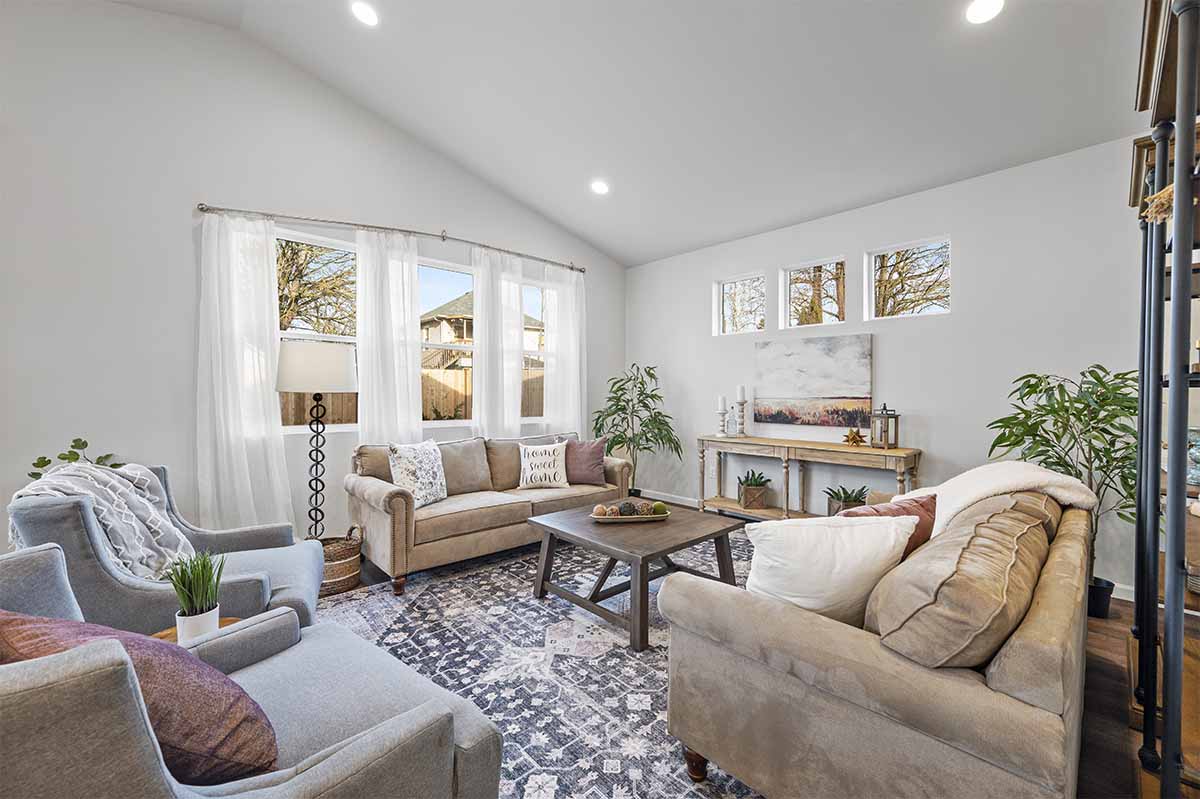 Fine image quality is what truly define a camera sensor’s capability
Uncompromising video capabilities
A top-tier hybrid camera must offer 4K at 120fps or 8K at 60fps to stay competitive. Look for internal 10-bit 4:2:2 recording and data-efficient codecs like ProRes or N-RAW. To ensure maximum dynamic range for color grading, a modern camera must support advanced Log profiles (such as S-Log3 or C-Log3) and provide high-bitrate recording without overheating.
AI Assist autofocus & stabilization
Autofocus in 2026 is becoming more predictive rather than just reactive. Most manufacturers now implement AI to recognize and continuously track subjects, from human eyes to animals and specific vehicle types even in busy scenarios. Complementing this is In-Body Image Stabilization (IBIS), which now offers up to 8 stops of compensation, allowing for steady handheld shots that previously required a dedicated gimbal for videography.
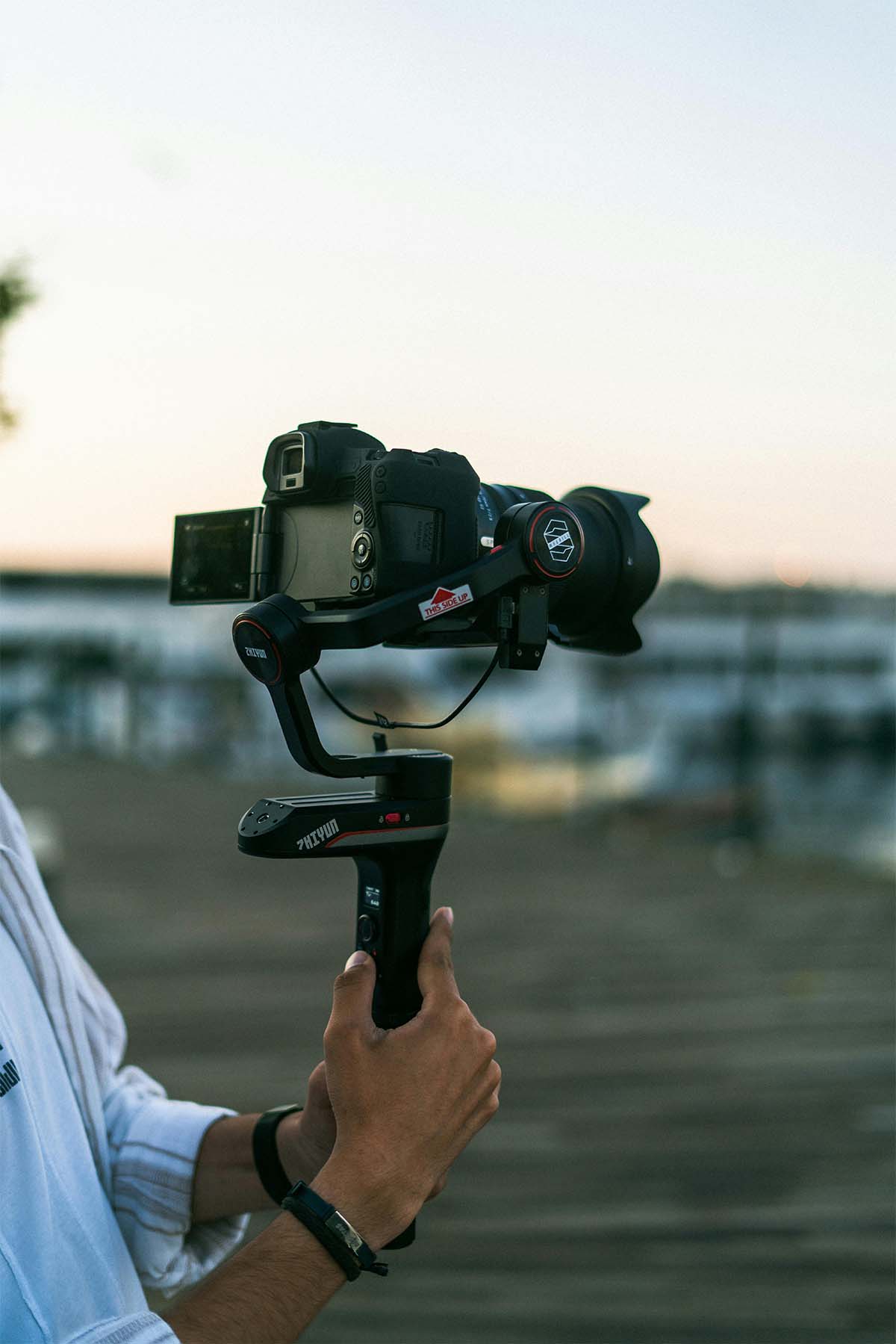 AI-assisted features take autofocus and subject tracking on mirrorless cameras to a new level
Workflow & editing compatibility
Your camera should simplify your post-production. Open-gate recording is now a must-have, allowing you to re-frame footage for both widescreen and vertical social formats easily. Additionally, look for cameras that support C2PA Content Credentials for file authenticity and offer fast USB-C 4.0 or Wi-Fi 6E connectivity to streamline your editing workflow.
By focusing on these criteria, you can be assured that your purchase remains a powerful asset in 2026 and beyond.
2. Best mirrorless cameras in 2026 (Quick comparison)
By 2026, the mirrorless market has been popularizing high-speed stacked sensors and intelligent autofocus as standard features. The following four cameras represent the "gold standard" for different professional and enthusiast needs this year.
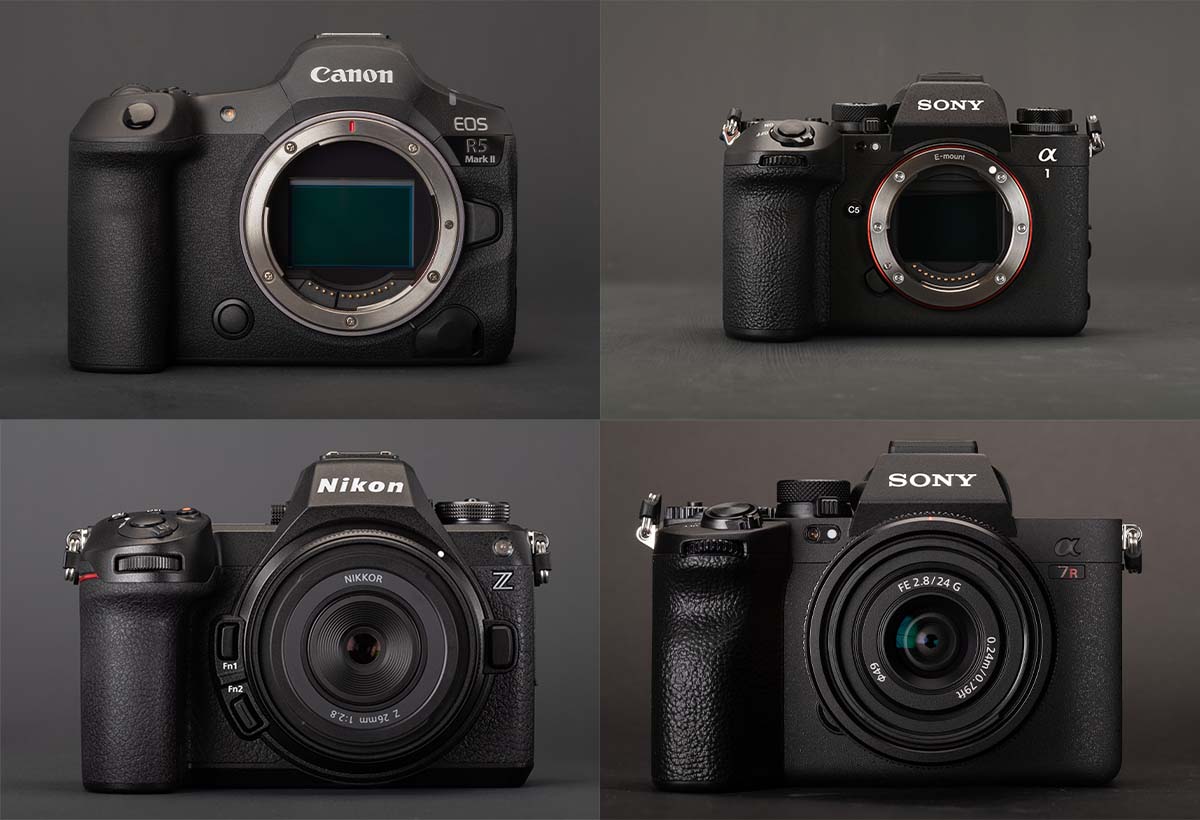 Canon EOS R5 Mark II (top left), Sony A1 II (top right), Nikon Z6 III (bottom left), Sony A7R V (bottom right)
|
Camera Model |
Sensor |
Video Specs |
What's it Best For? |
Price Range (Body Only) |
|
Sony Alpha 1 II |
50.1MP Full-Frame Stacked CMOS |
8K 60p, 4K 120p (10-bit 4:2:2), Pro-Res Internal |
Elite sports, wildlife, and commercial production. |
$6,500 - $7,200 |
|
Canon EOS R5 Mark II |
45MP Stacked BSI Full-Frame |
8K 60p RAW (Internal), 4K 120p, C-Log3 |
High-end wedding, commercial video, and studio work. |
$4,200 - $4,500 |
|
Sony A7R V |
61MP Full-Frame BSI CMOS |
8K 25p, 4K 60p (10-bit 4:2:2), AI Processing |
Landscape, fashion, and high-detail real estate photography. |
$3,500 - $3,900 |
|
Nikon Z6 III |
24.5MP Partially Stacked Full-Frame |
6K 60p RAW, 4K 120p, N-Log / N-RAW |
Indie filmmakers, event shooters, and high-speed vlogging. |
$2,500 - $2,800 |
3. Best overall mirrorless camera in 2026
The Sony Alpha 1 II has been widely regarded as the best mirrorless camera for photography and video this year, maxing out on all fronts of resolution, speed, and reliability.
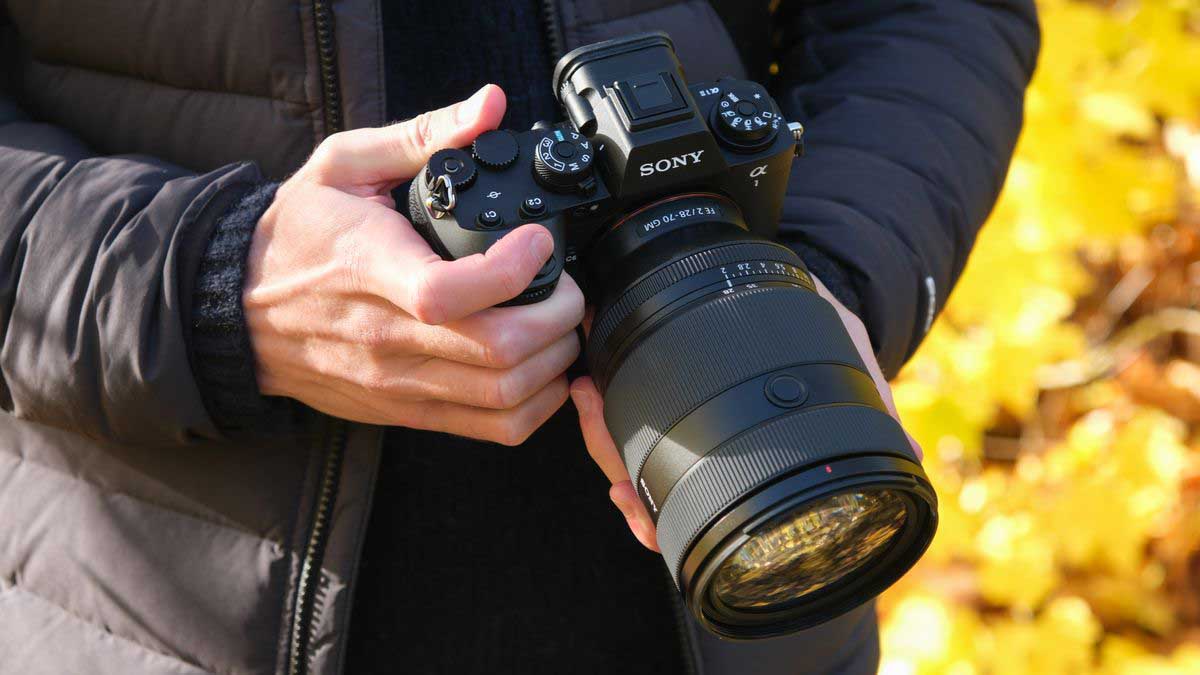 Sony Alpha 1 II is the all-powerful camera that every shooter craves
The new standard for hybrid professionals
For those seeking a mirrorless camera for professional video, the Alpha 1 II really raised the bar for what can be achieved. Featuring a 50.1MP stacked CMOS sensor, it delivers stills with a substantial level of detail while simultaneously functioning as a powerhouse for cinema. With the ability to record 8K at 60fps and 4K at 120fps in 10-bit 4:2:2, even the most demanding production environment can’t make it sweat. Its improved heat dissipation and cooling design ensures that long recording sessions, such as live events or full-length interviews are thoroughly covered without suddenly powering off due to overheating.
The best mirrorless camera for real estate video
The real estate industry has seen a massive shift toward high-production-value video tours. The Alpha 1 II is widely considered the best mirrorless camera for real estate video due to its incredible dynamic range and advanced In-Body Image Stabilization (IBIS). When shooting interiors with high-contrast lighting, such as a dark room with bright sunlit windows, its ability to retain shadow detail while protecting highlights is a godsend for editors.
Furthermore, the 8-stop stabilization system allows for smooth, gimbal-like handheld walkthroughs, making it easier to capture vibration-free motion in tight spaces. For creators in markets like Florida or California, where architectural detail and vibrant exteriors are key selling points, Sony's refined color science ensures that property tones look natural and “pop” straight out of the box.
Optimized for modern content creators
Efficiency is everything for today's media landscape. Even though it seems “overkill” for most content produced with a limited budget, Sony A1 II is a future-proof investment that may save you many regrets later. As the best mirrorless camera for content creators, the Alpha 1 II features an AI-driven autofocus system that tracks subjects with unmatched precision. Whether you are filming yourself for a vlog or tracking a moving vehicle, the real-time eye-AF (human, animal, and bird) ensures you never go out of focus in the frame. Its robust build can withstand even the most extreme environment you put it in. Additionally, its workflow compatibility, supporting C2PA for content authenticity and high-speed Wi-Fi 6E, allows for seamless transfers to editing suites.
Pros and cons of the Sony Alpha 1 II
Pros:
-
Ultimate hybrid power: Industry-leading 50.1MP stills and 8K/60p video in a single body.
-
Next-gen autofocus: AI-assisted tracking that is one step ahead to any previous model, confidently keeping focus in busy environments.
-
Professional video tools: Internal 10-bit 4:2:2 ProRes recording and a full-size HDMI port for external monitors.
-
Build quality: Rugged, weather-sealed construction suitable for harsh outdoor environments.
Cons:
-
Price point: As a flagship, it sits at the top of the market, which turns off many casual hobbyists.
-
File sizes: 8K and high-res RAW files require substantial storage and high-speed CFexpress Type A cards.
-
Complexity: The deep menu system and advanced features have a steeper learning curve for beginners.
4. Best mirrorless camera for video creators
As we move through 2026, the gap between cinema-grade production and consumer hardware has almost been closed. While flagship bodies often steal the headlines, the innovation that truly matters for most creators takes place in the hybrid space. If you are looking for the best mirrorless camera in 2026, the market offers specialized tools that prioritize workflow speed, thermal resilience, and reliable precision.
Apart from the Sony flagships, two contenders have redefined the landscape for video creators this year: the Canon EOS R5 Mark II and the Nikon Z6 III.
Nikon Z6 III - surprisingly the best value for money
If you are looking for the best bang-for-your-buck, the Nikon Z6 III really has no competition. By implementing a partially stacked sensor, it offers speeds that were previously reserved for $5,000+ flagships. It supports 6K 60p N-RAW internal recording, giving solo filmmakers the best mirrorless camera for video at a fraction of the cost compared to those top-of-the-lines.
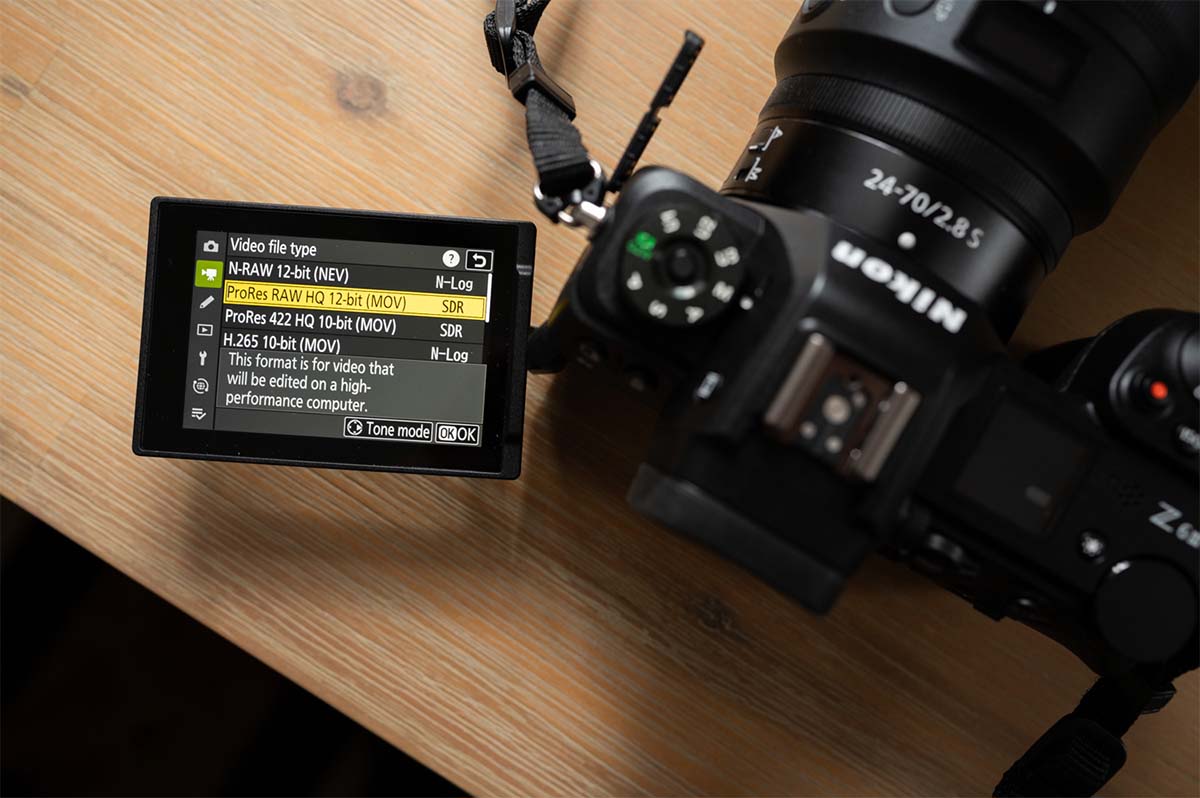 Nikon Z6 III exceeds the expectations for a mid-range mirrorless camera
It has become a favorite among content creators for its ergonomics and the sheer detail of the N-Log profile, which provides a liberating foundation for color grading.
-
Pros: Incredible value; 6K RAW internal; excellent low-light performance.
-
Cons: 24MP sensor is lower resolution for high-end photography; slower card slot in secondary position.
Panasonic Lumix S1 II - satisfying most video enthusiasts
For those who prioritize video over everything else, the Panasonic Lumix S1 II is the choice of 2026. While its autofocus has finally caught up to the competition, its definite strength lies in the L-Mount alliance and cinematography features like built-in cooling fans, full-size HDMI, and anamorphic support. It is designed for the creator who wants their mirrorless camera to behave like a cinema rig.
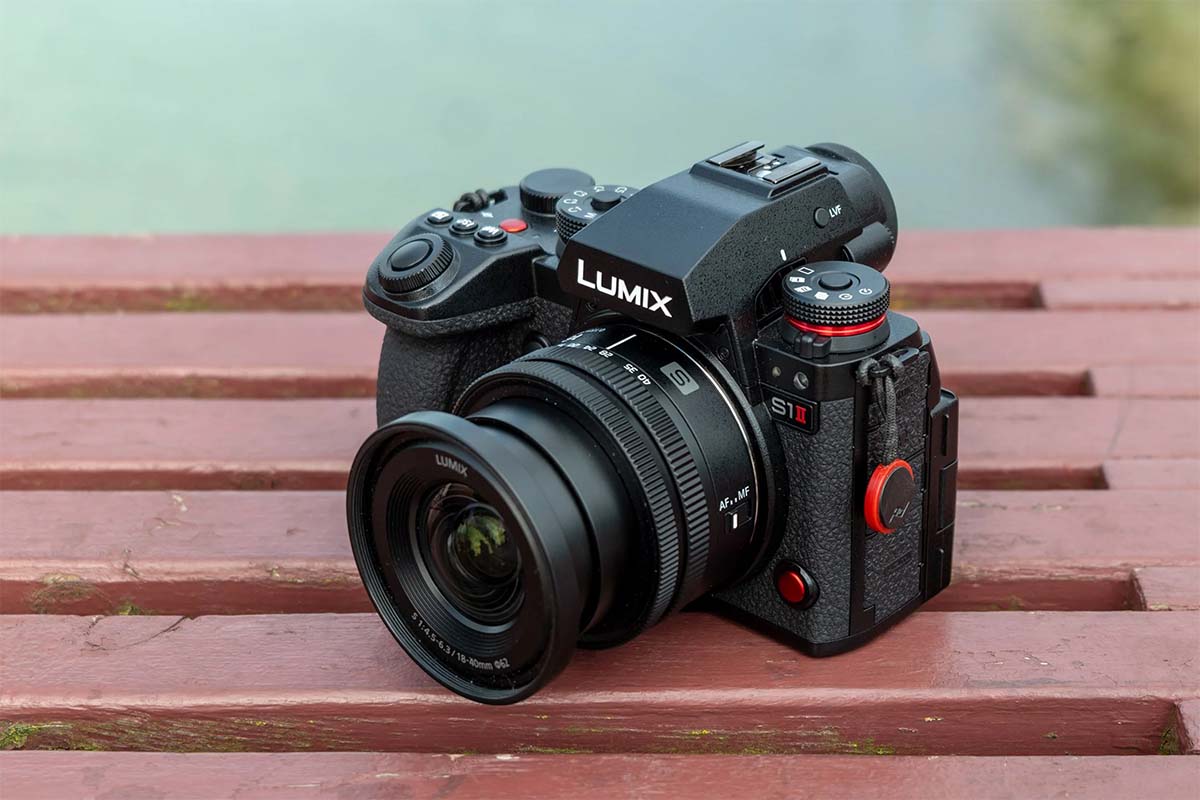 Panasonic Lumix(es) established themselves as video-first cameras
-
Pros: Professional video monitoring tools (Waveforms, Vectorscopes); industry-best IBIS.
-
Cons: Heavier body; slower stills performance compared to Canon or Nikon.
5. Best mirrorless camera for photography & video
The "megapixel wars" of the past decade now make way for an “AI race” in full swing, where the best hybrid camera for photo & video creators is no longer defined just by resolution, but by how effectively it handles both high-speed photography and cinema-grade videography.
For creators who refuse to wield two dedicated systems, there has been a rising number of offerings in 2026 that capture 4K RAW video as easily as they snap 30fps bursts. Here are two most promising options.
Sony Alpha 7 V - The jack of all trades
For most creators, Sony has solidified its position as the industry benchmark. While Alpha A7 Mark V doesn't boast the extreme resolution of the A7R series, its balanced 33MP sensor provides the perfect sweet spot for sharp prints and 4K video. With an external HDMI monitor, you can film in RAW format, maximizing post-processing potentials.
AI computing on A7 V is just extraordinary. This camera doesn't just “snap” to eyes; it predicts human movement, allowing solo shooters to maintain focus while walking through crowded environments, a dream come true for vloggers and event filmmakers.
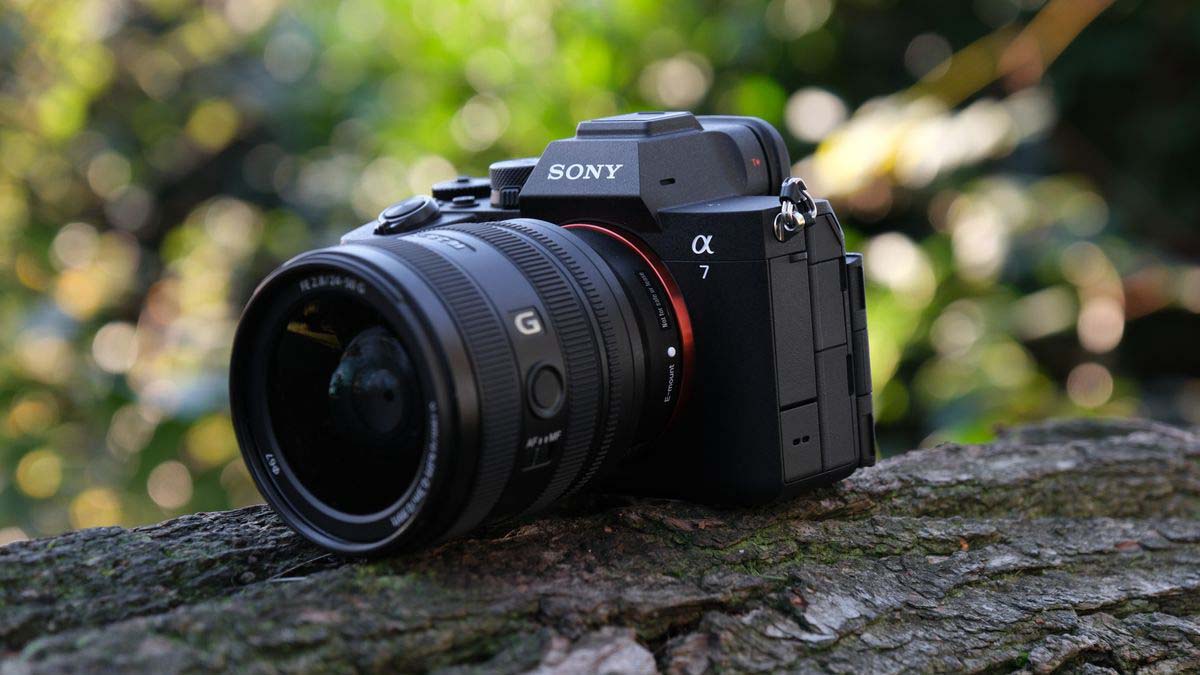 Sony A7 Mark V provides most essential specs and features for videographers
-
Pros: Most expansive lens ecosystem; class-leading AI autofocus; excellent thermal management for 4K 60p.
-
Cons: No internal RAW video recording; the menu system remains dense for beginners.
Canon EOS R5 Mark II - The absolute resolution machine
If your workflow demands maximum detail for commercial photography alongside high-end video, the Canon R5 Mark II is a no-brainer. With its 45MP stacked sensor, it suppresses rolling shutter really well, making it a favorite for sports and action.
The Dual Pixel Intelligent AF system uses deep-learning to recognize subjects even when they are obscured or turned away, making it indispensable for wedding videographers and documentary filmmakers who cannot afford a missed focus.
On the video side, it can hold up well against full-fledged cinema B-cam with 8K 60p RAW internal recording. Canon’s updated cooling system means you can finally shoot high-bitrate video in warm climates without the frequent overheating warnings of its predecessor.
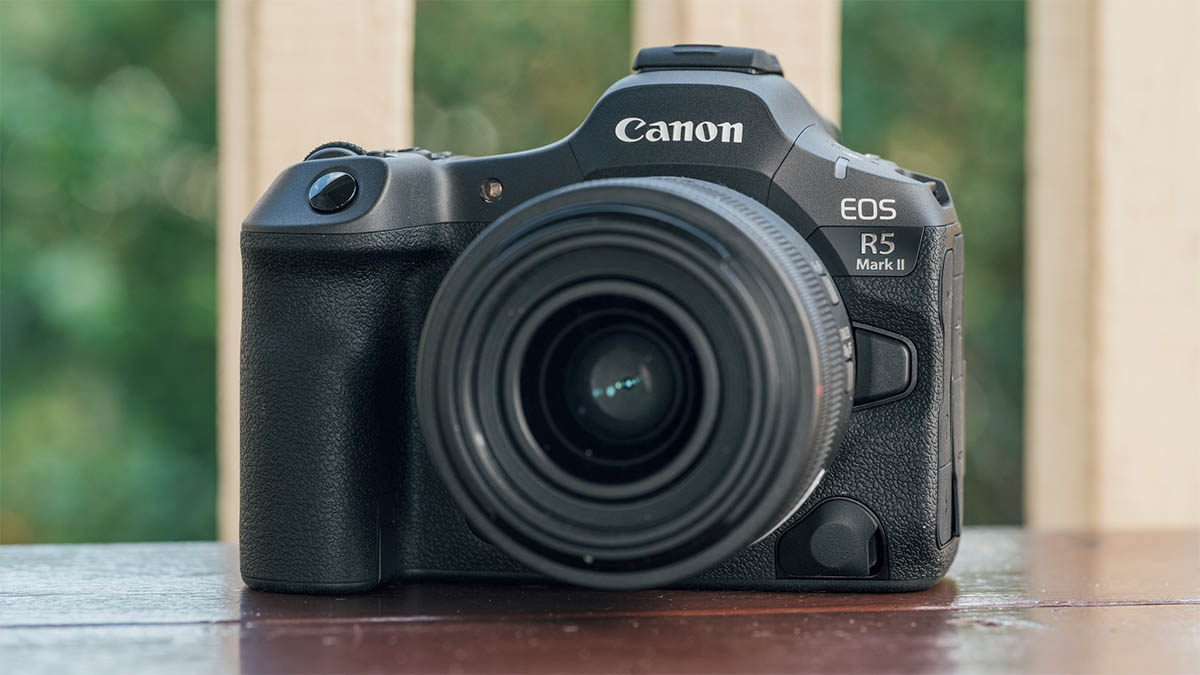 Canon EOS R5 Mark II has pleasing color rendition straight out of the camera
-
Pros: Incredible 8K internal recording; flattering skin tone rendering; high-speed burst for action shots.
-
Cons: Expensive entry price; 8K files require substantial storage and editing specs.
6. Best mirrorless camera for real estate & commercial video
Real estate marketing has shifted from simple displays to immersive visual experiences that involve specialized real estate video editing services. To keep up with the pace, professionals need a tool that delivers both high-resolution stills and cinematic walkthroughs. The Sony Alpha 7R V can be considered the perfect choice for these specific commercial needs, offering a specialized feature set perfectly tuned for architectural storytelling.
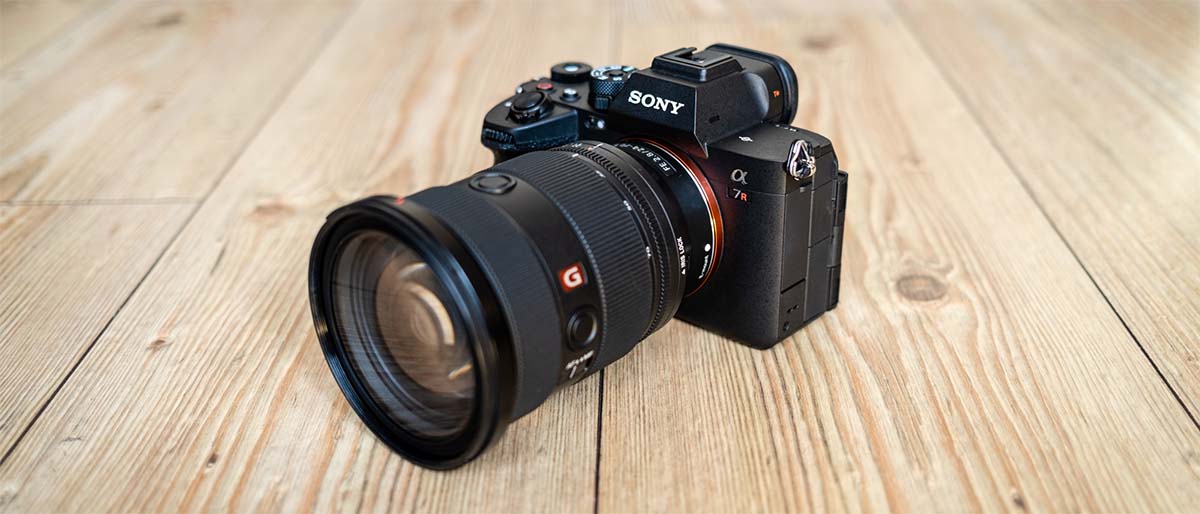 Sony A7R V - the solid choice for real estate video
Maximum wide-angle compatibility
The foundation of great real estate visuals is the ability to make small spaces feel expansive without distracting deformities. The Sony E-mount ecosystem offers the most robust selection of ultra-wide glass in 2026. Whether you couple this camera with the flagship Sony 12-24mm f/2.8 GM lens for tight bathrooms or the 16-35mm f/2.8 GM II for general room coverage, the A7R V’s sensor resolves every corner detail with surgical precision.
Dynamic range for challenging interiors
One of the common challenges of property shoots is capturing dark interiors with bright, sunlit windows with sufficient exposure balance to recover more details in post. The A7R V’s 61MP sensor provides a vast 15+ stops of dynamic range. This allows editors to pull back highlight detail from windows while lifting shadows in deep corners, ensuring every room looks airy and inviting without the HDR “cranked up” look of the past.
Smooth handheld video & workflow
The 8-stop In-Body Image Stabilization (IBIS) in the A7R V allows videographers to stabilize shaky footage when shooting handheld. Furthermore, for those managing multiple projects, the inclusion of S-Cinetone and S-Log3 ensures that your video footage is close to the final look while still being freely gradable. This makes matching footage for editing seamless, especially if your team uses other Sony bodies or drones for aerial shots.
By combining abundant resolution for prints with high-end video specs, the Sony A7R V is the most versatile investment for real estate professionals this year.
7. Full-frame vs APS-C mirrorless cameras in 2026
The debate between sensor sizes has shifted from comparing raw resolution to considering workflow suitability. Whether you are looking for the best mirrorless camera in 2026 for hobbyist travel or a dedicated mirrorless camera for professional video, the choice between Full-frame and APS-C is more nuanced than ever.
The full-frame advantage: standardized performance
Full-frame sensors remain the standard for most commercial production. For those seeking the best mirrorless camera for real estate video, full-frame is almost mandatory. The larger sensor area provides superior dynamic range, essential for balancing bright windows with interior shadows and allows wide-angle lenses to achieve their true field of view without a crop factor. If your goal is the best mirrorless camera for photography and video with maximum depth-of-field control and low-light performance, full-frame models like the Sony A7 V or Canon R5 Mark II are the top tier.
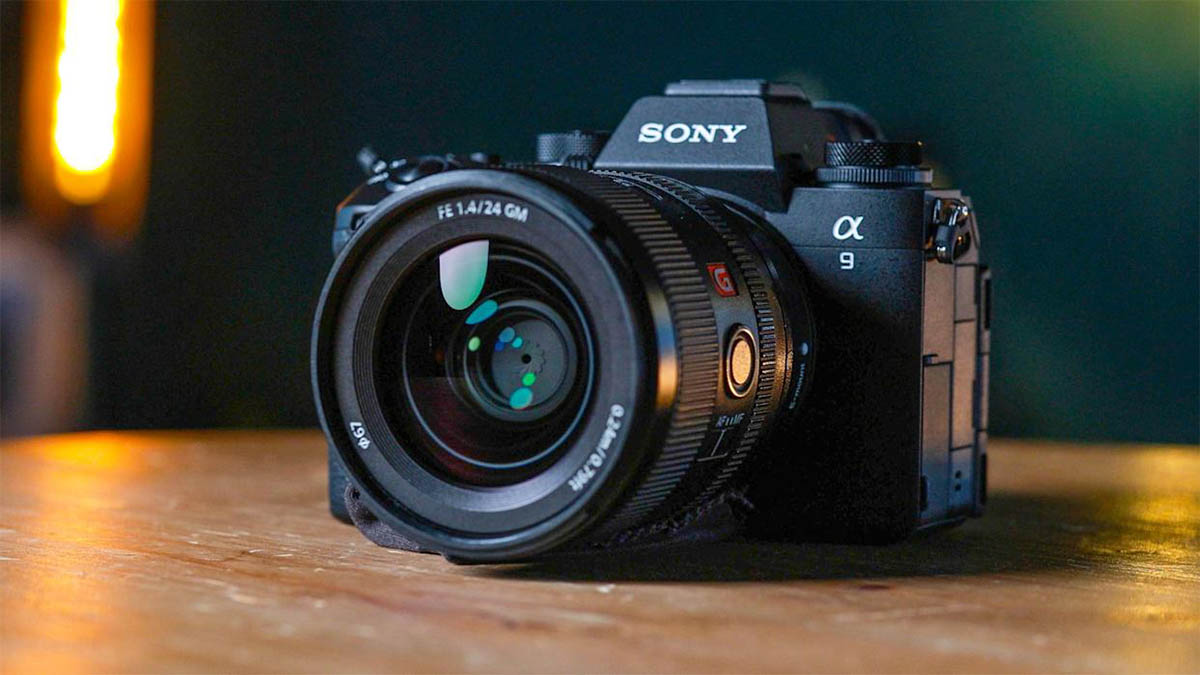 Full-frame cameras produce images with extensive DoF control, better dynamic range and detail in low-light situations
The APS-C appeal: speed and portability
Conversely, APS-C cameras have become the best mirrorless camera for content creators who value agility. In 2026, APS-C sensors have narrowed down the gap in image quality while maintaining a smaller, lighter footprint. As the sensors are smaller, they often come with faster readout speeds, which reduces rolling shutter to keep fast-paced motions intact. For travelling creators, an APS-C setup allows for more compact lenses, making it a less obtrusive shooting experience on the go while not sacrificing 4K 120p capabilities.
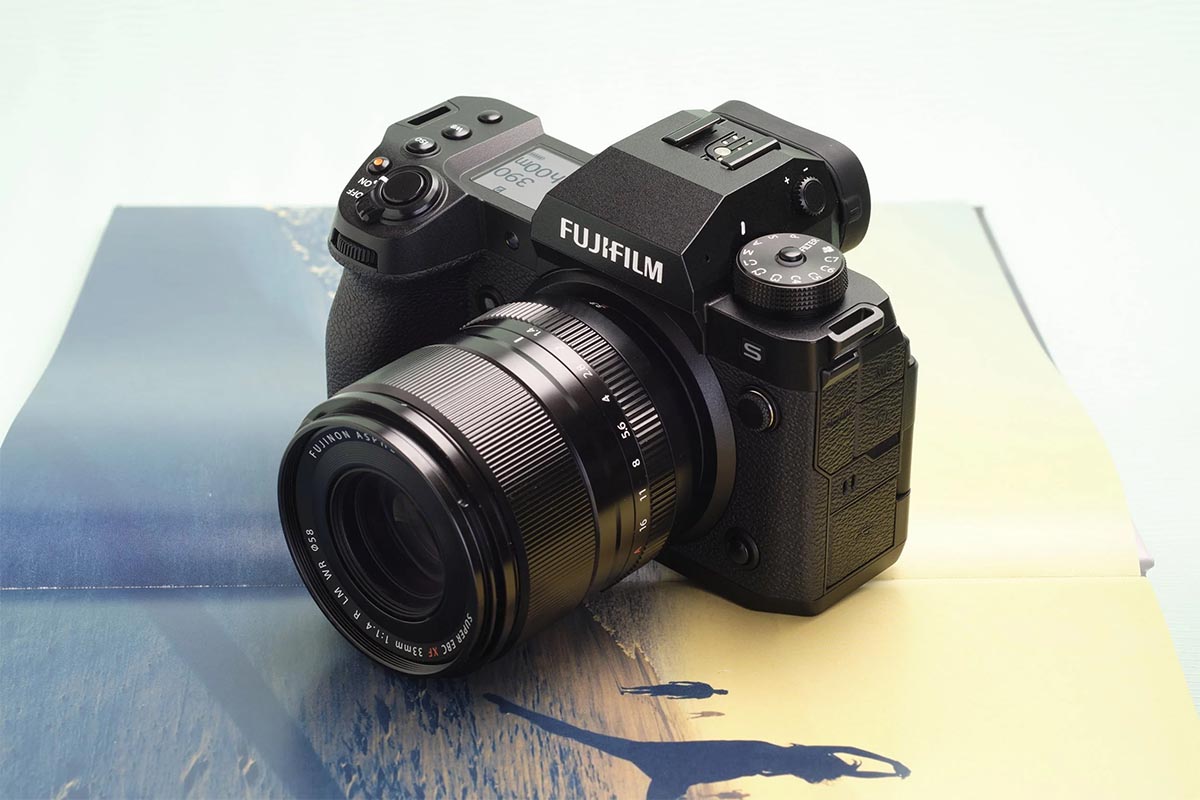 Cropped sensor may allow for higher processing speed
8. How camera choice affects video editing quality
While choosing the best mirrorless camera in 2026 is often framed around shooting features, what people actually see regarding a camera’s capabilities is mostly revealed in the final, edited product. The technical quality of your raw files directly dictates the limits of your post-production, affecting everything from creative flexibility to your financial considerations.
Color depth and grading flexibility
10-bit color depth has become essential for professional workflows. In 2026, the ability to record over a billion colors allows editors to freely manipulate the mood exhibited by the scenes, eliminating out-of-place tints, adjusting skin tones or recovering sky highlights without the "banding" artifacts common in less capable 8-bit files. A camera that provides deep color data ensures that the final "look" of the video can live up to commercial demands.
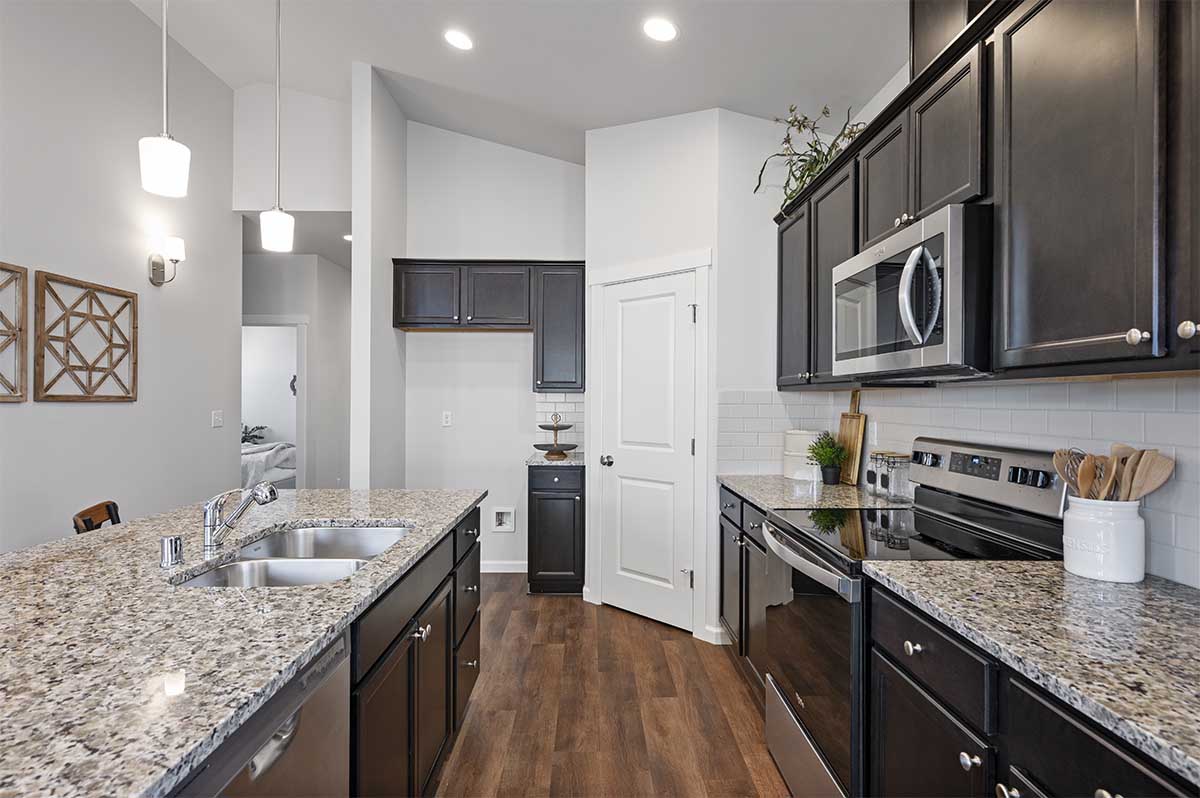 Higher bit depth results in smoother color gradient
Codecs and processing efficiency
The choice of codec is the bridge between the camera and the computer. High-efficiency codecs like H.265 are great for saving space, but take up a great deal of processing power to decode. Conversely, cameras that offer ProRes or All-I recording provide edit-friendly files. These formats are less taxing on decoding hardware, resulting in a smoother timeline performance, fewer crashes, and a significantly faster turnaround time for the editor.
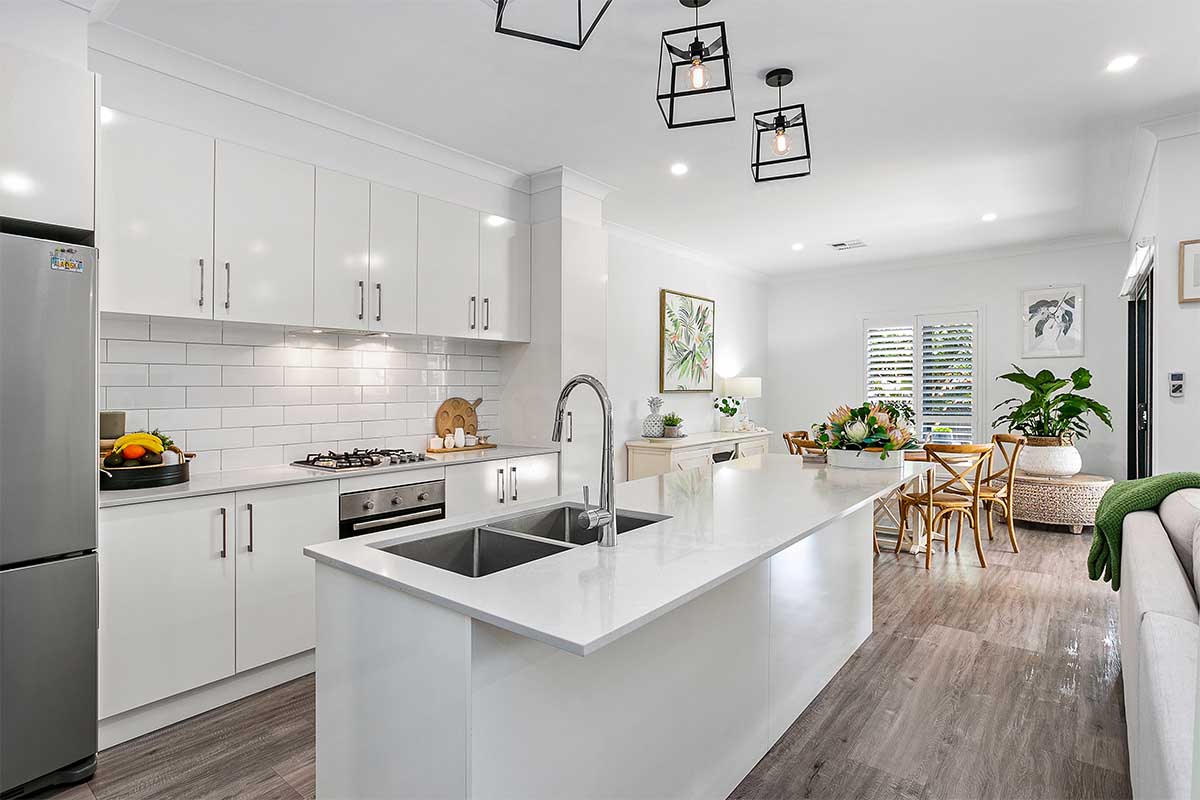 ProRes formats are more efficient to edit
Footage consistency and multi-cam sync
For projects involving multiple angles or cameras, footage consistency is vital. The best mirrorless systems in 2026 use standardized color science and metadata (such as timecode sync). When every device shares an identical color profile and gamma curve, the editor spends less time "matching" clips and more time focusing on the story, drastically reducing labor costs.
In conclusion, the quality of your video editing heavily depends on the hardware used to capture it. Investing in a body that prioritizes high-fidelity output isn't just about the image, it’s about optimizing the entire working. You’d better invest now to not regret later.
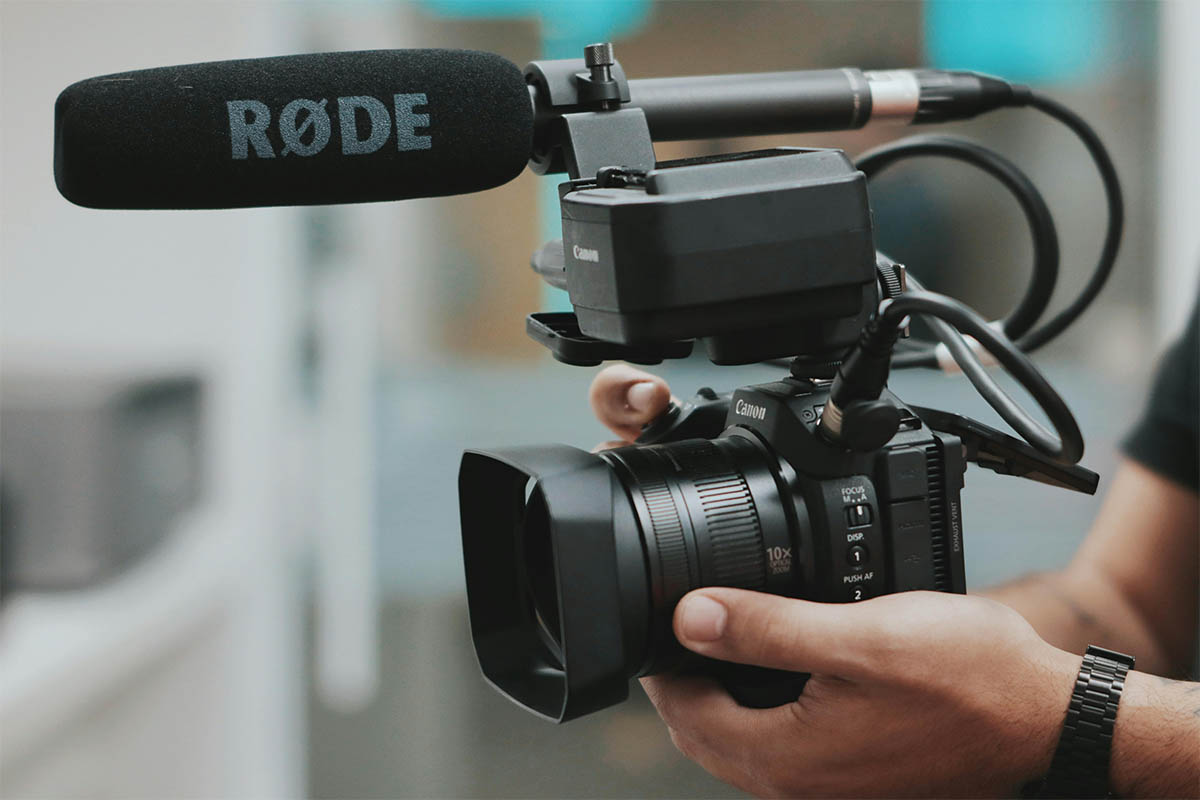 Media files synchronisation could be a time-consuming process if not properly managed from the source
9. Do you need the “best” camera to get a cinematic video?
As content creation gets really hyped up about production value, there is a common misconception that the best mirrorless camera in 2026 is the key to a cinematic video. While this is true to a certain degree, "cinematic" is actually a feeling rather than plain technicalities. Veteran cinematographers have been using old cameras for so long to create the most groundbreaking films. The fundamentals of storytelling and post-production are what to be mastered first.
The demystified myth of gears
Modern technology has reached a point of diminishing returns. Even entry-level cameras today offer 4K resolution and ample dynamic range. However, even 10,000 dollars worth of gear cannot fix a messy composition or a lifeless story. A cinematic look is built through lighting, composition and intentional movement, which have nothing to do with your camera’s price tag.
Storytelling: The foundation of filmmaking
A film is cinematic when it can “move” the viewer, either physically or emotionally. This is achieved through storytelling. Pacing, character dynamics and narrative tension are what keep an audience engaged. If your story is captivating enough, a slightly lower bit-rate or a bit of grain won’t matter. Without a strong narrative foundation, even 8K footage will feel hollow and lackluster.
The power of the edit
A large part of the cinema “magic” happens in the editing phase. This is where you manipulate the rhythm of the moving pictures, use sound design to build atmosphere, and apply color adjustments to evoke specific moods. A skilled editor can take footage from a mid-range camera and, through tasteful pacing and color grading, make it look and feel significantly more expensive than it actually was.
In 2026, the barrier to entry for professional video has never been lower. While a top-end camera is a powerful tool, it is your creative vision and editing that channel the cinematic feel into the final product.
Conclusion
For some, the debate for the best mirrorless camera in 2026 has been settled. You can opt for the most capable mirrorless camera for professional video possible with high-end offerings from Sony, Canon and Nikon, or considering your own actual needs and budget to acquire more affordable gears and invest more on the editing phase.
What if you want to spend less money and time but still maintain the cinematic quality to every real estate video? We at Fotober are right here within your reach, providing real estate video editing services. Our experienced team always strives to promote your brand with professional post-production at very competitive rates.
Already have footage? Let our editors turn it into cinematic real estate videos. Follow us on social media for more interesting tips about making videos and getting up-to-date information about our services!
-
Facebook: fotobermedia.co
-
Instagram: fotober_media
-
YouTube: @Fotober
Related posts

Best placements for running horses painting vastu direction in house
May 15, 2026
AI floor plan generator free vs professional rendering: what actually sells homes
May 2, 2026

Accessory dwelling unit floor plans: Top 10 smart ADU layout ideas for small spaces
May 2, 2026

Home Floor Plans for Narrow Lots: Top 10 Smart Layout Ideas
May 2, 2026
