




Best Gimbal for Videography in 2026: Top Picks for Smooth & Cinematic Video
Share:
Table of Contents
- 1. What Is a Gimbal and How Does It Work in videography?
- 2. Key Features to Consider When Choosing a Gimbal
- 3. Best Gimbals for Videography by Use Case
- 4. Getting the Most From Your Gimbal for Professional Video
- 5. Common Gimbal Mistakes That Ruin Your Video Quality
- 6. When a Gimbal Isn’t Enough: Professional Video Editing by Fotober
- Conclusion
Remember when smooth camera movements required enormous rigs or Hollywood budgets? Those days are gone. Today’s best gimbal for videography packs incredible stabilization technology into devices you can hold in one hand and toss in a backpack. Whether you're shooting a wedding, creating content for YouTube, or filming an indie project, the right gimbal can instantly elevate your production quality.
In this guide, we'll break down how gimbals actually work, what features matter most when shopping for one, the best options for different needs and budgets, and techniques to get truly cinematic results.
1. What Is a Gimbal and How Does It Work in videography?
In videography, a gimbal acts as a real-time stabilizing system that allows your camera to stay balanced and level while you move freely. Instead of relying on post-production fixes, a gimbal handles stabilization at the moment of shooting. Built-in gyroscopes and accelerometers continuously analyze motion data, and when unwanted shake occurs, powerful motors immediately counteract it. The result is smooth, controlled footage that feels intentional rather than improvised-one of the core reasons professionals consider a gimbal essential when searching for the best gimbal for videography.
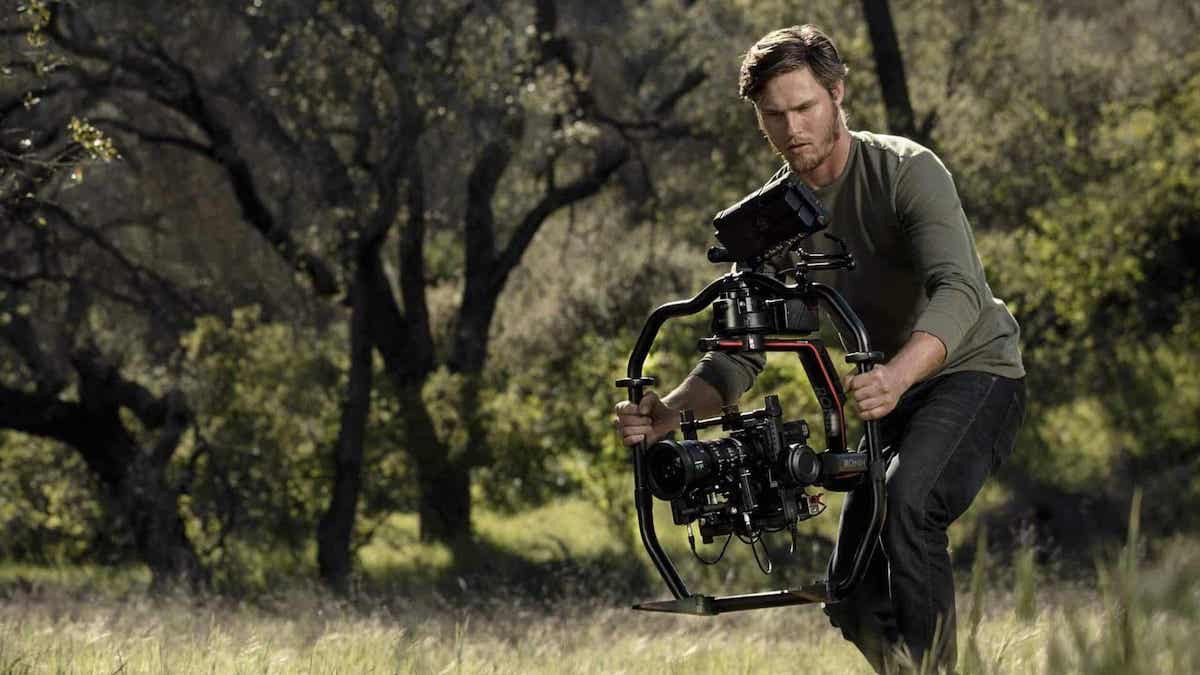
A gimbal stabilizes your camera for smooth, shake-free footage
Most modern gimbals use a three-axis stabilization system to isolate the camera from natural hand movement. The roll axis keeps the horizon straight, the pitch axis stabilizes vertical motion, and the yaw axis controls left-to-right rotation during pans or walking shots. When properly balanced, these axes work together seamlessly, allowing even handheld footage to achieve a cinematic look. As one experienced videographer once put it, “A good gimbal doesn’t just remove shake-it gives you confidence to move the camera with purpose.” This combination of technical precision and creative freedom is what separates a casual stabilizer from the best camera gimbal for videography, especially in fast-paced or professional shooting environments.
2. Key Features to Consider When Choosing a Gimbal
Choosing the right gimbal is less about chasing premium price tags and more about understanding how technical specifications translate into real-world shooting performance. The key features to consider when choosing a gimbal includes: payload capacity, battery life & motor power, ease of balancing, shooting modes & smart features, ergonomics & comfort.
Together, these factors determine whether a gimbal can truly support your camera setup, shooting pace, and creative workflow. From handling the combined weight of your camera and accessories without stressing the motors, to lasting through long shooting days, enabling fast setup under time pressure, and staying comfortable in your hands for hours-each feature directly affects both footage quality and on-set efficiency. In practice, the best gimbals are not just technically capable; they quietly remove friction from the shooting process, allowing videographers to focus on composition, movement, and storytelling instead of fighting their gear.
2.1. Payload Capacity
The most critical spec to check is payload capacity – how much weight the gimbal can handle. Your camera settings for real estate photography, lens, microphone, and any other accessories all count toward this total. A DSLR with a hefty lens might weigh 6-7 pounds, while a mirrorless setup might be 2-4 pounds, and a smartphone less than a pound. If you're unsure what to pair with your gimbal, explore our Real Estate Videography Starter Kit-a complete guide to the essential tools and gear for smooth, high-quality shoots.
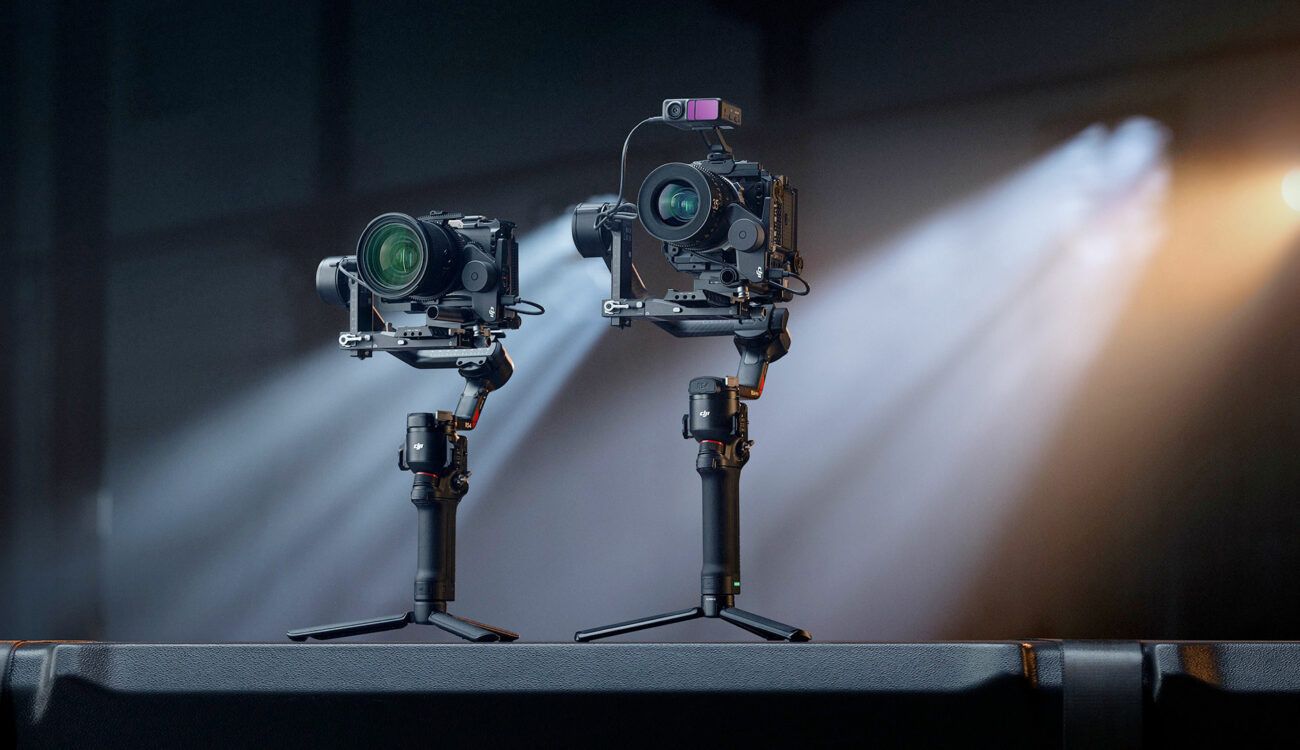
Check payload capacity to ensure the best gimbal for videography supports your gear
Always give yourself some breathing room here. Recommend staying at least 20% under the maximum payload. When motors operate too close to their limit, battery life suffers, and stabilization quality degrades. Nobody wants their gimbal struggling halfway through an important shoot!
2.2. Battery Life & Motor Power
Battery life can make or break your shooting day. Professional models usually offer 12+ hours of operation, while consumer options typically provide 8-12 hours. Remember that heavier cameras drain batteries faster as the motors work harder to stabilize the weight.
The good news is that newer gimbals often support USB-C charging, so you can connect a power bank for extended shoots. Some premium models even let you charge your camera through the gimbal – an absolute lifesaver during long events.
Motor power matters just as much as battery life. Stronger motors handle heavier setups and maintain stability during more dynamic movements like running or quick panning. If you shoot action sequences or follow fast-moving subjects, prioritize models with robust motors.
2.3. Ease of Balancing
Before using a gimbal, you need to perfectly balance your camera on all three axes. With traditional models, this process can take 5-15 minutes of careful adjustments.
Newer gimbals feature innovations like quick-release plates, axis locks, and even auto-calibration to streamline this process. Some models can now be balanced in under 2 minutes once you get the hang of it. If you frequently switch between different camera setups or often work under time pressure, these convenience features are worth paying extra for.
2.4. Shooting Modes & Smart Features
The best gimbal for videography offers a variety of intelligent shooting modes that expand your creative options. Standard modes include:
● Follow mode: The camera follows your pan movements while stabilizing everything else
● Lock mode: The camera stays pointed in one direction regardless of how you move the handle
● POV mode: The camera follows all your movements while still providing stabilization
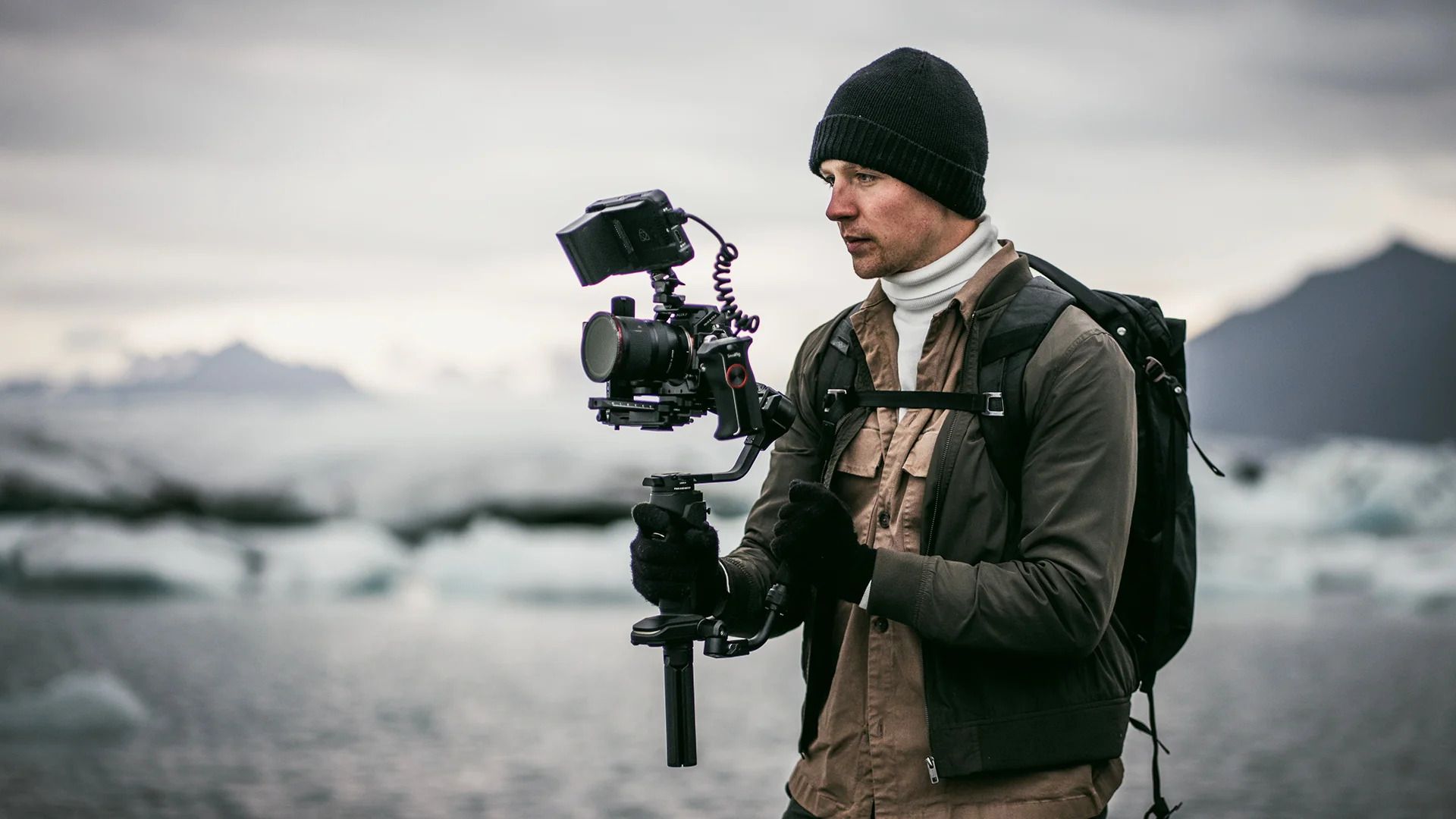
Modern gimbals offer intelligent modes to expand your creative options
Higher-end models add creative options like automated time-lapse, panorama creation, and programmed motion paths that repeat the exact same camera movement for multiple takes.
For solo creators, smart tracking features are incredibly valuable. These use AI to automatically follow a selected subject, allowing you to film yourself or maintain focus on a moving subject without a camera operator.
2.5. Ergonomics & Comfort
Don't overlook how the gimbal feels in your hands. You might be holding this device for hours at a time, and poor ergonomics lead to shaky footage as your arms fatigue. The best designs distribute weight across your forearm rather than concentrating it all in your wrist.
Some models, like the Weebill series, feature an innovative "suitcase" grip that dramatically reduces fatigue during long shooting sessions. Others offer accessories like dual handles for better weight distribution. These ergonomic considerations become increasingly important the longer you shoot.
3. Best Gimbals for Videography by Use Case
Best gimbal for videography by use case includes professional gimbals for heavy camera rigs, versatile options for event and wedding shoots, lightweight models for travel and run-and-gun filming, ergonomic designs for long shooting sessions, and ultra-portable gimbals for smartphones and compact setups.
With today’s gimbal market offering everything from ultra-compact stabilizers to fully rigged professional systems, there is no single “best” option for every videographer. The right choice depends heavily on how you shoot, what camera setup you use, and the environments you work in. That’s why this list is organized by real-world use cases rather than specs alone.
Based on hundreds of hours of hands-on testing across commercial shoots, events, travel projects, and solo productions, the following recommendations focus on how each gimbal performs in practical shooting scenarios. Whether you prioritize maximum payload for professional rigs, fast adaptability for events, lightweight mobility for travel, long-term comfort for extended shoots, or extreme portability for mobile content, these are the gimbals that consistently deliver reliable, professional results where it matters most-on set.
3.1. DJI RS 4 Pro – Best for Professional Videographers
If you're serious about filmmaking, the DJI RS 4 Pro ($899) is worth the investment. It handles cameras up to 10 pounds while offering pro-level features like LiDAR focusing assistance, wireless video transmission, and programmable motion paths. The carbon fiber construction keeps weight manageable despite its robust capabilities.
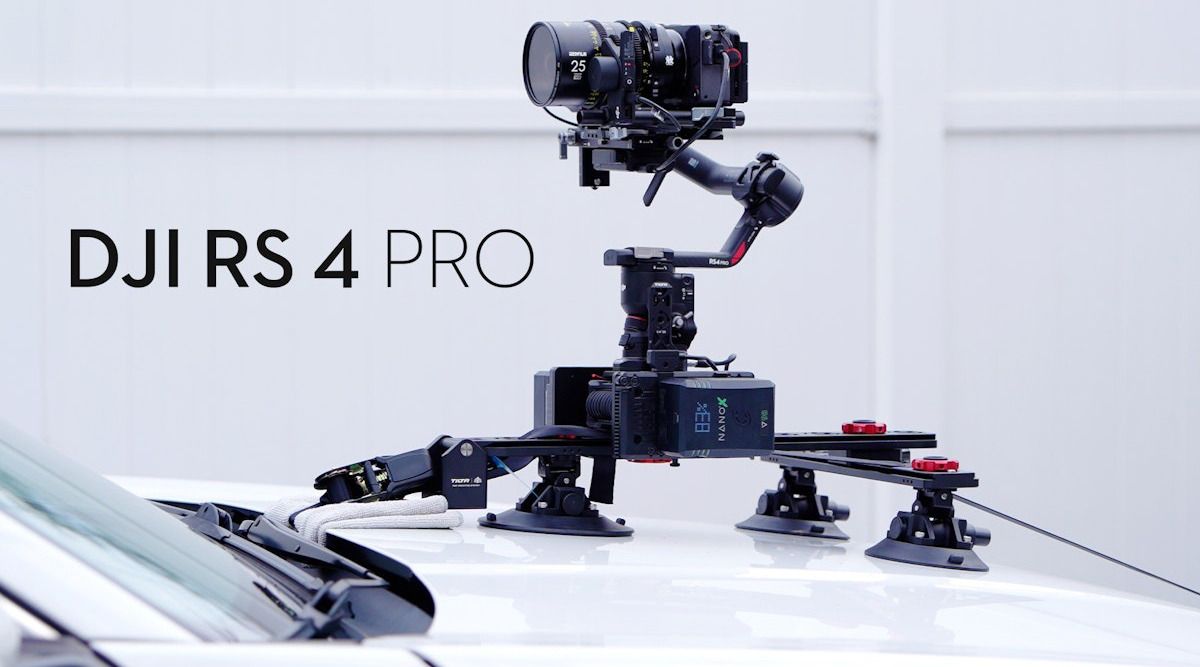
DJI RS 4 Pro
What sets it apart is the exceptional stabilization algorithm and 16-hour battery life. For commercial shoots or documentary work where reliability is non-negotiable, this is the gold standard. The learning curve is steeper, but the creative possibilities are virtually unlimited.
3.2. Zhiyun Crane 4 – Premium Option for Versatility
The Zhiyun Crane 4 offers an excellent balance of performance and portability for serious enthusiasts and professionals using DSLRs or mirrorless cameras. It handles up to 8.8 pounds while featuring intuitive controls that let you focus on composition rather than menu diving.
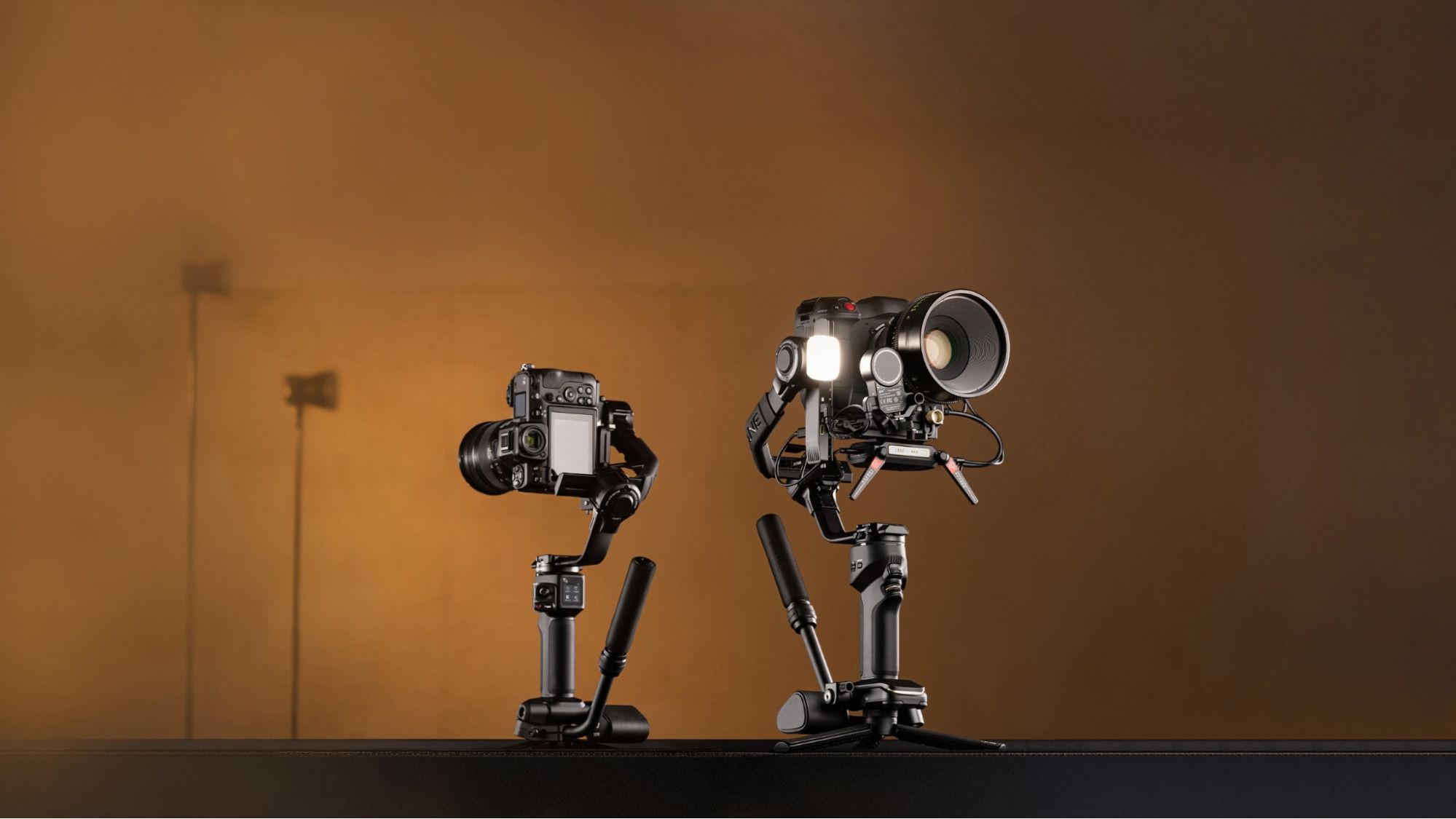
Zhiyun Crane 4 is one of the best gimbal for videography
I particularly love its VectorMount system that lets you quickly switch between standard and underslung positions without rebalancing. For wedding videographers or event shooters who need to rapidly adapt to different shooting scenarios, this flexibility is invaluable.
3.3. DJI RS 3 Mini – Best for Travel and Mobility
When you traveling or need to move quickly, the DJI RS 3 Mini is the best. Weighing just 1.9 pounds while supporting cameras up to 4.4 pounds, it offers an incredible weight-to-capability ratio. The folding design takes up minimal space in a backpack, making it perfect for documentary work, travel videos, or any situation where mobility matters.
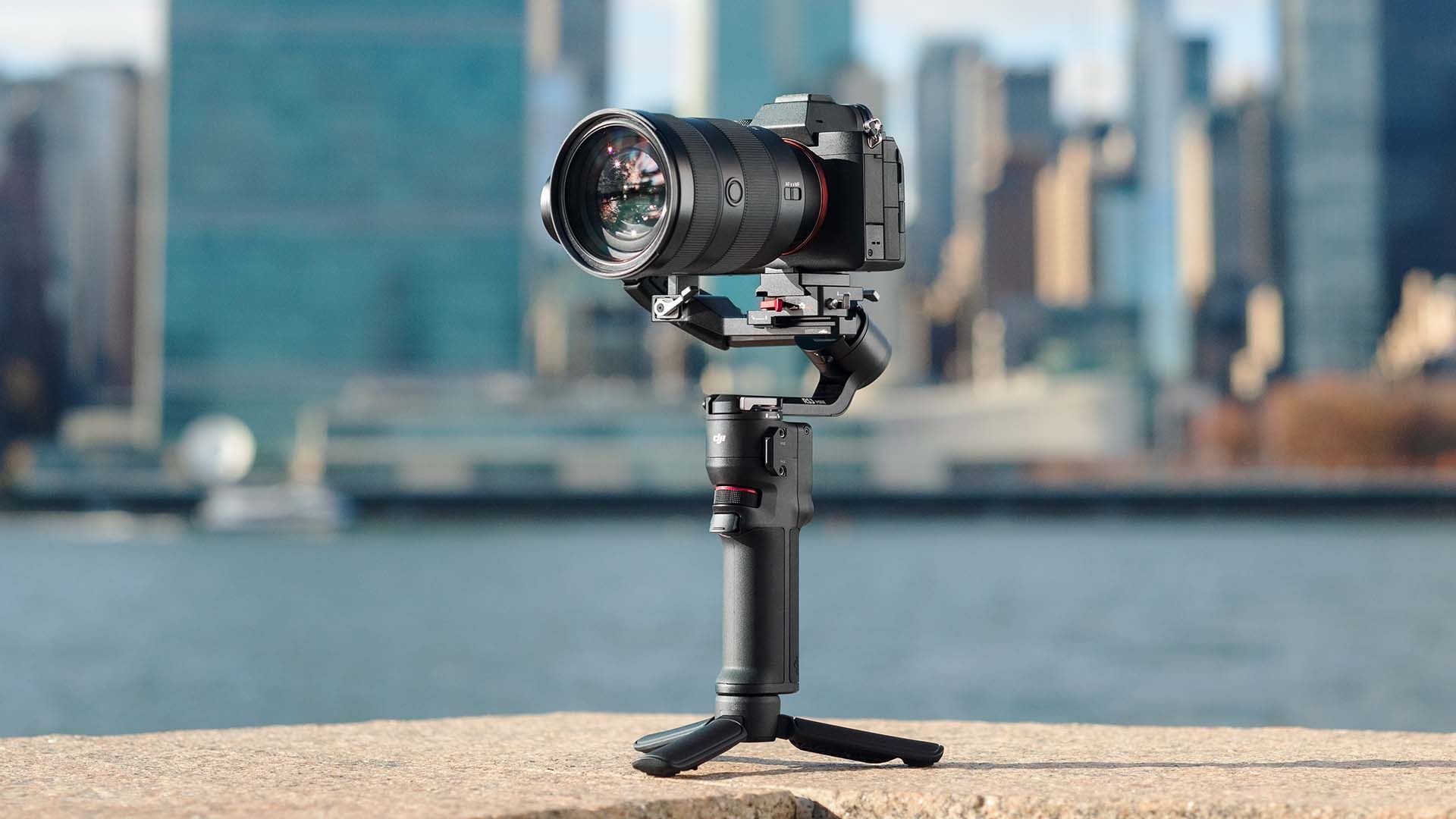
DJI RS 3 Mini
Don't let the size fool you – this little powerhouse delivers remarkably smooth footage with most mirrorless setups. The streamlined controls and 10-hour battery life make it ideal for run-and-gun shooting when you need to travel light without sacrificing quality.
3.4. Weebill 3S – Most Comfortable for Long Shoots
For videographers who regularly shoot long events, the Weebill 3S addresses the biggest pain point: operator fatigue. Its innovative grip design distributes weight across your forearm, dramatically extending comfortable shooting time. The built-in cooling system prevents performance degradation during intensive use – a real problem with other gimbals during long, hot shooting days.
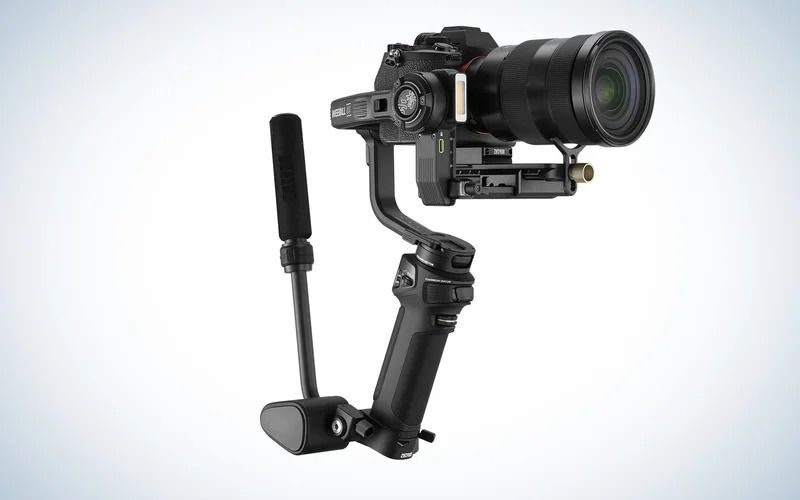
Weebill 3S
What makes this model stand out is how it scales with your needs through modular accessories. Start with the base unit for most shoots, then add dual handgrips, focus wheels, or specialized handles as specific projects demand.
3.5. Zhiyun Crane-M 3S – Best for Smartphones and Light Setups
For mobile filmmakers and vloggers, the ultra-portable Zhiyun Crane-M 3S hits the sweet spot. At just 1.1 pounds, it easily handles smartphones, action cameras, and small mirrorless setups up to 3.3 pounds. It's small enough to fit in a large pocket when folded but delivers stabilization quality that rivals much larger units.
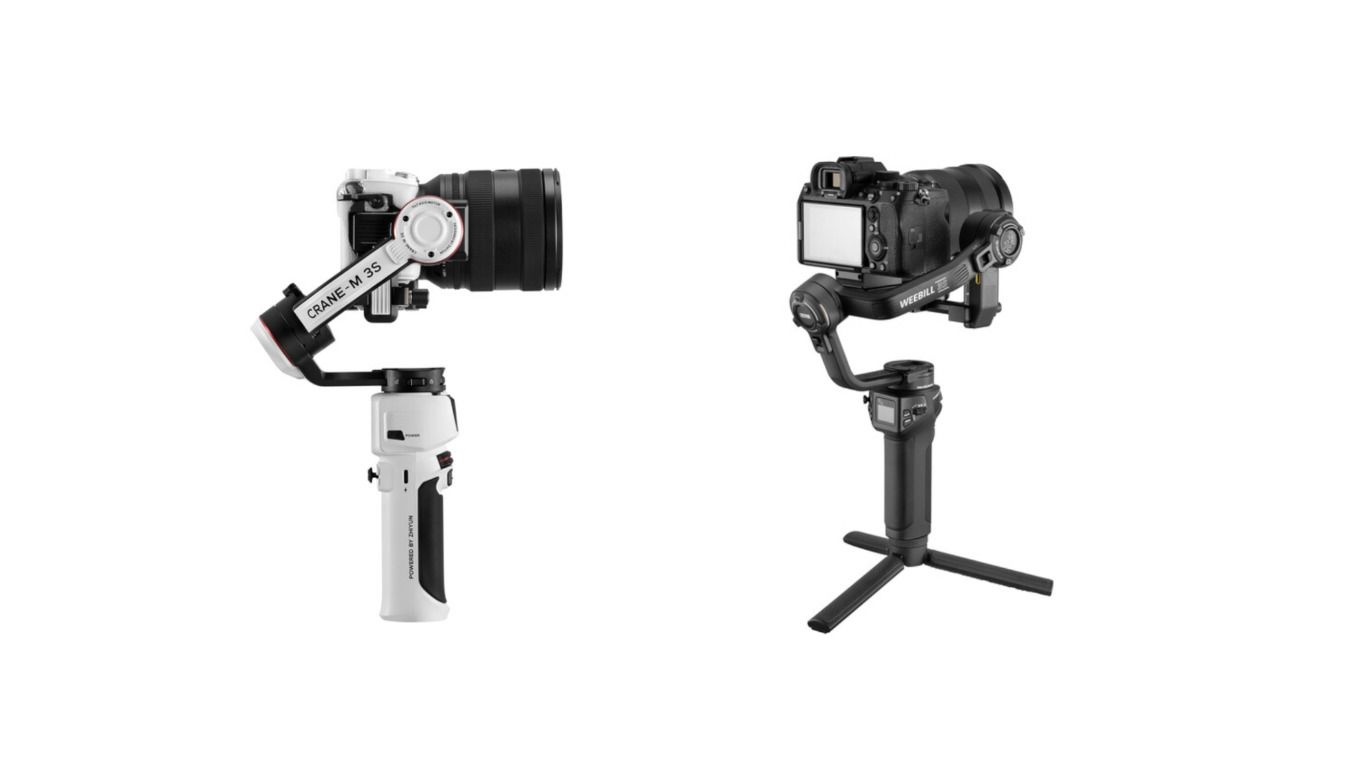
Zhiyun Crane-M 3S is one of the best gimbal for videography.
The built-in 800-lumen fill light is genuinely useful for impromptu shooting situations, eliminating the need for separate lighting in many scenarios. If you create content across multiple devices or prioritize maximum portability, this versatile little gimbal is hard to beat.
4. Getting the Most From Your Gimbal for Professional Video
Even the best gimbal for videography can fall short if it’s used without proper technique. After years of shooting everything from commercial projects to fast-paced run-and-gun videos, one thing is clear: a gimbal doesn’t magically create smooth footage-it amplifies good habits and exposes bad ones.
Proper balancing techniques should always come first. Take the time to balance each axis so the camera remains level even when the gimbal is powered off. This step not only improves stabilization accuracy but also reduces motor strain and extends battery life. A well-balanced setup allows even the best camera gimbal for videography to perform at its full potential rather than constantly “fighting” the weight of your rig.
Once balanced, mastering the basics of camera movement makes a noticeable difference. Instead of relying on your arms, use your entire body to absorb motion. Keep your elbows close to your torso, bend your knees slightly, and let your legs guide the movement. Slow, deliberate motion almost always looks more cinematic than aggressive swings-especially when shooting handheld with the best gimbal for video setups.
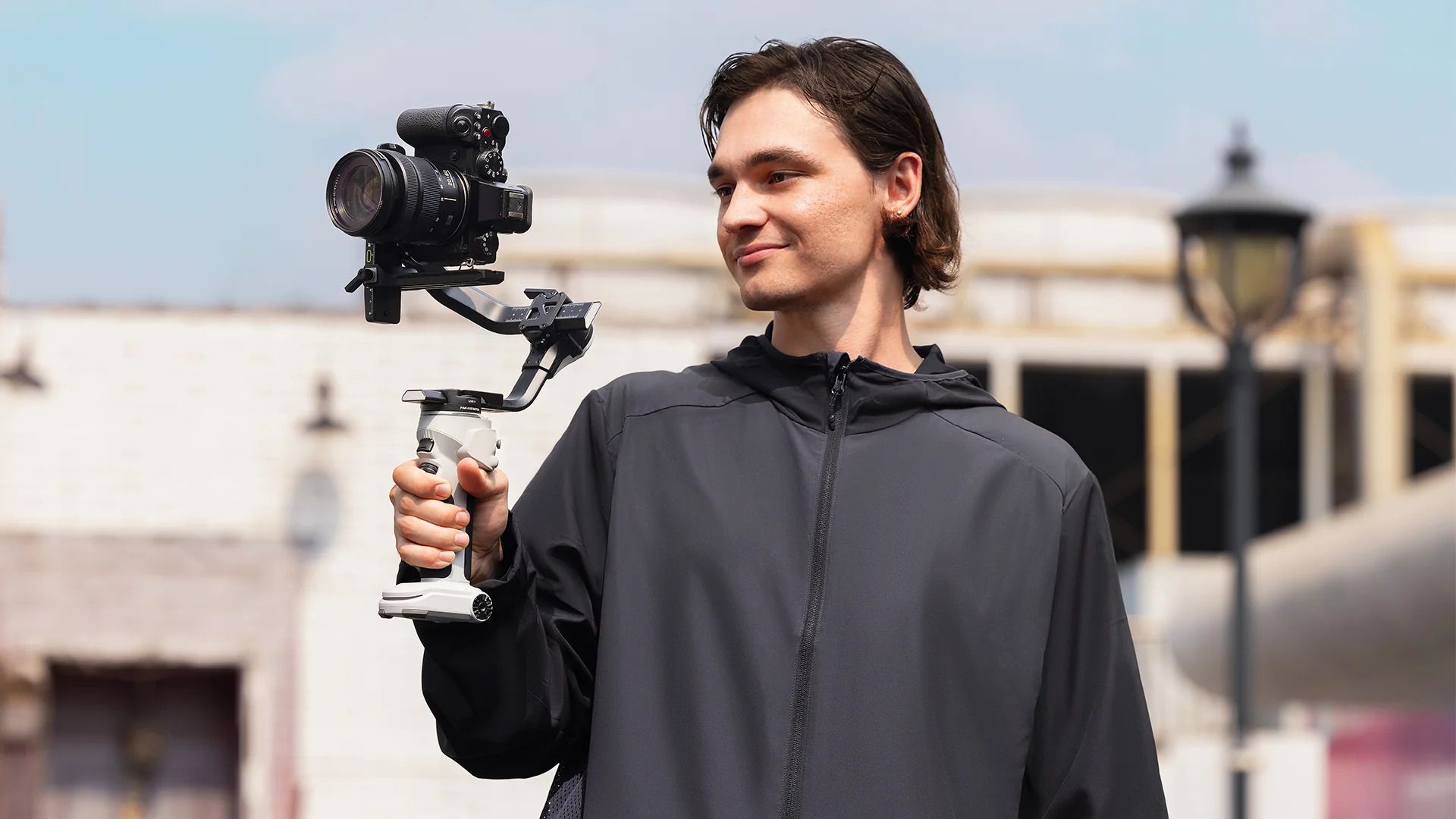
Balance your gimbal for better results and longer battery life
Understanding shooting modes is another often-overlooked advantage. Follow mode is ideal for natural pans, lock mode works best for controlled tracking shots, and POV mode adds energy when intentional motion is needed. Knowing when to switch modes helps you adapt quickly on set instead of forcing one mode to fit every shot. As one seasoned operator once said, “A gimbal is only as smart as the person choosing the mode.”
Finally, recognize when a gimbal isn’t enough. While a stabilizer can dramatically improve motion, it can’t fix poor framing, rushed movements, or shaky storytelling. For heavier setups-such as DSLR rigs-the best gimbal for DSLR video still benefits from thoughtful shot planning and, in some cases, additional support like sliders or post-production stabilization. A gimbal is a powerful tool, but professional results come from knowing both its strengths and its limits.
5. Common Gimbal Mistakes That Ruin Your Video Quality
Even when using the best gimbal for videography, small technical mistakes can quietly destroy footage quality. These issues often don’t show up on set but become painfully obvious during editing-when it’s already too late to fix them.
The most common problem is poor balancing. When a gimbal is improperly balanced, the motors spend more energy fighting gravity than stabilizing motion. This leads to reduced battery life, overheating, and subtle micro-jitters in the footage. Rushing this step is one of the fastest ways to undercut the performance of even the best camera gimbal for videography. As many professionals say, “If your gimbal isn’t balanced, it’s not stabilizing-it’s compensating.”
Another frequent mistake is incorrect grip technique. Gripping the handle too tightly transfers tension directly into the system, introducing shake that no motor can fully eliminate. A relaxed grip allows the gimbal to do its job effectively. Whenever possible, use two hands to distribute weight and maintain smoother control-especially when working with heavier setups like the best gimbal for DSLR video configurations.
Environmental factors are also widely underestimated. Wind can create lateral forces that overwhelm motors, particularly on lightweight gimbals or when shooting with larger lenses. Extreme temperatures affect both battery efficiency and motor responsiveness, often shortening usable shooting time. In challenging conditions, experienced operators instinctively use their body as a natural wind shield and plan extra battery management rather than pushing the gear beyond its limits.
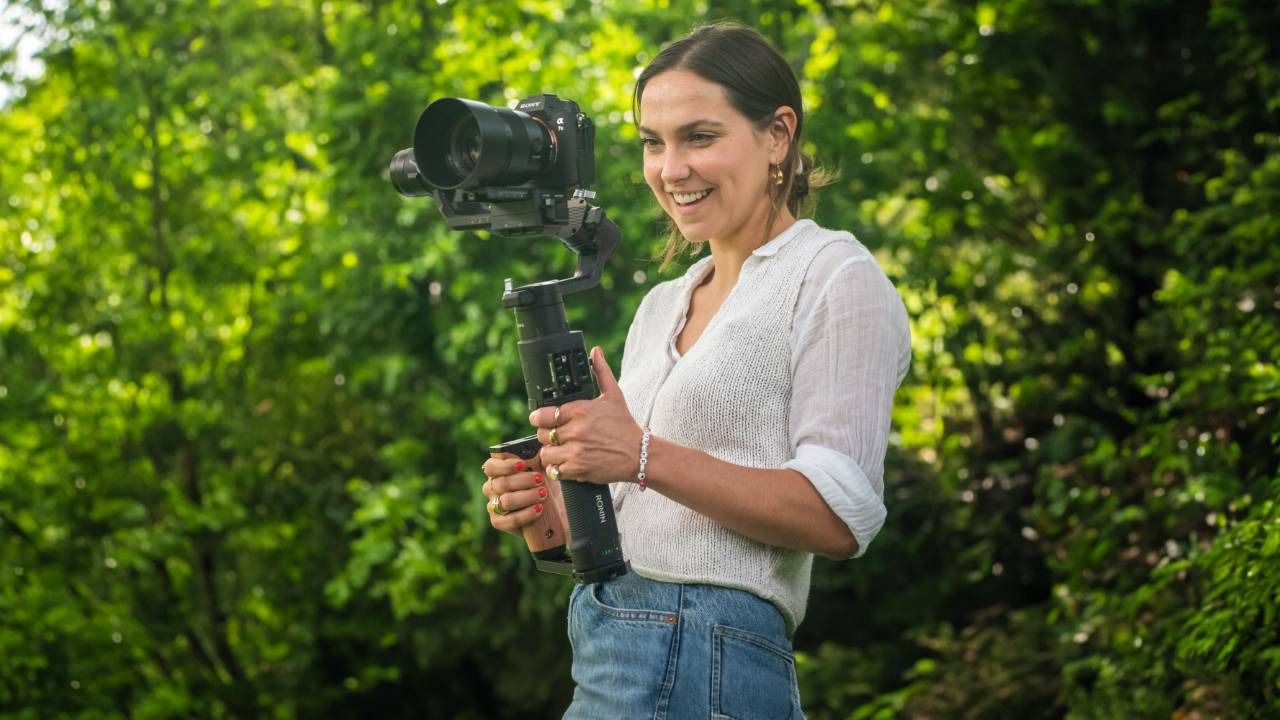
Avoid these common mistakes for better results
Ultimately, most gimbal issues don’t come from hardware limitations but from how the tool is used. Avoiding these common mistakes allows the best gimbal for video to perform as intended-delivering smooth, controlled motion that enhances the story rather than distracting from it.
6. When a Gimbal Isn’t Enough: Professional Video Editing by Fotober
A gimbal can dramatically improve motion, but truly professional video quality is finalized in post-production. Even well-shot footage often needs refinement-micro-jitters to smooth out, pacing to tighten, colors to balance, and movements to feel intentional rather than merely stable. This is where professional editing makes the difference between “good footage” and a finished, cinematic video.
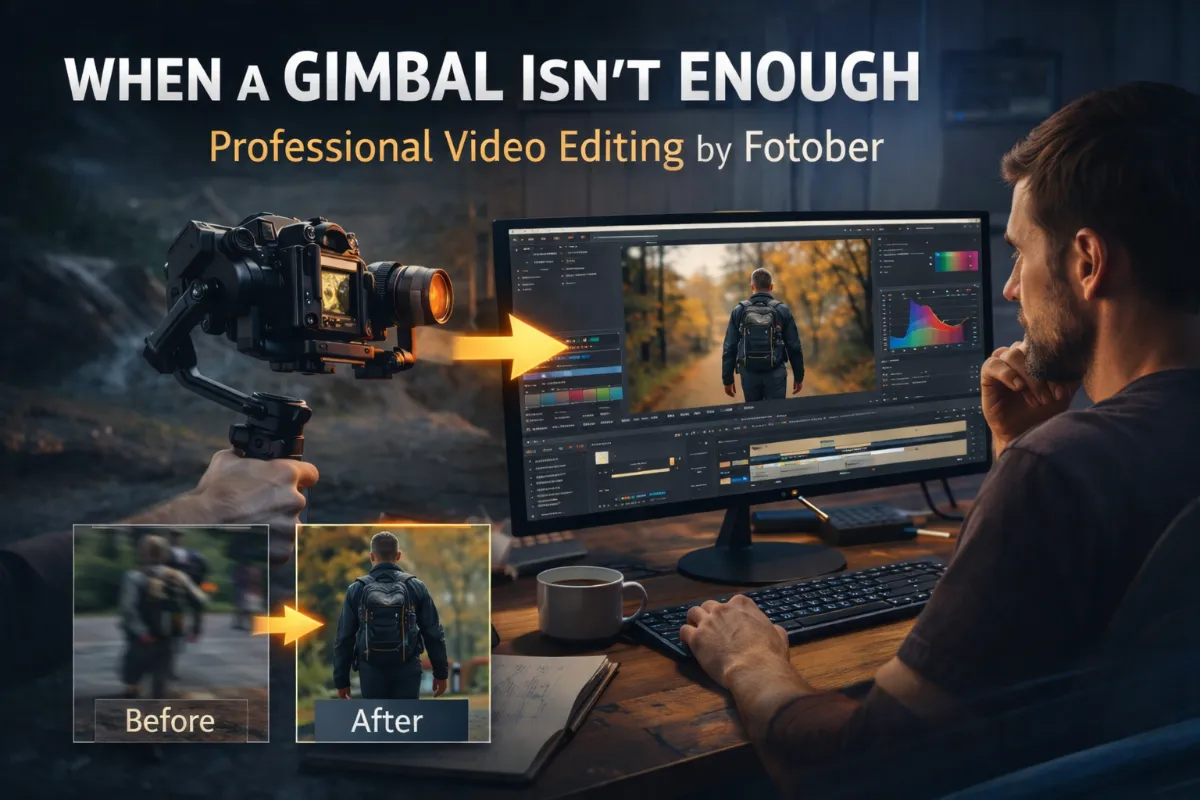
At Fotober, we specialize in elevating gimbal-shot footage so it looks as polished as content captured on full professional rigs. Our editors understand how stabilized footage behaves and know exactly how to enhance it-subtly correcting residual shake, refining motion flow, and emphasizing dynamic camera moves without over-processing. The goal isn’t to mask imperfections, but to bring out the full visual potential of your shots.
For real estate professionals, speed and consistency matter just as much as visual quality. Our real estate video editing services are built around fast turnarounds and reliable results, handling everything from color correction and exposure balancing to seamless transitions and clean storytelling. For content creators and videographers, this means less time behind the screen and more time shooting.
As one editor on our team often says, “A gimbal gives you stability-but editing gives your video intention.” You’ve already invested the effort to capture smooth, controlled footage. Let Fotober take it the final step further, so every video delivers the professional impact your work deserves.
Conclusion
Choosing the best gimbal for videography isn’t about chasing the newest or most expensive model-it’s about understanding how your gear supports your creative intent. From payload capacity and motor strength to ergonomics and shooting modes, the right gimbal should match your camera setup, shooting style, and real-world working conditions. When selected correctly, a gimbal becomes an extension of your movement, allowing you to capture smooth, controlled footage that feels purposeful rather than mechanical.
That said, even the best gimbal for video has its limits. Stabilization at the shooting stage is only one part of the production process. True professional results come from combining well-executed camera movement with thoughtful post-production-where pacing, color, and motion are refined into a cohesive visual story. Whether you’re working with lightweight mirrorless gear or a heavier setup using the best gimbal for DSLR video, knowing when to rely on hardware and when to lean on professional editing is what separates amateur footage from polished content.
Ultimately, great videography is about balance: the right tools, the right technique, and the right finishing touch. Master those elements, and every shot-no matter the setup-has the potential to look cinematic, intentional, and ready to impress.
---------------------------------
Fotober is a professional viddeo editing company trusted by photographers and real estate professionals to enhance property images with precision, speed, and consistency.
● Fanpage Official: Fotobervietnam
● Youtube Channel: Follow Fotober
● Tik Tok Channel: @fotober
● Instagram: fotobervn_
● Email supporter: [email protected]
● Hotline: +84 942 110 297
Related posts

Cincinnati Housing Market 2026: Prices, Trends, and What It Means for Buyers, Sellers, and Investors
October 20, 2026

Modern Luxe Interior Design: Elements, Style Guide and How to Stage It
October 10, 2026

Minimalist Interior Design: Characteristics, Style Guide, and Staging
October 8, 2026

Coastal Interior Design: Style Definition & Staging Guide
September 30, 2026
