




Best Lens for Real Estate Videography in 2026
.png)

Share:
Table of Contents
- 1. Why lens choice is critical in real estate videography (2026 perspective)
- 2. What makes a lens “best” for real estate video?
- 3. Common mistakes when choosing the best lens for real estate videography in 2026
- 4. Prime vs zoom lens: Which is the best lens for real estate videography in 2026?
- 5. Best lenses for real estate videography 2026
- 6. Lens is only half the story: why professional editing still matters
- 7. Fotober - the finishing vision your lenses need
- Conclusion
Real estate is a commercial field with distinctive standards when it comes to photography and videography. Finding the best lens for real estate videography in 2026 may be hard if you can’t align all the complex technical chops with the market's actual requirements. This article is going to break down all major criteria to help you find a suitable lens for your real estate video projects.
1. Why lens choice is critical in real estate videography (2026 perspective)
The right lens plays a crucial role in capturing the full scope of a room. Wide-angle lenses (10 - 24mm) allow you to cover entire spaces, even when you can't step back any further, creating that open, airy feeling that clients expect. On the other hand, narrower lenses force you to shoot from farther away, making spaces appear smaller than they really are.
Wider means more susceptible to distortion
Real estate videographers love ultra wide glass. However, the major downside is that the bigger, faster (as in aperture “speed”) and wider a lens is, the more it weighs. The second big issue, as limited by optical manufacturing and calibration, is distortion. When the focal length approaches 16mm or wider, there will be apparent warping in your images, most noticeable in the corners and outer edges.
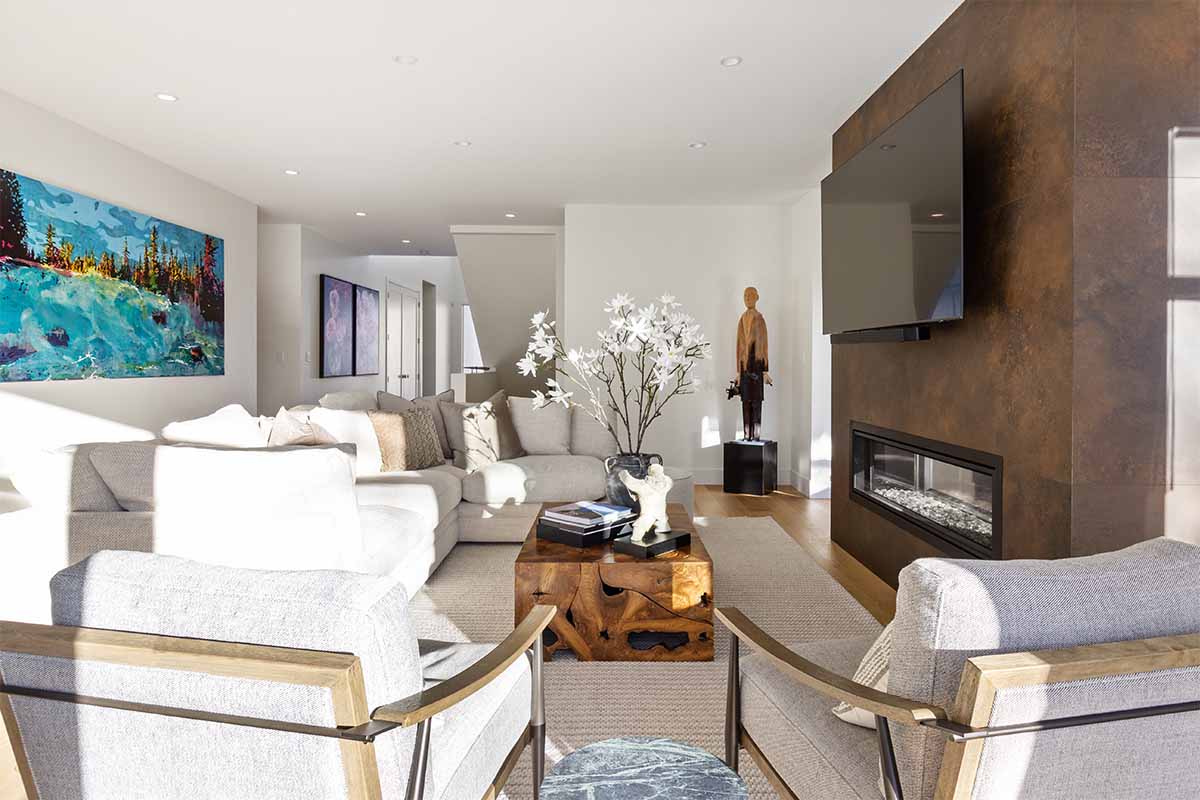 Wider views are prone to barrel distortions
Best lens for real estate videography in 2026 tends to have more effective corrections of this phenomenon out of the box, resulting in straighter vertical lines for your videos. Still, you have to be careful with your angle and perspectives to not allow unintentional slanted walls and skewed ceilings to find their way into the source footage. It’s recommended to keep the camera level to the floor and check if every vertical line in the frame looks aligned.
Higher-quality lenses help eliminate common issues that make footage look unprofessional, such as color fringing around windows or curved walls. Better lenses ensure sharpness from the center to the edges, which is essential when capturing intricate details, like kitchen features or room corners.
Video marketing in 2026 demands perfection in every motion
Unlike static photography, real estate videos create emotions in motion. Cinematic camera movement with slow pannings help the space “breathe” and allow viewers to imagine themselves living in it. A well-crafted walkthrough can clearly demonstrate flow and functionality, while aerial footage places the home within its surrounding neighborhood and lifestyle context. The immersive and comprehensive nature of real estate videos provides buyers with a thorough, detailed view, which establishes integrity and trust in a way that photos can't.
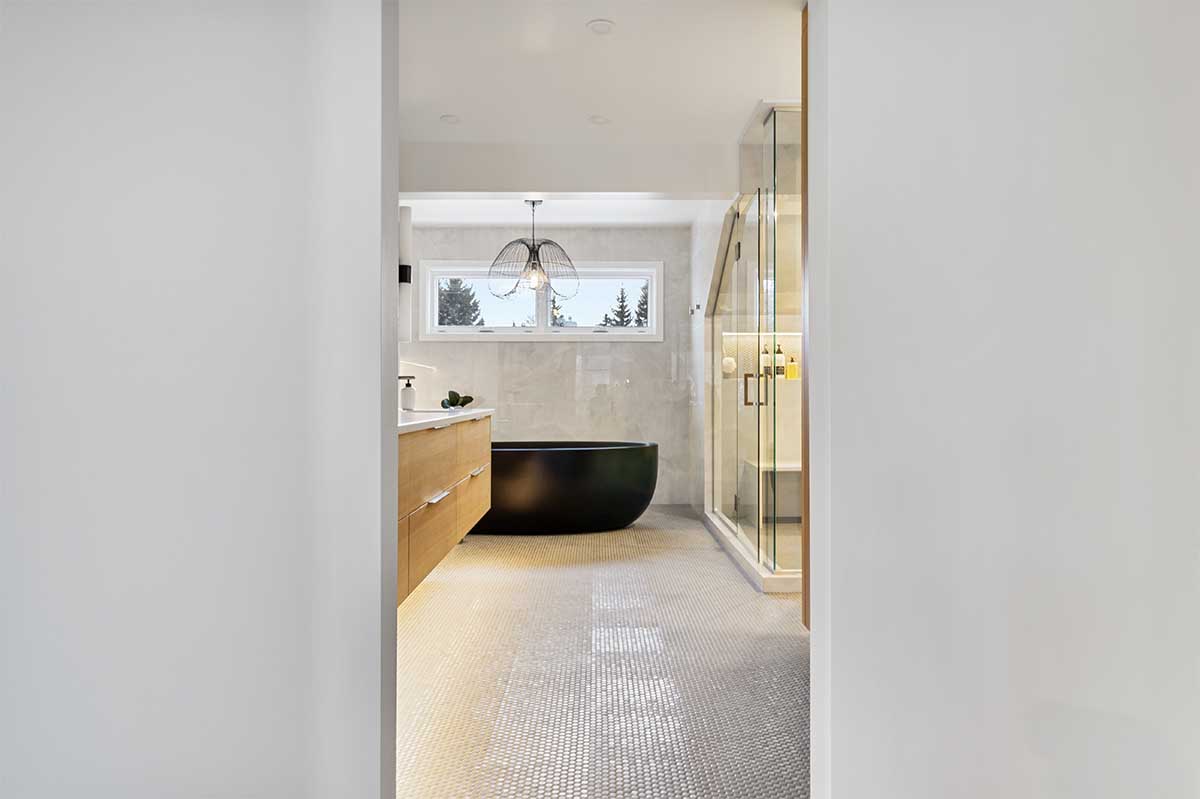 Not every lens can deliver the smoothness for shooting transitions in videos
However, a lens for photos may not be the best lens for real estate videography in 2026. Snappy autofocusing, while working well to “freeze” the moment, totally breaks the illusion of smooth visual flow that videos try to express. These jittery movements become even more distracting when it comes with focus breathing, where the frame “grows” or “shrinks” when you change the focus point. In addition, most normal lenses lack specialized features for videos like stabilization or a de-clicked aperture ring, which enhances the ergonomic and seamlessness of adjusting composition or other settings on the fly.
2. What makes a lens “best” for real estate video?
2.1. Focal length
Selecting the correct focal length of the best lens for real estate videography in 2026 ensures your photos feel natural, spacious, and inviting without misleading potential buyers.
-
Wide-Angle Lenses (16-35mm): are the go-to choice for most applications. They allow you to capture more of a room in a single shot, making spaces appear larger and more open. A 16-20mm focal length is often the best lens for small apartment real estate video, where maximizing space perception is critical. However, the wider end (16mm and wider) requires caution to avoid severe distortion at the edges of the frame, which can make walls warp in a “fish-eye” manner.
-
Standard Zoom Lenses (24-70mm): offer versatility for both interior and exterior shots. At the 24mm end, you can still capture a broad field of view ideal for larger rooms, while moving toward 50mm or 70mm allows you to highlight architectural details like crown moldings, staircases, and exterior facades with less distortion. Standard zooms are made for photographers who want one lens to handle a variety of real estate shooting scenarios.
2.2. Distortion control
Wide-angle lenses, especially ones on the ultra-wide end, can introduce distortion that bends lines, especially at the corners of the frame. Careful lens selection and proper shooting technique help attenuate this. Higher-end lenses often control distortion better, but even affordable offerings can produce clean results if used wisely. Correcting minor distortion in post-processing is also a standard practice in real estate workflows.
In commercial works, it is advisable not to go too wide on your focal length as this makes the space appear larger than it actually is. You wouldn’t want to mislead and then disappoint your clients in home showings.
2.3. Focus breathing
When searching for the best lens for real estate videography in 2026, we see all the talk about aperture, sharpness or distortion. However, one subtle factor that many people only learn its importance the hard way after acquiring an expensive lens is focus breathing. This noticeable growth and shrink of the field of view as you shift focus between subjects is the result of moving glass elements inside the lens.
In the hunt for the best lens for real estate interior video, minimal focus breathing is essential for high-end results. Imagine a cinematic rack focus transition from a designer fireplace in the foreground to a spacious garden view through the window. If the lens "breathes," the entire room appears to morph, as if someone used a zoom lens to change the focal length unintentionally during filming. This phenomenon creates a "pulsing" effect that distracts the viewer from the immersion.
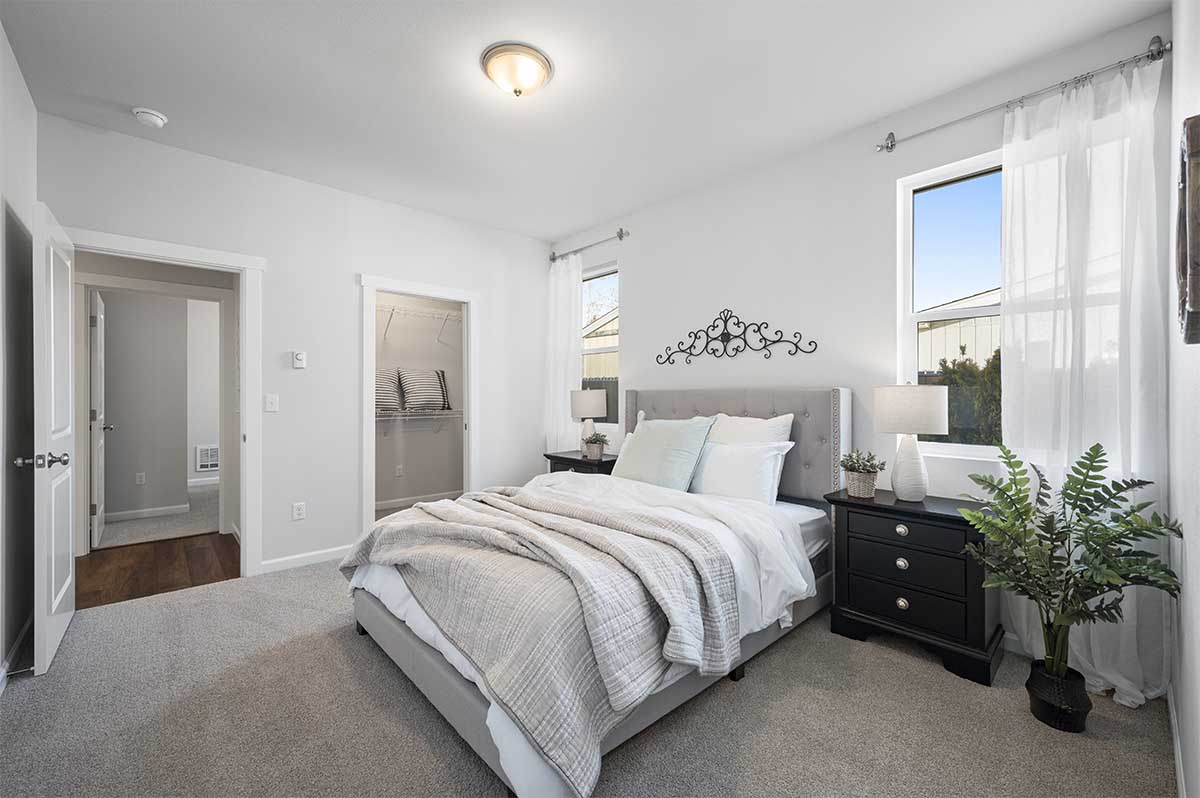 The room appears to warp when there’s noticeable focus breathing
For professional real estate walkthroughs, you want the transition to be seamless. A lens with minimal breathing ensures that the architectural lines won’t jump around and the dimensions of a room stay accurate. When choosing your gears, you should opt for modern lenses, especially those designed for mirrorless systems or cine optics. Choosing a lens that doesn’t “overreact” when focus shifts is the ingredient to capture that smooth, refined feel that premium listings demand.
2.4. Low-light performance
Your lens's aperture also significantly affects performance in low-light conditions. Lenses with f/2.8 or wider apertures let you shoot in darker rooms without boosting ISO and risking grainy footage. This is especially important when filming areas like bathrooms, basements, or homes with limited natural light.
Although most video works are carried out with dedicated stabilization tools, low light lens for real estate videography should also have internal optical image stabilization (OIS). This allows some light handheld shots to look as steady as possible. Also, extra stabilization from the lens itself may help with dimmer scenes where you could use slower shutter speeds to capture more light without extra shakinesses.
3. Common mistakes when choosing the best lens for real estate videography in 2026
While many beginners focus solely on camera bodies, seasoned filmmakers know that opticals are of greater importance. However, finding the best lens for real estate videography in 2026 isn't just about buying the most expensive option; it’s about avoiding technical issues that can do harm to your footage.
3.1. Using lenses designed for photography
One of the most frequent errors is assuming a great "stills" lens will excel in video. Photography lenses often suffer from heavy focus breathing, a subtle change in focal length when the focus shifts. In a cinematic walkthrough, if your lens "pumps" every time you transition from one room to another, the final sequence will look distracting. When searching for the best lens for real estate interior video, look for modern lenses with linear motor or cine lenses that prioritize internal focusing to tightly “lock” your frame.
3.2. Going all ultra-wide
We all want to make small rooms look spacious, but there is a fine line between "airy" and "unrealistic." Using a lens that is too wide (e.g., wider than 14mm on a full-frame sensor) brings your shots into “fish-eye” effect territory, which may come with circular distortion that looks out-of-place.
On the less problematic side, a wider field of views exaggerate the sense of space and distance, which fails to faithfully represent the property’s scale. Closets look like hallways, and the corners of the room appear stretched into oblivion. In this high-value sector, even the smallest dishonesty towards clients means ruining an agent's own reputation permanently.
To be safe, the best lens for real estate interior video typically falls within the 16mm to 24mm range. This provides a wide enough field of view to capture the layout without making the property look like an infinite house of mirrors.
3.3. Not keeping barrel and pincushion distortion in check
Real estate is all about lines: vertical door frames, horizontal countertops, walls and ceiling. Cheap wide-angle lenses often suffer from significant barrel distortion, making straight walls appear curved. This is a dealbreaker for high-end listings. Even when looking for the best lens for real estate exterior video, you need a lens with excellent optical correction. An exterior shot of a luxury estate should make it look magnificent and structurally accurate, not like it’s inflating in the middle due to poor lens optics.
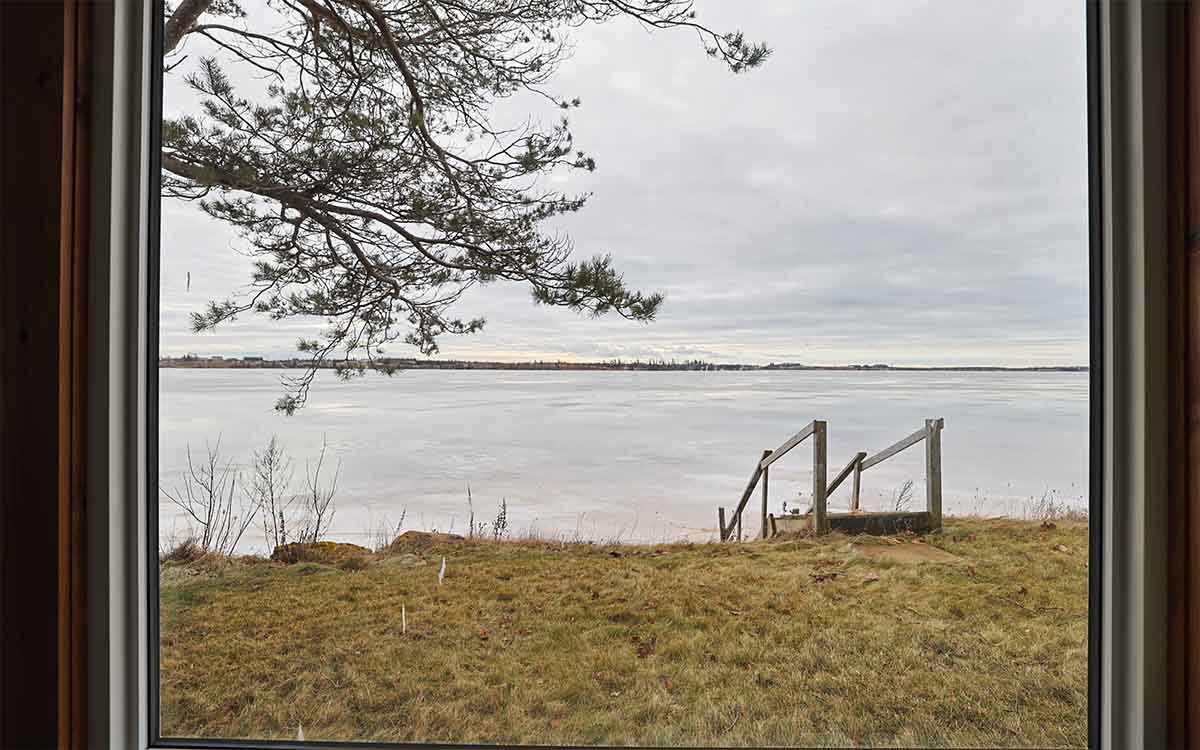 Optical distortions may look trivial to the naked eye, but they are severe errors in a commercial context
3.4. Forgetting the exterior perspective
While ultra-wides dominate interiors, they might not work every time for the "hero" shots of the house. The best lens for real estate exterior video is often a slightly tighter focal length (24mm or even 35mm) to make the home look prominent in its environment. Using an ultra-wide lens for exteriors makes the house look small, distant, and disconnected from its neighborhood.
4. Prime vs zoom lens: Which is the best lens for real estate videography in 2026?
Based on the lens’s ability to adjust the focal length, you'll have two types: prime lenses (fixed focal length) and zoom lenses (variable focal length). Choosing between prime and zoom lenses depends on your shooting style and needs when seeking the best lens for real estate videography in 2026.
 Prime vs zoom lens is a constant debate in photography and videography
4.1. Size and portability
The physics of lens design generally favors the prime lens for size. Because they focus on a single focal length, they require fewer internal glass elements and less space to move them. For a videographer spending up to eight hours on a gimbal, the lighter weight of a prime lens (like a 16mm or 24mm) can significantly reduce fatigue.
Zoom lenses, by contrast, are more complex. They house multiple moving optical groups to shift between wide and narrow views. While this makes the lens barrel larger and heavier, a single high-quality zoom often weighs less than a bag packed with four separate primes, making it a more efficient "all-in-one" physical solution for travel.
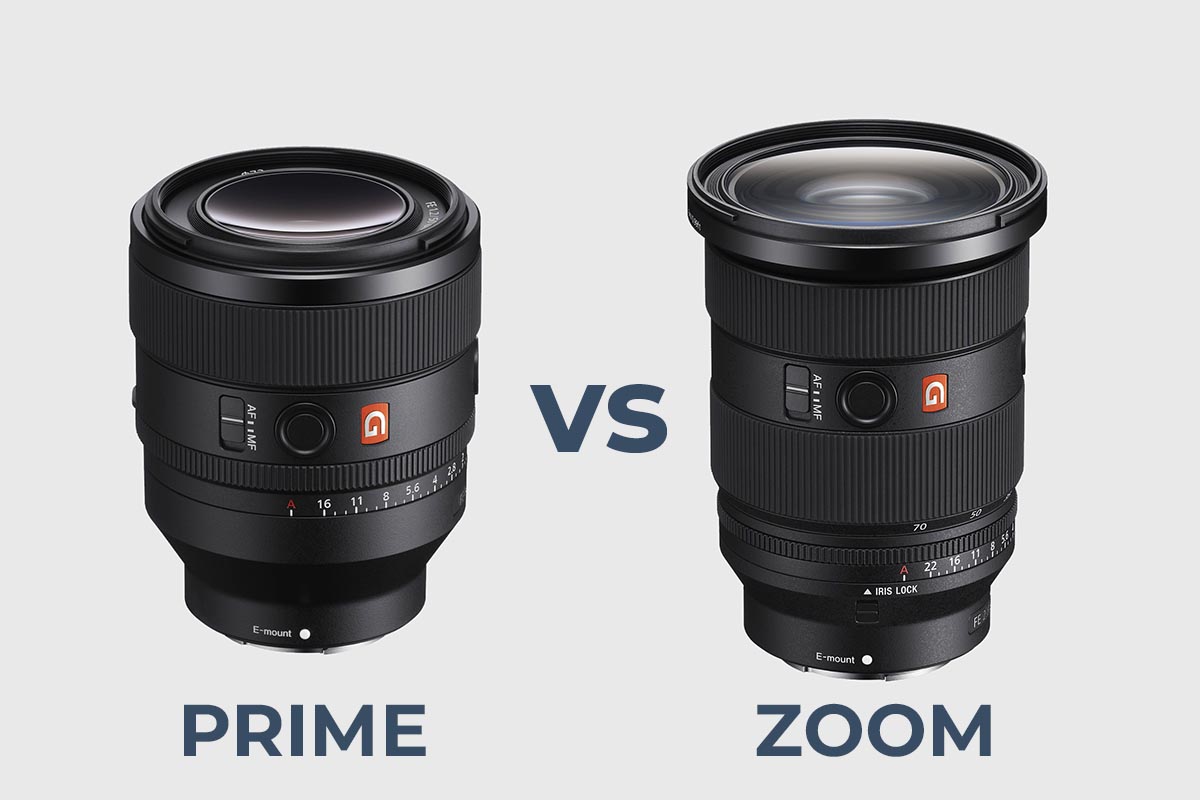 Prime lenses are generally easier to carry with their compact build
4.2. Optical quality and sharpness
Historically, prime lenses are often praised for optical "perfection." Calibrating glass for one specific focal length is simpler, allowing engineers to eliminate aberrations and distortion more effectively. This edge-to-edge sharpness is particularly noticeable in architectural shots where straight lines are prominent.
However, modern professional zoom lenses (like Canon’s "L" series) have closed this gap. While they are more prone to "barrel distortion" at their widest ends, advanced corrective optics ensure their quality is now comparable to primes. The trade-off is often found in the weight and price tag required to achieve that level of precision across a range.
4.3. Low-light performance and bokeh
The "fastest" lenses in the world are almost exclusively primes. Their simpler optical structure allows for large aperture openings, think f/1.2 or f/1.8. In real estate, this is a clear advantage:
-
Low Light: You can film in dim basements or sunset-lit rooms without cranking your ISO and introducing digital noise.
-
Bokeh: Large apertures create a shallow depth of field, perfect for cinematic detail shots of high-end finishes like marble countertops or designer fixtures.
While professional zooms offer a constant f/2.8, they are still 1 or 2 steps behind the sheer light-gathering capabilities of a dedicated prime. This makes a prime lens an essential addition to your gear collection as a low light lens for real estate videography.
4.4. Flexibility and versatility
This is where the zoom lens shines. In the cramped quarters of a bathroom or a narrow hallway, you may not have the physical space to "zoom with your feet." A zoom lens allows you to capture a full room shot and a tight detail shot of a window view in seconds without changing glass.
Prime lenses demand more physicality. They force you to move through the space to find your composition, which often leads to more creative, unexpected angles. However, in the fast-paced world of real estate where "time is money," the convenience of a zoom lens is often the deciding factor for most pros.
5. Best lenses for real estate videography 2026
Whether it is a prime or a zoom lens, the best lens for real estate videography in 2026 must have an ultra-wide field of view to make spaces feel expansive and excellent image stabilization (IS) for smooth walk-throughs.
5.1. Best Canon RF lenses for real estate videography
Canon RF 15-35mm f/2.8L IS USM: widely considered the “endgame” lens for real estate. It balances a wide focal length with a fast aperture, which is vital for filming in dimly lit interiors or luxury homes with moody lighting.
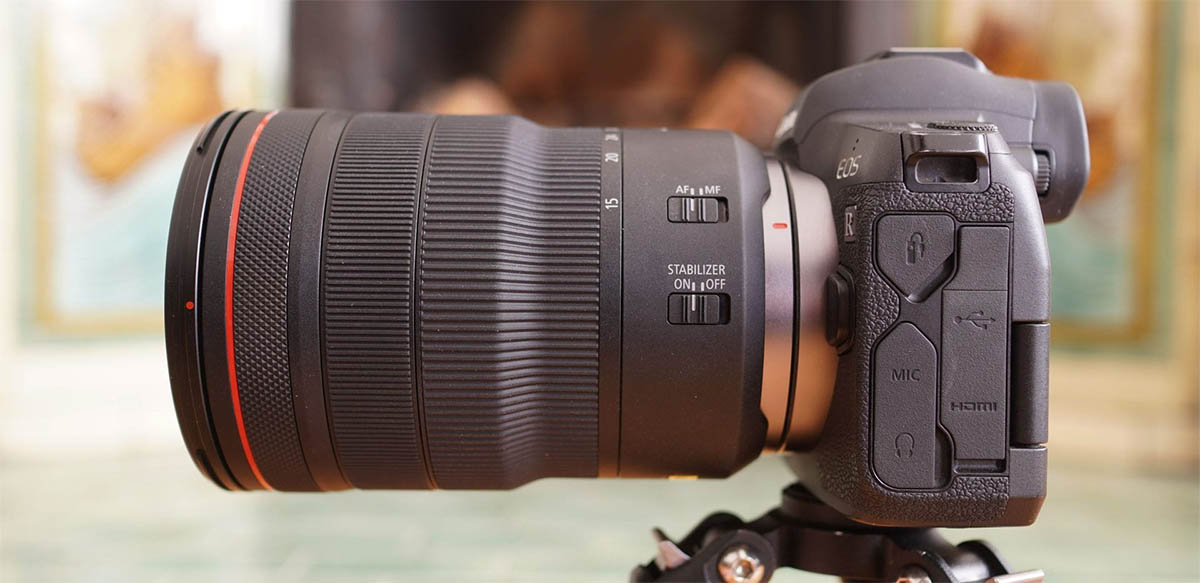 RF 15-35mm f/2.8L IS USM - the undisputed best lens for real estate videography 2026 for Canon shooters
- Why it’s great for video: The 5-stop Image Stabilization (up to 8 stops with IBIS). The f/2.8 aperture allows for brighter footage without pushing your ISO too high in darker scenes.
- Best for: High-end property tours and low-light interiors.
Canon RF 10-20mm f/4L IS STM: the lens for small apartment real estate video you rarely use but irreplaceable. If you find yourself having to cover small bathrooms, narrow hallways, or walk-in closets, this is what you need. 10mm is abundantly wide and makes even the smallest room look like a suite.
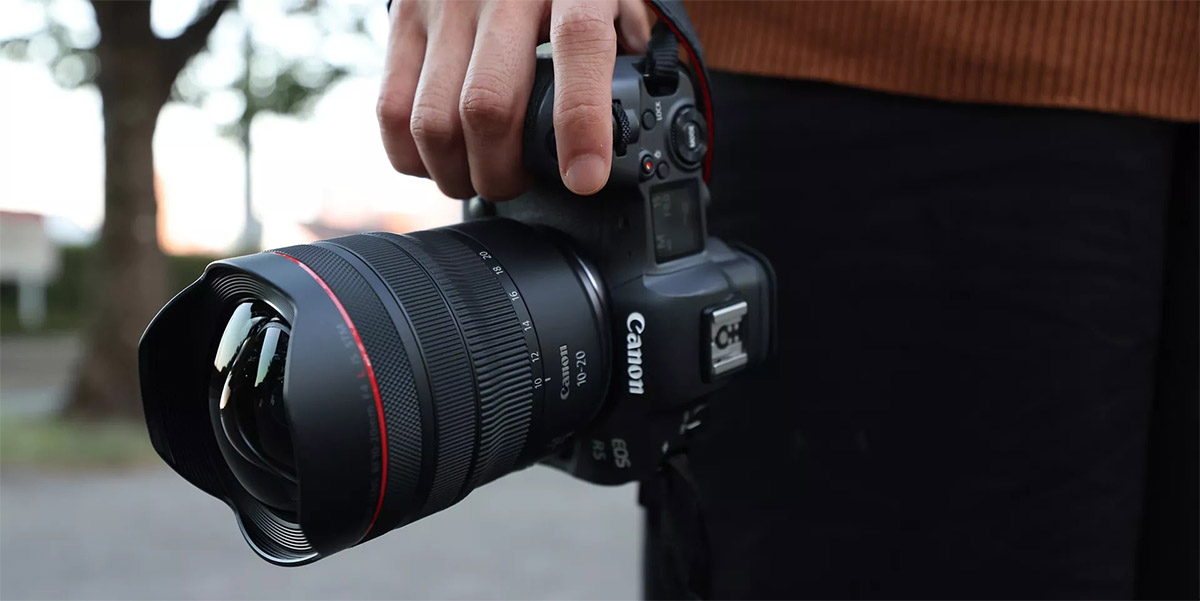 RF 10-20mm f/4L IS STM provides an ultra-wide field of view that may be useful in tight spaces
- Why it’s great for video: It features "Peripheral Coordinated Control IS," which suppresses vibrations that can sometimes appear in the corners of an ultra-wide image because of perspective shift. This peripheral blurring is most noticeable in video, where the corners can appear to be wobbly. The lens is also surprisingly light, making it perfect for long working sessions on a gimbal.
- Best for: Small apartments, tight spaces, and dramatic architectural "reveals."
Canon RF 14-35mm f/4L IS USM: the best value for money. For most videographers, this is the most practical choice. It is lighter and significantly cheaper than the f/2.8 version, and that extra 1mm at the wide end (14mm vs 15mm) is more useful in real estate than a faster aperture.
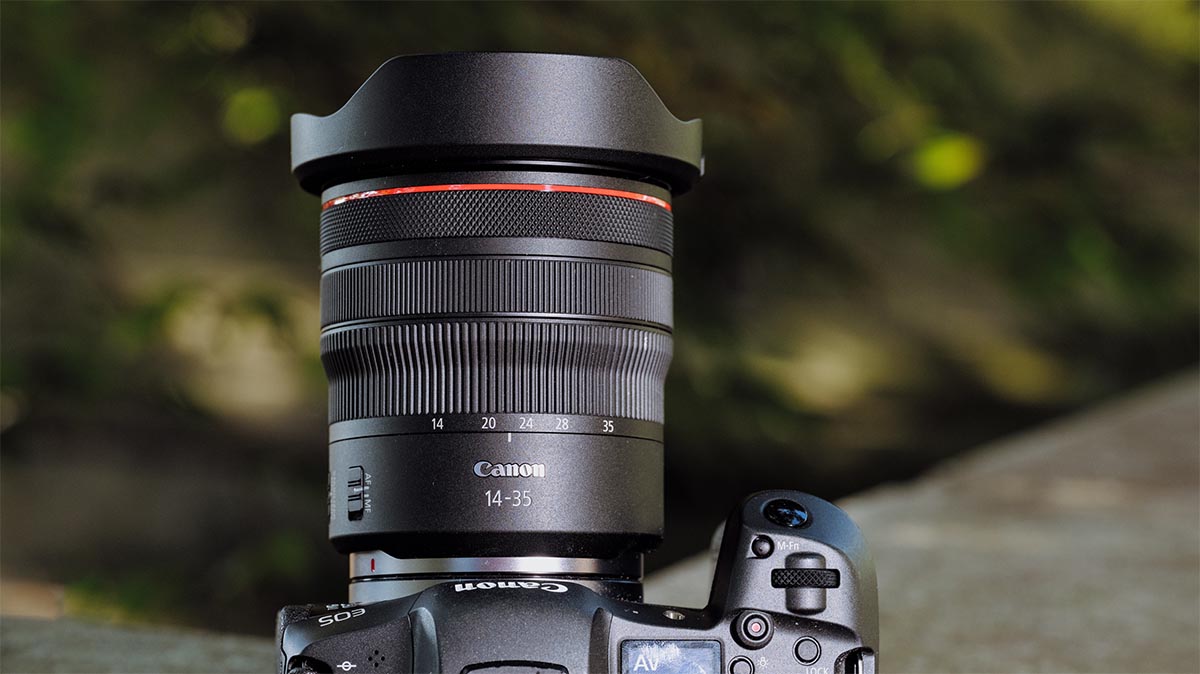 RF 14-35mm f/4L IS USM is an inexpensive option for serious real estate videographers
- Why it’s great for video: Its compact size makes it very easy to balance on smaller gimbals (like the DJI RS 3/4 Mini). Since you’ll likely be stopped down to f/5.6 or f/8 for deeper depth of field anyway, the f/4 isn't too limiting.
- Best for: General real estate walk-throughs and travel-heavy workflows.
Canon RF 16mm f/2.8 STM: the budget king. If you are just starting out, this tiny prime is unbeatable for the price.
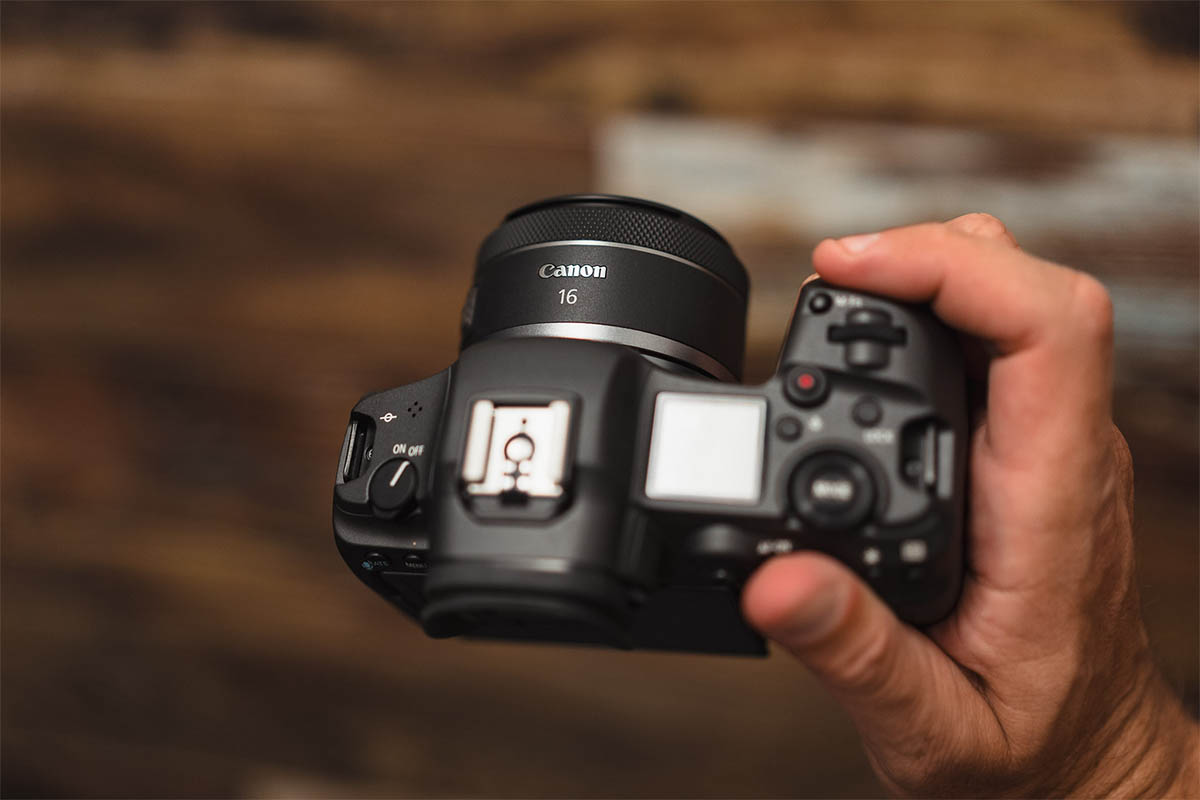 RF 16mm f/2.8 STM excels in portability
- Why it’s great for video: It is so light that you’ll barely feel it on your camera. While it lacks internal stabilization, its wide focal length is naturally forgiving of movement, especially when paired with a gimbal or a camera that has IBIS.
- Best for: Beginners or a "lightweight" backup kit.
5.2. Best Sony FE lenses for real estate videography
Sony FE PZ 16-35mm f/4 G: the videographer’s choice. This is widely considered the best lens specifically for real estate video. It is a "Power Zoom" (PZ) lens, meaning the zoom mechanism is controlled electronically for perfectly smooth focal length changes.
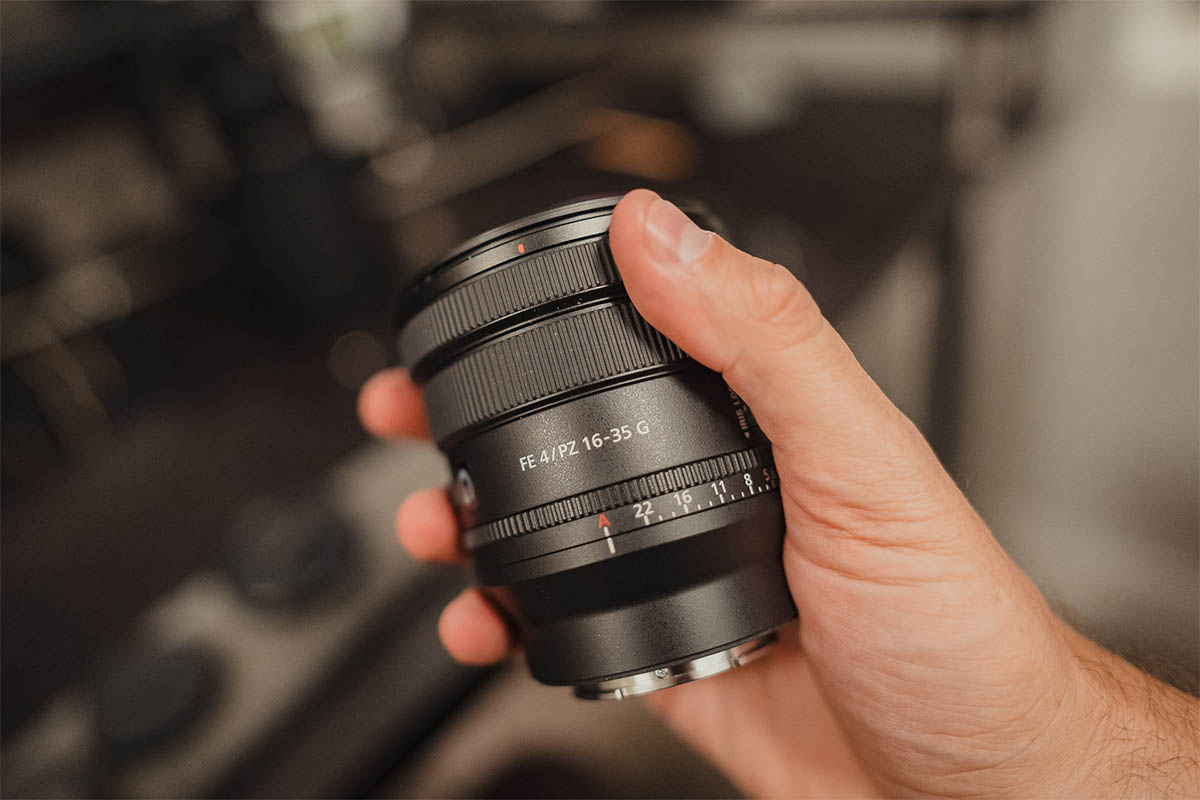 Sony FE PZ 16-35mm f/4 G can smoothly change focal lengths.
- Why it’s great for video: Because it zooms internally, the physical length of the lens never changes. This means you can zoom in or out while on a gimbal without the setup shifting its balance drastically. It is also incredibly lightweight (approx. 353g) and has a dedicated aperture ring for more convenience when adjusting iris openings.
- Best for: Smooth walk-throughs, gimbal work, and creators who need a "set and forget" balance.
Sony FE 16-35mm f/2.8 GM II: commercial golden standard. The Mark II version of this G Master lens is lighter than its predecessor, but not in exchange for less sharpness. It is the best choice if you also do high-end photography for the same listing.
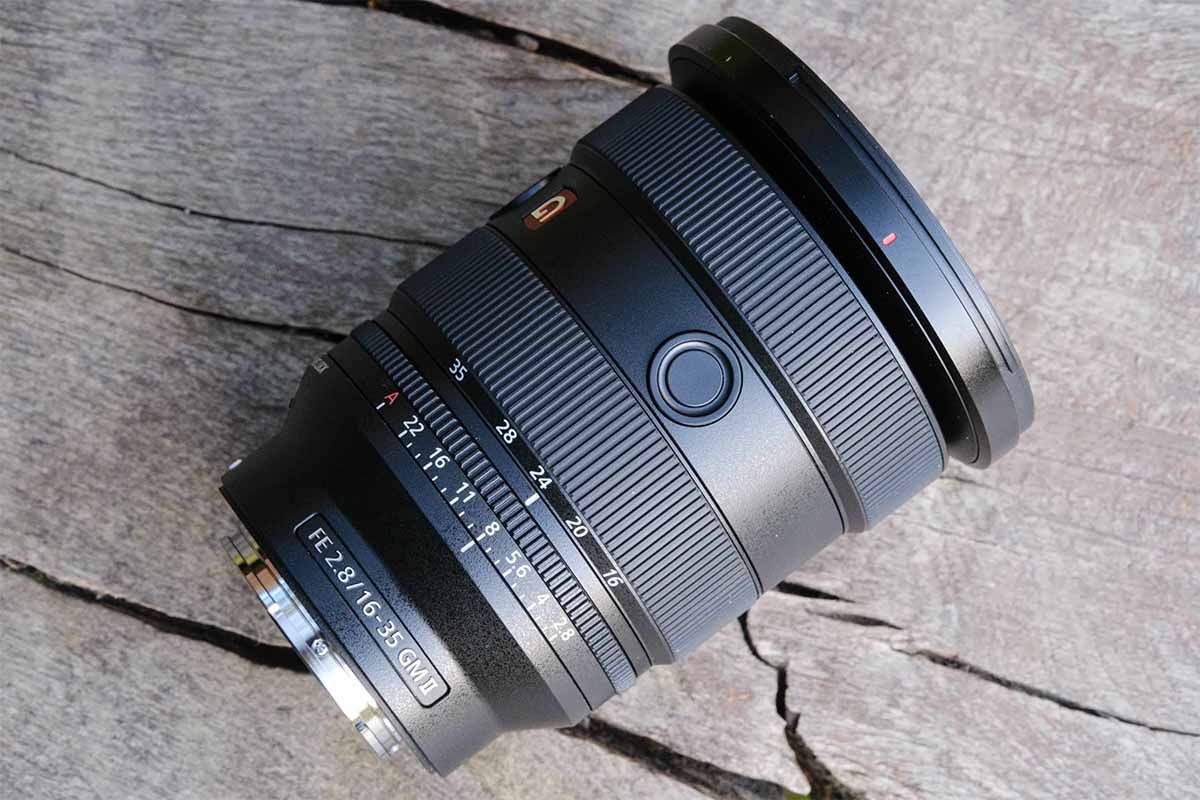 You can’t go wrong with the Sony FE 16-35mm f/2.8 GM II when it comes to real estate shootings
- Why it’s great for video: The f/2.8 aperture provides extra “headroom” in dark scenes where you want to keep your ISO low. It features four XD Linear Motors for near-instant, silent autofocus and has virtually no "focus breathing".
- Best for: High-end luxury listings, low-light interiors, and hybrid shooters (photo + video).
Sony FE 12-24mm f/2.8 GM: when you can’t step back any further. Sometimes you’ll find 16mm isn't wide enough, such as in tiny en-suite bathrooms or cramped laundry rooms. That’s where 12mm comes in handy as it creates a massive sense of scale in even the smallest rooms.
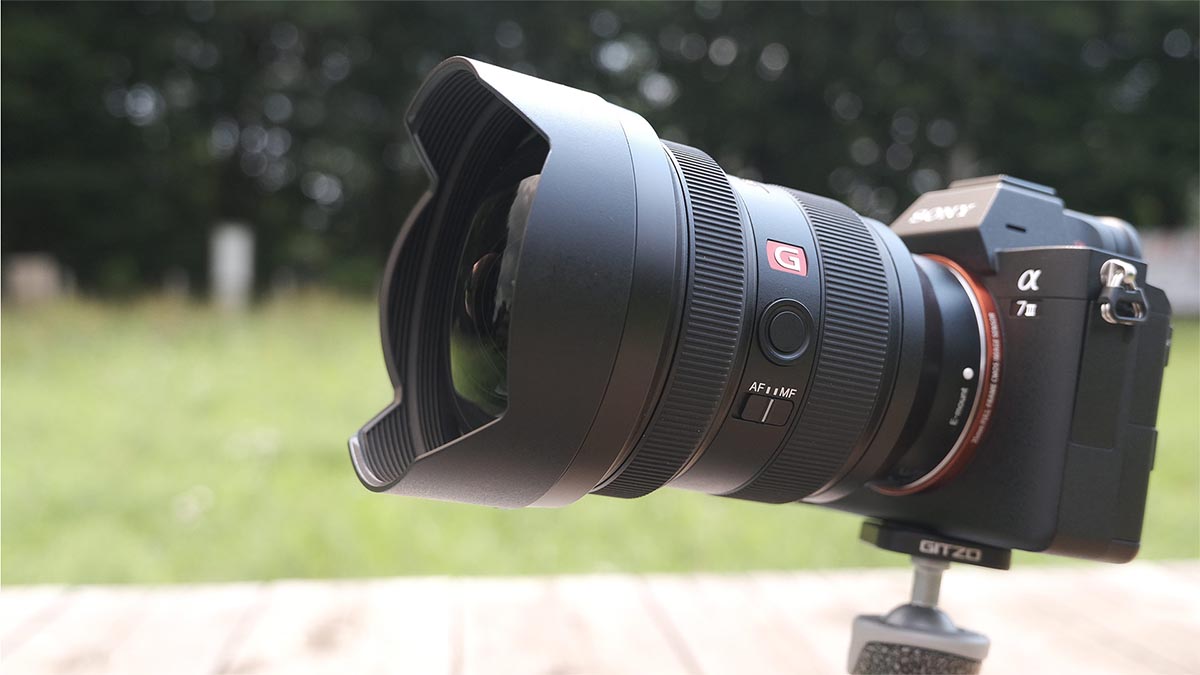 Sony FE 12-24mm f/2.8 GM can prove its usefulness in really “edge” cases
- Why it’s great for video: It offers an ultra-wide 122° field of view, making it the best lens for small apartment real estate video in the Sony Alpha ecosystem. However, note that it has a bulbous front element, meaning you cannot use standard screw-on ND filters; you’ll need a rear filter kit or a specialized matte box.
- Best for: Small apartments, dramatic wide-angle "hero" shots, and architectural exteriors.
Sigma 14-24mm f/2.8 DG DN Art: the “third-party” value. If Sony GM lenses are out of your budget, this Sigma lens offers nearly identical optical quality for about half the price. It is incredibly sharp and well-corrected for "barrel distortion" (keeping your walls straight).
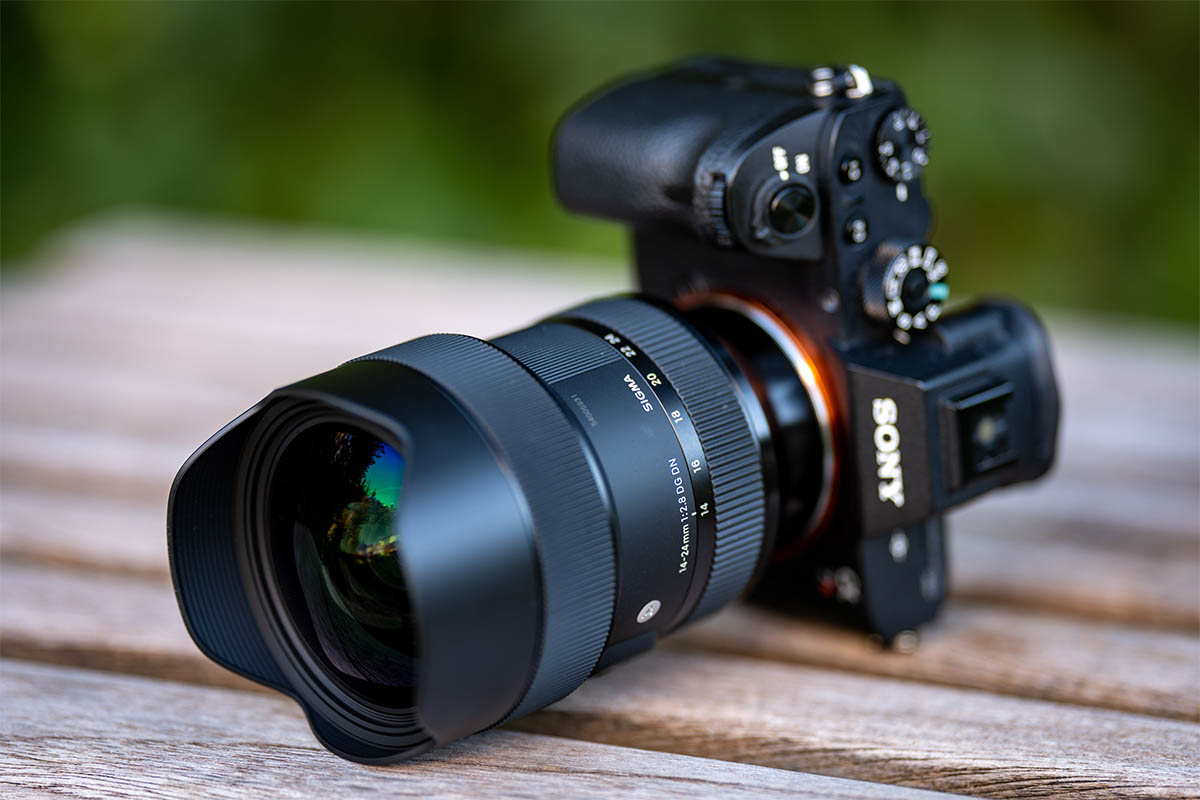 Sigma 14-24mm f/2.8 DG DN Art is fully compatible with Sony E-mount cameras
- Why it’s great for video: It expands to 14mm focal length which is perfect for real estate. The f/2.8 aperture makes it an affordable low light lens for real estate videography. It is heavier than the Sony options, so ensure your gimbal (like a DJI RS 3 or RS 4) can handle the weight.
- Best for: Professional quality on a moderate budget.
5.3. Best Nikon Z lenses for real estate videography
Nikon Z 14-30mm f/4 S: the real estate workhorse. This is arguably the most popular lens for real estate in the Nikon Z ecosystem. While f/4 might seem "slow", it is still a viable choice for video on modern Z bodies with high ISO capabilities and IBIS.
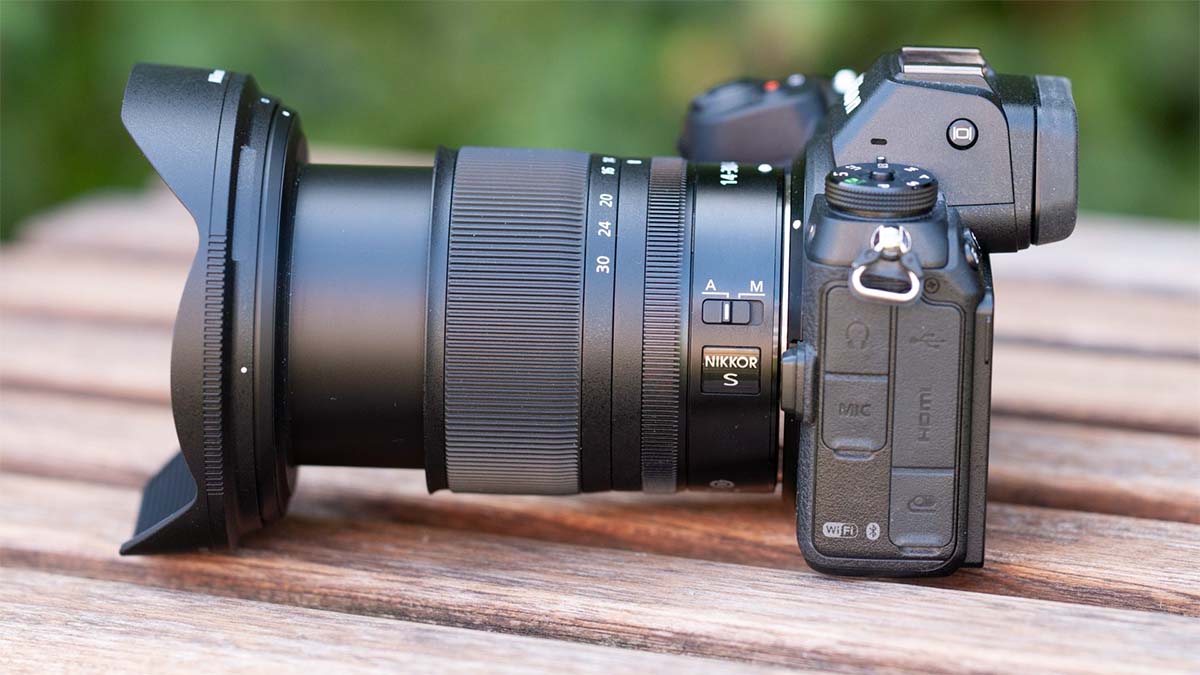 Nikon Z 14-30mm f/4 S is sufficient for most common real estate videography demands
- Why it’s great for video: The 14mm focal length is the "sweet spot" for making rooms look spacious without looking like a fisheye. Unlike many ultra-wide lenses, it has a flat front element, allowing you to use standard 82mm screw-on ND filters, essential for maintaining the 180° shutter rule in bright rooms.
- Best for: Most home listings and hybrid shooters who need one lens to do it all.
Nikon Z 14-24mm f/2.8 S: for high-end demands. If you are filming luxury estates with complex moody lighting or dark architectural features, this is the ultimate choice. It is part of Nikon's "Holy Trinity" of f/2.8 zooms.
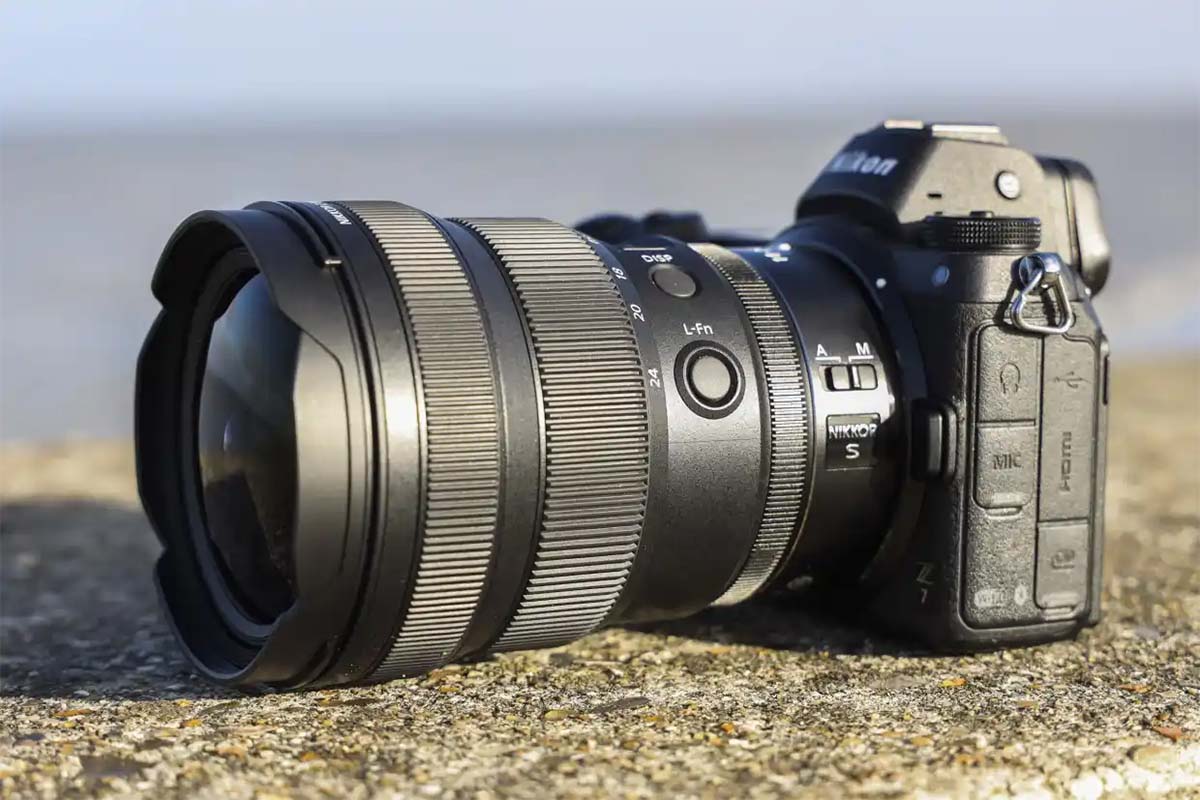 Nikon Z 14-24mm f/2.8 S is the best lens for real estate videography in 2026 for the Nikon mirrorless system
- Why it’s great for video: It offers the best low-light performance in the zoom category. It is also surprisingly light for an f/2.8 lens (nearly 35% lighter than the older F-mount version). It features a dedicated OLED information panel on the lens to check focal distance and aperture in the dark.
- Best for: Luxury real estate and low-light interiors where every bit of detail matters.
Nikon Z 17-28mm f/2.8: Lightweight but still packs a punch. This lens is a fantastic choice for those who do a lot of walking-tour videos. It is lighter and more affordable than the 14-24mm while keeping that fast f/2.8 aperture.
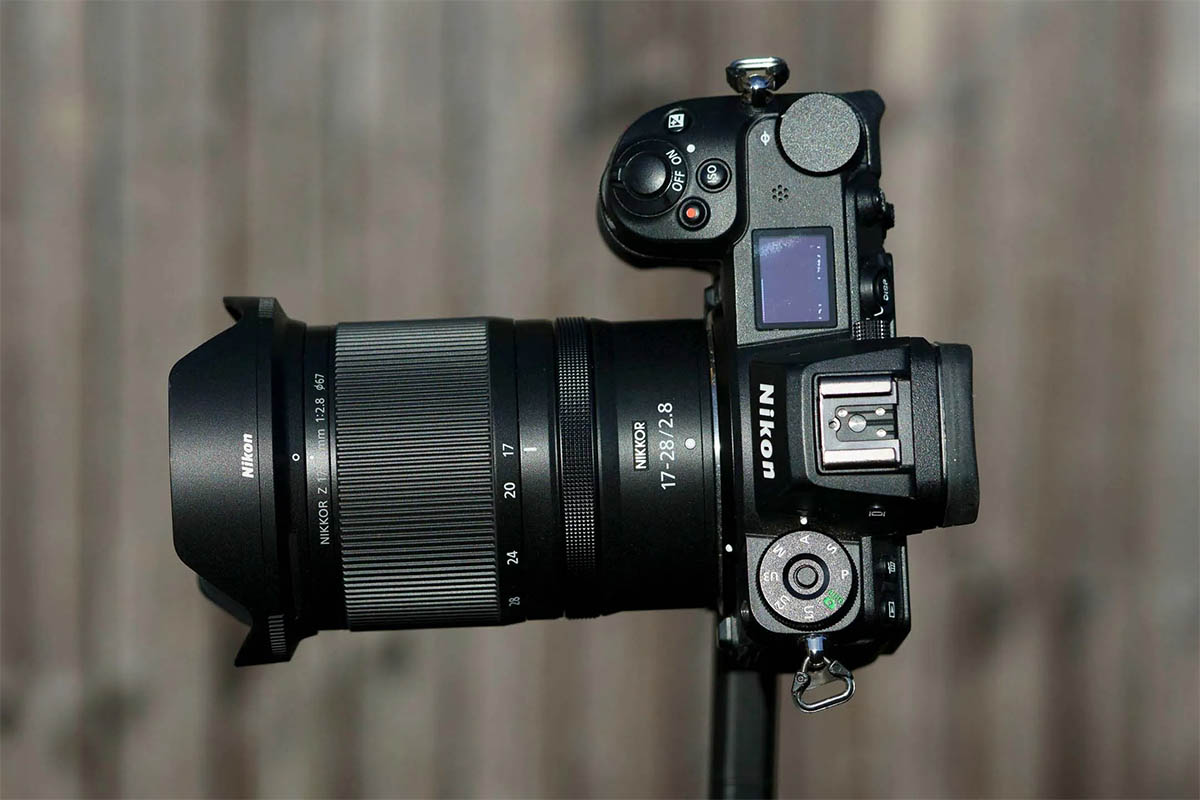 Nikon Z 17-28mm f/2.8 relieves the weight from videographers' hands
- Why it’s great for video: It features an internal zoom mechanism. Since the lens doesn't physically extend when you zoom, the center of gravity stays the same, meaning you won't have to recalibrate your gimbal if you change focal lengths during a shoot.
- Best for: Gimbal workflows and videographers who want f/2.8 with the least spending.
Nikon Z 20mm f/1.8 S: for prime enthusiasts. While zooms are generally preferred for real estate videography, this prime lens offers a level of sharpness and “3-D” micro contrast that zooms can't quite match.
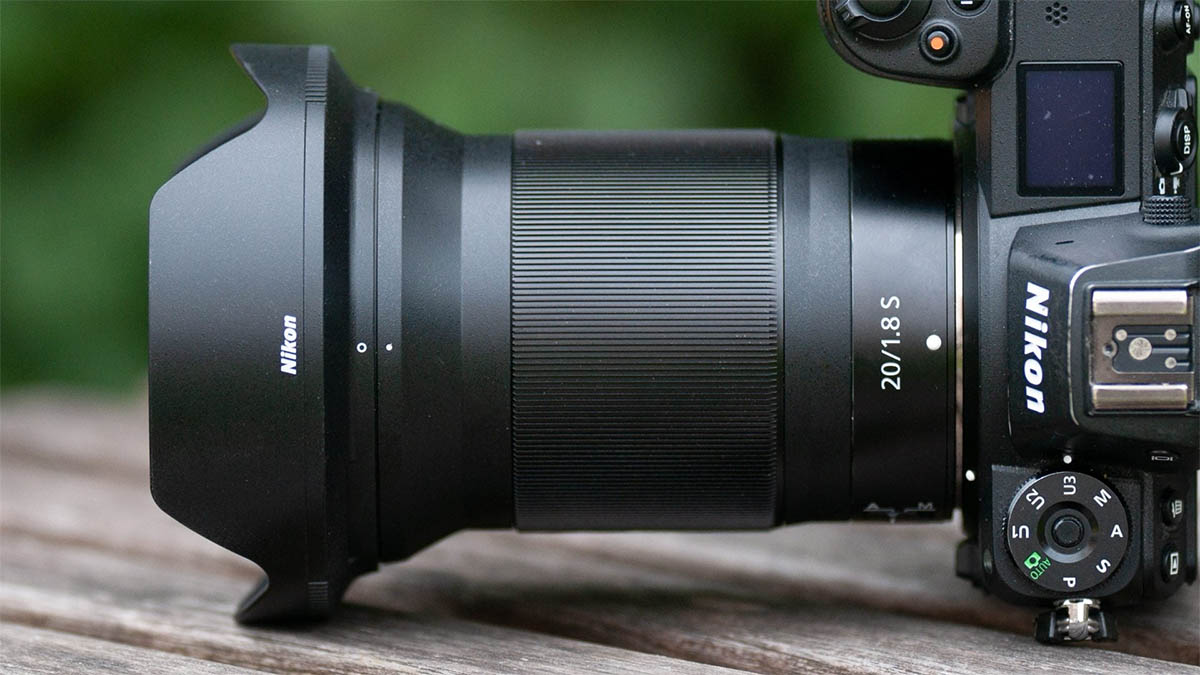 Nikon Z 20mm f/1.8 S provides optimal image quality and extensive depth of field control
- Why it’s great for video: It is virtually free from focus breathing, so your framing won't shift when the autofocus moves from far to close and vice versa. The f/1.8 aperture allows for cinematic "b-roll" shots with a shallow depth of field.
- Best for: High-quality detail shots, cinematic "hero" clips, and ultra-low light situations.
6. Lens is only half the story: why professional editing still matters
While the lens does the heavy lifting of rendering the scene onto the sensor, editing is where that raw data becomes a marketing asset. You can film a mansion with the best lens for real estate videography in 2026, but if the pacing is off or the lighting looks flat, the viewer won’t bother to watch your video in its entirety.
Here is why the lens is only the beginning and why professional editing is the finishing in real estate videography.
6.1. Correcting lens distortions
Even the best lens for real estate videography 2026 (like the ones we discussed) suffer from some degree of "barrel distortion" or "keystoning." If your camera isn't perfectly level, walls will appear to lean inward or outward, making the house look skewed compared to it is in real life. Professional editors use perspective correction to ensure every vertical line (corners of rooms, door frames) is perfectly 90 degrees. This creates a sense of stability and professional polish that straight-out-of-camera footage lacks.
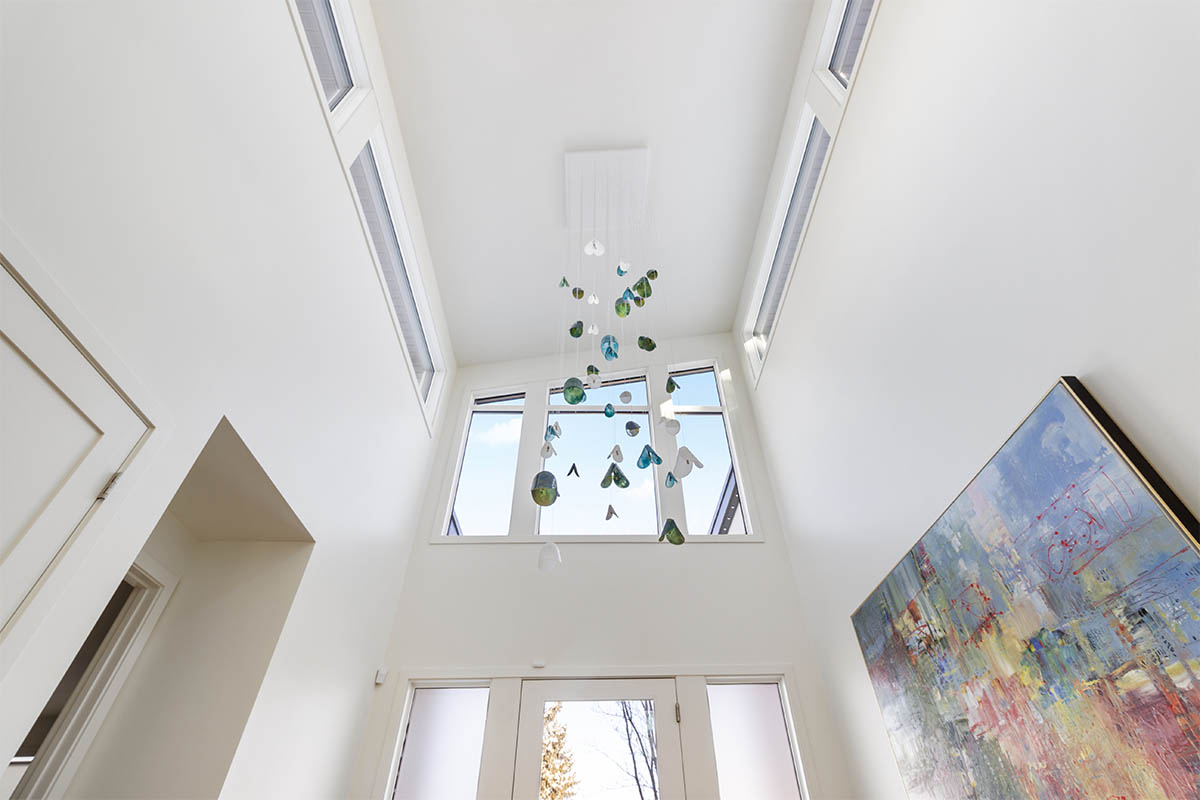 Most raw footage won’t look perfect straight out of the camera
6.2. Dynamics: speed ramping and storytelling flow
Real estate video is a balancing act between showcasing every corner possible in the house and not being boring. A slow, 10-second walk through a hallway feels like an eternity to a modern buyer.
Editors use speed ramping, speeding up the "uninteresting" parts (like walking through a door) and slowing down for the "wow" moments (the view of the kitchen island). Successful real estate video marketing examples utilize this to keep the viewer engaged and make the home feel energetic.
6.3. Sky replacements and virtual enhancements
You can't control the weather on the day of the shoot. A gray, overcast sky makes a luxury estate look gloomy and depressing. Professional editors can perform sky replacements, swapping a dull sky for a glorious sunset or a bright blue day. They can also digitally blur distracting elements, like a stray garden hose, a trash can on the curb, or a reflection of the videographer in a mirror.
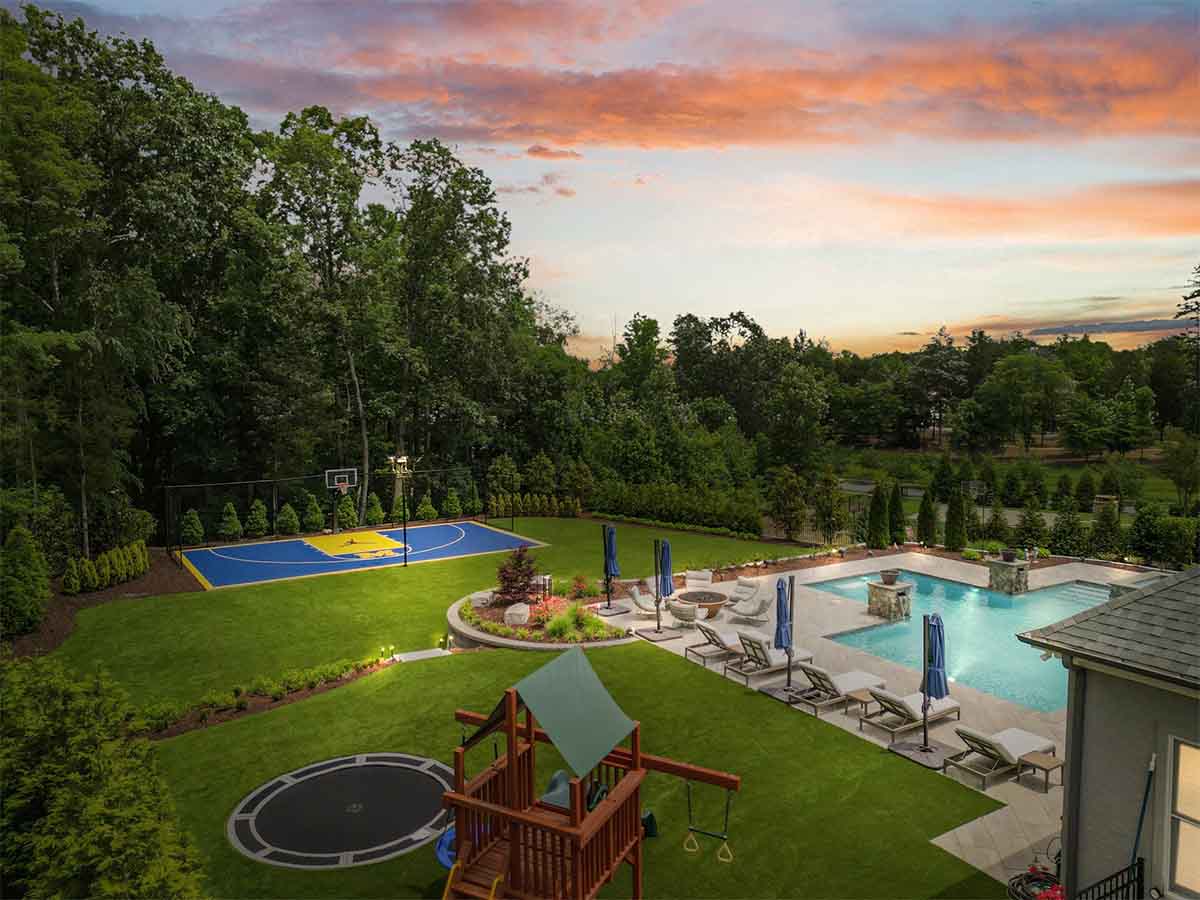 Professional editors now have specialized tools to replace sky in original footage
6.4. Sound design: the "invisible" seller
A lens captures light, but it doesn't capture "feeling." Silent videos feel cold and lifeless. The right music track sets the emotional tone to match the property’s “vibe”, like smooth jazz for a penthouse or upbeat acoustic instrumentals for a family suburban home. This underlying soundtrack can be dynamically mixed with ducking effects to not drown the agent’s voiceovers and add an auditory sense of “movement” matching to the transitions and shots to reinforce the pacing of the video. Adding ambient sound effects (the crackling sound of a fireplace, birds chirping in the distance) also creates an immersive experience that makes the viewer feel like they are already home.
6.5. Color grading: the final polish
Even if one possesses the best lens for real estate videography in 2026, professional real estate videographers still often shoot in Log (flat) profiles to gather more light fine details. However, to the naked eye, the source footage looks gray and washed out. It is the colorist who adds the contrast, saturates the greens of the lawn, and ensures the "whites" of the kitchen cabinets are actually white and not yellow-tinted by indoor lightbulbs.
6.6. Consistency equals conversion
In real estate, you aren't just selling a home; you are selling yourself as the expert. If your videos are inconsistent with different fonts, different colors, and varying quality, potential sellers will assume your marketing strategy is also inconsistent.
Consistency in fonts, lower-thirds (the text showing room names) and calls-to-action is what separates a plain “walk-through” from a professional marketing asset. These texts and graphics don't exist in the physical world; they have to be placed in their digital counterparts.
Professional editing takes the high-quality "vision" of your lens and carves it into a brand identity that shows professionalism and enhances the legitimacy of you alongside your properties.
7. Fotober - the finishing vision your lenses need
To ensure your lenses’ output has the consistency and polishing they need to compete in the property market, Fotober provides professional real estate video editing services. Our trained editors are committed to transforming your raw footage into polished, high-quality videos.
 Fotober offers real estate video marketing services specialized in post-production.
We have experience tackling most technical difficulties in raw footage like color tint shifts, distortion or shaky motions, ensuring every final product has consistent branding, professional color grading, seamless transitions and engaging narrative flow with fast turnaround time.
With Fotober, you focus on selling - we’ll handle the “darkroom” magic. You can upload your footage, and our skilled team will bring it to life.
Conclusion
To conclude, real estate videography favors wide-angle zoom lenses. The best lens for real estate videography in 2026 should have controlled focus breathing, minimal distortion and decent low-light capabilities. Editing has the crucial role of putting raw clips together in a tasteful and technical way to form a polished final product.
With Fotober, you get tailored video solutions that promote your brand and maximize results. Let our editors turn your footage into high-performing real estate videos now. Follow us on social media for more interesting tips about real estate videography, see our best works and get up-to-date information about our services!
-
Facebook: fotobermedia.co
-
Instagram: fotober_media
-
YouTube: @Fotober
Related posts

Modern Luxe Interior Design: Elements, Style Guide and How to Stage It
October 10, 2026

Minimalist Interior Design: Characteristics, Style Guide, and Staging
October 8, 2026

Coastal Interior Design: Style Definition & Staging Guide
September 30, 2026

Contemporary Interior Design: Key Elements and How to Stage This Style
September 30, 2026
