




Mastering AI Car Video Editing: How to Automate Your Workflow Without Losing Quality
Share:
Table of Contents
- 1. What can AI car video editing do for your car videos?
- 2. Top AI car video editing tools to make your life easier in 2026
- • 2.1. Adobe Premiere Pro (2026 edition): The pro standard
- • 2.2. Runway Gen-4.5: The master of cinematic effects
- • 2.3. CapCut AI: Viral content at scale
- • 2.4. Davinci Resolve 19/20: Every detail matters
- • 2.5. Topaz Video AI: Resurrecting subpar footage
- • 2.6. Kling AI: The "reference" master
- • 2.7. Google Veo 3: The cinematographer’s choice
- • 2.8. OpenAI Sora (Sora 2): The cinematic powerhouse
- 3. The boundaries: Limitations of AI in the automotive niche
- 4. Strategy: When to use AI vs. when to hire a professional
- Conclusion
It’s shocking to see how quickly AI car video editing has evolved from a newborn concept to an essential workflow integration for dealerships, influencers, and professional filmmakers. Today, deep learning algorithms can analyze frames in an instant, putting together the “highlight” shots in a somewhat coherent order based on patterns of car movements and sounds. With that, creating a tempo-synced car promo doesn’t require much manual tinkering.
However, this digital-obsessing situation poses a critical question: should we trade our own souls for the “speed demon”? While AI totally beats us at some labor-intensive tasks, such as object tracking, license plate blurring, and rough cuts, the "cinematic feel" actually lies in the last 20% refinement. All those subtle “slippery” feelings and creative pacings make what we call the “human taste”. We aren’t machines and we just don’t like consuming blatant absoluteness. With that in mind, this guide explores the current state of AI in the automotive world and how to balance automation with human artistry to get the best of both worlds.
1. What can AI car video editing do for your car videos?
AI car video editing has gone a long way from the days of cheesy filters and automated templates. For automotive videographers, such a capable virtual assistant with pinpoint precision saves them many hours of microscopic adjustments. Whether you are dealing with a dynamic rolling shot or a steady showroom walk-around, taking advantage of car video editing AI tools will give you a big head start.
1.1. Intelligent object manipulation
Two of the most monotonous and tiresome tasks in car video editing are license plate censoring and environment cleanup. Previously, editors had to track the vehicle as it moved through each frame and apply pixel-perfect masks to hide sensitive information. Today, AI automotive video editing software can detect license plates, and even specific distractions like a stray trash can or a bystander and remove or blur them without noticeable artifacts.
In some of our tests on actual footage, new features like "Magic Mask" and "Content-Aware Fill" do a surprisingly exceptional job. The censoring doesn’t poke out as a weird “patch”, instead, it looks neatly in line with the perspective and motion of the car, even when the vehicle accelerates or turns.
1.2. Cinematic visual polishing: Color and detail
Color accuracy is vital for building a recognizable identity in automotive branding. The charismatic “Rosso Corsa” red of a Ferrari must translate flawlessly across every clip, regardless of the lighting conditions. To help with this technical complication, professional car video editing AI tools now offer "AI Color Matching," which analyzes the color formula of a “reference” clip and instantly applies those parameters to every other shot in the timeline.
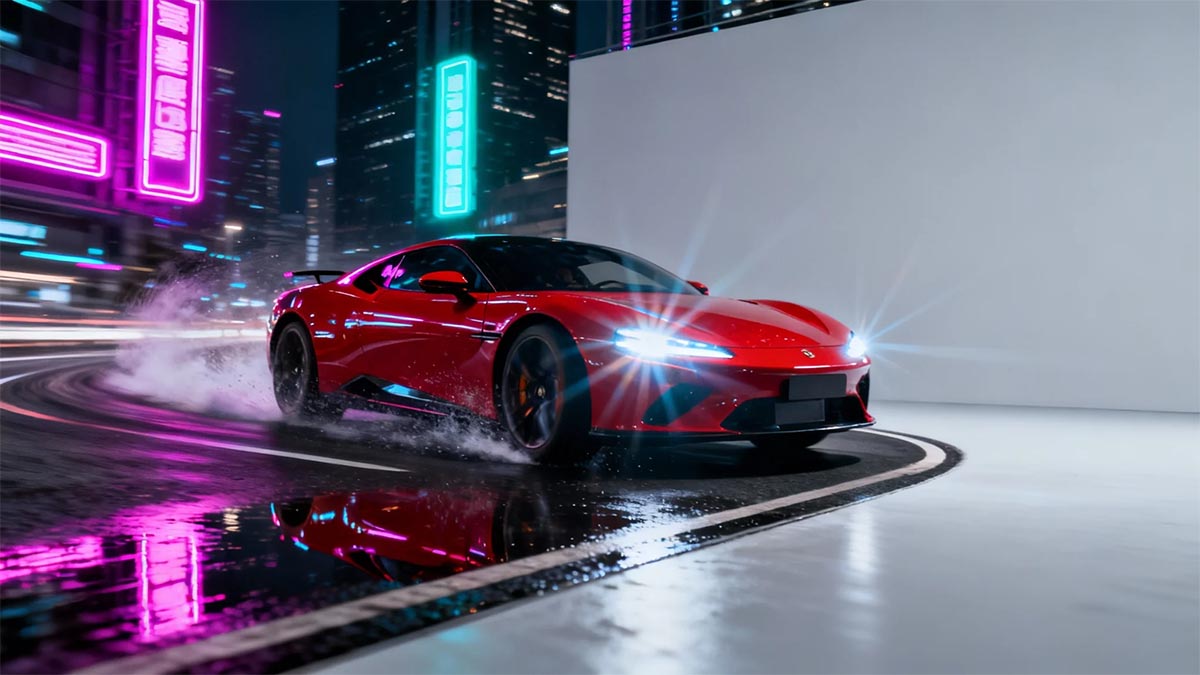 Cinematic car promo for social media and personal project can be delivered faster with the help of AI
Furthermore, AI-driven upscaling and denoising have made low-light filming of cars more relevant. If your stunning night drive footage is drowned in high ISO noises, AI tools like Topaz Labs or the Neural Engine in DaVinci Resolve can fill in the lost detail, sharpening the reflections on the car’s body and cleaning up the shadows without making the footage mushy. There’s basically nothing stopping car videographers from experimenting with wild ideas now.
1.3. The mechanical symphony: AI sound design
In the car video territory, many viewers mention that audio is actually the first thing that “clicks” with them, and that sound effects can translate the thrill of state-of-the-art vehicles pulling “badass” stunts into vibrations running through their bones and veins. Even though sculpting sounds is very much an abstract art where we can’t really “see” or exactly quantify what will make a good sound, AI car video editing tools have shown some promising advancements in audio engineering. New generative models, such as Grok Imagine 1.0, can now analyze a car’s motion vector and automatically sync or synthesize matching exhaust notes, turbo flutters, and tire screeches that sound really convincing. This will come in handy when you have only less than stellar recordings from internal microphones to work with.
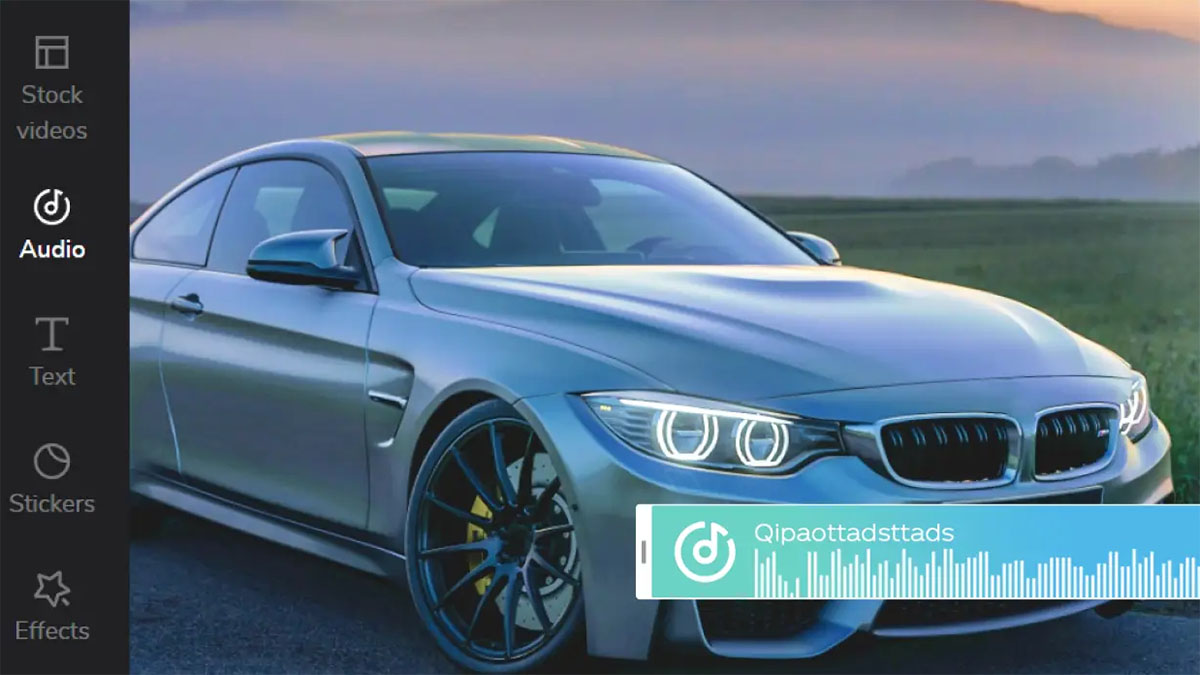 You can now have AI-generated sounds customized for your vehicle’s type and movements
On the restoration side of the editing process, AI is now preferred by many car video editing services to isolate voice and clean up background noise. If you are filming a car review on a windy open field, AI denoise tools can surgically minimize that howling sound while keeping the presenter’s voice and the guttural revving sound crystal clear. Simply put, you get an unbelievable level of clarity that was once only accessible to full-fledged news and film crews with unidirectional microphones. It’s like there’s only the talent and the car harmonizing in the scene, without any disturbance.
1.4. Dynamic pacing and beat syncing
The energy of a car video can be underpinned by rhythms. If it feels like you’re spending way too much time on getting this “groovy” thing right, AI automotive video editing platforms like CapCut and Adobe Premiere Pro now have you covered with advanced beat-syncing algorithms. By analyzing the transients of a music track, the AI can suggest the best cut points, matching the car's gear shifts or high-speed transitions to the track’s climax. You can quickly create a video with dynamic and engaging elements, which is crucial for high-retention content on social media platforms.
By automating some mundane tasks, car video editing AI tools allow the editor to beef up the creative storytelling, choosing the best angles and building the emotional narrative that truly sells the vehicle.
2. Top AI car video editing tools to make your life easier in 2026
We’ve crossed a turning point where the "intelligence" in AI car video editing could be put into practice at scale. For automotive video creators, finding the best combination of car video editing AI tools makes production progress much faster while achieving a level of refinement that is comparable to high-budget production houses. Based on my experience working with car production houses, the top AI tools that will make your videos an AAA-level blockbuster include Premiere Pro, Runway, CapCut, Davinci Resolve, Topaz Video AI, Kling, Veo 3 and Sora 2. Whether you are looking to automate tiresome masking tasks or generate photorealistic B-roll, those are the industry-leading AI solutions that editors are secretly using.
2.1. Adobe Premiere Pro (2026 edition): The pro standard
Adobe has reinforced its dominance by deeply integrating Firefly Video Models into every corner of its video editing app. For AI automotive video editing, the most anticipated feature this year is Object Mask. Editors can just click on a moving vehicle once and let the software recognize, mask, and track the car automatically. It holds its own pretty well even under changing light, highly dynamic environments or behind foreground obstructions like trees or street lamps.
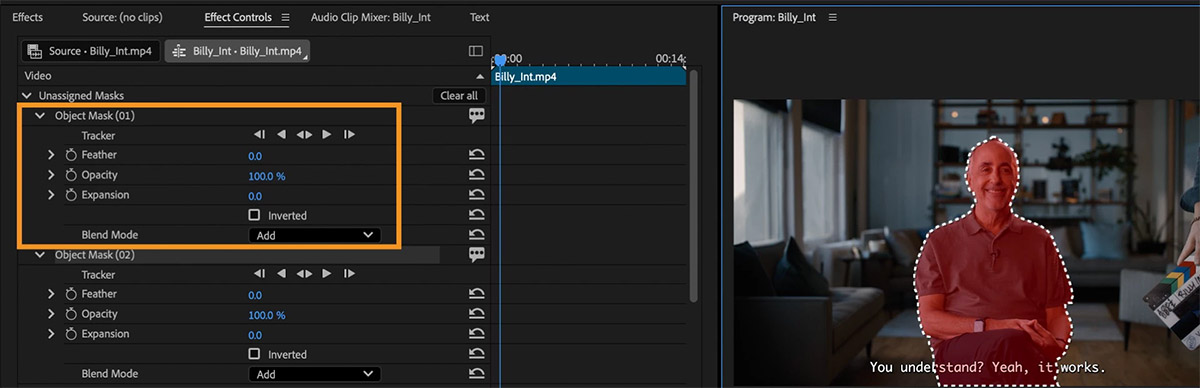 AI-assisted features can drastically speed up the subject tracking process
Furthermore, the Generative Extend feature may come in clutch for car reviewers. If a certain shot feels rushed, Premiere Pro’s AI can “imagine” additional frames that blend in seamlessly with the car's motion and the environment's lighting. Coupled with AI Audio Category Tagging, which automatically identifies essential car sounds and leaves out noises, Premiere just doesn't compromise anything when it comes to making professional car edits.
2.2. Runway Gen-4.5: The master of cinematic effects
If Premiere Pro is a box full of surgical scalpels, Runway is a paintbrush case. With the release of Runway Gen-4 in early 2026, this platform has worked wonders for AI car video editing prioritizing creativity. Its "Motion Brush" tool has been re-tuned specifically for automotive visual applications, allowing editors to paint over a car’s body to impart more drastic motion adjustments like making the wheels spin faster while the background remains in a cinematic blur.
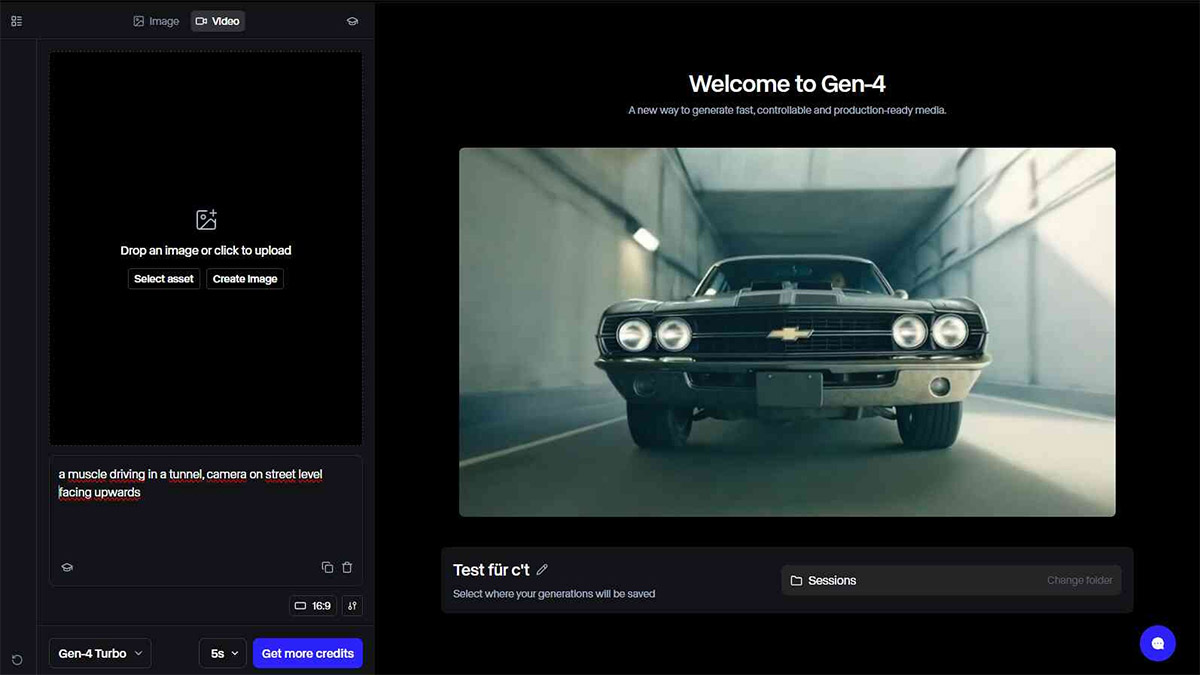 Runway is a one-stop shop for car video creators to give original footage an overhaul
Runway’s latest Relight Scene also opens up new possibilities for car content. If you shoot a vehicle on a cloudy day but want it to look like being soaked in neon city lights at night, this clever tool can totally revamp the scene with artificial lighting that hits and reflects beautifully on the car’s metallic surfaces. This revolutionary feature significantly lowers the car video editing cost by reducing the need for thorough location scouts, complex filming setups or even re-shoots.
2.3. CapCut AI: Viral content at scale
For social media car influencers and fast-paced dealerships, CapCut AI provides the momentum needed to not be swept away from the content stream. Specifically, its AI Script to Video Maker feature really comes in handy in making quick automotive clips. By simply entering a vehicle's spec sheet, the tool can pick out relevant clips from your library, sync them to a trending music track, and generate pretty accurate captions.
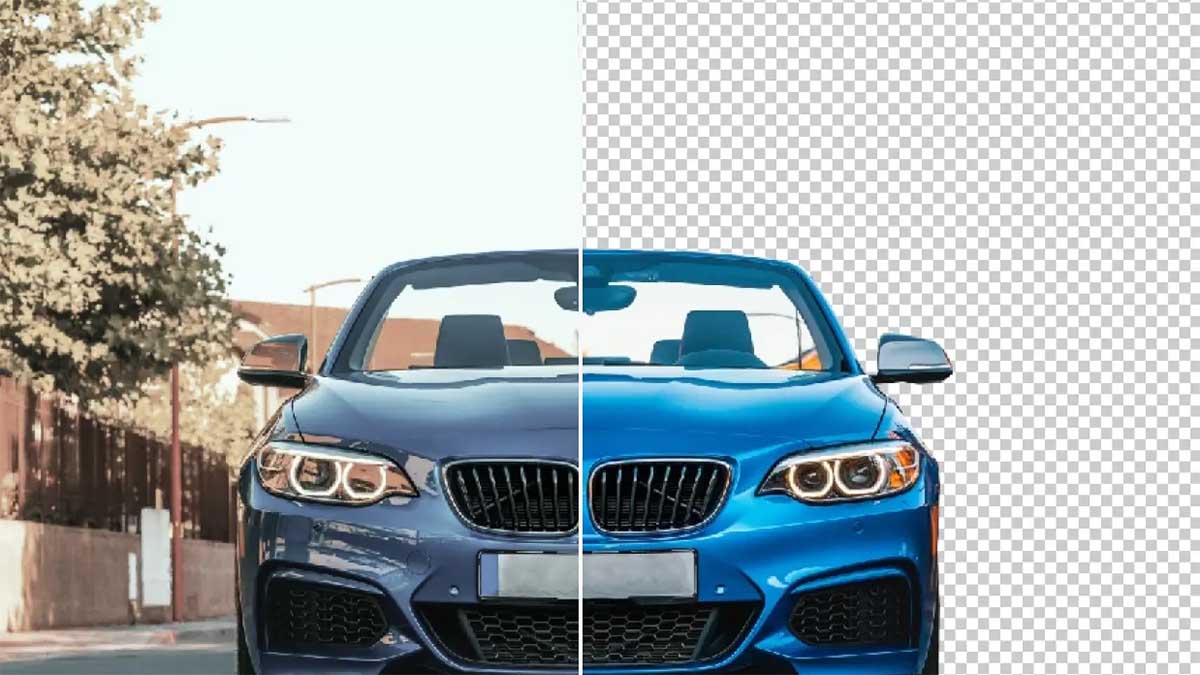 CapCut provides an easy-to-use background removal tool for car videos
Its specialized Car Video Maker interface includes straightforward background removal capability, so that you can “evacuate” the car from busy surroundings to a clean, minimalist studio environment with ease. For those focused on AI automotive video editing for TikTok and Instagram Reels, CapCut templates provide the highest ROI by allowing creators to carve out polished results from raw footage in no time.
2.4. Davinci Resolve 19/20: Every detail matters
Blackmagic Design’s Neural Engine still has virtually no competition in precision. In 2026, their Magic Mask technology can fully recognize specific car components, allowing editors to isolate and color-grade just the brake calipers or a shiny hood without altering the rest of the frame.
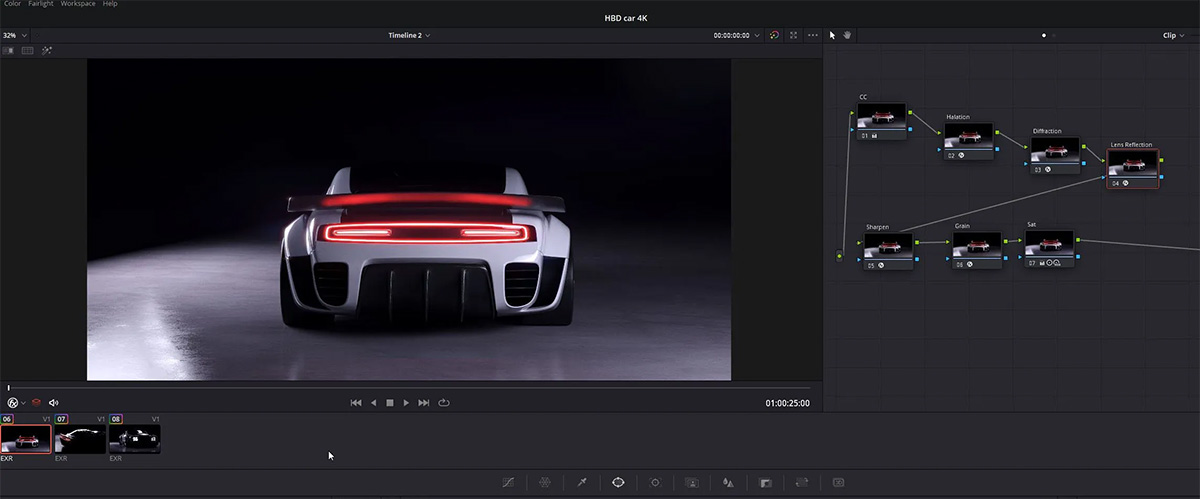 Davinci Resolve’s high precision color rendering engine allows for local adjustments to objects in the scene
For dictating rhythms in fast-paced sections like chase scenes, Resolve’s state-of-the-art slow motion solution Speed Warp AI brings the smoothness you demand every time, even from sub-50fps source footage. You have the sheer power of machine learning to interpolate frames, leaving no chance for low frame rate choppiness to plague your prestigious film. This is the definitive car video editing AI tool for creators who shoot in 60fps but want the “near frozen time” look of 120fps or higher.
2.5. Topaz Video AI: Resurrecting subpar footage
Often, car video creators want to use archival footage of classic models or newly recorded clips that may unfortunately be grainy or in low resolution. Topaz Video AI in 2026 uses advanced temporal enhancement to upscale 1080p car footage to 4K or 8K with astonishing clarity. It doesn't just "stretch" the pixels; it can “see” the big picture and know what’s missing like a car’s fine details in our case. From this comprehension, Topaz AI recreates the textures of carbon fiber, chrome, and glass, making vintage car content look like it was shot on a modern cinema camera.
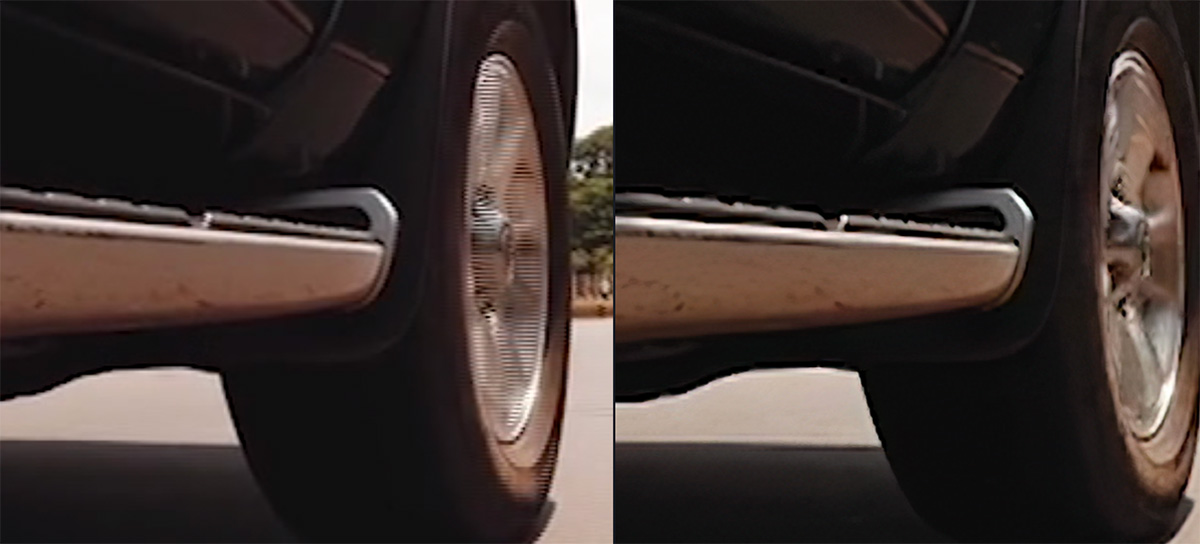 Topaz Video AI intelligently enhances the fidelity of less than stellar footage
2.6. Kling AI: The "reference" master
From Kuaishou, Kling AI has quickly gained traction as a formidable competitor in the automotive marketing scene thanks to its lifelike physics simulation, which accounts for its exceptionally convincing video outputs.
Key features for cars: Kling's strongest point is its multimodal references capability. You can upload photos of the car from multiple angles, and Kling will ensure the car's design, paint color, and logo are faithfully reproduced in every video scene created. This completely solves the "car distortion" problem that other rudimentary AIs often suffer from.
Kling O1 Editor: There’s a whole comprehensive AI editor behind this video creation tool. You can use text prompts to realize your vision in the footage: "Change the weather from sunny to rainy on the car body" or "Remove pedestrians behind the car". As long as you keep your “imagination” sensible, the results will be as natural as they can be.
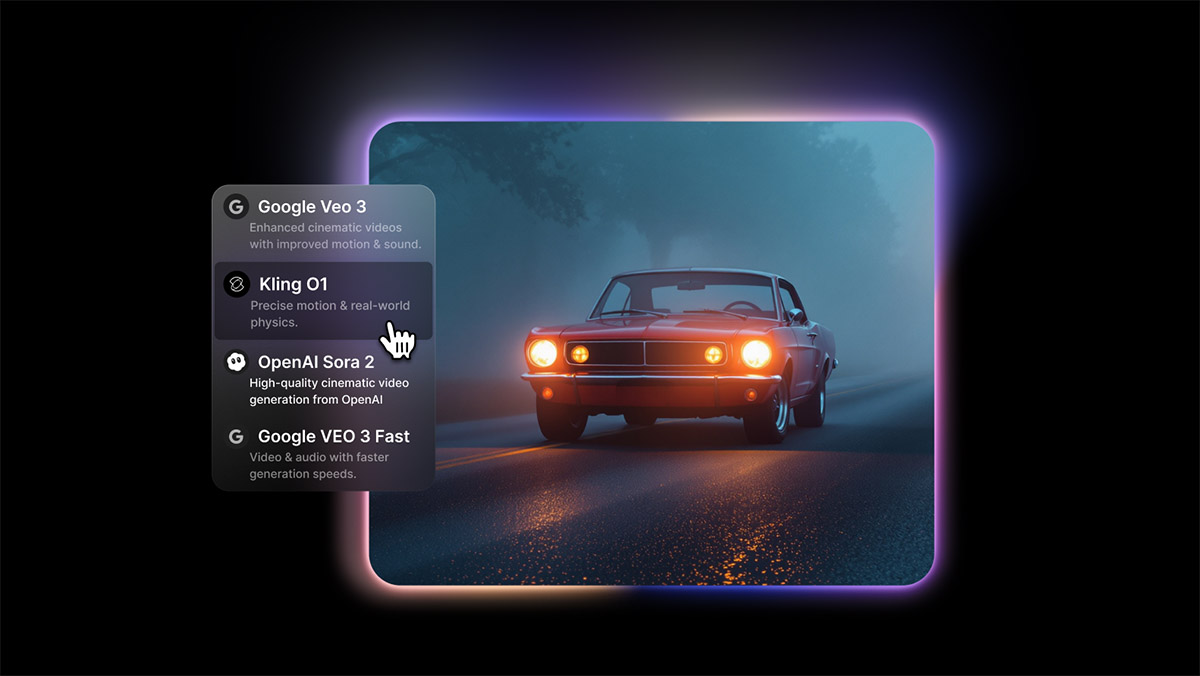 Kling AI steps up the game with the use of multi-image references to recreate a car’s identifying characteristics faithfully
2.7. Google Veo 3: The cinematographer’s choice
Google Veo 3 (launching mid-2025) represents the ambition of Google DeepMind to gain a foothold in the creative ecosystem.
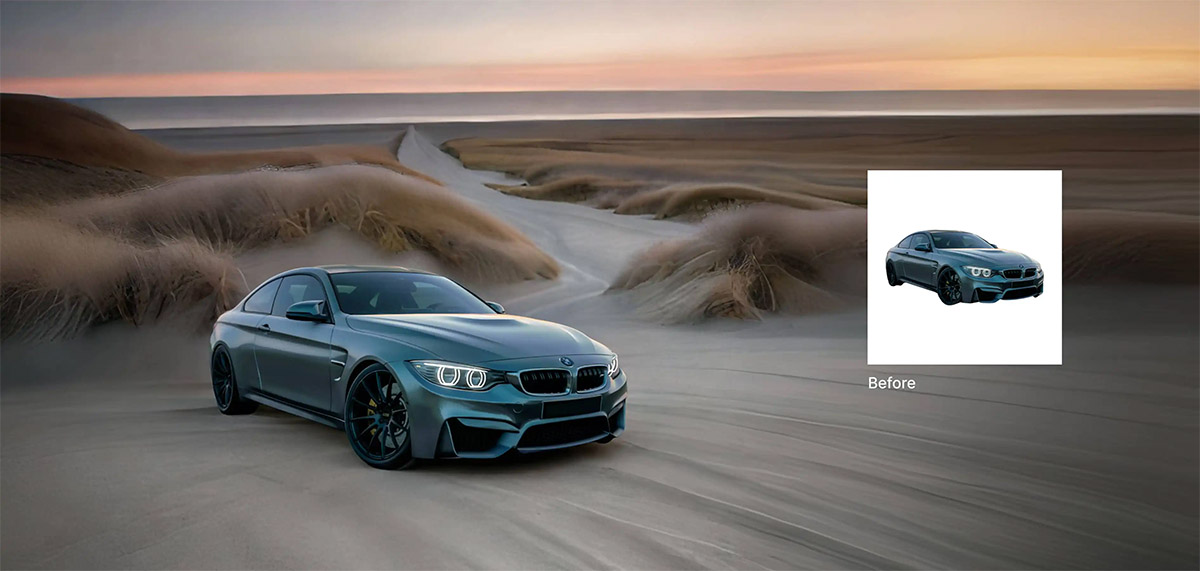 Veo 3 is capable of producing commercial-grade car videos
Key features for cars: Veo 3 is renowned for its Advanced Camera Control. You can pull insane shots like "Drone circling a moving car" or "Low-angle tracking shot" with unreal stability out of its rendering engine.
Native audio & physics: Unlike tools that focus solely on creating images, Veo 3 complements the imagery with synchronized ambient sounds and engine sounds (Foley). Its ability to handle light reflections on the metal surfaces of cars is considered the most realistic currently available.
2.8. OpenAI Sora (Sora 2): The cinematic powerhouse
Coming from the maker of the most notorious generative AI till date, Sora 2 has rapidly picked up steam in high-end automotive advertising campaigns thanks to its longer clip lengths and incredible detail.
Key features for cars: Sora 2 blows competitors out of the water by allowing the creation of long videos up to 25 seconds. Compared to abrupt 5-second snippets from other AI tools which can’t possibly form any prolonged car movements, this is the closest alternative to real-life shootings, giving editors more headroom and less headache when putting together a continuous driving scene.
Physical realism: Sora 2 is grounded on actual physical laws. You can make a car run through puddles to see how the splashes and reflections on the car's body are precisely displayed. This is your best bet of creating a stunning shot that can't be distinguished as real or fake.
3. The boundaries: Limitations of AI in the automotive niche
Despite some groundbreaking developments we’ve seen in 2026, AI car video editing still can’t take over humans’ place in the creative industry. While algorithms can process data in the blink of an eye, they can’t understand the urge to possess a valuable vehicle and don’t know exactly how to trigger that with algorithms. It’s just something we “feel” rather than “count” or “calculate”. Understanding the limitations of current car video editing AI tools is the key to making wise resource allocations and not compromising quality for quantity.
3.1. The physics gap: When reality "glitches"
Even with the most sophisticated models like Sora 2 and Kling 2.6, AI automotive video editing still lags behind the true sense of physics in high-speed motion. Algorithms in the video realm aren't the same breed as physics simulation or game engines and don't know how light should dance across a metallic hood as a car passes under a streetlamp. What’s scarier is that suddenly out of nowhere, they can "hallucinate," causing reflections to morph unnaturally or shadows to detach from the vehicle.
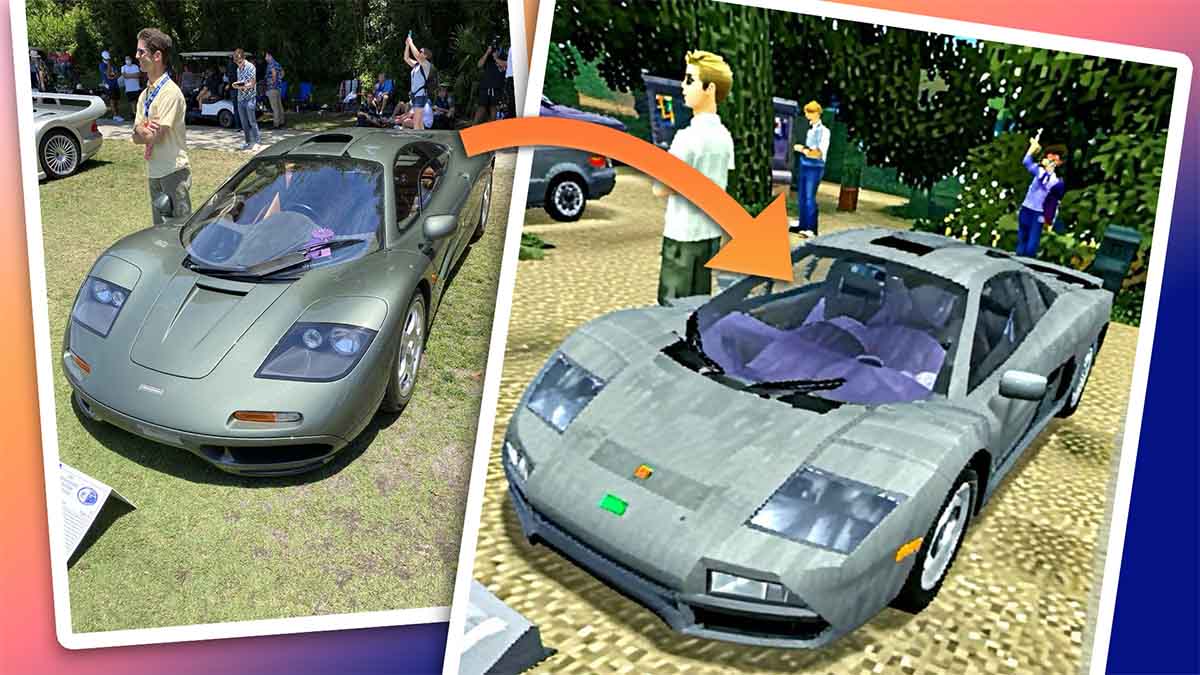 You can’t really predict when AIs will “trip”
Sometimes, complex interactions such as tires kicking up gravel or water splashing against a chassis may be full of artifacts like they come from a fever dream. We often see some ghastly “mutations” of the vehicle where its body shapeshifts during intensive speed ramps. In the high-end sector, these glitches drift the brand away from the identity of luxury and make a $200,000 supercar look inferior to even a video game asset.
3.2. The struggle with brand-specific accuracy
In AI car video editing, precision is the last aspect to be compromised. Most car fanatics can spot the difference between "Nardo Grey" and "Chalk" paint at a glance. Even with explicit guidance from human inputs, car video editing AI tools often go for a "moody" or "cinematic" look instead of key components’ preservation. This can lead to unwanted alterations that misrepresent a vehicle’s factory paint or interior textures.
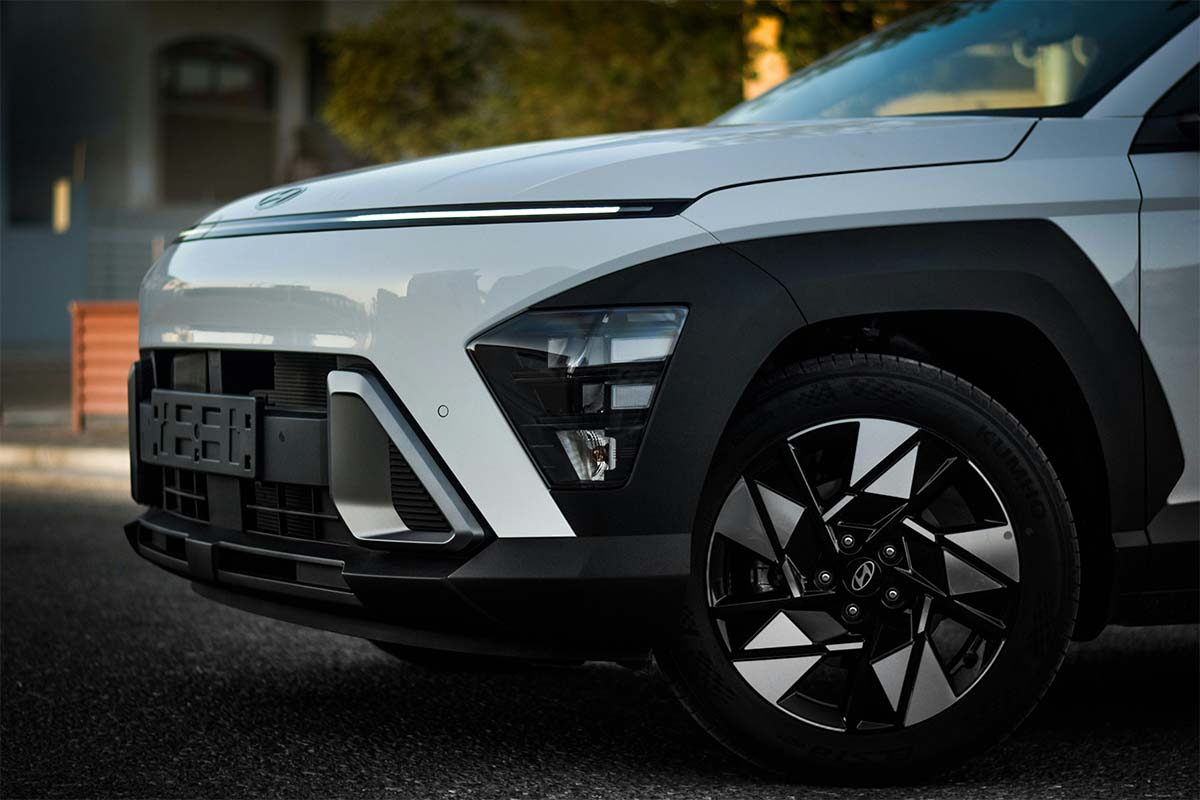 AI still needs heavy inputs and instructions from specialized experts for achieving professíonal results
If you are a dealership, having an AI “flatten” the carbon fiber trim of a high-performance sports car into a plasticky texture may be the last mistake you can make. With AI, there are only patterns and probabilities; a brand’s heritage or specific design language means little to nothing with them. Without a human expert to keep these details in check, AI tools can quickly diminish the significance of what could have been a striking vehicle.
3.3. Missing the "soul" of storytelling
Editing is about more than just making cuts on beats; it’s about manipulating tension and resolution. AI automotive video editing platforms now all nail rigid "beat-matching", like placing a cut every time the kick drum hits. However, they cannot feel the “pacing” of a cinematic build-up. Just like how extra measures or some subtle swing and looser rhythms can liven up a whole song, sometimes letting a shot of a roaring engine "breathe" for a half-second more is better to build anticipation. Or when the situation calls for it, we can just cut early to express a sense of nauseating speed, which makes no sense for an algorithm that mindlessly follows the beats.
AI follows a logical structure, but car culture is rooted in emotions. The goosebump from a cold start or the silent elegance of an electric vehicle gliding through a city requires a narrative flow that AI simply cannot come up with out of thin air. Have AIs ever sat in a sports car, rollercoasting between fear and excitement as the ride reaches its maximum torque and then brakes hard to make a sharp turn? I doubt they will ever be able to. They won’t know why some of us crave this kind of sensation to deliver it to us. Even if they try too hard, results will only be “cool shots” at best. A strong impact must come from understanding what should be emphasized and exactly when to highlight them with what kind of supporting elements. Too many variables that can only be obtained from real life experiences for AI to manage.
3.4. The "trash in, trash out" rule
A common assumption among some novice editors is that car video editing AI tools can "rescue" bad footage. While this may be true to some degree, more creative AIs often hammer a poor shot further as they introduce their own artifacts. If your raw footage has shakiness all over the place, poor lighting or distorted audio, AI-driven restoration tools can only do so much before your video looks overprocessed and artificial. Professional editors might use AI as a tool to enhance already passable footage, but they still rely on their own skills and vision to decide what should be recovered to what extent to avoid high-value footage breaking into some kind of surreal “pixel art”.
In conclusion, while AI car video editing delivers a solid 80% foundation, that final 20%, the emotional evoking, the brand identity, and the finer details still requires the steady hand of a human expert.
4. Strategy: When to use AI vs. when to hire a professional
In 2026, even the most conservative automotive brands are now embracing technology with a hybrid approach between AI and humans in video editing. However, getting the best of both worlds requires a brand to map out clearly where speed is prioritized and where soul is required. To maximize your ROI, you must distribute your content wisely based on its goal and platform.
4.1. When to lean on car video editing AI tools
Automation is your best friend when volume and speed are the priority. Car video editing AI tools are ideal for:
- Daily social media engagement: For TikToks, Instagram Reels, or YouTube Shorts that gain traction by using trending audio and snappy templates, AI can help with mass production.
- Dealership inventory updates: If you need to showcase 50 new arrivals on your website, AI can guarantee consistent "walk-around" edits, basic color correction, and license plate blurring while saving you time and lowering car video editing pricing.
- The "rough cut" phase: Use AI to select the best shots out of source footage allowing you to quickly realize a basic progression of video before a human takes over for the final polish.
4.2. When to hire a professional editor
For high-stakes projects where brand reputation and emotional connection are on the line, the human touch remains irreplaceable. You should invest in a professional for:
- Quintessential brand films: For the homepage of your website or a major car launch, the cinematic storytelling and emotional pacing of a skilled human editor will protect your brand’s prestige.
- Precise color grading: When you need a specific finish of a car to look exactly like its physical counterpart, a human expert can provide surgical color enhancements and preservation that AI car video editing still can’t pull off.
- Complex sound design: A pro knows how to layer engine notes, tire screeches, and music with tasteful adjustments to create maximum visceral reaction that drives sales.
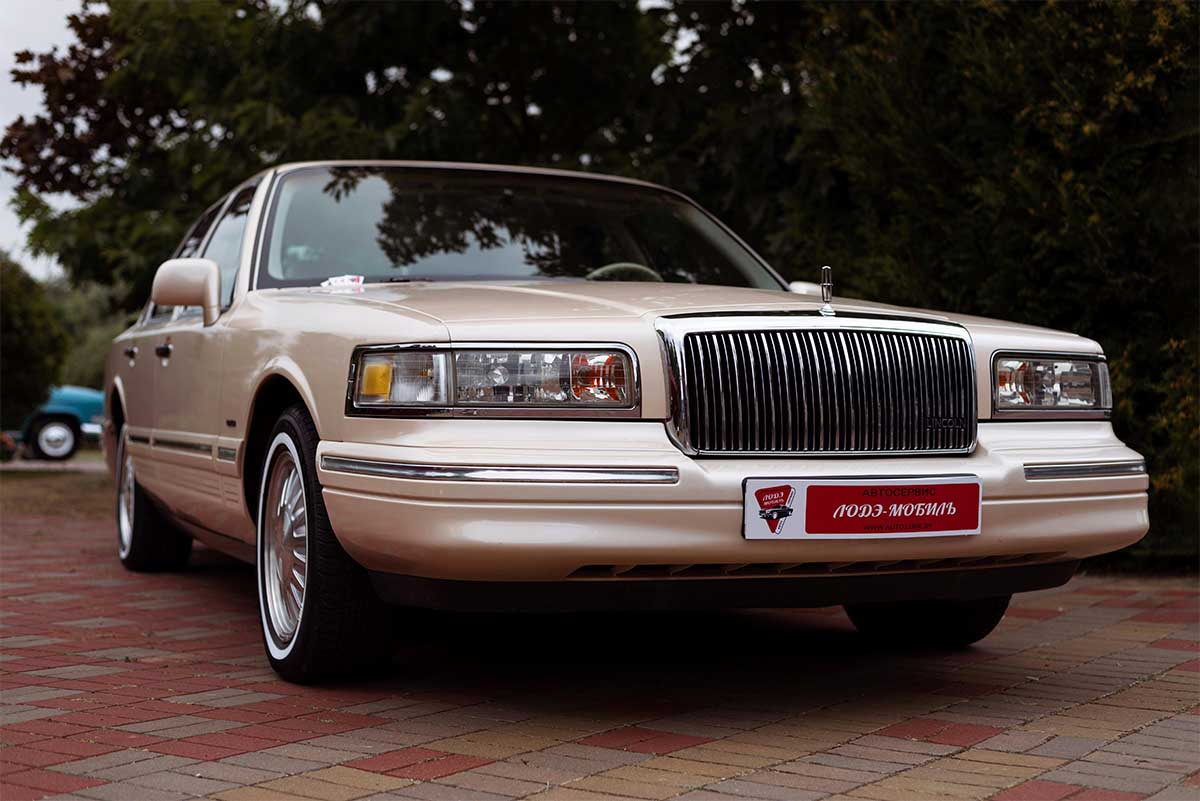 The more significant a car video is to your brand, the more you should invest in humans’ finesse
The winning strategy is simple: use car video editing AI tools to maintain your daily presence and automate the mundane tasks, but always reserve a portion of your budget for a professional to handle your flagship content. By blending the efficiency of AI car video editing with humans’ nuanced, deliberate touch, you ensure your brand is both visible and capable of “moving” your viewers, either emotionally or physically to your showroom.
Conclusion
As we progress through this guide, I hope automotive content creators out there will no longer feel like being left stranded at this high-speed intersection where technology meets artistry. Just face the truth. AI car video editing is now a powerful turbo engine for growth that allows dealerships, influencers, and production houses to maintain a relentless pace in this competitive market.
However, turning too sharply to one side amidst high speed and you may oversteer. The secret to a winning automotive brand is the hybrid, balanced approach. Use AI to achieve efficiency and scale, but never lose sight of the human touch required for that final, cinematic "wow" factor which truly sells the sense of a valuable asset to viewers.
Don’t miss the chance to upgrade your car video editing today. Whether you’re looking to harness AI’s speed or bring the surgical precision from an editor of the highest caliber into your videos, we are ready to assist.
Follow us on social media to explore our automotive video editing services and turn your raw footage into converting masterpieces.
- Facebook: fotobermedia.co
- Youtube Channel: Fotober
- TikTok Channel: @fotober
- Instagram: fotober_media
- Email support: [email protected]
- Hotline: +84 942 110 297
Related posts

Cincinnati Housing Market 2026: Prices, Trends, and What It Means for Buyers, Sellers, and Investors
October 20, 2026

Modern Luxe Interior Design: Elements, Style Guide and How to Stage It
October 10, 2026

Minimalist Interior Design: Characteristics, Style Guide, and Staging
October 8, 2026

Coastal Interior Design: Style Definition & Staging Guide
September 30, 2026
