




Best Wedding Video Trends 2026: Everything You Need to Create Timeless Films
Share:
Table of Contents
- 1. What formats make for the best wedding video trends in 2026
- 2. Popular editing techniques: Crafting the masterpiece
- 3. Best wedding video trends: Hardware & software innovations in 2026
- 4. Trending color grading styles for wedding videos in 2026
- 5. Why editors must follow wedding videography trends in 2026
- 6. The strategic move: Outsourcing wedding video editing
- Conclusion
Wedding cinematography is becoming more diverse and sophisticated as a form of visual storytelling as we head into 2026. In this comprehensive guide, we will take a look at the best wedding video trends of 2026, exploring everything from cinematic wedding video trends to the latest wedding highlight trends designed for social media virality. Whether you are a professional videographer looking to sharpen your edge or a couple planning your dream day, understanding these shifts is key to creating a timeless masterpiece that resonates for decades to come.
1. What formats make for the best wedding video trends in 2026
There has been a constant change of prominent formats for wedding videos in 2026 due to an overwhelming preference for less traditional storytelling approaches. Wedding filmmakers are shifting away from all-purpose wedding packages. Instead, most studios now provide a variety of formats specifically adjusted for many different social media platforms. Knowing the current wedding videography trends in 2026 will be essential to all wedding filmmakers so they can keep up with the demands of modern and tech-savvy couples.
1.1. The documentary "raw" style (Journalistic)
Modern couples have had enough with the 'performative' trait of traditional videography. Industry data from The Knot's 2026 Trend Forecast indicates that 79% of vendors report a significant surge in requests for 'Photojournalistic' or 'Documentary' styles. Couples are also rejecting choreographed movements, with 62% of surveyed brides stating they prefer 'candid footage' that captures raw emotion over forced cinematic sequences.
As “overperfection” is becoming less desirable, wedding filmmakers are turning to a new format called "Documentary" or "Journalistic" wedding style. This new style discards staged, posed scenes in favor of authentic, unscripted moments captured by the filmmaker during the wedding day.
Couples in 2026 want to remember their wedding day exactly as it happened: the nervous breath taken right before the vows, the laughter coming out of nowhere during the ceremony and the unbridled excitement of the reception. Filmmakers taking on this style tend to utilize more long takes and natural ambient sound to capture the feel of a participant at the couple's wedding. With less focus on clinical polishing and correcting “flaws”, wedding filmmakers provide soulful and genuine footage. Even for years to come, clients can still relive their wedding day in a way that feels both vintage and timeless.
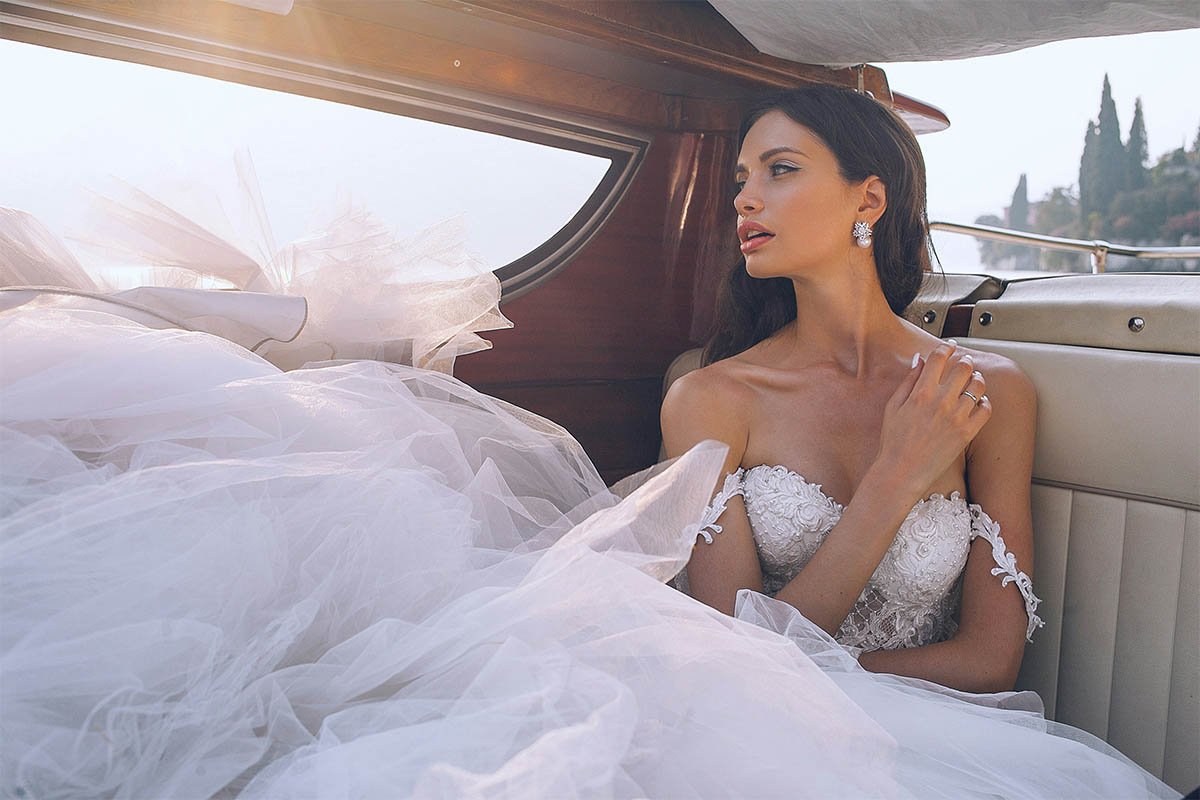 More weddings are filmed and edited in a documentary style to provide an authentic video
1.2. Cinematic storytelling: More than a movie
While the documentary-style wedding video tells the viewer what happened, the cinematic wedding video trends aim to evoke strong feelings in the viewers. Cinematic wedding films of 2026 use fine art videography techniques such as special bokeh effects, smooth focus shift, intentional lens flare, controlled lighting and non-linear editing to create a cinematic production experience.
At the heart of the cinematic wedding film trend is the desire for deeper, richer storytelling. Filmmakers are now using "audio-driven" storytelling to create a rich emotional arc to their films by sequencing private vows, heartfelt speeches and even pre-wedding interviews throughout their edits. Pursuing the cinematic quality, filmmakers turn a 10-hour event into a 5-to-10-minute clip that resembles a short film. A greater emphasis on the atmosphere and soul of the event makes it more impactful than simply providing a chronological account of events. Viewers are taken to an “emotional rollercoaster” and can see the deliberate creativity being poured into the final product.
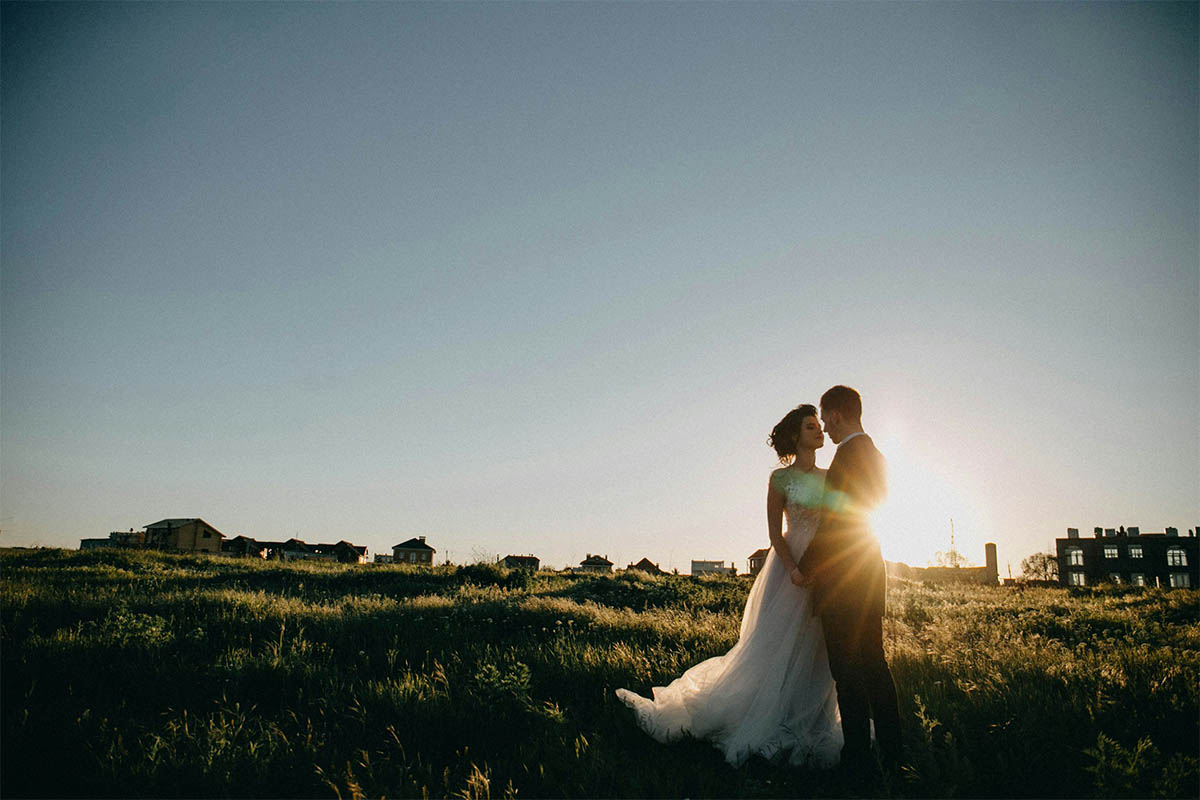 Cinematic wedding films put high emphasis on artistic aspects of videography
1.3. The surge of short-form & "social-first" content
According to the 2026 Wedding Industry Digital Report, over 68% of Gen Z couples now prioritize a 'Social-First' edit or a 'Content Creator' package over traditional long-form films. This shift is driven by the fact that short-form video is currently ranked as the #1 most engaging content format globally, with engagement rates for wedding reels outperforming traditional landscape videos by 3.5 times. Due to the “uprising” of vertical social media platforms, the "social-friendly" edit has taken root in every wedding package. It is here that we see the most creative and innovative wedding highlight trends come to fruition. Unlike a cropped version of the wedding film, "Social-first" edits are specifically shot and edited for a 9:16 aspect ratio.
These 15-to-60 second "Teaser Reels" or "Highlight Shorts" are designed for quick consumption. They include fast cuts, trending audio snippets and "hook" moments to make them shareable and more likely to pick up steam on social media. As of 2026, many studios deliver "Same-Day Reels," a polished vertical highlight, before the reception even ends, meeting the demand for instant digital presence.
1.4. Hybrid films: The analog-digital fusion
One of the most imaginative trends in 2026 is the emergence of the "hybrid film" that combines the exceptional clarity of digital 8K footage with the sentimental, nostalgic qualities of analog film. Many videographers take it a level further by filming with actual Super 8mm or 16mm film cameras in their workflow.
Couples can expect a rich, unmistakable texture. The mix of grainy, nostalgic analog clips with the “cleaner” digital shots provides the "flashback” quality that deeply touches viewers, especially when they view the clip many years after the wedding. Due to the nostalgia and tangible quality associated with analog film, the hybrid approach is rapidly gaining popularity and becoming one of the best wedding video trends in 2026.
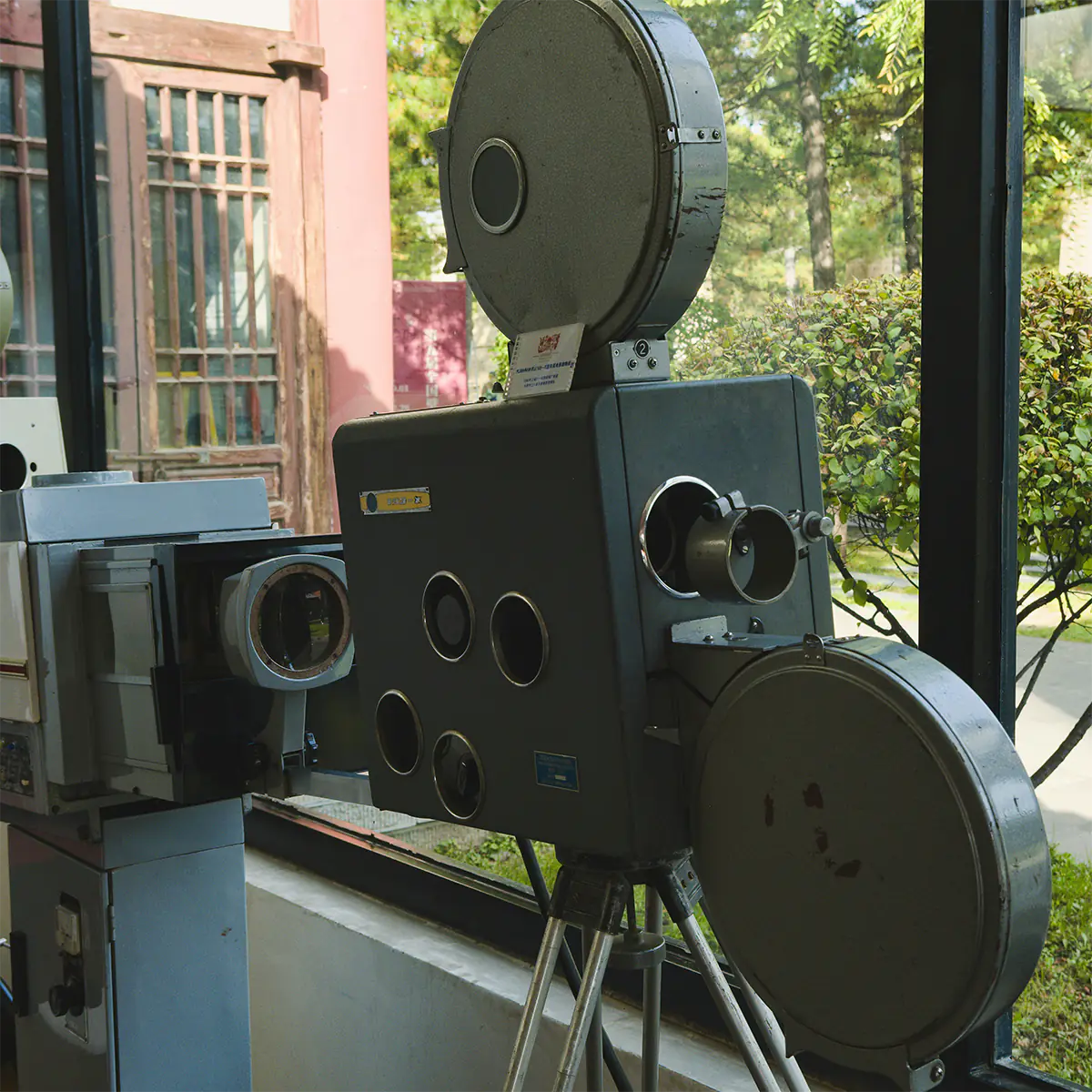 8mm and 16mm film cameras are being reintroduced to wedding videography
1.5. Multi-chapter long form (The "legacy" edit)
Whereas short highlights are meant to be shared with friends and family on social media, the "Legacy edit" is meant for the couple's family archives. Longer wedding films (20-30 minutes) with separated chapters ("The Preparation", "The Ceremony", "The Celebration"). are making a strong comeback in 2026. This format provides enough length for full speeches, ceremony sequences and other fleeting details that may be ignored in shorter films. In this highly diverse wedding scene, the key to success lies in blending advantages: a 30-second reel for the public and a 30-minute legacy film for the grandchildren.
2. Popular editing techniques: Crafting the masterpiece
While the production process brings wedding films into existence, the editing room is where emotions are shaped. To follow the current wedding videography trends in 2026, editors are developing advanced techniques stemming from traditional cuts and fades to enhance the storytelling impact of the wedding film.
2.1. Rhythmic and "speed-ramping" storytelling
This year, one of the leading wedding highlight trends is the “speed ramping” effect. A 2025 survey by FilmConvert & Adobe found that 80% of professional wedding editors now use speed ramping at least once per highlight edit, up 27% year-over-year.
This term stands for a smooth and continuous change between slow-motion and fast-motion within a single clip. By slowing down certain moments, such as a groom’s facial expression when he sees his bride, then rapidly speeding up to capture the movement of the guests dancing at the reception, the editor figuratively takes the audience’s emotions and attention on a rollercoaster ride. The rhythmic nature of speed ramping can be enhanced by perfectly synchronizing the speed changes to the transients of a custom soundtrack. When perfectly executed, speed ramping creates a highly dynamic viewing experience that is engaging from the opening scene to the end of the wedding film.
2.2. Immersive sound design (audio-first editing)
Sound design is no longer just a complementary element to the visuals, but can confidently take the leading role at crucial plot points. Editors are now enriching the soundscape of the wedding film by layering ambient sounds: the rustling of a gown, the wind through the trees, etc., to create a three-dimensional audio space that pulls viewers in. The addition of environmental SFXs to high-quality recordings of the couple whispering, laughing, etc., makes the film feel less like a faded memory, but a moment to live in.
By embracing the "audio-first" approach, which is indicative of cinematic wedding video trends in 2026, the editor can create a powerful and emotionally-driven story, whether the viewer chooses to watch with their eyes closed or not.
2.3. Mixed media and textural overlays
A prominent stylistic choice in 2026 wedding film trends is the implementation of "mixed media". Editors are intentionally striking at the heart of the clean digital aesthetic by including negative film grains, subdued color palettes, light leaks and digital "halation" (the red glow around the edges of light) in wedding videos.
Besides applying filters, editors are incorporating textured layered overlays, such as paper texture, dirt, scratches and vintage cameras’ viewfinder frames to create a "scrapbook" look. These overlays serve well as transition sequences, for example, when a digital image “burns” into Super 8mm film stock, creating a visual bridge between modern technology and nostalgia.
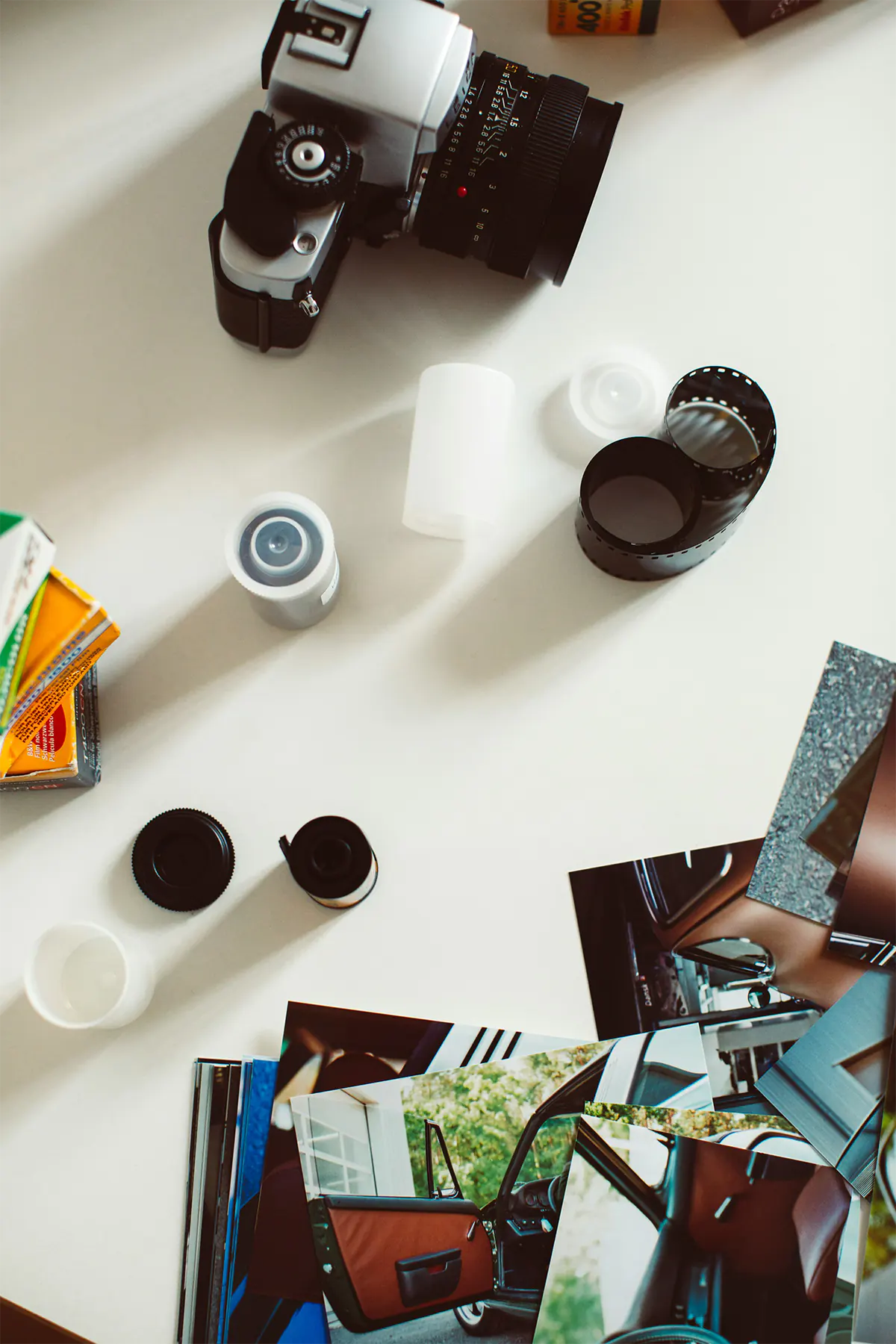 A wedding video can be a playground of textures and overlays
2.4. Non-linear narrative structure
Linear formats are less commonly seen in most types of wedding videos these days. It is because modern viewers get bored with the predictable sequence of "getting ready", "ceremony", "reception", etc. Thus, wedding film editors are using more unconventional approaches to narratives, layering various parts of the day together to add thematic, underlying progression. An example would be to intercut the couple's morning love letters with their first dance at night, creating a strong contrast between the couple's private longing and their public rejoice. Due to the complexity of layering a narrative in a non-linear fashion, editors are required to have a deeper understanding of story arcs, much like a film director.
2.5. AI-assisted "invisible" editing
AI-assisted "invisible" editing is another emerging trend in 2026’s wedding video editing scene. Editors now have many powerful AI solutions to remove distracting items from a shot. Something that the shooters neglect or can’t keep out, such as a stray tripod leg, a drone in the sky or a guest’s phone can be neatly eliminated, allowing the viewer to focus solely on the couple. This protects the non-distracting "dreamlike" quality that is associated with the best wedding film trends of 2026.
3. Best wedding video trends: Hardware & software innovations in 2026
Technology has beefed up the modern filmmaker’s abilities in many ways. Many of the best wedding video trends in 2026 make use of new hardware & software combos and advanced AI systems to create unbelievable results that were once exclusive to high-budget Hollywood productions.
3.1. AI-driven post-production software
One of the most prominent breakthroughs in 2026 is the inclusion of “Generative AI” into popular post-production tools such as Adobe Premiere Pro & DaVinci Resolve. Instead of being just an incremental update in the editor’s toolkit, AI is now an integral assistant capable of speeding up the workflow immensely.
- Automated Culling: New AI-based culling tools allow editors to go through thousands of clips in a relatively short time, identify the best facial expressions, the sharpest focus, and the most emotionally hyped moments.
- Neural Re-lighting: While badly lit scenes used to discourage most editors, some novel AI solutions allow for “re-lighting” the entire scene digitally, changing how light interacts with subjects’ faces, simulating the effects of expensive studio lighting while maintaining the natural aspect.
- Generative Expand: This function enables editors to turn a horizontal shot into a vertical one by filling in the empty background where the camera was not present when shooting. This is a major trend for the future of wedding highlight trends and adapting them for use on social media.
- Generative Extend: AI can “imagine” an extra 1 or 2 seconds of a scene, which helps when there’s a specific timing or speed-ramping that wouldn’t work if the footage is too short.
3.2. Next-gen hardware: Compact power
Hardware in 2026 is being optimized towards better performance-to-size ratios.
- Global shutter sensors: Some high-end mirrorless cameras now come equipped with global shutter sensors. This innovative design helps eliminate “rolling shutter” distortion, making fast-paced dancefloor sequences or whipping pan shots appear crisp and free from warping.
- FPV & autonomous drones: Drones have evolved to be much smaller and quieter. FPV (First Person View) drones can operate accurately in reception halls and through the decorations to produce flabbergasting “one-take” shots.
- Cloud-integrated cameras: Some models with integrated 5G or Wi-Fi can automatically upload proxy files to the cloud while filming. This allows a remote editor to start working on a Same-Day Edit while the wedding is taking place, a key element of the best wedding video trends in 2026.
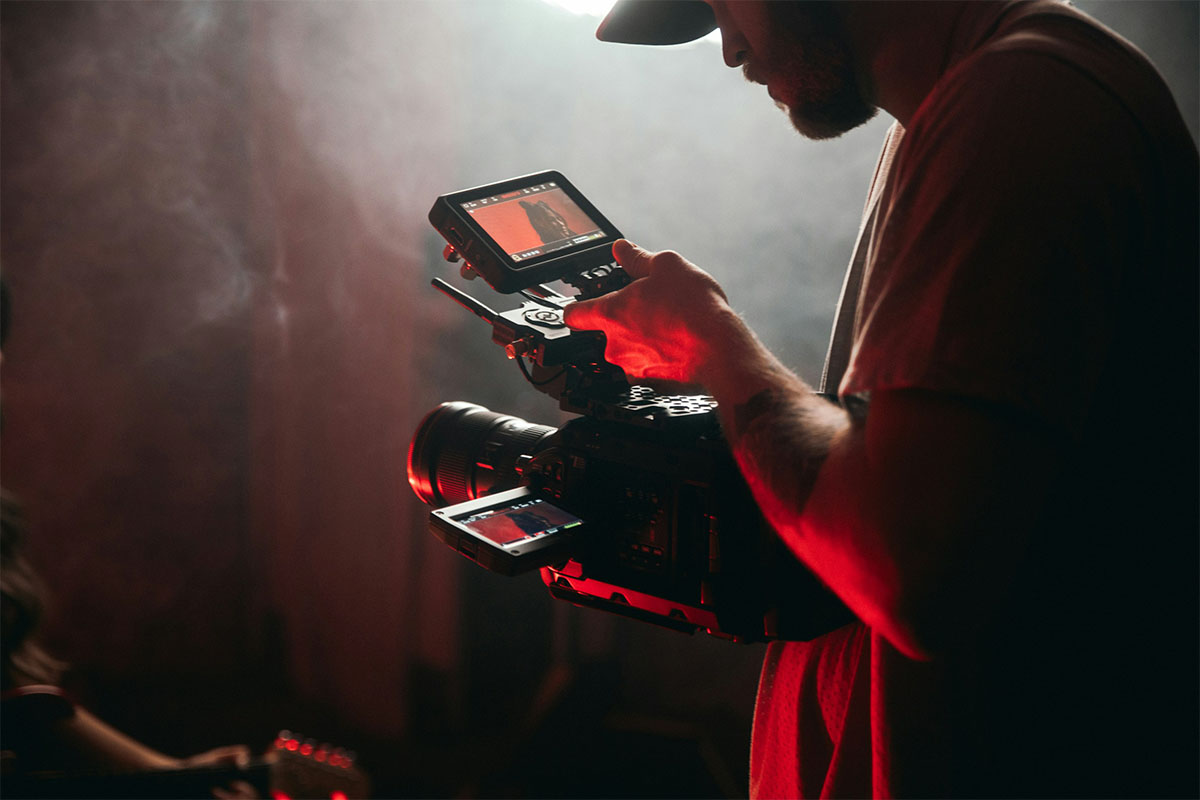 Camera makers are packing better specs and features into smaller form factors
3.3. Computational videography reshaping the best wedding video trends in 2026
Even the most reserved camera brands that favor pure technical and optical specs are utilizing computational videography, similar to what you find on your smartphone. This results in better dynamic range reproduction, allowing videographers to capture detail in the brightest highlights and darkest shadows in challenging lights. This newly opened technical possibility allows the editor to achieve the desired cinematic wedding video trends through color grading, providing each frame of the final edit with a cinematic film look.
By taking advantage of hardware and software innovation, videographers are able to focus on telling stories instead of wrestling with technical limitations.
4. Trending color grading styles for wedding videos in 2026
Color and mood are at the heart of the best wedding video trends in 2026. While the cuts provide the rhythm, the color grade provides the soul. More than applying static color filters, it’s the art of manipulating colors and lights to make them contribute to the overall story. Today, a colorist’s job is to use a combination of artistic vision and technical skills to evoke a very specific memory or feeling in your audience. As such, in 2026, we see a shift towards three main “flavors” that meet the varied tastes of modern couples.
4.1. The "True-to-life" vibrant aesthetic
Along with the decline of some popular wedding highlight trends over the last few years like muted tones grading, “high key” videography or “moody” colors, there is a resurgence of the realistic appeal. This “True-to-Life” philosophy focuses on faithful skin tone reproduction and naturally vibrant colors. The final result is what’s really there on the day of the wedding: the true green of the garden, the exact shade of the flowers in the bride’s bouquet, the natural glow of the sunset. Because of the realistic nature of this style, its value isn’t fazed by new trends or even time. Therefore, it’s best for couples desiring to create a piece of art that will remain beautiful in 40 years. However, realism can easily be mistaken for “ordinary” and “boring”. To make a video that ages like fine wine, it should be shot in the best lighting conditions right from the source and edited with a deep understanding of fine art and color theory.
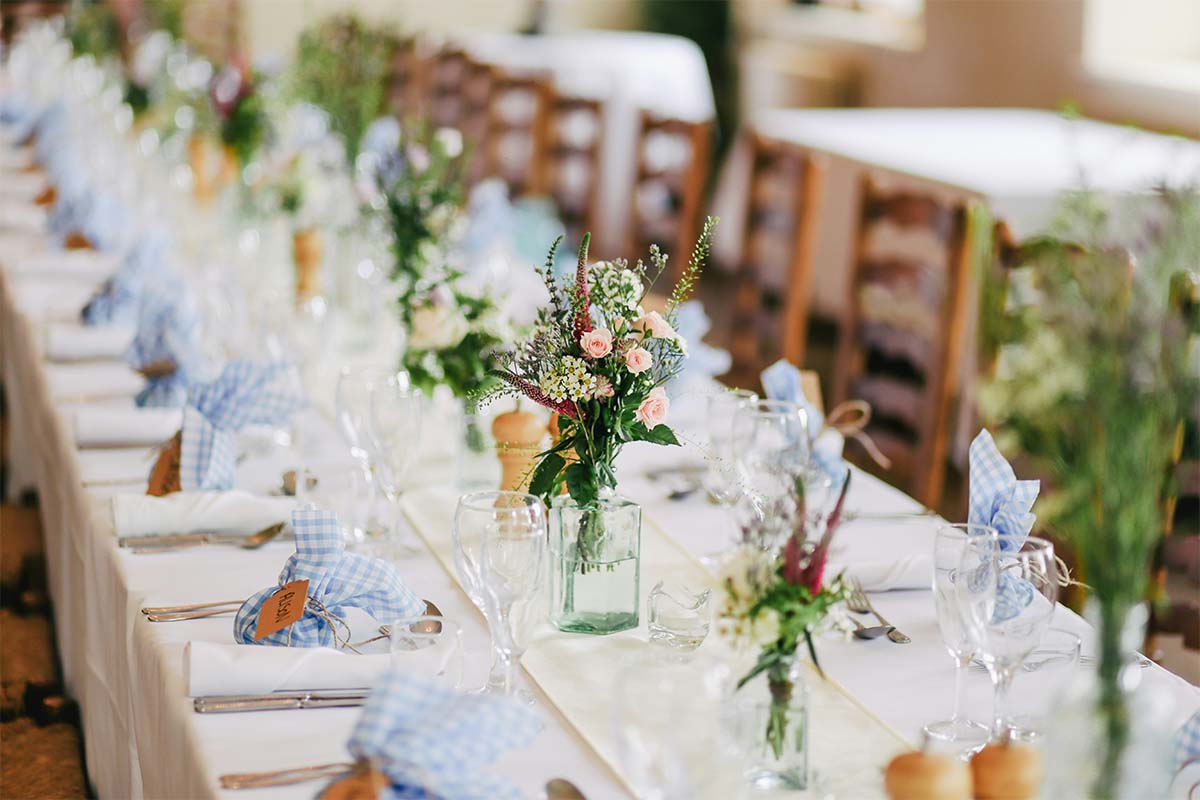 Natural style enhances details and colors while not making the grade feel too obvious
4.2. Editorial moody & rich palettes
Inspired by high fashion and luxury editorial magazines, the Editorial Moody & Rich Palettes is one of the most iconic forms of cinematic wedding video trends. Its main focus is creating pronounced effects on texture and shape through high contrast and slightly desaturated color palettes.
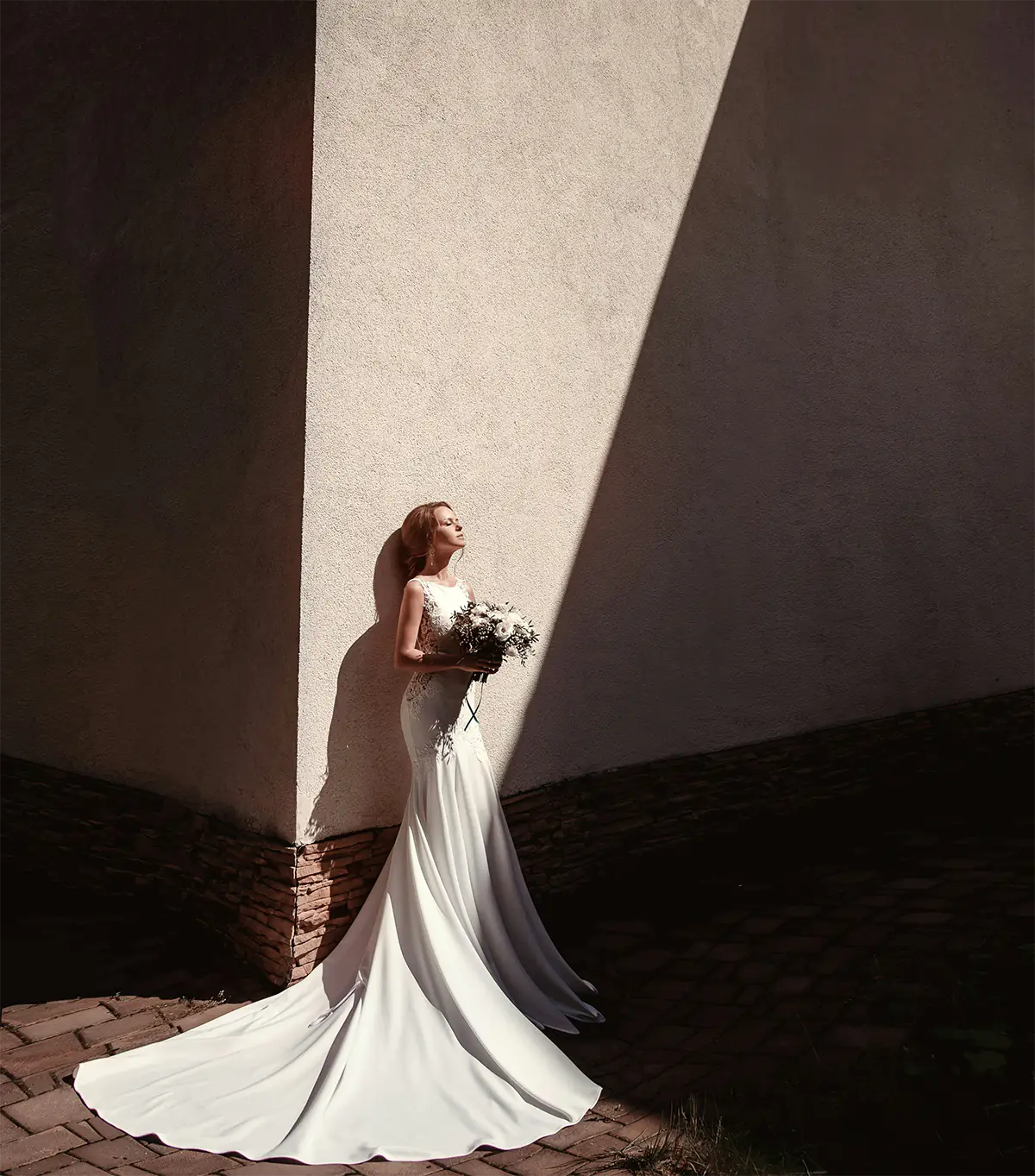 Wedding videos can be highly stylistic with bold contrast
The “moody” look often features “orange-teal” color schemes or earthy tones. These color combinations allow the film to take on a sense of drama and sophistication. Unlike previous years, when this style could appear too “cheesy”, some colorists have refined it to maintain clarity in the dark areas, while also providing a bright, polished feel. It’s suitable for large venue settings.
4.3. Nostalgic pastel & "film print" look
Perhaps the trend with the largest following of 2026 is nostalgic film aesthetics. This artistic direction creates a look similar to the color film stock of Kodak or Fujifilm from the last century. The characteristics include rolled-off highlights, a slight green or blue tint in the shadows, orange or yellow-ish skin tone and digital “halation” (the red glow that surrounds light sources).
Often paired with the hybrid filming format discussed above, this aesthetic produces an ethereal and dream-like quality to the wedding, translating the sensation of the wedding to an old, cherished memory. Using advanced LUTs (Look Up Tables) and grain emulators, editors are able to produce digital 8K footage that feels like it was shot on vintage 16mm film. Overall, the nostalgic film aesthetic reflects the spirit of wedding videography trends in 2026: harmonizing the new with the old.
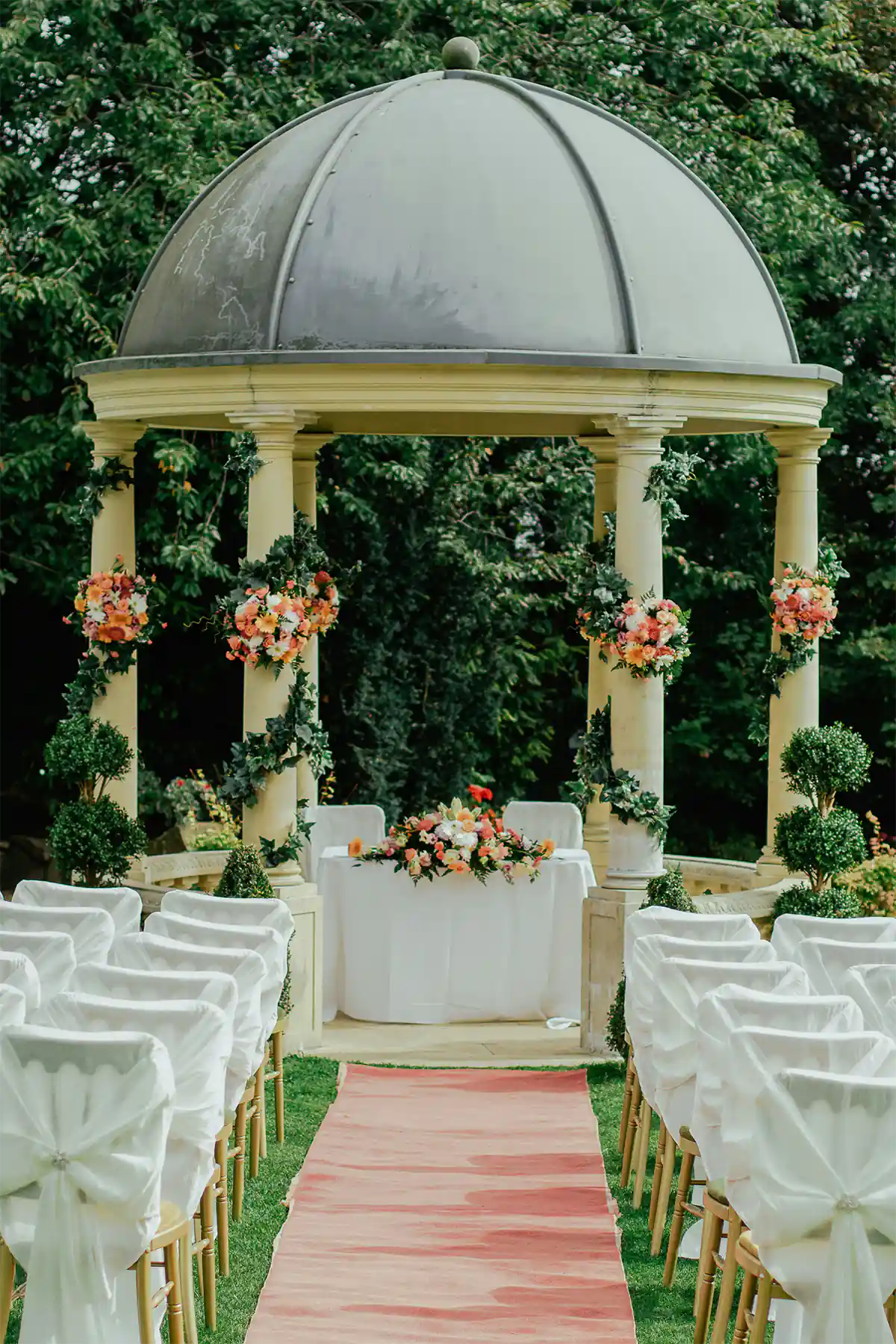 Many editors are using the film look to impart a nostalgic, dreamy feel to wedding videos
While most clients go for some particular styles based on aesthetic preferences, what makes them ideal choices is the way they tell the individual story and connect the viewer to the emotional experience of the moment. Whether it is the crisp reality of a modern city wedding or the dreamy nostalgia of a countryside elopement, color is the link that ties the viewer to the feelings experienced during the wedding.
5. Why editors must follow wedding videography trends in 2026
The changes we see now, in terms of technology and how social media shape consumers’ expectations of wedding videos, have created a highly dynamic and competitive field. It would take a great deal of effort for any video editor to remain stagnant in this ever-evolving space and not risk becoming outdated. Understanding why you need to continue to develop your skills in accordance with the best wedding video trends in 2026 is the key to long-term success and scalability.
5.1. Meeting the high expectations of Gen Z and Gen Alpha
Your 2026 client base will consist primarily of digital natives (Gen Z) and the oldest members of Gen Alpha. According to the Sociallyin: Gen Z Social Media Usage Statistics (2026) report and 99Firms, approximately 71% of Gen Z watch online videos for more than 3 hours per day. Reports from HubSpot (State of Marketing 2026) and Sociallyin confirm that short video is the format with the highest ROI (return on investment), making it a top investment priority for brands. In particular, 81% of Gen Z prefer short videos for entertainment and information updates. Vertical (9:16) formats on TikTok and Reels have 3-4 times higher engagement rates than traditional horizontal videos.
These generations have experienced world-class cinematography and editing on their phones and computers from birth. As such, they have developed an extremely high degree of visual literacy. They watch top-notch content every day via social media and streaming services. They know how to tell the difference between a template-driven edit and a fully customized, cutting-edge wedding film. To meet the expectations of these clients, you will need to incorporate cinematic wedding video trends that focus on storytelling and authenticity rather than blanket transition effects.
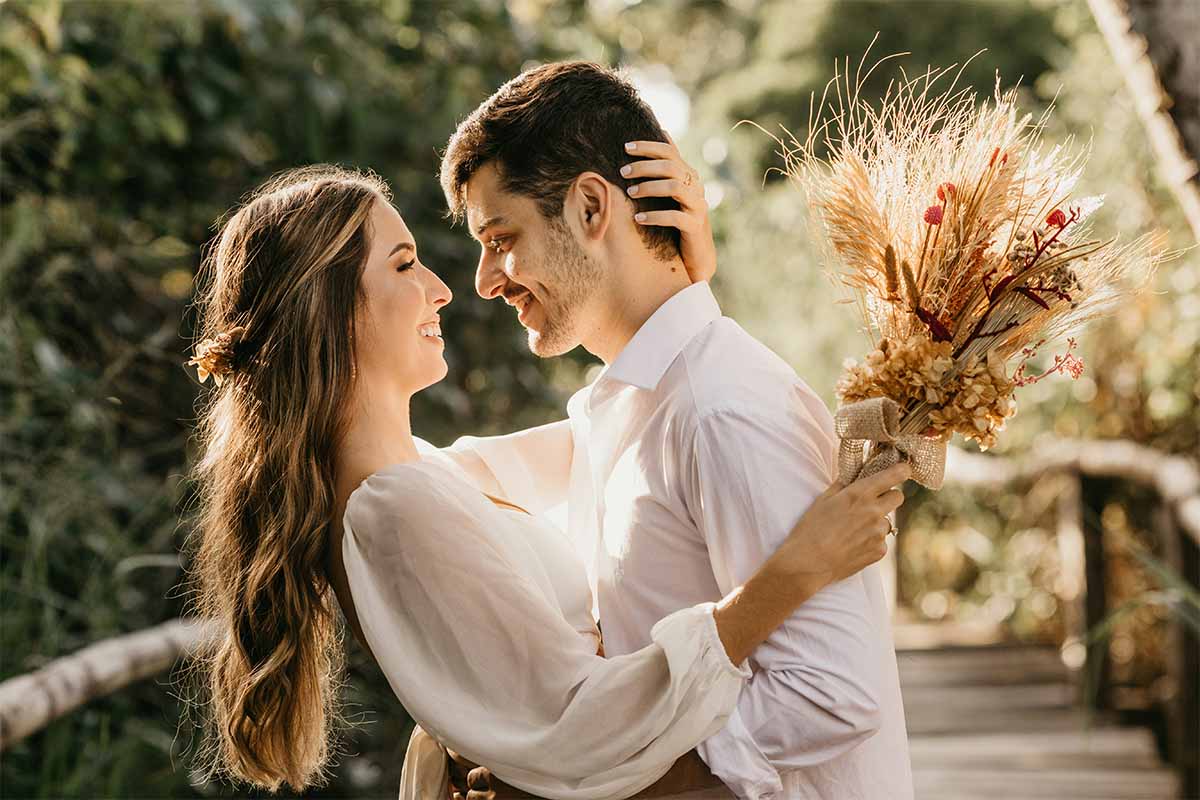 Couples are already exposed to a high level of cinematic wedding films and expect no less from their editors
5.2. Competitive edge in a saturated market
While there may be fewer barriers to entering the market due to the decreasing cost of high-quality cameras, the chance for anyone new to stand out is also smaller. Those who have mastered the latest editing techniques, including using AI to help with culling, advanced sound design, and the most recent wedding highlight trends will create a level of value that is out of reach to the "budget" videographer. Staying current with the latest wedding video trends and editing styles will enable you to charge a premium price and provide what high-end clients need.
5.3. Efficiency through innovation
When I refer to updating your workflow, I am not simply referring to the look of your final product. I am also referring to the process behind creating it. By keeping up with many of the innovative technologies and techniques referenced throughout this guide, you will be able to work smarter, not harder. Many modern tools utilizing artificial intelligence and cloud-based workflows have opened up many shortcuts for editors. In the time when same-day reels are much expected, the ability to deliver them before the wedding buzz cools down is what defines being "on the curve". Constantly learning will also keep your passion for the craft as sharp as your technical abilities.
6. The strategic move: Outsourcing wedding video editing
Time is money. For wedding studios, and every other type of creative service, there are only so many hours available to create and capture content. And for many, those hours aren’t spent capturing the “moment,” but instead losing themselves in the edit room, crafting the moment. This nuisance paves the way for outsourced editing to become one of the best wedding video trends of 2026. Not only is it a relief from the burden of editing for studios, but outsourcing is also a sustainable strategy for scale-up and growth amidst this fast-paced business.
6.1. Reclaiming creative freedom and sanity
According to our experience handling clients’ projects, a cinematic wedding film can take up 30-50 hours for editing. Multiply that number by three or four weddings each month and the amount of time spent editing exponentially eats up your calendar. This eventually leads to burnout for the owner/lead videographer and creates a delivery problem for the client.
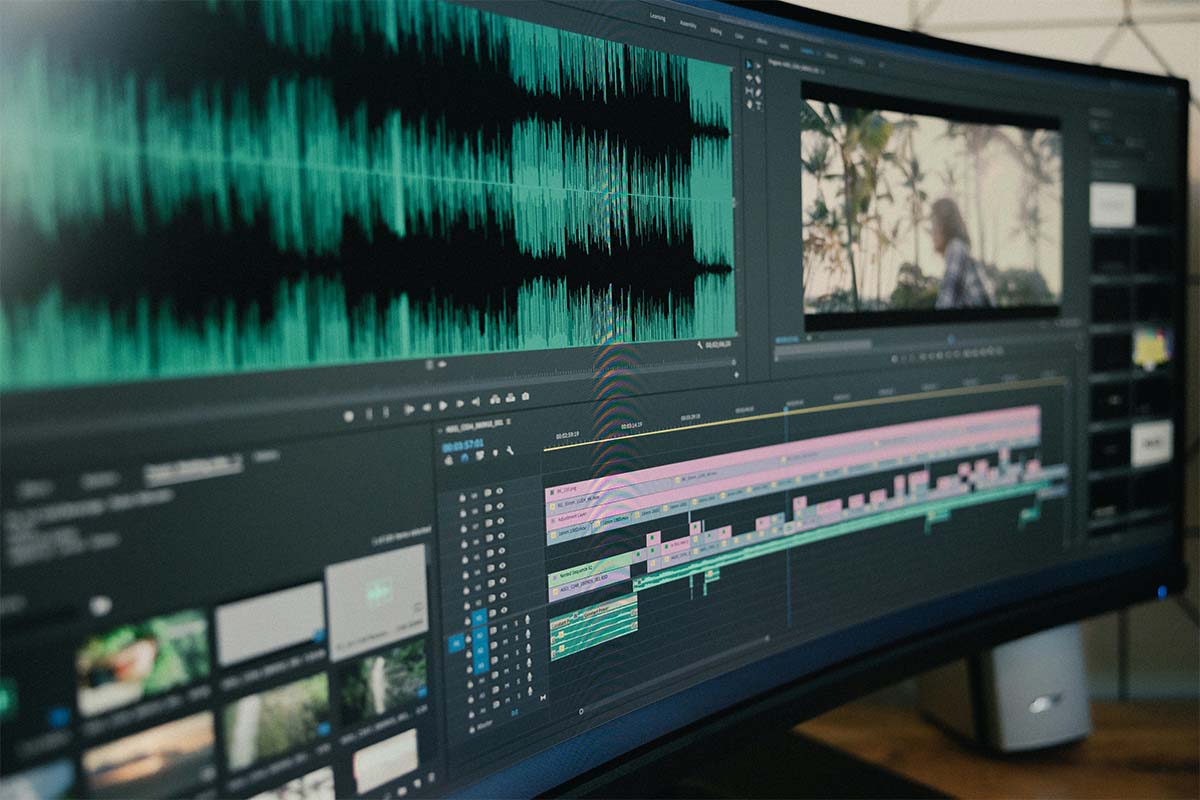 How can a studio capture more precious moments if they are stuck under an endless editing burden?
Outsourcing wedding video editing to a third-party company will free up the owner/lead videographer to focus on what he/she does best, which is behind the camera and developing relationships with clients. Also, using an outsourced company will allow creative heads to stay energized and motivated, thereby keeping the raw footage quality at its highest.
6.2. Access to specialized "trend-ready" talent
Best wedding video trends in 2026 include AI-based neural re-lighting and complex sound design, among others. To incorporate these ideas into your wedding videos without messing them up, you need a specialized workforce, which may require a long learning curve. Using an outsourced partner will provide you with immediate access to a global pool of experts in color correction, sound design, and social media video creation. Since these individuals work full-time on mastering new tools and techniques, you will have access to the latest technology and styles without spending months to learn them.
6.3. Scalability and cost efficiency
One of the biggest challenges when growing your wedding studio is maintaining a consistent workflow while controlling overhead. Managing an in-house team of editors includes paying for expensive computers, software, and salaries, not to mention insurance, all of which represent fixed costs. With a variable cost model becoming prevalent in the wedding video market in 2026, using an outsourced provider allows you to only pay for each project. This provides you the ability to grow and scale your business without worrying about adding more fixed costs.
6.4. Faster turnaround in the "instant" era
Finally, most hypermodern bride and groom want to see their wedding highlights as soon as possible after their wedding day. Using an outsourced agency allows you to upload your unedited footage and have an editor working on it before you even go home. It’s even better if you go for an agency that spans across multiple time zones, as you can sleep while they are still working on your projects. This speedy delivery allows you to provide same-day edits and wedding highlights in 7 days, which will keep your brides happy and encourage referrals to friends and family.
Ultimately, as one of the most prominent wedding videography trends of 2026, outsourcing is about working on your business rather than in it. It can transform a solo videographer into a high-output production studio, capable of delivering cinematic masterpieces at scale.
Conclusion
A “marriage” of old-school humanism and cutting-edge innovation defines the best wedding video trends of 2026. Regardless if your wedding video style is cinematic and visually immersive or short-form and fast-paced (vertical wedding highlight trends), the goal of preserving the memories of your special day as fresh and timeless as possible remains the same.
The wedding film production business is trending toward a model that rewards creativity, technical adaptation, and effective planning/management. By using emerging AI-based tools to streamline your post-production process, creating innovative ways to tell stories, and leveraging the power of professional outsourcing to optimize operations, studios and videographers can take their craft to the next level to meet more ever-evolving expectations of the 2026 market.
Are you prepared to evolve your post-production process, set yourself up for success and lead the wedding film production industry? Begin incorporating these trends now and watch your creative vision flourish as never before.
Follow us on social media for more wedding videography breakdowns and get up-to-date information about our editing services!
- Facebook: fotobermedia.co
- YouTube Channel: Fotober
- TikTok Channel: @fotober
- Instagram: fotober_media.
Related posts
Cincinnati Housing Market 2026: Prices, Trends, and What It Means for Buyers, Sellers, and Investors
October 20, 2026

Modern Luxe Interior Design: Elements, Style Guide and How to Stage It
October 10, 2026

Minimalist Interior Design: Characteristics, Style Guide, and Staging
October 8, 2026

Coastal Interior Design: Style Definition & Staging Guide
September 30, 2026
