




5 Best Drones for Real Estate Videography (Pro Footage That Editors Love)

Share:
Table of Contents
- 1. What makes a drone good for real estate videography?
- 2. How drone choice affects real estate video editing quality
- • 2.1. Best drone for professional real estate videos: DJI Mavic 4 Pro
- • 2.2. Best balance of price & features: DJI Air 3S
- • 2.3. Best drone for low-light property shots: Autel EVO Lite+
- • 2.4. Best portable drone for realtors: DJI Mini 5 Pro
- • 2.5. Best for autonomous tours & outdoor real estate: Skydio 2+
- 3. Best drone shots for real estate videos (that actually convert)
- 4. Professional drone video editing for real estate
- Conclusion
Recently, in the field of property marketing, videographers and agents have been normalizing the use of drone shots to the point of it being an "entry-level requirement." Apparently, a high-quality real estate drone video breathes a whole new life into traditional property walkthroughs. However, the ideal choice for your filming purposes may not always be obvious. Thus, this article is going over several key features of the best drone for real estate videography and some excellent options available for you.
1. What makes a drone good for real estate videography?
In 2026, a property listing without aerial perspectives just doesn’t feel whole. As buyers become more and more reliant on immersive digital tours, there has been a rising trend of incorporating a drone for real estate marketing. High-quality real estate drone video can increase listing views by over 90%, offering what’s unavailable in plain ground-level coverage: the neighborhood, the roof condition, and the property’s relationship to local landmarks. However, not all drones are created equal. To deliver the “wow” factor that matches the extra price, your aerial rig must first meet specific technical standards.
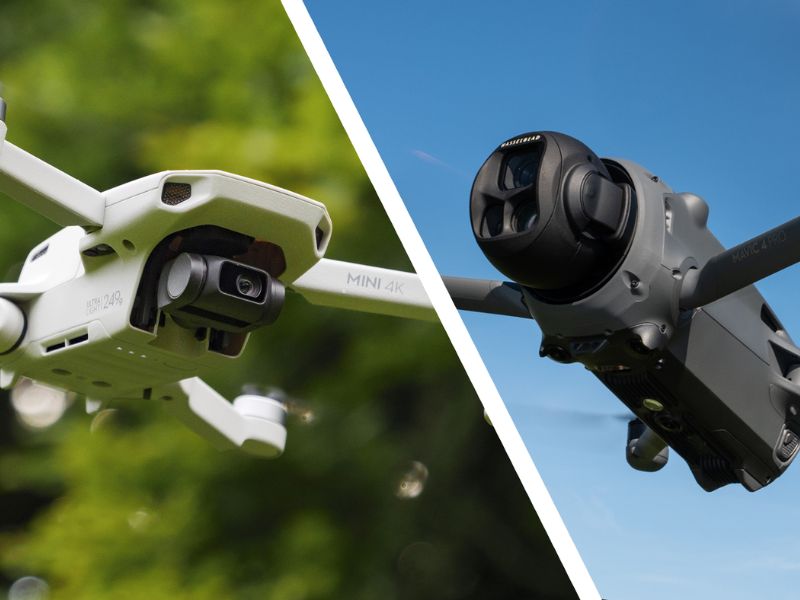
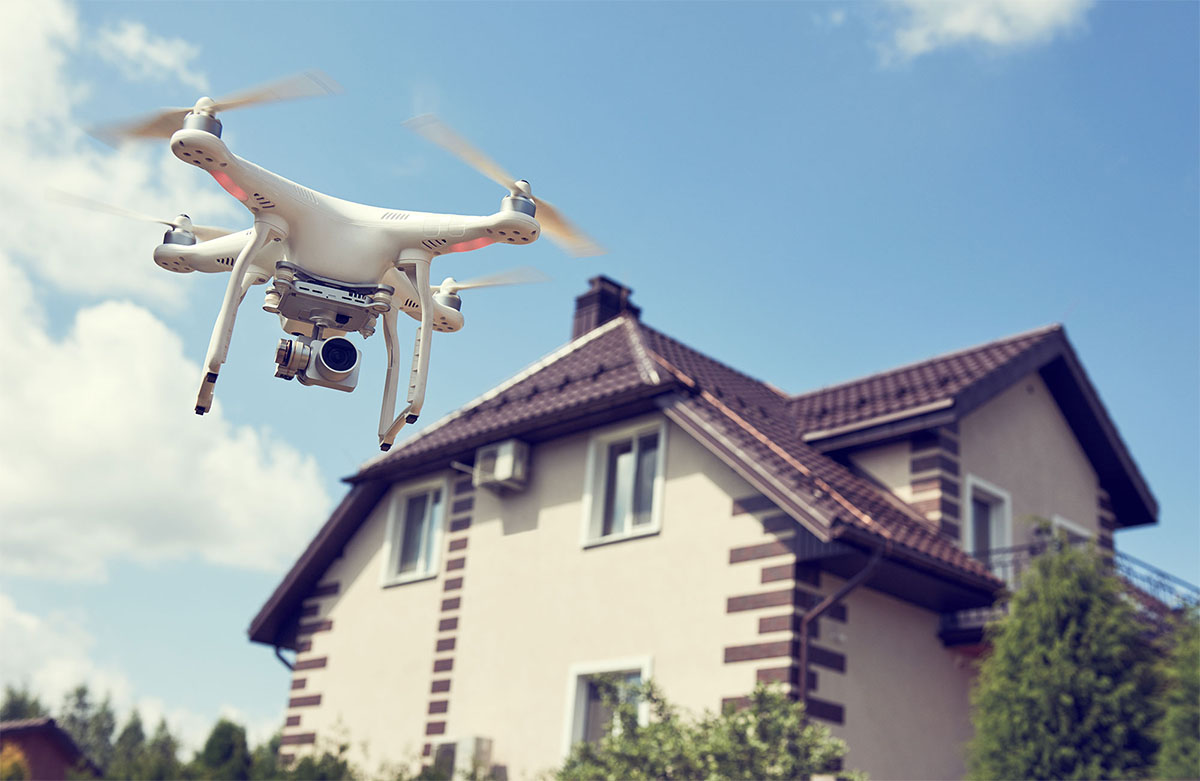 Not every drone can satisfy the upmarket’s standard
Finding the best drone for real estate videography requires balancing image quality, flight safety, and post-production flexibility. Whether you are producing a commercial real estate drone video for a corporate skyscraper or a cinematic walkthrough for a suburban home, here is what makes a drone truly professional.
1.1. The foundation: Sensor size & camera resolution
The component that has the most influence on the image quality of any drone camera for property video is its sensor. For real estate, a larger sensor (ideally 1-inch or larger CMOS) is recommended. Larger sensors let in more light and extract more detail, which is critical when shooting interiors from an open doorway or capturing a backyard during the "golden hour."
-
Resolution: 4K at 60fps is the minimum for commercial works in 2026. This allows you to slow down footage in post-production for those delicate "hero shots."
-
Adjustable aperture: High-end drones allow you to change the aperture (e.g., f/2.8 to f/11), giving you control over exposure and depth of field without constantly swapping ND filters.
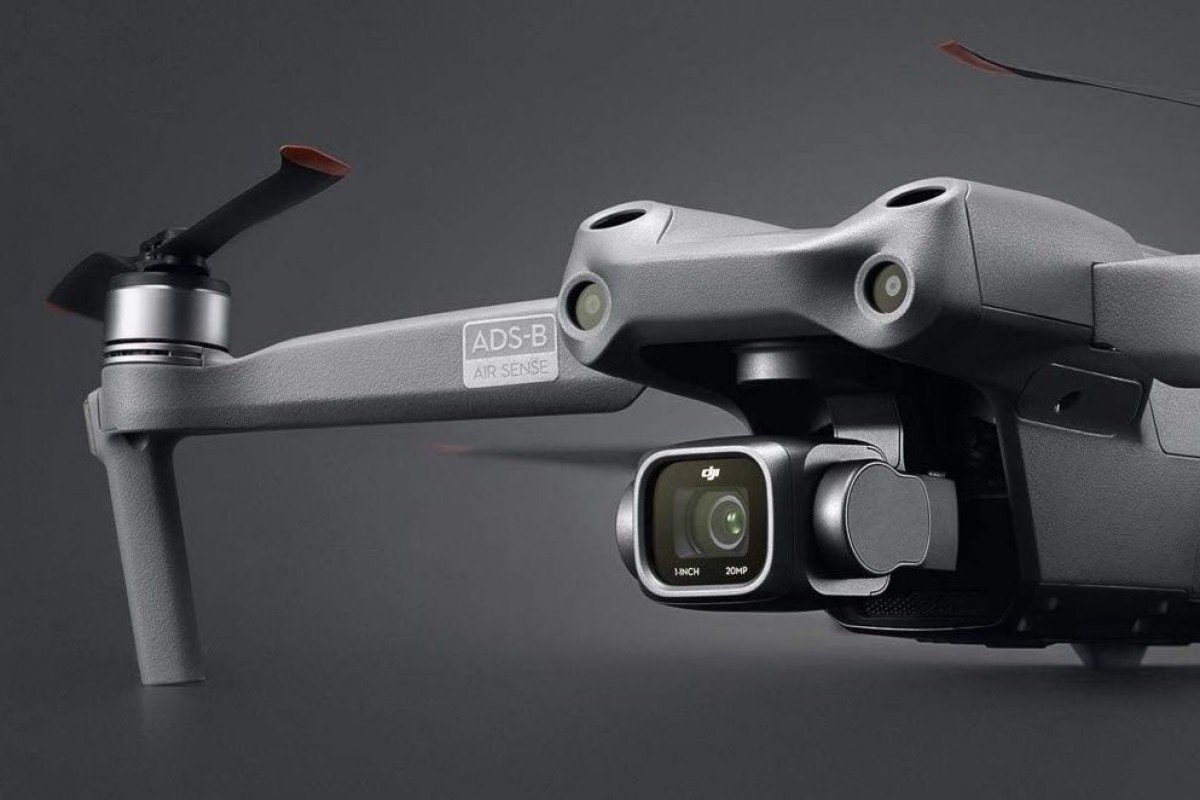 Sensor decides the amount of image detail a drone can gather
1.2. Dynamic range: Shadow and highlight detail
Real estate is a high-contrast environment. You might have a bright, blown-out sky and a house in the deep shadows of old-growth trees. A drone with high dynamic range (measured in stops) ensures that you can extract the most detail from the brightest or darkest parts of the frame. 10-bit or 12-bit recording capabilities are preferred to ensure that the sky or any gradient element in the frame retains its true colors and smooth gradation rather than turning into a pixelated, blocky mess.
1.3. Stability: The 3-axis gimbal
No matter how good the camera is, shaky footage will make for a problematic real estate drone video. A mechanical 3-axis gimbal is what will soothe your fear. It compensates for the drone's tilt, roll, and pan, keeping the horizon perfectly level even during more adventurous maneuvers. This stability is what creates the unfazed “gliding” feel that sets professional real estate tours apart, making having to intensively stabilize shaky video footage a thing of the past.
1.4. Wind resistance and obstacle avoidance: Safety first
Real estate pilots often fly in "tight" environments, near chimneys, power lines, overhanging branches or other nearby buildings. In those cases, omnidirectional obstacle avoidance (sensors on all sides) is the insurance policy. Modern drones use binocular vision sensors and even LiDAR to figure out their surroundings in real-time, allowing them to stop or fly around obstacles automatically. This is particularly useful for low-altitude "fly-around" shots of a home's exterior.
Property shoots can't always wait for a perfectly calm day. A drone with Level 5 or Level 6 wind resistance (capable of handling 20-25 mph gusts) is essential for maintaining a steady hover and predictable flight paths. Without it, your real estate drone video will suffer from "micro-jitters" that are difficult to fix in editing and look unpleasant to the eye.
1.5. Codecs and color profiles: The secret to high-end editing
Professional drone footage for real estate video editing requires more than just high resolution; it needs "data-rich" files.
-
Log profiles (D-Log, D-Log M, HLG): Shooting in a "flat" color profile preserves the maximum amount of data. This allows editors to intensively color-grade the footage to deliver the refined branding of high-end property.
-
Codecs: Look for drones that support H.265 or, for commercial work, Apple ProRes. These formats maintain higher bitrates and minimize "banding" in gradients like clear blue skies.
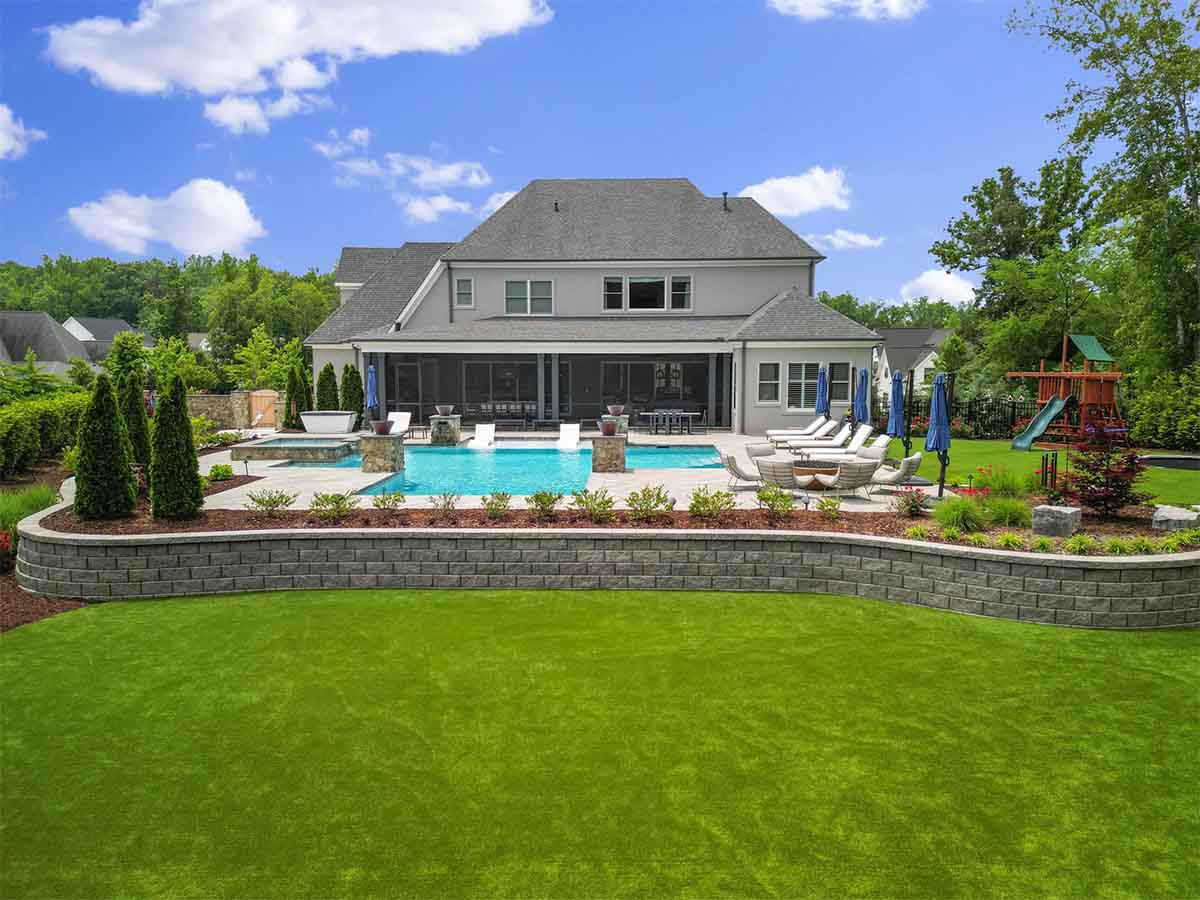 Optimized formats and color profiles allow for intensive post processing
The best drone for real estate videography is the one that allows you to focus on the creative side of the shot rather than the fear of crashing. A large sensor, sturdy wind resistance and professional-grade color profiles ensure your footage appropriately represents the high-value sector you’re in. More than that, fine drone shots don't just exhibit a house; they sell a lifestyle.
2. How drone choice affects real estate video editing quality
For a videographer or agent, the "best" drone depends entirely on the mission. A vast $10M vineyard requires different tools than a $400,000 suburban starter home. In this part, we break down the best drones for real estate videography in 2026 across five distinct categories, focusing on why specific models make the lives of editors and agents easier.
2.1. Best drone for professional real estate videos: DJI Mavic 4 Pro
If you are producing a commercial real estate drone video or high-end luxury listings, the DJI Mavic 4 Pro is the undisputed industry standard.
Why it is the pro choice: The Mavic 4 Pro (and its predecessor, the Mavic 3 Pro) features a triple-camera system. The main Hasselblad camera utilizes a large 4/3 CMOS sensor, rendering exceptional image quality that can be mistaken for a serious mirrorless interchangeable lens camera rather than a normal drone camera for property video. Footage from Mavic 4 Pro reveals incredible detail and natural color reproduction that resembles professional “ground” cameras like the Sony A7 series.
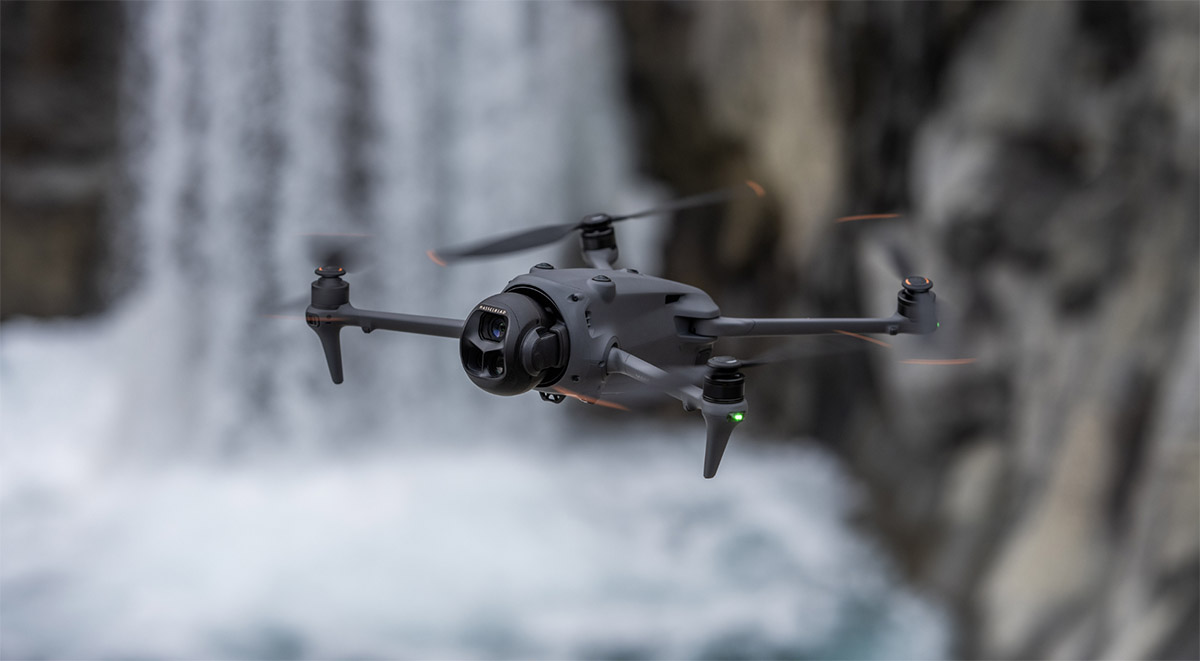 DJI Mavic 4 Pro is a flying cinema camera
Why editors love this drone: Editors prioritize the grading flexibility of a file. In this regard, the Mavic 4 Pro supports Apple ProRes 422 HQ and 10-bit D-Log.
-
Dynamic range: It captures extensive detail in the highlights and the shadows with natural quality.
-
Color grading: With 10-bit recording, editors have more leeway to push the colors in post-production, making the grass greener or the pool bluer without the image swarmed by patchy artifacts or pixelated bandings in the sky.
-
Telephoto versatility: The 3x and 7x optical zoom lenses allow editors to have access to more “compressed” shots where the house looks closer to the mountains or city skyline behind it, adding a cinematic feel with shallower depth of field.
2.2. Best balance of price & features: DJI Air 3S
For the vast majority of "mid-range" listings, which make up a huge portion of real estate drone marketing, you need a workhorse that is fast, safe, and high-quality without an extravagant price tag. The DJI Air 3S hits the perfect sweet spot.
Why it’s best for mid-range listings: The Air 3S has a dual-camera setup with an 1-inch main sensor. It is definitely more portable than the Mavic series but still remains more robust in the wind than the Mini series. Its "Level 6" wind resistance means that even on a windy afternoon, your footage remains rock-steady.
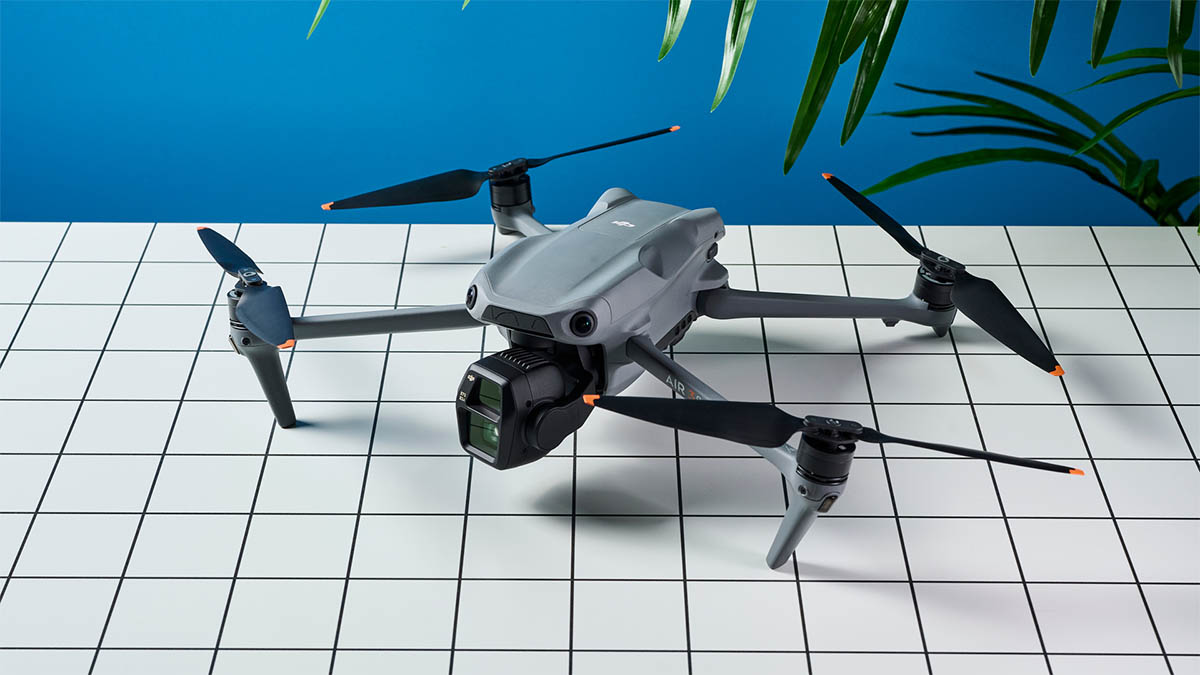 DJI Air 3S provides the best value for money
The "S" factor: LiDAR safety: One of the biggest risks in property shoots is colliding with a gutter or a tree branch. The Air 3S features forward-facing LiDAR, which allows the drone to "see" thin obstacles like power lines and branches even in low light. This safety allows pilots to fly closer to the home for dramatic "reveal" shots, providing better drone footage for real estate video editing.
2.3. Best drone for low-light property shots: Autel EVO Lite+
Twilight shoot (the "Blue Hour") is an iconic visual of luxury real estate. Capturing a home with all its interior and landscape lights glowing against a deep blue sky requires precise timing and technical compensating skills of the drone operator. The Autel EVO Lite+ remains a favorite for this specific niche.
Why it “shines” in the dark: While most drones struggle when the sun goes down, the EVO Lite+ features a specialized "Moonlight Algorithm." Its 1-inch sensor and adjustable aperture (f/2.8 to f/11) allow it to let in more light than its competitors.
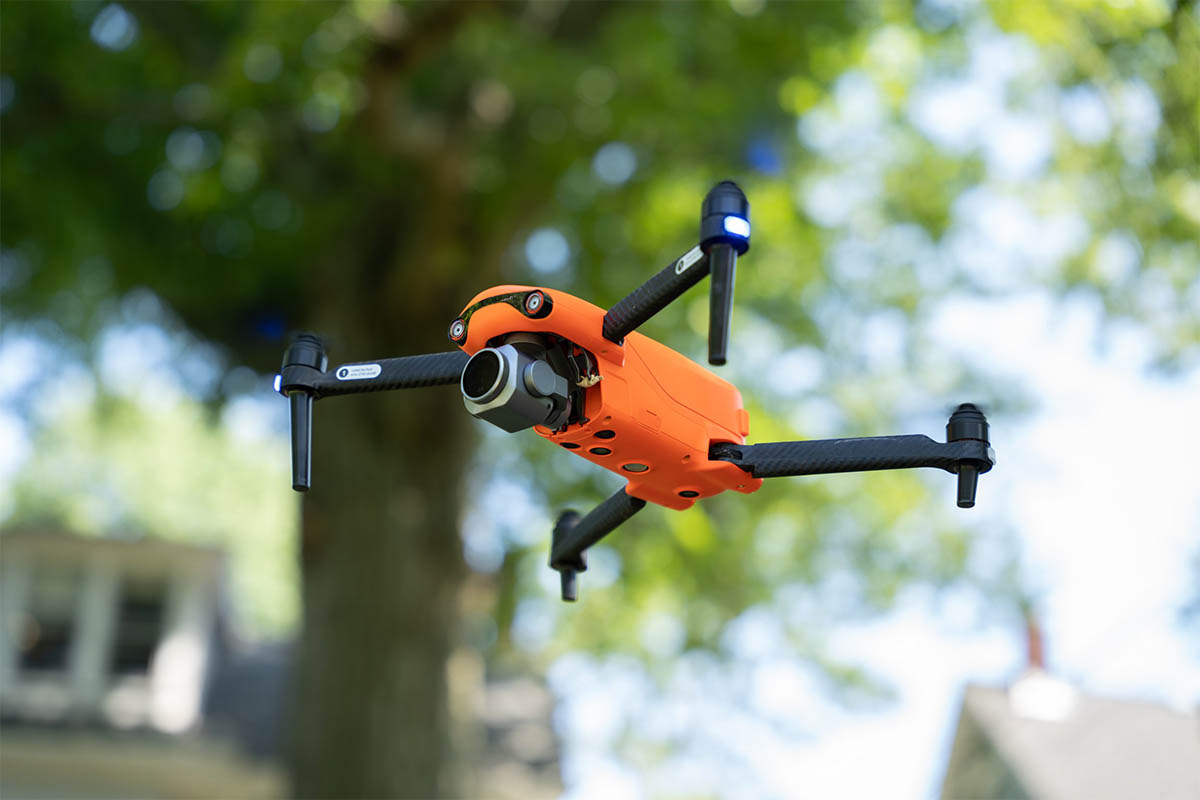 Autel EVO Lite+ fares well in dark scenarios
Editing considerations for low light: When shooting at night, noise (grain) is the constant threat.
-
ISO management: This drone allows you to keep ISO low while slowing the shutter speed slightly (thanks to its superior gimbal stability).
-
Noise reduction: Autel files are "cleaner" out of the camera, requiring less intrusive temporal noise reduction in editing software like DaVinci Resolve.
2.4. Best portable drone for realtors: DJI Mini 5 Pro
Many real estate agents want to capture their own “snippets” for Instagram Reels or TikTok without hiring a full production crew. The DJI Mini 5 Pro is the perfect choice for this fast-paced style.
Why it’s perfect for agents: At under 249 grams, it often bypasses many of the strict regulations in various regions, making it easier to fly legally without fuss. It features True Vertical Shooting, where the gimbal physically rotates 90 degrees to capture 4K video in portrait mode, perfect for real estate drone video that is primarily viewed on smartphones.
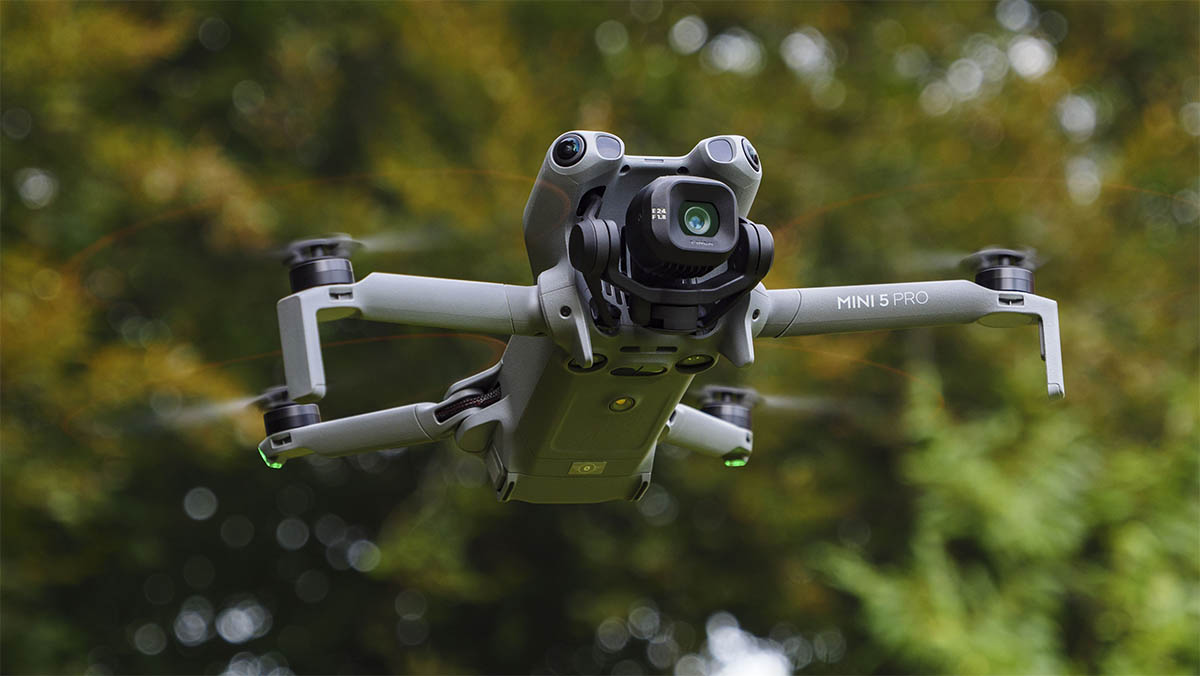 DJI Mini 5 Pro is the most straightforward drone to start filming while still delivering good results
Limitations in editing: While it is powerful, it has limitations:
-
Wind sensitivity: Because it is so light, it can "tilt" in the wind, which causes the gimbal to work harder. This can lead to minor wobbles in the footage.
-
Bitrate: The files are more compressed than the Mavic or Air series. If an editor tries to alter the colors drastically, the image will fall apart quickly. It is best used for immediate social content rather than high-end cinematic films.
2.5. Best for autonomous tours & outdoor real estate: Skydio 2+
For large commercial real estate drone video projects or complex outdoor estates with many obstacles (like a forest-heavy mountain retreat), the Skydio 2+ is the renowned drone for autonomy.
When this drone works best: Skydio’s "Autonomy Engine" blows most GPS-based drones out of the water. It uses 6-camera 360-degree obstacle avoidance to literally "think" its way through a forest or around a construction site.
Key use case: Automated "Keyframe" flights. You can manually fly the drone on a path once, and it will repeat that path perfectly every time, allowing you to capture the same shot at sunrise, noon, and sunset for a "time-lapse" effect in your final drone for real estate marketing video.
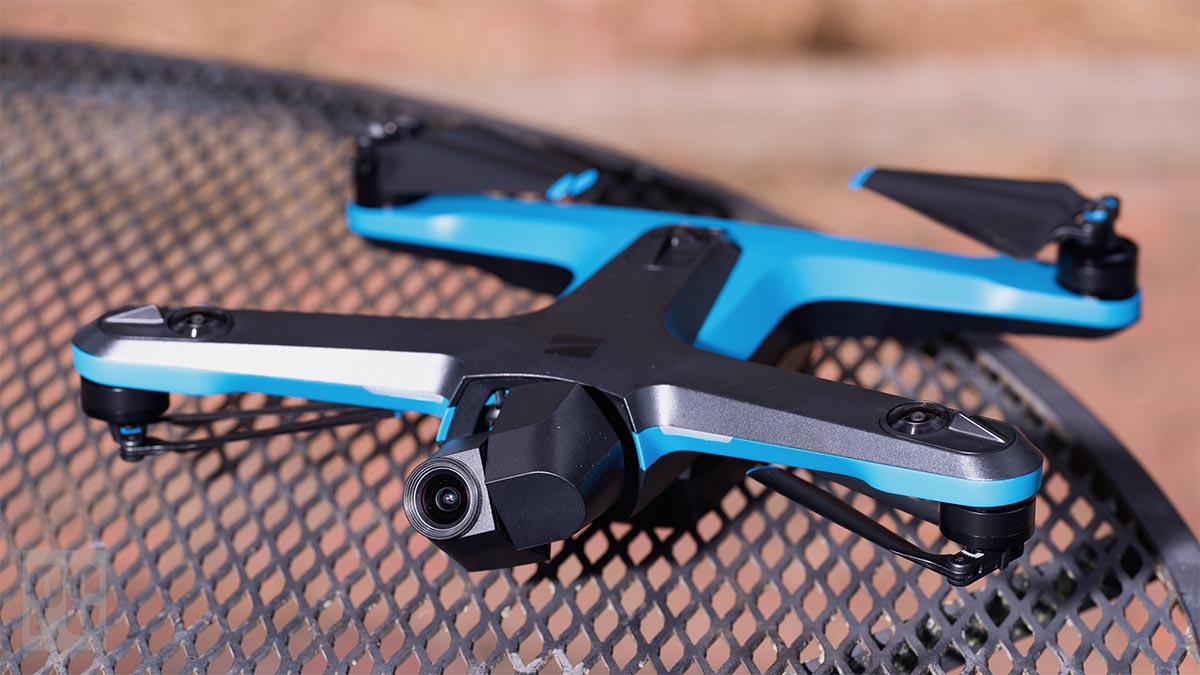 Skydio 2+ can operate automatically on a set path with perfect precision
Editing considerations: Skydio footage is very sharp, but its color science is more "earthy" and clinical compared to the warm, punchy look of the DJI Hasselblad cameras. Editors usually need to apply more color adjustments to give the footage a bit of “pop” to make the property look inviting.
Regardless of which drone you choose, always shoot in 4K at 60fps if possible. This gives your editor the extra in-between frames to slow the footage down to 40% or 50% speed in a 24fps timeline. This "slow-motion" effect is what gives real estate videos that dreamy, gently touching feel that emotionally connects the home with viewers.
3. Best drone shots for real estate videos (that actually convert)
In 2026, drone cinematography has established its own set of techniques. With AI-powered tracking and high resolution sensors, the best drone for real estate videography in the air can now produce shots that feel like high-budget Hollywood productions.
If you are building a commercial real estate drone video portfolio, here are the essential drone maneuvers that sell properties faster.
3.1. The "Hero" shots (essential)
-
The elevated front approach: Start at a low-to-mid altitude and glide slowly up the driveway toward the front door. This mimics the "buyer's arrival" but with a more magnificent scale.
-
The establishing wide shot: A high-altitude shot that places the property in context. Buyers want to see the relative distance to parks, schools, and waterfronts in a single frame.
-
The Top-down shot (Bird’s eye): Point the camera straight down at a 90° angle. This is the best way to show the layout of the pool, landscaping, and property boundaries.
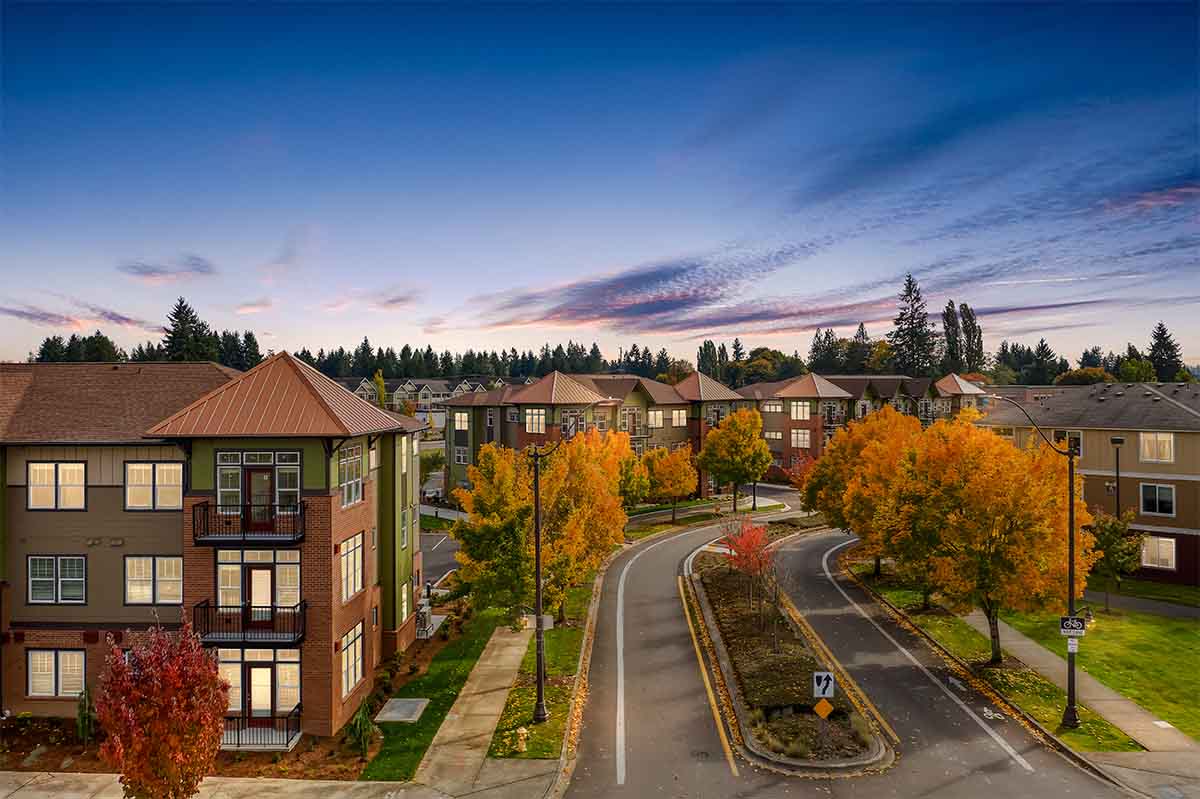 Establishing shots are essential for a property reveal
3.2. Cinematic Movements (the "wow" factor)
-
The Orbit/Point of Interest: Use your drone's AI to circle the house while keeping it perfectly centered. This highlights the architectural 3D flow and roofing quality.
-
The Reveal shot: Start low behind a feature (like a tree or a stone wall) and rise vertically while tilting the camera down to reveal the estate.
-
The Side Slider (Parallax): Fly the drone sideways at a low altitude while keeping the house in frame. Use a foreground object (like a fence or branches) to create a "parallax" effect that adds depth.
3.3. Advanced & FPV maneuvers
-
The One-take FPV Fly-through: Using a small, shielded FPV (First Person View) drone, fly through the front door, through the living room, and out the back patio. This is the “peak” drone shot for luxury listings.
-
The Day-to-night Hyperlapse: Position the drone in a stationary hover and capture the transition as the sun sets and the property’s outdoor lighting kicks in.
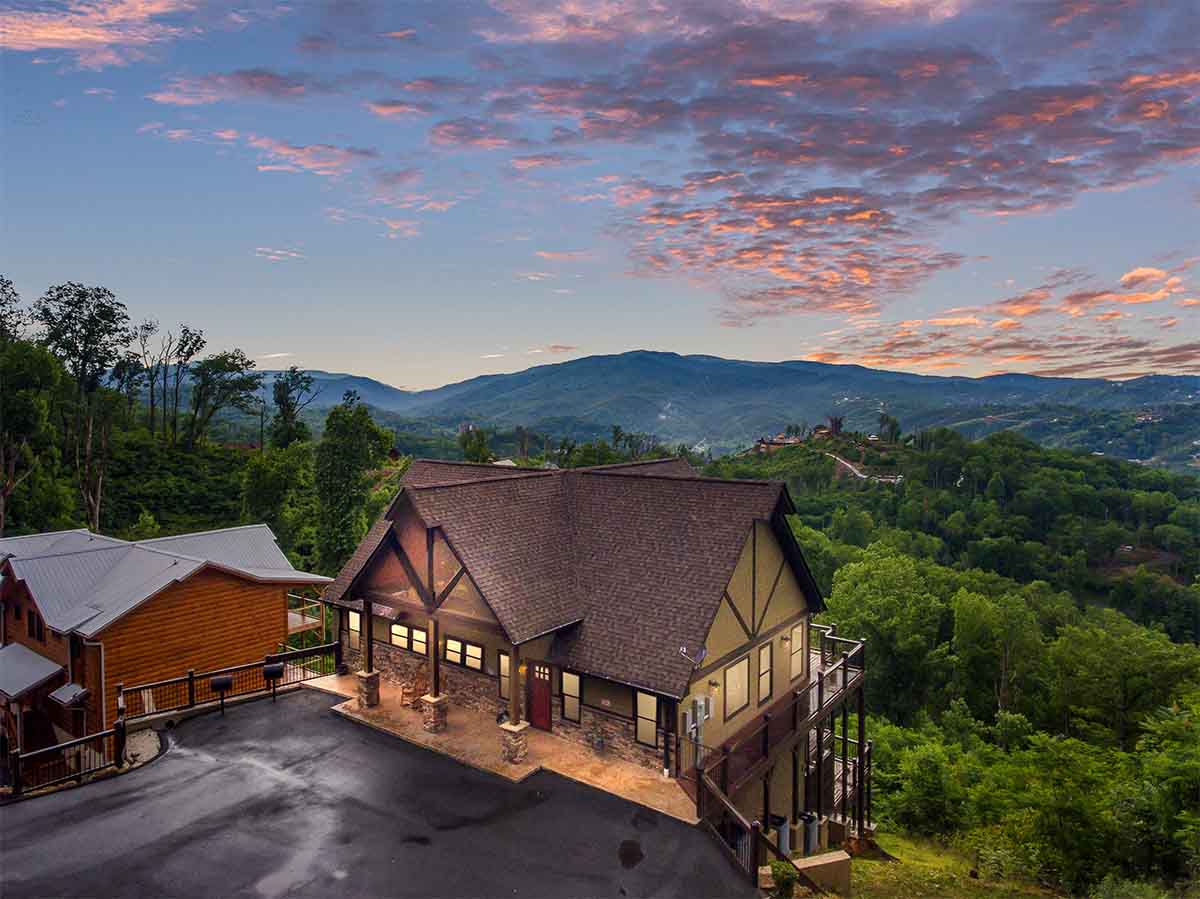 A static drone shot can sell the home if executed cleverly
4. Professional drone video editing for real estate
With online viewers exposed to a huge stream of increasingly polished content every day, having the best drone for real estate videography is now only the first step. While high-resolution 4K or 8K images can deliver a stunning "wow" factor already, raw footage is rarely enough to close a deal. To truly stand out, agents and videographers must bridge the gap between "cool overhead shots" and an impactful real estate drone video.
This “bridge” is post-production. Professional drone footage for real estate video editing transforms disjointed clips into a cinematic narrative that sells a lifestyle, not just a property.
The issues of raw drone footage
Even a $3,000 drone camera for property video can produce footage that feels subpar if left untouched. Raw clips often suffer from:
-
Micro-jitters: Windy conditions can cause small vibrations that resemble Nystagmus conditions, which distract and even annoy viewers.
-
Wasted time: Long, unedited flights of the drone taking off or stabilizing itself bore potential buyers.
-
Poor lighting: Raw files often look "flat" or have inconsistent exposure between shots or imbalanced exposure distribution.
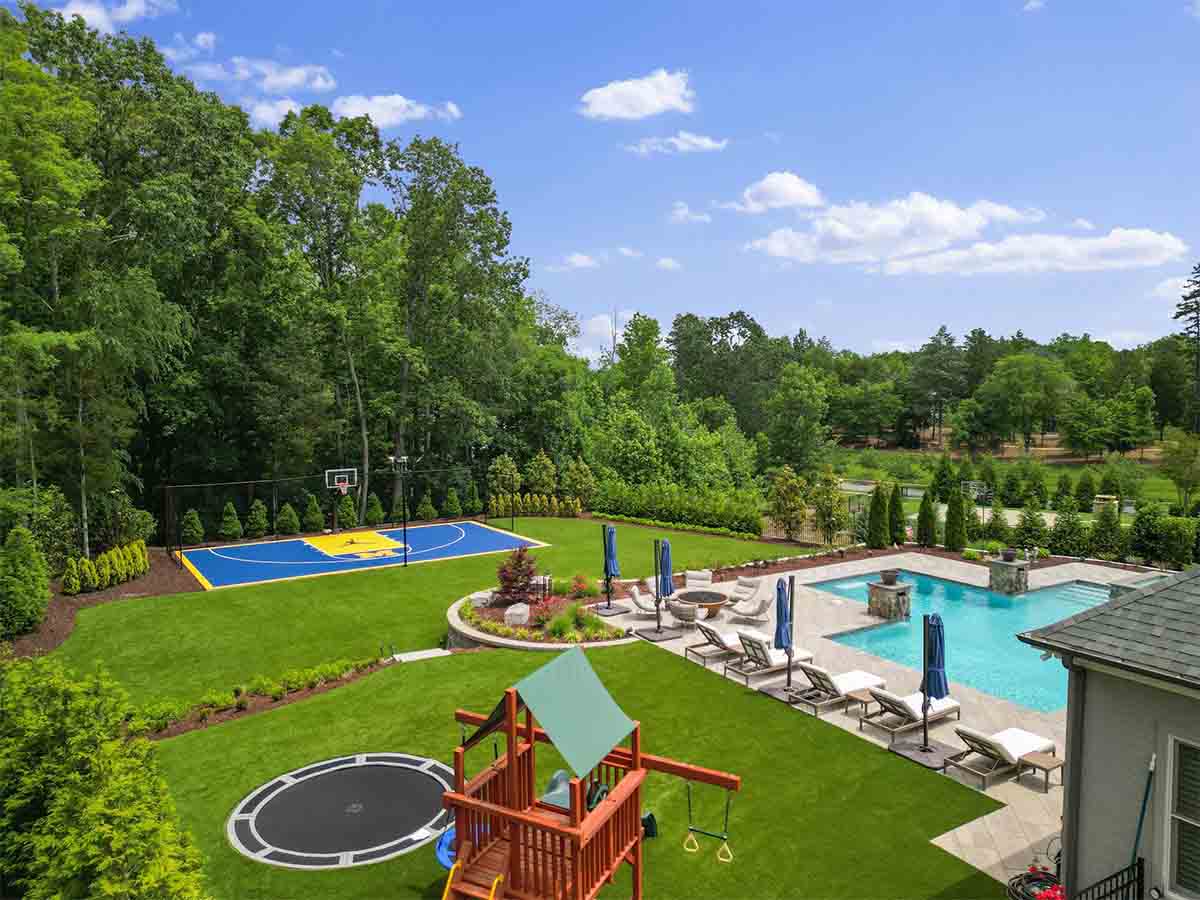 Raw footages are potentials waiting to be realized
Without a dedicated editor, a commercial real estate drone video can feel fragmented and cold, failing to create the emotional connection necessary for high-value transactions.
Why video editing services are a game-changer
Professional editing services do more than just cut clips; they can bring a tasteful layer of "cinematic polish" that elevates the perceived value of the listing.
Advanced stabilization and flow: Editors use software approaches to remove any remaining shakiness, ensuring every shot is as smooth as a dolly move. By sequencing shots logically, starting with a wide neighborhood context and moving toward a focused front-door approach, they guide the viewer's eye through a structured story.
Color grading for emotional impact: What makes using a drone for real estate marketing worth it is setting a distinctive mood. Editors use color correction to make the lawn look lush, the sky more vibrant, and the property more inviting. This is particularly desirable for luxury listings where subconscious impacts can add to the property’s worth.
Overlays and branding: For a commercial real estate drone video, data is often as important as the view. Editors can add motion-tracked graphics to emphasize property boundaries, nearby landmarks, or square footage. These on-screen displays provide critical information while complementing the cinematic flow.
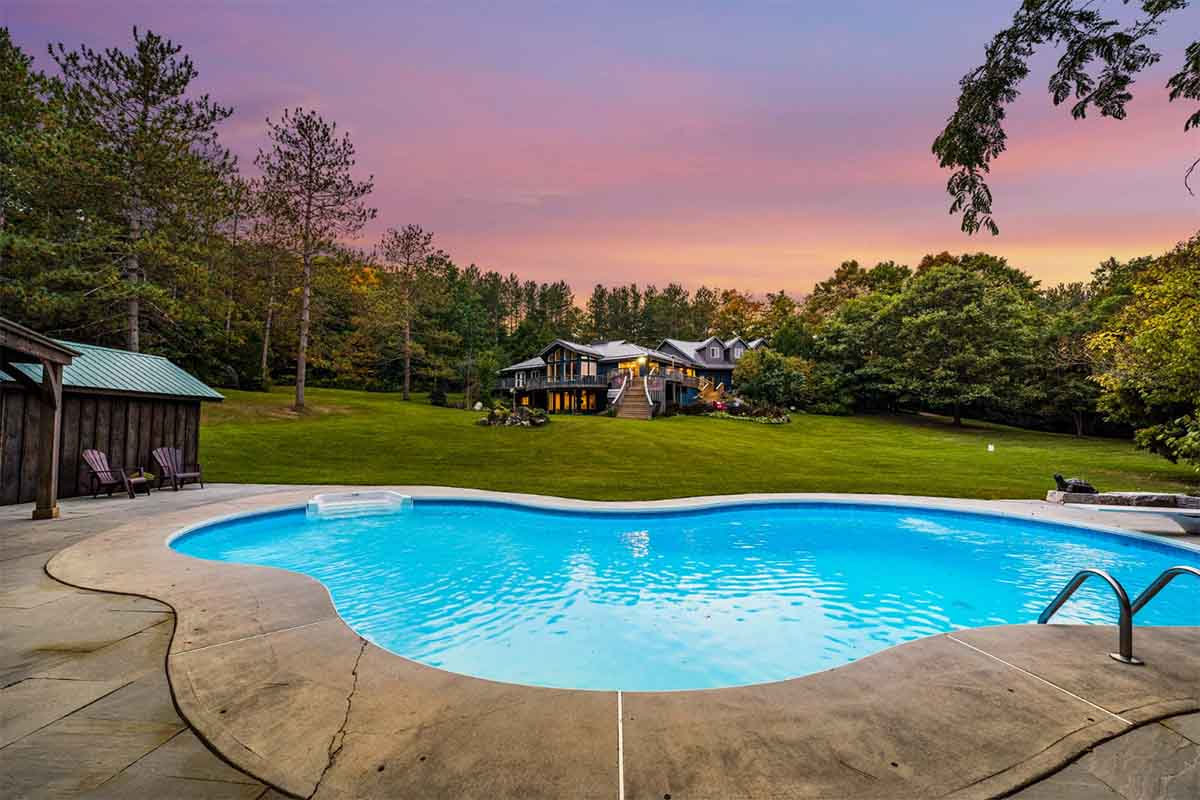 Video editing services help agents and videographers achieve professional results while saving valuable time
Conclusion
So, if you are looking for the absolute best, go for DJI Mavic 4 Pro. Seeking the perfect balance of price and performance? DJI Air 3S. Having to shoot after dawn? Autel EVO Lite+ will suffice. Or if you find those too complicated, DJI Mini 5 Pro is a no-brainer. And for those repeating shots that tolerates no deviation, Skydio 2+ will be your trusted partner.
A drone is a powerful tool, but it is the editing that turns a "recording" into a marketing asset. By investing in professional drone footage for real estate video editing, you ensure that your listings don't just show a house, they tell a story that justifies the price tag.
Got promising drone shots but can’t bother doing the excessive post-production? Send the raw footage to us and receive cinematic output in no time. With Fotober’s real estate video editing services, you have a supportive partner to craft your rough footage diamonds into a stunning commercial product that showcases your property in its best light.
Follow us on social media for more interesting tips about real estate visual marketing and getting up-to-date information about our services!
-
Facebook: fotobermedia.co
-
Instagram: fotober_media
- YouTube: @Fotober
Related posts

Modern Luxe Interior Design: Elements, Style Guide and How to Stage It
October 10, 2026

Minimalist Interior Design: Characteristics, Style Guide, and Staging
October 8, 2026

Coastal Interior Design: Style Definition & Staging Guide
September 30, 2026

Contemporary Interior Design: Key Elements and How to Stage This Style
September 30, 2026
